
Last updated: Apr 19, 2026
Jefferson City sits in central Missouri where spring hail and strong thunderstorms are a recurring roofing trigger, making seasonal damage checks more important here than in lower-claim markets. The valley climate drives rapid, hail-streak events that leave dings, granule loss, and micro-tears on shingle seals. Summer heat sets up wind uplift on already-stressed surfaces, so the risk doesn't end with spring; it carries into fall when gusty systems can finish off a compromised roof. You should treat the first warm-up after winter as a potential warning sign rather than waiting for a calendar date. If a storm rolls through and your gutters, shingles edges, or chimney flashing show new scratches, lifted granules, or visible dimples, assume damage and inspect closely within 24 to 72 hours when you can safely access the roof.
Right after a hail or wind event, your objective is to document damage fast and prevent secondary problems. Start with a careful exterior walkaround from the ground if safe, noting missing chunks, cracked shingles, or dented metal drip edges. Look for granular loss on shingles and unusual sheen on metal patches that indicates lifted sealing. Inside, check ceilings, walls, and attic insulation for signs of moisture or new stains. In Jefferson City, storm damage often travels from the roof to the attic and then to interior ceilings, so don't overlook the uppermost rooms during the first days after a storm. If you find leaks or suspect hidden damage, contact a local roofing pro promptly to perform a targeted assessment, even if you think the roof is "okay" from the ground.
The path from weather event to approved claim moves fastest when your documentation is complete and organized. Start a storm file the moment a hail or wind event ends: date of the storm, location, and a list of observed roof symptoms. Take timestamped photos from multiple angles-upper and lower elevations, fascia, vents, and flashings. Keep a simple storm diary noting how certain areas on the roof responded to wind loads, and record any changes in interior comfort or moisture symptoms in the following days. If you have access to a ladder, capture roof edge details and any visible deformation, but never climb onto a visibly compromised roof during slick conditions. A quick, precise set of before-and-after photos can significantly streamline an insurer's review and reduce back-and-forth correspondence.
A contractor landscape here is heavily weighted toward storm-damage and insurance-claims work, so you'll want to screen for experience with hail-driend assessments and swift documentation. Prioritize roofers who provide a written damage assessment, a proposal with line-item repairs, and clear identification of what is storm-related versus age-related wear. Ask for references from nearby neighborhoods that endured the same storm cluster, and verify their licenses and insurance coverage. When scheduling a post-storm inspection, set a concrete timeline and insist on a thorough attic inspection for hidden moisture pathways. Be wary of unusually fast replacements that promise "standard" results without an in-person inspection; a proper assessment in this market requires careful on-roof evaluation and an honest appraisal of wind-lift or hail impact on seal strips and underlayment. In practice, your best ally is a local pro who communicates clearly, follows up promptly, and can translate weather-driven damage into a precise fixes list.
Chavez Enterprises LLC - Roofing
(573) 821-7663 thechavezenterprises.com
1001 Southwest Blvd suite c, Jefferson City, Missouri
4.9 from 162 reviews
Chavez Enterprises is the roofing company you can trust in mid-Missouri. We provide free, no obligation service quotes for your roof, gutter, and siding repair or replacement needs. When you need to file an insurance claim for your roof damage, Chavez Enterprises will work hand in hand with your insurance company to get the job done quickly. Our team of experienced roofing professionals are licensed and insured to provide the best services in mid-Missouri. When you work with Chavez Enterprises, you will always have clear expectations of cost and timeline. We are dedicated to providing the best customer services possible and will work hard for you. Call Chavez Roofing today to get a free quote for roofing, gutter, or siding services.
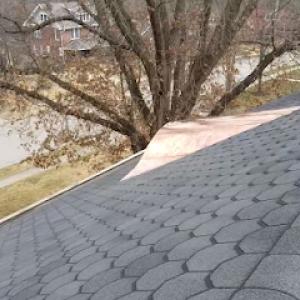
Absolute Roofing & Exteriors
(573) 690-7663 www.absoluteroofsjc.com
Jefferson City, Missouri
4.9 from 69 reviews
Absolute Roofing & Exteriors serving mid Missouri in Roofing, siding, gutters and decks.

Roof U.s.
(573) 679-3450 www.roofusconstruction.com
1109 Southwest Blvd Suite G, Jefferson City, Missouri
5.0 from 40 reviews
Roof U.S. is Jefferson City’s trusted roofing contractor, serving homeowners, businesses, and rural property owners across Central Missouri. As a family-owned company with roots in Mid-Missouri since 2010, we’re known for delivering high-quality roofing with integrity, speed, and no surprises. From residential roof replacements and commercial flat roof systems to barn roofing and hail damage repairs, every project is handled by our licensed, insured team with care and professionalism. We offer free estimates, weekend appointments, 24/7 emergency response, and a “no-mess” guarantee that sets us apart. Backed by industry-leading warranties and a reputation for straightforward service, Roof U.S. brings better roofing to Jefferson City.
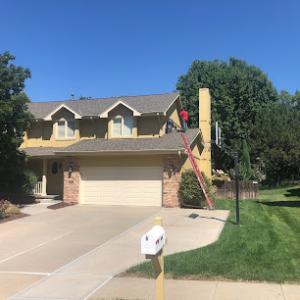
3:16 Exteriors
(573) 731-4213 316exteriors.us
6401 Quarry Rd Rx, Jefferson City, Missouri
4.8 from 121 reviews
PROVIDING HOME IMPROVEMENT SOLUTIONS IN JEFFERSON CITY AND SPRINGFIELD, MO as well as Omaha Nebraska When your home needs structural repairs, choose a reputable roofing company with your best interests in mind. 3:16 Exteriors brings over 25 years of industry experience to each project. You can count on us to provide exceptional repair and installation service without skimping on quality. Awarded Best Roofing Contractor for 2024
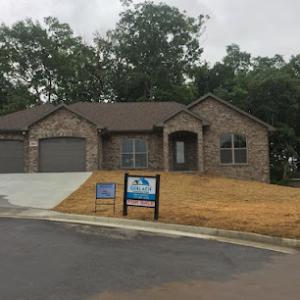
Gerlach Construction
(573) 533-4253 gerlachconstructionmo.com
1807 Valley Hi Rd, Jefferson City, Missouri
4.9 from 18 reviews
Gerlach Construction is your trusted choice for roof replacements in Jefferson City. Our experienced staff is top notch at assisting you with post storm insurance repairs. We offer quality roof replacements, repairs, and storm damage services to ensure your property is protected. Our experienced team also provides gutter installation, siding replacements, and deck builds, helping you enhance your home inside and out. Whether you're dealing with a leaky roof or need a full replacement, we are committed to providing durable and reliable solutions. Reach out to us today for all your roofing and construction needs. We're here to make sure your home stays safe and looks great!
ASR Commercial Roofing Systems All Seasons Roofing
2601 E McCarty St, Jefferson City, Missouri
5.0 from 9 reviews
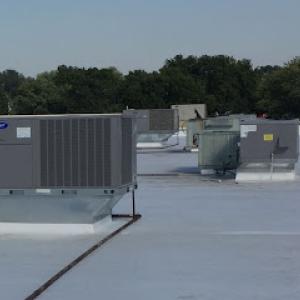
ASR Commercial Roofing Systems has provided flat roofing systems for local businesses, facility managers and owners since 2004. We are proud to offer the absolute best in roofing value, time-honored customer service, quick project turn-around and accurate budgets. As a community team player, we hope to be providing roofing systems in Central Missouri for many years to come, that’s why we have a no-nonsense approach to sales and service. If you are in need of a flat roofing repair, replacement estimate or have questions about retro-fitting your metal roof to a membrane system please contact us today.
CoMo Premium Exteriors
(573) 641-2511 comoexteriors.com
200 E Cedar Way, Jefferson City, Missouri
4.4 from 45 reviews
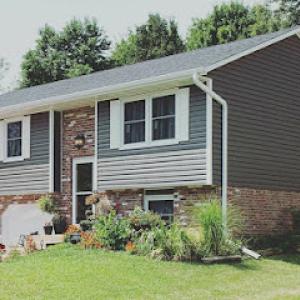
Serving Jefferson City and the surrounding areas, CoMo Premium Exteriors delivers roofing, siding, windows, gutters, and deck solutions—backed by our Limited Lifetime Workmanship Warranty on qualifying projects. With an unwavering commitment to excellence and customer satisfaction, we ensure every project meets the highest standards. Our reputation is built on reliability and craftsmanship, with services tailored to your needs. We prioritize clear communication, keeping you informed at every step. Using proven techniques and industry expertise, our skilled team can tackle any exterior challenge efficiently. Your satisfaction is our goal. Contact CoMo Premium Exteriors today to protect and enhance your home in Jefferson City.
Rivera's Construction
(573) 536-7663 riverasconstructionllc.net
1315 Tara Rd, Jefferson City, Missouri
5.0 from 1 review
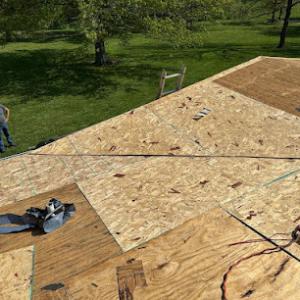
Rivera’s Construction is a company that was established in Jefferson City, MO for 15 years ago under the values of professionalism, integrity, and responsibility. Our main focus has always been to deliver high-quality results and to exceed expectations by applying our more than 15 years of knowledge and using the best materials in the roofing industry while providing our clients cost-effectiveness without sacrificing high-quality standards
M5 Contracting
(833) 424-5767 www.yougetaroof.com
Serving
5.0 from 37 reviews
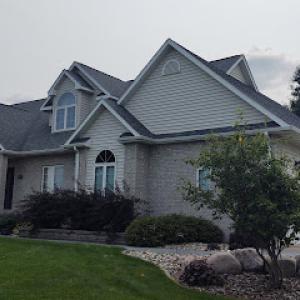
M5 Contracting: Your trusted Mid-Missouri roofer in Holts Summit. Expert roof repair, replacement & storm damage repair for Jefferson City & beyond. Free estimates!
GMZ Enterprise
Serving
5.0 from 2 reviews
Welcome to GMZ RG Enterprise, the trusted roofing company serving Fulton, MO, and the surrounding area. We provide various services, including roofing, siding, and much more. We have been in business for over three years, and you can trust that we only use the latest equipment, guaranteeing the best results. Our professional team of roofing contractors has the experience and ability to assist you in your property's renovations, maintenance, and repairs. You can rely on us to troubleshoot and resolve your issues confidently and on time.
Bill's Roofing & Painting
(573) 636-8433 www.billsroof.com
Serving
3.1 from 7 reviews
Bill’s Roofing has served the Mid Missouri area since 1971. Family owned and operated! Your satisfaction is our number one priority!
Westland Exteriors
816 Westland Drive, Jefferson City, Missouri
How Safe Is the Roof Over Your Head? Westland Exteriors provides residential and commercial roof installation services in the Jefferson City and Columbia, MO area. Our roofing contractor has more than 30 years of experience, so you can trust us complete all of your roof installation, replacement and repair work with efficiency. If you need energy-efficient windows, durable doors or leak-proof gutters installed, our crew can handle that, too. Call now to speak with a commercial roofing contractor and schedule roof repair or replacement services. Our roofing contractor works on all types of residential and commercial roofs.
Here, in the Missouri River valley, spring hail and thunderstorm activity is common enough to test the strength of steep-slope roofs over neighborhoods with similar layouts. Humid summers heighten the pace of granule loss on asphalt shingles and speed thermal aging on metal and composite roofs when ventilation is marginal. The transition from spring storm season into the heat of summer is a real inflection point: after a damaging hail event or a sequence of high-wind days, shingles may look intact but carry hidden stress that shows up as leaks once the attic warms and expands. Plan replacements to align with the late spring to early summer lull in storm intensity but before heat and humidity peak, so crews can work efficiently and indoors stay dry during the hottest stretch of the year. In practical terms, that means targeting a window after the last major hail event of the season and before the greatest annual heat buildup, when scheduling tends to tighten and weather risks shift toward heat and humidity.
Because weather in this valley can shift quickly, schedule a roof inspection soon after a strong spring storm or a suspicious wind event. Look for lifted edges, missing granules, or dented metal flashing that may not be immediately obvious from the ground. The dented flashing gaps created by freeze-thaw cycles often persist quietly, only widening when daytime temperatures swing and moisture moves through joints. If interior signs appear later-stains, musty smells, or sudden condensation in the attic-those can be the result of flashing flaws that became problematic during winter and spring. A thorough inspection should extend into the attic space to check for moisture, ridge vents, soffits, and baffle effectiveness. In Jefferson City's climate, you want a contractor who can diagnose whether attic ventilation is adequate to slow moisture buildup during humid summers and to prevent warm, moist air from curling under shingles.
Attic ventilation matters more here than in many midwestern markets because humidity compounds damage from heat and aging. If an inspection reveals marginal ventilation, plan repairs or upgrades that improve airflow before mid-summer heat becomes intense. If attic moisture is present, address it promptly to prevent warped decking or mold growth that can complicate a storm-damaged repair. In practical terms, choose a timing strategy that accommodates a ventilation retrofit or staging of repairs during a window when crews can simultaneously seal, vent, and replace flashing and damaged shingles. The goal is to stabilize the attic environment enough to protect any new materials from rapid degradation once summer humidity rises.
Replacement timing is influenced by the seasonal rhythm of Jefferson City's market. After spring storms, reputable roofs crews begin to fill their schedules, and delays can push projects into the hottest weeks of July. If a roof has sustained visible damage but remains functional, plan a staged approach: conduct critical repairs to prevent interior leaks now, then complete a full replacement once weather and contractor availability improve, ideally before heat intensifies and new wear accelerates. This staggered approach helps prevent minor damage from escalating into costly interior issues during the peak moisture months.
When you can't wait, these contractors offer fast response times to stop leaks and prevent further damage.
Absolute Roofing & Exteriors
(573) 690-7663 www.absoluteroofsjc.com
Jefferson City, Missouri
4.9 from 69 reviews
Gerlach Construction
(573) 533-4253 gerlachconstructionmo.com
1807 Valley Hi Rd, Jefferson City, Missouri
4.9 from 18 reviews
Asphalt shingles remain the baseline choice in Jefferson City because they fit the area's common residential roof forms and are easier to replace after hail than heavier premium systems. In this climate, spring hail and wind cycles beat on the surface, and a familiar, straightforward shingle can absorb impact without overly complicating repairs. For most single-family homes with standard gable or shed rooflines, asphalt delivers dependable performance, straightforward maintenance, and a service life that aligns with typical local renovation cycles. When a hail event comes through, you'll find contractors are comfortable matching and re-landing shingles to maintain a consistent look with the existing roof, which helps keep the home's curb appeal intact in the Missouri River valley setting.
Metal roofing is locally relevant but not dominant; in Jefferson City it is often considered by homeowners looking for better wind performance and lower maintenance after repeated storm cycles. If a home faces frequent high-wind events or you want reduced nuisance from granule loss after hail, metal can be a sensible option. It's typically lighter than some premium tile choices, which can ease installation concerns on older structures. However, metal's appearance and edge detailing matter-older homes with ornate fascia or multiple valleys may require careful flashing and seam work to avoid leaks in Missouri's freeze-thaw cycles. If you lean toward metal, plan for a thoughtful install that pairs quality sealant choices with reinforced ridge and eave protection. The local market generally supports metal as a long-term upgrade rather than a quick fix after a storm, so expect a measured decision process and a focus on wind-rated panels and proper underlayment.
Clay tile, concrete tile, wood shakes, and synthetic/composite products are available in this market, but their suitability depends heavily on whether the existing structure and roof geometry can handle added weight, detailing complexity, or maintenance demands in a four-season Missouri climate. Clay and concrete tile bring strong performance in dry months and a distinct aesthetic, yet their heavier weight requires structural confirmation, especially on older Jefferson City homes or retrofits. Wood shakes offer an organic look and solid insulation potential, but they demand vigilant maintenance against moisture, mildew, and seasonal swelling. Synthetic or composite shingles provide a middle ground, offering some durability with lighter weight and easier installation than traditional tile or wood. When evaluating these options, assess the attic space and framing, the ability to support additional weight, and how the roof shape translates into drainage and flash detailing across a variable Missouri winter.
Spring hail is a recurring concern in the market, so consider a roof with a robust impact resistance profile that aligns with your elevation and exposure. In flatter sections, wind uplift resistance matters, but so does the compatibility of the roof's geometry with your home's gutters and downspouts. If you anticipate frequent rapid thaw cycles, ensure the underlayment and flashing are designed for rapid moisture movement and reliable sealant performance. Maintenance schedules should be set to inspect valleys, ridge lines, and vent penetrations after heavy storms. A well-chosen roof evolved for Missouri seasons will balance ease of repair, repairability after hail, and the ability to maintain a clean, weather-tight envelope across a diverse weather calendar.
In practice, most Jefferson City homes benefit from a thoughtful blend of durability, ease of repair, and compatibility with existing rooflines. Asphalt remains the dependable default for typical shapes, while metal offers a complementary choice when wind resilience and storm-cycle maintenance are priorities. If considering tile, shake, or synthetic options, verify structural suitability and detailing complexity with a local contractor who understands the four-season Missouri climate. A successful selection keeps your home resilient through hail, wind, and freeze-thaw cycles while preserving the character of the local housing stock.
Spring hail and wind events drive sharp demand in this market, and labor availability can tighten quickly as crews shift between cleanups and full replacements. When a big hail week hits, it's not unusual to see project start windows push from two to four weeks into a longer lead time, with estimates edging higher as crews balance backlog and travel constraints. This dynamic is a normal part of the Jefferson City housing market, where residents frequently weigh timing against weather forecasts and storm-related paperwork. If you're planning a replacement after a hail event, build in a realistic scheduling buffer and expect material and labor costs to shift with demand.
Steep-slope residential roofs are the norm here, and that shapes both price and safety setup. On older homes with multiple penetrations, valleys, and flashing transitions, crews set up more extensive fall protection and flashing work, which adds to labor time and costs compared with simpler low-slope layouts. Expect higher daily rates for crews that bring extra safety gear, longer staging, and more detailed flashing detailing. In practice, the extra setup translates to tens of dollars per square foot for the right conditions, especially when full replacements are needed due to storm damage or compromised decking.
Material choice ranges locally from asphalt shingles at 350 to 620 USD per square, metal roofing at 600 to 1100, clay tile at 900 to 1700, concrete tile at 800 to 1500, wood shingles or shakes at 500 to 1000, and synthetic or composite shingles at 450 to 900. These ranges reflect the regional availability and the logistics of transporting materials to mid-M Missouri homes, as well as the demand spikes after spring hail. When you're evaluating bids, remember that a seemingly lower base price can rise once steep-slope preparation, existing venting systems, and flashing transitions are fully accounted for in the scope. For older structures with mixed roof lines, the bids often diverge more on installation complexity than on material cost alone.
If timing is flexible, you can marginally reduce costs by avoiding peak storm-season windows and coordinating several smaller projects together. On the other hand, if a hail event has created widespread damage, contingency budgeting becomes essential because even minor delays in start dates can ripple into higher labor carry costs and longer project durations. For steep-slope homes, especially those with multiple penetrations, ensure you have a clear sequence with the contractor: debris removal, structural checks, underlayment assessment, and flashing overhaul all aligned to minimize rework.
Get a clear picture of your project costs upfront - no commitment required.
Chavez Enterprises LLC - Roofing
(573) 821-7663 thechavezenterprises.com
1001 Southwest Blvd suite c, Jefferson City, Missouri
4.9 from 162 reviews

Roof U.s.
(573) 679-3450 www.roofusconstruction.com
1109 Southwest Blvd Suite G, Jefferson City, Missouri
5.0 from 40 reviews
Premier Property
(573) 893-1050 www.thepremierchoice.com
5601 Algoa Rd, Jefferson City, Missouri
4.7 from 71 reviews
A full roof replacement in Jefferson City requires a permit through the City of Jefferson City Building Department, not an informal arrangement between contractor and homeowner. The permit process signals that the work will be inspected for code compliance and safety, so start the dialog early and keep all paperwork organized. Relying on a verbal agreement or assuming a quick start can backfire if the permit is delayed or required documentation is missing. The Building Department will expect detailed plans, including the proposed roofing material, underlayment, flashing, and venting strategies, so have these ready before any shingle orders are placed or ladders are rung.
The city schedules an inspection after the roofing work is complete. Inspections pay close attention to installation details such as flashing around chimneys and valleys, venting setups, and proper nail patterns to resist wind uplift. If any component fails to meet code or is executed with shortcuts, the inspector will note you back to a staging area, which can lengthen the project and create risk of weather-related damage in the interim. Planning for this checkup means understanding what inspectors will scrutinize and ensuring that contractor crews document fastener counts, flashing lap joints, and attic ventilation locations.
Because the permit and inspection process is tied to full replacement, homeowners should clarify early whether the project is a repair or a full re-roof so scope changes do not delay closeout. A mismatch between the initial permit scope and the actual work can trigger re-permitting or additional inspections, potentially pushing back the final sign-off. If a damage assessment reveals that only portions of the roof need attention, discuss with the contractor how to adjust the plan within the permit's framework. Document decisions in writing and keep a single, clear trail of changes to avoid confusion during the final inspection and after the permit is closed.
Spring hail and wind storms in this valley produce a fast-moving claim environment. Carriers will expect clear damage timelines and detailed photo logs to establish when damage occurred and how it progressed. In Jefferson City, a single thunderstorm can leave a mix of bruised shingles, lifted edges, and granule loss that isn't always obvious from the ground. Documenting each stage-from initial exposure to subsequent rains or freezes-helps keep the claim focused and reduces back-and-forth.
Detailed photos are not a luxury; they are the backbone of a credible claim. Start with a wide shot of the entire roof and property, then zoom into the most affected areas. Capture attic indicators like insulation darkening or moisture stains if accessible. Create a simple timeline: note the storm date, when damage was first observed, and any interim precipitation that could have worsened conditions. In practice, you want a chronological set that an adjuster can follow without guessing. Store these files in a dedicated folder labeled by year and storm event.
Insurers may review how well the roof has been cared for in the years before a loss. If replacement work includes upgrades that meet current code standards, expect discussion about scope and value. Keeping records of previous maintenance, repairs to flashing, underlayment, or venting, and contractor notes can clarify what was addressed and what remains outstanding. Clear documentation helps avoid disputes over whether a replacement should be partial or full, and which upgrading details are considered part of a modern installation.
Organize receipts, warranties, and contractor communications in a bound file or digital folder. Include photos with date stamps and summaries of conversations with your insurer or adjuster. Establish a simple ledger for each storm season: dates of storms, observed damage, and repair milestones. Consistency in filing prevents confusion if a claim is revisited during appraisal or a mid-season reassessment.
Expect insurers to request a detailed damage narrative and supporting photos. Appraisal practices can vary by company, so having a thorough, orderly record before storm season reduces friction and helps ensure the appropriate scope of work is identified from the outset. In the local market, the goal is to align the documented condition with the insurer's assessment framework, avoiding surprises after the first assessment.
Connect with contractors who help homeowners navigate the claims process from damage assessment to final approval.
Chavez Enterprises LLC - Roofing
(573) 821-7663 thechavezenterprises.com
1001 Southwest Blvd suite c, Jefferson City, Missouri
4.9 from 162 reviews
Absolute Roofing & Exteriors
(573) 690-7663 www.absoluteroofsjc.com
Jefferson City, Missouri
4.9 from 69 reviews
Roof U.s.
(573) 679-3450 www.roofusconstruction.com
1109 Southwest Blvd Suite G, Jefferson City, Missouri
5.0 from 40 reviews
In Jefferson City's winter, the freeze-thaw cycle stresses roofs where attic temperatures run uneven due to marginal insulation or ventilation. When soffit and attic vents don't pull heat out evenly, snow melts along the roofline and refreezes at eaves, creating ice dams that back up into vulnerable flashing and joints. If your attic temperature is noticeably warmer near the chimney chase or near old wiring bundles, that's a red flag that moisture can be pushed toward ceilings and drywall during thaws.
The post-completion inspection for a replacement often hinges on attic venting performance, not just aesthetics or curb appeal. A properly vented attic must have a clear path from soffit intake to ridge or roof-vent exhaust, with balanced flow on all slopes. Signs of trouble include blocked soffits, collapsed baffles, or insulation that covers vents. If airflow is limited, heat buildup will persist through mid-winter storms and raise the risk of ice damming and subsequent leaks.
Winter leaks aren't always new storm failures; they can trace back to flashing gaps or vent weaknesses revealed by cold weather. Look for water stains that appear after a thaw-break in the roofline, especially near plumbing vents, skylights, and chimney flashing. Inspect attic areas for condensation on sheathing, which indicates insufficient venting or airflow. A quick check is to feel the attic air: if warm pockets seem to pulse toward the roof during a sunny day, airflow may be blocked.
Prioritize sealing air leaks between the attic and living space with appropriate caulking and gasket material around penetrations. Add or adjust vent baffles to ensure unobstructed intake air from the soffits up to the ridge vents, and re-seat insulation so it doesn't cover vents. Consider a thermal-imaging assessment to pinpoint hotspots where insulation and ventilation misalign, especially near the attic's most exposed corners. If present, address flashing gaps with matching metal or high-quality sealant, then re-check after a few heavy thaws to confirm improvements.
In a market where spring hail and gusty storms are common, the fastest responders and the cleanest job sites come from firms that understand how work happens around occupied homes. Look for a contractor that can commit to a rapid on-site assessment after a storm and can explain how they will limit further damage while they work. Local crews typically have smaller crews yet sharpened schedules for moving materials, tarp duties, and debris containment so a home can stay livable during repairs.
Re-roofing is more common than new construction in the area, so a solid storm roofer should lay out a straightforward process for tear-off, protection, and cleanup. Ask for a written sequence that shows how they will remove old shingles, inspect the deck for damage, cover or replace skylights and vent pipes, and protect landscaping and siding from flying debris. A transparent plan helps avoid surprises when weather shifts or a homeowner is living through a storm-damaged week.
Warranty follow-up, permit closeout, and discussion of insurance supplements can extend well past the initial installation. Choose a contractor with a recognizable local footprint-past jobs in nearby neighborhoods, a local office, or references within a short drive. This makes post-install support easier and improves the chance that you will get timely answers if questions arise after the crew has left.
A reliable storm roofer leaves a property as clean as it was found, if not cleaner. Check that the bid includes daily site protection as work proceeds, a full debris sweep, and a final walk-through to confirm there are no stray nails or material left behind. For occupied homes, a contractor's ability to minimize disruption and restore the yard, driveway, and curb appeal matters just as much as the roof itself.