Last updated: Apr 19, 2026
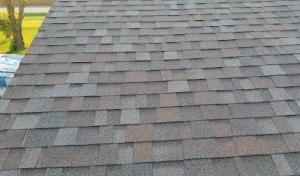
Spring hail and strong winds are the dominant roof risk in this market and the main trigger for inspections, repairs, and full replacements. After a severe shower, shingles may be dented, granules knocked loose, or lifted at edges where winds whip across the ridges. In this climate, hail can punch through even looks-good roofs and start leaks that don't show up until a heavy rain. An immediate, on-site assessment saves you from chasing hidden damage later. A neighborly approach works best: walk the roof with a contractor after the next sizable storm, note loose flashing, damaged valleys, and dented metal components, and don't delay a professional opinion if you see dark stains on your ceiling or damp attic decking.
Heavy spring rainfall in the Ozarks can delay tear-offs and leave exposed decking vulnerable if scheduling slips during storm season. If a storm hit you hard, anticipate a window where work may be stacked with other homeowners in the same boat. Protect exposed decking with tarps, and arrange temporary measures to shed water until crews can re-cover. When scheduling, choose a contractor who can start promptly after an inspection and who has a plan for managing wet conditions without compromising the roof deck. Delays aren't just inconvenient; prolonged exposure can worsen underlying damage, especially on steep slopes where access is trickier and weather windows narrow.
After severe regional storm events, homeowners in Ozark may face longer adjuster timelines because hail and wind claims surge across the wider Ozarks market. Start the claim early, with clear, dated photos of hail damage, dented panels, and any interior leaks. Keep a running record of communications with the insurer: dates, names, and promised follow-ups. If an adjuster's visit stretches, stay proactive-document every step, and coordinate with your contractor to keep the project moving once approval comes through. A steady, documented file helps prevent back-and-forth gaps that stall whole-house repairs.
Most local homes rely on steep-slope configurations with common materials like asphalt shingles and metal accents, both susceptible to hail impact and wind-driven lift. In the wake of a storm, expect edge deflections, compromised ridge lines, and potential gutter or fascia damage that can accelerate water intrusion. With multiple layers of protection, the roof's redundancy matters: ensure flashing around chimneys and vents is intact, and check under shingles for exposed decking, especially where hail hit hardest. In Ozark's climate, a timely, decisive response-inspection, rapid debris removal, and coordinated claim handling-can keep a small repair from becoming a full replacement.
NAV Restoration
(417) 551-4220 navrestoration.com
340 S 3rd St, Ozark, Missouri
5.0 from 25 reviews
Our team has built a reputation for exceptional service and uncompromising quality. When you trust us to repair or restore your home or business after damage, we don’t just meet expectations — we go the extra mile to make sure you are fully satisfied from start to finish. We specialize in full home restoration, making us your true one-stop shop. From roofing, siding, gutters, paint, and drywall to complete kitchen and bathroom updates, we handle every detail with care, precision, and professionalism. No matter the scope of the project, you can trust our experienced team to restore your property the right way. We have you covered.
Finley Roofing
(417) 527-3540 www.finleyroof.com
3002 Mills Rd, Ozark, Missouri
4.8 from 19 reviews
Is your roof leaking? Have you had Hail or Wind Damage to your roof? Don't let those small leaks cause even more damage over time. Finley Roofing is a locally owned and operated roofing company in Ozark, Mo. while also servicing surrounding areas. We offer FREE-Contactless Roofs Inspections as well as handling insurance claims from beginning to end. Give us a call for all your roofing needs.
Paragon Roofing Contractors
(417) 848-2400 www.417roof.com
1004 S 3rd St, Ozark, Missouri
4.7 from 15 reviews
Missouri sees a variety of weather conditions, from cold winters to warm and humid summers, all of which can cause wear and tear to your roof. If you’ve noticed leaking or missing shingles, call the professionals at Paragon Roofing Contractors in Ozark. This family owned business provides exceptional roofing services for customers throughout the south-central area of the state. As an accredited Better Business Bureau® company with an A+ rating, this roofing contractor sends knowledgeable and dependable crews to every jobsite. With four generations’ worth of experience to their family name, they can complete any commercial or residential roofing services you need.
Roofing Ozarks
(417) 295-7098 roofingozarks.com
Serving
5.0 from 38 reviews
Roofing Ozarks is your trusted roof contractor serving Ozark, MO, with over 15 years of experience. We specialize in commercial roofing, residential roofing, roof installations, and thorough roof inspections. As a reliable roofing construction contractor, we deliver quality workmanship on every project. Whether you need a roof repair contractor or a roof replacement contractor, our skilled team ensures durable and efficient solutions tailored to your needs. Committed to excellence and customer satisfaction, Roofing Ozarks is the roofing service contractor you can count on for dependable, professional roofing services in the Ozark community. Contact us today for expert roofing solutions!
Charity Restoration
(417) 840-8266 www.charityrestoration.com
Serving
4.9 from 117 reviews
Charity Restoration was created as a result of over 15 years of handling claims resulting from hail, wind, fire, water, and every other disaster imaginable. Our experience showed us several weak points in the repair/replace process that could be handled more efficient and effectively. Our exceptional experience gives Charity Restoration an upper hand in the process by knowing exactly what information your insurance provider needs to properly scope and fund your claim. We believe that providing quality materials and first-class service is the recipe for a world-renowned customer experience. We give 10% of each job's profit to local children's charities. In fact, we let YOU choose which (of 5) charities you want your job to specifically fund.
Ramsey Roofing
(779) 201-0299 ramseyroofing-inc.com
Serving
5.0 from 11 reviews
Roofing company specializing in insurance restoration but not limited to. We will help guide you through the Insurance claim process from filing the claim to the final restoration of your home. We also do retail roofing as well. If you simply want to upgrade your roof or get repair work done, we can help.

Paramount Contracting
(417) 755-3108 www.paramountcontractingmo.com
Serving
5.0 from 31 reviews
Your property is in qualified hands when you turn to Paramount Contracting in Nixa, MO. Reach out to our local remodeling company the next time you need: Roofing and siding services Concrete services Deck and pergola services Remodeling and restoration services We take pride in the work we provide. You can expect to see the owner of our company present on every job to ensure you receive excellent results. To learn more about the services we offer, get in touch with us via phone or email. We look forward to hearing more about your project.

Swing Coast Roofs & Gutters - Highlandville, MO
(833) 492-7663 www.swingcoastroofing.com
Serving
5.0 from 77 reviews
Swingcoast Roofing is a locally owned and operated construction company specializing in residential and commercial roofing, as well as gutters. With over 20 years of experience, we treat every customer like family and every home as if it were our own. Our mission is to earn your trust by delivering superior quality work and ensuring your complete satisfaction. Our team works diligently to complete projects efficiently while keeping the process stress-free for you. Whether your home was damaged by a storm or you’re simply looking to refresh your property’s look, Swingcoast Roofing is the team you can count on. We’re committed to building lasting customer relationships and leaving you with results that stand the test of time.
Roov
Serving
5.0 from 90 reviews
Roov is your trusted choice for professional roofing solutions in Nixa and the surrounding areas. Specializing in everything from comprehensive roof replacements to meticulous repairs, their skilled team is dedicated to safeguarding your home with high-quality craftsmanship. Roov’s expertise extends to managing hail damage and navigating the insurance claims process, ensuring a seamless experience for every client. They are committed to providing exceptional service and durable results, making them a premier partner for all your roofing needs.
Storm Restorations of America Corporation - Formerly Hunter Roofing
Serving
4.6 from 85 reviews
SRA Roofing & Gutters was founded on a simple principle: you deserve more — more honesty, more clarity, more service, and more peace of mind. What began as a small, determined roofing crew with a high standard of craftsmanship and customer care has rapidly evolved into one of Missouri's most trusted, full-service roofing companies. Founded in 2020 by Keith Barber, SRA Roofing & Gutters (formerly Storm Restorations of America) was built with the belief that roofing contractors should offer more than just materials and labor — they should offer confidence, education, and long-term trust. That belief has guided every decision we've made since day one. In just a few short years, SRA has grown from a locally operated team into a statewide brand.
The Micham Roofing Company
(417) 246-3706 michamroofing.com
Serving
4.9 from 20 reviews
The Micham Roofing Company is a roofing contractor in Branson, MO that services Taney County, Sparta, Branson and nearby areas. Our roofing company offers residential roofing, commercial roofing, roof repair, asphalt shingle roofing, flat roofing and many more. Customers love us because of our excellent customer service and competitive pricing. We also have industry affiliations and certifications like Owens Corning Platinum Preferred Contractor and IKO Preferred Contractor. If you want to experience your most trusted Branson roofing company’s services, call us now for free estimate!
Black & White Roofing
(417) 413-4556 blackandwhiteroof.com
Serving
4.9 from 57 reviews
Our business has a long line of relationship with the military as currently the company has several veterans on our team including the owner himself, who is a former AH-64D Apache Attack Helicopter Pilot/Gunner in the Missouri Army National Guard. Our business model is “The Difference is Black & White”. We always stand by our promises to our customers, and make sure that our customers have a satisfying experience doing business with us. Our outstanding service, character, and trustworthiness have built our customer base through many referrals.
If a spring hailstorm hits the Ozarks, insurers in the Christian County and nearby Springfield area often look for solid documentation before writing a check. Photo documentation and a formal estimate from a licensed contractor are commonly required, and the emphasis is on clarity and detail. This isn't about guessing what happened; adjusters want to see precise, date-stamped evidence of damage, especially on steep-slope roofs where hail impact can be subtle yet consequential. When hail events stack with strong winds, the damage can be mixed-missing shingles, dented vents, granule loss, and potential underlayment issues-so your records need to reflect the full spectrum of what occurred.
Ozark experiences a surge of claims after major storm events, and that spike can push inspection timelines out of reach for a while. Adjusters covering Christian County and the Springfield area may face backlogs, which can translate to longer waits at a time when every rainstorm matters. If you're facing a pending claim, expect variability in when an adjuster can visit. Being prepared with organized, dated documentation helps keep your process moving, but the reality is that peak-storm periods bring greater unpredictability. Planning ahead for the possibility of delays can spare you additional stress when the first reports come in and the field crew schedules fill up.
As soon as damage is noticed, take clear, dated photos from multiple angles, including the roof, gutters, vents, and any interior signs of water intrusion. Create concise scope notes that describe what was found: curling or broken shingles, granule accumulation in gutters, hail-induced denting on metal components, or visible leaks. If temporary protection is required, document it too-tarps, plywood, or other measures should be noted with dates and visible coverage. Keep a durable record of these items for your files and for sharing with your insurer or contractor. In Ozark, where storms arrive with short notice and fast-changing conditions, having a ready set of visuals and a written synopsis can prevent a lag from turning a minor inconvenience into a longer, more disruptive repair.
Choose a licensed contractor who understands local roofing practices and the typical materials used in your neighborhood. Ask for a detailed estimate that aligns with the documented damage and includes a scope of work, materials, and timelines. Your contractor's formal estimate should mirror the information in your notes and photos, which helps avoid disputes about scope or cost later in the process. Be prepared to provide the insurer with both the dated photos and the scope notes, along with the contractor's contact information, license details, and the project timeline. In a landscape where storm-driven numbers can surge, clarity and thoroughness are your best tools to keep the process steady.
Connect with contractors who help homeowners navigate the claims process from damage assessment to final approval.
Paragon Roofing Contractors
(417) 848-2400 www.417roof.com
1004 S 3rd St, Ozark, Missouri
4.7 from 15 reviews
Spring hail, strong winds, heavy rain, and winter freeze-thaw cycles shape when a roof project makes sense. In Ozark, the storm-driven schedule matters as much as age alone, so timing decisions should prioritize moisture exposure risk and expected weather windows. The goal is to complete a replacement or major repair during a stretch of dry, moderate temperatures with minimal wind risk, so crews can move quickly without overexposure at vulnerable points. Because the area experiences rapid shifts from heat to storms, planning around a multi-week window rather than a single ideal day matters most. Work should pause if a forecast shows hail risk or heavy rain within 24 to 48 hours, to protect exposed underlayment and freshly installed layers.
Spring in this region can deliver sudden hail and gusty days. The best approach is to target late spring when the worst of winter stresses have passed but before the peak heat and humidity of summer set in. Early morning start times help crews beat the hottest part of the day, preserving shingle handling integrity and reducing edge uplift risk. If a storm system pushes through, expect temporary delays, and have a contingency plan for a short suspension rather than forcing progress in unsafe conditions. The emphasis is on coordinating with the carrier's inspection timeline after hail events, so the schedule should align with reasonable post-storm assessments rather than pushing ahead on a tight, rain-prone window.
Ozark's hot summers and humidity can slow installation pace and complicate shingle handling. Materials may soften in extreme heat, and adhesive-driven products can cure too quickly or irregularly if the air is dense and humid. To keep quality high, plan for mid-morning to late-afternoon work blocks with frequent early breaks, shade spacing for material storage, and a logistics plan that minimizes material exposure during high humidity. If a storm threatens, tempers in the crew's workload and cadence should shift to shorter shifts to maintain quality and safety while avoiding heat-related risk.
Cold winters bring freeze-thaw stress that can worsen underlayment issues and accelerate failures around vulnerable penetrations. Scheduling should anticipate two or three days of consistent freezing temperatures followed by short warm spells to allow inspection and minor adjustments without leaving materials to endure repeated freeze-thaw cycles. Any project should avoid lingering on the roof through the coldest nights, and crews should inspect fasteners and penetrations promptly after the first warm-up period to catch potential failures before moisture re-enters.
Heavy precipitation means replacement timing in Ozark is often driven as much by moisture exposure risk as by age alone. A practical plan keeps a close eye on weekly forecasts and local storm advisories, with a flexible start date and a clear rain plan. If a hail event triggers an insurance review, coordinate the start as soon as conditions allow and the carrier's assessment window aligns with a solid, low-risk period on the calendar. This pragmatic approach minimizes weather-driven delays while preserving the roof's long-term performance.
In Ozark, asphalt shingles are the go-to choice for most homes after a hail-driven replacement. The local market's price sensitivity makes them the practical option when a roof needs to be replaced quickly after a spring storm, and their widespread availability means crews and materials are easier to bring in after hail events. You'll find a wide selection of profiles that balance curb appeal with wind performance, and the broad repair ecosystem helps keep common storm damage manageable. When hail isn't the only weather factor, the ease of patching small areas and the familiar installation methods give homeowners confidence that a re-roof can be completed with minimal disruption to a busy spring season.
Metal roofing has a meaningful niche in this market, reflecting homeowner interest in durability against repeated storm exposure and heavy rainfall. In Ozark's spring weather, metal stands up well to wind-driven rain, with strong fasteners and reliable sealant practices helping limit leaks around hips, ridges, and penetrations. The material's longevity and fire resistance are appealing for storm-prone neighborhoods, and you may notice lower long-term maintenance in comparison to other options. That said, metal can be more prone to denting from hail if the hail is large or unusually forceful, and the look matters to some home styles. A professional assessment helps ensure the chosen profile provides the best balance of appearance and performance for your specific roof line.
Clay tile, concrete tile, slate, and wood products exist in the Ozark market, but local concerns shape their viability. Freeze-thaw stress is a real factor after long winter spells, and hail season can expose these materials to impact damage that complicates replacement needs. Tile and slate can offer distinctive curb appeal and good longevity, yet their weight demands a properly prepared structure and sometimes additional framing. Wood shingles or shakes bring a classic look but require careful moisture management to prevent warping or rot in the region's wet springs. If you're considering these materials, a detailed assessment of attic ventilation, insulation, and roof deck strength is essential to determine whether the investment aligns with how Ozark weather behaves across spring and early summer.
In this market, the price you see for a new roof is a function of material choice, slope, and how spring storm activity shows up on your calendar. Asphalt shingles run from 350 to 700 USD per square, a common starting point for homes with straightforward pitched roofs. If you're weighing metal, plan on 900 to 1500 USD per square, a choice that often pays off in wind-heavy springs and hail-prone years. For clay tile, expect 1200 to 2400 USD per square, while concrete tile sits around 1000 to 1800 USD per square. Wood shingles or shakes land between 600 and 1200 USD per square, and slate ends up in a higher tier at 1200 to 2500 USD per square. These ranges reflect the Ozark climate's demand spikes and the variability contractors face when crews swing into a hail season.
Storm-driven demand spikes can push scheduling pressure and pricing as contractors handle waves of hail and wind replacements across the local market. If a hailstorm hits a neighborhood, it's common to see multiple crews booked tightly for weeks, which can nudge both timelines and material availability. In practical terms, expect the fastest track to a new roof after a major event to be with materials that have more predictable lead times, like asphalt or metal, while premium options such as clay, concrete, or slate can stretch out when storm demand is high or when specialty crews are in short supply.
Costs in Ozark can also shift based on steep-slope residential roof designs, moisture-related decking repairs after heavy spring rain, and the local mix of shingles versus tiles. Steeper pitches demand more labor hours and additional safety measures, which translates to higher per-square costs. Water exposure from heavier spring rains can mean decking checks and minor repairs before or during a replacement, adding to the bottom line. If your roof is near the upper cost bands, or if the structure shows signs of moisture intrusion, plan for a broader scope than a simple shingles swap.
A practical approach is to get multiple detailed estimates that clearly itemize shingles, underlayment, flashing, and any decking repairs. In Ozark's market, the combination of spring hail, wind, and fast-moving replacement cycles means you'll benefit from a transparent contractor who can explain how each line item impacts daily scheduling, material delivery, and long-term performance for the roof you choose.
Don't let upfront costs delay a critical repair - these contractors offer payment plans to fit your budget.
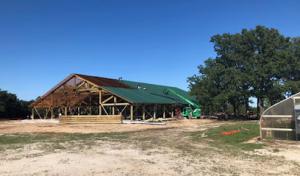

Full roof replacements require a permit through the local building department. The permit submission generally includes the project scope and roofing details rather than just a simple notice of replacement, so prepare a clear plan that shows materials, fasteners, underlayment, and ventilation. In this market, storms and insurance-driven rebuilds mean the department will want precise, developer-like documentation to avoid missteps during a fast-growing spring season.
Ozark inspections are typically scheduled through the building department and commonly include an installation-stage check and a final inspection after completion. Expect an inspector to verify attic ventilation, proper nailing patterns for steep slopes, and that the chosen system complies with local wind and hail considerations. Coordinate with your contractor to ensure access for each checkpoint, and keep the site tidy so inspections aren't delayed by weathered debris.
Start the permit process early if a hail-damaged roof is involved, since spring storms can compress timelines. Have your contractor submit the scope promptly and confirm any required addenda, like deck or flashing details, to prevent rework. Keep all paperwork, permit numbers, and inspection appointments on a visible calendar, and choose a crew licensed to work in the county. Schedule inspections with a contingency for winter thaw or spring rain delays, and understand that failing an early check is normal-plan for the recheck to avoid project stalls.
Additionally, in steep-slope Ozark homes, flashing and ridge vent details matter for wind uplifts and hail damage corrosion. Ask the contractor to document scupper or valley repairs, ice/water shield in valleys, and metal edge trim. If your insurer approves a full replacement because of hail, request a comprehensive scope that covers underlayment and attic ventilation upgrades. Finally, verify that inspection notes reflect any temporary repairs and confirm the new roof is weather-tight before you close the permits.
In Ozark, repeated hail and wind exposure means impact bruising, lifted shingles, and edge damage are often the telltale failure patterns long before the roof reaches a nominal age. You'll notice bruised asphalt tabs, wind-lifted neighbors' shingles, and loose drip edges or fascia that allow wind-driven rain to creep under the layers. These issues spread quickly if left unchecked, compromising underlayment and attic ventilation.
In winter, freeze-thaw cycling can push some tile assemblies to their limits. Certain clay or concrete tile designs common in the market are especially vulnerable to cracking or misplaced fasteners when water seeps into seams and freezes. The result can be hairline cracks that grow with each thaw, or shifted tiles that create gaps for wind-driven moisture. Regular inspection of ridge caps, battens, and sealant joints is essential to catch problems before leaks form.
Moisture intrusion risk rises when spring rain follows storm damage and repairs are still incomplete, particularly around penetrations like vents, chimneys, and old flashings. In Ozark's fast-change weather, a single heavy storm can push water into weak spots around skylights or around where shingles have torn away. The combination of wind-driven rain and existing weaknesses means damp ceilings or attic musty smells can appear quickly if repairs lag. Address damaged areas promptly to limit interior damage.
Find contractors experienced in skylight installation, flashing, and leak repairs to bring natural light into your home.

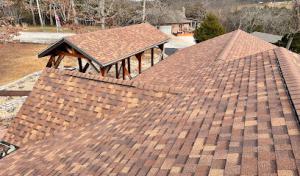
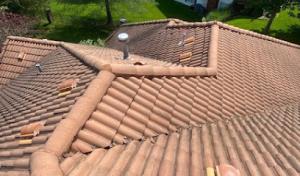
Although Ozark is primarily a steep-slope residential market, signals from local contractors show a real low-slope and commercial repair segment. That reality matters because spring rainfall, summer heat, and winter cycles stress flat and low-slope roofs just as much as steep-pitched homes, especially when drainage paths are blocked or membranes age.
Heavy spring rainfall in this area makes drainage performance and ponding-related moisture concerns especially relevant on low-slope sections. Start by confirming that roof drains are sized for typical downpours and that the flow paths remain clear after storms. If you notice standing water after a moderate rain, you're not alone-address it promptly. Regular inspections should focus on edge details, parapet terminations, and termination flashings where water can pool and force moisture under the membrane. In Ozark, seasonal debris and pollen can clog scuppers and gutters, so set up a simple quarterly check routine to clear any blockages before the next rain.
Summer heat and humidity in the Ozarks can affect membrane performance and installation conditions on flat and low-slope roofs. When selecting a membrane, consider UV resistance, heat stability, and compatibility with existing flashings. Plan installations for the cooler parts of the day during peak heat months to minimize adhesive or seam problems. Field detail quality matters: verify that insulation board seams are sealed, that seams are fully bonded, and that flashings around penetrations are integrated with a continuous, watertight layer.
Create a practical maintenance cadence that accounts for storm seasons and the rapid replacement cycle driven by insurance activity. After each hail event or strong storm, schedule a quick roof check focusing on edge seals, drain access, and any surface damage to the membrane. On flat or low-slope sections, document any signs of blistering, punctures, or seam separation and address them before they escalate into leaks.
Find specialists in TPO, EPDM, and built-up flat roofing systems for residential and commercial properties.