
Last updated: Apr 19, 2026
Spring and early summer in Springfield bring humidity, hail, and strong storms that repeatedly stress roofing systems. The Ozarks' spring patterns mean hail sizes and wind gusts can spike with little warning, and roofs that seem solid after a dry spell can suddenly fail under the next round. The result is a rapid shift from routine maintenance to urgent repair needs, often within days of a storm. The cycle isn't just about the damage itself; it centers on how quickly a homeowner moves from assessment to protection, documentation, and, when needed, insurance-driven replacement timelines that align with weather windows.
Missouri is a high roof-claim environment for hail and wind, and Springfield homeowners often face insurance activity immediately after spring storm events. That means stress for a roof that looks "fine" from the ground but has hidden shingle or underlayment damage, compromised flashing, or panel looseness. A stressed system is more vulnerable to secondary failures when July storms roll in or when freeze-thaw cycles return later in the year. The urgent reality: the longer damaged areas stay exposed, the more hidden problems multiply, and the bigger the disaster if a later storm hits.
When a storm has just passed, you document the scene within 24 to 48 hours. Take wide shots of the entire roof, then close-ups of damaged shingles, loose flashing, dented vents, and hail marks on gutters. Do not climb the roof yourself if you're not equipped; fall risks and unseen damage are common after a hail event. Call a local roofing professional who specializes in storm damage to perform a thorough inspection and provide a written assessment. If shingles are torn, granules are missing, or flashing is compromised, request an on-site report that clearly notes what is visibly damaged and what remains structurally sound. This documentation speeds up insurance communication and helps the contractor prioritize emergency repairs to prevent water intrusion.
Weather wait-points in spring can force delays, so you must create a temporary shield against rain. Use tarps or heavy-duty roof covers secured with proper fasteners to protect vulnerable valleys, vents, and chimney areas. Ensure protection covers all exposed areas until a permanent fix can be scheduled. If interior damage is suspected, move to minimize further water intrusion by placing buckets under leaks and protecting ceilings and walls. Do not delay minor but necessary repairs; small gaps can become large leaks after a strong spring storm.
Storm responses in spring are not a one-and-done event. Insurance-driven timing often hinges on the post-storm assessment and the homeowner's proactive documentation. Your aim is to establish a clear path from initial damage recognition to approved repairs, avoiding emergency repair delays caused by weather gaps. Local contractors commonly cluster around storm damage, insurance claims, and emergency repair, so timing your outreach to secure a trusted partner quickly is essential to maintain airflow, moisture control, and structural integrity as the season progresses.
Swifts Roofing
(417) 771-0477 swiftsroofing.com
4268 S Hillcrest Ave Suite 110, Springfield, Missouri
5.0 from 262 reviews
Swifts Roofing is a Roofing Contractor located in Springfield, MO. We offer Roofing, Roofing Installation, Roofing Repairs, Roof Maintenance, Roof Leak Repair, Local Roofing, and other Roofing Services. We offer comprehensive roofing services. With our years of experience, Swifts Roofing is a trusted choice for homeowners and businesses alike. Our team of experienced and certified roofers with almost 100 years of combined experience is committed to providing high-quality workmanship and customer service. Contact us today for more information and services or to schedule an appointment! Building Trust and Roofs to last since 2019!
Grade A Roofing & Exteriors
(417) 844-4404 www.gradearoof.com
3115 S Pickwick Pl, Springfield, Missouri
5.0 from 155 reviews
Grade A Roofing & Exteriors is your premier roofing contractor located at 3115 S Pickwick Place, offering top-tier services that ensure your home or business stands the test of time. Specializing in roof installation, repair, and exterior enhancements, we combine quality craftsmanship with A+ customer service to deliver unparalleled results. Whether you're in need of a new roof or looking to enhance your property's exterior, our expert team is here to guide you every step of the way. Trust Grade A Roofing & Exteriors for reliable, efficient, and high-quality roofing solutions. Contact us today to protect and beautify your investment. For a free quote today, call Grade A!
Garrison Roofing & Guttering
(417) 631-4700 garrison-roofing.com
2321 E Olive Ct Unit A, Springfield, Missouri
5.0 from 160 reviews
Garrison Roofing and Guttering is known for keeping true to their philosophies, values, and meeting all client expectations. For over 15 years, Garrison has focused on providing the Springfield, MO community with quality roofing installation, repairs, and replacements. We specialize in: - Insurance Claims & Retail - Re-Roofing - Residential Flat Roofs - Residential Metal Roofs - Shake Roofs - Shake Re-Decks - Shingles of ALL types - Guttering - New Construction - Roof Repairs - Concrete & Clay Tiles
Empire Roofing & Construction
(417) 212-0041 www.empireroofing417.com
1737 W Mt Vernon St, Springfield, Missouri
5.0 from 80 reviews
Empire Roofing and Construction provides roofing, gutter and siding services to the Springfield, MO.
Bliss Brothers Roofing
(417) 893-8485 blissbrothersroofing.com
3433 S Campbell Ave Suite S, Springfield, Missouri
4.9 from 191 reviews
With a legacy spanning over a decade, Bliss Brothers Roofing brings expert craftsmanship and family values to every project in Springfield, MO. Specializing in comprehensive roofing solutions, this established contractor offers a full suite of services, including new roof installation, repair, and replacement. Whether your home needs durable metal, classic asphalt, or new siding and gutters, our dedicated team delivers superior results with a commitment to quality. Trust Bliss Brothers Roofing to protect your home with professional service and a focus on lasting durability.
Skinner Roofing
(417) 848-0088 skinnerroofingco.com
1823 W Sunset St, Springfield, Missouri
5.0 from 92 reviews
We are your Friendly Neighborhood Roofers out of Springfield, Mo. we offer free inspections, fair pricing and high quality roof repairs and replacements.
Nimmo Roofing & Construction
681 S. Lakeview Drive, Springfield, Missouri
5.0 from 55 reviews
Nimmo Roofing and Construction is a fully licensed and insured company serving the Springfield, Missouri metro area. With over 85 years of combined experience, we specialize in roof replacement, storm restoration, and exterior construction. Our team is dedicated to providing exceptional attention to each project, ensuring quality workmanship and customer satisfaction. We offer free inspections and estimates, and can assist you through the insurance claim process to handle all aspects of disaster-related damage. As a local business with Springfield roots, we partner with local suppliers to offer competitive rates. Contact us to schedule your free estimate.
Anchor Point Roofing & Siding
(417) 851-0155 anchorpointroofingandsiding.com
311 S Union Ave #9, Springfield, Missouri
5.0 from 53 reviews
Located in Springfield, MO, Anchor Point Roofing and Siding is a trusted Roofing Contractor providing high-quality roofing solutions for both residential and commercial properties. We proudly serve Springfield, Lebanon, Marshfield, Rogersville, Nixa, Ozark, and Bolivar with expert roof replacements, repairs, and inspections built to last. In addition to roofing, our team offers remodeling, deck building, gutter services, siding installation, and window installation for complete exterior upgrades. With a focus on skilled craftsmanship, clear communication, and dependable service, we deliver results you can count on. If you’re searching for a reliable Roofing Contractor in Springfield or the surrounding areas, Anchor Point Roofing and Siding

Titan Roofing
(417) 607-6914 commercialroofingtitans.com
2520 E Jean St, Springfield, Missouri
4.8 from 329 reviews
Welcome to Titan Roofing! We are a Family Owned Business serving Springfield, Ozark, Nixa, Lebanon, Rolla, Joplin, Lake Ozark, Jefferson City, and nearby areas of Missouri! Our mission and focus is to provide homeowners with the highest quality of service with the best product for the best price. We share our professional opinion on your roof's condition. When you schedule an inspection with us, we provide you with expert analysis and details regarding your roof, conditions, and provide you the best possible solution FOR YOU! We want all our clients to have Peace of Mind that their property is in excellent condition! Become a part of the Titan Experience and contact your reliable Springfield roofing contractor TODAY!
Midwest Roofing
(417) 744-5670 www.mwroofing.us
4440 W Helen St, Springfield, Missouri
4.8 from 398 reviews
Serving the Springfield area, including Nixa, Ozark, Republic, Willard, and Branson, Midwest Roofing has been performing roofing installations and repairs for nearly two decades. The local roofing contractors at Midwest Roofing are dedicated to providing high-quality work for both commercial and residential clients. Whether you need a brand-new roof or minor repairs, the professional roofers at Midwest Roofing are here to help!
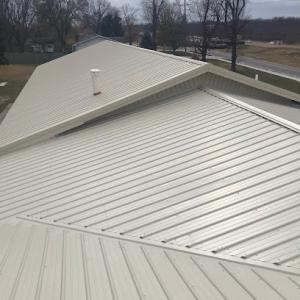
AM Roofing & restoration
(417) 316-0852 amrestorationpro.com
1812 W College St, Springfield, Missouri
5.0 from 45 reviews
From small repairs to complete replacement of asphalt, metal, wood, composite, tpo and flat roofs, gutters and siding
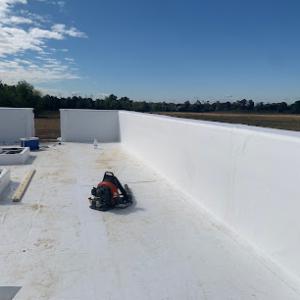
GM Systems Commercial Roofing
(833) 363-7926 www.gmsystemsinc.com
Springfield, Missouri
5.0 from 43 reviews
We seal all types of commercial roofs: Faster, With Less Cost, With A Better Warranty. We can fix your roof and make it better than new (without the need to completely replace it). Our unique commercial roof repair system completely seals your leaky roof – quickly, without the cost, mess, and disruption of tearing off the old roof. Plus our certified, insured roofing company also provides a full (not pro-rated) 20-year warranty on each full-roof sealant system! Happy to serve the greater Springfield MO area.
In this Missouri market, insurers commonly ask for documentation of pre-existing conditions and recent maintenance after hail and wind losses. You want to establish a clear, date-stamped record of your roof's condition before any storm impact. Gather recent roof maintenance receipts, inspection notes, and any minor repairs done in the last year. Photos taken before a storm help you tell the difference between new damage and wear from aging shingles or flashing. When a claim is opened, keep a folder or digital trail with the photos labeled by date and area of the roof. A consistent, organized history helps adjusters verify the scope of hail damage without disputes later.
In Springfield's urban setting, adjusters may be scheduled quickly after major storms, but homeowners are often expected to provide contractor estimates and photo documentation. After a hail event, do not wait for the adjuster to see every inch of the roof; proactively photograph all visible areas of impact from ground level and from a ladder angle safe for you. For larger homes or multi-story roofs, hire a licensed contractor or a reputable roofer to document the roof with photos from multiple elevations. For the insurer, estimates from a local contractor are a standard part of the process, showing scope and replacement needs. Having these estimates ready when the adjuster arrives can keep the claim moving and reduce the back-and-forth that slows restoration.
Because claim volume spikes after spring storms, homeowners in Springfield need date-stamped photos, repair invoices, and notes on prior roof condition before filing. Start with a thorough outside inspection while the weather is calm: look for bruising on shingles, lifted edges, cracked tiles, damaged flashing around vents, and any signs of granule loss in gutters. Write notes on the roof's condition, including section-by-section observations, and compare with pre-storm photos if available. When you file, attach recent invoices for any temporary measures already taken-tarps, covers, or repairs-to prevent further damage. If the insurer requests documentation, respond promptly with clear, organized copies and a concise description of what is shown in each image.
The claim review often hinges on how the roof looked before the hail event. In Springfield, where spring hail and strong winds are common, insurers will pay attention to prior maintenance that could affect the claim outcome. Include a simple timeline of upkeep-shingle replacement history, flashing reseals, and any gutter work-that shows ongoing care. If there were known issues with the roof prior to the storm, document those as clearly as possible and provide any available contractor opinions. The aim is to separate what was pre-existing from the new hail-related damage so the adjustment reflects the actual storm impact.
Assign a local roofer who understands common Springfield configurations-sloped roofs, mixed materials, and venting layouts. Have them photograph, measure, and provide a line-item estimate that distinguishes replacement from repair where applicable. Ensure their name, contact information, and license details are readily available to attach to the claim. When the adjuster visits, offer a copy of the contractor's estimate and the photo log, and highlight areas of confirmed hail impact. Clear collaboration between homeowner, contractor, and adjuster helps keep the process aligned and reduces delays during the critical spring window.
Connect with contractors who help homeowners navigate the claims process from damage assessment to final approval.

Swifts Roofing
(417) 771-0477 swiftsroofing.com
4268 S Hillcrest Ave Suite 110, Springfield, Missouri
5.0 from 262 reviews
Grade A Roofing & Exteriors
(417) 844-4404 www.gradearoof.com
3115 S Pickwick Pl, Springfield, Missouri
5.0 from 155 reviews
Garrison Roofing & Guttering
(417) 631-4700 garrison-roofing.com
2321 E Olive Ct Unit A, Springfield, Missouri
5.0 from 160 reviews
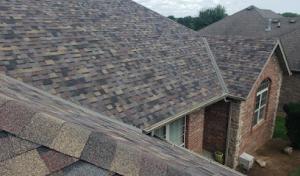
Asphalt shingles are the dominant budget-friendly choice in Springfield, but hot summers and winter freezes accelerate aging and can shorten the useful life of lower-grade products. When selecting asphalt, look for higher-than-average impact resistance ratings and algae resistance for the humid early-summer months. In neighborhoods with frequent hail events, consider architectural or higher-quality three-tab shingles with a reinforced, thicker profile to better withstand wind uplift. Regular maintenance-clean gutters, rapid attention to damaged granules, and timely replacement after severe storms-helps extend performance despite Ozarks weather swings. If a shingle roof is already over two decades old, plan for replacement before an extreme storm season to avoid compounding damage.
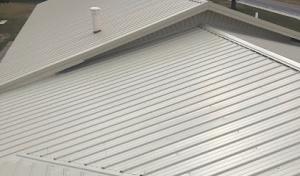
Metal roofing has a meaningful specialty presence locally and is often considered by Springfield homeowners looking for better performance against hail, wind, and rapid temperature swings. Metal panels or standing-seam systems shed hail more efficiently than many composites, and the reflective surface mitigates heat buildup during hot spells. In application, metal is especially advantageous on homes with tall or complex rooflines where wind uplift risk is higher. Fatigue from repeated freeze-thaw cycles tends to be less punishing for metal than for some shingles, though proper attic ventilation remains critical to manage condensation and ice dam risk in winter. For best results, choose a coating and profile designed to optimize rain noise reduction and reflectivity in Missouri summers, and ensure the installer seals penetrations and edges to prevent leaks during heavy spring storms.
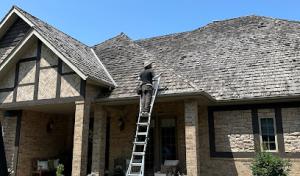
Tile, wood shake, and synthetic/composite roofs exist in the market but are less common specialty installs, so material choice in Springfield is shaped partly by contractor availability as well as weather performance. Clay and concrete tiles offer durability and a distinctive look but can be heavier and more sensitive to roof deck structure and seismic considerations; ensure the existing framing and underlayment can support the weight. Wood shakes deliver a traditional aesthetic and good insulation value, yet they require vigilant maintenance to resist moisture-related decay, especially in regions with high humidity and storm-driven debris. Synthetic or composite shingles aim to mimic natural textures with better resistance to weather and lower maintenance, but their long-term performance can hinge on the specific formulation and installation quality. With any tile or shake installation, confirm the crew has experience in our climate's wind events and hail exposure to properly secure edges and install underlayment that handles rapid temperature changes.
In this climate, the best choice balances local weather resilience with maintenance practicality. Consider how often severe hail and high-wind events occur in your street, plus your attic's ventilation and insulation status. The roofing system should be evaluated not only for upfront performance but for how it will age under repeated freeze-thaw cycles and spring storms. When in doubt, talk through local storm histories with an experienced Springfield contractor who can tailor a solution to your roof's pitch, tree shading, and exposure to prevailing winds.
Springfield's most common roofing materials show clear price bands when you're budgeting a replacement or repair. Asphalt shingles run roughly from $320 to $520 per square, while metal roofing tends to sit between $700 and $1100 per square. Higher-end options, like clay or concrete tile, push well above those ranges, with tile and specialty materials generally costing more per square. In practice, that means your project cost is driven not just by material choice but by the typical local availability and the crew's familiarity with residential layouts here after hail events.
Springfield's spring hail and wind cycles create sudden demand surges that can ripple through scheduling and pricing, especially after a storm when many roofs are being inspected or replaced at once. If a large hail event occurs, you may see a temporary tightening of crews and materials, which can push bids higher or extend timelines. The most reliable way to manage this is to build a little slack into your plan for peak season and to confirm current lead times before committing to a start date. In practice, this means you might choose a mid-range material and look for a contractor who can secure materials quickly in the wake of a storm, rather than chasing a premium option that's hard to source.
Material costs here reflect how common each system is locally. Asphalt and metal are the easiest to source and staff for on short notice, which helps keep pricing relatively predictable even during a surge. Tile and specialty composites, while attractive for certain architectural styles, are less common and can require longer lead times and higher install labor costs. If your home features a non-standard roofline or uses heavier tile, you'll likely see longer construction windows and tighter scheduling around severe weather, which in turn affects total price and timing.
Begin with the broad range for your chosen system, then add a buffer for weather-driven scheduling. If you're balancing insurance timelines, align your project start with when adjusters have finalized the scope, to avoid paying out-of-pocket for interim work. Compare multiple bids that itemize material costs, waste removal, underlayment, and any specialty fasteners or clips required for wind resistance. For asphalt or metal, ask about color options and warranty specifics that affect long-term value-these factors often matter more when Springfield's freeze-thaw cycles stress the roof year after year.
Get a clear picture of your project costs upfront - no commitment required.
Grade A Roofing & Exteriors
(417) 844-4404 www.gradearoof.com
3115 S Pickwick Pl, Springfield, Missouri
5.0 from 155 reviews

Nimmo Roofing & Construction
681 S. Lakeview Drive, Springfield, Missouri
5.0 from 55 reviews
Ohm Restoration
(888) 319-7058 ohmrestoration.com
801 S Glenstone Ave, Springfield, Missouri
4.6 from 127 reviews
A roofing permit is typically required in Springfield, and the City of Springfield Building Development Center handles permit issuance and inspections. The process starts when you or your roofer pull the permit before any shingles come off or new underlayment goes down. Waiting to pull the permit can stall work and invite fines or delays after a spring hail season when crews are busy. Your permit packet should include project plans, material specs, and a timeline aligned with weather windows. The Building Development Center will want to see that the roof lines up with property boundaries and that any previous work meets current codes.
Homeowners should expect inspections during and after installation, with inspectors checking items such as underlayment, fasteners, and flashing. In Springfield, inspections often catch things that seem minor but matter for long-term performance, like how the underlayment is lapped or whether chimney and vent flashing are properly integrated. If a problem is found, the inspector will require correction before the next step can proceed. Plan for possible weather-related rescheduling in the spring, when storms can interrupt the inspection rhythm.
A final inspection is required to close the permit, so Springfield projects are not fully complete until that final approval is recorded. The final walkthrough confirms that all elements meet code, from nailing patterns to flashing details at hips and valleys. Make sure you retain all warranty cards and supplier documents, because the inspector may ask for warranty references or proof of material compatibility. Once the final sign-off is issued, the permit is closed, and you can move on knowing the project stood up to the county and city review. If storms or hail damage led to temporary repairs, ensure those patches are documented and accompanied by notes for the final file. Delays in final approval can push your project into unfavorable weather windows, affecting warranty timing and contractor scheduling, and overall satisfaction.
Spring hail and high winds are a major trigger for inspections and emergency repairs in this area, making late spring one of the busiest roofing periods. If hail damage is visible or if shingles show denting, cupping, or granule loss after a storm, plan a fast assessment with a trusted local roofer. The window between storm season and summer heat matters: delaying a needed replacement can let hidden damage worsen, especially on older roofs that already show curling edges or soft spots.
Hot summer heat in this climate increases shingle expansion and aging, which can worsen existing storm damage or expose brittle older roofs. If a roof was already stressed by spring hail, the summer sun can accelerate deterioration and increase the likelihood of leaks during sudden afternoon storms. Schedule a mid-summer inspection if you notice elevated attic temperatures, rapid shingle fading, or rising interior moisture. Proactive planning helps you avoid rushed decisions during peak heat and storm activity.
Winter freezes and occasional snow load add stress to roof systems, while fall storms and heavy rains can complicate installation schedules and site access. If you experienced multiple freeze-thaw cycles or unseen ice dam issues, a replacement may align better with a milder stretch of weather in late winter or early spring. Consider a timeline that avoids peak freeze periods and major cold snaps, which can create handling challenges and ice-related delays.
Insurance activity often drives replacement timing after significant hail or wind events. If an adjuster flags damage or approves a full replacement, align your project with the earliest feasible weather window to minimize exposure to spring storms and heat. Communicate proactively with the contractor about expected lead times, storm forecasts, and the aim to complete prior to the next surge of severe weather.
Start with a professional inspection soon after a damaging event or if you notice leaks, odors, or ceiling stains. Prioritize expedited approvals when weather windows are narrow, and avoid scheduling during peak fall storms or the hottest weeks of summer if possible. Have a clear plan for protecting interior spaces during tear-off and installation, and confirm the crew's access routes to minimize disruption on windy or stormy days.
After Missouri spring storms roll through, wind-lifted shingles and hail bruising become recurring homeowner concerns. A single hail event can nick or crack edges, while gusts can peel tabs loose enough to start a drip path along the decking. You'll notice missing granules, dark spots, or small dents on asphalt, and metal edges may curl where wind finds an opening. Vigilant damage checks after storms are essential to catch trouble before it spreads.
City inspections focus on the details that matter most for Springfield reroofs: underlayment integrity, proper fastener placement, and flashing around chimneys, vents, and wall intersections. Improperly seated flashing invites water intrusion where fascia meets roof planes, especially around high-wind corners and storm-worn slopes. Underlayment wear or punctures from hail or foot traffic during maintenance can create hidden leaks that only show up after freezes or heavy rains.
Skylights and low-slope transitions are frequent signals of ongoing repair demand in this market. Skylight seals can degrade after hail impacts or thermal cycling, while low-slope seams are prone to seepage if not properly reinforced. Look for signs of condensation, staining along ridge lines, or pooled moisture near these features after storms. Addressing these areas promptly reduces the risk of water tracking into attic spaces and into living areas.
When a severe event hits, quick, methodical inspections of shingles, flashing, underlayment, and transitions pay off later. Document visible damage, note any new granule accumulation, and check interior ceilings and walls for fresh water marks after the next thaw or rain. If recurring signals appear around skylights or transitions, the issue is often not a single missing piece but a pattern worth addressing with targeted repairs rather than full-scale replacement.
Find specialists in TPO, EPDM, and built-up flat roofing systems for residential and commercial properties.
Garrison Roofing & Guttering
(417) 631-4700 garrison-roofing.com
2321 E Olive Ct Unit A, Springfield, Missouri
5.0 from 160 reviews
AM Roofing & restoration
(417) 316-0852 amrestorationpro.com
1812 W College St, Springfield, Missouri
5.0 from 45 reviews
Redeemed Roofing Systems
(417) 773-3952 www.redeemedroofingsystems.com
227 E Sunshine St Suite 229, Springfield, Missouri
4.9 from 53 reviews
Springfield homeowners are hiring heavily in the re-roofing segment after spring hail and wind. When evaluating contractors, focus on how the storm inspection is conducted, how documentation is prepared for insurance, and how cleanup is handled after work is finished. Quick turnaround on both inspection and debris removal is a strong local hiring signal.
A reliable storm roofer will walk the roof with you, note hail marks, wind damage, and granule loss, and provide a written scope that matches the insurer's terminology. Ask for a detailed damage report, photos from multiple angles, and a clear project timeline. In this market, the ability to translate findings into an insurance-friendly file is as valuable as the nails and shingles themselves.
Timing matters in this climate, where humid early-summer storms and freeze-thaw cycles can complicate repairs. Look for a contractor who prioritizes prompt roof access for temporary protective measures, prompt tarp placement if needed, and a thorough cleanup plan that completes within days rather than weeks. The right team delivers notices, completes work, and returns the property to normal use quickly.
The market includes many established, family-owned, and locally owned firms, so Springfield homeowners often weigh long local track records against fast post-storm availability. Investigate a company's local history: how many seasons they've served the area, whether they handle full replacements or partial repairs, and how they manage customer communication during and after storm events.
Start with two or three local crews who show consistent storm-inspection protocols and transparent documentation practices. Request sample insurance-ready reports and a written cleanup plan. Compare not just proposed timelines, but promises for staying power on the roof and on the property, season after season.