
Last updated: Apr 19, 2026
Autumn wind events and residual moisture can reopen vulnerable areas around flashing and ridge lines on roofs that already took spring or summer storm hits. In this part of the metro corridor, spring hail, heavy rain, and strong wind events are a primary trigger for roof replacement decisions. When a storm passes, you're looking at more than a cosmetic issue-the integrity of ventilation, flashing, and the roof's attachment can be compromised in ways that aren't immediately obvious. The risk is real: moisture can creep under edges you can't see, and wind-driven debris can lift shingles enough to allow water intrusion during the next rainfall.
You notice the pattern quickly after a big hail event: shingles may appear intact from the ground, but denting, flagship granule loss, and microcracks are quietly undermining long-term performance. In Florissant, the combination of hot, humid summers and cold, variable winters means that storm damage is not a single-shot event. It's a process. Shingle aging accelerates when moisture seeps in, then freezes at night, expanding the damage beyond what a quick DIY fix can handle. The consequence is often accelerated aging, more pervasive leaks, and a shorter remaining life for the roof-especially on mid-century homes that still carry their original roof lines and flashing configurations.
Prioritize timing by checking for telltale signs after a storm: lifted granules accumulating in gutters, dark stained patches on the attic ceiling, and any dampness along the ridge lines or around vent pipes. If moisture sits for weeks, it's a signal that repairs should not be postponed. Delays amplify the risk of hidden rot, compromised attic ventilation, and faster deterioration of surrounding roofing features. The seasonal transition matters, too. As autumn winds begin to bite and residual moisture lingers, vulnerable flashings and ridge caps can reopen, inviting leaks that extend into winter. If you've already endured a spring or summer hit, plan for a thorough inspection that specifically targets those high-risk junctions.
When deciding whether to move forward with replacement versus repair, consider how the storm sequence has stacked up over the year. A single, dramatic impact may be repairable, but multiple events increase the likelihood that the underlying deck and rafters have sustained damage that isn't visible from the ground. In such cases, a full replacement often emerges as the safer, longer-lasting solution because it eliminates the risk of moisture intrusion behind multiple layers of imperfect flashing and compromised fasteners.
Insurance documentation matters as storms accumulate. Collecting a clean, organized record from each incident-photos taken before, during, and after a storm, notes on any observed leaks, and a ledger of repairs performed-helps create a coherent timeline. This evidence will support a stronger case when discussing a full replacement with your insurer, especially if evidence points to repeated damage or accelerated aging that cannot be remedied by partial repairs. If you plan to pursue an insurance claim, begin documenting promptly after the next big event, focusing on areas around flashing, ridge lines, and any visible water staining in the attic. The clock starts ticking with every successive storm, and timeliness can decisively influence both outcomes and the forensics needed for a solid claim.
Missouri's frequent hail and severe weather create a high-claim roofing environment, so Florissant homeowners should expect adjusters to request detailed damage photos, roof age, and a clear account of where and how damage occurred. When the storm hits, the first thing to do is gather evidence that tells the full story of the roof's condition before any temporary repairs. Take wide exterior shots of the entire roof from ground level, then zoom in on dented vent caps, hail marks on gutters, and any lifted or cracked shingles. If possible, document the date of the storm and the approximate time of impact, as this helps place the damage in the insurer's timeline. Be prepared to provide roof age, ventilation layout, and a rough map of areas most affected. In practice, the St. Louis-area market's underwriting practices can influence approval timelines and the scope of coverage, so expect some back-and-forth on what is considered eligible damage.
Documentation is especially important when damage is not limited to shingles and may involve flashing, ventilation components, or decking concerns discovered during tear-off. A careful photo log should include flashing around chimneys and vents, any signs of roof deck staining or soft spots, and interior indicators like stained ceilings in adjacent rooms. Keep a simple diary listing the sequence of storm events, observed damage, and any temporary fixes applied to prevent leaks. If the adjuster tours the attic, be ready to point to signs such as crushed insulation or moisture staining that aligns with the exterior damage. Florissant homes often feature mid-century layouts where ventilation and flashing placement can be integral to the roof's integrity; showing where these components are located helps the claim examiner connect exterior findings with interior conditions. It's common for the insurer to request multiple rounds of photos, so organize files by date and scope (shingle surface, flashing details, decking concerns) to keep the process moving.
Documentation is especially important when damage is not limited to shingles and may involve flashing, ventilation components, or decking concerns discovered during tear-off. In these cases, the claim won't rest on a single photo of damaged shingles; it relies on a cohesive narrative that connects exterior clues to interior risk. Provide close-up shots of any lifted or deteriorated flashing, bent vent stacks, or sagging decking areas. If moisture is suspected behind the siding or under the eaves, record any signs of mold growth or musty odors in the attic, and note whether insulation looks compromised. The goal is to show a complete picture: hail-induced damage can originate at the ridge line, travel along flashing joints, and affect ventilation paths, so the adjuster should see a chain of evidence from top to bottom.
Because claim activity is common after regional storms, approval timelines and scope can be influenced by insurer underwriting practices in the St. Louis-area market. Anticipate that a comprehensive scope may emerge after tear-off or professional assessment reveals hidden damage. If an independent estimator is brought in, ensure their report aligns with the photos and notes already submitted, avoiding conflicting narratives. Coordination between you, the contractor, and the insurer helps prevent delays. In areas with a long-standing pattern of severe weather, it is not unusual for the insurer to request additional third-party verification; having organized records ready can reduce cycles and keep the project moving toward a resolution that restores the home's protection and comfort.
Connect with contractors who help homeowners navigate the claims process from damage assessment to final approval.
Martin & Sons
(314) 839-0700 www.martinandsons-stl.com
8460 N Lindbergh Blvd Apt 11, Florissant, Missouri
5.0 from 148 reviews
Mississippi Valley Roofing
(314) 838-4451 www.mississippivalleyroofing.com
27 St Anthony Ln, Florissant, Missouri
4.7 from 33 reviews
Martin & Sons
(314) 839-0700 www.martinandsons-stl.com
8460 N Lindbergh Blvd Apt 11, Florissant, Missouri
5.0 from 148 reviews
Martin & Sons is the leading roofing contractor in Florissant, MO, & the surrounding areas. Martin & Sons is a roofing & siding contractor specializing in roofing, window, & door installations. Martin & Sons is a family-owned & operated business started in 1953. We have over 35 years of experience in the industry. We have always prided ourselves on our honesty, integrity, & quality. We use only top-rated materials & do not carry many different manufacturers or grades of products to “fit a budget” like most of our competitors. We require no up-front deposit & you only pay when your project is 100% complete, guaranteeing you are 100% satisfied with our work. Contact Martin & Sons to see the difference in quality & service today!
Arch Roofing
(314) 707-9776 archroofingllcstl.com
907 Harbor Oaks Ct, Florissant, Missouri
4.6 from 11 reviews
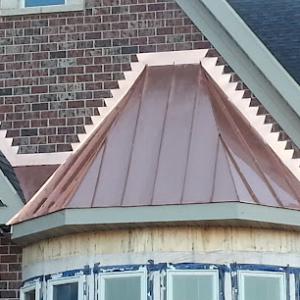
Arch Roofing for all your Roofing needs , Shingles, Slate, Tile, Copper, Steel , Flat ,TPO, EPDM ,Roll, New Roofs , Roofing Repairs , Skylights New and Repair, Flashing , Tuck Pointing and chimney Flashing Standing Seam copper bays and flat lock , High Back Copper Gutters
Newman Roofing & exterior remodeling
2255 N Pointe Ln, Florissant, Missouri
5.0 from 3 reviews
Complete exterior Renovations including shingles siding and gutters. Window replacement. And slate and tile roofing we specialize in custom copper work and interior Renovations and remodeling

Meridian Roofing & Renovation
(314) 952-4158 buildmeridian.com
Serving
5.0 from 32 reviews
Meridian Roofing and Renovation is a full-service exterior contractor serving the greater St. Louis area. We specialize in roofing, siding, and gutter installation with a focus on storm damage repair and premium materials. As a James Hardie Preferred Remodeler, GAF Certified Contractor, Owens Corning Platinum Preferred Contractor, LP SmartSide Certified Installer, and CertainTeed Credentialed Installer, we bring manufacturer-backed expertise to every project. Our services include roof replacement and repair, James Hardie and LP SmartSide fiber cement siding installation, seamless gutter systems, storm damage restoration, and insurance claim assistance. We serve St. Louis city, St. Louis County, St. Charles County, and surrounding areas.
Halo Roofing & Construction
(314) 489-3636 haloroofing.pro
Serving
4.9 from 28 reviews
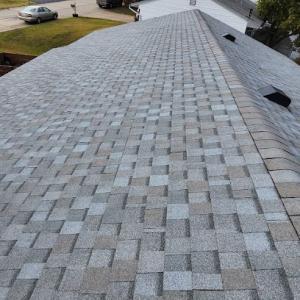
At Halo Roofing and Construction, we specialize in high quality roofing and construction for residential properties. As a locally and family-owned business, we take pride in integrity, expert craftsmanship, and exceptional customer service. Whether you need roof repairs, new installations, or full construction projects, our experienced team delivers reliable, tailored solutions. We offer competitive pricing and timely, professional service to keep your property safe and visually appealing. We proudly serve St. Louis, St. Louis County, and surrounding areas. Where quality meets excellence!
Freedom Roofing Group
(314) 624-1234 frgwillhelp.com
Serving
5.0 from 35 reviews
Freedom Roofing Group is your trusted local roofing expert, proudly serving homeowners and businesses throughout the St. Louis area. We specialize in high-quality residential and commercial roofing solutions, including shingle roofing near you, metal roofing near you, and flat roof systems. Our team is dedicated to providing reliable service, top-notch materials, and craftsmanship that stands the test of time. Whether you need a roof inspection, the best roof repair near you, or full roof replacement, were here to protect what matters most-with honesty, transparency, and care. Freedom Roofing Group - Roofing Done Right. Contact us now!
One Way Roofing Llc & One Way Construction
Serving
4.8 from 65 reviews
ONE WAY ROOFING & ONE WAY CONSTRUCTION is a top-rated roofing company dedicated to providing high-quality roofing solutions. With years of experience in the industry, we have established ourselves as a leader in the roofing industry by delivering exceptional craftsmanship and unparalleled customer service. Our professionals are committed to meeting clients' roofing needs efficiently and effectively. Our services range from installation, repair, and maintenance of all types of roofs, including shingles, metal, and flat roofs. We use only the best quality materials and the latest strategies to ensure long-lasting and durable results.
Ferguson Roofing
(314) 417-5212 www.fergusonroofing.com
Serving
4.3 from 372 reviews
Serving the St. Louis area for 80+ years in residential & commercial roofing, repairs, siding, gutters, soffit & fascia, tuckpointing and community involvement & philanthropy. We build more than just roofs, we build relationships.
Upper Deck Roofing
(618) 420-9194 upperdeckroofing.com
Serving
5.0 from 136 reviews
Upper Deck Roofing is a company built on honesty, integrity, and industry leading experience. Our mission is to better our community and build lasting relationships with those we meet. Upper Deck Roofing Specializes in Residential Roof Replacement.
Brentwood Roofing & Construction
(314) 222-9527 www.brentwoodroofingandconstruction.com
Serving
5.0 from 41 reviews
Brentwood Roofing & Construction provides reliable and affordable residential roof repair, installation, and commercial roofing services for your home and office in Brentwood and surrounding areas. Our mission is to provide our clients with high-quality, affordable solutions for all their roofing, gutter, and exterior building needs. Our contractors are industry certified and continually trained on world-class customer service standards. Our commitment to quality, professionalism, and exceptional service delivery makes us the best roofing company for your needs.
Dawson Roofing
(314) 837-4671 dawsonroofing.com
Serving
4.8 from 39 reviews
From minor repairs to total replacement, make Dawson Roofing, Inc. your quality contractor for a beautiful, long-lasting roof. Committed to excellent workmanship and installation, our business depends on your satisfaction. As specialist in residential and commercial roofing, we serve Missouri and Illinois. Our free estimates detail all costs of the project. All of our workmanship, material, and installation are fully guaranteed under the manufacturer's warranty. Financing is available. For your convenience, we accept major credit cards. We use the latest technology in installing our roofing systems. Dawson Roofing means a quality roofing contractor and quality roof - every time.
Lifetime Roofing & Renovation
(314) 800-0426 lifetimeroofingstl.com
Serving
4.9 from 243 reviews
Lifetime Roofing and Renovation is your trusted expert in roofing and renovations, serving the Saint Louis area (MO and IL). Recommended by over 50 insurance agencies, real estate brokers, and property management companies, we ensure that every project is completed with care and precision, from start to finish. Contact us for reliable service you can count on!
A full roof replacement in Florissant typically requires a permit submitted through the local building department with paperwork and a fee before work begins. Start by confirming the exact permit type for a full replacement, and gather the required documents well in advance: project plans, material details, and contractor credentials. The building department often requests a description of the venting plan, flashing details, and how the roof will be attached to the structure. Having these items ready helps prevent delays and shows that the project will meet Florissant's inspection expectations.
When you file, ensure the submission clearly outlines the roof ventilation strategy, flashing installation method, and the method of roof attachment. The plan should reflect the material you intend to install, the number of penetrations (vents, chimneys, skylights), and any local wind uplift considerations common to the area. Florissant's process tends to scrutinize these elements closely because proper ventilation, flashing seal integrity, and secure attachment are central to long-term performance after hail and storm events. Double-check that your contractor's license verification is included if the city requires it, and confirm that the permit package will be reviewed for compliance with municipal wind and water intrusion standards.
Inspection in Florissant commonly includes a rough-in inspection during construction and a final inspection after completion. The rough-in focuses on ventilation, flashing, and the method of roof attachment, ensuring the underlying structure will support the finished system. The final inspection verifies that the installation aligns with the approved plans and that all penetrations are properly sealed and flashed. If a job is paused due to weather, or if there are delays, re-inspection is typically triggered before final approval to confirm that conditions have remained compliant since the last review.
Florissant may require contractor licensing verification as part of the permit package. Ensure the contractor's credentials are current and that all subcontractors are properly registered if the city's rules call for it. If the project stalls, be prepared for the possibility of another inspection once work resumes to verify that no changes occurred to the approved method or materials. Keeping open lines of communication with the contractor and the building department helps avoid surprises at the final wait period.
Coordinate submission timing with the anticipated work start to minimize the chance of permit expiration while work is underway. Keep copies of all permit-related documents on site, including any inspection notices or re-inspection orders. When your roofer addresses ventilation, flashing, and attachment, you can feel confident that Florissant's specific inspection focus is met, reducing the likelihood of delays and ensuring a compliant, durable replacement.
Asphalt shingles remain the dominant practical choice in Florissant because they fit the area's broad re-roofing market and are easier to replace after hail and wind events than heavier premium systems. For homes with typical mid-century foundations and standard attic space, asphalt offers straightforward installation, reliable performance under storm-driven wear, and easier patchwork after hail damage. In steady man-made repair cycles, asphalt shingles provide predictable recovery timelines and simplify matching existing textures and colors on a roof that's seen years of storms.
Clay tile, concrete tile, slate, and copper are present in the market but require attention to structural load, specialized flashing details, and repair matching that can complicate storm restoration in North St. Louis County. Clay and concrete tiles add a durable shell, but the added weight means a structural assessment is essential before replacement. Slate delivers longevity, yet the brittle fracture risk under hail impacts and the sensitivity of flashing to movement demand careful workmanship. Copper roofing looks premium and can resist wind spells, but its attachment methods, expansion, and color changes over time require skilled installation so that storm-driven water flow remains uninterrupted. In storm repair cycles, matching existing copper or slate profiles with new collects can slow restoration if the original layers aren't preserved or compatible.
Wood shingles and shakes face added risk in Florissant's humid summer conditions and repeated wet-dry cycling from thunderstorms. Moisture exposure can accelerate aging, promote rot, and invite hail-related surface breaches that propagate beneath the surface. If choosing wood, ensure a robust underlayment, tight seam detailing, and a climate-appropriate sealant strategy to minimize inspection callbacks after storms. In many cases, homeowners opt for more storm-resilient options unless the look and natural texture of wood are a defining aesthetic.
Regardless of material, ensure that the chosen system aligns with the area's hail and wind exposure. High-wind zones benefit from reinforced edge fastening and upgraded underlayment, while hail-vulnerable shingles should be paired with impact-resistant options where feasible. A seamless integration with attic ventilation and flashing details helps maintain long-term performance after severe storms.
During restoration after hail events, matching existing material profiles slows progress when premium options are used. The right approach often balances a durable, code-compliant installation with repair-friendly details that ease future replacements. A thoughtful selection considers how flashing transitions, attachment methods, and repair aesthetics blend with the home's original design, so the roof remains protective without inviting repeated maintenance calls.
After a hail or wind event, labor availability tightens and replacement schedules back up, which drives up local pricing. In Florissant, you'll notice bids that reflect not just material costs but the demand spike that follows a major storm. Expect longer lead times for crews and updated estimates as contractors balance piles of storm-damaged homes with the regular repair pace. This isn't just a sticker shock moment-it's a real effect on scheduling and bottom-line cost.
Asphalt shingles remain the most common choice for mid-century homes in the area, and costs typically sit in the mid to upper range of the listed asphalt interval when there's surge demand. Heavier materials such as clay or concrete tile, slate, and copper raise both labor complexity and disposal handling, which translates to higher per-square rates. In practice, heavier options can push total project costs well beyond simpler re-roofing, especially if an extra crew is required to meet a compressed timeline or to manage debris removal and waste containment.
If tear-off reveals compromised decking or needs ventilation corrections to satisfy inspection expectations, Florissant projects tend to incur additional charges. Deck repairs or replacements are not cosmetic; they affect insulation performance and attic air flow, which matters for long-term durability. Ventilation enhancements can also require up-front costs for hardware and additional time on the roof. These adjustments are commonly seen after storm-driven replacements when the original setup is aged or undersized.
In practice, plan for a staged approach: secure a firm start date, anticipate possible price adjustments with post-storm demand, and set aside a contingency for decking or ventilation fixes if revealed during tear-off. This approach helps manage Florissant's unique storm-driven pricing while keeping replacement timelines realistic.
Get a clear picture of your project costs upfront - no commitment required.
Martin & Sons
(314) 839-0700 www.martinandsons-stl.com
8460 N Lindbergh Blvd Apt 11, Florissant, Missouri
5.0 from 148 reviews
Mississippi Valley Roofing
(314) 838-4451 www.mississippivalleyroofing.com
27 St Anthony Ln, Florissant, Missouri
4.7 from 33 reviews
In Florissant, repeated hail and wind exposure commonly turn minor flashing and shingle attachment problems into active leaks during the next heavy rain cycle. A single bad storm can loosen step flashing along chimneys or skylights, or uplift edge shingles enough to let water creep under underlayment. If you've got visible granule loss, cupping, or curling shingles after a hail event, expect those weaknesses to show up as leaks within a season or two if left unaddressed. The practical consequence is accelerated deck wear and water intrusion that often mimics a larger roof failure. Addressing loose flashing and re-fastening shingles promptly keeps storm damage from compounding into costly repairs down the line.
Winter freeze-thaw conditions in Missouri can worsen underlayment and decking weakness that was first exposed by storm-driven water entry. When water gets under shingles or failed flashing, freezing temperatures expand moisture and can crack plywood or OSB, increasing the risk of localized rot and hidden sagging. Even if you don't see active leaks in summer, those micro-fractures behind the scenes can become obvious after a cold spell or a heavy thaw. The consequence is a roof that looks sound but quietly loses structural resilience, making minor storms more likely to produce new leaks or require more extensive repairs later.
Inspection attention to ventilation in Florissant matters because poor attic airflow can compound heat and moisture stress across both summer humidity and winter cold snaps. When attic temperatures spike in summer, shingles and sheathing endure greater thermal cycling, accelerating degradation. In winter, trapped moisture can condense on decking and reach insulation, reducing energy efficiency and promoting mold risk in some areas. The practical fix is a comprehensive attic assessment: verify intake and exhaust balance, ensure soffit and ridge vents function, and confirm no vent obstructions. A well-ventilated attic helps keep both summer and winter stress from translating into premature roof failures.
Find contractors experienced in skylight installation, flashing, and leak repairs to bring natural light into your home.
Arch Roofing
(314) 707-9776 archroofingllcstl.com
907 Harbor Oaks Ct, Florissant, Missouri
4.6 from 11 reviews
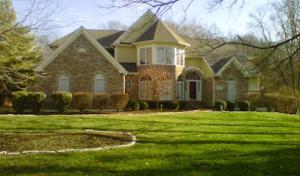
One Way Roofing Llc & One Way Construction
Serving
4.8 from 65 reviews
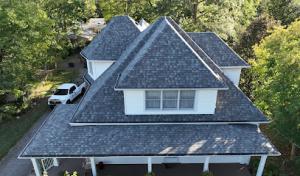
Brentwood Roofing & Construction
(314) 222-9527 www.brentwoodroofingandconstruction.com
Serving
5.0 from 41 reviews
Although pitched residential roofs dominate here, the local contractor market shows meaningful demand for flat and low-slope work, which often appears on additions, porches, garages, and mixed residential-commercial properties. When an addition ties into the existing home, the low-slope section becomes a critical transition that affects drainage, water shedding, and overall weather resistance. Expect the fastest progress on these sections when the contractor has a plan for each tie-in before the roof is closed in.
These lower-slope sections are more vulnerable during heavy spring rainfall, when drainage problems can delay projects and expose seams or transitions. In Florissant, a quick review of gutter placement, scupper details, and internal roof-to-wall transitions can save days of delay if a sudden downpour hits mid-work. If your project includes an added porch or garage roof, map the rain path from the highest point of the main roof to the new surface and confirm that there are no low spots that could pond water.
Low-slope tie-ins next to steeper main roofs need careful flashing and inspection coordination because attachment and water-shedding details are scrutinized during full replacement permitting. The contractor should align step flashing with the steeper roof and run continuous, properly lapped flashings across the transition. Insist on bonded seam tapes or base flashing where the addition meets the primary roof, and verify that the roof-to-wall joints are sealed with a compatible membrane to prevent later leaks.
After installation, periodic inspection of the low-slope area is essential, especially after heavy rains. Check for areas where water can gather at the transition and confirm that all flashing remains properly seated. A proactive approach helps protect the addition's envelope and the home's broader roof system.
Find specialists in TPO, EPDM, and built-up flat roofing systems for residential and commercial properties.
Arch Roofing
(314) 707-9776 archroofingllcstl.com
907 Harbor Oaks Ct, Florissant, Missouri
4.6 from 11 reviews
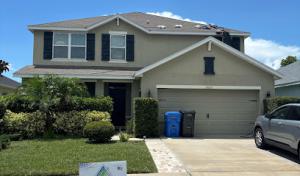
Commercial Flat Roof Company
(314) 995-2700 commercialflatroofcompany.com
Serving
4.9 from 148 reviews