
Last updated: Apr 19, 2026
Festus sits in a Missouri hail and severe-storm pattern that drives frequent roof claim activity compared with calmer regions. When a storm moves through, shingles can curl, granules shed, and gutters fill with grit in a heartbeat. The pattern means you may wake to new leaks or sudden attic heat from sun on exposed gaps. The urgency is real: delays after a hail event can turn small fixes into larger patchwork, and the clock on your insurance claim starts as soon as the damage is noticed, not when you're ready to tackle it. If a recent squall left you with dislodged shingles, dents in metal, or granule buildup, treat it as a potential claim-ready issue.
Spring storm seasons in and around Jefferson County can create sudden surges in roof demand, which affects scheduling and how quickly homeowners need documentation. Local crews report a spike in emergency repairs and storm-damage assessments right after major hail events. A quick turnaround on photographs, notes of any leaks, and a dated list of damaged areas helps you secure priority windows with a contractor who understands the pattern of high-claim weeks. Expect demand to outpace supply during peak weeks, meaning earlier outreach and flexible timing can make the difference between a rushed, suboptimal fix and a solid, documented repair plan.
Local contractor signals show storm damage, insurance claims, and emergency repair are among the most prevalent specialties in this market, indicating homeowners commonly need post-storm roof help rather than purely elective replacements. If emergency tarping is advised, do it promptly to minimize interior damage and avoid further claim complications. Gather evidence: date-stamped photos from multiple angles, a running list of affected rooms, and notes on any future leaks or wind-driven movement you observe during rain. If your attic or ceiling shows damp spots after a storm, document them immediately and reach out to a roofing professional who can perform a rapid, on-site assessment and provide scoped next steps for claim submission.
In a high-claim environment, speed matters-but so does accuracy. Start by compiling the damage package before reaching out: photos, a simple damage log, and a brief description of the storm window. When you contact a local contractor, ask for references from Festus neighbors with recent storm work and confirm they do emergency repair credentials, if needed. Request a written scope and a documented claim path, not just a verbal estimate, and insist on a detailed timeline for assessment, temporary protection, and permanent repair. If the storm pattern is active, prioritize storm-damage specialists who can coordinate with your insurer and deliver a plan that minimizes disruption to your family and avoids repeated callbacks.
Find local contractors experienced in assessing and restoring roofs after hail, wind, and severe weather events.
Archway Home Repairs Inc. Roofing & Gutters
(636) 475-3835 www.archwayhomerepairs.com
Serving
4.1 from 32 reviews
Leak Stoppers Roofing
2441 Buck Creek Rd, Festus, Missouri
4.2 from 6 reviews
We are a roofers local 2 business. We do full roof replacements on residential and commercial roofs. We install shingle roofs, flat roofs, synthetic slate, coatings, and some metal roofs. We also offer roof maintenance and gutter cleanings. I also can provide Infrared scans for wet insulation on flat roofs.
STL Roofing Pros
(314) 219-0575 stlroofingpros.net
Serving
5.0 from 7 reviews
Since 2017, STL Roofing Pros has been the premier choice for professional roofing and exterior services in the St. Louis metropolitan area. Specializing in expert roof installation, repairs, and specialized roofing solutions, our dedicated team is committed to protecting your home. We also offer comprehensive siding and gutter services, providing a complete exterior package to enhance your property's durability and curb appeal. Trust STL Roofing Pros for quality craftsmanship and reliable service that stands the test of time.
Ashe & Winkler Restoration
(636) 223-2253 awrestoration.contractors
Serving
4.9 from 55 reviews
Ashe and Winkler Restoration specializes in roofing and exterior services. We are certified and accredited in the latest installation techniques and are Master Elite GAF Certified. We also offer extended warranties on our roofs. At Ashe and Winkler Restoration, we're committed to meeting all your roofing and exterior needs. We ensure appropriately trained and experienced personnel, fair pricing, and a wide range of products, styles, and colors to choose from. Plus, we offer the best warranties in the business, giving you peace of mind. With so many products available, we’ll help you make “Your Best and Safest Choice.”
Archway Home Repairs Inc. Roofing & Gutters
(636) 475-3835 www.archwayhomerepairs.com
Serving
4.1 from 32 reviews
We are a family owned and locally operated roofing and gutter company that has been in business in St Louis for over 30 years. We pride our company on reliability, great communication, integrity, competitive pricing, quality materials, and superior workmanship. We are experts in our trade and will do our best to keep you as educated as we can on your particular task or project. We offer an 8-year written labor warranty on all our full roof replacements. We are fully insured and maintain an A+ rating with the BBB. We are also storm damage and insurance claims experts. We look forward to earning your business. Don't overpay for your next roof! contact us today for a FREE roof estimate or roof inspection.
CMS Roofing & Exteriors
(314) 717-3268 cmsroofingandexteriors.com
Serving
4.8 from 21 reviews
Roofing & exterior replacement specialist serving the St. Louis area.
JH Exteriors
(636) 942-1346 jhexteriors.com
Serving
4.6 from 50 reviews
JH Exteriors is a locally owned roofing company located in Imperial, MO. As a company dedicated to providing premier customer service, we strive to deliver unparalleled workmanship on every project. We combine our industry knowledge, the highest quality of building materials, and our dedication to providing exceptional service to our clients. A new roof can improve your home's curb appeal & increase your property value. We only use the finest roof materials with the best warranties, ensuring you are protected for years. Plus, we offer free, no-obligation storm inspections! So what are you waiting for? Contact the experts at JH Exteriors. and check out our reviews to see what customers say.
STL Roofing & Restoration
(314) 756-1638 www.stlroofingandrestoration.com
Serving
5.0 from 11 reviews
At STL Roofing & Restoration, we specialize in storm restoration and guiding our clients through the entire Homeowners Insurance Claim process. We provide only the highest quality Roofing, Sidng, & Gutter services. Our expert roofing crews utilize only documented workers and have over 40 years combined installation experience!
Juarez contracting
(314) 760-3107 juarezroofingstl.com
Serving
5.0 from 2 reviews
Juarez Contracting – Trusted Roofing Experts for 7 Years! At Juarez Contracting, we specialize in delivering top-quality roofing solutions that protect homes and businesses with durability and expert craftsmanship. With seven years in the industry, we’ve built a reputation for reliability, precision, and customer satisfaction. Expert Roofing Services – From repairs to full replacements, we handle it all. High-Quality Materials – Architectural shingles, modified bitumen, and advanced waterproofing. Skilled Craftsmanship – Every job is done with care and attention to detail. Customer-Centric Approach – Clear communication, transparency, and fair pricing. Licensed & Insured – Your property is in safe hands with certified professional
Shelby Roofing & Exteriors
(800) 646-1663 www.shelbyroofing.net
Serving
4.9 from 171 reviews
Shelby Roofing & Exteriors is Arnold, MO's most trusted choice for exterior renovation for more than three decades. Call us today to learn more!
Meyers Construction & Consulting
(314) 804-9281 www.meyersconstructionandconsulting.com
Serving
5.0 from 26 reviews
Dreaming of a new roof or need expert guidance on a commercial construction project? Since 2018, Meyers Construction & Consulting has been building trust and quality in the St. Louis area. With over 15 years of roofing expertise, we utilize cutting-edge technology and a commitment to on-time, on-budget project completion. More than just roofing contractors, Meyers offers comprehensive commercial construction and management, ensuring your vision becomes a reality. Choose Meyers Construction & Consulting for roofing solutions and construction done right, backed by a solid workmanship and Johns Manville warranty.

5th Generation Services
Serving
4.4 from 22 reviews
Family owned general contracting company with a focus on roofing and remodeling.
Edwards Roofing & Exteriors
(636) 481-8026 www.edwardsroofing.net
Serving
4.5 from 37 reviews
Edward's Roofing and Exteriors (f.k.a. Edwards Roofing & Repair) is a premier roofing company serving the greater St. Louis, Jefferson County, St. Charles and St. Peters areas. We offer storm claim insurance assistance (including free joint inspections with adjusters), free estimates on residential and commercial roofing along with a long list of other remodeling or new construction services. Our mission is "To serve our customers with respect and honesty. We will always look out for our customers best interests and needs to set them on the easiest & most economically friendly pathway to acquire those needs".
In Missouri's active hail-claim environment, carriers commonly expect prompt photo documentation and timely adjuster review after storm events. After a hail or wind event, you should start gathering visuals within the first 24 hours while the damage is still visible and the scene is fresh. A clear sequence helps avoid back-and-forth requests that slow down the claim process. Use daylight to capture true color and texture, and keep a steady hand with your phone or camera. If you can, include a quick shot of the event tag on your weather app or a nearby utility pole to timestamp when the storm hit.
Because Festus projects often move through insurance after hail or wind, homeowners benefit from documenting shingles, metal panels, gutters, soft metals, interior leaks, and debris impact immediately after storms. Start with the roof surface: take wide-angle shots that show the whole roof, then close-ups of hail impact spots, lifted edges, and granule loss on asphalt shingles or dented metal panels. Photograph gutters and downspouts for signs of denting, bending, or granule plugging. Don't skip soft metals like flashing, vents, and chimney caps-the edges can reveal wear that isn't obvious from the roof plane. Indoor photos matter too: look for water stains on ceilings, wet insulation in attic spaces, and any staining along interior walls that aligns with a roof line. If you can, set a calendar reminder to snap again after a rain event so residual leaks or new gaps aren't missed.
Quick-response service is a strong local market signal in Festus, reflecting how homeowners prioritize rapid inspections before temporary damage worsens or claim windows become harder to support. Schedule a same- or next-day assessment with a contractor or public adjuster who understands storm-driven cycles in Jefferson County. No matter who you hire, ask for a written inspection report that lists observed damage sources, a photo log, and an initial estimate. As you collect images, organize them by category-roof surface, flashing and penetrations, gutters, soft metals, and interior leaks-so your claim file reads cleanly for the adjuster.
While the claim works through, you may need temporary measures to prevent further damage. Document these temporary repairs with photos before and after, noting what was done, who performed it, and the date. If you place a tarp, take a shot showing its coverage relative to the damaged area. Keep receipts and written confirmations for any emergency services used after the storm; carriers will often request these to verify urgency and scope.
Maintain a simple log: date of storm, brief description of observed damage, and the best photo angles for each category. Store the photos in a cloud folder labeled with the storm date and your address, then back them up to a second device. If you have multiple properties or frequent storms, create a reusable template for photo order and notes so your next claim moves as smoothly as possible. The goal is to present a concise, compelling case that aligns photos with a straightforward damage narrative for the adjuster.
Connect with contractors who help homeowners navigate the claims process from damage assessment to final approval.
Archway Home Repairs Inc. Roofing & Gutters
(636) 475-3835 www.archwayhomerepairs.com
Serving
4.1 from 32 reviews
Asphalt shingles are a dominant material in this market because they fit the mainstream residential stock you'll see across the area and align with replacement economics that homeowners rely on after decades of weather exposure. In Festus, the long, hot summers and frequent hail require shingles that can flex and resist impact without breaking the budget or delaying repairs. Look for high-grade architectural or impact-resistant shingles that wear evenly and maintain a clean appearance after repeated freeze-thaw cycles. When installed well, asphalt can deliver solid performance through repeated storm cycles and is generally the most familiar option for local crews, making repairs and replacements more predictable for homeowners who want reliable service after a hail event.
Metal roofs are a meaningful local choice because they handle repeated weather exposure differently than shingles. In this area, metal's resilience against hail and wind can translate to fewer immediate repairs after severe storms, but installation quality matters considerably in a hail-prone market. A properly installed metal panel system with correct underlayment and flashings can shed hail impact and minimize denting or moisture intrusion. Pay particular attention to panel seams, fastener sealing, and proper roof edge details, as these are common weak points after big storms. If choosing metal, consider a finish with good UV stability and a color with a reflective, cool-roof tendency to moderate attic temperatures during hot months.
Clay tile and concrete tile exist in the local material mix, offering strong durability and a distinct look. However, in Festus, freeze-thaw durability and moisture behavior become important beyond mere appearance. Tiles can excel in dry periods and provide excellent longevity, but they require a solid deck and careful spacing to handle freeze-thaw cycles and potential hail impacts without cracking. When considering these materials, require a robust substrate and a proven installation method that accommodates expansion and contraction. If aesthetics inclined, tile can deliver a timeless profile, but ensure the system is designed to handle local temperature swings and moisture management.
Wood shakes bring natural texture and a traditional feel, yet climate realities in this market mean paying attention to moisture behavior and decay resistance. In damp periods and freeze-thaw cycles, untreated wood can suffer more quickly, so treated or higher-grade options are essential. Synthetic or composite products can offer improved resistance to moisture and temperature shifts, with a lower maintenance profile than natural wood. If choosing these materials, verify that the product is rated for freeze-thaw durability and hail exposure, and confirm that the installation method supports adequate ventilation and drainage. In all cases, the best choice balances impact resistance, moisture handling, and the specific storm patterns that define the local roofing cycle.
The most popular roofing material in the US. Find pros who install, repair, and replace asphalt shingles.
Archway Home Repairs Inc. Roofing & Gutters
(636) 475-3835 www.archwayhomerepairs.com
Serving
4.1 from 32 reviews
Element Roofing & Exteriors
(314) 420-6983 www.elementroofingmissouri.com
Serving
5.0 from 76 reviews
Winter ice and snow in Festus can slow tear-offs, affect sealing conditions, and complicate roof system work. When temperatures dip below freezing, shingles and underlayment become brittle, rolls of modified bitumen can resist straight cuts, and rooftop work becomes hazardous for both crews and residents. If a project starts in late fall or pushes into January, expect occasional pauses for thaw days and ground-level safety checks. Have a plan for snow removal on the roof's edge and a clear pathway from ladder setup to the eaves to minimize ice dams forming behind gutters. Consider flexible scheduling blocks that allow for small warm-up windows to complete critical sealant applications. For a resident, this means coordinating with the contractor to cluster work around the warmest daylight hours and keeping attic spaces ventilated to reduce condensation that can complicate flashing and sealant adhesion.
Spring hail and severe storms in the area can both damage roofs and delay projects by overwhelming contractor schedules. After a heavy hail event, expect an influx of inspections, material lead times, and a tighter calendar on the contractor side. If asphalt shingles or metal systems were struck, focus on immediate safety-collapse risks from fallen limbs and debris-and then plan for an assessment within a week or two. Have a clear line of communication with the crew about prioritizing damaged sections, since partial setbacks can balloon into longer timelines when crews juggle multiple storm responses. On the jobsite, protect vulnerable openings with tarps during wind gusts and be prepared for temporary fixes that preserve roofing while final materials are delivered. Practical takeaway: document damage, store photos, and keep a list of accessible exterior features that could hinder access during busy spring weeks.
Hot, humid summers and autumn wind-driven debris in Festus affect installation pace, material handling, and the risk profile for partially completed roofs. Hot days can soften certain sealants and slow fastening sequences, while afternoon gusts push loose debris toward the ground or neighboring properties. Contractors may spread work across longer days with midday breaks to protect crews and materials. For homeowners, this means securing yard clutter, second-story access points, and vehicles that could obstruct material transport routes. As autumn approaches, organize debris containment and edge protection to reduce wind-driven disruptions. Efficient coordination between supply delivery and crew mobility becomes a key factor in keeping a project on track without compromising weather-sensitive steps like flashing installation and membrane detailing.
In Festus, a full roof replacement typically travels through the Jefferson County Building Division. The process starts when a licensed contractor submits the project details, including the scope, materials, and any venting or attic work that will be part of the install. The county reviews the plan for code compliance and safety, aiming to ensure that the new roof will stand up to Jefferson County's weather patterns, including hail and freeze-thaw cycles. Once approved, a permit is issued to authorize the work to begin under inspection requirements.
During installation, the county requires inspections at key milestones to verify proper nailing patterns, underlayment, venting, and flashing details. The completion inspection confirms that the roof is installed as described and that ventilation meets the house's needs. This step helps prevent future issues such as moisture buildup, inadequate venting, or improper flashing that can cause leaks after a severe storm. Expect a review of attic ventilation as part of the overall assessment, since Festus homes vary from older neighborhoods to newer subdivisions.
If the inspector notes deficiencies, the contractor will typically arrange corrections before final approval. In such cases, a small re-inspection fee may apply after adjustments are completed. It's wise to plan for potential revisit time in your project schedule and to coordinate with the contractor on what needs to be fixed. Staying proactive can reduce the chance of delays if a storm season hits while the permit is pending.
Before signing a contract, ask the contractor to confirm that Jefferson County Building Division has the required forms and how the ventilation plan ties to the attic space. Keep the permit number accessible and schedule the pre-installation walkthrough with your roofer to align expectations. Remember that weather-driven replacement cycles in this area make timely permit handling and compliant venting critical to protecting your home against future hail and wind events.
In this market, asphalt shingles typically run about 350 to 650 USD per square, with metal roofing between 700 and 1200 USD per square. Clay and concrete tiles sit higher, at roughly 1100 to 1700 USD per square for clay and 1000 to 1600 USD per square for concrete. Wood shingles or shakes usually fall in the 500 to 900 USD per square range, and synthetic or composite shingles span about 650 to 1100 USD per square. These ranges reflect local material choices common to Festus and the surrounding Jefferson County area.
Storm-driven demand after hail events can push scheduling pressure and labor availability in ways that affect final roof pricing. When a hail storm hits, crews get booked up quickly and supply chains tighten, which can nudge both material costs and labor hours higher than typical levels for a few weeks. If a replacement is triggered by hail damage during peak season, expect closer tracking of labor slots and more rapid price shifts than during quieter months.
Understanding the material choice helps frame the budget in practical terms. Asphalt shingles remain the most economical and quickest to install, while metal offers longevity and resistance to weather-but at a higher upfront cost. Clay and concrete tiles deliver distinct aesthetics and strong wind resistance but require a robust roof deck and skilled installers, which can push prices upward. Wood shingles deliver a rustic look with a broader variance in price, and synthetic/composite shingles provide a balance of durability and price that can suit storm-prone neighborhoods.
To navigate costs effectively, gather at least three written bids from local installers who understand Festus climate and typical storm damage patterns. Check each proposal for the included scope: tear-off, disposal, underlayment, flashing, and any attic ventilation considerations. Ask about crew availability in response to hail surges and request a phase-by-phase timeline to avoid weather-related delays. Align your material choice with local climate realities-humid summers, freeze-thaw cycles, and hail exposure-so the final investment supports long-term performance.
Get a clear picture of your project costs upfront - no commitment required.
Archway Home Repairs Inc. Roofing & Gutters
(636) 475-3835 www.archwayhomerepairs.com
Serving
4.1 from 32 reviews
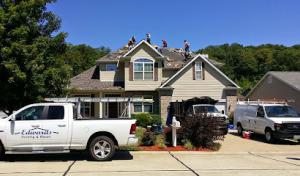
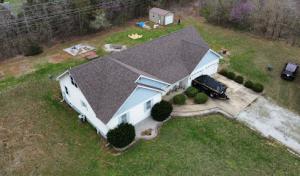
Missouri's notable hail and storm activity makes Festus a higher-claim roofing market than low-severity regions. Summers bring humid heat that can accelerate aging on older shingles, while winter freeze-thaw cycles test materials differently from milder climates. In a neighborhood mix of traditional brick-and-frame homes and newer builds, storm events tend to expose both subtle and obvious damage. The practical impact is a cycle where repairs translate into a higher likelihood of claim-ready assessments, not because every roof fails, but because repeated hits wear away protective layers over time.
There is no statewide sustained insurer pullback pattern in recent years, but carriers may adjust regional coverage practices and scrutiny over time. In Festus, adjusters will compare pre-storm photos, post-storm documentation, and the overall condition of attic spaces and ventilation. Expect questions about granule loss on shingles, metal panel seams, and any interior staining that hints at hidden leaks. The emphasis is on thorough documentation and timely communication; gaps can slow claims and complicate settlement decisions, especially after several nearby storms in a single season.
For Festus homeowners, the practical insurance issue is less market withdrawal and more having complete storm documentation, photos, and prompt adjuster coordination after damage. Build a clear narrative: note the date of each hail event, identify impacted areas, and capture close-ups of damaged edges and granules. If possible, stage a quick exterior review with daylight to show peeling flashing or dented metal. After an adjustment appointment, request a written scope that aligns with the photos, and keep a single file of every item discussed. This disciplined record-keeping helps prevent misinterpretation and keeps the process moving, especially when multiple storms have occurred in a single season.
Connect with contractors who help homeowners navigate the claims process from damage assessment to final approval.
Archway Home Repairs Inc. Roofing & Gutters
(636) 475-3835 www.archwayhomerepairs.com
Serving
4.1 from 32 reviews
Festus roofs commonly face weather-related wear patterns tied to hail impact, wind exposure, and repeated freeze-thaw cycling rather than purely age-based replacement decisions. Hail can dent metal and crack asphalt, while stiff winds lift edges and undermine sealants. Freeze-thaw cycles inflate small gaps into active leaks, especially along eaves and roof-to-wall transitions. Understanding these patterns helps you spot trouble before it grows.
Humid summer conditions make ventilation performance and moisture management especially relevant when the county inspection checks venting compliance after replacement. Poor attic ventilation leaves condensation to condense on underside of decking during hot days, accelerating deck rot and mold growth. Ensure soffit and ridge vents are clear, insulation is not blocking airflow, and attic baffles are in place to maintain a continuous flow path from soffice to peak.
Autumn debris and storm-driven exposure in Festus can turn small edge, flashing, or shingle issues into active leaks if repairs are delayed. Damaged step flashing at dormers or chimneys, loose ridge caps, and torn shingle tabs provide easy entry for water as leaves accumulate on the roof surface. Regular inspection after storms, and timely resealing or re-fastening of flashing can prevent nearby interior staining.
After a harsh storm, focus on the most exposed zones first: valleys, fl ashing, and edge intersections where wind-driven hail tends to concentrate damage. Check for lifted tabs, granule loss, and signs of moisture intrusion in the attic or upper walls. A proactive, season-by-season approach reduces the chance that minor issues escalate into costly repairs.
Different materials respond to Festus weather in distinct ways. Asphalt shingles tolerate impact but may shed granules with heavy hail, while metal roofs resist penetration but can suffer from loose fasteners. Clay and concrete tiles are heavy and prone to cracking under impact or freeze-thaw stress, especially on roofs with wider spans or inadequate substrate support. Regular targeted checks based on your roof type help sustain performance through the region's storm cycle.
When you can't wait, these contractors offer fast response times to stop leaks and prevent further damage.
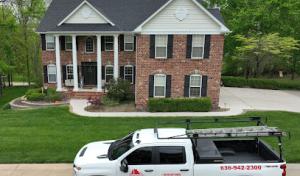
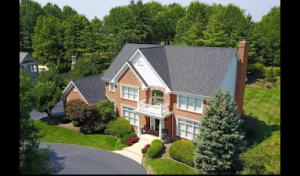
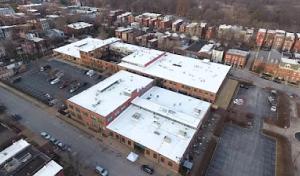
Flat and low-slope roofing appears as a real but secondary specialty in the Festus market, suggesting it is relevant for additions, porches, garages, and some mixed residential-commercial properties rather than the dominant home type. When a low-slope section exists on a project, plan for the added nuance of drainage and weather resilience alongside the main steep-slope roof. That means coordinating materials and flashing that will tie into the existing roofline without creating water or ice hazards at transitions.
Festus experiences seasonal snow, ice, and heavy rain events, so drainage reliability on low-slope sections matters more than on steeper shingles. Start with a thorough assessment of the existing drainage plan: confirm that drains, scuppers, and edge margins are clear, and that any guttering system downstream will handle the combined flow from both slope types. Consider adding a secondary outlet or a slightly steeper slope on the low-slope segment if the geometry of the structure allows. Always ensure proper underlayment and ventilation specifics are matched to the chosen material to minimize ponding-related problems.
In repairs or upgrades, select a low-slope system that is compatible with the rest of the roof and designed for local weather cycles. Asphalt and synthetic options can work, but the key is ensuring the flashing and transitions are secured to resist wind-driven rain and ice formation at cold spells. If the project includes both steep-slope and low-slope portions, verify the contractor's portfolio includes true low-slope experience, not just re-roofing steep-slope homes. This ensures waterproofing integrity where the two roof types meet.
Because low-slope work is not the dominant local roof type, verify that the chosen contractor has hands-on experience with low-slope details such as edge flashing, parapet terminations, and integrated drainage ties. Request references from projects with additions or garages that featured a low-slope component, and ask about how they addressed seasonal freeze-thaw and ice dam considerations. Clear communication on seam, flashing, and water diversion strategies reduces surprises after the first big freeze.
Find specialists in TPO, EPDM, and built-up flat roofing systems for residential and commercial properties.
Leak Stoppers Roofing
2441 Buck Creek Rd, Festus, Missouri
4.2 from 6 reviews
Meyers Construction & Consulting
(314) 804-9281 www.meyersconstructionandconsulting.com
Serving
5.0 from 26 reviews
In this market, a quick response is not a luxury-it's essential. Look for a contractor who consistently handles re-roofs and storm repairs, with a track record of finishing jobs in a timely, predictable way. The best choices bring cleanup included in the project scope, so driveways, lawns, and street gutters are left tidy after the last shingle is set.
Long-standing, family-owned firms are common here and often carry durable local reputations. Those names tend to know the specifics of Festus homes, from the older neighborhoods to newer subdivisions, and they understand the wear from humid summers and freeze-thaw cycles. Ask about how many generations have served Jefferson County families and what sets their service apart.
Because insurance and storm work are prevalent, it helps to separate contractors who mainly sell replacements from those who can manage the whole process. Favor bidders who can document damage, coordinate emergency stabilization if needed, and handle county-closeout details. A contractor with this full-stack capability reduces the need for you to chase paperwork or second-guess approvals.
Request a few local references, especially homeowners who faced hail events in recent seasons. Call or visit properties if possible to inspect workmanship and cleanup at completion. Schedule should be realistic around weather windows, with clear milestones and a direct line to project supervision. The right contractor communicates plainly and sticks to agreed timelines.
Ask about site preparation, tarping where needed, debris containment, and how cleanup is performed at the end of each day. A Festus-focused contractor will explain who is responsible for protecting landscaping and driveways, how waste is disposed, and how the crew minimizes disruption to neighboring homes during peak storm season.