
Last updated: Apr 19, 2026
When a spring hailstorm hits, you need to act fast. In this market, on-site adjuster reviews are common, and a quick first assessment can prevent delay-driven complications. After striking hail or a strong thunderstorm, walk the roof from the ground if safe, check interior ceilings for fresh water stains, and document any visible damage with photos and notes. Delaying a professional inspection can let minor leaks grow into costly problems, especially with the frequent wind-driven damage typical of this area. If you see dented gutters, loose shingles, or granule loss on the shingles, treat it as a red flag and arrange a roof inspection within days, not weeks.
Spring hail storms are a primary local trigger for roof inspections, temporary leak control, and weather-related scheduling delays. Expect the process to stretch when rain lingers or when an adjuster can't safely access the roof. To minimize disruption, line up a trusted local contractor who can provide temporary tarping or leak-stopping measures to protect your home while you wait for a formal inspection. Communicate openly with your insurer about access windows and required documentation, and keep a detailed record of every contact, appointment, and promised timeline. The goal is to move from assessment to a decision as quickly as your weather allows, without leaving your interior exposed to another round of storms.
In this market, many homeowners face a front-loaded decision: repair what's damaged now or complete a full roof replacement. An adjuster's evaluation will drive the recommended path, but timing matters, especially when winter cold looms. If the roof is nearing the end of its expected life and multiple hit regions show compromised underlayment or decking, delaying a full replacement can increase ice-dam risk once freezing conditions arrive. The winter months create a real hazard for aging roofs, and ice dams can cause leaks to travel far from the initial impact site. If you're weighing a replacement, plan around guaranteed insulation and ventilation improvements to mitigate future freeze-thaw damage.
If the insurer and contractor indicate a full replacement is warranted, start coordinating the project early in the cycle. You'll want to establish a clear project timeline that accounts for weather windows, material lead times, and any lender or mortgage holdbacks tied to a roof replacement. Keep your files organized: inspection reports, photos, correspondence, and a written scope of work. Because the insurance-driven path is common here, ensure the scope aligns with the adjuster's notes and the final build matches the highest quality materials you select, so the new roof stands up to both the local hail exposure and the freeze-thaw cycle.
Even after a replacement, annual vigilance matters. Hail and wind can cause hidden damage that isn't immediately obvious, especially on steeper pitches or complex roof lines. Schedule an annual roof check after spring storms to catch loose shingles, lifted flashing, or compromised seals before they escalate. A proactive neighborly approach-checking eaves, fascia, and downspouts after every major storm-helps catch issues early and keeps the replacement plan on track without surprise setbacks.

Bluebird Construction
(314) 771-2473 bluebirdroofs.com
Chesterfield, Missouri
5.0 from 137 reviews
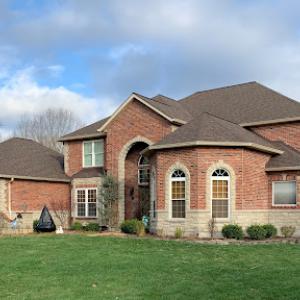
We are a general contractor based out of Saint Charles, MO, providing a range of reliable, quality services for residential and commercial projects. Our services include free inspections, storm restoration, roof repair and replacement, siding and gutters, insulation, and maintenance packages. 2023 Best of the Best for Customer Satisfaction national award winner.
CJS Roofing Company
Chesterfield, Missouri
5.0 from 159 reviews
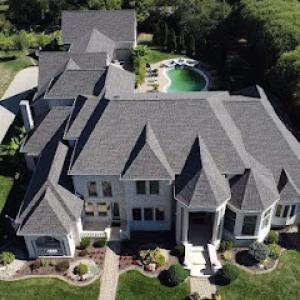
Locally Owned and Trusted. Local - Since 1992 - this family-run company has been proving “The proof is in our roof”. Honesty, Courtesy, Integrity, and Trust are the foundation of the business. No money due until your roof is complete; keeping you in the driver's seat. CJS Roofing is the St. Louis expert in roof repair, roofing replacement, roof insurance management, roof inspections and gutters. Located in Fenton, MO since 1992.
Fuchs Roofing
(636) 486-3939 fuchsroofing.com
18336 Edison Ave #17, Chesterfield, Missouri
4.9 from 163 reviews
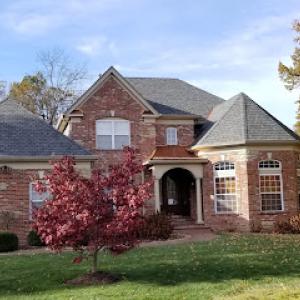
Local since 1968. We specialize in commercial & residential roofing, storm restoration, and siding. We proudly serve St. Louis City, St. Louis County, St. Charles County, Jefferson County, and Franklin County. Fuchs Roofing is accredited by the top construction & roofing organizations in the world. Best of all, we promise to deliver 100% satisfaction on every project. We would love to help you with commercial grade silicone coatings, TPO, EPDM, modified bitumen, built-up roofing (BUR), metal roofing, 3 tab shingles, architectural shingles, designer shingles, vinyl siding, engineered wood siding, fiber cement siding, metal siding, shake siding, board and batten siding, fascia, soffit, gutters, and more.
DeG Contracting
(636) 928-7663 www.degcontracting.com
100 Chesterfield Business Pkwy #200, Chesterfield, Missouri
5.0 from 83 reviews
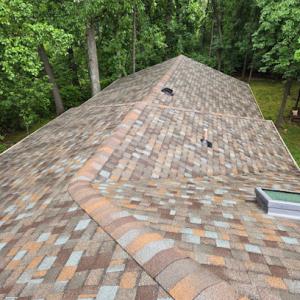
DeG Contracting, located in Chesterfield, MO, is your go-to expert for top-quality roofing and siding services. Our skilled roof installers specialize in roof maintenance, roof repair, and complete roof replacement, tackling everything from storm and wind damage to routine inspections. As a leading roofing business, our experienced roofing contractors offer tailored solutions for both residential and commercial properties. In addition to our exceptional roofing services, we provide comprehensive siding options, including vinyl, metal, natural wood, and fiber cement. Our commitment to excellence makes us a standout choice among roofing companies and siding firms. Trust DeG Contracting for all your roofing and siding needs.
Gorilla Roofing Chesterfield
(636) 295-1212 www.gorillaroofing.com
15510 Olive Blvd Suite 202, Chesterfield, Missouri
4.9 from 150 reviews
Welcome to Gorilla Roofing and Construction, a top-rated local company in St. Louis offering exceptional roofing services for homes and businesses. Our Chesterfield roofing team's office is conveniently located near highway 40 on Olive blvd. to better service the St. Louis community. Our team specializes in roofing replacement & roofing systems including siding, gutters, and more. No pressure sales, just outstanding service all backed by a satisfaction guaranteed and 7-year Gorilla workmanship warranty. Contact us online or by phone during business hours for a free quote or inspection. Family-run, our office is open 9-5 during weekdays for inspections and we're ready 24/7 for emergencies as well.

Home Perfect Exteriors
(636) 541-5191 www.homeperfectexteriors.com
700 Spirit of Saint Louis Blvd Ste E, Chesterfield, Missouri
4.9 from 181 reviews
At the heart of our business, we love improving the look of homes, and our commitment shines in every project. Our family-owned company has proudly protected homes in the greater St. Louis area since 2014. Our family keeps growing because you become part of our family when we visit your property for a free estimate. We're experts in various home exterior services like installing roofs, siding, fascia, gutters, and more roofing services. But our real passion is helping you with affordable home repairs and protection. We aim to ensure you can safeguard and beautify your home without overspending.
AMP Restoration & Roofing
(636) 243-1744 www.amp-roofing.com
732 Crown Industrial Ct, Chesterfield, Missouri
4.7 from 331 reviews
At AMP Restoration and Roofing, we specialize in high-quality roofing services, such as roof repair and installation solutions tailored to your property's unique needs. Our experienced roofers guarantee reliable and efficient services, safeguarding your home from erratic weather conditions. We employ advanced techniques and use superior materials, ensuring your roof stands the test of time. As one of the leading roofing companies with AMP Restoration and Roofing, you can look forward to a sturdy, stylish roof over your head. Your home deserves nothing less.
Ragnarok Roofing
(636) 233-2888 ragnarokroofing.com
Chesterfield, Missouri
5.0 from 32 reviews
At Ragnarok Roofing, our mission as a family owned roofing contractor is to build long term relationships with our customers as well as the community by utilizing only quality materials installed by professional installers. Centering around customer needs, we are focused on service excellence as we provide residential, commercial, storm damage repair, and insurance claims ensuring all of your roof related concerns are put to rest. Contact the team at Ragnarok Roofing today for a free inspection.
STL Restoration Pros
(314) 607-0989 www.stlrestorationpros.com
Chesterfield, Missouri
4.9 from 57 reviews
STL Restoration Pros is a general contractor that specializes in storm restoration for residential and commercial properties.
New Life Roofing
(314) 240-8185 www.newliferoofingllc.com
100 Chesterfield Business Pkwy, Chesterfield, Missouri
5.0 from 27 reviews
Quality and commitment. At New Life Roofing we recognize that our work is not just a job, but a promise we make to ourselves and our clients. Our trained team understands the delivery of each project without exception. With years of experience and an firm commitment to meticulous attention to every detail, we are confident in our ability to meet and exceed your expectations while upholding the highest standards of durability and warranty
Best Roofing Pros
(877) 513-4946 getaroofingpro.com
100 Chesterfield Business Pkwy #200, Chesterfield, Missouri
4.8 from 65 reviews
We are a dedicated roofing company specializing in roof replacements for homeowners impacted by hail storms. Our mission is to restore your home’s safety and curb appeal with expert craftsmanship, high-quality materials, and a seamless process from start to finish. Trust us to provide reliable, professional service when you need it most.
Coldstream Exteriors
(314) 380-8111 coldstreamexteriors.com
100 Chesterfield Business Pkwy #200, Chesterfield, Missouri
5.0 from 17 reviews
At Coldstream Exteriors, we bring over 20 years of experience to cater to all your home's exterior needs. Serving the Saint Louis area, our dedicated team specializes in roofing, siding, window installation, and gutter services, tailored to fit your unique requirements and budget. Whether you're looking to enhance your home's functionality or give it a fresh, stunning look, we're here to turn your vision into reality. Trust Coldstream Exteriors for reliable guidance, premium materials, and a meticulous approach to every project, ensuring results you'll be proud of.
Typical local pricing runs about $350-$700 per square for asphalt shingles, $650-$1150 for metal roofing, $900-$1500 for clay tile, $800-$1400 for concrete tile, $650-$1000 for wood shingles or shakes, and $500-$900 for synthetic or composite shingles. In practice, a standard asphalt shingle job remains the most common, but after a tough spring storm, you'll notice more metal and tile projects as homeowners pursue lasting, hail-resistant options. Be mindful that the price bands reflect the combined effect of material choice, labor intensity, and the complexity of your roofline.
In this area, storm-driven demand surges after spring hail can tighten contractor schedules and push pricing pressure on labor, tear-off crews, and material lead times. If a hail event rain-checked your neighborhood, expect more competing bids within a short window. Scheduling ahead helps, but plan for potential delays if crews are juggling insurance-driven full replacements and larger homes with multiple ascents. The better-equipped crews tend to reserve slots for high-priority storm work, which can translate into higher prices or expedited timelines.
Costs can also rise when older roofs need full tear-off to satisfy permit inspections after storm damage, especially on heavier systems like tile or on homes with complex suburban rooflines common in west St. Louis County neighborhoods. A full tear-off adds disposal, underlayment replacement, and sometimes structural considerations. If your roof is reaching the end of its service life, or if the underlayment and decking show more signs of wear after a hail event, expect the project to shift from a simple overlay to a full replacement. This shift drives the per-square price up in some cases and increases the total project duration.
For many homeowners, the choice comes down to balancing budget with hail resistance and longevity. Asphalt remains the most economical, but metal or tile can dramatically improve resilience against future storms at a higher upfront cost. If your home features a complex layout or multiple slope sections, labor costs will rise more quickly than material costs. When storms loom or have just passed, get multiple bids that specifically address material options, expected life, and whether a full tear-off is anticipated or required for inspections. In Chesterfield neighborhoods with heavier rooflines and mature trees, preparation for extra waste from partial roof repairs or full replacements is prudent, and you'll want to confirm that the bid includes disposal and permit-related obligations.
Get a clear picture of your project costs upfront - no commitment required.
Gorilla Roofing Chesterfield
(636) 295-1212 www.gorillaroofing.com
15510 Olive Blvd Suite 202, Chesterfield, Missouri
4.9 from 150 reviews
Home Perfect Exteriors
(636) 541-5191 www.homeperfectexteriors.com
700 Spirit of Saint Louis Blvd Ste E, Chesterfield, Missouri
4.9 from 181 reviews
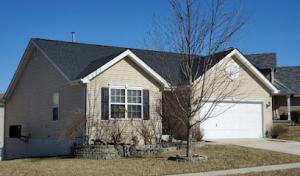
For a full roof replacement, a building permit is typically required. This isn't a formality you can skip hoping the work slides by; the local system expects an official permit before any shingles come off or new underlayment is installed. Starting without a permit can trigger stop-work orders, delays, and potential penalties that complicate storm repairs after spring events. If a contractor tells you a permit isn't needed, verify with the city's building department or a trusted permit specialist in St. Louis County. The process moves faster when the scope is clear from the start.
The local process generally requires submitting project details and scope before work begins. Gather a concise description of what will be replaced, the proposed materials, the number of squares, ventilation changes, and any structural considerations discovered during tear-off. If hail damage is suspected, include notes on suspected decking replacement or underlayment repair. A few photos of the existing roof and attic venting can speed up review. Your contractor should help prepare these documents or you can work with a licensed plans reviewer to ensure everything aligns with county expectations.
Expect inspections to be scheduled at key milestones. In practice, inspections are commonly conducted after tear-off and again upon completion to verify code compliance and roofing standards. Plan for a two-step check: first, the county or municipal inspector confirms the roof has been removed to a clean substrate and new underlayment is properly installed with correct nailing patterns; second, the final inspection confirms flashing, venting, chimney details, and overall installation meet local codes. Weather gaps and supply delays can affect timing, especially in a year with freeze-thaw cycles that stress materials during installation.
Choose a contractor who is experienced with the permit workflow and inspection expectations in this area. On the front end, request a permit number and confirm the scope aligns with what the inspector will review. During tear-off, keep access clear for the inspector and ensure a safe, clean work area so panels, nails, and waste don't impede progress. After the final inspection, a certificate of occupancy or a final inspection card is typically issued, signaling the project meets code and can be closed out with the county.
Ask the contractor to pre-file the permit package and to accompany you to the initial submission if the municipal office requires a personal signature. Maintain good records: permits, inspection notices, and any deviation requests. If you're navigating storm-driven repairs, document hail damage early and share those notes with your insurer and the permit liaison to help align the replacement timeline with your area's inspection cadence. Keeping a tidy job site and clear communication with the inspector minimizes delays and helps ensure the project proceeds in step with local requirements.
Chesterfield's mix of hot, humid summers and cold, freeze-thaw winters puts a premium on impact resistance and durable performance across seasons. Hail events in spring and early summer can reload stress on roof surfaces, so a material that can absorb impacts without cracking or losing granules is worth prioritizing. Thermal movement matters too: you want a roof that can flex with temperature swings without loosening fasteners or developing leaks. In this market, the roof isn't just a cosmetic shell-it's a critical, year-round shield against moisture, heat, and winter cycles.
The residential roofscape here is dominated by asphalt shingles, metal roofing, clay tile, concrete tile, wood shingles or shakes, and synthetic or composite shingles. Each material delivers a different balance of impact resistance, weight, easy maintenance, and long-term performance. Asphalt remains a practical, familiar choice for many homes, while metal offers strong hail resistance and fast shedding of storm moisture. Clay and concrete tiles bring stiffness and longevity but require structural checks for weight and support. Wood shingles or shakes deliver a distinct look and solid durability when properly maintained, and synthetic or composite shingles aim to blend resilience with a lighter footprint and wider design options. The right fit often hinges on how a roof handles summer heat, winter chill, and the next storm.
Material choice in Chesterfield often comes down to balancing hail resilience, winter performance, and replacement considerations rather than appearance alone. For example, a hail-prone season makes impact resistance a deciding factor, while freeze-thaw cycles emphasize joints, fasteners, and sealing detail. In this market, a roof should tolerate thermal expansion and contraction without warping or leaking, and maintain its integrity through repeated freeze-thaw cycles. Weight considerations and attic ventilation also influence selection, especially for heavier tile options on homes with limited structural capacity.
When evaluating options, think about how each material behaves under high heat, heavy hail, and cold snaps. Ask about wind resistance and granule retention for asphalt and synthetic shingles. For metal, verify coating longevity and panel seam reliability in temperature swings. Clay and concrete tiles require assessing roof structure support and underlayment compatibility, while wood offers aesthetics paired with maintenance needs. In all cases, prioritize a product with proven performance across seasons and a reputable installation approach that accounts for expansion, contraction, and roof deck condition. If the house has a history of spring storm activity, let hail resistance and wind stability guide the decision alongside expected service life.
In Chesterfield's hot, humid summers, roof materials can soften or expand more quickly, and asphalt shingles in particular may be more prone to wear during long, sun-soaked days. That can limit the times crews can safely work on steep pitches or on roofs that experience radiant heat from nearby roofs and driveways. If scheduling falls on the hottest stretch of summer, expect occasional delays or shorter work windows to protect installers and the roof itself. Protecting surrounding landscaping and ensuring good water drainage during those peak hours becomes a practical precaution rather than a simple preference.
Winter brings ice, snow, and freezing conditions that can slow progress and complicate any replacement project. Frozen underlayment or deck boards can make climbs unstable, and ice dams pose a real risk on older Chesterfield homes with uneven attic ventilation or compromised insulation. Projects that push into feasibility windows during mid-winter may see gaps between weather events where crews have to pause to prevent damage to newly installed components. If a replacement is planned for late fall or early winter, expect potential interruptions as temperatures swing and freeze-thaw cycles stress both old and new materials.
Autumn in tree-lined residential subdivisions brings a steady chorus of falling leaves and rain that can bury debris and complicate cleanup. Debris management becomes a daily rhythm: gutters, valleys, and roof vents can clog quickly, and yard waste sits around longer when rain adds to the mess. Scheduling a replacement requires a plan for timely tarping, safe disposal, and on-site housekeeping to prevent leaf buildup from masking fasteners or creating slip hazards. If trees light up the property with seasonal color, consider how leaf drop patterns might shift your project timeline and require more frequent cleanups between work stages. This is especially true for homes with mature oaks and maples that shed heavily each year.
With heat, ice, and fall debris all converging in this climate, projects tend to unfold in a measured pace rather than a sprint. Prioritize crew safety by coordinating roof access during the mild morning hours, securing all fall protection when working on slopes, and planning for rapid debris removal after each day's work. Communicate clearly about expected weather-impacted windows, so households know when to prepare for temporary disruptions or adjusted credential checks for entry and inspections. In practice, adapting to Chesterfield's seasonal rhythm reduces risk and keeps the project moving toward a reliable result.
The St. Louis area sees hail and wind events frequently enough that insurance involvement in roof work is a routine part of replacement decisions. In this market, claims are common, and insurers often approach a Chesterfield-area roof rebuild with a clear, documentation-heavy process. Expect adjusters to request detailed proof before they approve the full scope, and prepare for a process that may hinge on documented damage tied to a specific storm date.
Insurance reviewers will want a solid, date-stamped trail. Start with photos that show the roof from multiple angles, the gutters, and any interior staining near ceilings or walls that could indicate leaks. Record the exact date of loss and note weather conditions that day. Keep a simple log of any temporary repairs you perform after a storm, plus dates and methods used to mitigate further damage. If water intrusion is visible inside, capture interior photos and list rooms affected. Create a single organized binder or digital folder that ties each photo to a date and a short description of the damage.
On-site adjuster reviews are commonly used, so coordination matters. Be ready to walk the adjuster through what you've observed, including hail hits on shingles, dented metal, cracked flashing, or blown-off shingles. Have your documentation ready for quick reference, and provide access to the attic or crawlspace if the interior signs of damage are present. If the adjuster misses a detail, you'll want a clear second reference you can share to avoid gaps in the proposed scope.
When you engage a contractor, ensure they are prepared to align their estimates with the documentation you've assembled. A cohesive, photo-supported narrative helps the insurer see the full scope, especially in spring storm aftermaths. If you encounter delays, keep your file updated with new photos, any new leaks, and notes about the timing of repairs, so the claim keeps moving toward a complete, accurate scope.
Connect with contractors who help homeowners navigate the claims process from damage assessment to final approval.

Fuchs Roofing
(636) 486-3939 fuchsroofing.com
18336 Edison Ave #17, Chesterfield, Missouri
4.9 from 163 reviews
After a hail or high-wind event, skylight penetrations are a frequent repair topic in this market. Local contractors note a meaningful demand for skylight work, so when leaks appear, suspicious spots around skylights are a priority. Check the flashing where the skylight meets the roof deck, and look for loose or missing fasteners, degraded sealant, or pinhole leaks in the glazing seal. In older homes with sunroom or dormer skylights, the risk of flashing failure climbs as the roof ages and heat cycles intensify the seal. If water marks run in from the skylight perimeter, trace the path to the closest flashing transition and test for movement or cracking with a simple gently-pressed finger check along the curb.
Chimney-related roofing work also appears regularly in local contractor mix, making flashing transitions an important inspection point on older homes. The chimney crickets or louvers can push water toward the flashing if the counter-flashing has corroded or lifted. Inspect the step flashing where the chimney meets the field, plus the head and sill flashing inside the chimney crown. Look for dark staining, tegel-like granule loss near the joints, or mortar gaps that allow wind-driven rain to back up under shingles. If you notice smeared or blistered sealant at the base, plan for targeted flashing repairs rather than a full roof replacement in isolation.
After hail and wind events, leak tracing in this area often involves distinguishing field shingle damage from failures at skylights, chimneys, and other roof details. Start with a logical path: from the attic, identify the highest water entry point, then confirm whether the path aligns with a skylight curb, chimney chase, or a flashing seam. In attic boards, note if staining follows a straight line to a penetration versus a diffuse spread from a wind-lifted edge. Prioritize repairs to penetrations first; field shingles can often be addressed later if the entry point is sealed. For older homes, expect some aging around joints and plan targeted resealing or flashing replacement as a preventative step.
Find contractors experienced in skylight installation, flashing, and leak repairs to bring natural light into your home.
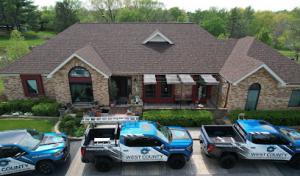
West County Roofing & Construction
(636) 484-8000 www.westcountyroof.com
Serving
4.9 from 223 reviews