Last updated: Apr 19, 2026
Spring in this area brings violent hail and sudden, neighborhood-wide roof damage that can overwhelm tight-knit Saint Charles neighborhoods. A single storm can hit multiple blocks at once, leaving crews racing to secure damaged roofs before more moisture, sun, and wind accelerate wear. The risk isn't just a single damaged shingle-it's the potential for hidden leaks, compromised decking, and cascading interior damage if rain sits on exposed underlayment. Act quickly to prevent further deterioration; delaying a careful assessment can convert a manageable repair into a full roof replacement.
Missouri's hail and wind claim environment is unforgiving to those who don't document well. Carriers commonly request detailed photo documentation and may distinguish new storm damage from pre-existing wear. In Saint Charles, you will be dealing with neighbors who experienced the same hail storm on the same day, which can complicate assessments and drive adjusters to scrutinize every edge of the roof. Before a claim is filed, take clear, timestamped photos from multiple angles-ridge lines, valleys, penetrations, and any supporting structures. Document the interior for signs of sudden leaks after storms. When you report, provide a concise timeline of when you noticed damage, when the storm occurred, and any temporary protections you implemented. Keep all invoices, notices, and communications organized; when the adjuster arrives, a well-assembled file can accelerate acceptance and reduce back-and-forth.
Because storm events trigger rapid demand spikes across Saint Charles, emergency protection and claim inspection timing directly affect how quickly permanent roof work can begin. Insurance deadlines and weather windows influence the sequence of inspections, material deliveries, and crew scheduling. If a storm hits a weekend or a holiday, crews and adjusters may be scarce, increasing the risk of longer outages and exposure to further weather. To minimize downtime, arrange temporary protective measures promptly and coordinate with your contractor to align inspection windows with the carrier's priorities. Having a clear, verifiable plan-temporary tarping, shingle stabilization, and debris containment-can prevent secondary damage from slowing the process when the next system moves through town.
A fast, transparent exchange with your insurer helps keep things moving. Request a dedicated point of contact at the insurer, and confirm expectations for on-site measurements, document submissions, and the expected timeline for the scope of work. If the adjuster questions whether new storm damage exists versus pre-existing wear, present your photo log, storm date, and a concise narrative of observed changes since the storm. In high-demand periods, scheduling flexibility matters: propose a provisional inspection date, confirm a contingency plan if weather interrupts, and keep your contractor on standby for a rapid mobilization once the claim is approved. This approach protects your home from lingering exposure and helps ensure that the subsequent repair timeline remains as short as possible, even in busy springs.
Saint Charles homes range from older structures with shallow roof lines to newer builds with more complex layouts. After the initial claim, rely on a locally experienced roofer who understands how Missouri's spring mix of hail and wind interacts with common materials in this market. The transition from assessment to order placement to installation should be mapped with clear milestones, so you can anticipate delivery delays caused by weather and supply chain hiccups. A deliberate, neighbor-aware plan minimizes the risk of storm-chasing crews and ensures the work proceeds with the least disruption to daily life.
Wise Roofing
(636) 346-9945 wiseroofingco.com
Saint Charles, Missouri
5.0 from 34 reviews
Wise Roofing is a trusted roofing contractor in O’Fallon, MO, delivering top-tier roofing services backed by 5 years of hands-on experience. We know that your roof is more than just a structure—it’s a critical part of your home or business that provides safety, insulation, and peace of mind. That’s why we approach every project with integrity, precision, and a commitment to excellence. Our skilled team specializes in both residential roofing and commercial roofing, making us the go-to partner for everything from minor repairs to full roof replacement. Whether you’re dealing with storm damage, an aging roof, or planning a new construction, we provide comprehensive solutions that meet your needs and exceed expectations.

Top Dog Construction
(636) 577-5004 topdogconstructions.com
Saint Charles, MO
4.6 from 10 reviews
Are you searching for a reliable roofing contractor? Top Dog Construction can manage your roofing or remodeling project in the St. Peters, MO area. With over 15 years of experience, we know how to approach and complete your construction project with ease.
Right Choice Roofing & Restoration
(636) 466-8964 www.rightchoiceroofingstl.com
Serving
4.9 from 64 reviews
Right Choice Roofing And Restoration, a Roofing Contractor serving customers in St. Charles and St. Louis, Missouri, customers come first! Our expert team specializes in roof replacements and installations, offering a range of options including shingles and guttering services to suit your preferences. We are your go-to source for addressing storm and hail damage, ensuring that your roof is resilient against the elements. Our services extend beyond roofing, encompassing gutters, downspouts, and facia to provide a holistic approach to home exterior maintenance. We understand the complexities of roof insurance claims and guide you through the process, making it hassle-free. Choose Right Choice Roofing & Restoration for quality craftsmanship!
ACI Roofing & Exteriors
(636) 294-3826 aciexteriors.com
Serving
4.8 from 64 reviews
Since 2001, ACI Exteriors, has been helping customers in St. Louis and all surrounding communities with their roofing, siding, window, and gutter needs. This business is built around "Quality, Integrity, and Value"; three ideals that owner Shawn Gaffney and his experienced staff live up to with every project! As the oldest and longest tenured GAF Certified Master Elite contractor in St. Louis, ACI Exteriors provides a 50-year shingle warranty and up to a 30-year warranty on workmanship and labor. Due to stringent standards, only 1% of all roofing companies locally, and 3% nationally have achieved this status!
Gateway General Contractors Roofing
Serving
4.9 from 288 reviews
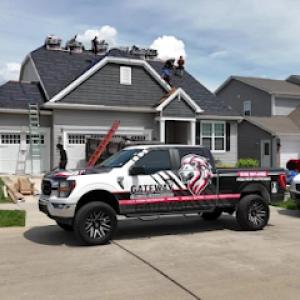
At Gateway General Contractors, we specialize in roofing, siding, and general contracting services for both residential and commercial properties. Our experienced and friendly team is committed to delivering top-quality workmanship and personalized care on every project. Whether you need storm damage repairs, a full roof replacement, or new siding installation, we handle every job with integrity and attention to detail. We also assist with insurance claims to make the process as smooth as possible. Trust Gateway General Contractors to protect and enhance your home or business—reach out today for a free consultation!
Trusted Roofing Exteriors
(636) 205-4151 trustedroofingstl.com
Serving
4.7 from 43 reviews
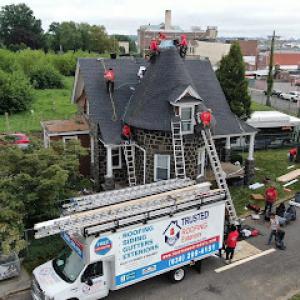
Trusted Roofing Exteriors proudly serves St. Louis County and St. Charles County with reliable roofing services you can trust. Since 2001, our family-owned company has focused on 100% customer satisfaction and quality craftsmanship. We specialize in residential and commercial roofing, as well as storm damage repairs and insurance claims for hail and wind damage. With an A+ rating from the Better Business Bureau, we are committed to helping homeowners and businesses stay protected year-round. We are proud supporters of our veterans! For trusted roofing contractors, call us today for a free inspection and estimate.
Best Choice Roofing
(636) 337-2054 bestchoiceroofing.com
Serving
5.0 from 68 reviews
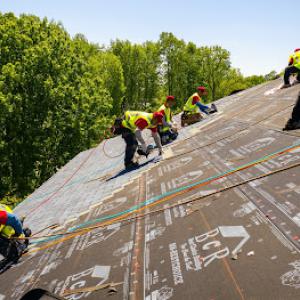
Best Choice Roofing is your trusted roofing expert and the Best Choice when it comes to choosing a roofing company in Greater St. Louis with a commitment to impeccable customer service and expert roof replacement, roof repairs, and custom roofing services. In business since 2009, and a BRAND NEW location in St. Charles, Missouri, Best Choice Roofing’s industry-leading contributions to the roofing industry include a customer-first mentality, a dedication to top-quality products and a leadership team focused on the growth of its people. Because of this framework, we have created a loyal base of customers all over the United States.
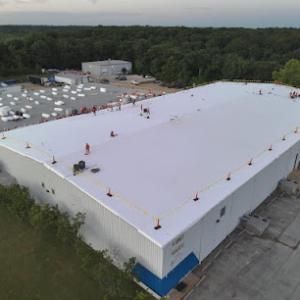
Amigo Roofing & Contracting
(636) 345-6411 www.amigoroofingllc.com
Serving
4.8 from 24 reviews
Amigo Roofing and Contracting gives you top-quality commercial roofing services in St. Louis areas. For more information, feel free, and give us a call!
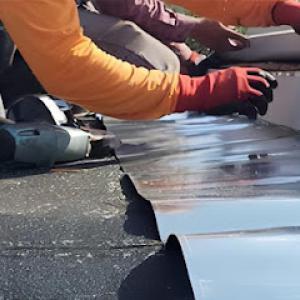
Guaranteed Roofing & Contracting
(636) 244-2229 www.stcharlesroofingcontractors.com
Serving
5.0 from 223 reviews
Guaranteed Roofing & Contracting provides roofing installation and repair, gutter services, and siding solutions to customers in St. Charles County, MO, and the surrounding areas.
Double J Roofing & Contractors
(636) 366-5084 www.doublejroofing.org
Serving
4.6 from 15 reviews
Whether it's just a repair or a whole new roof we leave our customers more than satisfied with their results. We will guarantee our craftsmanship for two years from the day we put on the new material or fix a problem during which we will return free of charge if any new problems occur. All brands of material have their own warranties, so if the fault lies in the material and not the craftsmanship we will do all we can to help make things right, according to the manufacturer's warranty.
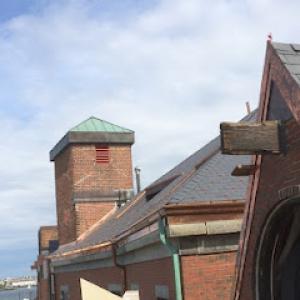
KMAC Roofing
(636) 561-2270 kmacroofing.com
Serving
5.0 from 59 reviews
KMAC Roofing provides residential roofing service to the following counties and surrounding areas: St. Louis County, St. Louis City, St. Charles County, Lincoln County, Warren County, Jefferson County, and Franklin County

M2 Roofing Solutions
(314) 330-6347 www.m2roofs.com
Serving
5.0 from 14 reviews
At M² Roofing Solutions, we’re more than just a roofing company — we’re a local, family-owned team committed to protecting homes in our community. From roof replacements to storm damage repairs, gutters, and siding, we bring experience and attention to detail to every project. With over 17 years of insurance adjusting expertise, we know how to simplify the claims process and give homeowners clarity through detailed photo and video inspections. Whether it’s damage repair or peace of mind, our mission is to keep your home covered with quality and care.
Replacement projects in this area are most predictable when the weather follows a dry, moderate pattern. Dry-season windows are typically preferred because long stretches without rain help seals cure properly and reduce the chance of moisture intrusion into the wall cavity during installation. If a storm front rolls through in spring, it can pause crews and push scheduling back by days to weeks, so you'll want to align a window project with a forecast that shows several consecutive dry days. Think of late spring and early fall as the sweet spots, avoiding the peak heat of July and the deep freeze of January when possible. Planning with a window crew that tracks local weather patterns helps prevent a rushed job that could compromise long-term performance.
Winter conditions in this area can delay tear-offs and create ice-related safety and moisture challenges during installation. If a project must occur in colder months, expect crews to address perimeters with extra caution and to adjust sequencing to minimize exposure of open wall bays. Temporary heat may be used to aid sealant cure, which can extend project timelines. Before winter work begins, ensure that attic ventilation remains adequate and that any existing interior moisture concerns are addressed to reduce the risk of condensation behind newly installed units. Scheduling with a window contractor who communicates clearly about wind chill, ice formation, and potential ground hazards helps keep crews and occupants safer.
Summer heat and humidity can affect adhesive performance and slow installation pace. In this climate, window manufacturers sometimes specify longer cure times for sealants and gaskets, so plan a cooler interval when possible. Heat can also impact aluminum frame expansion and the handling of vinyl components, requiring careful installation to avoid post-install gaps. If a storm system sits on the horizon, a flexible schedule is essential to prevent multiple back-to-back delays. The goal is to complete interior finishing before the peak heat returns, reducing interior disruption and the risk of heat-related delays for caulking and flashing work.
Spring hail and storm activity often disrupts projects that stretch into late April or May. Coordinate closely with the contractor on a contingency plan for weather-related interruptions, including how rescheduling will be handled and how unfinished work will be protected from moisture. Insurance documentation may hinge on dated progress notes, so request regular updates with a clearly defined milestone sequence. A practical approach keeps you aligned with seasonal windows while maintaining quality, and fosters smoother cooperation during the prime storm season.
Get a clear picture of your project costs upfront - no commitment required.
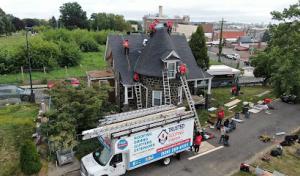
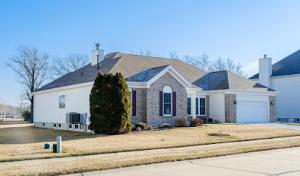

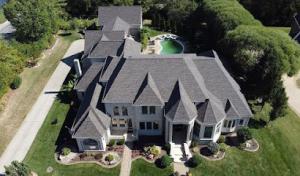
The dominant Saint Charles residential roofing mix includes asphalt shingles, metal roofing, clay tile, concrete tile, wood shingles or shakes, and synthetic or composite shingles. That diversity reflects a community with a blend of older homes and newer builds, narrow streets with mature trees, and a willingness to try different materials to suit appearance and performance. When choosing a roof, think beyond curb appeal. The material you select should align with the way the house handles heat, moisture, and spring hail, as well as how well it can ride out the Mississippi-Missouri climate rather than just looking right from the driveway.
Temperature swings and storm exposure influence performance more than texture or color. Saint Charles experiences hot, humid summers and freeze-thaw winters, with spring hail that can be aggressive after long spells of unsettled weather. That means impact resistance and fastening quality matter as much as, if not more than, a glossy finish. A roof that sheds water efficiently, resists hail dents, and holds fast in high winds will protect living spaces during unpredictable spring storms. For homeowners, this translates into prioritizing systems with strong fasteners, reinforced ridge lines, and underlayment that stands up to repeated freeze-thaw cycles.
Heavier options such as clay and concrete tile require closer attention to structural suitability on existing homes than lighter asphalt or metal systems. In Saint Charles, many houses were built with roof decks and trusses sized for lighter materials, so evaluating the supporting structure is essential before committing to heavy tile. Clay and concrete tiles deliver long life and a distinctive appearance, but they demand careful assessment of roof slope, load path, and attic ventilation. If the existing structure isn't up to the task, a lighter alternative or a reinforced substructure may be necessary to avoid long-term issues such as sagging or fastener failures during harsh weather.
With the area's mix of storm exposure and temperature shifts, attention to fastening quality becomes a practical priority. A roof installed in open spring windows can catch better weather and reduce post-installation moisture concerns, but it also demands that fasteners are compatible with both the chosen material and the deck. For metal roofs, accurate seam sealing and approved corrosion-resistant fasteners are key. For shingles and shakes, proper nailing patterns, adequate overhang, and venting alignment help prevent wind uplift and ice dam development in winter.
Spring hail and subsequent storm activity can create localized damage that looks minor at first but undermines a roof's integrity. In Saint Charles, it's smart to inspect after major hail events and after severe wind gusts, paying careful attention to flashing, fasteners, and edge materials. If damage is found, prioritize a repair approach that preserves the underlying deck and maintains proper ventilation while aligning with the home's existing aesthetics. For materials like clay or concrete tile, identify any cracked or loose tiles promptly to avoid water intrusion and further structural stress during freeze-thaw cycles.
In this market, material prices sit in a clear range: asphalt shingles typically run about 350 to 600 USD per square, metal between 700 and 1400, clay tile from 1100 to 2600, concrete tile 900 to 2000, wood shingles or shakes 450 to 900, and synthetic or composite shingles 500 to 900. Those figures reflect the mix of older, mid-century homes and newer builds common in the area, plus the mix of roof pitches you'll see from ranchers to two-story colonials. When you plan, expect the lowest end to cover basic installation on straightforward roofs, with the higher end applying to complex layouts, premium underlayment, or extra venting. This is not a one-figure business-local crews adjust to roof geometry, attic access, and the need for extra drip edge or fascia work.
Asphalt remains the most budget-friendly option, but the choices you make beyond price affect long-term value in this climate. Metal roofs push the upper end of the price spectrum and can pay off with longevity and wind resilience in Missouri springs, yet their weight, fastener pattern, and color selection influence both labor time and final cost. Clay and concrete tiles offer durability in hot, humid summers, but their weight and installation intricacies raise both material and labor costs. Wood shingles or shakes bring a distinct look but demand careful maintenance, especially after freeze-thaw cycles. Synthetic or composite shingles offer a middle ground-better impact resistance than basic asphalt, with cost that sits between asphalt and metal. In practice, the project budget must account for roof complexity, existing structure, and any added insulation or attic ventilation upgrades that help with energy performance in hot seasons and cold snaps.
Storm-driven demand spikes in Saint Charles can push labor scheduling tighter after hail events, which can affect pricing and lead times even when material costs are stable. If a hail storm hits, expect quick pivots from local crews to sequence finish dates and on-site inspections, leading to shorter bidding windows and potentially higher rush rates. A practical approach is to line up a pre-approved contractor list before the season, then confirm availability within a narrow window after a storm strikes. This helps stabilize both pricing and timeline, so you're not scrambling for a crew when the claims paperwork starts piling up.
Begin with a realistic assessment of roof size and pitch, then map a few material scenarios against your property's exposure to hail and heat. Gather a couple of bids that itemize underlayment, flashing, fasteners, and any decking repairs, plus estimated disposal. Build in a cushion for possible scheduling delays caused by weather or permit-related inspections, and keep a record of storm dates in case your insurance needs a precise timeline for claims and documentation.
Don't let upfront costs delay a critical repair - these contractors offer payment plans to fit your budget.
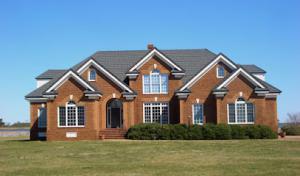
For a full roof replacement, the City requires a building permit. That permit ensures the work aligns with local codes, wind and impact standards, and the neighborhood's historic and floodplain considerations. A full re-roof is treated differently from cosmetic repairs, so securing the permit before starting work avoids penalties and delays if an inspector notices unpermitted work during a storm-damaged claim. The process is designed to keep homes safe through the rapid spring hail season and the freeze-thaw cycles that follow.
The local Building Department handles plan review as part of the permit process. Expect that plans will be checked for setbacks, venting, attic insulation, and underlayment requirements common to Missouri's climate. Inspections are scheduled at two critical milestones: rough-in and final. Rough-in inspections verify that roof deck, structural tie-ins, and edging meet code before shingles go down, while the final inspection confirms completion, proper flashing, and ventilation compliance. Work paused for weather or material delivery does not excuse the inspection window, so coordinate with the inspector to avoid rework.
In Saint Charles, permit turnaround typically runs about one to two weeks, depending on the review workload and inspector availability. Many times, contractors will pull the permit on the owner's behalf to streamline the timeline, but homeowners can also apply directly at the Building Department if they prefer. If a storm restoration is involved, discuss timing with the contractor so the permit aligns with insurance-documented damage and the required storm-damage disclosures. Having a clear plan reviewed early helps prevent delays caused by missing information or structural questions.
When applying, have the project scope, contractor contact, and property access ready. Expect to present material choices, including underlayment type, flashing details, and venting strategy that match Saint Charles' climate and building codes. If a hail event has recently occurred, keep the insurer's claim number handy since it may factor into the permitting sequence and inspection scheduling. Schedule inspections with enough lead time to accommodate weather delays typical in spring, ensuring the team can finish within the permit window without rushing critical steps. Engaging a local contractor who understands the Building Department's expectations can smooth the process from plan review to the final seal of approval.
When a hail event or strong wind ripples through the area, expect adjuster site visits to be a routine part of the process. Storm-driven timelines in Saint Charles can hinge on weather windows, insurance windows, and the pace of repairs in neighborhoods with similar roof types. Being prepared with a clear, labeled record can prevent delays or disputes that stall work during crucial spring and summer months.
Policy language can vary significantly across carriers serving Missouri, so homeowners need to confirm whether coverage is based on repairability, matching, depreciation, or actual storm-created openings. If a roof is a patchwork of several seasons or if some components appear older or patched, this distinction can determine what the carrier covers and how much they pay. Review the deductible structure, the method for valuing roofing components, and any stipulations about cosmetic versus functional damage. A mismatch between expectations and policy terms is a common source of later disagreement.
Pre-loss and post-storm photo records are especially important in Saint Charles because carriers may question whether granule loss, lifted tabs, or flashing issues predated the storm. Create a dated, high-resolution photo log showing the entire roof from multiple angles, interior attic conditions, and any exterior signs of prior wear. Store digital copies in a cloud album and carry physical copies when meeting with adjusters or contractors. Clear timestamps and close-ups of vulnerable areas-valleys, chimneys, and gutters-help establish a baseline and support future repairs.
Keep a storm-specific binder: photos, receipts for temporary protection, and a list of contractor contacts who are familiar with Missouri hail patterns. When discussing damage, describe the sequence of events you witnessed, any sudden leaks after the storm, and how long issues persisted before you filed the claim. This grounded narrative can align expectations and reduce back-and-forth with an adjuster.
Connect with contractors who help homeowners navigate the claims process from damage assessment to final approval.
Right Choice Roofing & Restoration
(636) 466-8964 www.rightchoiceroofingstl.com
Serving
4.9 from 64 reviews
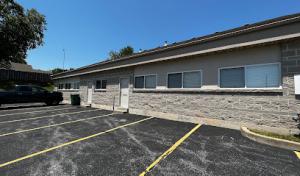
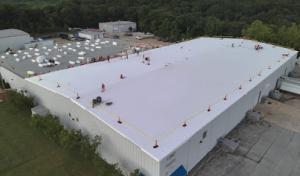
Although Saint Charles is primarily a residential re-roof market, local contractor signals show meaningful demand for flat and low-slope roof work on additions, porches, and mixed-use structures. These projects often come with unique detail needs, such as integration with existing gutters, parapets, and secondary drainage paths. When planning these builds, prioritize a well-sealed transition from traditional steep-slope sections to flat or low-slope areas to minimize seam and penetration failure over time. The goal is a cohesive roof plane that handles interior moisture without creating splash-back onto siding or windows.
Saint Charles weather swings make transitions between steep-slope roofing and low-slope sections especially vulnerable during freeze-thaw periods and heavy rain events. Pay close attention to edge details, transitions around dormers, and the interface where low-slope runs meet vertical faces. Use properly sloped drainage and robust flashing at these critical junctions. In spring, inspect for wind-driven debris that can press against low-slope entries, and after heavy rain, verify that scuppers and interior gutters remain free-flowing.
Skylights and similar roof penetrations appear often enough in the contractor market to merit separate attention during leak diagnosis and replacement planning. On low-slope sections, ensure skylight flashing is integrated with adjacent roofing membranes and that fasteners do not penetrate into non-reinforced areas. For existing installations, plan a careful re-flashing or full replacement with a compatible membrane system that accommodates movement between the roof planes. In all cases, test for leaks around penetrations with controlled water testing before finalizing any sealant or sealant-remediation plan.
In Saint Charles, ongoing maintenance matters. Schedule seasonal checks that focus on seal integrity at transitions, edge flashing, and any nearby penetrations. When hail or heavy rain hits, inspect for micro-cracks or punctures in flat, low-slope zones first, since these areas can show damage earlier than steeper sections. Document findings meticulously, especially for additions or porches that blend with the main roof, to support accurate repairs and insurance records.
Find specialists in TPO, EPDM, and built-up flat roofing systems for residential and commercial properties.