
Last updated: Apr 19, 2026
Spring hail and severe thunderstorms drive a relentless wave of inspections and insurance claims across the metro. If you've just endured a storm, you're not imagining the uptick in neighbors knocking on doors with bent gutters and granule loss. Hail damage can hide in plain sight-softened shingles, bruised edges, lifted tabs, internal leaks behind attic soffits-so you need to look beyond the obvious. The key is acting quickly while the storm energy is fresh in the air and adjusters are still routing claims efficiently, especially after back-to-back weather events that saturate local crews.
Missouri's storm-claim environment rewards preparedness. Before you file, assemble a tight bundle of evidence: dated photos taken the day of the event or within 48 hours, a log of wind speeds if available, and weather reports that flag the exact time and severity of the hail. Keep notes on any changes you noticed in the days that follow-shingle lifting, curled edges, or dampness in the attic after a rain. If you have prior roofing work or a known age of your shingles, note that as context. Presentable records make the difference between a straightforward claim and a muddled dispute that stretches into weeks.
Older shingle roofs can mimic storm-damage signs, which complicates the claim process. After a regional storm, you'll often see a surge of claims where age-related wear looks similar to hail impact. The practical approach is to compare new hail marks against the roof's existing wear pattern and to document any fresh hits that correspond to the storm event. When in doubt, hire a local, seasoned roofing inspector who understands common Saint Louis failure modes-granule loss concentrated near the valleys, wind loosening of shingles, and hail scuffing on the top surface. Clear, independent assessments help prevent claim denials or repairs that don't address the real problem.
Storm energy may create a rush in the days following a hail event, but adjusters move on demand. Don't wait too long to call your insurer, and avoid delaying until leaks become obvious. When you file, present the event date, the specific damage indicators you observed, and your photo log. Expect a weather-season spike, so set the expectation that multiple visits or temporary repairs may be necessary while the claim is processed. If you're offered a depreciation holdback, push for an accurate assessment up front so the final payout reflects the actual replacement needs rather than an incomplete estimate.
Start with a minimal but solid home exterior check: gutters, downspouts, vent pipes, and the roof edge for loose or missing shingles. Take exterior and attic photos showing both the day-of-storm conditions and the after-effects. If you do find damage, photograph and label the date, location on the roof, and any water intrusion you notice inside. Maintain a calm, documentary approach when speaking with adjusters-stick to observed facts, not assumptions about the cause. Finally, line up a reputable local roofer for a prompt inspection to corroborate your findings and help translate them into a solid claim package.
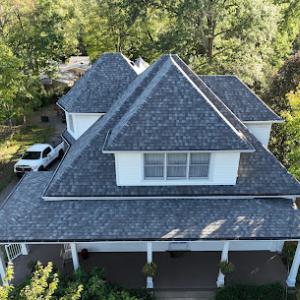
Brentwood Roofing & Construction
(314) 222-9527 www.brentwoodroofingandconstruction.com
Saint Louis, Missouri
5.0 from 41 reviews
Brentwood Roofing & Construction provides reliable and affordable residential roof repair, installation, and commercial roofing services for your home and office in Brentwood and surrounding areas. Our mission is to provide our clients with high-quality, affordable solutions for all their roofing, gutter, and exterior building needs. Our contractors are industry certified and continually trained on world-class customer service standards. Our commitment to quality, professionalism, and exceptional service delivery makes us the best roofing company for your needs.
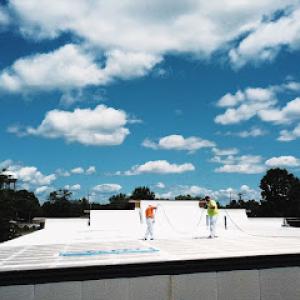
Weather-Tite Roofing Systems
Saint Louis, Missouri
5.0 from 34 reviews
"Providing Affordable, Practical Roofing Solutions Since 2014." Weather-Tite Roofing Systems believes in affordable, practical solutions for our community roofing needs! Committed to excellence in every aspect of our business, we uphold a standard of integrity bound by fairness, honesty, and personal responsibility. Likewise, our distinction is in the quality of personnel and service we bring to our customers. Exceptional knowledge of our trade combined with outstanding craftsmanship is what makes us true professionals. Above all, we are watchful of our customers’ needs and interest while making both the basis of our business.
Repair It Roofing
Serving
4.9 from 101 reviews
You don’t need to know about roofs but what you do need is someone who you can rely upon and trust.
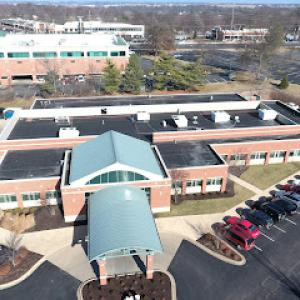
Wildwood Roofing & Construction
(314) 254-9437 www.wildwoodroof.com
Serving
4.0 from 33 reviews
Wildwood Roofing & Construction is a residential and commercial roofing company, and we also provide various exterior construction services. Through our hard work and dependable service, we have grown steadily over the years. We excel at commercial roofing, flat roof repair, rubber roof installation, window replacement, masonry work, and siding installation and repair. For those sudden roofing disasters, such as a tree limb falling on your building or leaky roof, we offer 24/7 emergency service. We proudly serve the entire St Louis, St Charles, Jefferson and Franklin Counties. Our expert team are OSHA safety trained, and we promise to deliver 100% satisfaction on every project.

Commercial Flat Roof Company
(314) 995-2700 commercialflatroofcompany.com
Serving
4.9 from 148 reviews
Commercial Flat Roof Company is a top provider of commercial and industrial flat and metal roofing services in the St. Louis metro area. With 30+ years of experience, we offer flat and metal roof repair, emergency roof service, protective roof coatings, and energy-efficient white TPO roof installations. We serve warehouses, manufacturing facilities, office buildings, and retail centers with reliable, long-lasting roofing solutions. Whether you need a roof repair, roof maintenance, or a full replacement, CFRC is your trusted partner for high-performance commercial and industrial roofing systems.
Farha Roofing
(314) 207-5471 farharoofing.com
Serving
5.0 from 15 reviews
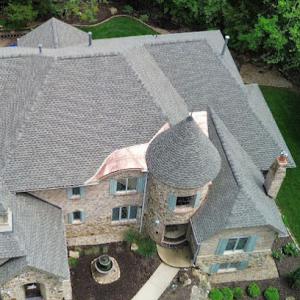
Farha Roofing is your residential and commercial roofing contractor serving St. Louis and surrounding communities. Our local St. Louis roofing contractors concentrate on high-quality work with affordable pricing. Rest assured that our local roofers will complete all your roofing projects on time and with professional-level craftsmanship. We are licensed and registered to help you handle any storm damage or other insurance-related claims. Our focus is to build a lasting relationship with our customers and provide a seamless experience when looking for St. Louis roofers. Farah is here to assist the St. Louis area with any commercial, multi-family, or residential roofing project with superior craftsmanship and customer service.

Ferguson Roofing & Exteriors
(314) 202-7601 fergusonroofing.com
Serving
4.8 from 74 reviews
Ferguson Roofing & Exteriors provides expert roofing and exterior services in the St. Louis area. Our services include residential and commercial roofing, shingle roofing, flat roofing, siding installation and repairs, gutter replacement, and storm damage restoration. With over 80 years of experience, we specialize in durable, high-quality solutions tailored to your property’s needs. As a family-owned business, we’re dedicated to exceptional customer service, craftsmanship, and protecting your investment. Contact Ferguson Roofing today for trusted roofing and exterior solutions in St. Louis and surrounding communities.
RAK Renovations
Serving
5.0 from 9 reviews
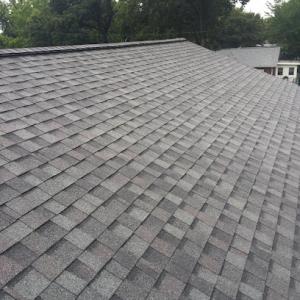
RAK Renovations is a local contracting company in the St. Louis area that specializes in Exterior Renovations and Insurance claims. Our specialty includes roofing, Siding, gutters and Insurance claims caused by storm damage. We understand that there are plenty of homeowners in the St. Louis area that have homes in need of exterior renovations but are unsure of what or how to go about it. This is where we step in and help guide homeowners in making that smart decision on what needs to done with their home. We educate homeowners on what products and services are on the market , help better fit not only their style but more importantly their budget. We also understand that St. Louis is unfortunately the place to be for storm activity.

Spartan Roofing
(314) 210-3340 spartanroofingstl.com
Serving
4.7 from 48 reviews
Spartan Roofing is known in St. Louis, MO for excelling in workmanship as well as getting the job done in a timely manner. We are a family owned, local business. We want to make sure that your prime investment is taking care of from the get go. Our main concern as a roofing company is to make sure that you, the Homeowner, is beyond satisfied with the work that we do on your home. We have an A+ rating with the BBB. We are bonded and Insured. We use only the best products in the roofing industry. Every job comes with a workmanship warranty and that also includes a lifetime warranty on the shingles.
Cox Roofing & Restoration
Serving
4.8 from 71 reviews
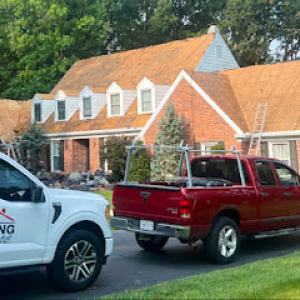
Welcome to Cox Roofing and Restoration, your premier choice for top-quality roofing services in the greater St. Louis area and its surrounding regions. With a strong focus on residential repairs and full replacements, our expert team is dedicated to providing exceptional craftsmanship and reliable solutions for all your roofing needs. Trust Cox Roofing and Restoration to protect your home with superior service and a commitment to excellence.

Roof Bros Restoration
(844) 314-7663 www.roofbrosrestoration.com
Serving
4.6 from 38 reviews
Our family-owned business has been the provider of choice for roofing, siding, and gutters in St. Louis, St. Charles, and Jefferson County areas with hundreds of satisfied homeowners.
Xavian Roofing & Contracting
(314) 584-0065 xavianroofing.com
Serving
4.7 from 43 reviews
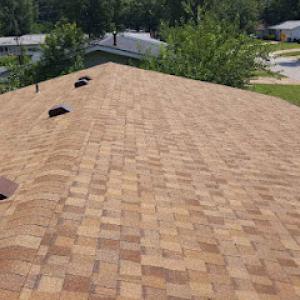
Xavian Roofing & Contracting has been serving St. Louis residents for over 25 years. We can install roofs of all sizes and work with both residential and commercial customers. We specialize in asphalt shingle roofs, flat roofs, and TPO roofs, but also can repair clay tile roofs.
Asphalt shingles dominate the local roofscape, and with good reason: they're familiar, affordable, and quick to repair. But the Saint Louis mix of hot, humid summers, spring hail storms, and winter freeze-thaw cycles puts a premium on impact resistance and proper ventilation. A typical shingle roof benefits from a sealing adhesive that holds up under hail, plus a deck-properly-ventilated attic to manage humidity and prevent rapid heat buildup that can shorten the shingle life. When you're evaluating shingles, look for products with higher impact resistance ratings and a solid underlayment that doesn't trap moisture. In practical terms, a well-ventilated attic and a nailing pattern that provides consistent wind resistance will help prevent blow-off after a hail event and reduce the chance of moisture-related cupping during humid summers. In neighborhoods with older roofs, consider upgrading to a heavier architectural style that carries more tear and wind resistance, especially over entry eaves and in the southern exposures where sun and heat are relentless.
Metal is a meaningful upgrade path here because it handles repeated storm exposure differently than standard shingles. It can shed hail and rain more cleanly and resist impact damage in a way that slows granule loss and membrane wear. However, noise during thunderstorms is a real consideration, particularly for upper-story bedrooms or rooms near the roofline. Acknowledging that factor upfront helps set expectations. Flashing quality matters, especially where gutters and ridges intersect; poor integration there invites leaks after heavy rains or rapid temperature shifts. If choosing metal, full system compatibility matters: panels, fasteners, and sealants should all be rated for freeze-thaw cycles and for the typical humidity profile of the Missouri climate. An installation that emphasizes proper drainage and ridge ventilation will help prevent condensation buildup and ice dam risks when winter weather swings from warm to chilly quickly. For homes with a history of hail exposure, metal can offer a longer-term performance edge, with careful attention to choosing a finish that resists chalking and color fading in strong sun.
Clay and concrete tile appear on select Saint Louis homes where structural capacity and aesthetic fit allow it. These materials require attention to structural load because they weigh significantly more than shingles, and each replacement piece needs to match the surrounding roof in color, texture, and profile to maintain the visual integrity after storm damage. When hail hits, the risk shifts from granule loss to cracking and fracture across individual tiles. The installation must accommodate expansion and contraction from hot summers and cold winters, so proper underlayment, ventilation at the eaves, and careful flashing around chimneys and skylights are essential. If a tile roof does crack after a storm, plan for careful matching of replacement tiles rather than a patchwork fix, since consistent appearance matters in neighborhoods with older, established rooflines. In weather patterns that swing between high humidity and rapid temperature changes, ensure the roof deck is well-supported and that fastener spacing aligns with the tile's weight distribution to minimize future breakage and maintain a weather-tight seal.
In this metro area, winters bring cold snaps that test roofs beyond what a single snow event would suggest. The bigger local problem is repeated freeze-thaw cycling that opens vulnerable flashing joints and exposes marginal underlayment details. When temperatures swing above and below freezing, water seeps into vulnerable seams and joints, then refreezes and expands, prying apart the very layers meant to shed moisture. That cycle can erode the edge of the roof where flashing against walls and chimneys meet the slope, creating hidden pathways for water to work its way into the attic and ceilings.
Homes with uneven attic temperatures can see melt-refreeze patterns along eaves after winter precipitation, especially when ventilation and insulation are out of balance. If warm attic spots melt the snow near the fascia while other sections stay cold, meltwater can refreeze at the eaves, creating mini ice dams that back up water under shingles and around penetrations. Those pockets of standing water are not harmless drips; they can slowly push at fasteners, underlayment seams, and the edge of the roof line, quietly undermining the system from the top down.
Leak complaints in Saint Louis often show up after winter warmups rather than during the initial snowfall because trapped water backs up under shingles and around penetrations. Look for stained ceilings, dark spots along interior walls beneath the attic, and peeling paint in crawlspaces where moisture has traveled. On the roof, you may notice cracked or displaced shingles at the lower edge, compromised flashing around chimneys or vent stacks, and granule loss concentrated near the eaves. Ice dams themselves might form as ridges along the gutter line, with icicles hanging from the eaves that feel heavy and dangerous to touch. Don't assume a dry attic means the roof is faultless-the path of leakage can originate many feet away from the obvious stain.
Focus on keeping the attic and roofline balanced. Improve ventilation so warm, moist air doesn't linger above the living space, and bolster insulation where it is thinning out, especially at the attic hatch and along the eaves. Clear gutters and downspouts before the winter thaw, but also inspect the fascia area for loose or damaged flashing that can allow water to bypass shingles during melt events. When you spot early signs of ice buildup, gently removing icicles from the eaves with care reduces weight and pressure, yet never pry at the ice where flashing or shingles are already compromised. Consider adding conservative heat protection at the eave line-clear guidance from a local pro can help you install it without creating new pathways for heat into the roof system.
If ice damming has formed repeatedly over multiple seasons, or you notice staining and soft spots around penetrations and flashing, a roof professional should assess the flashing joints, underlayment exposure, and overall ventilation strategy. A careful inspection from a qualified technician can determine whether the issue is caused by insulation gaps, ventilation imbalance, or aging materials, and map out a targeted repair rather than a full replacement. In this climate, addressing the root cause-rather than chasing symptoms after each thaw-saves more trouble in the long run.
A full roof replacement in the metro area typically requires a building permit, and homeowners must verify whether the City or a surrounding municipality has jurisdiction before work starts. The straight path of "one permit fits all" does not apply here, because the city-county mosaic means different rules can apply from block to block. Start by checking with the local building department that corresponds to your residence, not just the site's street address. If your project touches county and city lines, anticipate potential cross-permit coordination or special inspections, and confirm whether a tear-off plan, new underlayment, or structural adjustments trigger additional approvals. Having the correct permit in hand before work begins helps avoid stop-work orders and stranded material on hot summer days when crews are ready to move.
Local review and inspection commonly center on tear-off scope, underlayment, flashing, and ventilation rather than just the finished shingle surface. Inspectors look for a clean, code-compliant tear-off, proper underlayment placement and overlap, and flashing at valleys, chimneys, and roof-to-wall intersections. Adequate attic ventilation and proper venting details for soffits and ridge lines are closely evaluated because moisture and heat drive storm-related failures. Be prepared for walk-throughs during and after the tear-off, and expect questions about roof deck condition, insulation continuity, and attic condensation control. A well-documented inspection file can smooth out salvage or replacement discussions with your insurer later on.
The city-county structure means permit procedures, scheduling, and inspection expectations can differ noticeably between blocks and municipalities. Some jurisdictions require a pre-inspection to outline tear-off extent, while others align inspections with staged roof exposure or specific project milestones. Weather windows, especially after spring hail, can affect inspection timing and approval, so plan with your contractor for potential delays. Keep a dedicated contact in the jurisdiction's building department to track status, recheck permit stickers, and understand whether multiple inspections are needed for ventilation, ventilation clearance, or ridge vent installation.
When planning, confirm who is responsible for obtaining each permit and scheduling inspections, and ask for a written checklist that mirrors the local requirements. If a county-line project touches multiple jurisdictions, request a consolidated inspection plan to minimize delays. Before crews begin, ensure the tear-off scope, underlayment, flashing, and ventilation details align with the permit plans, so inspections can proceed smoothly without backtracking. On the day of the final inspection, have a homeowner's guide handy for quick reference about any last-minute touch-ups that may be needed to satisfy local codes.
In this market, storm-driven demand surges after big hail events, which can tighten labor and push scheduling back by days or weeks. When a widespread hail hit hits, you may see a quick spike in material lead times and roofer call-back rates. It's common for crews to prioritize emergency repairs, then slot replacements, which means your project could ride a longer wait until the crew can fully tear-off and re-shingle. Budget for a few extra days of scheduling and a modest bump in contingency for weather delays.
Material choice spans a ladder from lower-cost asphalt shingles to more resilient metals or tiles. Asphalt shingles run roughly 320 to 620 USD per square, a range that fits many tighter roof lines and older homes. Metal roofing sits higher, about 700 to 1300 per square, but offers the best hail resistance and a longer life in this climate. If clay tile is your goal, expect 900 to 1700 per square, while concrete tiles fall around 800 to 1500. For a historically common look, wood shingles or shakes run 500 to 900. Synthetic or composite shingles are typically 420 to 750 per square. In Saint Louis, choosing material isn't just about upfront cost; it's about handling spring's pounding hail, summer heat, and winter freeze cycles without frequent call-backs.
Older housing stock can drive up replacement costs when crews confront multiple existing layers, aging decking, or chimney flashing issues during tear-off. Ventilation upgrades, if needed, also add to the bill. Expect that more complex decks and rows of vents might require extra time and additional materials. A straightforward replacement on a newer roof tends to stay closer to the lower end of the range, while homes with long runs of old shingles and sagging decking can push costs higher. Plan for a measured, staged approach if storm season lines up with a tight crew schedule.
Given the cost ranges, get at least three written quotes after a storm and check for tear-off options if your decking is sound. In older homes, budget for decking inspection and potential ventilation upgrades. Talk through hail exposure with your insurer to align expectations on replacement timing, and consider a backup plan for the busiest weeks in late spring when crews are busiest. Staying flexible helps avoid costly surprises.
Get a clear picture of your project costs upfront - no commitment required.

Missouri's storm season leaves roofs battered by hail and driving rain, and the insurance environment reflects that reality. In this metro area, underwriting and renewal conversations can hinge on the roof's condition and any prior damage history. A roof that shows age-related wear or past hail strikes may prompt higher deductibles, limited coverage, or accelerated depreciation in a claim. That context matters when talking to your carrier.
Saint Louis adjusters serving the region routinely request photos, inspection findings, and weather-event documentation to back up wind or hail claims. Clear, dated evidence helps them separate new damage from long-standing wear. If a storm just swept through your neighborhood, expect them to ask for a before-and-after sequence, a repair history, and utility records showing access or damage to the attic or ventilation.
Because insurance availability and terms vary by carrier in Missouri, homeowners benefit from documenting roof condition before storm season rather than waiting until after visible leaks appear. A proactive record makes renewal conversations smoother and can support timely replacements when a claim is warranted. Do not assume that yesterday's patch will protect next year's coverage without documentation to show its limits.
Practical steps you can take now include a dated photo log from all vantage points, attic inspections for moisture or staining, and notes on shingle edges, flashing, and gutters. Store these in a single file and share with your agent at the start of the season. When storms loom, have a trusted local roofer conduct a no-surprise assessment to establish a condition baseline.
Choose a contractor who understands Missouri weather patterns and the way carriers view storm-related damage. Request written evaluations that quantify existing problems and include weather-event notes. Keeping organized records helps prevent post-storm misunderstandings and can support a smoother path to needed repairs or replacement when the time comes for homeowners.
Connect with contractors who help homeowners navigate the claims process from damage assessment to final approval.
Brentwood Roofing & Construction
(314) 222-9527 www.brentwoodroofingandconstruction.com
Saint Louis, Missouri
5.0 from 41 reviews
Chimney flashing is a recurring concern on Saint Louis homes because the area has a large stock of older houses with masonry chimneys and complex roof intersections. In spring and during heavy thunderstorms, the mortar around the chimney can crack and the flashing may pull away from the brick or stone. Inspect the kick-out flashing where the chimney meets the roof line, and look for any gaps or corrosion on the metal. If you notice peeling edge metal or dark staining at the base, don't delay resealing or replacing the flashing. A properly sealed chimney course helps prevent interior water intrusion during spring hail events and summer downpours.
Skylight leaks in Saint Louis often become apparent after heavy rain or freeze-thaw movement, making curb flashing and surrounding shingle integration critical. Check the sealant around the skylight curb for cracking or uplift, and ensure the step flashing along the sides is interlocked with adjacent shingles. Freeze-thaw cycles can drive water under soft collar shingles and then toward the curb. If leaks appear near a skylight after a storm, inspect both the curb flashing and the shingle course directly adjacent. Addressing these areas promptly stops water from tracking into attic spaces and causing mold or structural damage.
Wind-driven autumn rain in Saint Louis can expose weaknesses at valleys, step flashing, and wall transitions even when the main field shingles still look serviceable. Inspect valley metal for finish wear, dents, or missing sealant, and confirm that step flashing along wall intersections is continuous and properly overlapped with shingles. Pay attention to raised shingles at transitions where wind-driven rain can force entry. If you see loose granules, uplifted edges, or discolored staining near these intersections, plan a targeted repair before the next storm season.
High-wind springs and hot, humid summers stress roof edges differently. Develop a seasonal habit of walking the perimeter after storms to catch loose flashing, curled shingles, or algae growth that hides underlying damage. Keep an eye on masonry joints around chimneys and walls, since moisture there tends to migrate along roof planes. A proactive approach reduces the chance of hidden failures becoming active leaks during the next big storm.
Find contractors experienced in skylight installation, flashing, and leak repairs to bring natural light into your home.
Brentwood Roofing & Construction
(314) 222-9527 www.brentwoodroofingandconstruction.com
Saint Louis, Missouri
5.0 from 41 reviews

Heavy spring precipitation and summer thunderstorms create frequent ponding risks on low-slope transitions, especially when they tie into older steep-slope roofs. Saint Louis includes many homes and mixed-use buildings with porches, additions, and rear sections that create low-slope transitions needing different materials than the main steep roof. Those transitions are common points where failure starts, so a careful eye on drainage paths and flashing is essential.
In this climate, flat and low-slope sections are prone to standing water after storms. Check drainage to ensure downspouts and leaders move water away from walls and into the storm system. If you see consistent damp patches near the transition between a main roof and a low-slope area, expect accelerated wear in those zones. Plan for more frequent inspections after heavy rains and hail events, since ponding concentrates stress on seams and flashing.
Flat and low-slope sections often fail first at drains, seams, and transition flashing rather than at the primary shingle field. Inspect around any drainage outlets for loose clamps, lifted membranes, or corrosion. Pay special attention to the interface where a low-slope area meets a steeper roof line; improper flashing at that junction is a common failure point. When contractor visits, request a focused look at transitions, not just surface shingle condition.
Choose materials with proven performance on low-slope details and ensure there is a continuous, integrated membrane at the depth of the transition. Edge and corner detailing should be reinforced, and use sealants that tolerate temperature swings and UV exposure typical of the region. If renovations require tying a low-slope section to an existing steep roof, insist on coordinated flashing repair or replacement to maintain a watertight connection across both geometries.
Find specialists in TPO, EPDM, and built-up flat roofing systems for residential and commercial properties.

Commercial Flat Roof Company
(314) 995-2700 commercialflatroofcompany.com
Serving
4.9 from 148 reviews

Spring in Saint Louis brings hail risk and insurance volume, so replacement calendars can fill quickly after major storm outbreaks. If a storm cluster hits your area, expect local crews to be booked for several weeks. Your best move is to have a clear plan the moment the dust settles: confirm your preferred shingle or metal option, identify a handful of reputable local contractors, and lock in a tentative start date within a two- to four-week window after the event if your roof is confirmed to need replacement. Keep an eye on the forecast for the next big wind or hail round, because another wave can push schedules back.
Hot, humid summers can affect crew productivity and installation conditions, especially on dark roofs during heat waves. Plan for earlier starts; crews may begin at dawn to avoid peak afternoon heat. If your roof has steep pitches or complex angles, expect slower progress and more frequent breaks. Since Saint Louis summers bring sudden pop-up storms, build a weather contingency into the schedule, with a realistic tear-off plan that can pause and resume without leaving exposed decking.
Autumn can be a productive replacement season, but wind-driven rain and fast-moving storms can interrupt tear-off schedules. Use buffers in the calendar for potential weather hiccups, and align material deliveries to windows with drier forecasts. Fall often offers steadier temperatures and fewer heat-related shutdowns, making it a practical choice for completing high-quality installs before winter.
Coordinate with the contractor on a storm-response timeline, a preferred start date, and a target completion window that accounts for weather and crew fatigue. Verify each step in writing: tear-off, underlayment, flashing, and final inspections. Stay flexible around storm-driven delays, but keep momentum by confirming upcoming crews and material lead times early in the process.
Because Saint Louis sees heavy storm-repair volume, homeowners often sort between long-established local roofers and fast-response crews competing for post-storm work. That difference can show up in how quickly crews show up, how they communicate, and how thoroughly they document damage and repairs. A seasoned local outfit tends to have established crews, weathered storm seasons, and steady relationships with suppliers. A flood of newer crews may respond fast but slip on long-term workmanship or aftercare. You deserve a crew that can stand behind their work long after the first hail-dented shingles are installed.
Cleanup expectations matter in Saint Louis because many homeowners prioritize debris removal and quick response alongside price when hiring. Ask how debris will be contained, where contractors will place dumpsters or job-site waste, and what happens if shingles or nails end up scattered on a neighbor's property. A responsible crew will outline a clear daily cleanup plan, protect landscaping, and seal off work areas to minimize city debris flowing into storm drains. If three days pass with unanswered calls after a storm, that's a red flag-storm seasons bring volume, but accountability should not disappear with the last gust.
Residential re-roofing is a major part of the market, so homeowners should ask how crews handle older homes, chimneys, and municipality-specific permit coordination. Older houses often present unique challenges: mismatched flashing, venting quirks, or chimney accents that require careful integration with new roofing. A reputable roofer will evaluate these elements, plan for seamless transitions, and document any necessary integration work before the first nail drives. Look for crews that bring experience with chimney flashing details and that can point to past projects on similar homes in the area. If a contractor glosses over these details, you may end up with leaks or chimney-related issues that linger long after a storm season ends.