Ultimate Guide to Preventative Roof Maintenance
Last updated: Feb 28, 2026

An Introduction to Preventative Roof Maintenance
Preventative roof maintenance is all about catching small issues before they become big, costly problems. It's practical, affordable, and something most homeowners can handle with a little know-how and a plan. This page walks you through what preventative maintenance looks like, why it matters, and a simple, doable approach you can start today.
What preventative roof maintenance covers
- Regular surface and attic inspections to spot early signs of wear, leaks, or moisture intrusion
- Debris removal from the roof, valleys, and gutters to prevent water backing up and vegetation growth
- Gentle cleaning of moss, algae, or lichen, when needed, to protect shingle integrity
- Checks around flashing, vents, chimneys, skylights, and other penetrations for gaps or corrosion
- Attic ventilation and insulation review to prevent heat buildup and ice damming
- Small, safe repair tasks you can handle (nailing loose shingles, resealing minor gaps) before they worsen
Why preventative maintenance matters
- Extends roof life by reducing premature wear and tear
- Reduces the likelihood of leaks and interior water damage
- Helps preserve warranties by maintaining documented upkeep
- Keeps your home safer, dryer, and better insulated, which can lower energy costs
Seasonal maintenance checklist
Spring
- Inspect for winter damage (shingle edges, flashing, vents)
- Clean gutters and downspouts, removing debris and ensuring proper flow
- Trim overhanging branches that can rub, tear, or drop leaves onto the roof
- Address moss or algae growth promptly
Summer
- Check attic ventilation and insulation; address any obvious hot spots or moisture
- Look for signs of granule loss on shingles after storms
- Inspect for punctures or loose fasteners from hail or wind
- Keep debris off roof edges and valleys to maintain drainage
Fall
- Clean gutters again and secure downspouts for winter
- Inspect flashing around chimneys, skylights, and vents; reseal as needed
- Look for cracked or curling shingles and plan timely replacements
- Repair or reinforce roof edge protection to guard against winter winds
Winter
- Clear light, safe snow buildup with a roof rake from ground level (avoid stepping on the roof)
- Monitor for ice dam formation at eaves; consider improving insulation to mitigate
- Avoid walking on a slick roof; address urgent leaks from inside the attic or ceiling
- Document any signs of damage for spring consultation if needed
DIY vs professional maintenance
If you're comfortable with basic safety and careful inspection, you can tackle many preventative tasks. Follow these steps:
1. Gather safety gear and tools: sturdy shoes, non-slip gloves, a stable ladder, harness if needed.
2. Do a ground-based or low-roof inspection first, noting any obvious issues.
3. Clean gutters and accessible roof areas from the edge working inward.
4. Check flashing and penetrations from a safe vantage point; reseal if you notice gaps.
5. Document findings and prioritize fixes by urgency and cost.
6. When in doubt or facing steep, fragile, or large-scale repairs, call a local roofing professional.
When to call a pro:
- You see multiple cracked, curling, or missing shingles
- Flashing shows corrosion or large gaps
- There are signs of water intrusion or active leaks you can't isolate
- The roof is steep, the weather is poor, or you lack fall protection gear
- Essential tools: ladder stabilizer, soft-bristle brush, utility knife, caulk gun, roofing nails, sealant, gloves, eye protection
- Safety basics: never work alone on a roof with a wet surface; wear non-slip footwear; use fall protection on steep slopes; avoid strong winds or icy conditions
- Documentation: carry a notebook or smartphone to log dates, observations, and repaired areas
This approachable framework helps you build a practical preventative maintenance routine that fits your home, climate, and budget, while keeping your roof in solid shape year after year.
What Preventative Roof Maintenance Is and Why It Matters
Comprehensive definition
Preventative roof maintenance is a proactive, scheduled program of inspections, cleaning, minor repairs, and protective measures designed to preserve roofing performance, extend service life, and prevent costly failures. It covers every major roof component and system: the surface itself (shingles, tiles, or membranes), underlayment, flashing, vents, chimneys, skylights, gutters and downspouts, attic ventilation, insulation, and access points. The core idea is early detection and timely action—catching small issues before they become leaks, warped decks, or structural damage. A well-executed plan reduces interior moisture problems, mold growth, energy loss, and insurance or claim headaches. It is complementary to major repairs or a roof replacement, not a substitute for them.
When it's typically needed
- All roofs benefit from maintenance regardless of age, but needs vary by climate and roof type.
- New roofs: ongoing care in the first 1–2 years helps catch installation quirks and settling.
- Regional weather: areas with heavy rain, hail, snow, or strong winds benefit from more frequent checks.
- After severe weather: storms, hail, or high winds can cause subtle damage that's easy to miss.
- Age and wear: once shingles show granule loss, curling, cracking, or flashing shows signs of movement, maintenance becomes more important.
- Before seasons of big temperature swings: spring and fall checks help prevent weather-related failures.
- When planning to sell: documented maintenance history can improve buyer confidence and appraisals.
- For roofs with limited access or unusual details: more frequent inspections help manage risk.
Seasonal maintenance plan
Spring maintenance
1. Do a visual exterior roof check from the ground and, if safe, with a ladder for the exposed surface to spot missing shingles, lifted flashing, or debris.
2. Clean gutters and downspouts; flush and test drainage to ensure water moves away from the fascia and foundations.
3. Inspect flashing around chimneys, vents, skylights, and dormers for gaps or corrosion; reseal as needed.
4. Inspect attic ventilation and insulation; look for warm spots, condensation, or signs of moisture intrusion.
5. Remove loose debris, trim overhanging branches, and treat visible moss or algae with a roof-safe product or manual removal.
Fall maintenance
1. Clear gutters and downspouts again; ensure all drainage paths lead water away from the roof edge.
2. Reinspect flashing and sealant; tighten or replace deteriorated fasteners.
3. Check shingles for wear, curling, or granule loss; replace damaged shingles if possible.
4. Inspect vent boots, attic access, and chimney flashing for gaps or cracks; address promptly before winter.
5. Schedule a professional roof inspection if you see leaks, large sections of worn material, or soft roof deck signs.
Pro tips and red flags
- Safety first: never climb onto a wet or icy roof; use stable ladders and fall protection as needed.
- Keep good records: note dates, what was inspected, and what was repaired or replaced.
- Mild issues now save big money later: missing granules, a few affected shingles, or minor flashing cracks are easier to fix early.
- Red flags that require a pro: active leaks, widespread shingle damage, moldy decking, persistent moisture in the attic, or sagging roof areas.
When You Need Preventative Roof Maintenance
Signs this service is needed
- Missing, curled, or cracked shingles that leave the roof deck exposed.
- Noticeable granule loss in gutters, downspouts, or in the attic insulation.
- Visible sagging, soft spots, or feel of flex under foot on the roof surface.
- Damaged or loose flashing around chimneys, vents, skylights, or where a wall meets the roof.
- Persistent dampness or musty smell in the attic, or stained ceiling sheets inside the home.
- Moss, algae, or lichen that's spreading beyond a small area and not just cosmetic.
- Ice dams or heavy ice buildup along eaves in winter, with water seepage indoors.
- Roof nearing the end of its expected life for the material (for example, asphalt shingles around 20–25 years, wood shakes 20–40 years, metal roofs 40–70 years).
- Gutters pulling away from the fascia, clogged channels, or water spilling over rather than draining properly.
Ways you can confirm yourself as a homeowner
- Exterior quick scan (while safely on the ground): look for lifted, cracked, or worn shingles, loose flashing, and any gaps around vents or chimneys.
- Gutter check: inspect for excessive granules, rust, sagging sections, and water backup near the fascia. A clogged gutter can mask roof issues.
- Attic inspection (with the hatch door safely secured): look for sunlight peeking through boards, dampness, mold, staining, or unusual warmth indicating poor ventilation.
- Interior clues: watch for new stains, peeling paint, or a musty odor that wasn't there before.
- Seasonal checks: after a heavy storm, hail, or strong winds, re-check the exposed areas for damage that may have occurred or progressed.
- Documentation: take clear photos of any problem spots and track changes over time to share with a pro.
- Safety first: never walk on a roof that's slick, brittle, or otherwise unsafe. If you're unsure, treat it as a potential issue and schedule an inspection.
When to get a professional assessment
- If you notice any of the signs above, especially missing shingles, damaged flashing, or interior leaks, book a professional evaluation sooner rather than later.
- After severe weather events (hail, high winds, fallen branches) or a hard winter, even if you don't see obvious damage.
- If the roof is in the mid-to-late stage of its expected lifespan (material-specific guidance: asphalt 20–25 years, metal 40–70 years, tile 50+ years, wood/shingle 15–40 years) and you're unsure about remaining life or maintenance needs.
- If you can't safely access or inspect the roof yourself due to height, steepness, or prior injuries—leave it to a professional to assess condition and safety.
- If you're planning maintenance around a remodel, reroofing, or adding attic ventilation, to ensure the underlying structure and seals are sound.
What a professional assessment typically covers
- A thorough exterior roof inspection: shingles, flashing, penetrations, vents, gutters, and drainage.
- Attic and soffit checks: insulation, ventilation, signs of moisture, and air leaks.
- Evaluation of flashing integrity, sealants, and any penetrations through the roof deck.
- Recommendations for preventive maintenance tasks, repairs, or timing for future replacement.
- Clear estimates and a documented maintenance plan you can reference over the next year.
What's Included in Preventative Roof Maintenance
What is typically included
- Comprehensive exterior roof inspection: shingles condition, flashing, valleys, ridge lines, vents, chimneys, skylights, and penetrations for signs of wear, damage, or potential leaks.
- Attic and interior checks: assess attic ventilation, insulation condition, signs of moisture, roof sheathing staining, and fastener issues that could indicate developing leaks.
- Debris removal and roof cleaning: clear leaves, branches, pine needles, nests, and other debris that can trap moisture or obstruct drainage.
- Gutter and downspout care: clean gutters and downspouts, check for leaks or loose hangers, and ensure proper drainage paths away from the home.
- Moss, algae, and mildew treatment: apply safe cleaners or treatments when needed to slow growth and protect surface longevity.
- Sealant and flashing inspection: examine sealants around vents, chimneys, skylights, and edge flashing; reseal or replace as needed if within scope.
- Shingle and fastener checks: identify loose, curling, or missing shingles; secure or replace as appropriate within safe work limits.
- Ventilation and insulation review in the attic: verify intake and exhaust vent positions, airflow, and insulation coverage to support roof health and energy efficiency.
- Visible leak indicators and damage notes: document any water staining, soft spots, or other signs that warrant follow-up.
- Documentation and recommendations: receive a written report with observations, photos, and prioritized maintenance suggestions.
How the visit typically unfolds
1. Pre-visit coordination and safety check: confirm access, weather window, and any safety considerations.
2. Exterior roof inspection: technician assesses surface condition, flashing integrity, and penetrations from ground level and, when safe, on the roof.
3. Debris removal and drainage check: cleaning of debris and testing drainage paths to prevent backups.
4. Attic and ventilation assessment: check for moisture signs, insulation gaps, and overall ventilation health.
5. Minor on-site fixes when safe: reseal small seams, resecure a few loose nails or shingles, and address obvious, low-risk issues.
6. Documentation delivery: receive a written report with photos, notes, and a prioritized plan for any recommended follow-up work.
What is not typically included
- Major repairs or full roof replacement: preventative maintenance does not cover extensive repairs or replacement projects.
- Structural decking repairs: replacing damaged roof decking or repairing major framing components.
- Large-scale flashing or chimney work: significant rebuilds or replacements beyond minor resealing are usually outside scope.
- Complete roof resurfacing or re-roofing: not part of routine preventative care.
- Water intrusion remediation requiring extensive construction: drying, mold remediation, or major leak remediation beyond inspection and basic fixes.
- Specialty installations or upgrades: solar panels, skylight replacements, or new venting systems are not included in standard preventative maintenance.
Roofing Materials Commonly Used in Preventative Roof Maintenance
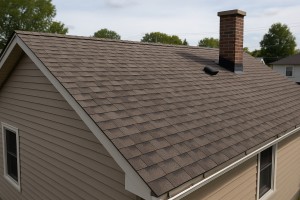
Asphalt shingles are the workhorse of many homes thanks to affordability and versatility. For preventative maintenance, they rely on good attic ventilation, clean gutters, and solid flashing to extend life and catch problems early.
- What to watch for:
- Curling, cupping, or missing shingles
- Dull granules in gutters or on the lawn
- Algae or moss growth, especially in shaded areas
- Loose or exposed nails and deteriorated flashing around vents, chimneys, and skylights
- How this service relates:
- Regular inspections flag granule loss and shingle failure before leaks start.
- Gutter cleaning prevents water backing up and loosening shingles.
- Flashing and sealant checks stop water intrusion at penetrations.
1) Conduct a post-storm visual inspection of visible slopes for damaged shingles.
2) Clear debris from gutters, valleys, and downspouts to maintain proper drainage.
3) Inspect and reseal flashing around penetrations; replace damaged flashing as needed.
4) Schedule a professional roof evaluation every 3–5 years to catch underlying issues.
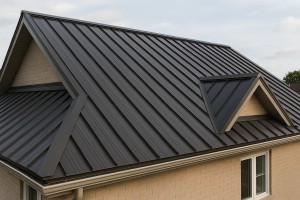
Metal roofs offer longevity and resistance to many weather events, but they still benefit greatly from preventative care. Maintenance focuses on fasteners, seals, and coatings that protect the metal surface.
- What to watch for:
- Rust spots, loose or missing screws, and dented panels
- Deteriorated sealants at seams, edges, and around penetrations
- Scratches or worn coating that exposes bare metal
- Condensation-related staining inside attic spaces if ventilation is poor
- How this service relates:
- Tightening and replacing fasteners prevents leaks and hail damage from turning into bigger problems.
- Replacing worn sealants and refreshing coatings slows corrosion and extends life.
- Clean drainage paths prevent standing water that accelerates wear.
1) Inspect fasteners and seam caulking for looseness or gaps.
2) Reseal or reseal at seams, edges, and around penetrations as manufacturers recommend.
3) Clean debris from gutters and valleys; ensure proper drainage off the roof.
4) Apply or refresh protective coating per product guidance; address any signs of corrosion promptly.
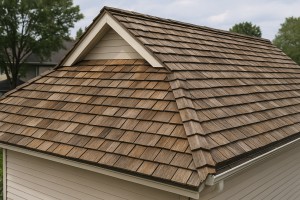
Wood adds character but requires proactive care to prevent water infiltration and rot. Preventative maintenance centers on moisture management and insect protection.
- What to watch for:
- Warping, splitting, or cupping shingles
- Soft spots or visible rot, especially at eaves or where water lies
- Moss or mold growth that traps moisture
- Hassle with insects or termite activity in vulnerable roof areas
- How this service relates:
- Regular cleaning and moss removal reduces moisture retention.
- Prompt replacement of damaged shingles keeps underlying underlayment dry.
- Periodic sealing or staining slows weathering and mildew.
1) Inspect for rot, cracks, and soft spots; replace damaged pieces.
2) Remove moss and debris; improve ventilation around the roof.
3) Apply approved wood preservative or stain on a set cycle.
4) Schedule professional evaluation after severe storms or hail.

Tile roofs are durable but brittle, so prevention centers on preventing cracks and maintaining underlayment access.
- What to watch for:
- Cracked, chipped, or displaced tiles
- Broken tiles near hips, ridges, and penetrations
- Moss and algae buildup that holds moisture
- Voids or hidden damage in underlayment revealed by broken tiles
- How this service relates:
- Timely tile replacement avoids leaks and structural damage.
- Roof inspections verify tile alignment and support structure integrity.
- Debris removal maintains airflow and drainage to prevent moisture pockets.
1) Inspect for cracked or missing tiles; replace as needed.
2) Check underlayment for wear if tiles have been displaced.
3) Clear debris from valleys and eaves; keep drainage clear.
4) Confirm tile alignment and securement with appropriate fasteners.
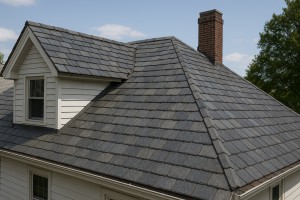
Slate roofs offer exceptional longevity, but individual slates can crack or loosen with weather and foot traffic. Preventative maintenance focuses on precise replacement and flashing integrity.
- What to watch for:
- Thin, cracked, or loose slates
- Spalling around edges or at flashings
- Deteriorated mortar joints in chimneys or dormers
- Debris accumulation in valleys and along ridges
- How this service relates:
- Careful slate replacement maintains rain deflection and avoids leaks.
- Flashing and joint maintenance prevent water intrusion at transition points.
- Gentle cleaning keeps surface-free of debris that traps moisture.
1) Inspect slates and fasteners; replace damaged slates with matching material.
2) Check and reseal flashings and joints as needed.
3) Keep valleys clear of debris; avoid pressure washing slate.
4) Schedule periodic professional assessments given slate's specialized needs.
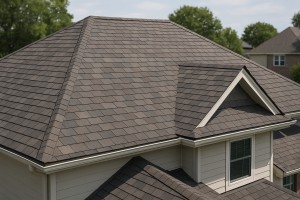
Synthetic or composite roofs mimic traditional materials while offering varying durability. Preventative maintenance centers on UV protection, seam integrity, and drainage.
- What to watch for:
- Fading, curling, or loss of surface coating
- Loose or damaged seams and edging
- Debris buildup in drainage paths
- Abnormal wear around penetrations or vents
- How this service relates:
- Sealing and seam checks prevent leaks and preserve the look.
- Cleaning and debris management protect the surface from moisture entrapment.
- Early replacement of damaged sections minimizes broader roof failure.
1) Inspect for seam separation or edge lifting; reseal as required.
2) Remove debris and ensure clear drainage paths.
3) Monitor color and coating wear; recoat or replace per manufacturer guidance.
4) Have a scheduled professional inspection to verify performance over time.
Understanding the Cost of Preventative Roof Maintenance
Typical average costs
- Inspection-only visit: roughly $100–$250 per visit.
- Basic preventive maintenance service (gutter cleaning, debris removal, minor resealing, moss prevention): about $150–$450.
- Comprehensive preventive package (inspection, minor repairs, sealants, flashing touch-ups, debris/gutter work): typically $250–$700.
- Large or complex roofs (steep pitches, tile or metal, multiple penetrations): $600–$1,200, sometimes up to $1,500 depending on scope.
- Annual budgeting: many homeowners in mild climates spend about $300–$700 per year for routine maintenance; larger or more challenging roofs may approach $1,000–$1,500 annually if frequent upkeep is needed.
What affects the price
- Roof size and pitch: larger or steeper roofs require more time and safety considerations.
- Roof material: asphalt shingles are generally cheaper to service than tile, metal, or slate, which may need specialized coatings or sealants.
- Condition and access: heavy debris, moss, or damaged flashing can add labor and materials.
- Local labor rates: prices vary by region and contractor demand.
- Scope of work: a simple cleaning is cheaper than a full package with minor repairs and coatings.
- Warranties or maintenance plans: some programs provide savings through bundled services or discounts.
Cost scenarios
1) Small, flat or low-slope roof in a mild climate
- Price range: $120–$250
- Work: inspection plus basic debris removal and minor touch-ups.
2) Typical single-family roof (1,500 sq ft) with gutters
- Price range: $250–$450
- Work: inspection, gutter cleaning, minor resealing, and a few small repairs if needed.
3) Larger or steeper roof with mixed materials
- Price range: $500–$1,200
- Work: more extensive inspection, sealant applications, flashing touch-ups, and several maintenance tasks.
4) Roof with heavy moss, tar buildup, or worn coatings
- Price range: $800–$1,500
- Work: moss removal, deeper cleaning, coating or sealant refresh, and multiple repairs if required.
Ways to keep costs reasonable
- Schedule seasonal inspections and bundle tasks into one visit when possible.
- Do safe, DIY-friendly tasks (e.g., simple gutter clearing or removing loose debris) if you have the right equipment and training.
- Prioritize recommended maintenance and address high-impact items (like flashing integrity or active leaks) first.
- Request a maintenance plan or annual contract that covers two inspections and a set of preventive tasks each year.
- Get multiple quotes from reputable contractors to compare scope and pricing.
- Check if the roof is under warranty or covered by a homeowner or manufacturer program that includes preventative maintenance.
When more extensive issues may change the cost
- Discovering hidden damage (rotten sheathing, compromised underlayment, or deteriorated flashing) during a preventive visit can shift a plan from simple maintenance to repairs or replacement, increasing costs.
- Specialty materials or coatings (high-performance sealants, metal finishes, or tile-specific products) add to material and labor pricing.
- Harsh climates with frequent storms, heavy snowfall, or persistent moss growth may require more frequent visits or more intensive treatments, raising annual costs.
How Preventative Roof Maintenance Works
Step 1: Initial roof inspection and assessment
We begin with a thorough walk-around of the roof from safe angles and, when possible, a quick attic check. We look for:
- Loose or damaged shingles and flashing
- Signs of leaks, water staining, or soft spots
- Vent seals, chimney flashing, and skylights
- Moss, algae, or debris buildup
- Ventilation and insulation status in the attic
This upfront review helps us plan the rest of the maintenance and catch problems before they become big repairs.
Step 2: Cleaning and debris removal
- Clear leaves, pine needles, branches, and roof debris from all surfaces and valleys
- Flush and inspect gutters and downspouts; remove blockages
- Treat any moss or algae with a roof-safe product
- Note safety procedures for access, ladder use, and fall protection
A clean roof and clear drainage paths reduce moisture retention and extend life.
Step 3: Minor repairs and weatherproofing
- Re-secure loose or missing shingles with manufacturer-approved fasteners
- Seal small leaks or gaps around flashing, vents, and penetrations
- Re-seat flashing and reapply roofing sealant where appropriate
- Replace damaged boot or vent gasket if needed
If bigger issues are found, we document them and present options rather than guessing at scope or cost.
Step 4: Gutter maintenance and drainage optimization
- Ensure gutters are clear of sediment and obstructions
- Reattach or secure loose gutters and downspouts
- Check slope and alignment to promote proper water flow away from the roof edge
- Confirm downspouts discharge at least several feet from the foundation
Proper drainage is a key guard against water intrusion and foundation problems.
Step 5: Seasonal maintenance planning
- Establish a maintenance calendar tailored to your climate (e.g., fall/gutter prep, spring roof check)
- Schedule the next visit and set reminders for important tasks
- Note any weather-related risks to watch for between visits
A planned schedule helps you stay ahead of issues instead of chasing them.
Step 6: Documentation and recommendations
- Provide a written report with photos and a prioritized action list
- Clearly separate critical fixes from nice-to-have upgrades
- Include rough time estimates and cost ranges for recommended work
- Offer practical, homeowner-friendly maintenance tips you can apply yourself
Having everything in one place makes decisions easier and keeps projects transparent.
Step 7: Follow-up and ongoing monitoring
- Confirm completion of any repairs and verify their performance after storms
- Schedule quick follow-ups after severe weather or seasonal changes
- Provide optional reminders for future checks or weather-driven inspections
Ongoing monitoring helps catch wear before it becomes a leak, keeping your roof in better shape longer.
Residential vs Commercial Considerations in Preventative Roof Maintenance
Residential vs Commercial Considerations of Preventative Roof Maintenance
For homeowners, the differences that matter most come down to scale, materials, access, and risk. Use this guide to tailor preventive maintenance to a typical house.
- Roof design and materials
- Residential roofs are usually pitched and finished with shingles, tiles, or metal, depending on climate and style.
- Commercial roofs are often flat or low-slope and use membranes (EPDM, TPO, PVC) or metal. Maintenance tasks and failure modes differ accordingly.
- Size, access, and safety
- A typical home roof is smaller and easier for a single person to inspect, with less specialized equipment.
- Commercial roofs cover large areas and require ladders, lifts, fall protection, and trained crews. Safety planning is essential.
- Drainage and water control
- Homes rely on gutters, downspouts, and flashing to handle rain and snowmelt around a pitched system.
- Commercial roofs use roof drains, scuppers, and internal or external drainage; debris and membrane seams demand closer attention.
- Inspection cadence
- Residential maintenance usually runs on a semi-annual cadence (spring and fall) with after-storm checks.
- Commercial-maintenance programs often run quarterly or monthly, with formal inspections, documentation, and service tickets.
- Common maintenance tasks
- Homes: gutter cleaning, shingle/tile flashing checks, debris removal from roof edges, moss or algae control on surfaces.
- Commercial: membrane transitions, seam and flashing integrity, ballast or insulation checks, HVAC curb seals, skylight and penetrations, and drain/ballast inspections.
- Warranties and codes
- Residential projects typically come with material and some labor warranties, plus home-ownership coverage.
- Commercial projects often have longer or more complex warranties and may require adherence to more stringent building codes and insurance requirements.
- DIY feasibility and risk
- Homeowners can spot and address minor issues on a small scale but should avoid significant roof work due to safety.
- For commercial roofs, professional teams with OSHA-compliant practices are usually required; problems must be diagnosed with the right tools and PPE.
- Budgeting and planning
- Residential: budget for seasonal inspections, minor repairs, and occasional replacement, with attention to long-term wear on shingles or tiles.
- Commercial: plan for preventive programs, ongoing membrane maintenance, and potential large-scale repairs or replacements on a multiyear schedule.
- Contractor selection
- Look for a roofer who understands residential systems, warranties, and homeowner expectations.
- For commercial projects, seek contractors with formal safety programs, project management, site-specific plans, and experience with your roof type.
- Documentation and communication
- Homes benefit from simple, written maintenance notes and photo records.
- Commercial programs rely on detailed service logs, written scopes of work, and standardized reporting for tenants, owners, and property managers.
- Seasonal considerations
- In residential homes, seasons influence shingle aging, moss growth, and gutter performance.
- In commercial settings, seasonal load, temperature swings, and HVAC activity around the roof drive more frequent assessments.
Maintenance planning for homeowners
1. Identify your roof type, age, and known problem areas.
2. Set a practical maintenance cadence (semi-annual checks, plus after major storms).
3. Prioritize issues by urgency: active leaks, failed flashing, sagging edges.
4. Budget for routine care and reserve funds for larger repairs or membrane work.
5. Hire a licensed contractor with residential experience and a solid safety record for any roof-access work.
Seasonal quick checks
- Spring: look for wind, hail, or storm damage, clean gutters, and inspect flashing at penetrations.
- Fall: ensure proper drainage, remove debris, and reseal any small gaps before winter.
This approach helps homeowners translate broad preventative maintenance concepts into practical steps that fit a typical residence, while recognizing where commercial principles require more formal programs and professional teams.
How Preventative Roof Maintenance Varies by Location
Location shapes every visit to the attic and every inspection on the roof. Local climate, vegetation, and building practices determine which issues you're most likely to encounter and when they'll come up. A practical plan in Phoenix looks different from a plan in Syracuse, even if the same roof type is involved.
Climate considerations by region
- Cold, snowy regions (Northeast and parts of the Midwest): ice dam formation, freeze-thaw cycles, and snow load influence insulation, ventilation, and shingle edge care. Expect seasonal checks after heavy storms and before winter sets in.
- Humid, hot regions (Southeast and Gulf Coast): algae, moss growth on shaded surfaces, and moisture intrusion are common. More frequent cleaning of gutters and improved attic ventilation reduce moisture-related damage.
- Arid, sunny regions (Southwest): intense UV exposure speeds aging of shingles and flashings. Look for granule loss, drying membranes, and heat-related cracking; plan for heat-evidence inspections mid-summer.
- Wet, forested Pacific Northwest: frequent rainfall encourages moss and fungal growth and can mask slow leaks. Regular gutter clearing and surface cleaning prevent water backing up under shingles.
- Coastal areas (Atlantic and Gulf): salt air and wind accelerate corrosion of metal components and fasteners. Inspect flashings for salt damage and ensure coastal wind zones have robust sealants and secure hip and ridge lines.
Regional materials and roof types
- Northeast/Midwest: asphalt shingles are common, with occasional metal or slate for durability under snow. Insulation and ice dam control matter most here.
- Southeast/Gulf: concrete or clay tiles, metal roofs, and asphalt are common; tile roofs require careful underlayment inspection for fastener corrosion and drainage.
- Southwest: clay or concrete tiles and metal roofs handle high heat well; look for underlayment wear and edge flashing integrity under sun exposure.
- Pacific Northwest: asphalt, metal, and sometimes cedar shakes; moss control and drainage details take priority.
- Coastal regions: concrete tiles or metal roofs dominate in many areas; salt corrosion protection and wind-rated flashing are key.
Maintenance priorities by region
- Snow belt regions: reinforce ice and water shield at eaves, vented soffits, and attic insulation; clear debris before snow season; verify attic ventilation balances.
- Humid/climate zones: pressure-test seals around vents and chimneys; treat moss on exterior surfaces; ensure gutters and downspouts drain away from foundations.
- Sunny/high-heat locales: inspect for blistering, granule loss, and dried-out sealants; pre-season surface cleaning; verify roof penetrations are sealed against heat expansion.
- Rain-drenched areas: install or refresh proper gutter slope, downspout extensions, and drainage paths; monitor for slow leaks around flashings after storms.
- Coastal/wind-prone regions: check wind-driven fasteners, sealants, and edge flashings; consider corrosion-resistant components; inspect for salt intrusion after periods of high humidity.
How this service varies in different regions in the United States
- Northeast: Focus on anti-icing measures and attic ventilation to counteract ice dams; prioritize edge seal and snow load readiness.
- Southeast: Prioritize algae and moss mitigation, flashing integrity around roofs and penetrations, and ensuring adequate attic moisture control to combat humidity.
- Midwest: Emphasize freeze-thaw resilience, snow load considerations, and robust drainage to prevent water intrusion after thaws.
- Southwest: Prioritize UV protection, shingle aging assessment, and heat-resistant sealants; schedule mid-season checks during peak heat.
- Pacific Northwest: Concentrate on moss and algae management, continuous drainage checks, and timely gutter maintenance for heavy rainfall.
- Coastal: Stress corrosion resistance, wind-rated components, and frequent inspection of coastal flashings and fasteners due to salt exposure.
Practical, region-based steps
1. Create a seasonal checklist tailored to your region (2–4 tasks per season).
2. Schedule a pre-season roof and attic inspection with focus areas for your climate.
3. Document and track any repairs by roof section (edge, flashing, penetrations).
4. Plan gutter and drainage maintenance aligned with seasonal patterns to prevent water backups.
