
Last updated: Apr 19, 2026
The temperate climate here brings heavy winter rainfall and a long damp season that can delay tear-off and installation work. That moisture isn't just a nuisance; it changes how a roof project unfolds. When crews lift shingles and expose underlayment, damp sheathing and lingering mildew-prone air slow drying times and complicate sealing details. Contractors typically see longer scheduling horizons when the ground stays soft, gutters clog more easily, and decked sites remain slick. Homeowners should expect that some days once considered normal workdays become unworkable because moisture is stubborn, and safety takes precedence over a fast timeline.
Late spring through early fall is the preferred replacement window in Eugene because crews can reduce moisture exposure during underlayment and covering installation. Dry-weather periods help underlayment stay dry enough to lay flat and seal correctly, which matters for long-term performance in this damp climate. Scheduling within this window also gives crews predictable stretches of dry days, allowing roofers to carry through the installation without frequent micro-delays caused by sudden rain. If a project starts in late spring, the work can push through the hottest part of summer without the risk of sudden fall rain catching an exposed roof mid-stage. The benefit is steadier progress and a cleaner, more durable finish.
Spring wind and storm shifts in the southern Willamette Valley can disrupt schedules and create short-notice rescheduling during the active roofing season. A mid-spring squall can strip loose debris, lean on temporary tarps, and force crews to pause for safety. Gusty days with drifting branches or sudden downpours can push a job from a planned afternoon to a next-day start. Homeowners should plan for flexibility in this season and coordinate contingency options with the contractor, such as staging areas that stay dry and secure and ready access to sheltered indoor storage for materials. In practice, this means having a few backup dates in mind and being prepared to shift a planned start by a day or two when a storm system moves through.
During underlayment and covering installation, moisture control is the focus. If the project runs into damp conditions, crews may pause to let plywood or OSB dry out before sealing with roofing felt or synthetic underlayment. This pause is not a delay to be frowned at; it protects both the structure and the new roof. Expect crews to tarp exposed areas, ensure proper ventilation around the attic, and monitor dew-point conditions to avoid trapped moisture. A common practice in this climate is to schedule the most moisture-sensitive steps for the driest stretch of days available, then tighten up with rapid-fastening or metal closures that resist moisture intrusion once the underlayment is down.
Effective coordination hinges on clear, proactive communication. If a delay is likely due to a forecasted rain event, a contractor should reach out with a proposed alternative window that minimizes exposure of the interior and your personal belongings. When possible, plan critical phases-like roof deck inspection, underlayment, and flashing installation-during a string of dry days, but build in a buffer for the inevitable spring shift. For homes with limited eaves or challenging rooflines, confirm that rain runoff gear, ladder access, and tarping strategies are in place well before the first hammer falls. In the end, the goal is to complete the tear-off, underlayment, and covering during a dry stretch to reduce moisture-driven complications and help the new roof perform reliably through the wet season that follows.
In this damp Pacific Northwest climate, moss is not a nuisance option-it's a recurring maintenance reality. Shaded roof planes in Eugene stay damp much longer than sunny facades, which feeds moss growth and, over time, adds weight and a hidden moisture load that can strip granules from shingles and loosen flashing. If you notice green fuzz or dark, velvety patches on north-facing slopes or under eaves, treat it as a warning: moss holds moisture against the roof surface, slows drying, and accelerates deck and underlayment degradation. The most urgent move is to remove existing moss before it penetrates any fracture lines or corrodes underlayment. Use a soft-bristle brush or a moss-specific cleaner, working from the top down and rinsing with gentle flow to avoid forcing debris into gutters or into the attic. After cleaning, seal vulnerable edges and consider installing a zinc or copper strip at the rake edge or ridge line to slow regrowth; the goal is to keep the shaded planes drier, not to eradicate moss with a single effort.
Underlayment is your first line of defense when sustained moisture lingers on the roof. In this climate, underlayment quality matters more than in drier markets, because prolonged wet spells increase seepage risk at eave junctions, dormers, and large planed intersections. If the roof is already aged, a re-roof should mandate a high-performance underlayment with good breathability and a proven moisture barrier. Pay attention to the transition zones where water runs off the shingles and into the drip edge-these areas are where failures show up fastest after a heavy wet season. A misstep here means moisture climbs into decking and stays there, inviting rot before you can say "dry season." Ensure the underlayment is fully protected by correctly installed flashing at all valleys, chimneys, and penetrations, and that any vented soffit system is paired with a continuous air barrier to minimize condensation buildup inside the attic.
Because roofs stay wet for extended periods, attic ventilation matters more to lifespan than in drier inland markets. A well-vented attic keeps the interior temperature closer to outside conditions, reduces for-everyone condensation, and limits the speed at which moisture travels from roof surface into the decking. Check that soffit vents are clean and unobstructed, and that ridge or roof-peak vents are sized to match the attic volume. In practice, you want a continuous airflow path from soffit intake to ridge exhaust, especially under shaded sections that trap damp air. If your attic feels damp or shows mold growth on insulation or joists, address it immediately-the longer moisture sits, the more decking and framing components deteriorate behind the scenes, often without obvious surface warning signs.
Persistent moisture in this area raises the risk that hidden deck deterioration will be discovered only once the old roof is stripped. A re-roof here is not simply about replacing shingles; it's a de facto moisture audit of the entire deck system. Expect to encounter soft or cupped deck boards, signs of fastener rust, or water staining that reveals compromised plywood or OSB. Any such findings require a plan to replace or repair deck sections before new underlayment and shingles are laid. The timing of a re-roof should be guided by moisture management: if the roof shows active leakage, delamination under plies, or inconsistent nail seating, prioritize addressing those issues now to avoid repeating the process soon after.
Actively monitor moss-prone zones, vent paths, and edge details after each long wet spell. Keep a seasonal service window clear to address moss buildup, inspect flashing and drip edges, and verify attic vent performance with a quick feel-test: warm, dry air at ridge plus a steady air inflow at soffits means good circulation. If you notice sudden drops in attic dryness after storms or increased exterior dampness, schedule a professional evaluation promptly-delays here compound risk to the deck and the entire roofing system, turning a manageable maintenance task into a costly retrofit.
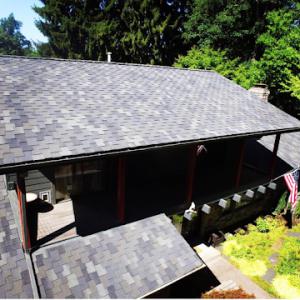
Gruwell Roofing & Restoration
(541) 729-9265 gruwellroofing.com
2580 W 5th Ave, Eugene, Oregon
5.0 from 75 reviews
We Are Lane County’s First And Longest Standing Factory Approved Installer Of Malarkey’s Rubberized Shingle. These Shingles Feature: - Class 3 & 4 Impact Resistance - Up-cycled Rubber Polymers - Locally Made Within 125 Miles Of Eugene - Smog Eating Granules Available - Lifetime Algae Resistance Available - Transferable Warranties Available Up To 50-years Covering Labor And Materials. Call To Find Out More About The Greenest, Highest Impact Rated Roof Shingles Available! We offer complete roof care ranging from new roofs, roof maintenance to leak repair. If you have a damaged section of roof and just need a partial roof repair, we do that, too. We even install high-quality warranted skylights.

Home Pros Construction
(541) 532-2941 homeprosconstruction.org
2868 Willamette St Suite B, Eugene, Oregon
4.9 from 180 reviews
Home Pros Construction is your local expert in roof replacement and a wide range of home improvement services in Eugene, OR, and surrounding areas. We specialize in providing top-notch roof replacements to ensure your home is well-protected and visually appealing. In addition to roofing, our team also offers high-quality kitchen and bathroom remodeling, as well as general home improvement solutions. Whether you're looking for a new roof or a complete home transformation, you can trust our skilled professionals to deliver exceptional results. Contact us today for a free estimate on your roofing or remodeling project.
Buzzline Roofing
(541) 329-3617 www.buzzlineroofing.com
2585 Roosevelt Blvd a1, Eugene, Oregon
4.9 from 254 reviews
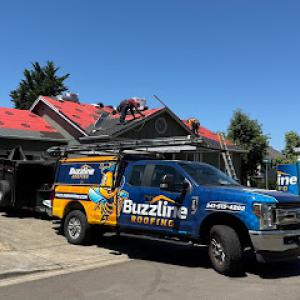
Oregon Roof Guys is now Buzzline Roofing. Same great team, new company name. Since 2011, Buzzline Roofing has been the trusted residential roofing company serving Eugene and Springfield, OR. We specialize in asphalt shingle roof replacements, repairs, and maintenance, delivering expert craftsmanship and outstanding service. Our highly trained team follows manufacturer, in-house, and OSHA safety standards to ensure top-quality results. Backed by a stellar reputation, we offer flexible financing options to make your project seamless. Contact Buzzline Roofing today for a free estimate!
BEST Roofing & Waterproofing
(541) 844-2378 www.bestroofingoregon.com
1574 Coburg Rd #280, Eugene, Oregon
4.9 from 91 reviews
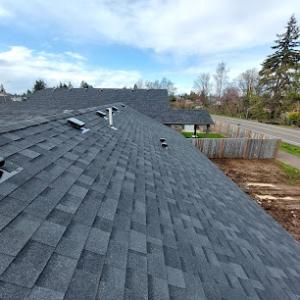
We are committed to providing you with the BEST Roofing experience you have ever had. Most roofs that are damaged need to be repaired quickly. BEST Roofing & Waterproofing in Eugene can take care of every job, no matter how big or small, residential or commercial. Asphalt shingle roofs, metal roofs, tile roofs, shake roofs, flat roof coatings, roof restoration, and roof coatings are all covered by our roof repair and roof replacement services. As a Platinum Preferred Roofing Contractor keeping our good name is a priority for our experienced roof technicians and roofing installers. Our roofing team consists of Eugene's most experienced roofers. Their training ensures you get the BEST at an affordable price.
Huey & Sons Roofing
(541) 688-1112 hueyandsonsroofing.com
2935 Allane Ln, Eugene, Oregon
4.8 from 156 reviews
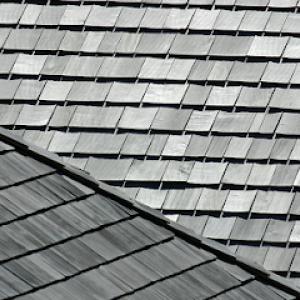
Huey & Sons Roofing provides residential roofing services to Eugene and Springfield, OR and surrounding areas.
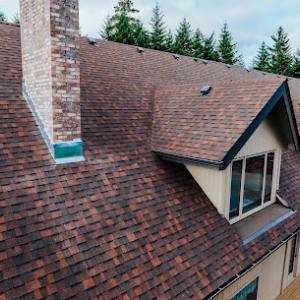
IronHead Roofing
(541) 714-0575 ironheadroofing.com
751 W 7th Ave, Eugene, Oregon
4.9 from 83 reviews
IronHead Roofing is a veteran-owned and Oregon-grown company dedicated to protecting homes, businesses, and communities with lasting roofing and solar solutions. Since 2017, we’ve built our reputation on integrity, craftsmanship, and relentless innovation, earning recognition as the 2024 Innovator of the Year by Roofing Technology Think Tank (RT3). With a team of skilled in-house crews and trusted partners, we deliver roofing, solar, and maintenance services that combine safety, quality, and efficiency. Guided by our mission to build lasting protection and trust, we’re proud to serve over 2,000 customers across the Pacific Northwest, while giving back to the communities we call home.
NW Roofing & Siding Pros
2645 Suzanne Way #2d, Eugene, Oregon
4.9 from 51 reviews
NW Roofing and Siding Pros is Oregon’s trusted local roofer with over 30 years of experience. We service Eugene, Springfield, Florence, Veneta, Corvallis, Brownsville, Pleasant Hill, Marcola, and nearby areas. Contact your reliable Eugene roofing company for a free consultation today for your roof construction, roof replacement, and roof repair needs. We also provide emergency roof leak repair services.
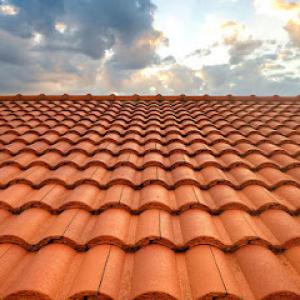
2nd Chance Roof & Chimney
(541) 208-0594 www.2ndchanceroofandchimney.com
1365 Interior St Unit C, Eugene, Oregon
4.8 from 135 reviews
2nd Chance Roof & Chimney provides reroofing, cleaning and repair, composite, metal and membrane roofing, gutters, leak detection, new Chimney installs and chimney repairs to the Eugene, OR area.
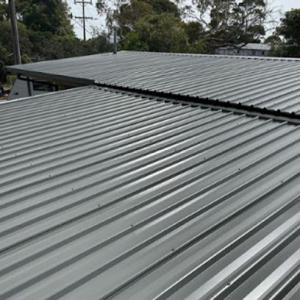
Stripes Roofing Eugene
(541) 208-5696 www.stripesroofingofeugene.com
765 E 25th Ave, Eugene, Oregon
5.0 from 31 reviews
Stripes Roofing Eugene proudly serves Bethel and the greater Eugene, OR area with dependable roofing repair services designed to keep homes and businesses protected year-round. Our skilled team specializes in diagnosing and fixing leaks, repairing storm and wind damage, and addressing flashing or ventilation issues that compromise your roof’s integrity. We work with all types of roofing systems, including asphalt, tile, flat, and metal roofs, delivering solutions that not only restore safety but also improve energy efficiency and curb appeal. At Stripes Roofing Eugene, we believe in combining quality craftsmanship with premium materials to ensure repairs that stand the test of time.
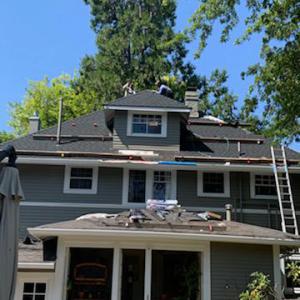
Father & Son Roofing
(541) 215-4989 fathersonroofingllc.com
783 Grant St, Eugene, Oregon
4.8 from 68 reviews
Father & Son Roofing provides, roofing, gutters, and skylights and sun tunnels to the Eugene, OR area.
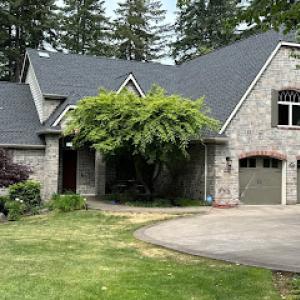
Expert Roofing Services
(541) 607-2889 www.expertroofingservices.com
712 Powers St, Eugene, Oregon
4.7 from 129 reviews
Expert Roofing Services is a family owned and operated Eugene-based roofing company that started with the goal of always offering the highest quality service and materials to business and homeowners.
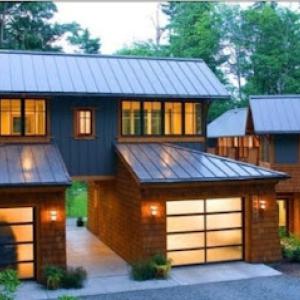
Oregon Metal Roofing & Gutters
(541) 649-1507 www.oregonmetalroofingandgutters.com
207 E 5th Ave Suite 234, Eugene, Oregon
4.8 from 59 reviews
Oregon Metal Roofing & Gutters provides all types of roofing. Such as asphalt roofing,composition roofing and shingles, flat roofing, tpo roofing, metal roofing and seamless gutters in Lane County, OR.
In this climate, asphalt shingles and metal roofing are the most practical choices for residential re-roofing. Asphalt shingles deliver a straightforward, moisture-resilient barrier that handles the Pacific Northwest drizzle well, and they're familiar to local crews who can move fast during the short, dry windows that appear in the wet season. Metal roofing offers excellent moisture shedding, stands up well to moss-heavy conditions, and can be a long-lasting option when installed with proper underlayment and ventilation. For many homeowners, these two options cover the majority of households, balancing performance, installability, and serviceability under Eugene's wet-spring rhythms.
Tile and wood products exist in the local market, but they're less prevalent than asphalt and metal. Clay and concrete tiles bring strong moisture resistance and a distinctive look, yet their weight and longer installation timelines require careful structural assessment and scheduling, especially when the dry period to complete a full replacement is tight. Wood shingles or shakes offer a classic aesthetic but demand vigilant moss management and regular maintenance to prevent moisture-related wear. If your roof structure and budget align, these materials can be used selectively, but expect longer production timelines and more-intensive moss control during the wet season.
Material choice should be evaluated through the lens of wet-season performance and moss exposure. Moss can trap moisture and magnify underlayment wear, so a moisture-resistant system paired with a robust underlayment becomes critical. Metal roofs, with their slick surface, tend to suppress moss buildup, while asphalt shingles can be treated with moss-resistant granules and proper attic ventilation to keep moisture from lingering. In terms of weight, metal and asphalt are lighter options compared with concrete or clay tiles, reducing the structural concerns during replacement in a climate where sustained dampness is common.
Given Eugene's seasonal pattern, selecting a roof system that can be installed quickly during the limited dry windows is practical. Asphalt shingles install rapidly for a completed roof, while steel or aluminum panels for metal roofing can also fit tight schedules if the crew is seasoned. If a project risks extended rain exposure, coordinate with a contractor who can stage underlayment and flashing work to minimize on-site moisture exposure. Finally, consider how each option interacts with existing roof geometry, attic venting, and moss mitigation plans to extend the new surface's life in the damp, moss-prone environment.
For asphalt shingles, the provided Eugene-area cost ranges run from 350 to 700 USD per square. Metal roofs typically fall from 800 to 1400 per square, with clay tile from 1800 to 3200 and concrete tile from 1700 to 3000. Wood shingles or shakes sit around 750 to 1300 per square, while synthetic or composite shingles run 450 to 900 per square. Those numbers reflect local sourcing, labor intensity in this market, and the typical home styles found in town. When you're comparing bids, ask for a per-square price that includes tear-off, disposal, and underlayment, since those line items can shift the total noticeably.
In this climate, dry-weather windows are scarce and valuable. Costs can rise when wet-season scheduling compresses demand into the drier late spring through early fall window, because crews are juggling fewer dry-days and back-to-back projects become tighter in sequence. A contractor who can line up materials and crew for a continuous re-roof during that window may charge a premium to secure a stable schedule and avoid delays caused by rain, mud, or up-slope drainage challenges.
Moisture-related tear-off conditions in Eugene can increase labor and repair scope when crews uncover damaged sheathing or ventilation deficiencies during re-roofing. Expect higher charges if rotten sheathing, mold, or compromised rafter bays are found once the old roof is stripped. Ventilation fixes, flashing repairs, and addressing moss-related moisture intrusion add to the bill. A thorough inspection before tearing off helps prevent surprise costs, but some moisture-related issues only show up after removal begins.
If a project pushes into the late spring-early fall busy period, material procurement and crew availability can become constraint points. Request a clearly defined sequence: teardown, deck inspection, repairs, underlayment, and final installation, with buffer time for weather interruptions. In practice, scheduling that minimizes rain exposure to vulnerable decking and insulation reduces call-backs and escalation. Budget a contingency for weather-driven delays, especially on higher-end materials that involve longer lead times.
In Eugene, choosing a material isn't just about upfront cost-it's about moisture resilience. Metal roofs shed standing water quickly, but flashing and installation details become critical to long-term performance in a damp climate. Tile systems handle heavy moss loads differently than asphalt and may require more frequent maintenance checks in moss-prone zones. Synthetic shingles can offer a balanced option between price and moisture tolerance. Align the choice with existing attic ventilation, roof pitch, and the home's exposure to overhanging trees.
Get a clear picture of your project costs upfront - no commitment required.

Home Pros Construction
(541) 532-2941 homeprosconstruction.org
2868 Willamette St Suite B, Eugene, Oregon
4.9 from 180 reviews
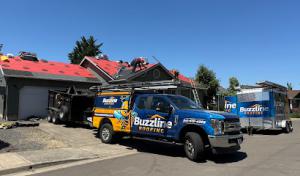
Buzzline Roofing
(541) 329-3617 www.buzzlineroofing.com
2585 Roosevelt Blvd a1, Eugene, Oregon
4.9 from 254 reviews
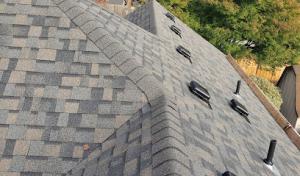
In Eugene, a building permit is typically required for a full re-roof. That permit is not just a box to check; it shapes how work is scheduled, inspected, and closed out, especially when moisture is a constant concern during the region's long wet seasons. If a shingle swap turns into a full re-deck or major roof replacement, the permit process becomes an unavoidable part of the project timeline.
The local process runs through the Building & Permits Center, where document filing, contractor licensing requirements, and inspection timing can vary with department workload. You should expect to provide proof of contractor licensing and insurance, project plans or scope, and accurate timelines. Because inspections hinge on staff availability, a project can stall if paperwork isn't complete or if information is missing. Plan for a window where the permit is active, and be prepared for minor back-and-forth requests for revisions or clarifications.
The general sequence is staged inspections at underlayment, roof covering, and final completion before permit closeout. Underlayment inspection checks how the moisture control layer is installed and vented, which matters a lot in this climate where rain can arrive with little warning. The roof covering inspection confirms the chosen material is properly lapped, sealed at penetrations, and ready to shed moisture in winter months. The final inspection ensures all components meet code and that the site is left in a safe, weather-ready state. If any stage lags, the entire permit process can stall, increasing the risk of weather-driven delays.
Moisture management is not just a construction concern; it dictates scheduling around Eugene's wet seasons. Dry-weather windows matter for inspections and material curing, so coordinating with the Building & Permits Center helps prevent hold-ups. Weather-driven delays can snowball into extended timelines if underlayment or roof covering work is paused for rain. If a permit is active through peak wet period, additional precautions and faster communication with the inspector may be necessary to keep the project moving.
A missed or incomplete submittal is the fastest path to a stalled permit and a longer replacement timeline. Inspections are not mere formalities; they are enforceable checks that ensure moisture control and proper installation. If a project overruns, the permit may face renewal needs, which adds administrative friction and scheduling risk. Staying on top of documentation, keeping the site accessible for inspections, and aligning work with the permit calendar reduces the chance of moisture-related setbacks.
In Oregon, homeowners insurers generally expect prompt notice and documentation of roof damage, including photos, measurements, and contractor bids. Start gathering details as soon as the storm passes and leaks appear. Take clear exterior photos of shingles, flashing, vents, and any visible damage, both from ground level and a ladder-safe distance. Inside the attic, photograph stains, moldy insulation, and any pooled moisture near the sheathing. Record the date of observed leaks and note any recent heavy rains that coincide with the damage. Keep a simple log of when water activity was noticed, especially during the longest wet spells that characterize the season in this region.
Weather-driven roof claims are common in the region, so homeowners benefit from documenting leak timing, visible exterior damage, and temporary mitigation steps. Photograph any curling shingles, lifted edges, moss growth, or granule loss after a storm. Inside, note sagging ceilings or dark streaks that align with rain events. If there is temporary tarping or plywood underlay, document the setup, the date it was installed, and any limitations that affect moisture ingress. This helps insurers correlate claim timing with the storm sequence and the roof's moisture burden.
Some Oregon carriers may request mitigation records or inspection documentation when a roofing replacement is substantial, which makes staged permit inspections potentially useful for claim files. Maintain copies of all contractor bids, inspection reports, and any interim repairs, even if they are temporary. Ensure the bids reflect the same scope of work the insurer assesses, and keep dated receipts for any materials or services used to reduce further moisture intrusion. Consistent, organized records reduce back-and-forth and support a smoother claim review.
Connect with contractors who help homeowners navigate the claims process from damage assessment to final approval.
Expert Roofing Services
(541) 607-2889 www.expertroofingservices.com
712 Powers St, Eugene, Oregon
4.7 from 129 reviews
Prohome Roofers
(541) 870-2921 www.prohomeroofs.com
305 Ellie Ln, Eugene, Oregon
4.7 from 31 reviews
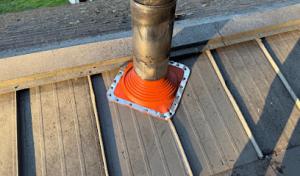
Skylight work is a meaningful specialty in Eugene, where prolonged rain makes flashing reliability especially important. The moist climate pushes seal failures from tiny gaps into bigger headaches, so an installed skylight that looks solid on day one may still leak after several storm cycles. You'll want a crew that treats flashing as a first-class design element, not an afterthought, and who understands how roof pitch, attic ventilation, and existing roof materials interact with west-coast moisture.
Flat and low-slope roofing is also an active local specialty, relevant for portions of residential additions and mixed residential-commercial building stock. These surfaces drain slowly, so even small punctures or lifted seams can pool moisture and work their way into the decking. In practice, that means trapezoid flashing, proper edge terminations, and careful transitions at skylight bases must be woven together as a single moisture-control system. Expect more meticulous surface prep and membrane detailing, especially along overhangs and between new additions.
In this wet climate, leak tracing around skylights and low-slope transitions can be more difficult because moisture may travel before appearing indoors. Water can wick through decking, travel along joists, and emerge in ceilings far from the original intrusion. When you suspect a leak, don't rely on a visible drip alone. Look for stained plywood, damp insulation, and subtle musty odors in the attic or crawlspace. A cautious approach funds a staged investigation: verify flashing integrity first, then inspect transitions, and finally test with controlled water exposure to confirmFigure out the exact path.
Choose skylight and low-slope specialists who provide comprehensive waterproofing plans, including ice and wind considerations common to this region. Prioritize crews that use weather-aware scheduling, protective coverings for interior spaces during work, and durable membrane choices that pair well with existing roofing materials. If a project sits through winter rain, plan for extended drying and inspection windows to ensure moisture doesn't linger after the last shingle is set.
Find contractors experienced in skylight installation, flashing, and leak repairs to bring natural light into your home.
Gruwell Roofing & Restoration
(541) 729-9265 gruwellroofing.com
2580 W 5th Ave, Eugene, Oregon
5.0 from 75 reviews
Buzzline Roofing
(541) 329-3617 www.buzzlineroofing.com
2585 Roosevelt Blvd a1, Eugene, Oregon
4.9 from 254 reviews
Huey & Sons Roofing
(541) 688-1112 hueyandsonsroofing.com
2935 Allane Ln, Eugene, Oregon
4.8 from 156 reviews
In this long, damp season environment, you'll notice local contractor signals point to re-roofing projects rather than new-construction work. Homeowners tend to prioritize firms that understand moisture timing, moss control, and rain-ready water shedding. Look for crews with a steady presence-long-established, family-owned, or locally owned-that clearly demonstrate continuity. A company with consistent crews and a track record of keeping jobs progressing during rain is a strong indicator of reliability.
Choose a roofer who speaks credibly about moss management and substrate moisture. Ask how they plan to dry-in edges, protect decking, and install underlayment in a wet season. In this climate, cleanup is not a bonus-it's a standard. Expect a firm to outline daily site housekeeping, a tarp strategy for ongoing rain, and a post-installation rinse to remove moss spores from surrounding areas. Your goal is a sheltered, well-drained result that slows moss return rather than inviting it back in after a few months.
During the rainy months, quick response matters more than ever. Look for contractors who offer defined response times for storms and who commit to a practical, weather-aware schedule. Clear communication about delays, tarp coverage, and temporary weatherproofing helps you gauge who can minimize exposure to wet conditions. A dedicated contact person who can coordinate inspections, deliveries, and cleanups reduces the chance of miscommunication when skies turn gray.
Review profiles for clear evidence of jobsite control and cleanup included in the scope. Ask for examples of how they protected landscaping, how they contain debris, and how they handle moisture-smart roofing details (underlayment choices, attic ventilation, and moss-prevention methods). In Eugene, this practical, no-surprise approach to moisture and mess is a strong predictor of a smooth, weather-conscious re-roofing experience.