
Last updated: Apr 19, 2026
Spring hail storms and strong thunderstorms crown fast, sometimes with little warning, tearing across the Central Texas sky and delivering sudden roof damage. That pattern hits Brenham with noticeable frequency, especially when fronts collide and dry air fights humid air from the Gulf. In those moments, a quick assessment matter becomes urgent: the roof may look fine from the ground, but hail can crack underlayment, dent flashing, and loosen shingles before you notice leaks. The spike in demand for inspections and reroofing after a severe storm is real here, and the clock starts ticking the moment hail rocks the ridge line. If a storm hit you on a weekday afternoon or during a weekend, expect contractors and adjusters to be lined up the next morning-so respond fast, or risk scheduling bottlenecks that push you into peak heat and rain.
The timing reality in this area hinges on a weather window that locals call the best for tear-off and installation: spring and fall. Summer heat and the regular pattern of late spring rain complicate staging, material handling, and roof tear-off. In practice, that means you want to act quickly after a hail event, but plan for the steadier, cooler hours of a spring or fall window to maximize safety and quality. If you wait into the height of summer or a wet spell, you risk heat-related work stoppages, asphalt shingle wrinkles from excessive sun exposure, or suboptimal fastening conditions. The choice of season doesn't just impact comfort; it affects the long-term performance of the repair and the ability to complete the project without weather-driven delays.
Insurance providers operate in a high hail-and-wind claim environment, so Brenham homeowners need a precise record straight after severe weather. Photograph the roof from multiple angles, focusing on hail-damaged shingles, dented gutters, and any visible granule loss in the gutters or landscaping. Date-stamped notes are essential-keep a dated diary entry that details when the storm occurred, wind speeds you observed, and any pre-existing conditions you can document with a baseline photo. Gather receipts, contractor estimates, and communications with adjusters in one place. If a storm is forecast, set up a plan to document conditions in the hours that follow; delays can complicate claims, and a clean, timely file supports faster processing and less back-and-forth for you.
After a hail event, protect the property from further damage with temporary measures where safe, then initiate a prompt inspection request with a trusted local roofer. Do not wait for a perfect day to begin documentation. The sooner you secure photos, notes, and professional input, the better positioned you are to navigate adjuster visits and scheduling during Brenham's busy storm season. If an adjuster visits, have your documentation ready in a neat package so they can verify the damage quickly and accurately, reducing the risk of disputed claims and missed repairs during the critical window that follows a hail event.
The dominant materials used in Brenham are asphalt shingles, metal roofing, clay tile, concrete tile, wood shingles or shakes, and synthetic or composite shingles. In this climate, roof choices must stand up to hail-driven damage, intense summer heat, high humidity, and periodic heavy rain. Coastal salt or mountain snow loads are not a factor here, so the focus is on impact resistance, heat management, and wind tolerance. Historic-era homes near central Brenham often feature shallower or more varied slopes and lighter structural loads, while newer suburban homes on the city's edges frequently have steeper pitches and more robust framing. This difference matters when picking a system that will perform well for decades without requiring excessive maintenance or alterations to match historic appearances or modern aesthetics.
Hail storms can dent and puncture roofing over time, especially with older or softer materials. For a Brenham home, the practical approach is to favor shingles or tiles with proven impact resistance or to bolster with a protective underlayment and proper attic ventilation. Asphalt shingles offer decent, cost-effective performance and are easy to repair after hail events, but look for products with higher impact resistance ratings and thicker construction. Metal roofing delivers excellent hail performance if installed correctly with solid panels and proper seam treatments, though certain styles can be noisier during heavy rain unless an adequate attic or liner is added. Clay or concrete tiles resist hail better than some other options but require careful matching to existing roof geometry, as heavy tiles can stress older structures if the framing isn't prepared. Wood shingles can suffer denting from hail, particularly if the wood is soft or poorly dried, while synthetic or composite shingles aim to balance impact resistance with light weight and flexibility.
Brenham's hot, humid summers push roofing systems to shed heat efficiently and resist moisture infiltration. Lighter colors on asphalt or metal roofs help reflect solar gain, reducing attic temperatures and prolonging shingle or panel life. Metal roofs typically perform well in heat, but ensure coating and color choices minimize heat absorption and prevent thermal expansion issues in regions with dramatic afternoon sun. Clay and concrete tiles provide good thermal mass, but their heavier weight means the structure must be evaluated for support, especially on older homes. If the house has limited attic access or tight eave spaces, ventilation enhancements become more critical to prevent condensation and ice damming in shoulder seasons.
Historic-era homes near central Brenham and more modern suburban homes on the city's edges often have very different roof slopes, visual expectations, and structural capacity for heavier systems like tile. For historic properties, tile or slate-like options can deliver authentic aesthetics but require careful engineering to avoid overburdening the framing. On modern homes with steeper pitches, heavier systems such as clay or concrete tiles can be practical if the framing is upgraded accordingly. If the slope is shallow, reach for asphalt, metal, or synthetic shingles that maintain performance without imposing added load constraints. Always verify that the chosen material aligns with both the roof's pitch and the home's visible character to preserve curb appeal while delivering dependable protection.
When selecting a roof type, weigh hail protection, heat management, humidity response, and the home's slope and structure. For historic homes, prioritize materials that respect the visual language but still offer solid impact resistance and reliable underlayment. For newer, steeper rooftops, you can consider heavier tile options if the framing supports them, but ensure the installation includes appropriate ventilation and weatherproofing details. In all cases, confirm that the chosen system pairs with a durable underlayment and a well-sealed drip edge to handle Brenham's periodic heavy rain. Consider how the material's maintenance needs align with long-term homeowner goals and the likelihood of storm-related repairs after the next hail season.
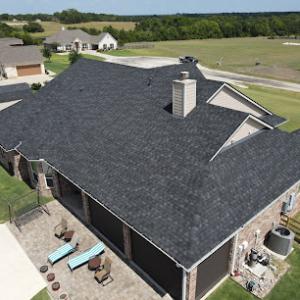
Texas Premier Residential Services
(713) 805-9559 texaspremierresidential.com
206 W First St UNIT D, Brenham, Texas
5.0 from 26 reviews
Texas Premier Residential Services, LLC is a family-owned and operated roofing company that specializes in gutter services while also offering exterior and interior remodeling. Our services include re-roofing, roof repair, and a variety of gutter solutions such as installation, cleaning, and repair. With a focus on quality and excellence, our experienced crews embody the core values of our family business.
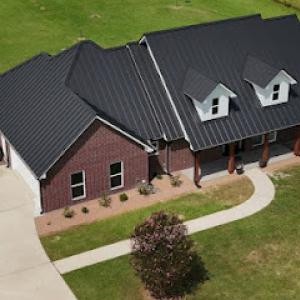
Absolute Roofing & Fencing
(979) 978-7169 www.yesabsolute.com
2600 N Park St, Brenham, Texas
5.0 from 21 reviews
Looking for reliable roofing services in Southeast Texas? Absolute Roofing & Fencing is your trusted local roofer, proudly serving Nederland, Brenham, and the entire Texas Gulf Coast. Whether you need residential roof repair, commercial roofing solutions, or durable fencing, our certified team delivers quality craftsmanship and lasting results. We are committed to customer satisfaction and use the latest industry techniques to protect your home or business. Contact Absolute Roofing & Fencing today for a free estimate and experience the best roofing services in Southeast Texas!

Total Roofing & Exteriors
(979) 551-1170 www.totalroofingtx.com
4780 FM 332 Rd, Brenham, Texas
4.8 from 22 reviews
Total Roofing & Exteriors have serviced Northwest Houston for over 20 years! As a family owned company, honesty and hard work is what keeps us going. We pride ourselves in educating our clients as to their options, providing the right plan of action, working with quality materials, handling insurance claims and doing a thorough cleanup. Our services include roofing, windows, siding, gutters and patios Our service areas include Brenham, Magnolia, Hempstead, Waller, Chappell Hill, The Woodlands, Tomball, Cypress, Spring, Katy, Conroe and all of Northwest Houston. We have an A+ BBB Rating and are Certified GAF Contractors. Give us a call today!
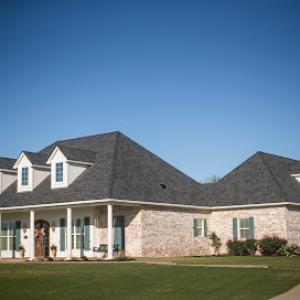
Brightside Roofing & Restoration
(979) 488-9335 www.brightsideroofs.com
207 E Alamo St, Brenham, Texas
5.0 from 10 reviews
We aim to put your mind at ease when it comes to your roof. With 7 years of experience and hundreds of customers served in the roofing industry, you can trust us with your project.
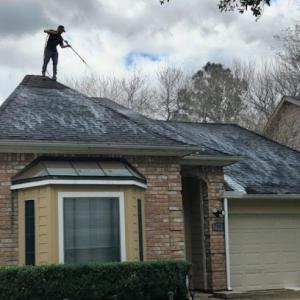
Brenham Roof
Brenham, TX
5.0 from 3 reviews
Committed to roofing excellence, we are roofing contractors of high choice, offering the highest quality. As a local business with deep roots in the community, we work hard to ensure our friends and neighbors receive the best service possible.
Ai Roofing
(281) 410-5714 www.airoofingtech.com
Serving
5.0 from 25 reviews
At Ai Roofing Technologies, we combine over 25 years of hands-on roofing experience with AI-driven inspection technology to give homeowners a clearer picture of their roof’s condition. Our evaluations are accurate, transparent, and free of sales pressure, so you can make informed decisions with confidence. From quality repairs to full roof replacements, our team provides honest guidance and reliable service you can trust.
PPB Roofing + Patios
(832) 386-9606 primepropertybuilders.com
Serving
5.0 from 43 reviews
Prime Property Builders (PPB), a family-owned local business, focused on top-tier Roofing and Patio solutions in the Houston area. Our passionate & professional team specializes in residential and commercial roofing. From residential homes to schools and large commercial buildings. We offer inspections, repairs, commercial coatings, full roof replacements. We install upgraded roofing systems for lasting protection, insurance savings, and certainty of quality work. We also design custom patios, paver tiles, and stone walkways tailored to your vision. With years of experience, we transform properties with high-quality, customized craftsmanship. Call Prime Property Builders today to schedule a consultation!

Summit Multiservices
(936) 228-9588 www.summittexas.net
Serving
5.0 from 3 reviews
Experienced and insured roofing and construction company providing services in the entire state of Texas. Residential and commercial - shingles, metal roofing, commercial coatings, remodels, additions, insurance claims and more! From the ground to the Summit, we have you covered.
In the Brenham area, asphalt shingles are especially vulnerable to hail bruising and granule loss after spring storms, followed by accelerated aging under long hot summers. Shingle surfaces can look intact from the ground while the underlying granules have been knocked loose, inviting accelerated UV degradation and premature curling at the edges. Small granule losses may seem cosmetic, but they offer a pathway for moisture to reach the lower layers, especially during heavy spring rains. Inspect after a storm sequence with a careful eye: bruised panels, lifted tabs, or white chalky granules along gutters are red flags. If you can safely access the roof, run a close look along ridge lines and around vents, where impact damage often concentrates. Left unchecked, compromised shingles fail sooner, forcing faster replacement decisions that disrupt quiet summer weekends.
Metal roofs in this region perform well in heat, reflecting a portion of the sun and often providing a longer life if fasteners and flashing stay sealed. However, wind-driven rain during severe thunderstorms can loosen or loosened-fastener connections, lift flashing at penetrations, and loosen trim pieces that handle edge exposure. Over time, fastener heads may corrode or back out after repeated hail impacts, creating small leaks that are easy to overlook until the next storm stream tests the seal. When inspecting a metal roof, pay attention to raised edges around skylights, vents, and wall transitions, where water can exploit gaps. A quick check after a storm should include a felt-line check along drip edges and a scan for loose or missing trim, which, if neglected, invites rust and more pronounced water intrusion during the next round of storms.
Clay and concrete tile systems used around this area can be damaged by hail impact and by foot traffic during inspections or repairs, making post-storm access a local concern. Tiles are brittle, and a single hard hit can crack or delaminate beneath a seemingly intact surface. When inspecting, avoid walking on sunken or cracked tiles; instead use binoculars for distant assessment and reserve foot traffic for professional crews who can distribute weight properly. If a tile fractures, water may travel under the surface, finding micro-cracks in underlayment or decking. During post-storm checks, note any cracked, displaced, or cracked-near-edges tiles, particularly around eaves and overhangs where impact exposure is highest. Probing with a stiff tool from the roof face is discouraged-uneven loads can worsen breakage and compromise ballast or underlayment systems.
Storm-season patterns in this area tend to shepherd hail and wind across neighborhoods in a narrow window, making timely, careful inspections essential. The combination of hail bruising, heat-driven expansion, and foot traffic risk means that a cautious, staged approach to inspection is prudent. Start with a thorough exterior overview from ground level, then, if safe, proceed to roof checks focusing on exposed surfaces, flashings, and penetrations. When in doubt, engage a local roofing professional with experience in Central Texas weather to balance the need for timely assessment against the risk of further damage during the process.
In this area, installed cost ranges follow the typical Brenham economy: asphalt shingles run about $350 to $700 per square, metal roofs push $600 to $1200 per square, clay tile $1000 to $2500, concrete tile $900 to $1800, wood shingles or shakes $700 to $1300, and synthetic or composite shingles $700 to $1200 per square. These ranges reflect the mix of housing stock-from historic downtown homes with more complex tear-offs and matching requirements to newer houses where decking and flashing work can be more straightforward. If your roof is older, expect potential additional costs for decking review or careful material matching, especially on historic facades or intricate trim.
Storm-driven demand spikes after spring hail events can tighten contractor availability in Brenham and push scheduling pressure higher even when base material pricing has not changed. If a hail event hits late winter or early spring, you may see crews booking out weeks beyond the storm window, which can affect both timing and price. When planning, aim to secure a reputable contractor early in the season and have a clear plan for tarping, temporary protection, and access to your attic and interior needs. If you're facing back-to-back storms, prioritize emergency waterproofing and a documented assessment to support insurance coordination.
Costs in Brenham can vary with roof pitch and home style, especially where older homes near downtown require more careful tear-off, decking review, flashing work, or material matching than newer subdivisions. A steep pitch or complex dormers demands additional labor and safety measures, which can add to both labor and material costs. Historic homes may require specialty ridge caps, starter strips, and color-matching tiles or shingles, all of which influence the final price. For metal or tile installations on older structures, anticipate extra fastening, underlayment, or first-floor protection measures that can shift the total bill upward versus a standard ranch-style newer build.
Hail-driven damage often surfaces in the insurance claim process. Before filing, document the roof with clear photos of dented shingles, lifted granules, flashing gaps, and any interior signs of leaks. When possible, align the claim with a contractor's pre-scoped assessment so that the insurer can see a concrete plan for tear-off, decking inspection, and flashing replacement. You'll find that timing matters: insurers respond faster when you present a prepared, itemized sequence for repairs, especially if your roof is at a stage where delayed work could trigger further damage from upcoming spring storms.
Full reroofs in Brenham typically require a permit through the local building department rather than being handled informally. That means you and your contractor need to align on the permit application early in the process, even if your project seems straightforward. A permit helps ensure the work aligns with local building codes, drainage requirements, and wind-resistance standards that are important after hail-driven damage. When conversations start, confirm who is responsible for pulling the permit, who will store and display the permit card on-site, and what documents the department expects-copy of the contractor's license, proof of insurance, and a project scope that clearly lists tear-off, disposal, and ventilation details. In practice, this means scheduling a short lead time for paperwork and a shared calendar with your contractor so nothing slips through the cracks.
The city generally conducts inspections at rough-in and final stages, so reroof schedules need to be coordinated around inspection availability. Rough-in inspection typically occurs after any roof deck work is complete but before the new underlayment and flashing are sealed in; final inspection happens after the entire roof system is installed and all penetrations are sealed and flashing is properly integrated. Because Brenham's storm season can compress the window for repairs, it's smart to set tentative inspection dates with the inspector early and build a buffer for weather delays. Your contractor should request the inspections promptly to avoid last-minute rescheduling, and you should keep a visible on-site board with permit numbers and inspection tags so everyone is aligned on what's been approved.
Storms drive urgent repairs, but approvals and sequencing require patience and planning. Do not start tear-off before permit issuance and inspection sequencing are confirmed. In practical terms, this means you don't remove roofing material until the permit is issued and the rough-in inspection is scheduled or completed as required. If hail damage is substantial, coordinate with the contractor to stage work in a way that preserves your home's interior and keeps water out during any unavoidable delay between permit issuance and the first inspection. Ask your contractor to provide a realistic timeline that accounts for possible weather interruptions and the city's inspection calendar, so you're not caught with an open roof during a downpour.
Communication is key. Confirm the permit withdrawal process, any required notifications, and how changes to the project scope affect approvals. If the permiting office asks for displacement calculations, venting details, or specific product comparisons, have those ready or clearly identified for your contractor to supply. By staying proactive-recording permit numbers, inspection dates, and confirmation of each approval-you streamline the reroof and reduce the risk of delays, ensuring the project progresses smoothly through Brenham's local system.
In this part of Central Texas, hail and wind are not rare visitors, and the impact shows up in how insurance companies price and underwrite roof claims. The broader Texas insurance market has kept a careful eye on storm frequency, and that means deductible levels, premium adjustments, and even the willingness to renew coverage can shift after a severe season. When a big hail year comes through, you may notice a tightening of terms or a sharper focus on how a roof claim is documented. This is not a scare tactic-it's the practical consequence of lived weather in the Brenham area, where roofs endure hotter summers and sudden thunderstorm bursts that can batter shingles and flashings.
Cosmetic damage, matching issues, and the age of the roof can influence how policy terms apply after a storm. Some carriers will scrutinize whether minor, surface-level dents or granule loss will be treated as an eligible claim or as wear-and-tear, and they may have rules about matching across the entire roof. Before storm season arrives, sit down with the policy language or your agent to verify whether those factors could affect coverage or deductible handling on a Brenham roof. If the roof uses older or mixed materials, confirm how a partial claim would be treated and whether a full replacement might be required to avoid coverage gaps.
When a storm hits this area, the type and precision of your documentation can determine how smoothly a claim moves through adjuster review. Keep inspection reports on file, and capture close-up photos of slopes, soft metals, and any visible damage tied to the exact storm date. Written notes that reference the storm date, the conditions observed, and any temporary safeguards you implemented are valuable when filing in the Brenham market. If you have records of prior repairs or patchwork, collect those receipts as well. A thorough, well-dated file helps you tell the story clearly, reduces back-and-forth, and aligns expectations with what the carrier may approve under your policy.
In neighborhoods with brick and clapboard facades near the historic core, reroofing presents challenges that aren't as common in newer subdivisions. The goal is to preserve architectural character while ensuring long-term performance under Central Texas storms. On many of these homes, the roofline, dormers, and decorative features require careful planning so that the new covering respects existing details and proportions. This means not only selecting a material that looks right but also coordinating with how the original structure breathes and sheds water.
Older homes often have rooflines, eave projects, and fascia decisions that were standard before modern underlayment and ventilation practices. When replacing shingles or tiles, look for options that maintain the visual rhythm of the original roof. Wood-look or tile-look alternatives can provide a compatible appearance without disguising the line between historic preservation and contemporary performance. If a home has a distinctive cornice or decorative eave, ensure the new system can reproduce the same shadow lines and setback from the walls. The goal is a seamless upgrade that honors the house's character while delivering weather resistance.
Pre-installation evaluations should pay close attention to decking condition, especially where decking may have settled, water-stained, or warped over decades. In homes with historic framing, it's common to encounter aged plywood or planks that need reinforcement before new shingles or tiles go on. Ventilation upgrades often become necessary to prevent heat buildup and moisture issues in attic spaces that were never wired or vented as efficiently as today's standards. Flashing details around chimneys, skylights, and curved or stepped roof sections require precise matching to prevent leaks while preserving the roof's profile. Plan for additional flashing that respects original transitions without sacrificing reliability.
Site-specific appearance often guides material choice more than pure performance metrics. Wood-tone or tile-look shingles and synthetic options can replicate the historic aesthetic while offering modern wind and impact resistance. In historic neighborhoods, selecting materials that harmonize with neighboring roofs helps maintain neighborhood cohesion and property value. Consider color, texture, and edge detail in relation to trim, brickwork, and masonry-tiny choices here can keep the home from looking mismatched after reroofing.
Spring in Brenham brings hail risk and severe thunderstorms, which can both create damage and delay active jobs with sudden weather interruptions. Plan inspections and material deliveries for early in the season, then expect possible weather holds as storms roll through. If hail has touched the roof, schedule repairs promptly but avoid working during a thunderstorm or when wind gusts are high. Clear communication with homeowners about alternate interior work and tarp safety helps keep a project moving when storms surprise you.
Summer roof work in Brenham is slowed by high heat and afternoon thunderstorms, affecting crew productivity, shingle handling, and safe work hours. Schedule the most physically demanding tasks for cooler mornings, and target material installation before the steep heat of the day. Use shaded staging areas and frequent hydration breaks to protect crew health. If an afternoon storm approaches, secure loose materials and pause roof work to avoid shingle damage and unsafe conditions.
Autumn humidity and rain can still interrupt jobs, while lingering heat early in the season can push projects into tighter timelines. Monitor forecasts for passing fronts and plan resealing or underlayment work for drier windows. Keep gutters clear and skylights protected when storms move through, and communicate with homeowners about potential short delays caused by wet decking or windy corners.
Winter cold fronts and occasional freezing temperatures may pause certain roofing tasks even though winters are generally mild. Freeze-thaw cycles can delay decking work and adhesive-based tasks. Target moisture-sensitive steps first during milder spells, then pause exterior work if temperatures approach freezing or if sleet and ice threaten safety. Maintain a steady cadence by using indoor tasks or material consolidation when outdoor conditions become challenging.