
Last updated: Apr 19, 2026
This neighborhood in Cedar Park sits in the Central Texas hail-and-thunderstorm pattern that makes spring the highest-risk period for impact damage and claim activity. Hot sun compounds shingle brittleness, while sudden spring storms can pelt roofs with peppered hail. When your area sees a spike in claims, the workload for local crews and adjusters surges quickly, and reputable contractors can flip from routine repairs to full replacement in a matter of days. Stay vigilant: after a severe event, every quiet afternoon is a chance for a rushed schedule to take hold.
Local contractor signals heavily cluster around storm damage and insurance claims, showing that hail-related roof work is a dominant homeowner need in this city. After a big spring storm, expect contractors to book up fast and to face supply constraints as crews shift from one subdivision to the next. If your roof has visible dents, granule loss, or damaged flashing, document it promptly. Do not wait for a formal insurance evaluation to start the inspection process; delaying can push your replacement window into peak demand weeks, making material delivery and crew availability tighter.
After major spring storms, replacement schedules can tighten quickly across Cedar Park and the broader north Austin market, affecting material lead times and start dates. Affected neighborhoods see multiple homes vying for the same high-demand roofers and the same batch of shingles and underlayment. If your claim hinges on weather-related delays or permit windows, you may face compressed timelines. Begin proactive planning the moment the storm passes: line up a trusted local roofer, confirm inspection readiness, and align on a realistic start timeframe that accounts for potential backlog.
In this market, thorough documentation changes the odds of a smooth claim. Take clear photos of every affected area from multiple angles, both with and without a measuring tape for scale. Keep a dated record of hail sizes you witnessed and any neighborhood damage you notice on adjacent homes-this helps establish scope and severity if the adjuster questions your claim. Gather prior roof records, maintenance notes, and any past hail fixes. Share all findings with your contractor and insurer promptly to prevent miscommunications that slow the process.
If a storm just hit, flag urgent items: risk of leaks, exposed decking, and compromised ventilation. Request on-site evaluations within 48 hours where possible, and confirm a firm schedule in writing. Ask for a named project lead and a timeline that locks in supply and labor windows, recognizing that Cedar Park crews often juggle multiple storm-impacted addresses in quick succession. Staying proactive and organized helps you navigate the storm-driven demand spikes that define spring here.
Find local contractors experienced in assessing and restoring roofs after hail, wind, and severe weather events.
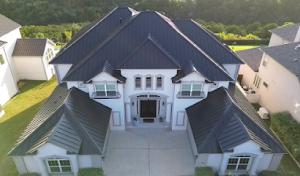
The Roof Joker
1464 E Whitestone Blvd Suite 2201, Cedar Park, Texas
5.0 from 482 reviews
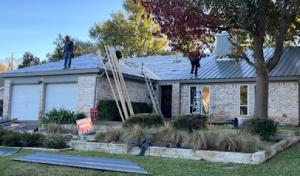
Windham Roofing
(512) 446-3979 www.windhamroofing.net
2020 N Bell Blvd Bldg. 5, Suite F, Cedar Park, Texas
4.9 from 73 reviews
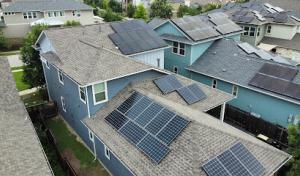
Malachi Roofing
(512) 996-0255 www.malachiroofing.com
600 S Bell Blvd Suite 212, Cedar Park, Texas
4.9 from 133 reviews
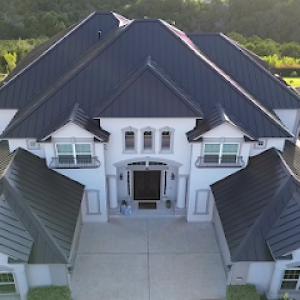
The Roof Joker
1464 E Whitestone Blvd Suite 2201, Cedar Park, Texas
5.0 from 482 reviews
Austin's Best Roofing Company. We are the best roofing company with over 13 years of experience servicing thousands of customers in the Austin metro area We offer expert roof repair and replacement services for the Austin metro and surrounding areas.
Windham Roofing
(512) 446-3979 www.windhamroofing.net
2020 N Bell Blvd Bldg. 5, Suite F, Cedar Park, Texas
4.9 from 73 reviews
As an insured roofing contractor, Windham Roofing stands out as a beacon of trust and reliability in the roofing industry. Our credentials are a testament to our commitment to providing safe, professional, and high-quality services to our clients.
Malachi Roofing
(512) 996-0255 www.malachiroofing.com
600 S Bell Blvd Suite 212, Cedar Park, Texas
4.9 from 133 reviews
Malachi Roofing has proudly served Cedar Park, Austin, and surrounding Texas communities since 2004. Our GAF-certified team specializes in roof repair, roof replacement, and roof maintenance for both residential and commercial properties. We’re trusted by homeowners and businesses alike to deliver lasting solutions with honesty and quality workmanship. Whether you need storm damage repairs, insurance claim assistance, or a free roof assessment, our experts are here to protect your investment. Locally owned and operated, Malachi Roofing treats every home as if it were our own, because integrity is at the heart of everything we do!
Austin Roof Specialists
(512) 817-1877 austinroofspecialists.com
2401 W Whitestone Blvd, Cedar Park, Texas
5.0 from 39 reviews
Austin Roof Specialists is a BBB A+ Austin roofing company serving Austin, TX, and surrounding areas. We perform roof repair, replacement, and other roofing services on all types of roofs.
Waypoint Roofing: Austin Roofing Company
1205 Bmc Dr, Cedar Park, Texas
5.0 from 36 reviews
Trusted local roofing specialists offer high-quality roof replacements, dependable repairs, and expert storm damage solutions. We use premium materials and ensure clear, honest communication from inspection to final walkthrough. We proudly serve Austin homeowners with reliable service and long-lasting results that they can trust.

Heritage Roofing & Construction Company - Cedar Park
(512) 528-5559 heritagecctx.com
2901 Caballo Ranch Blvd Ste 2c, Cedar Park, Texas
4.6 from 508 reviews
Since 2011, Heritage Roofing & Construction Company - Cedar Park has been safeguarding homes across Cedar Park and the greater Austin area with superior residential roofing solutions. With over three decades of experience, their skilled team understands the challenges of Texas weather, offering expertise that ensures your home remains protected. From minor repairs to complete roof replacements, they handle every aspect of residential roofing. Heritage Roofing provides meticulous roof inspections and customized plans to revitalize your home's defense against the elements, delivering both lasting peace of mind and reliable shelter.
Remedy Roofing
(512) 791-6695 www.remedyroofing.com
3600 W Whitestone Blvd, Cedar Park, Texas
4.8 from 106 reviews
Remedy Roofing is an award-winning GAF MasterElite roofing company serving residential & commercial customers across the state of Texas. Call us today for a free roof inspection!
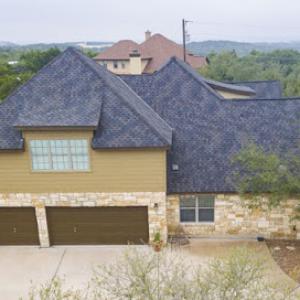
TurnKey Roofing Of Texas
(512) 528-6044 www.chooseturnkeytx.com
Cedar Park, Texas
4.8 from 34 reviews
TurnKey Roofing of Texas is the top choice Austin roofing company, for both residential and commercial work. We are able to exceed industry standards for installation, repairs, inspection, and replacement work. Locals can also rely on us for the best in siding, gutters, and even painting. Plus, we are the go-to team for storm damage repairs.
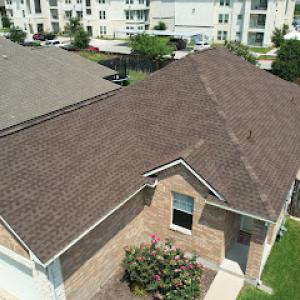
Busse Roofing - Affordable Roofing Services in Cedar Park, TX
(512) 305-3802 www.busseroofing.com
818 Arrowhead Trail, Cedar Park, Texas
4.8 from 25 reviews
Busse Roofing is dedicated to providing excellent customer service, crucial support for insurance claims, and a quality roof. Whether you've just had significant storm damage or want to explore options, we will help you protect your home, family and we treat your roof as if it were our own. Busse Roofing is locally owned and operated, certified and insured! Our professional roofing crew is detail-oriented and customer-focused. Our team also meets industry training standards to provide the highest quality roofing services in the Texas Capitol Region. A percentage of every roof build is donated to local animal shelters, military organizations and St. Judes, which means our customers are also making a difference in the lives of many.
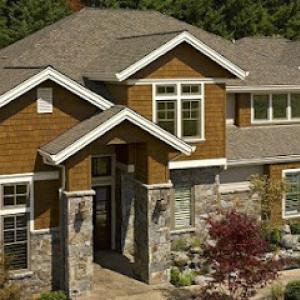
First Quality Contractors
(512) 696-2374 firstqualitycontractors.net
1320 Arrow Point Dr UNIT 501, Cedar Park, Texas
4.9 from 15 reviews
Gary brought together the best in the business to create his dream. Though he takes pride in all aspects of roofing, working and living in Austin, he has a passion for quick, efficient, and transparent repairs to storm damaged homes.
Home Services Near Me
(512) 709-6484 homeservicesnearme.io
2009 Burnie Bishop Pl Suite 100, Cedar Park, Texas
5.0 from 11 reviews
Home Services Near Me is the most trusted residential roofing contractor involving home or property insurance claims in Austin Texas. Regardless of your roofing needs, a roof repair or complete roof replacement, our unsurpassed expertise, quality, and customer service keep our customers coming back.

Water Damage & Roofing Cedar Park
(512) 566-5510 cedarparkroofingandwaterdamage.com
305 Spanish Mustang Dr, Cedar Park, Texas
4.6 from 21 reviews
Water Damage and Roofing of Cedar Park is a Cedar Park roofing company that has been serving the Cedar Park area. We have been providing roofing services for homeowners and businesses, including water damage and restoration, roof repair and replacement services, roof inspection, and much more. Our goal is to provide high-quality service at an affordable price. Our licensed contractors are experts in their fields and have years of experience providing quality workmanship on every job we take. We treat each customer as part of our family and go out of our way to ensure that each customer is completely satisfied with our work. Contact us today if you have experienced water damage or need a new roof installation in the Cedar Park area.
Asphalt shingles dominate replacements here, and for good reason: they're familiar, affordable, and fast to install. In the hot Central Texas summer, sun-exposed slopes take a heavy beating. The granules wear off faster under relentless solar exposure, and curling can start on edges where heat concentrates. When you're evaluating a Cedar Park roof, check shingles on the south and west-facing planes first, since those get the most sun. Consider architectural or laminated shingles with better UV resistance and granule retention for longer life on those forgiving, high-heat days. If you're replacing after a spring hail event, ensure the underlayment and roof deck have a clean, dry starting point so the asphalt layer can seal well and resist heat-driven aging. Routine inspections after scorching summers help catch early edge curling before it propagates.
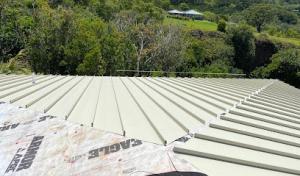
Metal has meaningful traction locally because it handles intense solar exposure well and remains relevant in a market balancing hail resistance, longevity, and energy concerns. A metal roof reflects more sun than traditional shingles, which can translate to cooler attic temps and a chance to reduce cooling loads on hot days. For Cedar Park homes, choose a profile with sufficient slope to shed afternoon storms and hail without compromising panel integrity. The coating matters: a high-quality polymer or silicone finish resists chalking and fading in bright sun. If hail is a concern in your neighborhood, metal often provides a quicker, cleaner repair path since individual damaged panels can be replaced with minimal roof disturbances on some systems. When you're planning a metal upgrade, inspect fasteners and flashing regularly, because sun-driven expansion and contraction can loosen seal points over time.
Clay and concrete tile appear in parts of higher-end housing stock, but hail impacts, underlayment aging, and the need for tile-matching repairs make these systems more specialized locally. Tiles resist heat well and can produce distinctive curb appeal, yet they're heavier and require a solid, well-supported deck. In spring storm seasons, intact underlayment matters since broken tiles create open routes for water and can expose underlayment to rapid heat-driven deterioration. If you're considering tile, verify the existing roof deck capacity, ensure proper nailing patterns for wind and hail, and plan for color and texture matching across any future repairs. Tile roofs benefit from a proactive maintenance plan, because replacing a single tile or re-grouting gaps with color-matched materials helps preserve the overall look and protection.
In this market, color and material continuity across recent upgrades is a practical concern. Cedar Park homes often sit on varied inventory-older structures joined with newer upgrades-so plan for possible look-alike repairs rather than exact matches in the unlikely event of tile or shingle discontinuity. After spring hail, prioritize documentation and scheduling before demand spikes push lead times up. A proactive approach to inspection-especially on east- and west-facing elevations-helps you choose a roof type that harmonizes with the home's age, the attic ventilation, and the local sun exposure pattern.
Explore specialists in steel, aluminum, and standing seam metal roofs built to last 50 years or more.
Windham Roofing
(512) 446-3979 www.windhamroofing.net
2020 N Bell Blvd Bldg. 5, Suite F, Cedar Park, Texas
4.9 from 73 reviews
Austin Roof Specialists
(512) 817-1877 austinroofspecialists.com
2401 W Whitestone Blvd, Cedar Park, Texas
5.0 from 39 reviews
Busse Roofing - Affordable Roofing Services in Cedar Park, TX
(512) 305-3802 www.busseroofing.com
818 Arrowhead Trail, Cedar Park, Texas
4.8 from 25 reviews
In this market, a full roof replacement is typically treated as a permitted project rather than a no-permit maintenance item. A building permit is usually required for the work, aligning with Cedar Park's approach to inspections and storm-driven upgrades. The permit process is not something you chase on your own from the back of a storefront; it is usually handled by the contractor, who submits the application, coordinates inspections, and ensures the work meets current code and local amendments. This matters more than ever when insurance-driven projects cluster after a hail event, where timing can pressure homeowners to accelerate approvals or overlook details.
Before any shingle or underlayment starts coming off, verify with your roofer that the permit is in place and active. The City of Cedar Park typically issues permits once the contractor has filed the correct documents, including project scope, material specifications, and structural considerations. If inspections are scheduled around storm-related replacements, having that permit lined up in advance can prevent delays that cascade into missed deadlines for insurance claim timelines or wind mitigation cutoffs.
Once a permit is secured, inspections unfold in stages. The first major milestone is the rough-in inspection, often conducted after the new roof deck and underlayment are installed but before the final coverings go on. This check verifies that the roof deck is sound, the underlayment is properly applied, and transits or penetrations for vents, plumbing, and other penetrations meet code. In a Cedar Park climate, the rough-in review can also touch on how the roof interfaces with attic ventilation and vent openings, ensuring there is adequate airflow to reduce heat buildup and moisture risk under hot Central Texas summers.
The final inspection is scheduled after the roof coverings, flashing, and all accessories are in place. This inspection confirms that the installed system conforms to the approved plan and meets general safety standards. Depending on the project's scope, the inspector may request additional checks focused on wind mitigation features. If the replacement includes enhancements like upgraded attic ventilation, stronger roof-to-wall connections, or specific nailing patterns that reduce uplift, those aspects may be reviewed during the final inspection. The inspector's notes will guide any required corrections or documentation that must be addressed before the permit is closed.
During construction, stay in close communication with the contractor about inspection windows and any city-initiated holdbacks, especially after a hail event when crews are moving quickly through multiple properties. If the project includes alterations to ventilation, you may be asked to provide or confirm attic access for the inspector, or to demonstrate evidence of proper attic ventilation during the final review. Keep copies of all permit-related documents, inspection approvals, and any wind-mitigation or specialty checks as part of your home's permanent records. This becomes particularly useful when filing insurance claims or evaluating warranty coverage after the job is complete. Remember: the permit and inspections are not bureaucratic hurdles but safeguards that help ensure a durable, code-compliant roof that stands up to Cedar Park's climate and storm patterns.
In Cedar Park, pricing tends to follow the published ranges by material, with a noticeable shift after hail events when regional demand spikes across the Austin metro. Asphalt Shingles generally fall in the low-to-mid range, around 350 to 700 USD per square. Metal Roofing moves higher, roughly 700 to 1,200 USD per square, reflecting labor and fastener complexity on steeper Weathers by design. Clay Tile and Concrete Tile come in well above asphalt, typically about 1,100 to 1,800 USD per square for clay and 900 to 1,500 USD for concrete, driven by specialty underlayment, tile cutting, and broken- tile handling. Wood Shingles or Shakes run about 700 to 1,200 USD per square, while Synthetic or Composite Shingles sit around 600 to 1,000 USD per square, offering a lighter substitute in some neighborhoods. These figures are useful as guardrails, but the actual final number often climbs when hail-driven demand surges coincide with hot Texas summers.
Steeper suburban rooflines, multi-plane designs, and tile details common in newer neighborhoods add labor time beyond simple low-complexity roofs. Expect crews to spend more hours on edge work, valley transitions, and ridgeline detailing, which can push overall cost above the basic per-square ranges. In practice, a roof with multiple angles and high-end tile features will move toward the upper end of its material range, sometimes by a notable margin, especially if the project includes additional accessories or high-wind upgrades.
Summer heat reduces crew productivity and compresses safe working hours, which can influence labor scheduling and total project cost in peak season. If a project starts during the hottest weeks, there may be tighter windows for roofing work, increased need for shaded breaks, and potential overtime to stay on schedule. This often translates into a modest premium on labor, even when material costs stay within the standard per-square ranges.
Use the per-square ranges as your baseline, but be prepared for investment increases after hail events when demand spikes and local crews book out. Factor in roof complexity and summer scheduling to estimate a realistic total, and coordinate with your contractor about peak-season timing and how it could affect both crew hours and completion dates.
Don't let upfront costs delay a critical repair - these contractors offer payment plans to fit your budget.
Heritage Roofing & Construction Company - Cedar Park
(512) 528-5559 heritagecctx.com
2901 Caballo Ranch Blvd Ste 2c, Cedar Park, Texas
4.6 from 508 reviews

Texas insurers commonly process Cedar Park hail and wind losses through photo documentation and adjuster review, making early evidence collection especially important after spring storms. That means you should start documenting as soon as you can-photos of any dented shingles, damaged vent flashing, granule loss in gutters, and interior signs of water intrusion. The time window between hail events and the adjuster's visit matters, so organize a concise photo log with dates and weather notes. This local pattern also means your claim may move more on the strength of visuals than on lengthy explanations, so clarity and completeness in those images is your best ally.
Because this is a hail-claim market, some carriers may scrutinize storm-season roof claims more closely, especially when filing occurs after widespread regional weather events. Expect questions about the timeline of damage, prior known issues, and whether pre-storm maintenance might have influenced results. A careful, orderly file helps you avoid a drawn-out process or unexpected deductibles being applied later. If possible, align your documentation with a simple narrative: when damage first appeared, how it progressed, and when you sought professional opinions. Independent roof evaluations that reference visible storm-related damage can support your timeline and reduce back-and-forth with adjusters.
State-level wind and hail risk pressures in Texas influence deductibles, claim handling, and replacement timing decisions for Cedar Park homeowners. High-wazard seasons tend to compress the decision window between assessment and replacement, and insurers may push for quicker conclusions when multiple homes in the area report similar damage. Understand that your insurer may pair their review with regional claims data, which can affect coverage decisions, settlement speed, and the recommended path for restoration. Having a credible, organized file ahead of the first adjuster visit helps ensure your roof health is evaluated on the actual condition rather than on assumptions tied to the broader market conditions.
Connect with contractors who help homeowners navigate the claims process from damage assessment to final approval.
The Roof Joker
1464 E Whitestone Blvd Suite 2201, Cedar Park, Texas
5.0 from 482 reviews
Windham Roofing
(512) 446-3979 www.windhamroofing.net
2020 N Bell Blvd Bldg. 5, Suite F, Cedar Park, Texas
4.9 from 73 reviews
Malachi Roofing
(512) 996-0255 www.malachiroofing.com
600 S Bell Blvd Suite 212, Cedar Park, Texas
4.9 from 133 reviews
Cedar Park's long hot season makes attic heat buildup a practical roof-life issue, not just a comfort issue, especially under dark asphalt systems. In attics with poor airflow, heat can accelerate shingle aging, warp decking, and intensify daytime temperature swings that stress underlayment and fasteners. That is true whether the home is a newer build or a mid-1990s ranch with a shallow attic. The result is faster granule loss, more frequent felt or underlayment wear, and a greater chance of heat-related condensation during cooler nights if ventilation isn't robust enough.
City inspection notes indicate attic ventilation may be reviewed on some projects, so ventilation upgrades can become part of a full replacement conversation locally. When you're replacing, plan for a balanced approach: increase intake at soffits and exhaust through vents or roof ridge to create continuous air movement. In a high-heat climate, ridge vents paired with attic baffles can make a meaningful difference in temperatures hovering over the deck. If a replacement is being discussed due to storm damage or aging shingles, bring ventilation questions to the table early-you'll uncover practical options that fit your roof's pitch and attic geometry.
Extended summer heat in Central Texas affects both shingle aging and installation conditions, making ventilation and underlayment choices more consequential here than in cooler climates. When crews work during hot periods, they'll prefer early-morning sessions and protective storage for materials to prevent warping. For homeowners, ask about attic access during installation, confirm batten spacing and underlayment alignment, and ensure temporary cooling measures are considered so roofing components set correctly. A well-ventilated attic environment supports both the longevity of the shingles and the reliability of the installation, reducing the risk of heat-induced issues once the project is complete.
Spring hail and thunderstorms can slam Cedar Park roofs with sudden leaks long before full replacement crews are on site. When a storm hits, you may find water intruding around vents, dormers, or along the eaves. The immediate step is to tarp exposed areas to protect the interior and prevent further damage while you line up an experienced local roofer who can address penetrations, flashing, and the worst drips as quickly as possible. Time is your most valuable ally after a storm.
Skylight work has meaningful local contractor presence, which means penetrations and flashing details are a frequent repair focus here. If you notice condensation, interior staining, or irregular frost lines near skylights after a storm, treat it as a sign that flashing or sealant around the skylight has weakened. Schedule a focused inspection to verify flashing integrity, sealant longevity, and the surrounding roof plane, since small failures there often lead to larger leaks after the next Cedar Park rain.
Fall wind events and storm debris can worsen already-weakened flashing, ridge, and penetration details on Cedar Park roofs. Loose granules, lifted shingles, or displaced vents signal spots where wind-driven debris has exploited vulnerable seams. Have a qualified crew reassess these areas promptly after extensions of storm season, and prioritize targeted repairs to restore the roof's protective envelope before winter storms begin.
When you can't wait, these contractors offer fast response times to stop leaks and prevent further damage.
Malachi Roofing
(512) 996-0255 www.malachiroofing.com
600 S Bell Blvd Suite 212, Cedar Park, Texas
4.9 from 133 reviews
In a city with heavy storm-response activity, workmanship follow-through matters because many roofs are replaced quickly during high-demand periods. A true manufacturer-backed warranty can deliver long-term, material-specific protection, but it hinges on proper installation and adherence to climate-related conditions. Basic labor promises, while common, may not hold up if hail-related impacts later reveal underlying issues or if workmanship is inconsistent due to the rapid pace of nearby storm repairs. Before selecting a contract, verify exactly what the warranty covers, how long coverage lasts, and whether it remains valid if subcontractors are used.
Warranty-offered contractors are present in Cedar Park, but they are a smaller subset than the broader storm-repair market, so homeowners should distinguish manufacturer-backed coverage from basic labor promises. A reliable plan should outline applicability to hail damage, manufacturer defects, and the required maintenance steps to keep coverage active. Look for explicit language about wind resistance, underlayment integrity, and the roof's ability to perform under Central Texas sun. If a document seems vague on these points, treat it as a red flag and seek clarification before signing.
The local market's mix of long-established, family-owned, and quick-response firms makes warranty clarity especially important when comparing bids after hail events. Long-standing crews may emphasize careful, code-driven installations that sustain warranty terms, while faster outfits might offset costs with limited-duration or conditional coverage. When reviewing bids, ask how each contractor plans to honor warranty obligations if a storm-repaired section reveals latent issues after a few seasons. Document expected response times, inspection schedules, and the process for addressing post-installation concerns under the warranty.
Make sure the contract specifies who is responsible for materials and workmanship, and request a written photos-and-inspection plan for the first year. If hail claims are involved, ensure the warranty terms address claim-repair cycles and any impact on coverage if elements are replaced by different brands or subcontractors. Keep all paperwork, including manufacturer contact information, installation dates, and inspection notes, in a dedicated folder. A clear, well-structured warranty helps you navigate Cedar Park's storm-driven cycles with confidence.
In this community, projects that blend roofing with solar or that feature flat or low-slope sections sit alongside the more common pitched asphalt and tile work. Solar-integrated roofing appears in Cedar Park but remains a niche specialty compared with mainstream storm and shingle work. The mix of Central Texas sun, spring hail claims, and busy storm-driven demand means these cases often show up during activity spikes but require careful planning to avoid headaches later on.
Solar components in this market are most successful when the roof is prepared for a tight integration with the existing slope and drainage plan. You will encounter homes where the solar array sits flush with the shingle or tile line, or where a standing-seam approach is chosen for greater durability. The key practical step is to map out flashing transitions where the solar mounts meet the roof surface, because later roof work can complicate resealing, warranty coverage, or future panel replacements. Expect to coordinate with both the roofing crew and the solar installer so penetrations are coordinated, not layered on top of each other. In neighborhoods with hot sun and high sun exposure, shaded modules can underperform, so consider orientation, shade from mature trees, and seasonal sun paths in the planning phase.
Flat and low-slope roofing exists in the local market but is far less prevalent than pitched residential re-roofing. When encountered, these sections require a different set of detailing skills, especially around drainage, edge termination, and transition to the main slope. Storm-driven damage on these surfaces can present as ponding or puncture points that behave differently than on steeper roofs. A practical approach is to insist on a detailed drainage assessment and to verify that the chosen low-slope system can integrate with the surrounding pitched roof without creating insulation traps or condensation risks.
These projects need specialized coordination because storm damage, penetrations, and drainage details differ from the city's more common sloped asphalt and tile systems. Expect tighter scheduling around insurance documentation and post-storm inspection cycles, and confirm that the crew has hands-on experience with both the selected low-slope solution and its interface with standard shingles or tiles. Clear communication about flashing, drip edge, and transition seams helps ensure a durable result that withstands Cedar Park's spring hail events.
Find contractors who integrate solar panels or solar shingles into your roof for long-term energy savings.
Heritage Roofing & Construction Company - Cedar Park
(512) 528-5559 heritagecctx.com
2901 Caballo Ranch Blvd Ste 2c, Cedar Park, Texas
4.6 from 508 reviews
Dayton Co. Roofing & Renovation
(512) 203-0417 daytoncontractingaustin.com
Serving
5.0 from 180 reviews
Cedar Park blends Austin-area suburban growth with Central Texas heat and hail exposure, creating a roofing market where replacement timing follows storm activity and hot summer stress more than winter freeze cycles. After a spring hail event, you'll notice an uptick in quick inspections, claims, and urgency to pull a permit window closed before the next round of storms. The heat accelerates aging on all roof types, especially under fast-desert sun where granules erode and sealants soften, inviting accelerated wear between major hail events.
The city's dominant roof mix spans asphalt, metal, tile, wood, and composites, but decisions after wind- and hail-driven damage are strongly influenced by the risk profile of hail and the relentless Texas sun. Asphalt shingles may blister and shed granules faster than metal or tile in this climate, while clay and concrete tiles can crack under hail but offer long-term resilience against heat. Homeowners commonly weigh the likelihood of future hail impact, wind-driven debris, and the efficiency of cooling under bright skies when choosing a replacement path.
Local homeowners often face the practical question of whether to repair after a storm or move directly to full replacement under permit. If a few shingles or flashing components are damaged but the underlayment and deck remain sound, a targeted repair may buy time. However, in a region where severe hail can compromise multiple roof planes quickly, many choose full replacement to restore complete coverage, ensure consistent attic ventilation, and align with insurance documentation needs for a seamless claim process. The decision hinges on damage extent, roof age, and the expected performance through the next storm season.