
Last updated: Apr 19, 2026
Central Texas hail and wind events create unusually high roofing claim activity in Austin compared with many non-hail markets. That means after every big storm, your roof is under the microscope of adjusters, engineers, and sometimes even city inspectors who are trained to look for older roof vulnerabilities that newer roofs might not show yet. The key here is proactive readiness: if a severe hail event hits, assume your roof will be under review, and the timeline will hinge on weather gaps and how quickly crews can stage a tear-off without getting soaked by the next wave of storms.
Reroof schedules in this city bunch into drier periods because spring thunderstorms and intermittent rain can delay tear-off, dry-in, and inspection timing. When you see a storm front roll through, it is not just the rain that slows you down-it's the risk of slip hazards, pooling water on deck runs, and the drying time needed for underlayment and flashing work. Contractors will tell you that the window to complete a full tear-off, install, and pass final inspection tightens quickly after a hail event; missed dry days can push you into another storm cycle, inviting more delays and potential weather-related setbacks.
Detailed photo documentation matters locally because adjuster visits are common after Austin-area storm events and carriers increasingly scrutinize older roofs. You should capture clear angles before any tarp or temporary cover is removed, then document every hail hit, lifted granule, or sunken shingle edge after each notable gust. Time-stamped shots from multiple angles save questions later about prior conditions and help prevent disputes over pre-existing damage. Make sure to photograph attic ventilation, flashing transitions, and any signs of water intrusion around penetrations, as those details are frequently flagged in claims reviews.
If a storm hits, call your insurer promptly to report potential hail damage and request an initial adjuster appointment within a few days, not weeks. Coordinate with your contractor to be ready for a rapid tear-off once the roof is deemed safe to expose. Keep a simple storm log: dates, measurements of hail size when you can estimate it, and any immediate leaks or interior water marks. In dry spells, push for a scheduling block that aligns tear-off and dry-in windows with the clearest forecast, because multiple days of sun and low humidity dramatically improve the odds of a clean, code-compliant installation without weather-driven interruptions.
Expect adjusters to favor documented, recent damage over older wear, so your photo log should emphasize recent hail impact areas, bent or displaced gutters, and any correlated attic signs of moisture. If a roof is already near the end of its life, be prepared for higher scrutiny and possible recommendations that prioritize structural integrity or ventilation improvements alongside cosmetic repairs. Stay in close contact with your contractor about storm-season bottlenecks and be ready to pivot to an alternative dry-in plan if a late cold front or a heavy wind event rearranges the schedule.
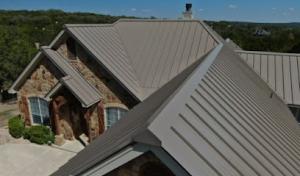
Austin's dominant residential reroof materials are asphalt shingles, metal roofing, clay tile, concrete tile, synthetic/composite shingles, and slate. Each option plays to different house profiles and budgets, but all share a need to perform under steady sun and sudden spring hail. Asphalt shingles remain the practical baseline for most homes, offering straightforward installation and reliable wind resistance when properly installed. Metal roofing provides strong hail resilience and fast cooling via reflective finishes, which helps during the long hot days. Clay and concrete tiles continue to fit higher-end stock, bringing distinct color and texture, but their weight and care with underlayment and ventilation demand attention during replacement. Synthetic/composite shingles try to blend durability with a lighter footprint, while slate stands out for longevity and curb appeal in premium homes-yet requires structural checks and careful handling when hail damage is present because of its weight and brittleness.
Hot, dry summers accelerate heat exposure on roof surfaces, making thermal performance and installation timing more important than in cooler markets. When planning reroofing, schedule during cooler shoulder seasons if possible, and avoid peak heat windows for adhesive-driven underlayment or asphalt sealants. In metal roofs, heat handling depends on panel color and coating; lighter, reflective finishes reduce attic heat gain and surface temperatures, aiding long-term performance. Tile roofs benefit from proper attic venting to balance indoor temperatures with roof surface conditions; ensure ventilation calculations align with the chosen tile system to prevent premature shingle or tile deterioration under high afternoon sun. For slate and concrete, verify that the existing structure can support the weight and that flashing details are upgraded to keep water out during intense spring storms.
Spring hail cycles in this climate require a careful approach to insurance documentation and repair sequencing. After a hail event, you may see both cosmetic and structural impacts across different roof types. Asphalt and synthetic shingles can conceal wind-lift or hail-delaminations if underlayment is compromised, so a close inspection of flashing and attic ventilation becomes essential during replacement. Metal roofs typically show denting but often maintain water integrity; still, flashing and sealant conditions matter for long-term performance. Tile roofs, especially clay or concrete, carry higher breakage risk during hail and can complicate repair logistics because broken tiles may require careful removal and matching. Slate presents similar challenges with weight and potential shattering, making the repair plan more complex and potentially longer in duration. In all cases, document hail damage thoroughly, keep photos of affected areas, and coordinate with a roofing contractor who understands Austin's storm cycle and the local installation nuances. If a re-roof is planned soon after a hail event, prioritize materials and configurations with proven impact resistance and compatible flashing details to ensure a durable seal through the next Texas storm season.
In this market, asphalt shingles sit in the familiar middle of the price band, roughly $350 to $550 per square. Metal roofs push higher, about $700 to $1200 per square, reflecting tougher wind and hail resistance and the need for precise panel integration. If clay tile is your plan, expect $1000 to $2000 per square, with concrete tile often running $900 to $1600 per square. Synthetic or composite shingles are a cost-friendly option at roughly $420 to $700 per square, while slate sits at the top end, from $1800 to $3000 per square. Those figures align with Austin's mix of hot sun, hail spring surges, and the demand for longer-lasting coverings.
Spring hail storms tighten contractor availability quickly. After a major hail event, scheduling becomes a bottleneck as crews swing into triage mode to handle insurance-approved replacements and storm-damage assessments. If your roof needs attention during peak claim periods, expect delays and potential price pressure driven by higher demand and freight or material shortages. Plan for a longer window between inspection, approval, and installation, and reserve some flexibility for weather-driven hold days.
Heavier tile or slate systems are common in the local market and can push the project into the higher end of the cost ranges. Heavier assemblies also influence the overall load on the structure and may drive needed framing or fastener adjustments. In neighborhoods where homes feature clay or concrete tile, a full reroof tends to be a multi-day effort with careful detailing around hips, ridges, and venting. On the other hand, synthetic shingles can deliver a more budget-friendly option with decent durability, especially when paired with modern underlayment and flashing.
Costs in this area can rise when city inspection corrections require return visits before final approval, which adds labor and scheduling friction to the total. If a homeowner leans toward upgrades like upgraded underlayment, continuous vents, or enhanced flashing, you'll see incremental bumps in the bottom line. For wind-prone zones and hail-prone seasons, many crews include enhanced fasteners and higher-grade underlayment as standard, which shifts the starting bids upward compared to more basic installations. Expect a measured, practical pace that balances weather windows, permit readiness, and the storm cycle that often defines spring work.
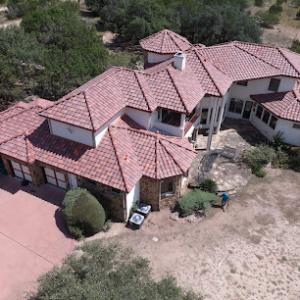
Lapeyre Roofing
(512) 877-3087 lapeyreroofing.com
215 Brazos St, Austin, Texas
5.0 from 236 reviews
Serving the greater Austin area, our experienced team delivers top-quality roof installations, repairs, and maintenance for both residential and commercial properties. We use premium materials, pay meticulous attention to every detail, and are dedicated to ensuring your complete satisfaction. Our specialty roof systems include: Slate, Concrete Tile, Clay Tile, Copper, TPO, Modified Bitumen, Cedar Shake, and Standing Seam. Choose Lapeyre Roofing for unparalleled craftsmanship, superior materials, and exceptional customer care. Let us safeguard your investment with Austin's most reliable roofing solutions. Contact us today to experience the Lapeyre difference and secure your investment with a roof designed to last.

Matthew Lorand Roofing
(512) 623-7407 matthewlorandroofing.com
7215 Chimney Corners, Austin, Texas
5.0 from 447 reviews
Since 1998, Matthew Lorand Roofing & Restoration has been Austin’s trusted, family‑owned residential roofing and construction company. With a foundation of honesty and integrity, we offer roof inspection, roof repair, full roof replacement (shingle, metal, tile), and emergency storm‑damage response (hail, wind). We specialize in insurance‑claim renovations, interior/exterior repairs, and new roof systems. Our services also include skylight installation/repair, gutter work, attic venting, solar attic fans, and general home remodeling. We provide free estimates and guide customers through the entire insurance‑claim process, backed by high‑quality materials and a full workmanship warranty.
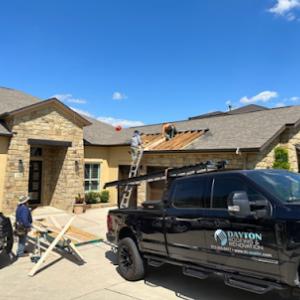
Dayton Co. Roofing & Renovation
(512) 203-0417 daytoncontractingaustin.com
13363 Pond Springs Rd, Austin, Texas
5.0 from 180 reviews
We are a family-owned roofing and renovation business (father, son, and son-in-law), serving Austin and surrounding areas like Cedar Park, Leander, Pflugerville, Round Rock, Georgetown, Lakeway, Steiner Ranch, Westlake, Rollingwood, and more. We treat every customer as part of our family, representing you in dealing with insurance and employing effective supplementing practices to ensure you receive full and proper coverage. Roofing can be tricky to navigate, so we explain every step and provide customized expert recommendations to maximize your value. As an Emerald Pro certified installer, we provide a 50-year manufacturer’s warranty on Malarkey roofing products. Call/text now for a free, thorough inspection with a written estimate.
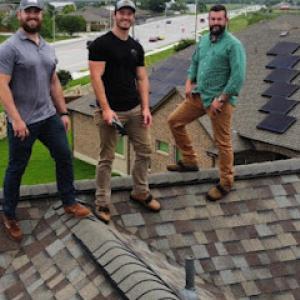
Quality Exteriors
(737) 308-2035 www.qualityexteriorsatx.com
2021 Guadalupe St Suite #260, Austin, Texas
5.0 from 406 reviews
For over two decades, Quality Exteriors has provided professional home services to the Central Texas community. Whether you need roof repairs, siding installations, a fresh coat of paint, or a custom fence, our experienced contractors will ensure a flawless outcome. We are committed to delivering high-quality workmanship using top-of-the-line materials. Contact us to schedule a free consultation and let us enhance the curb appeal of your property.
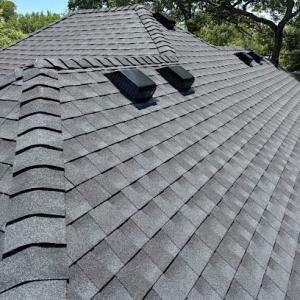
Falcon Roofing & Restoration
(512) 200-1539 falconroofingtexas.com
5900 Balcones Dr STE 14036, Austin, Texas
5.0 from 321 reviews
Falcon Roofing & Restoration is a veteran-owned roofing company proudly serving homeowners and businesses across Texas, including Austin, San Antonio, Dallas, Houston, Temple, and Killeen. Our experienced team specializes in roof repair, new installations, roof replacement, maintenance, skylight services, water damage restoration, fire damage restoration, and exterior upgrades like windows and doors. We also do residential solar panel installation, from permitting and utility coordination to installation and product warranties. Whether you're considering asphalt shingles, metal roofing, or clay and concrete tiles, we’ll help you choose the best solution for your property. We use high-quality materials and craftsmanship to protect your home.
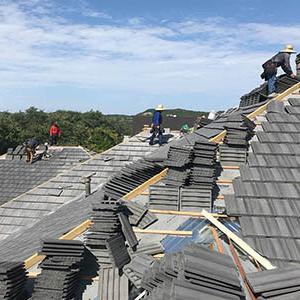
Altitude Roofing
(512) 809-3229 www.altituderoofs.com
166 Hargraves Dr Ste. C-400-219, Austin, Texas
5.0 from 160 reviews
Altitude Roofing, LLC is a leading "GAF Master Elite" - Certified family owned roofing contractor in the Austin, TX area, who can serve all your roof installation, roof replacement and repair needs. Our owner and team of fully-certified professionals have over 20 years experience and a deep expertise in roofing and insurance claims. We tackle everything from large complex projects to smaller scale jobs. Fueled by our commitment to excellence, we go the extra mile to make sure our clients are completely satisfied with our work. Our core company values are "Quality, Integrity and Service", and our team is dedicated to providing top-notch services at affordable prices. We always provide a greater value and get the job done right.

RoofsOnly.com
(512) 677-6011 www.roofsonly.com
13785 Research Blvd Suite 125-115, Austin, Texas
5.0 from 154 reviews
We are a family-owned full-service roofing company serving Cedar Park, Leander, Lakeway, and Greater Austin. Our expert team specializes in roof replacements and repairs, ensuring quality service and assistance with insurance claims. Trust us to protect your home today!

Hargrove Roofing
(512) 645-3202 www.hargroveroofing.com
2417 Ashdale Dr Ste B, Austin, Texas
5.0 from 149 reviews
The certified roofers at Hargrove Roofing have years of experience providing high-quality roofing services in Louisiana and Texas. As a BBB-accredited company, their team is proud to be your trusted partner for reliable roofing solutions. From roof inspections to roof installation to roof repair, their skilled contractors are fully trained and equipped to keep the roof over your home or business. When you choose Hargrove Roofing, you’re choosing peace of mind with 24-hour emergency services, flexible financing options, and their satisfaction guarantee! With a reputation for exceptional craftsmanship and top-notch products from industry-leading brands like GAF® and Owens Corning®, you can rest assured that your roof is built to last.
Storm Guard Roofing of Austin
(512) 882-1844 www.stormguardrc.com
2009 Ranch Rd 620 N Suite 810, Austin, Texas
5.0 from 211 reviews
Storm Guard is a local, licensed, and veteran-owned roofing and construction business proudly serving the Austin metropolitan area. Our top priority is helping you protect, maintain, and improve your home—your most valuable asset. We operate on the core values of integrity, discipline, and hard work. We believe in honest, transparent communication. We specialize in roof installations and roof replacements for asphalt shingle, standing seam, modified bitumen, and stone coated steel roofs. We can also perform repair services on these roof types as well as repairs on concrete and clay tile roofs. Additionally, we install and repair skylights and sun tunnels, cement fiber siding, and windows.
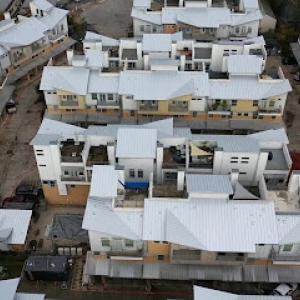
DG Roofing & Construction
(512) 410-1899 www.dgroofing.net
6807 Guadalupe St B, Austin, Texas
5.0 from 199 reviews
Where quality comes first. DG Roofing & Construction is equipped with extensive roofing knowledge and an expert team of professional roofers. We can handle any job from residential roofing to commercial and industrial roofing. We work with all roof types including shingle roofs, metal roofs, tile roofs, and more. Our team can perform roof repairs on any roof type as well. If your Austin area roof needs repairs, needs to be replaced or needs an initial construction install, choose DG Roofing & Construction. We are here to help you with any roofing services, & any roofing material. Give us a call for a free consultation, quote, and inspection. Thank You -DG Roofing
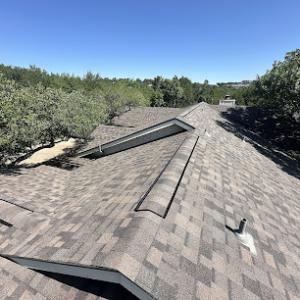
Prosperity Roofing & Exteriors
(512) 810-1747 prosperityroofs.com
12202 Pecan St, Austin, Texas
5.0 from 194 reviews
Prosperity Roofing & Exteriors provides high-performance residential and commercial roofing solutions across Austin, Leander, and the surrounding Hill Country. With 15+ years of local experience, we specialize in asphalt shingle replacement, standing seam metal roofing, and expert storm damage repair. We lead the industry in transparency by providing every client with detailed AccuLynx digital property reports, featuring high-resolution photo documentation of your project from start to finish. Whether you need a Class 3 impact-resistant IKO Dynasty system to withstand Texas hail or a precision leak repair, our crews deliver a 48-hour turnaround and a magnetic "Clean-Site Guarantee." Locally owned, family-operated.
Pearson Family Roofing
(512) 259-9486 pearsonfamilyroofing.com
Austin, Texas
5.0 from 189 reviews
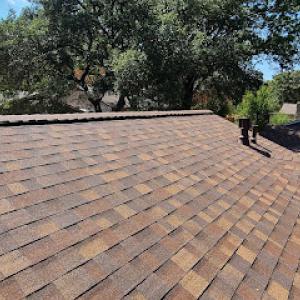
When you're experiencing a roofing problem such as a leak, tree damage, or damaged flashing, our team at Pearson Family Roofing is there for you. We have the knowledge and skill to repair your roofing issues within a two-day period. If your roofing damage is more severe and you're in need of a roof replacement, we provide budget-friendly financing options to meet your needs.
A full reroof in Austin typically requires a permit through the City of Austin Development Services. This isn't just a box to check; it sets the project up for a compliant installation that stands up to the city's inspection standards. If a contractor skips or shortcuts the permit, the risk isn't merely a late approval-it can mean a lien against the property or the need to redo work after the fact. In practice, that means coordinating your project timeline with a permitting process that can feel slow but is designed to prevent a cascade of unexpected issues after a storm.
Austin inspections may occur during and after installation, with attention to underlayment, flashing, ventilation, and overall code compliance. The city's eyes are on details that affect long-term performance: proper underlayment to shed moisture, flashing at penetrations and transitions, and adequate ventilation to prevent heat buildup and moisture damage. Your roofer should expect a multi-stage inspection rather than a single final review, and you should be prepared for the inspector to pause work if anything isn't up to standard. This isn't about nitpicking; it's about making sure the roof will endure the frequent spring hail and high heat that characterize the area.
Homeowners should plan for possible re-inspection in Austin if corrections are required before the job can be finalized. If the initial pass flags gaps in flashing, improper nailing patterns, or insufficient attic ventilation, the clock doesn't stop. A follow-up visit will be scheduled after corrections are made, and any further delays can push the project beyond ideal weather windows. That could mean reopening parts of the work during the next storm season, which isn't the outcome anyone wants. Expect clear communication from the contractor on what needs to be addressed and how long the re-inspection might take.
Coordinate your contractor's schedule with the permit office's typical timelines and keep a dedicated point of contact for any permits-related questions. Before signing, confirm that the plan documents explicitly address flashing details, underlayment type, and venting strategy, so the city's inspectors can verify them quickly. Keep copies of all notices, approvals, and correction requests, and review the work as it progresses to avoid surprises during the final inspection. In the end, adherence to the permit and inspection steps isn't just bureaucratic formality-it's a tangible protection against recurring leaks, wind uplift, and insulation degradation that can follow neglected code compliance.
Spring hail and windy days are a normal rhythm in this area, and the near-constant shift between heat and storms shapes how roofs behave long after a storm passes. Your roofing choices get tested not only by the day of impact but by how they hold up through the next season's weather. Carriers here often scrutinize reroofing decisions in the wake of a claim, especially if the roof is older or lacks certain protective features. The timing of repairs or replacements matters, because a rushed job can invite a heavier tally later if new claims arise from subsequent storms.
Several carriers serving this region have tightened underwriting for aging roofs or specific materials. That makes the age and condition of an existing roof more consequential at renewal time. If a roof has seen multiple hail events or shows signs of wear, expect higher scrutiny and potentially different coverage terms. In practice, this means maintenance documentation and proactive upgrades-like improved underlayment or enhanced ventilation-can influence renewal outcomes more than you expect.
Documenting mitigation steps and damage progression isn't a luxury; it's a practical necessity. Local claim files often involve adjuster inspections and a close review of storm evidence. Keep a dated log of hail hits, wind-driven debris, and any small leaks that appear after a storm. Photographs tied to specific dates and weather reports can be invaluable if a file is reviewed months later. If you're able to show a clear timeline of impact, mitigation, and completion, you're less likely to face surprise denials or delays.
Start with a simple, consistent photo routine: capture the entire roof from ground level after a storm, then document close-ups of damaged areas and any interior signs of water intrusion. Save weather data for dates you believe storms affected your home, and preserve receipts for temporary protections you installed-tarps, boards, or other measures that reduced further damage. When coordinating with your insurer, present a straightforward narrative: the storm event, observed damage progression, mitigations undertaken, and a remediation plan with milestones. This clarity reduces back-and-forth and supports a fair assessment as claims move through the system.
Connect with contractors who help homeowners navigate the claims process from damage assessment to final approval.
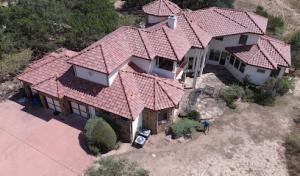
Matthew Lorand Roofing
(512) 623-7407 matthewlorandroofing.com
7215 Chimney Corners, Austin, Texas
5.0 from 447 reviews
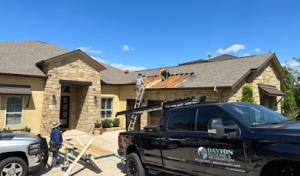
Dayton Co. Roofing & Renovation
(512) 203-0417 daytoncontractingaustin.com
13363 Pond Springs Rd, Austin, Texas
5.0 from 180 reviews
In Austin, the extreme heat drives several practical limits you'll notice on reroofs. On exposed slopes, work pace slows as crews monitor heat exposure, take shorter sessions, and drink breaks become part of the daily rhythm. Steel, tar, and bitumen surfaces can reach temperatures that make shingles slick and asphalt underlayment softer than ideal. You may see crews pause mid-day and resume as shade returns or the sun dips toward the west. Knowing this helps you plan with patience and coordinate with a contractor who understands heat-safe practices.
Hot, dry conditions can influence how sealants cure and how fast adhesives set. Inconsistent temperatures can cause sealants to skin over too quickly or fail to cure fully, especially on long ridges or intricate valleys. Material handling becomes critical: bundles kept in shade, fasteners checked for expansion, and roof wraps or underlayment unrolled methodically to avoid warping. Crews also adjust staging to keep decking cooler during critical penetrations and vent work.
Many reroofs are intentionally scheduled outside the hottest stretches when possible to reduce weather-related slowdowns and installation stress. The spring hail cycle can create tight windows after storm claims, so coordination with weather forecasts and crew availability matters. When storms roll in, expect temporary pauses and recheck of flashing and ventilations before the next heat window. Because these patterns recur, planning with a trusted crew that tracks Austin's storm history helps keep the project moving without sacrificing quality.
Although pitched residential roofs dominate, the local contractor market shows meaningful demand for flat or low-slope roof work alongside standard reroofing. When you have a low-slope section or a flat extension, plan for additional attention to drainage, edge detailing, and the transition from vertical surfaces. The approach is different from a steep pitch, so specify deck adhesion, waterproofing membranes, and fastener patterns that suit Austin's sun and storm exposure. If a low-slope area exists, confirm that the same flashing and sealant standards used on the main roof will be extended across the entire plane to avoid cold joints or seam failures.
Skylight-related roof work is a recurring specialty in Austin's contractor base, making flashing and leak detailing a practical local concern rather than a niche topic. Before work begins, map every skylight curb, vent, and flashing detail on the plan. Ensure step flashing penetrations are continuous and properly intersect the skylight perimeter with counter-flashing that won't trap heat or debris. During reroofing, verify that the new underlayment laps over the skylight flashing and that sealants are compatible with the chosen roofing material. After installation, perform a controlled water test around skylight joints to confirm a true, continuous seal in high-heat conditions and spring storm streams.
Austin also shows active solar-roofing demand, so reroof planning often needs to account for roof penetrations and sequencing around solar components. When solar arrays are part of the project, coordinate panel racking, conduit routes, and flashing details to preserve the integrity of the water barrier. Establish a clear sequence: protect existing penetrations, install the underlayment and flashing first, then place solar mounts with minimal deck disruption. If removals are necessary, schedule access to avoid exposing a fragile roof edge during a hail season. Ensure that any venting or exhaust components are remounted to maintain proper ventilation under the final roof assembly.
Find specialists in TPO, EPDM, and built-up flat roofing systems for residential and commercial properties.

DG Roofing & Construction
(512) 410-1899 www.dgroofing.net
6807 Guadalupe St B, Austin, Texas
5.0 from 199 reviews
LoveRain Roof
(512) 938-8515 www.loverainroof.com
11859 Rim Rock Trail, Austin, Texas
5.0 from 191 reviews
In this market, Austin homeowners commonly hire for reroofing rather than only minor repair, a pattern driven by the volume of storm replacements after hail. A storm-ready roofer understands the sequence: rapid response after a claim, careful assessment of hail impact, and a plan that keeps you out of the storm loop as long as possible. Look for teams that can start within a few days of a claim and can coordinate debris removal and site cleanup efficiently.
The local landscape includes many long-established, family-owned and locally owned companies. When evaluating options, prioritize tenure and service reliability after hail seasons. Ask for crew certifications, manufacturer referrals, and past project photos that show proper flashing, ventilation, and underlayment details-key items inspectors will scrutinize. Seek references from neighbors with similar roofing material and structural layouts, and verify that the contractor maintains a stable local office and a dedicated storm-response protocol.
Quick response and cleanup are especially prominent hiring priorities in this market. A storm-ready roofer should provide a clear timeline: emergency tarping if needed, hail-damage documentation for insurance, material delivery windows, and a phased replacement plan that minimizes exposure to weather while preserving interior protection. Communication should stay steady from the initial claim through final warranty follow-up, including post-install inspections and a prompt addresses of any warranty concerns.
Ask for a written storm-response plan that outlines on-site safety, dumpster placement, and neighbor-friendly access. Confirm that the crew will remove old roofing materials and install underlayment and ventilation with attention to flashing around skylights, chimneys, and vents. Finally, ensure the roofer offers and documents a thorough cleanup walkthrough and a robust post-install service agreement, so cleanup and any necessary follow-up work are handled promptly after the storm season ends.