Last updated: Apr 19, 2026
Sugar Land sits in the Houston-area hail and wind claim environment, so insurers commonly ask for roof-condition records, storm photos, and roof-age details before accepting a damage narrative. That means you should start gathering this material before you think you need it. If a storm rolls through, a quick, organized package showing the roof's condition prior to the event helps prevent back-and-forth requests that stall the process. Keep a centralized file: recent roof inspections, contractor notes, and any prior repair receipts. The goal is to build a clear timeline that your insurer can verify with simple, objective evidence.
Storm days in the spring bring a flood of inspection requests and scheduling backlogs. Heavy rain and hail can trigger many simultaneous claims, and contractors can be booked for weeks at a time. When your area experiences a spike, every day counts. Do not wait for an adjuster to request photos or notes. Photograph any visible damage promptly after a storm-shingles curling, granule loss on the driveway, dented metal, lifted flashing, or hail dings on gutters. If you have service records or prior assessments, include them to establish a damage progression. Being proactive with documentation reduces the chance of your claim being deprioritized or delayed as the clog of inspections overwhelms the system.
Hurricane-season exposure adds another layer of wind-driven risk from June through November. Even without a direct coastal hit, gusts and storm surges can stress roofs enough to create new damage or exacerbate existing vulnerabilities. Insurance reviews during this period tighten scrutiny on roof condition, age, and maintenance history. Prepare for a potential surge of correspondence from adjusters and mitigation-focused requests, such as temporary tarping, wind mitigation details, or proof of recent repairs. Plan ahead by identifying a trusted contractor now-one who understands local weather patterns and can provide rapid, accurate assessments when storms strike. If a claim is warranted, having a concise narrative supported by dated photos and a professional inspection report helps the process move faster.
In practice, timing your documentation is as critical as the damage itself. After a storm, record the event details: date, time, wind direction, and observed impacts on the roof and surrounding structures. Create a simple photo log with timestamps, angles that show the entire roof, hips, ridges, penetrations, and any overlay repairs. Maintain a chronological binder of any communications with the insurer, contractor, and property records. If you notice damage during a routine check after a storm, report it promptly and keep your notes freshly updated. The faster you present a coherent, well-supported claim package, the sooner you can secure the legitimacy of the damage narrative and move toward restoration.
Sienna Renovations
(832) 564-3322 www.siennaroofing.com
17034 University Blvd, Sugar Land, Texas
5.0 from 152 reviews
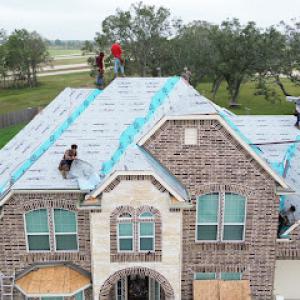
Sienna Roofing, located at 17034 University Blvd in Sugar Land, Texas, is your go-to roofing contractor for top-quality services in Roof Repair, Roof Replacement, Residential Roofing, and Commercial Roofing. We specialize in everything from Emergency Roof Repair to Metal Roofing and Roof Installation. With our expertise in Roof Leak Repair and Roof Inspections, we ensure your roof withstands Texas's fierce weather. Our skilled team offers exceptional solutions, including Roof Shingles, designed to meet both aesthetic and functional needs. Serving Sugar Land and neighboring areas, Sienna Roofing is committed to excellence, making us the trusted choice for all your roofing needs.
Reign Roofing - Sugar Land
19901 Southwest Fwy, Sugar Land, Texas
5.0 from 136 reviews
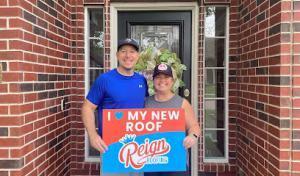
Reign Roofing is Sugar Land’s premier roofing contractor, committed to excellence, integrity, and exceptional service. Specializing in residential and commercial roofing, we offer comprehensive solutions including roof repairs, replacements, inspections, and storm damage restoration. Our skilled, certified professionals use premium materials and advanced techniques to deliver durable, aesthetically pleasing roofs tailored to your needs. Our Roofing Company thrives on customer satisfaction; we ensure clear communication, timely completion, and meticulous attention to detail. Trust us to protect your home or business from Texas weather year-round. Choose Reign Roofing—where quality craftsmanship and reliable roofing services in Sugar Land, TX
Above All Roofing & Construction
(713) 298-2225 www.heisaboveall.com
902 Walker School Rd, Sugar Land, Texas
5.0 from 65 reviews
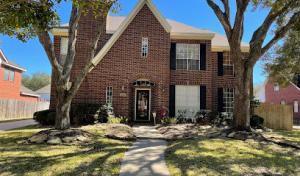
Looking for a reliable and professional roofing company for your home? Look no further than Above All Roofing & Construction! Our experienced team of roofing specialists are dedicated to providing top-notch roofing services.

Ace Construction Services
(281) 202-4527 www.aceconstructionservices.net
14090 Southwest Fwy, Sugar Land, Texas
5.0 from 61 reviews
Ace Construction Services offers professional roofing solutions in Sugar Land, Richmond, & the Greater Houston area. Our services include roof repair, roof installation, & storm damage restoration.
Cinch Roofing
(832) 598-4245 www.cinchroofing.com
19901 Southwest Fwy, Sugar Land, Texas
5.0 from 90 reviews
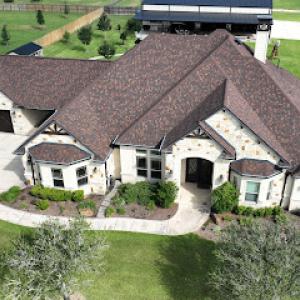
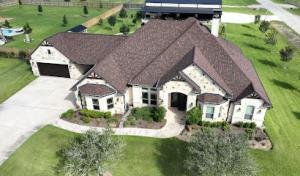
Our seasoned team offers timely residential and commercial roofing services when you need them most! From shingle roofing to tile and hardened metal systems, our residential services provide that much needed peace of mind for your home and family. We also offer a full array of storm roof repair solutions. Your business deserves a quality roofing solution too! Check out our commercial repair, installation, and restoration options for your company.
Fortified Texas Roofing
(281) 881-8155 www.fortifiedtexasroofing.com
1231 Wood Haven Ct, Sugar Land, Texas
5.0 from 57 reviews
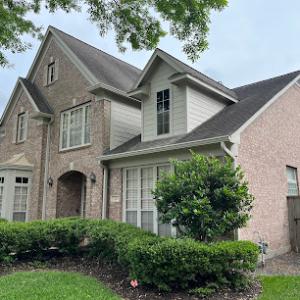
We're a local insured roofing and exterior construction company who offer superior services for homeowners not only looking to protect their homes but to make them beautiful and increase their value.

Sugar Roofing
2245 Texas Dr #300, Sugar Land, Texas
4.8 from 359 reviews
When you have a roof leak or storm related roof damage you need a local roofing contractor you can trust. Why trust Sugar Land? We are BBB Accredited & a Veteran lead Family Roofing Company in the Houston, TX area. The team from Sugar Land Premier Roofing has been that go-to home roofing contractor for years. With services like roof repair, new residential roof replacement, leaky skylight repair and replacement. Sugar Land wants to be your go-to Houston area roofing contractor. At Sugar Land Premier Roofing our #1 goal is customer experience. Sugar Land always puts customers first. Call Sugar Land today if you have a roof leak anywhere in the greater Houston area.
Roof Masters
(281) 215-5225 www.texasroofmasters.com
337 Southwestern Blvd, Sugar Land, Texas
5.0 from 81 reviews
Protect your largest investment with our reliable roofing services. We are a locally owned and operated roofing company currently serving Sugar Land, TX and surrounding communities. If you want to make your roof last as long as possible, it is vital that you never put off a roof repair. Small issues with roofing become big issues in a hurry. No matter how major or minor the repair you need, we are here to help. We offer roofing contracting, roof leak repair, and roof installation.

Pearl Roofing
(281) 854-8722 www.pearlroofs.com
77 Sugar Creek Center Blvd Ste. 600, Sugar Land, Texas
5.0 from 47 reviews
Pearl Roofing: Your trusted Greater Houston Area roofing partner. As a GAF and Owens Corning certified, licensed residential roofing contractor, we offer everything from preventive maintenance to complete roof replacements. A family-owned and operated company, Pearl Roofing provides homeowners and businesses with exceptional roofing services, prioritizing customer service to make your roofing project seamless. We are dedicated to providing transparent and professional roofing solutions. We offer financing options.
Trinity Roofing & Restoration Sugar Land
(281) 782-7116 www.trinityrestoretx.com
1502 Elmscott Dr, Sugar Land, Texas
4.9 from 64 reviews
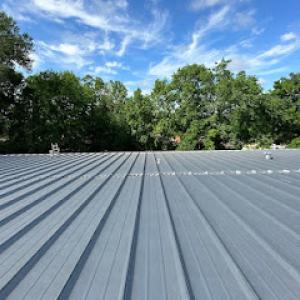
As one of the most trusted residential and commercial roofing contractors in the Sugar Land, TX, community, Trinity Roofing & Restoration can help with any roofing service, no matter how big or small. With 24/7 emergency services and insurance claim assistance, our team handles everything from small leak and roof repairs to full roof replacements. We can even be there for you when a fire or flood damages your property with specialized experience in water, fire, and storm damage restoration. We have the experience to take care of any commercial roofing or residential roof need you may have. Contact your only choice for fast, reliable roofing services in Sugarland, TX, today!
Duque Roofing
(346) 550-9566 www.duqueroofing.com
6920 Brisbane Ct Suite 206, Sugar Land, Texas
4.9 from 82 reviews
Duque Roofing is your trusted roofing contractor in Sugar Land offering reliable roofing services with a focus on durability and quality. With years of experience, we deliver storm-resistant roofing solutions to protect your home and boost its value. Our team uses quality materials and craftsmanship to ensure your roof lasts. We prioritize customer satisfaction with fair pricing, transparent communication, and professional service. Whether you're dealing with an aging roof or storm damage, Duque Roofing provides inspections and efficient installation to keep your home safe and secure. Contact us today to schedule your consultation!

Sugar Roofing
(832) 662-4027 www.sugarroofs.com
5501 Cabrera Dr Ste 502, Sugar Land, Texas
4.9 from 52 reviews
Sugar Roofs is a trusted, Houston-based roofing company specializing in residential and commercial roof replacements, repairs, and inspections. With over 20 years of experience serving Texas homeowners, our team delivers fast quotes, reliable workmanship, and long-lasting solutions built to withstand the Gulf Coast climate. We pride ourselves on honest assessments, clear communication, and roofs that enhance both protection and curb appeal. Proudly serving Fort Bend, Harris, and Montgomery counties, Sugar Roofs is committed to providing local families and businesses with dependable roofing services backed by industry-leading expertise and customer care.
Asphalt shingles are common in Sugar Land, and they often go up quickly on new or re-roof projects. The hot, humid climate and strong sun accelerate UV aging, especially on lower-grade products. If you're replacing a roof with asphalt, pay close attention to the exposure level and the shingle warranty. In this climate, opt for architectural or laminate shingles with higher UV resistance and a longer warranty, rather than the basic 3-tab variety. A well-sealed, well-ventilated attic helps reduce heat transfer into the shingles and can extend their service life. Inspect underlayment and roof pitch during replacement; shallow pitches can trap heat and moisture, speeding wear and potentially affecting hail resistance. When hail history is a concern, consider impact-resistant underlayment and upgraded fasteners that resist wind-driven uplift common in spring storms. After installation, plan for an annual inspection focused on granule loss, lifted tabs, and any signs of sun-bleached edges, which point to accelerated aging in Sugar Land's sun-soaked days.
Clay and concrete tile fit many upscale neighborhoods, delivering a distinct curb appeal and durable life when properly installed. In this area, attention to impact vulnerability is essential. Tile can crack or shatter under hail, especially if the roof has a shallow slope or damaged underlayment. When replacing older systems, verify that the structural load can handle the weight of new tile; some homes may need structural reinforcement or a rebalancing of purlins and sheathing. Underlayment quality matters more than on standard shingle roofs: install a reinforced, tear-resistant layer that remains effective after multiple sun cycles and storm events. Pay attention to fastener types and sealing around vent penetrations, skylights, and chimneys-hasty work here invites leaks after a hail season. If you're in a high-wind zone segment of town, ensure fastener corrosion resistance is up to the task and that the tile profile has a secure interlock design to resist wind-driven uplift. Regular maintenance should focus on replacing broken tiles promptly and checking for broken clips or connectors that could compromise the roof's integrity.
Metal roofing and synthetic/composite shingles are often evaluated in this market for better resistance to repeated sun exposure and storm cycles compared with basic shingles. Metal roofs can shed heat more efficiently, which helps in a hot season, and they generally resist hail better, though proper panel attachment and chosen coating matter for long-term performance. Synthetic shingles blend some of the lightness of asphalt with enhanced impact resistance and dimensional stability. When considering these options, work with a local contractor who understands the region's microclimates-exposure from neighboring homes, tree cover, and street orientation all influence performance. In terms of maintenance, look for coatings designed to resist chalking and fading from relentless sun, and check sealants around edges and penetrations after hail events. Annual inspections should verify that flashing remains sealed, fasteners are tight, and the roof's edge detailing keeps water from wicking back under the materials after storms.
In this master-planned suburb, a full re-roof typically requires a building permit, and the permit is expected to be obtained before any tear-off begins. Skipping this step can stall the project, trigger penalties, and complicate insurance documentation later on. The permitting process often involves confirming material choices, underlayment, and attachment methods that meet local wind and load requirements. Before any shingle removal starts, line up your paperwork and approvals with the building department to avoid a surprise hold on work.
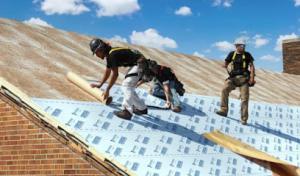
Inspections are a critical part of the re-roof sequence, and timing matters. Scheduling during roof installation helps catch issues with nailing patterns, underlayment installation, and overall code compliance while the job is underway. A final clearance inspection is typically required after the work is complete and before final acceptance by the city. If the crew deviates from the approved plan, or if fasteners and overlays don't align with the code expectations, a rework hold may be issued. Treat the inspections as a real checkpoint, not a trivial formality.
Documentation tied to older homes is a common twist in local reviews. In practice, some older residences may be asked to provide a wind mitigation summary as part of the review or insurance documentation process. Having up-to-date wind mitigation details on hand can smooth the permit review and prevent delays if the insurer asks for proof of how the roof is constructed to resist high winds and hail. It's prudent to gather any prior engineering reports, attic photos, and details about nail spacing or hip-and-ridge configurations when applicable.
Work with licensed contractors who understand the neighborhood's storm pattern and permit cadence. A contractor who routinely navigates the permit office and understands what inspectors will expect for nailing patterns, underlayment, and flashing details can help keep the project on track. If a wind event is forecast during the job, confirm whether additional inspection steps or amendments to the plan are needed to maintain compliance. Keeping open lines of communication with both the permitting authority and the inspection office reduces the risk of a mid-project setback.
Provided local cost ranges run about $350-$700 per square for asphalt shingles, $700-$1100 for metal, $900-$1700 for clay tile, $800-$1400 for concrete tile, $700-$1500 for wood shingles or shakes, and $350-$900 for synthetic/composite shingles. These figures reflect typical Sugar Land projects and the broader Houston-area market, where material pricing and crew availability shift with weather patterns and storm activity. When you're budgeting, use these ranges as a starting point for a realistic upper bound, then compare quotes from local contractors who are familiar with the neighborhood's rooflines and prevailing wind exposure.
In this market, storm-driven demand spikes after spring hail events and during the wind season can push labor availability and scheduling costs upward. A contractor with steady crews and good supplier relationships may protect you from the worst delays, but peak periods still tend to tighten calendars. If your roof shows signs of hail impact or wind-blown granules, expect a faster-moving process once weather windows open, especially on steeper suburban roofs where access can slow crews. Plan for potential short-term price shifts between bidding and execution, and have a clear plan for temporary protection if a storm is forecast during the replacement window.
Costs can rise on Sugar Land homes with tile systems, steeper suburban rooflines, or older roofs that need code-compliant underlayment and fastening upgrades during permit review. Tile, whether clay or concrete, demands specialized installation and longer labor times, which translates to higher per-square prices and more pronounced scheduling sensitivity around storm seasons. Steeper pitches limit daylight work hours and require additional safety measures, contributing to both cost and timeline adjustments. If your home features tile, discuss acceptable fasteners and underlayment options early, and verify warranties address wind resistance in Gulf-season conditions.
Asphalt remains the most cost-effective upfront option, but metal and tile options offer long-term durability in a climate with strong sun and humidity. Synthetic/composite shingles provide a middle ground in both price and performance, often delivering decent wind resistance with lighter handling than tile. Consider not just the up-front per-square cost, but also expected lifespan, maintenance needs, and insurance considerations after a hail event. For many Sugar Land homes, upgrading to a wind-rated underlayment and modern fasteners during replacement can improve performance and insurance documentation without dramatically altering total project cost.
Don't let upfront costs delay a critical repair - these contractors offer payment plans to fit your budget.
Pearl Roofing
(281) 854-8722 www.pearlroofs.com
77 Sugar Creek Center Blvd Ste. 600, Sugar Land, Texas
5.0 from 47 reviews
Apex Roofing Co Sugar Land
(281) 766-1110 apexservicesco.com
12050 S Texas 6 #2, Sugar Land, Texas
4.9 from 37 reviews

In this Houston-area corridor, adjusters tend to scrutinize storm damage tightly, especially after a season of hail and gusty winds. The goal is to separate what a roof has endured from what time and heat have taken away. That means your file should demonstrate a clear timeline of condition-before the storm, at the moment of impact, and after the event. If a claim hinges on whether a tear or granule loss is storm-related, a well-documented record can make the difference between quick approval and a drawn-out dispute. This is not about fear, but about preparing a solid, defensible claim that respects the way insurers assess Sugar Land homes.
Keep dated photos that show the roof's condition across multiple seasons, especially just before a storm season and after a major hail event. Prior inspection reports from a trusted roofer or inspector are valuable, as they set a baseline for wear, age, and any existing vulnerabilities. Permit records, while not the full story, can help illustrate the roof's evolution over time. Store these documents in a single, chronological folder-digital backups included-and add notes that connect the inspection findings to observable damage after a storm. The goal is to present a coherent narrative that an adjuster can follow quickly.
Wind mitigation details and roof-age specifics become more influential when the roof has reached an older stage. Insurers in this market often want evidence that the roof system still meets current expectations or that any aging components were properly maintained. If your home's roof is several decades old, be ready to show maintenance records, evidence of any upgrades, and documentation of recent weather-related impacts. A concise summary that links age-related concerns to measurable wear can help prevent a blanket denial or unnecessary deductions.
Create a simple, labeled photo sequence: pre-storm condition, hail-impact view, and post-storm state. Attach short notes to each image with dates and locations on the roof. Bring every item to a claim meeting or upload it to your insurer's portal as a single packet. If a contractor's report notes discrepancies between what's visible from the ground and what's found on the roof, request a roof-accessible, rider-level assessment to avoid misinterpretation. In a high-claim market, strong documentation is your best defense and your best path to a fair settlement.
Connect with contractors who help homeowners navigate the claims process from damage assessment to final approval.
Sienna Renovations
(832) 564-3322 www.siennaroofing.com
17034 University Blvd, Sugar Land, Texas
5.0 from 152 reviews
Reign Roofing - Sugar Land
19901 Southwest Fwy, Sugar Land, Texas
5.0 from 136 reviews
Above All Roofing & Construction
(713) 298-2225 www.heisaboveall.com
902 Walker School Rd, Sugar Land, Texas
5.0 from 65 reviews
Sugar Land's heavy spring rain can turn small hail or wind damage into active interior leaks before a full replacement crew is available. If a storm rattles your roof and you notice ceiling stains, dripping attic hatch seals, or sudden warmth emanating from the attic, treat it as a roofing emergency. Delays in securing tarps or temporary containment can cascade into widespread mold risk and costly repairs.
During Gulf storm periods, temporary dry-in work in Sugar Land may be necessary because repeated rain bands can interrupt normal replacement sequencing. Start by protecting living spaces: move furniture away from affected walls, place plastic sheeting over exposed ceilings, and use buckets or towels to catch water at known leak points. If you can access the attic safely, cover obvious openings with thick plastic or tarp, aiming to keep insulation dry and reduce heat buildup.
Fast response matters locally because humid conditions can accelerate interior moisture problems once roof openings allow water into attic spaces. Notify your roofing contractor the moment you observe active leaks, and document with photos showing streaks, sagging drywall, or warped panels. A prompt, coordinated dry-in plan helps minimize interior damage while crews mobilize, especially when weather windows are short and rain bands return.
When you can't wait, these contractors offer fast response times to stop leaks and prevent further damage.
Sienna Renovations
(832) 564-3322 www.siennaroofing.com
17034 University Blvd, Sugar Land, Texas
5.0 from 152 reviews
Cinch Roofing
(832) 598-4245 www.cinchroofing.com
19901 Southwest Fwy, Sugar Land, Texas
5.0 from 90 reviews
Pearl Roofing
(281) 854-8722 www.pearlroofs.com
77 Sugar Creek Center Blvd Ste. 600, Sugar Land, Texas
5.0 from 47 reviews
In this market, pitched residential roofs dominate, but many homes still feature low-slope sections over patios, entries, additions, or attached structures. These transitions behave differently than the main field roof and require closer attention when assessing wear, drainage performance, and potential leaks after heavy rain events.
Low-slope transitions are common leak points when drainage slows or when flashing ages without the main roof showing obvious signs of trouble. When storms push water toward these areas, you may notice dampness near door thresholds, staining along the soffit line, or a sudden drip inside the attic near the transition. Regular inspections should zero in on flashing joints, parapet seams, and any deck-to-wall interfaces where water can creep in between materials that carry different movement.
Contractor specialization matters locally because many companies market both residential re-roofing and flat-roof work in this area. When selecting a contractor, verify proven experience with low-slope systems, including proper drainage detailing, cap flashing over mopped joints, and durable perimeter edge restraints. Ask for recent projects that include patio covers, sunrooms, or attached garages to gauge their familiarity with the unique movement and thermal expansion seen in these structures.
A practical approach is to plan a targeted inspection after the season's first significant rain, focusing on the transition zones around patios or entries. Look for unexplained damp spots in the attic above these areas or soft spots at the deck-to-wall interface. If flashing shows any lift or sealant deterioration, address it promptly with a repair that matches the surrounding materials and maintains slope continuity. When a full rebuild is considered, ensure the chosen system and flashing strategy accommodate both the main roof and the low-slope section in a cohesive, weather-tight detail. In this market, a coordinated, properly flashed solution often outlasts piecemeal fixes.
Find specialists in TPO, EPDM, and built-up flat roofing systems for residential and commercial properties.
Complete Commercial Roofing
(713) 766-6043 www.completecommercialroofing.com
12510 Cardinal Meadow Dr, Sugar Land, Texas
5.0 from 24 reviews

Sugar Land Roofing
(832) 944-7663 sugarlandroofingllc.com
1111 Swallow Cir, Sugar Land, Texas
4.1 from 9 reviews
You will find that warranty value in this market is tightly linked to whether the roof was installed to inspection-ready standards for nailing, underlayment, and system components. In practice, that means the clock starts ticking on manufacturer coverage only when the roof has been stepped through a proper installation sequence and all critical elements-nails, fasteners, underlayment, and venting-are within spec. If a storm-related issue arises, you must be able to demonstrate that the installed roof met those standards to access the full spectrum of protection. A slip in any of these areas can shift risk toward contractor workmanship warranties, which may have different scopes and limitations.
Because storm claims are common in the area, you should always distinguish between manufacturer material coverage and contractor workmanship promises before signing anything. Manufacturer warranties typically cover defects in the roofing materials themselves, and they may not pay out if the installation is found to be non-compliant with installation requirements. Workmanship warranties, on the other hand, address errors in installation, which can manifest as leaks or wind-related failures even if the materials themselves are sound. In Sugar Land's storm-prone climate, the combination of hail timing, wind from Gulf-season storms, and heat can surface issues tied to improper nail patterns, kickout flashing, or inadequate underlayment. Verify which coverage applies to hail damage and whether there are prerequisites or exclusions tied to wind speeds, attic venting, or shingle exposure.
The local market includes a meaningful number of manufacturer-certified and long-established firms, which matters when homeowners want documentation that will still be useful years later. These contractors tend to provide clear, transferable records that align with manufacturer requirements for warranties and can simplify future claims. When evaluating a roofer, ask for the exact language of both the manufacturer's warranty and the contractor's workmanship warranty, and request a written explanation of how the installation meets inspection-ready standards. Prefer firms with verifiable certifications and a track record in the Sugar Land area, because their documentation is more likely to be recognized by both insurers and manufacturers as the roof ages.
In Sugar Land, strong sun makes solar appealing, but roof timing matters because replacing roofing after panel installation can add avoidable removal and reset costs. If you are approaching a roof replacement, plan solar installation to align with the new roofing cycle rather than retrofitting later. UV wear and storm exposure shorten shingle life, so assess panel weight, mounting, and attic access during a roof review. This helps ensure the roof deck is solid before panels go on and reduces the risk of resealing after heat and hail events.
Coordinate panel mounting details with the roofing scope so penetrations and flashing remain well documented for future claims. In a storm-prone market like this, you want consistent, traceable installation records that show where each penetration sits relative to rafters and underlayment. Work with a roofer who understands your panel racking and its impact on ventilation, drainage, and warranty. Clear diagrams and notes help when hail timing or wind events trigger insurance checkups.
Solar planning is most relevant when a Sugar Land roof is already near replacement age due to UV wear and repeated storm exposure. If the roof is close to needing replacement, weigh the benefits of coordinating a full roof refresh with the solar retrofit. A well-timed plan can simplify flashing transitions, reduce the chance of mismatches, and keep your system optimized for the Gulf-season wind regime.
Keep a running file with photos of panel mounts, flashing locations, and roof deck condition at the time of installation. In Sugar Land, storms can expose mismatches quickly, so timestamped notes during installation and follow-up inspections help insurance adjusters verify scope. Request a stamped drawing from the installer and store it with your roof records for easy reference after any hail event.
Find contractors who integrate solar panels or solar shingles into your roof for long-term energy savings.
Sienna Renovations
(832) 564-3322 www.siennaroofing.com
17034 University Blvd, Sugar Land, Texas
5.0 from 152 reviews
Robinson Brothers Roofing & Construction
(254) 442-0800 robinsonroofing.site
Serving
4.8 from 81 reviews