
Last updated: Apr 19, 2026
Spring sits in the north Houston storm corridor where spring thunderstorms and periodic hail frequently trigger sudden roof inspections and replacements. When a hail event or a powerful gust hits, the clock starts ticking on protection, assessment, and scheduling. The window to act is tight, because the next round of demand can push local crews and material suppliers toward full capacity. If you've just experienced a storm, your first move should be to secure the structure: cover vulnerable valleys, vents, and exposed deck with tarps or plywood to minimize secondary damage while you arrange a professional evaluation.
Many homes in this area rely on asphalt shingles, and the typical post-storm damage you'll see includes wind-lifted tabs, granule loss, and bruising from hail. Ridge or hip damage is not unusual after a strong wind event. After a hail hit, you may notice dark splotches, curled edges, or shingles that don't lay flat anymore. If any of these signs appear, don't assume they're cosmetic-shingle damage can let moisture creep under the surface and start leaks before you realize it. In the days following a storm, you'll also hear more chatter about inspections and quick turnarounds; acting decisively helps you avoid downstream issues and keeps your dry-in schedule on track.
Start with a focused exterior check from the ground and a ladder only if you're confident and safe. Look for lifted tabs, granule scatter across gutters and driveways, and visible bruising on lighter-colored shingles. If you see blown-off sections, curling, or any soft spots on your roof surface, plan a professional assessment immediately. Make a simple record: date-stamped photos of entire roof, close-ups of damaged areas, and notes on any interior signs of water intrusion. Share those with your roofer and insurer so you can partner in a swift, accurate claim.
When storms hit, scheduling can compress quickly. Prioritize firms with storm-response experience, proven quick-turnaround field capacity, and strong communication. A nearby crew that understands the local wind patterns and typical shingles stock can accelerate the process, reduce rework, and help you lock in a solid installation window. If a contractor suggests extensive work beyond what you can justify, seek a second opinion before committing-yet do not delay when leaks are present or active.
Until the crew arrives, keep gutters clear to avoid water backup and potential fascia damage. If you notice interior staining or dripping, place temporary containment under the affected area and contact your insurer to document the urgency. Throughout the process, stay vigilant for subsequent storms-new hail or wind events can reopen older wounds, and a fast, coordinated response keeps you out of prolonged distress and restores your roof's resilience quickly.
Spring experiences frequent hail and wind events, and many roof replacements get triggered by adjuster inspections rather than the roof's age alone. This means the timing of a roof replacement often hinges on when a storm claim is approved and funded, not simply on the roof's calendar age. For homeowners, this reality shapes every step after a hail or wind event: the inspection, the documentation you gather, and the contractor you hire. In this market, insurers routinely request details tied to a specific storm event, so having a clear, event-focused file speeds the process and reduces back-and-forth. Expect a few rounds of questions, and plan for a claim that may span several weeks from initial report to completion.
When a storm hits, you should build a report that ties damage to the exact storm date and path. Take date-stamped, high-resolution photos from multiple angles, both from the ground and up close on the roof if you can do so safely. Document elevations one by one-start at the eaves along one side and proceed toward the ridge, capturing any bruising, granule loss, punctures, or lifted shingles. If you have attic photos, include signs of leaks or moisture that align with roof damage. Gather material details: shingle type, color, granule size, and any visible wear that might complicate color matching during replacement. This is not just for the adjuster; it helps you track the scope and ensures the claim accurately reflects the storm's impact. In a market where upgrades are common after a storm, a precise record helps prevent disputes over what constitutes storm-related replacement versus normal aging.
When the adjuster inspects, bring your event-based documentation and be ready to discuss the exact storm date and observed damage patterns. Explain how the damage aligns with hail impact zones and wind-driven wear across elevations, which commonly show uneven results. If the adjuster approves a replacement, you may still face questions about underlayment and ventilation components. Policies here emphasize code-compliant installation details, including wind-rated underlayment and appropriately installed flashing. Have a rough plan for what constitutes compliant materials and installation in your area, so you can advocate for a contractor who follows those standards. If discrepancies arise between the adjuster's assessment and your documentation, request a re-inspection or an independent adjuster opinion before proceeding. A cooperative, fact-based approach often speeds up the settlement and avoids delays tied to mismatched expectations.
Choose a contractor who is comfortable working within an insurance framework and who can translate the claim scope into a practical installation plan. They should walk you through the expected sequence: removing damaged layers, installing underlayment that complies with wind requirements, reattaching or replacing decking as necessary, and finishing with the selected roofing material. Ask for a line-item scope that mirrors the adjuster's report, plus any enhancements tied to code-compliant wind performance. Documentation should flow from the contractor to you: a detailed materials list, installation notes, and after-action photos that show the completed work aligned to the storm's timeline. A reliable crew will also help you maintain a clear record for any future claims, should another storm occur.
In this market, finalizing a roof replacement often hinges on insurance timelines rather than pure weather or wear factors. Expect some waiting period between claim approval and actual start of work, especially if weather windows demand dry days or if additional documentation is requested. Stay proactive by confirming delivery schedules for materials, coordinating with the adjuster on any extra line items, and scheduling inspections during key milestones: pre-installation, mid-project, and post-completion. Keeping open, documented communication with both the insurer and the contractor minimizes delays and helps you stay aligned with storm-driven replacement timing.
Connect with contractors who help homeowners navigate the claims process from damage assessment to final approval.
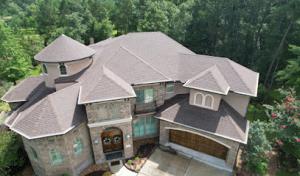
Hauk Roofing
(281) 203-7312 www.haukroofing.com
27422 E Benders Landing Blvd, Spring, Texas
5.0 from 112 reviews
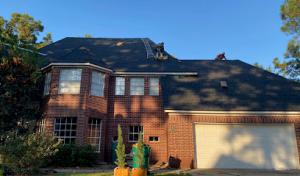
Anderson Roofing & Restoration
(713) 898-7496 andersonroofingandrestoration.com
3222 Abbott Lakes Dr, Spring, Texas
4.9 from 234 reviews
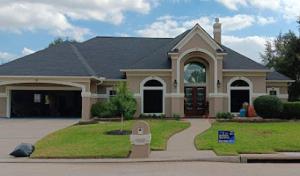
Seychel Construction
(844) 486-0033 seychelroofing.org
19505 Wied Rd Suite E, Spring, Texas
4.9 from 170 reviews
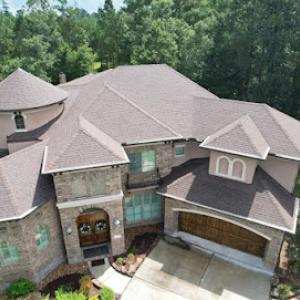
Hauk Roofing
(281) 203-7312 www.haukroofing.com
27422 E Benders Landing Blvd, Spring, Texas
5.0 from 112 reviews
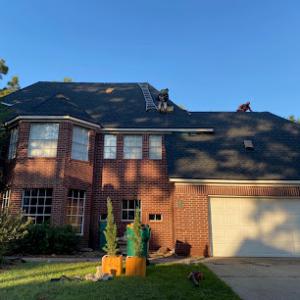
Trust us with your next roof! We are veteran owned and insured local roofer. Our (Jason and Corey) story began in 2009 as an Army Health Care Recruiting command team for Texas, Louisiana, and Arkansas. Upon retirement from the Army in 2012, Jason began his next career in the roofing industry. After Corey retired, he continued to recruit for the next 8 years with Herc Rentals and Hertz. But as fate has it, Corey and Jason are back together again and started their own roofing company. Jason and Corey believe with their values and commitment to excellence this will make them your top choice for all your roofing needs.
Anderson Roofing & Restoration
(713) 898-7496 andersonroofingandrestoration.com
3222 Abbott Lakes Dr, Spring, Texas
4.9 from 234 reviews
Susan and Clint are both Native Houstonians with combined 40 plus years experience in the roofing and insurance industry. Having worked several hail storms in Spring, Montgomery County, Conroe, Oakridge and the Woodlands areas over the past 11 years and sold over 1,400 roof replacements. We will assist you on every step with filing insurance claims from wind and hail damage. Let us make sure you get what you deserve from your Insurance Carrier. We are a GAF Master Elite Roofer offering System Plus, Gold and Silver Pledge Lifetime Warranties on your new roof. We use only quality materials. Certificate of Liability Insurance available for you to view. Member of the BBB with an A+ Rating, 5* Rated on Google, Next Door, Yelp and Angie's List.
Seychel Construction
(844) 486-0033 seychelroofing.org
19505 Wied Rd Suite E, Spring, Texas
4.9 from 170 reviews
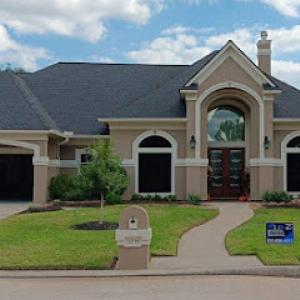
Seychel Roofing & Construction, LLC provides roofing replacement and repair services to the Spring, TX area.

Texas Roof & Remodel
(346) 581-7272 texasroofandremodel.com
3822 Cypress Key Dr, Spring, Texas
5.0 from 80 reviews
Serving the Spring, Texas community since 2021, Texas Roof and Remodel is a trusted veteran owned general contractor dedicated to enhancing homes. Specializing in comprehensive roofing services, from leak repairs to full replacements, they expertly handle all your roof damage needs. Beyond roofing, their skilled team offers a wide range of home remodeling services, ensuring a seamless and high-quality transformation for any space. Choose Texas Roof and Remodel for reliable craftsmanship and a commitment to restoring the beauty and integrity of your home.

Bumble Roofing of The Woodlands
(713) 352-0324 bumbleroofing.com
2001 Timberloch Pl #500, Spring, Texas
5.0 from 104 reviews
Bumble Roofing is a North Houston roofing contractor that believes that affordable roofing services should be accessible to all Americans. That's why we've created a process that combines transparent pricing, great service, and a commitment to quality workmanship, so you can get the roof you need—the easy way. We believe in making sure you know exactly what it will cost for us to install your new roof before we do any work so that we can give you the best price possible. And we don't want you waiting around for quotes—we'll send yours within 24 hours. Our team is friendly, one-of-a-kind customer service professionals who will make sure you're comfortable with every step of the process and never feel pressured into anything.
HHH Roofing & Construction
22728 Acorn Valley Dr, Spring, Texas
5.0 from 68 reviews
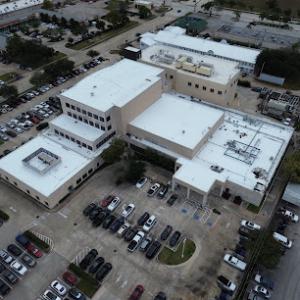
HHH Roofing & Construction is a licensed roofing company serving Greater Houston since 2013. With 25+ years of experience and 1,000+ completed projects, we specialize in residential and commercial roofing across Spring, The Woodlands, Katy, Humble, Cypress, Conroe, and surrounding areas. Services include roof replacement, roof repair, TPO and PVC flat roofs, metal roofing, storm damage repair, insurance claims assistance, silicone roof coatings, siding, and emergency tarping. Owens Corning Platinum Preferred, CertainTeed, Duro-Last, and GAF certified. A+ BBB rated, RCAT licensed, and 5-star Google rated. Latino-owned. Free drone inspections and estimates. Financing available. Se habla español. Call (832) 458-1602.

FairClaims Roofing & Construction
(281) 367-0466 www.fairclaimsroofingcompany.com
25315 Oakhurst Dr, Spring, Texas
4.8 from 533 reviews
We provide comprehensive roofing services in Texas along with storm damage assessment, roof inspections, exterior remodeling, and patio addition and improvement. Since 2002, we have been serving clients with the highest quality construction services available along with exceptional customer service. We are locally owned and operated and specialize in assisting our clients with utilizing insurance coverage for roof repairs following storms or household accidents.
Peterson Roofing & Construction
(346) 300-3891 petersonroofingandconstruction.com
5529 Louetta Rd STE A, Spring, Texas
5.0 from 59 reviews
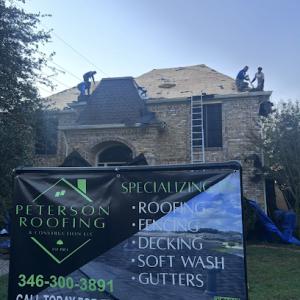
Peterson Roofing & Construction is a local, family-owned roofing and exterior construction company proudly serving the Greater Houston Area, including but not limited to Kingwood, Spring, Humble, Porter, The Woodlands, Conroe, and surrounding areas. We specialize in roof repairs, roof replacements, storm damage inspections, gutters, fencing, decking, pressure washing, and exterior construction services for both residential and commercial properties. Our team is known for honest communication, quality workmanship, and clean, respectful job sites. Whether you need emergency roof repair, a full roof replacement, or exterior upgrades, we deliver reliable solutions you can trust. Call today for a free inspection and estimate.

JSI Roofing
4959 Louetta Rd, Spring, Texas
4.9 from 113 reviews
JSI Roofing is the leading Roofing Company in Spring, TX & the surrounding areas. We proudly offer Retail Roofing, Fencing, Siding, and more in Spring, TX! We offer the following services: Retail Roofing Spring TX Roof Repair Spring TX Storm Damage Spring TX Metal Roofing Spring TX Fencing Spring TX Siding Spring TX We proudly service the Spring, TX area & pride ourselves on offering the best Roof Repair services. Please contact us for all your Roofing needs. Retail Roofing near me Roof Repair near me Storm Damage near me Metal Roofing near me Fencing near me Fencing near me Spring TX Metal Roofing near me Spring TX Storm Damage near me Spring TX Roof Repair near me Spring TX Retail Roofing near me Spring TX
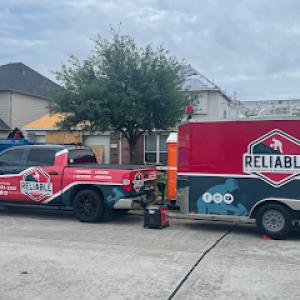
Reliable Roofing & Restoration
(346) 447-6566 www.reliableroofingrestoration.com
3406 Cactus Creek Dr, Spring, Texas
5.0 from 54 reviews
Our Spring Roofing Company is able to offer an unrivaled customer experience and professional workmanship with each and every one of our projects. That’s why our team of Local Spring Roofing Contractors has created a reputation for not just meeting our clients expectations, but beating them entirely. Reliable Roofing & Restoration is here to protect your home and help restore it after a loss from wind or hail. From simple roof repairs to siding restorations, our experienced local spring contractors are here to help. We offer roofing, painting, gutters, siding, and window services
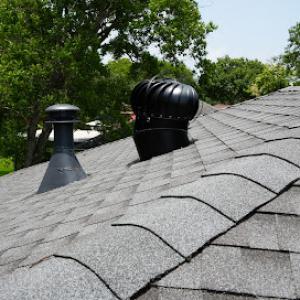
Strive Roofing & Construction
(832) 937-9493 striveroofing.com
719 Sawdust Rd #110-B, Spring, Texas
5.0 from 54 reviews
At Strive Roofing & Construction, we are a locally owned roofing and construction company serving Spring, The Woodlands, Conroe, Kingwood, and the greater Houston area. We specialize in residential and commercial roofing, including asphalt shingles, standing seam metal roofs, stone-coated steel roofs, TPO, and roof coatings. Our services also include siding, painting, fascia and soffit replacement, exterior remodeling, water restoration, mold remediation, and enclosed patios. We also offer financing options to help make projects more manageable. Quality craftsmanship, no shortcuts, just straightforward solutions built to last.
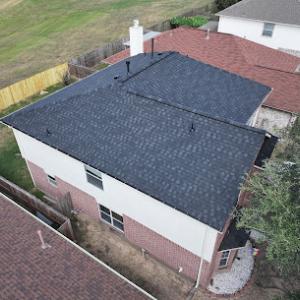
Maveric Construction
(832) 281-4674 www.mavericconstruction.com
2162 Spring Stuebner Rd, Spring, Texas
5.0 from 47 reviews
Treat others the way you want to be treated. At Maveric, we treat you like family. We are with you from start to finish. Contact us for a free roof inspection, information, or just peace of mind. We will be there, rain or shine!
Spring is not a single incorporated city, so permit handling can depend on whether a property falls under Harris County, Montgomery County, or a nearby municipal jurisdiction. That split matters when you're coordinating storm-related reroofing, because the rules, timelines, and required paperwork can shift with the jurisdiction. If your home sits in an unincorporated area, you'll likely navigate county rules; a nearby utility district or city limits can trigger different building codes and inspection expectations. Knowing who administers the permit before you start helps avoid delays or missteps when the crew finishes the job and wants to close out the project.
A full roof replacement typically requires a building permit, and contractors usually handle the application with the local building department before work begins. It's common for the contractor to submit plans, confirm material choices, and arrange the necessary notices tied to your property's location. Because multi-jurisdictional rules exist, you should confirm with your contractor which department will issue the permit and whether any additional approvals are needed (for example, district-specific storm-related requirements or approved wind-rated components). If you own a historic or specialty home, or you're in a district with stricter shade, color, or roof-line guidelines, expect extra review time and potential conditions to meet.
Inspection flow commonly includes an initial inspection and a final inspection to close the permit, and some local offices may ask for wind-rated underlayment documentation and a material list. The initial inspection typically occurs once the roof deck is prepared and weather barriers are in place, allowing the inspector to verify that the proposed system aligns with code and any local amendments. The final inspection verifies the work was completed per plan and that all required inspections are signed off. Keep copies of the material list, manufacturer specifications, and any wind-rated underlayment documentation ready, as these may be requested at the time of inspection. If a county or city adds a wind-resistance requirement after a storm, having those documents on hand can prevent hold-ups.
Coordinate early with your contractor about who will file the permit and how updates will be communicated. Confirm the exact jurisdiction and any county or municipal nuances that apply to your property, and ask for a written timetable that includes the inspections and expected durations. After notice of the permit, maintain access for inspectors and ensure the roof work progresses in windows that minimize weather exposure. If you're dealing with multiple storm-impacted houses on your street, anticipate staggered inspection schedules and plan accordingly to avoid project-wide delays. Being proactive with paperwork helps protect your project from weather-driven hold-ups and keeps timing aligned with post-storm needs.
Asphalt shingles dominate residential neighborhoods in this area, making them the baseline choice for storm restoration, resale expectations, and insurance-funded replacements. They handle the Gulf moisture and frequent hail events with a straightforward installation that crews recognize well. In most Spring homes, a standard-dimensional shingle system delivers solid wind resistance, ease of repair, and broad compatibility with common underlayments and attic ventilation. When hail storms come through, many homeowners find that asphalt shingles are the most practical, predictable option for a timely, cost-conscious reroofing project. If a roof is more than a couple of decades old or shows mixed damage patterns, shingles provide a reliable path to bring the roof up to today's weather expectations without overhauling the structure.
Metal roofing is increasingly relevant in this market, especially for homeowners looking beyond repeated hail-season replacements. In Spring, metal can offer extended longevity, improved impact resistance, and a lighter lift on some structures compared with heavier tile or slate options. It can also pair well with modern angles and architectural details found on many newer homes in the area. However, the choice requires considering existing roof geometry, attic ventilation, and the potential need for specialized fasteners or underlayments. If a roof isn't simply facing the next few decades of Gulf humidity and hail but aims for a lower maintenance profile in the long run, metal becomes a compelling comparison against standard shingle systems.
Tile, slate, and wood roofs exist in higher-end or custom homes around the area, but their weight, repair complexity, and specialized labor needs make replacement planning more involved than for shingles. Clay and concrete tiles bring distinctive curb appeal and solid weather performance, yet they demand a sturdier structure and careful handling during installation and repairs. Slate offers long life and timeless aesthetics but can be prohibitively sensitive to structural changes and professional sourcing. Wood shingles or shakes add warmth and texture but can be more vulnerable to moisture-related issues and fire concerns in drought-prone or high-h humidity cycles. For these materials, expect longer timelines for fabricating and coordinating with skilled crews, as well as careful assessment of total load on the existing roof framing.
When choosing between these materials, consider how hail history, attic ventilation, and existing roof framing interact with your home's age and architectural style. Asphalt shingles provide a dependable, widely supported option that aligns with typical local storm response and resale expectations. Metal roofing serves as a strategic alternative for durability and longer-term resilience, especially if roof geometry and budget allow. If the home is a high-end build with distinctive materials, plan for more involved installation and maintenance planning, recognizing that weight and labor demands will influence scheduling and long-term care.
In this area, Spring's long hot season north of Houston exposes roofs to sustained UV, attic heat, and humidity that can shorten service life compared with milder climates. That means the combination of sun-drenched days and damp nights accelerates aging of shingles, flashing, and underlayment. When you're evaluating a roof, look beyond surface color and granule loss-check for curled edges, lifted tabs, and any staining or moisture marks on sheathing that suggest hidden heat damage. If you've got a roof over twenty years old, you should plan for closer inspection after the hottest months, because heat and humidity don't just wear materials out; they hasten deterioration where water can intrude.
During reroofing, high summer heat and humidity can narrow ideal installation windows and affect how sealants, shingles, and underlayment perform. You'll notice sealants curing slowly or inconsistent seals in the peak of summer, especially if the crew is working midday when temperatures soar. To keep installation quality intact, aim for cooler mornings and late afternoons when feasible, and schedule crews to avoid the peak heat span. Discuss with the contractor the use of breathable underlayment and shingle installation sequences that minimize heat exposure on exposed edges. In practice, that means coordinating delivery and staging so materials aren't left exposed on the roof when temperatures push 90-plus and humidity sits high.
Frequent warm-season moisture in this area raises the stakes for attic ventilation and prompt leak repair because trapped humidity can worsen decking and flashing problems. A well-ventilated attic reduces peak interior temperatures and slows moisture buildup that can warp plywood or cause rust on metal components. If you notice persistent attic heat or condensation on windows, address venting promptly rather than letting it linger. After a storm, check flashing around chimneys, vents, and skylights as soon as safe access is possible; warm air carries more moisture, so any hairline gaps can worsen quickly. For ongoing operation, install or upgrade soffit and roof vents, and consider an insulated hatch or sealed attic door to keep humidity from driving up interior moisture levels during the humid months.
In practice, use regular, staged inspections through the spring and early summer. You'll want to verify that attic insulation isn't compressed by heat or moisture, that vent pathways aren't blocked by debris, and that any felt or underlayment remains intact under heavy sun exposure. When leaks appear, catch them early and coordinate with a contractor to reseal flashing or replace compromised decking before heat and humidity inside the attic compound the damage.
Typical Spring-area pricing runs about $350 to $600 per square for asphalt shingles, $650 to $1200 for metal, $950 to $1800 for clay tile, $900 to $1500 for concrete tile, $550 to $1100 for wood shingles or shakes, and $1500 to $3000 for slate. These ranges reflect the knuckles of a storm-prone market: basic materials sit at the low end, and premium colors or profiles push the total higher. When you're talking in squares, remember a standard 10-by-10 foot section equals one square.
Storm-driven demand in Spring can push reroof pricing upward after major hail or wind events as crews, dumpsters, and popular shingle colors get booked quickly across the north Houston suburbs. If a neighborhood hits hail hard, you'll often see price quotes come with tighter start timelines and fewer available crews. Planning ahead after a storm helps, but you'll still feel the effect if the county or utility district has a surge in reroofs.
Costs in Spring also vary by roof complexity common in suburban two-story homes, and whether hidden deck repairs are found after storm-related tear-off. A steeper pitch or multi-level roof adds labor hours and equipment needs, and situations where hidden damage shows up after removal can adjust the final tally. If you're weighing materials, remember that clay and concrete tiles carry higher installed price but longer life in this climate, while asphalt shingles remain the most budget-friendly option.
Start with a square-count estimate for your roof, then map a best- and worst-case scenario around the material you prefer. If a storm just passed, call a few local reputable contractors for written ranges rather than verbal bids, and ask about lead times and color availability. In practice, the biggest swing is material choice paired with roof geometry and any unexpected repairs uncovered during tear-off.
Don't let upfront costs delay a critical repair - these contractors offer payment plans to fit your budget.

HHH Roofing & Construction
22728 Acorn Valley Dr, Spring, Texas
5.0 from 68 reviews
FairClaims Roofing & Construction
(281) 367-0466 www.fairclaimsroofingcompany.com
25315 Oakhurst Dr, Spring, Texas
4.8 from 533 reviews
Strive Roofing & Construction
(832) 937-9493 striveroofing.com
719 Sawdust Rd #110-B, Spring, Texas
5.0 from 54 reviews
In Spring subdivisions with aging shingle roofs, repeated storm exposure often shows up first at ridges, valleys, pipe penetrations, and eaves rather than as a whole-roof failure. This pattern means you may not notice a dramatic sag or curling across the entire surface, but you will see granule loss, dark streaks, or minor wrinkling where the roof meets its joints. Paying attention to these hotspots can prevent a surprise leak from turning into a full replacement sooner than expected.
Wind-driven rain during Gulf-influenced storms can expose weak flashing details around chimneys, skylights, and wall transitions common on larger suburban homes in the area. Flashing that once seemed solid can fail with repeated gusts, lifting edges of shingles and allowing water to seek the interior. If you notice damp spots along these transitions after a storm, it's not just a cosmetic issue-stacked failures at multiple penetrations can accelerate interior damage you don't want to ignore.
Emergency calls in Spring frequently follow sudden leaks after thunderstorms, when lifted shingles or compromised flashing allow water intrusion before a full replacement is scheduled. The clock runs quickly here because attic and ceiling damage can worsen with every new storm. If a pinging drip or damp ceiling appears unexpectedly, it's a sign that repairs should be timed with proper assessment, not deferred until a more convenient season.
Inspect after each major storm, focusing on ridges, valleys, penetrations, and eaves. Document issues with photos and note any new stains or damp spots. Keep an eye on attic ventilation, as poor flow can amplify vented moisture that looks like roof trouble. When leaks or shingle lift occur, consult a local roofer who understands how suburban layouts, chimney stacks, and wall transitions interact in these neighborhoods.
Find contractors experienced in skylight installation, flashing, and leak repairs to bring natural light into your home.
HHH Roofing & Construction
22728 Acorn Valley Dr, Spring, Texas
5.0 from 68 reviews
FairClaims Roofing & Construction
(281) 367-0466 www.fairclaimsroofingcompany.com
25315 Oakhurst Dr, Spring, Texas
4.8 from 533 reviews
Strive Roofing & Construction
(832) 937-9493 striveroofing.com
719 Sawdust Rd #110-B, Spring, Texas
5.0 from 54 reviews
While pitched residential roofs dominate the area, some homes and mixed-use properties still feature low-slope sections over patios, additions, porches, or commercial-style spaces. Those flatter areas behave differently in storm seasons and can trap debris or moisture if overlooked during inspections. When planning a repair or replacement, expect detailing transitions between a steep main roof and any flatter zones to influence shading, venting, and membrane choice.
Spring experiences frequent hail-driven calls that target specialty roof areas first, such as porches, overhangs, and metal accents on steeper sections. A thorough inspection should verify fastener integrity, seam laps, and edge flashings around low-slope pockets. Subtle hail marks on premium surfaces or LO- sheet attachments may indicate hidden damage under coatings or underlayment. Prompt, focused documentation helps you distinguish cosmetic issues from structural concerns and guides effective restoration.
Solar-related roofing work appears in the Spring market but remains a smaller specialty compared with storm restoration and standard reroofing. If a solar array is present or planned, verify compatibility with the existing roof deck, flashing details, and any warranty stipulations from both the roof and solar installers. In some configurations, solar retrofits are layered over existing systems, which can complicate waterproofing. A roofer with solar experience can align panel mounting, shingle compatibility, and access pathways for service.
Coating and restoration services exist locally but are far less prevalent than full replacement and storm-repair work in the contractor base. These options can appeal for minor surface wear or sealant refresh on flatter spans, but expect limitations on long-term performance compared with a complete reroof. When considering coatings, prioritize surface prep, UV exposure tolerance, and warranty terms that cover weather-driven cycles typical in this climate.
Metal roofing often suits mixed-use builds and high-visibility applications, while clay or concrete tiles suit older, architecturally expressive homes. Slate remains less common due to cost and weight. For any specialty material, ensure the roof structure is rated for the load and that installation sequences account for local drainage and wind performance. A contractor who understands Spring's storm patterns can set expectations for lifecycle, maintenance, and the nuances of colorfast finishes in this climate.
Seek a roofer with documented experience in ready-to-warn tile transitions, low-slope integrations, and solar-ready flashing. Ask for volumetric load calculations, compliant sealants, and demonstrable success with similar property types. Local references from neighborhoods with comparable homes provide insight into how crews handle the region's moisture cycles, hail exposure, and the peculiarities of multi-jurisdiction or utility-district permit landscapes.
Find specialists in TPO, EPDM, and built-up flat roofing systems for residential and commercial properties.
HHH Roofing & Construction
22728 Acorn Valley Dr, Spring, Texas
5.0 from 68 reviews
Strive Roofing & Construction
(832) 937-9493 striveroofing.com
719 Sawdust Rd #110-B, Spring, Texas
5.0 from 54 reviews
Texas Stag Roofing Solutions
22131 Rothwood Rd Suite 518, Spring, Texas
4.8 from 100 reviews
In this area, because Spring sees heavy post-storm contractor activity, homeowners often sort between fast-response storm specialists and long-established local reroofing companies. That decision matters for long-term performance, because the quick responders may move fast but carry different guarantees and organizational structures than seasoned local teams. Look for a balance: a crew that can deploy promptly without sacrificing the depth of a proper, code-conscious roof replacement.
Free inspections, drone inspections, cleanup promises, and manufacturer certifications are all visible differentiators in the Spring market and reflect what local homeowners are commonly offered. A drone inspection can reveal hail damage beyond what is obvious from the ground, helping you separate cosmetic fixes from necessary structural work. But promises of cleanup are not a substitute for a written plan and a clear warranty. Manufacturer certifications signal that the installer has met brand standards, which can matter for insulation, underlayment, and fastener warranties. Tie these signals to concrete outcomes: a documented scope, timeline, and a warranty that covers workmanship and materials.
Given Spring's permit and inspection variability by jurisdiction, homeowners benefit from hiring contractors already familiar with the specific local office handling their address. Ask for references from neighbors with the same utility district or county office, and verify that the roofer has navigated the particular permit or inspection sequence for projects in that jurisdiction. A local touch often translates into smoother scheduling, fewer hold-ups, and clearer communication around inspection deadlines and punch-list items.
Request side-by-side proposals that spell out three components: assessment findings (including visible and suspected hidden damage), a phased work plan with a milestone-based timeline, and a comprehensive warranty statement. Prioritize contractors who provide concise documentation, a clear line of communication, and a track record of completing projects in weather-limited windows typical after storms. If a company cannot articulate who handles inspections and who signs off on permits in your area, keep looking.