
Last updated: Apr 19, 2026
Storm season in this market runs in two sharp, back-to-back phases: spring hail that can pepper shingles, gutters, and flashings, followed by the Atlantic hurricane season with rain and wind that push roofs beyond their limits. This pattern means you could be dealing with quick, cosmetic hail damage one week and full-blown wind-driven leaks a few months later. The risk isn't theoretical-the structure of many local homes, with flat or low-slope sections and aging penetrations, invites moisture intrusion as soon as the next system rolls through. The clock on damage recognition is short, and delays multiply the risk of interior staining, compromised decking, and mold growth.
The local market shows very high prevalence of storm damage, insurance claims, and emergency repair services, reflecting how often roofs are evaluated after severe weather. After a hail event, the window of opportunity to document damage and start a claim can be measured in days, not weeks. When hurricane season hits, multiple storms can keep crews busy, driving up wait times for assessments and material delivery. The reality is that roofs most likely to suffer repeat events will face recurring scrutiny from insurers, adjusters, and contractors who understand the Houston storm cycle intimately. Expect a flurry of activity, with roofing crews converging on neighborhoods hit hardest and leaving behind a trail of temporary patches while permits and approvals line up.
Because projects can be disrupted by repeated rain events and storm surges in contractor demand, homeowners often need to document damage immediately and schedule replacement in the calmer fall-to-early-spring window. Immediate documentation means taking clear photos from multiple angles, noting the date, and capturing any interior signs of moisture. Keep a written log of all impacted areas and any existing leaks. Contact your insurer promptly to initiate the claim and request an on-site adjuster visit as soon as feasible. If you're facing a delayed start, consider temporary protective measures-tarps over vulnerable valleys or softened seams-to minimize further damage while you wait for a solid repair window. When scheduling, prioritize weather gaps that reduce the chance of rain interrupting work and allow crews to complete the job without rushing through harsh conditions.
In the aftermath of a hail or wind event, expect a surge of activity in your neighborhood as nearby roofs call on urgency-based repairs. Align with a contractor who can scale work up or down as weather dictates, coordinating with your insurer to avoid overlapping timelines that stall the project. If your claim is approved for a replacement, the chosen path should minimize future risk, with attention to flashing details, ventilation, and attic insulation compatibility. The goal is to restore the roof as a cohesive, weather-tight system that stands up to the next round of spring hail and hurricane rain, not a quick patch that will fail when the next front moves through.
Spring hail in this area can bruise asphalt shingles long before the wind-driven rain of hurricane season exposes gaps and leaks. That quiet bruise may look small, but it weakens the surface and accelerates wear once heat and humidity return. After a storm, inspect for dark round hits on the shingles, and check for granule loss along gutters and around downspouts. Early detection matters, because damage that seems minor at first can become a pathway for water intrusion when the rains arrive in earnest.
Frequent high wind and heavy rain in this region make lifted shingle edges, exposed fasteners, and compromised flashing especially important to document with photos for adjusters. Stand back and capture wide shots of the roof, then zoom in on any lifted edges, torn seals around vents, and flashing that looks dislodged or buckled. Take images of the attic from the inside if you can safely access it; note any light beams or moisture staining near penetrations. A clear before-and-after set can simplify the adjuster's assessment and help avoid disputes later on.
Houston's humid climate can make older storm-damaged roofs deteriorate faster after an event, because trapped moisture and repeated wetting extend the damage beyond the initial strike. If you notice persistent dampness in the attic, peeled paint around rafters, or darkened roof sheathing, treat it as a sign that the problem may be more extensive than the visible surface suggests. Roofs that already show prior wear-curling shingles, compromised sealants, or rust on metal components-are especially vulnerable to accelerated deterioration after a storm. The combination of humidity and temperature swings can push marginal spots toward leaks long after the wind subsides.
After a storm, prioritize safety first: avoid climbing a slippery roof, especially during or after rain. If you must inspect, use sturdy footwear and consider binoculars for distant checks rather than up-close leaps of faith. Create a simple photo log that records shingle condition, flashing integrity, and any interior signs of water intrusion near ceilings and insulation. Keep a notebook handy to timestamp observations and correspond with your insurer or contractor promptly. In the days and weeks that follow, monitor for new damp spots or peeling paint, which can signal that moisture remains trapped and the roof needs professional attention sooner rather than later.
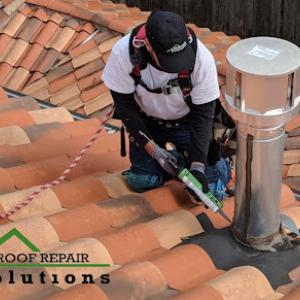
Roof Repair Solutions
(713) 202-0890 www.roofrepairsolutions.net
Houston, Texas
5.0 from 1034 reviews
Roof Repair Solutions, a family-owned and insured business, provides experienced roof repair services across the Greater Houston Area, including Sugar Land, Katy, Pearland, Spring, and Missouri City. Owner Oscar Fierro personally handles all repairs, bringing over 20 years of construction expertise. His background includes high-end residential roofing in Atlanta and extensive work in interior trades and remodeling in Houston. For 15 years, he led A to Z Construction, specializing in custom residential projects. Established in 2013, Roof Repair Solutions focuses on thorough assessment, skilled repairs, and clear, upfront pricing, ensuring reliable service throughout the Houston metro area.
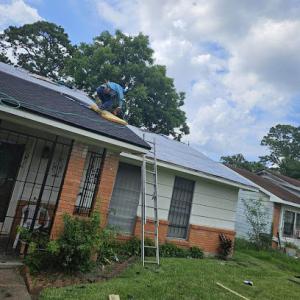
Daniel's Roofing & Painting
(832) 453-3803 danielsroofingandpainting.com
Houston, Texas
5.0 from 1097 reviews
Daniel's Roofing and Painting, your trusted choice for top-notch roofing solutions in Houston, TX. We specialize in professional roofing services, ensuring durability and aesthetic appeal for your property. Elevate your home with our expert craftsmanship and reliable expertise. We have 30 years of experience.
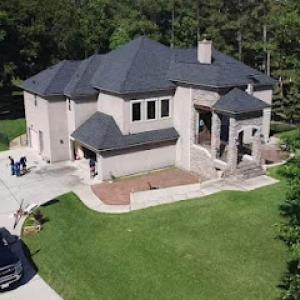
Serenity Roofing & Construction
(713) 283-8143 www.serenityroofingandconstruction.com
6727 Theall Rd suite a, Houston, Texas
5.0 from 279 reviews
Serenity Roofing and Construction provides professional roof consulting services in the inspection and evaluation of commercial and residential roofing systems. Making sure your roof is secure, energy efficient, waterproof, and correctly installed is the best investment you can make in your home or commercial roof system.
314 Roofing Solutions
6824 North Sam Houston Pkwy W, Houston, Texas
5.0 from 1137 reviews
314 Roofing is Houston's top choice for residential & commercial roofing needs. We prioritize exceptional customer service by putting education and transparency first, setting our standards to go beyond expectations.

Roof Squad
(713) 489-8064 www.roofsquad.com
19407 Park Row Blvd Suite 130, Houston, Texas
5.0 from 505 reviews
Roof Squad is one of the best-rated roofing companies in Houston TX, specializing in roof leak repairs, local roof replacements, inspections, gutter installation and other roofing services. Our team is fully trained to deal with hail damage repairs and shingle, metal and tile roofing systems. We’re fully insured, BBB accredited and a proud Owens Corning Platinum Preferred roofer. Also serving Katy TX, The Woodlands TX and surrounding areas.
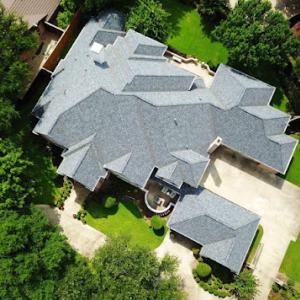
Priority Roofing
(281) 380-0357 priorityroofs.com
260 N Sam Houston Pkwy E Suite 150, Houston, Texas
5.0 from 342 reviews
At Priority Roofing Houston we believe in excellence, integrity, and taking care of the customer and project from start to finish. We are more than a roofing business. We believe in changing lives for the better. Replace or repair your residential roof with Priority Roofing. We’re professional Houston roofing contractors, our bids are competitive, and we’ll find a great solution for your residential roof. We specialize in Houston residential roof installation and roof repair, as well as emergency roofing service for leaks and damage. From shingle systems, to metal, tile and slate roofing options, we have roofs to fit nearly every budget. Priority Roofing Company is family owned and operate locally in Houston, TX.
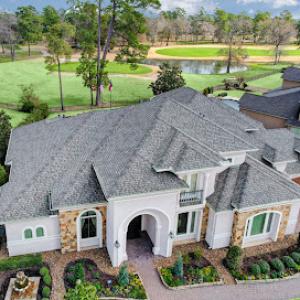
Moss Roofing Houston
(832) 840-8027 www.mossroofinghouston.com
13100 Wortham Center Dr 3rd floor, Houston, Texas
5.0 from 595 reviews
Moss Roofing Houston is here to repair, restore, or replace your roof and help ensure the longevity of your family’s home. We're proud to be among the best roofing companies in Houston. Our team of expert roofing contractors is here to serve the Greater Houston Area, one house at a time.

Achilles Roofing & Exterior
(832) 353-2383 achillesroofinghouston.com
1919 W Sam Houston Pkwy N, Houston, Texas
5.0 from 363 reviews
Achilles Roofing & Exterior - Houston, Texas is one of Houston's most trusted and highly reviewed roofing contractors, specializing in roof replacement, repairs, and exterior solutions. Whether you need a complete roofing replacement, roof repair, or gutter and siding installation, our expert team ensures top-quality craftsmanship and long-lasting results. As an experienced roofing contractor, we serve homeowners and businesses across Houston, providing affordable and durable roofing solutions. Looking for the best roofing company in Houston? Contact Achilles Roofing & Exteriors today for a free roof inspection and estimate!
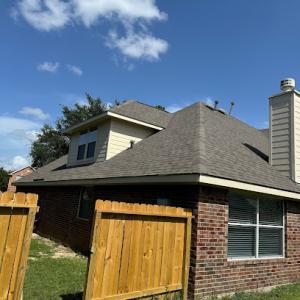
Asap Roof Repair
(346) 651-3340 asaproofrepair.com
10107 Burgoyne Rd, Houston, Texas
5.0 from 191 reviews
Asap Roof Repair is a trusted Roofing Contractor Houston delivering comprehensive Roofing Services Houston for homes and businesses. Our expert Roofers Houston handle Roof Repair Houston, Roof Inspection Houston, Roof Maintenance and Repair Houston, and Roof Replacement Houston with fast, reliable service. As a leading Roofing Company Houston, we also offer Gutter Repair and Replacement Houston to protect your property. Need Residential Roofing Houston or Commercial Roofing Houston? We’ve got you covered. Beyond roofs, we specialize in Foundation Repair Houston to restore safety and value. Call Asap Roof Repair today.

Hargrove Roofing
(713) 425-3771 www.hargroveroofing.com
1422 Antoine Dr, Houston, Texas
5.0 from 171 reviews
The certified roofers at Hargrove Roofing have years of experience providing high-quality roofing services in Louisiana and Texas. As a BBB-accredited company, their team is proud to be your trusted partner for reliable roofing solutions. From roof inspections to roof installation to roof repair, their skilled contractors are fully trained and equipped to keep the roof over your home or business. When you choose Hargrove Roofing, you’re choosing peace of mind with 24-hour emergency services, flexible financing options, and their satisfaction guarantee! With a reputation for exceptional craftsmanship and top-notch products from industry-leading brands like GAF® and Owens Corning®, you can rest assured that your roof is built to last.
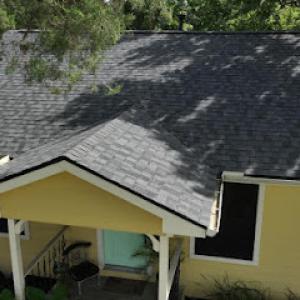
SLM Roofing
17214 Mercury Dr, Houston, Texas
5.0 from 296 reviews
At SLM Roofing, the Houston area elite, locally owned residential roofing contractor, we specialize in extending the life and safety of your Texas home's roof. Locally owned & Operated since 2005, our family-owned business has been providing Houston homeowners with expert roofing solutions, including storm damage repair and comprehensive insurance restoration. With 24/7 availability, free inspections, and rapid project completion, we ensure your peace of mind by keeping our promises and maintaining the integrity of your home.
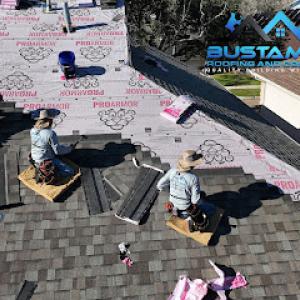
Bustamante Roofing & Construction
12650 Crossroads Park Dr Suite 100, Houston, Texas
5.0 from 270 reviews
Bustamante Roofing and Construction, a 5-star rated Google guaranteed business, is your trusted local roofing company in Houston, specializing in high-quality roof replacement, new roof installation, and expert roof repair for both residential and commercial roofing. As a GAF-Certified Contractor and an Owens Corning Preferred Contractor, we deliver industry-leading materials and craftsmanship you can count on. Whether you need TPO roofing, metal roofing, asphalt shingles, flat roofing, or help with a roof insurance claim, our experienced roofing contractors are ready to help. Searching for a roofer near you, a roofing contractor in Houston, or a free roof estimate? We offer reliable service, affordable pricing, and long-lasting solutions.
Replacement windows in this market should be planned around Houston's storm-to-sun cycles. The most favorable replacement season is typically fall through early spring, when crews avoid the worst summer heat, humidity, and storm interruptions. That window helps seal and weatherproof joints before the next round of heat and storms, reducing the risk of improper acclimation or glazing issues caused by rapid swings in temperature and humidity. When fall light fades into winter, ensure you coordinate a thoughtful sequence: remove old units, inspect the rough opening, and complete exterior water management before interior finishing begins. In practice, align the window installation with the roof work schedule so you don't double-handle tarps or risk back-to-back disruptions from rain.
June through September in Houston can delay tear-off and dry-in because hot, humid, storm-active weather affects scheduling and material handling. If a project stretches into this period, expect longer lead times for ordered windows, glaze cure times, and adhesive set. Plan for heat-related labor shifts: crews may start earlier, pause during the peak afternoon, or pause during tropical storm passages. The goal is to preserve seal integrity and avoid labor bottlenecks that could leave openings exposed to rain or humidity longer than necessary. Build a conservative schedule so that any weather hiccup doesn't cascade into interior setbacks or secondary damage to insulation near the window jambs.
Wet winter humidity in Houston can still complicate underlayment timing, so even the preferred season requires close weather watching rather than assuming dry conditions. While windows themselves are not roofing components, the surrounding assembly-flashing, drip edges, and siding transitions-demands careful drying and curing windows. Verify that exterior sheathing and flashing are fully dry before sealing and flashing the window perimeters. If a cold front arrives with damp air, allow extra cure time for any exterior sealants or primers used on the window flange. In practice, prepare a contingency for days of high humidity: postpone interior finish work that relies on fast-setting caulks until conditions reach a stable, lower humidity period.
Begin with a weather-aware inspection of the current openings. Check for sunken sills, compromised flashing, and water staining around existing frames. Choose windows with strong low-E coatings and argon or triple-layer gas fills to combat Houston's heat and humidity. Ensure the installation plan includes proper exterior drainage slopes and integrated moisture barriers to mitigate storm-driven runoff. Finally, coordinate closely with the roofing crew so the window replacements align with any needed flashing adjustments and roof-penetration assessments, keeping the envelope tight from the first dry day.
Asphalt shingles remain a dominant choice because they fit the city's large re-roofing market and broad range of home price points. In practical terms, that means you'll often see asphalt on a wide mix of homes from modest bungalows to newer mid-rise houses. But shingles in this area are exposed to accelerated wear from heat, humidity, hail, and storm winds. Ashphalt's performance hinges on proper installation and attic ventilation to mitigate heat buildup, especially for homes with limited shade or poor airflow. When selecting this option, consider a reflective or darker shingle choice that balances heat resistance with durability.
Metal roofing is a meaningful Houston segment because homeowners looking for stronger wind and rain performance often compare it against repeated storm-related shingle replacement cycles. Metal tends to shrug off heavy rain and endure gusty conditions better than some other materials, which can reduce the frequency of storm-related repairs. However, the local climate still tests metal in hail and extreme heat. Look for panels with robust fasteners, reinforced seams, and proper underlayment to minimize denting and water intrusion after hail events. A well-installed metal roof can be a long-term solution after a major storm season.
Clay tile, concrete tile, wood shakes, and synthetic shingles all appear in Houston, but their suitability depends heavily on how they handle the city's combination of heavy rainfall, humidity, and storm exposure rather than dry-climate considerations. Clay and concrete tiles offer excellent longevity and a classic look, but their weight and brittle nature during hail require careful assessment and installation. Wood shakes provide natural insulation but are susceptible to humidity and mold if not properly maintained and vented. Synthetic shingles can blend the benefits of durability and weight, yet performance under repeated hail and high humidity varies by product. In all cases, the roofing system should be paired with a solid deck and effective moisture control to withstand Houston's seasonal storms.
The material ranges you'll see locally run from about 350 to 700 USD per square for asphalt shingles, 600 to 1200 for metal, 800 to 1800 for clay tile, 700 to 1600 for concrete tile, 600 to 1200 for wood shingles or shakes, and 500 to 900 for synthetic or composite shingles. In practice, Houston projects often tilt toward midpoints when supply lines tighten, but material choice still drives a wide portion of the total. Shingle roofs installed over the typical 10-square to 15-square neighborhoods you see around town will land in the lower to mid parts of these bands if the job is straightforward and well-timed.
Storm-driven demand spikes after hail and hurricane events can push scheduling out and raise pricing pressure for labor, tear-off, and emergency dry-in work. If a storm hits, you'll notice contractors juggling rapid response with work-in-progress permits, often prioritizing the most damaged sections first. Expect short-notice delays for crew availability and higher call-back rates for inspections once the weather window closes. Planning ahead with a preferred contractor, rather than chasing a whirlwind of urgent bids, can reduce both cost creep and project stress.
Your choice of material matters beyond upfront price. Metal roofs, though pricier per square, often resist hail better and shed roof debris quickly, potentially lowering long-term maintenance. Clay and concrete tiles handle heat and wind well but add weight and require roof framing checks. Asphalt remains the most budget-friendly and widely installed option for modest homes in the area's climate, though it may need more frequent replacement in hail-prone seasons. Synthetic or composite shingles offer a balance of cost and durability, fitting many mid-range projects.
Labor costs track with availability, especially after large hail events or hurricanes. A tight labor market can raise per-square rates and extend dry-in timelines after a storm. Your strategy should include securing a contractor with a clearly defined dry-in plan, weather contingency steps, and a material lead time that matches the Houston spring-to-hurricane cycle. This approach keeps disruption minimal and helps protect the structure during storm transitions.
Don't let upfront costs delay a critical repair - these contractors offer payment plans to fit your budget.
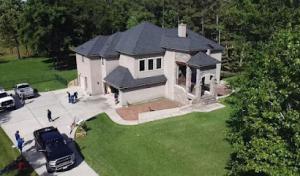
Serenity Roofing & Construction
(713) 283-8143 www.serenityroofingandconstruction.com
6727 Theall Rd suite a, Houston, Texas
5.0 from 279 reviews

Achilles Roofing & Exterior
(832) 353-2383 achillesroofinghouston.com
1919 W Sam Houston Pkwy N, Houston, Texas
5.0 from 363 reviews

Hargrove Roofing
(713) 425-3771 www.hargroveroofing.com
1422 Antoine Dr, Houston, Texas
5.0 from 171 reviews
For full roof replacements, permits are commonly required through the City of Houston. Homeowners should expect the permit to matter for both code compliance and insurance documentation. The permit signals that materials and installation meet local standards and that the project will be trackable for any future claims. Before any tear-off begins, verify that you or your contractor pull the correct permits and that the permit card stays posted on the job site.
Houston typically requires inspections that include a rough-in or underlayment stage and a final inspection, so scheduling must account for city sign-off rather than just crew availability. Plan for the rough-in check after underlayment is laid and before shingles go on, and set the final inspection after the roof is completed and storm-safe. Your permit dossier should include an updated set of diagrams, product notes, and weather-resilient details to simplify the inspector's review.
Permit processing times can vary by district in Houston, which can affect replacement timing after major storm events when many roofs are entering the system at once. If a storm brings a spike in claims, expect a temporary backlog and coordinate closely with the contractor to align crews, material lead times, and inspection slots. Proactive communication with the building department can help you anticipate hold points and avoid delays during peak seasons.
Keep a dedicated file with permit numbers, inspection dates, and the inspector's contact information. Ensure the roofing contractor handles permit pickup and sets realistic milestones that align with the city's inspection windows. In storm aftermaths, establish a fallback plan in case an inspection window shifts, so that weather delays don't push your project into unsafe or unstable conditions.
After a hailstorm or high-wind event, the city becomes a high-claim roofing market. Insurers often scrutinize roof age, photo evidence, and whether damage is storm-related or wear-related. You should prepare for a slower decision trail than you expect, and understand that documentation can be the difference between a swift claim and one that drags through season after season.
The adjuster process frequently hinges on solid records. Adjusters in Houston may ask for contractor estimates, photos, and permit documentation before approving a full replacement, especially after widespread storm events. Gathering these items promptly helps avoid delays and keeps the claim moving toward a decision that matches the actual damage.
Because Texas insurance conditions have shown variability after major hail activity, homeowners should expect some carriers to tighten procedures even while others continue broader storm-loss handling. That means two neighbors with similar roofs can see different results depending on the carrier and the storm footprint. Be prepared for questions about hail impact patterns, shingle granule loss, and wind-related uplift.
When you hire restoration help, choose a contractor who understands how insurers review photos and measurements. Clear, dated photos from multiple angles, close-ups of damaged edges, and a simple timeline of events help. If a replacement is approved, maintain all documentation and keep a copy of every communication in case the file is reopened.
Timing matters with the weather window. Storms can reopen a file during a busy season, so coordinate roof work with the insurer's timeline to avoid gaps in coverage or a denial due to missed notification. Being proactive with careful documentation reduces surprises when the check arrives.
The rare Gulf Coast humidity combined with hurricane-season downpours means water can linger around penetrations and transitions long after the rain ends. Low-slope roofs in this market prone to ponding need more than a quick patch-you want reliable slope, proper crickets, and flashing that actually sheds water away from the seam. In practice, expect that even small pooling around vents or skylight bases can become a chronic interior issue if the drainage path isn't clear or the edge detailing isn't performing.
The local contractor scene includes a meaningful flat-roof specialty, not a lazy afterthought. When leaks surface, a diagnosing crew with flat-roof experience will lift edges, inspect mem branes, and verify seam integrity under wind-driven rain conditions. Look for a contractor who can trail-test the roof, confirm coverage continuity across transitions, and identify hidden delamination under ballast or underlayments that aren't obvious from above.
Skylights and similar roof penetrations deserve extra attention because repeated exposure turns small flashing defects into interior leaks quickly. Examine curb flashing, bead bonds, and sealant wear at the edge. Watch for UV-cracked butyls, corner seams, and poor drainage around the skylight flange. In Houston, even a minor gap can become a leak hotspot after a brief, heavy storm.
After a storm, inspect from the attic for any signs of moisture near penetrations or along transitions. On the roof, check all seams, penetrations, and edge detailing with a keen eye for lifted flashing or tar domes that shouldn't be there. If water shows up inside, trace it back to the closest penetration and re-test with a controlled rain or garden hose run, focusing on gravity-driven paths.
Schedule semi-annual inspections focused on low-slope sections, especially before the peak of storm season. Keep drains clear, trim nearby tree limbs, and maintain flashing around vents, pipes, and skylights. Small, targeted repairs and proactive resealing around penetrations save bigger problems when the next wave of rain hits.
Find specialists in TPO, EPDM, and built-up flat roofing systems for residential and commercial properties.
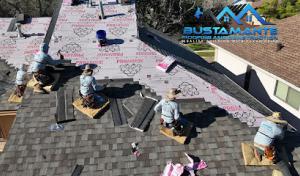
Bustamante Roofing & Construction
12650 Crossroads Park Dr Suite 100, Houston, Texas
5.0 from 270 reviews
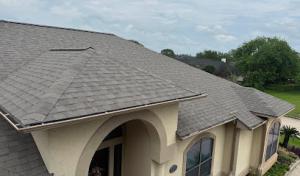
Martin Roofing & Solar
(832) 617-4037 martinroofingandsolar.com
7676 Hillmont St, Houston, Texas
5.0 from 155 reviews
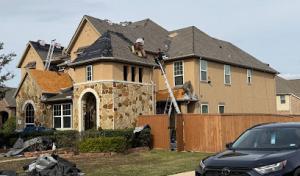
After a severe storm, you often need quick response and cleanup, because active leaks and storm debris are immediate concerns after the weather settles. In Houston, that rush can blur judgment, so the aim is not a quick patch but a durable repair that holds through the next rain and the next season.
The market includes many long-established, family-owned and locally owned firms alongside a large volume of re-roofing contractors. Homeowners need to distinguish stable operators from short-term storm-chasing outfits that move on after the claim. Check solid references, local projects, and a track record of proper debris containment, leak control, and clean removal of old material. Free inspections and drone assessments are common, so use them to document damage without committing to a full replacement on day one.
Many homeowners begin with a storm assessment and documentation rather than shopping for a full roof replacement. Focus on a documented scope of work, an itemized plan for tarping and containment, and a realistic timeline. A Houston-specific approach should address hail impact, wind-driven leaks, and debris-related damage that can hide under shingles.
Ask for local references and photos of recent jobs, verify licenses where applicable, and review warranties on workmanship and materials. Ensure the contract spells out cleanup, disposal, and protection of landscaping and gutters. Beware aggressive tactics that push you toward unnecessary upgrades.
Gulf Coast humidity and the hurricane season shape how you schedule work. You want to avoid high-wind intervals and ensure crews can complete a safe, thorough job before the next storm cycle. Locally, careful planning minimizes repeat exposures and unsatisfactory outcomes.
Solar roofing appears in the contractor market but is far less prevalent than storm repair and standard re-roofing, so it should be treated as a secondary planning issue. In practice, most Houston replacements come after a hail or wind event, and the priority is restoring a weather-tight roof quickly. When solar or accessory upgrades are on the shortlist, approach them as a separate layer of planning that sits on top of the primary roof replacement. If the house has existing solar-ready components or if the plan includes future energy upgrades, verify compatibility with the roof deck, underlayment, and warranty language. In neighborhoods with mixed-age roofs, the decision to pursue solar should not delay critical storm repairs, since the roof envelope still needs solid, storm-resilient components before any long-term energy additions.
Because replacements are often triggered by storm claims, homeowners considering solar or accessories need to separate insurance-covered roof scope from elective work. Treat the core re-roof as the insured restoration, and classify solar-related upgrades as elective enhancements that are evaluated after the insurance settlement is determined. Document existing conditions, including hail impact, wind damage indicators, and flashings, so the insurer can distinguish between required repairs and optional improvements. When presenting a claim, keep the storm repair scope clearly delineated from any non-contingent upgrades. This helps prevent delays or confusion if an adjustment is needed and supports a smoother depreciation claim process.
Accessory decisions in Houston should be timed around the city's permit and inspection workflow so the roof assembly is not reopened during a storm-prone period. The window between permit issuance and final inspection can be tight, particularly after severe weather events. If solar or accessory work is contemplated, coordinate with the roofing contractor to align the upgrade with the primary shingle replacement and any required flashing or underlayment updates. Plan for potential adjustments in inspection sequencing to avoid re-entry of the roof deck during peak hail season, which reduces the risk of weather-related setbacks and keeps the project on a predictable track.
Find contractors who integrate solar panels or solar shingles into your roof for long-term energy savings.
Serenity Roofing & Construction
(713) 283-8143 www.serenityroofingandconstruction.com
6727 Theall Rd suite a, Houston, Texas
5.0 from 279 reviews
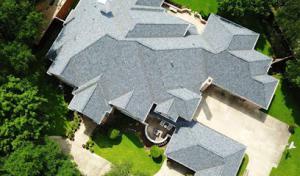
Priority Roofing
(281) 380-0357 priorityroofs.com
260 N Sam Houston Pkwy E Suite 150, Houston, Texas
5.0 from 342 reviews
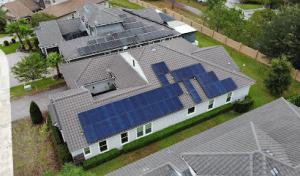
SolRa Tech
(346) 562-1286 www.solratech.us
555 W 19th St suite 326, Houston, Texas
5.0 from 135 reviews