Last updated: Apr 19, 2026
Missouri City sits in the Houston-area storm belt where spring hailstorms and heavy thunderstorms routinely trigger roof inspections, temporary tarping, and insurance-driven replacement decisions. In this climate, the window from March through May is the fiercest, with hail the most damaging during midday storms and gusty lines. Autumn brings a second wind-driven damage window as tropical systems spin up and roll through, delivering powerful gusts even if hail isn't the headline. Your roof must be evaluated promptly after any severe system, because the combination of hail and wind damage can hide under shingles and around flashing, accelerating leaks and accelerated wear on underlayment.
Autumn tropical-system activity creates a distinct pattern of damage. Hail bruising may show as dings or soft spots on shingles and on metal panels, while lifted edges and curling indicate wind uplift. Wind-thrown debris can crack tiles, tear roofing membranes, and push grit into ventilation channels. In Missouri City, where many homes use asphalt shingles or clay and concrete tiles, the visual cues differ by material: bruising and granule loss on asphalt, hairline cracks on clay, and displaced tiles on concrete. The critical point is to differentiate between hail bruising, lifted shingles, and debris impacts from separate storm events, because that distinction guides the insurance claim and the replacement scope.
Because local insurers actively assess hail and wind exposure in this market, robust documentation speeds responses and affects the outcome of claims. You benefit from date-stamped photos taken from multiple angles, both before and after major storms if possible, plus copies of prior invoices and notes on roof condition. Keep a simple, dated log of observed damage you notice after each storm-shingle edges, flashing around chimneys and vents, and any staining or damp spots inside the attic. When a new storm event hits, you'll need clear, organized records to substantiate the extent of the damage and to demonstrate the roof's condition before the latest event.
After a hailstorm or a severe thunderstorm, your first move is to protect the home from further damage while you pursue a professional inspection. Temporary tarping should be applied to exposed areas quickly, especially around flashing, valleys, and penetrations. Arrange an experienced local roofer to perform a thorough assessment within days, not weeks, because rapid changes in weather can worsen hidden problems. If you suspect wind-driven damage or hail bruising, insist on an inspection that evaluates underlayment integrity, deck condition, and flashing continuity, since these components largely determine long-term performance and the need for replacement.
Autumn's elevated risk means you should prepare for a second, wind-dominated damage window later in the year even if spring damage seems minimal. Have a proactive inspection plan in place so you're not scrambling when a tropical system hits. Your goal is to separate fresh damage from older issues, ensuring that any replacement decisions reflect the true, current condition of the roof rather than a patchwork fix from the last event. In this market, timely, well-documented inspections support faster, more accurate decisions and help protect your home from looming, storm-driven risk.
Asphalt shingles are the backbone of many homes in this area, and they perform well enough with the right setup. In this climate, the hot, humid conditions and frequent summer storms accelerate granule loss, seal-strip fatigue, and underlayment aging versus milder places. When you're evaluating asphalt, focus on impact-rated options designed to resist hail and a thicker shingle profile that helps minimize sun and heat absorption. A proper attic venting plan matters here because venting reduces attic temperatures that can prematurely age asphalt underlayment. A reputable installer in this market will also verify the edges and flashing around chimneys, vents, and valleys during the replacement to prevent wind-driven leaks after a hail event or a quick, intense test of a thunderstorm.
Metal systems are increasingly common for their durability and heat-handling characteristics. In this market, metal can shed heat better than traditional asphalt, which helps with energy use on long, hot Texas days. The trade-off is construction detail: you must insist on meticulous flashing and secure fasteners because thunderstorm winds and repeated wet-dry cycles can stress seams and penetrations. Look for corrosion-resistant coatings and a installed underlayment package that matches the metal's lifespan. Metal often excels on homes with modern lines or architectural features where a clean look complements the roof plane, but a local installer should confirm attic access and ventilation improvements to support metal's higher heat response.
Clay and concrete tiles handle heat in distinct ways-clay tends to reflect more sun while concrete can absorb heat and transfer it into the attic if not vented properly. In this area, these tiles perform well against hail and wind when properly attached and strapped. The key is attachment and flashing: you need experienced crews who know how to integrate with the existing structure, especially around hips, valleys, and transitions to walls. Tile installations require a solid substrate and careful alignment to keep wind-driven debris from compromising the seal. If you're considering tile, plan for a robust ventilation and ridge setup to manage heat buildup and to prolong the system's life in the face of repeated wet-dry cycles.
Wood shakes exist in the market but are far less prevalent locally, which matters because replacement matching and specialized repair crews are harder to find here than for asphalt, metal, or tile. If wood is already in place, you'll want a consistent maintenance plan and a contractor who can source compatible shakes for repairs to avoid noticeable mismatches. For a full replacement, consider whether the local supply chain can reliably deliver matching stock and whether the crew can execute precise flashing and underlayment details to combat the rapid weather shifts common to the area.
Synthetic options can offer good hail resistance and color stability, with installation approaches similar to asphalt. They provide a more uniform surface, which can help with consistent drainage and flashing integration. In the local market, these products are often chosen when a homeowner wants a longer service life without the added weight of tile or the energy dynamics of metal, paired with a conventional installation method that scales with the existing roof geometry.
Local replacement pricing in this area is heavily shaped by Houston-area storm demand surges. When hail and thunderstorm events slice through Fort Bend County and nearby suburbs, labor availability tightens and scheduling stretches. That means a roof damaged during a busy spring or early summer can carry not only the base material cost but a higher labor component as crews shift from one job to the next. In practical terms, expect lead times to drift from a few days to a couple of weeks during the peak storm window, and prices to reflect the market push for skilled roofers, especially for full replacements.
Missouri City shows a wide spread in material options, from low-cost asphalt shingles to premium tile and metal. The local mix matters because some neighborhoods feature standard suburban shingle roofs while others lean toward tile profiles that elevate both upfront material costs and long-term durability. The price range provided here aligns with that spread: asphalt shingles land on the lower end, while concrete or clay tile and metal options trend higher. The decision isn't only about sticker price; it's about how a given profile performs under the Gulf Coast humidity, hail exposure, and the aging typical of Texas homes. When choosing, consider not just monthly payments but long-term resistance to wind, impact, and thermal stress.
Weather-driven damage can collide with tight contractor availability after a major storm. In practice, this means even a straightforward replacement may drift in calendar as crews prioritize storm-damaged neighborhoods with insurance-driven timelines. For homeowners, this translates to: lock in a preferred contractor early after damage is confirmed, be prepared for possible rerouting of crews, and build a buffer in the schedule for inspections and minor adjustments that commonly surface during the installation phase.
Ventilation and flashing corrections often accompany full replacements, and those updates can add noticeable cost beyond base material pricing. In this market, insurers frequently expect a complete or near-complete upgrade of underlayment access, attic venting, and flashing around roof penetrations. The result is a more thorough job that improves long-term performance but raises the bottom line versus a basic shingle swap. Expect the contractor to present a scope that includes higher-quality underlayment, updated ridge vents, and properly sealed transitions at walls, chimneys, and vents to mitigate future water intrusion.
Understanding the local pricing spread is critical. If the home sits on asphalt shingles, the total cost will generally stay closer to the lower end of the spectrum, unless a hail event drives a quick full replacement. Homes with tile or metal can push well into the higher range, particularly when add-ons for ventilation and flashing are included. When budgeting after a storm, size the contingency for scheduling delays and potential upsells tied to improving attic ventilation and flashing integrity. A well-documented comparison of material options, labor windows, and anticipated code-related corrections helps align expectations with the actual project scope in this market.
Tetralto Roofing
7007 Verado Way, Missouri City, Texas
5.0 from 59 reviews
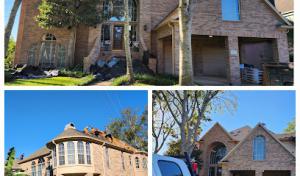
At Tetralto Roofing, we take shingle roofing to a whole new level. With our meticulous approach and scientific background, we bring a unique perspective to every project. As an engineer, David understands the importance of precision and attention to detail. We never cut corners, because we believe that a quality roof is the foundation of a safe and comfortable home. Whether you need a new roof installation or repairs, you can trust us to deliver exceptional results. Contact the leading roofing contractor in Missouri City, TX, today and experience the Tetralto difference!
Eaton & Sons Roofing
(281) 909-6163 eatonroofmissouricity.com
2440 Texas Pkwy suite 413, Missouri City, Texas
5.0 from 39 reviews
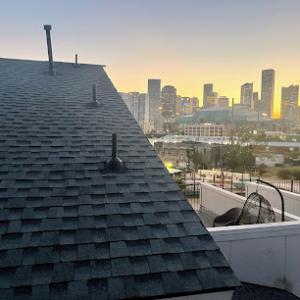
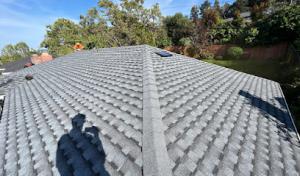
Eaton & Sons Roofing offers professional roofing services in Missouri City for homes and businesses. From leak repairs and storm damage restoration to complete roof replacements, our experienced team delivers high-quality workmanship using durable materials. We specialize in asphalt shingles, metal roofs, and flat roofing systems. Count on Eaton & Sons Roofing for dependable service and lasting protection.
Apex Roofing
(832) 261-7102 apexservicesco.com
5819 Hwy 6 #175, Missouri City, Texas
5.0 from 45 reviews
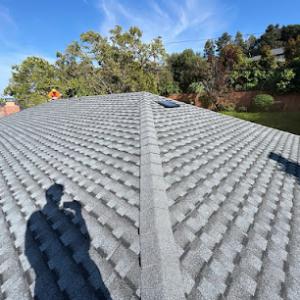
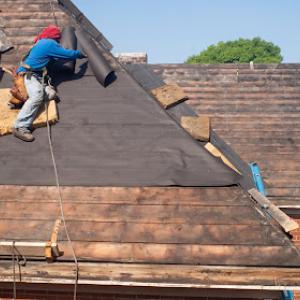
Looking for a roofer near me? Apex Roofing is a professional roofing contractor based in Missouri City, TX We are a family run business that has served Missouri City, Sugar Land & nearby Texas cities for over 6 years! Fully licensed. We will work with your insurance or can provide finance for major roofing jobs (installs, replacements). We offer the following services: * 24/7 Emergency Roof Repair - flat roof, roofing shingles, royal cedar shingle, wood, asphalt replacement, metal roof, hail damage, wind damage, residential & commercial roofs. * Siding - aluminium, board & batten, cedar, fiber cement, lp, metal, vinyl. * Ice Dam & Snow Removal * Window Replacement * Storm Damage Repair Free estimates. Call us today!

Express Roofing & Contractor
(832) 833-0449 expressroofinghtx.com
3522 Tamarisk Ln, Missouri City, Texas
5.0 from 22 reviews
Welcome to Express Roofing, your trusted roofing experts serving Houston, TX, and surrounding areas. Specializing in residential and commercial roofing solutions, we deliver top-quality installations, repairs, and maintenance services. From asphalt shingles to metal roofing, our skilled team ensures durable, weather-resistant solutions tailored to your needs. With a focus on excellence and customer satisfaction, trust Express Roofing for reliable, timely, and professional roofing services that protect your property and enhance its value. Contact us today for a consultation!
Type 1 Construction
(346) 735-3415 type1construction.com
10606 Kingston Spg Dr, Missouri City, Texas
5.0 from 14 reviews
Type 1 Construction is not just another roofing company – we're a locally owned and operated business deeply rooted in the Houston community. With years of experience in the roofing industry, we have earned a reputation for delivering top-quality solutions tailored to the unique needs of our clients. From residential homes to commercial buildings, we have the expertise and resources to handle projects of any size and complexity.
Ace's Roofing & Maintenance - Roofing Contractor, Roof Replacement, Roofing Solutions in Missouri TX
Missouri City, Texas
4.6 from 10 reviews
Ace's Roofing & Maintenance is a seasoned and trusted Roofing Contractor in Missouri City, TX, offering top-quality Roofing Solutions for Leak Repairs, Roof Replacement, and Roofing Maintenance Services. Contact us today! We look forward to hearing from you.
UES Roofing Contractors
Missouri City, TX
4.1 from 13 reviews
UES Roofing provides Free roof inspections with outstanding full Roof Replacement, retail, or Insurance claims for your Home or Business in Katy, Cypress, Houston, Sugarland, Waller, Richmond, Woodlands, Conroe, and Fulshear Area. both Commercial and Residential... We are certified Insurance specialists who can answer all your questions, walk you through the claims process, and meet with your insurance adjusters to get your roof bought if wind or hail damage is present. If the required damage is present and your insurance company does not want to pay we can sue them which takes 4 to 6 months with no cost to you.
Roofers Supreme
(281) 661-0855 www.roofersupremellc.com
Serving
4.9 from 122 reviews
Si tiene cuatro paredes, lo cubrimos. No solo construimos techos de calidad. Abordamos cada proyecto pensando en los propietarios de viviendas, las empresas y su futuro.
Local Roofing & Restoration
(281) 762-2513 www.localroofingandrestoration.com
Serving
5.0 from 96 reviews
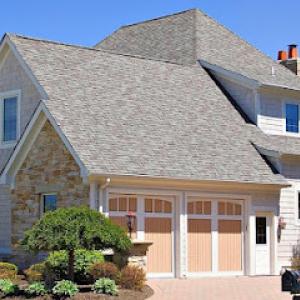
Local Roofing and Restoration provides residential roofing, commercial roofing, siding and gutters, and roof leak repair and restoration services and FREE estimates to the Stafford, TX area.
Roofworks Houston
Serving
5.0 from 15 reviews
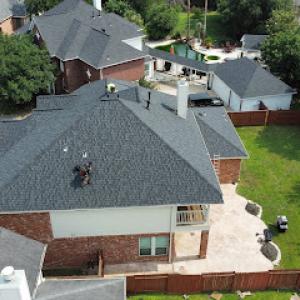
Roofworks Houston is a trusted and experienced roofing company based in Texas. We specialize in providing high-quality roofing solutions for both residential and commercial properties. With a focus on durability and safety, our expert team ensures efficient roof installation, repair, and maintenance services that stand the test of time. At Roofworks Houston, we are committed to customer satisfaction and excellence in every project. Contact us today for a free evaluation!

O&M Construction Services
(832) 558-5683 www.omconstructionhtx.com
Serving
4.9 from 67 reviews
O&M Construction Services in Stafford, TX provides reliable roofing replacement designed for the Gulf Coast’s heat, humidity, and frequent storm conditions. We specialize in replacing worn or storm-damaged roofs, helping homeowners address issues like aging materials, wind uplift, and heavy rainfall common in Fort Bend County. Our team focuses on quality installation, clear communication, and long-term durability. Choose experienced roofers committed to professionalism and dependable service.
Daniel's Roofing & Painting
(832) 453-3803 danielsroofingandpainting.com
Serving
5.0 from 1097 reviews
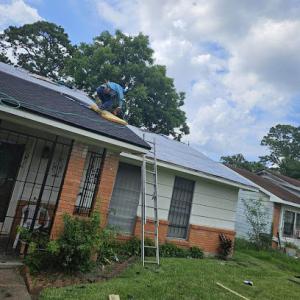
Daniel's Roofing and Painting, your trusted choice for top-notch roofing solutions in Houston, TX. We specialize in professional roofing services, ensuring durability and aesthetic appeal for your property. Elevate your home with our expert craftsmanship and reliable expertise. We have 30 years of experience.
In this city, a full roof replacement isn't treated as informal maintenance; it requires a building permit. The permit process is designed to keep storm damage repairs compliant with local codes and to ensure ventilation and flashing are up to the task of a high-humidity, hail-prone climate. The sequence typically starts with your contractor submitting the project scope and their license information, followed by payment of the permit fee, and then scheduling the required inspections. Once the work is underway, inspections happen at specific milestones rather than after the project is complete, so your roofer should plan around several dated checkpoints. This structure helps catch issues early and prevents backtracking on critical details.
Your contractor should begin with a clear project description that matches the actual work planned-especially since many hail-impacted homes require more than a cosmetic upgrade. The city expects verification that proper ventilation and appropriate flashing details will be included with the replacement. A complete submission generally includes the contractor's contact information, license numbers, structural notes if needed, and a straightforward materials list. Keep copies of every document the contractor submits, because those records travel with the job and may be requested during inspections. If the plan changes during construction, you'll need a permit amendment rather than letting the original package stand.
After the permit is issued, inspections are not a "close-out after completion" affair. You typically face an intermediate inspection while the roof is in progress, followed by a final inspection after the work is completed. The intermediate review focuses on critical overlap points, ventilation provisions, and flashing assemblies, ensuring the installation plan aligns with the permit. The final inspection confirms that all work aligns with code requirements and the project scope. Scheduling ahead is essential, because missed inspection windows can cause delays that ripple into weather-sensitive timelines or storm-season windows. Your roofer should coordinate timing so ventilation pathways, attic baffles, ridge vents, and flashing around vents and chimneys are accessible for assessment.
Ventilation strategies and flashing details receive heightened scrutiny in these inspections due to the hot, humid climate and the frequency of severe spring storms. Expect officials to check that attic ventilation is adequate for the new roof and that flashing around chimneys, vent pipes, wall transitions, and roof-to-wall interfaces is continuous and properly sealed. Improper ventilation can lead to moisture buildup, ice dam concerns, and reduced roof life, while flashing gaps are a common source of leaks after hail-driven repairs. Plan for higher confidence in these components and coordinate closely with a qualified contractor who prioritizes correct installation, rather than quick fixes.
Communicate promptly with the building department if a delay arises due to weather or storm-related scheduling. Ask your contractor to request any required inspections well in advance of when the work reaches the corresponding milestones. Keep a ledger of all inspection notices and responses, and verify that each step is signed off before moving to the next phase. Finally, document every detail of the installation-photos of vent placements, flashing seams, and attic ventilation-so you have a clear record should questions arise during interim or final reviews.
In the Missouri City and greater Houston insurance market, carriers remain active but increasingly scrutinize hail and wind exposure when underwriting or renewing roof coverage. This region's spring hail, hot humidity, and fast-moving storms mean every roof faces potential damage. Homeowners should expect a closer look at age, material, attic ventilation, and flashing during underwriting, especially on full replacements.
Adjusters in this region commonly ask for photos, invoices, and evidence of roof condition, so homeowners should keep records from inspections, repairs, and full replacements. Have files ready from 5-7 years back, and organize by event. Digital photos should capture roof slope, vents, flashing, and any prior patchwork before a claim is filed.
Tighter underwriting in higher-hail parts of the Houston area can influence both pricing and coverage terms, which makes roof age, material choice, and wind-mitigation details more consequential here. Documentation of shingle wear, granule loss, and any wind-rated components matters when negotiating with carriers and when choosing replacement materials. Wind mitigation features like reinforced vents, underlayment, and a properly sealed flashing ring can support more favorable terms in this market.
The practical result is that a storm-damaged roof often triggers a paperwork-heavy process. Start gathering records before you file, and keep a running log of any maintenance and repairs. When a hail event strikes, take time-stamped photos from multiple angles and note nearby trees or property features that could affect assessment. Knowing what the adjuster will ask for helps reduce delays.
In practice, the way records are kept can influence whether a claim moves quickly or lingers through inspection delays. Use a simple, date-stamped calendar or notebook to log storm events, notices from your insurer, and any conversations with contractors. If a claim is filed, request a copy of the adjuster's report and the final scope of work in writing, so there is a clear trail in case of later disputes. For replacements, choose materials and a roof system with a proven track record for wind resistance and hail impact, and document the wind-mitigation features you install. This preparation helps protect a homeowner when storms return. Stay organized year to year ahead.
Connect with contractors who help homeowners navigate the claims process from damage assessment to final approval.
Eaton & Sons Roofing
(281) 909-6163 eatonroofmissouricity.com
2440 Texas Pkwy suite 413, Missouri City, Texas
5.0 from 39 reviews
Apex Roofing
(832) 261-7102 apexservicesco.com
5819 Hwy 6 #175, Missouri City, Texas
5.0 from 45 reviews
Type 1 Construction
(346) 735-3415 type1construction.com
10606 Kingston Spg Dr, Missouri City, Texas
5.0 from 14 reviews
In Missouri City, the long, hot season paired with high humidity accelerates aging in asphalt shingles and underlayment. The apparent roof age often masks how attic heat load and moisture performance are actually aging the system. Shingle granules may shed faster, and insulation may seem adequate while the decking and underlayment struggle with repeat heat cycles. This means attic conditions matter more than surface appearance when evaluating a roof's remaining life.
Summer installation windows here are shaped by extreme heat and limited crew productivity. Start times can creep later, staging becomes more deliberate, and exposed decking dries more slowly after tear-off. Heat can affect adhesive behavior, fastener seating, and overall alignment. The right scheduling minimizes moisture intrusion during the work and helps ensure decking dries efficiently before concerns escalate into leaks or warped boards once the roof is sealed.
Ventilation performance matters more than ever in this climate. Local inspectors routinely review it, and poor airflow compounds heat-related wear and moisture problems. An efficient attic ventilation plan helps moderate peak temperatures, reduces rapid attic humidity build-up, and protects new shingles from thermal damage during the vulnerable early years. Expect that a well-ventilated attic will resemble a larger factor in the roof's long-term stamina than surface color or texture alone.
Keep an eye on attic heat fingerprints, such as warped decking, torn felt, or lingering moisture stains after storms. If insulation seems consistently damp or warm to the touch near vents, reassess airflow. In high-humidity days, moisture can travel faster through underlayment, potentially revealing itself as fogged windows in the attic hatch or a musty odor near the eave line. Early recognition saves deeper issues down the line.
In Missouri City, spring is a high-disruption period because hailstorms and heavy thunderstorms can delay installs while also creating sudden spikes in inspection and repair demand. If a storm season is approaching, expect crews to tighten schedules around weather windows, and plan short-term interruptions for extra tarp/setup needs after hail events. For timing, aim to lock in an installer before the peak storm alerts, so work can start as soon as conditions allow, rather than waiting for a lull that may not appear.
Summer work is possible but the heat and humidity can affect material handling and labor pace, so homeowners here often see earlier crew start times and weather-driven rescheduling. Early morning starts help crews stay ahead of heat, while afternoon storms can push a project back by hours or a day. If a roof is already exposed from a recent replacement or hail claim, expect temporary gaps in progress as crews respond to heat safety and moisture control needs. Communicate preferred windows and be flexible for afternoon shifts if storms roll in.
Autumn remains active because of storm and tropical-system potential, while winter fronts and occasional freezing rain can slow installation sequencing even though the area is not a cold-climate roofing market. Scheduling in fall should plan for possible pauses during high-wind or heavy rainfall events, especially when debris and wind-driven hail can affect exposed roofs. A practical approach is to target mid-season gaps-late September through early November-to minimize delay exposure from sudden storms.
Winter fronts can slow sequencing, with shorter daylight hours and occasional freezing rain creating safety and handling constraints. If a replacement runs across winter, build in buffer days for weather holdovers and ensure crew availability aligns with milder days for critical steps like attic ventilation checks and flashing integration. You'll benefit from a plan that accounts for potential pauses but preserves enough progress to avoid backtracking once warm weather returns.
When you can't wait, these contractors offer fast response times to stop leaks and prevent further damage.

Tetralto Roofing
7007 Verado Way, Missouri City, Texas
5.0 from 59 reviews
Apex Roofing
(832) 261-7102 apexservicesco.com
5819 Hwy 6 #175, Missouri City, Texas
5.0 from 45 reviews

Express Roofing & Contractor
(832) 833-0449 expressroofinghtx.com
3522 Tamarisk Ln, Missouri City, Texas
5.0 from 22 reviews
Although pitched roofs dominate, there is meaningful local demand for flat or low-slope repairs, often tied to patio covers, additions, or porch structures. When addressing these areas, focus on edge terminations, membrane seams, and any parapet transitions that encounter wind-driven rain. In practice, verify that flashing and parapet cm' joints are continuous and that terminations onto steeper sections are properly sealed to prevent roof edge ingress during a severe storm.
Skylights remain a recurring local specialty in storm-prone weather. The flashing around penetrations is a frequent failure point when heavy rain arrives with gusty wind. Inspect skylight flashings for loose pans, improper step flashing against adjacent shingles, and any distortion from hail impact. For repairs, reseal the curb with a compatible sealant, reseat shingles around the unit, and replace any damaged flashing flashing collars where present. In Missouri City, where heavy downpours concentrate at mid-season, ensure drainage channels of skylights are clear and that the curb flashing is integrated with the surrounding roof system rather than relying on the skylight seal alone.
Detail-heavy areas like skylights, transitions between roof planes, and low-slope tie-ins deserve extra scrutiny during replacement. Thoroughly inspect sealants around vent stacks, step flashing at wall junctures, and the integrity of roof-to-wall transitions. When selecting materials for repair, favor items that complement existing flashing, and confirm that new details integrate with the overall ventilation strategy. In practice, schedule targeted checks after any storm to catch slow leaks that develop behind failed flashing before they become bulk moisture problems. Missouri City inspections commonly focus on flashing, so ensure these elements are contiguous, well-sealed, and properly strapped to resist wind uplift.
Find specialists in TPO, EPDM, and built-up flat roofing systems for residential and commercial properties.
Eaton & Sons Roofing
(281) 909-6163 eatonroofmissouricity.com
2440 Texas Pkwy suite 413, Missouri City, Texas
5.0 from 39 reviews
Local Roofing & Restoration
(281) 762-2513 www.localroofingandrestoration.com
Serving
5.0 from 96 reviews
The local market is heavily oriented toward re-roofing and storm follow-up, so you will notice many contractors emphasizing fast response, cleanup, and insurance familiarity rather than only new-construction work. That tilt can help you get timely service after hail or a thunderstorm, but it also means you should scrutinize each bid for whether they truly understand your roof's condition, not just how quickly they can start.
Long-established, family-owned, and manufacturer-certified firms are all present in this market, giving homeowners a meaningful way to compare storm-chasing sales approaches against companies with deeper local tenure. A solid choice balances affordable value with a track record in the area's common housing stock and climate. Look for references from nearby neighborhoods that faced similar hail events and know how the company navigated follow-up repairs and warranties.
Free inspections and drone inspections are common enough locally that you should use them to document conditions before filing claims or authorizing full replacement. Have the contractor photograph or video roof damage, attic moisture if any, and vent or flashing issues. Keep those records organized for yourself, and share them with your insurer to anchor a precise scope of work rather than a blanket replacement.
When you compare bids, push for a clear scope: underlayment, flashing details, venting quality, and the intended color or finish. Ask how they plan to stage the project for ongoing storms and what their cleanup protocol includes. A responsible contractor will explain how their approach meets the realities of frequent Gulf-coast humidity and spring storm cycles while protecting your home from future follow-up damage.
Get a clear picture of your project costs upfront - no commitment required.
Apex Roofing
(832) 261-7102 apexservicesco.com
5819 Hwy 6 #175, Missouri City, Texas
5.0 from 45 reviews
Express Roofing & Contractor
(832) 833-0449 expressroofinghtx.com
3522 Tamarisk Ln, Missouri City, Texas
5.0 from 22 reviews