
Last updated: Apr 19, 2026
Spring hail and thunderstorms in this area drive a high volume of wind and impact-related roof damage and insurance activity. That means your roof is likely to be under more stress than you realize, even if you didn't see a dramatic dent or shingle blow-off. The storms don't just threaten the upstream attic; they shake loose fasteners, loosen underlayment, and compromise ventilation pathways. When you're evaluating a recent report of hail or a windy day, treat it as a potential trigger for a claim and a reminder that your roof is aging under acceleration. Delays after a storm put you at risk of weathering the next wave of heat and storms, and contractors often book up quickly as insurers drive demand.
Delaying replacement after storm damage can push work into extreme summer heat, which affects installation conditions and contractor availability. Heat slows sealant cures, drives higher labor fatigue, and can shorten shingle life during glare-heavy afternoons. If you wait, you may contend with midday work restrictions, shortened daylight windows, and scheduling gaps that force longer project durations. The window right after a major storm is your best chance to get consistent temperatures, steady crews, and a smoother sequence from tear-off to ventilation checks to final sealing. Waiting too long invites hotter days, more frequent afternoon storms, and the risk of heat-related material expansion that complicates alignment and wind rating requirements.
You have leverage in how you coordinate with your insurer and contractor. Start your documentation early: photos of hail impact, wind damage, and attic signs of moisture help speed interpretation and approval. When an adjuster visits, ensure they inspect the entire roof surface, including hips, valleys, and any outbuildings, because unchecked spots can become bottlenecks later. If you suspect ventilation or attic insulation issues, flag them now; proper ventilation is a critical piece of a durable, code-resilient replacement and can influence both pricing and long-term performance. Coordinate with a trusted local contractor who understands Round Rock's typical substrate, shingle exposure, and the way heat and sun angle interact with roofing assemblies. Ask about staging the project to avoid the hottest days, and request a plan that prioritizes asphalt or metal options with proven performance in our spring storm cycle.
Review recent storm activity and gather all damage photos. Schedule an inspection with a Round Rock-experienced roofer who can forecast a two- to three-week replacement window in mild fall when weather conditions are most favorable. If you have ongoing interior concerns-like persistent attic condensation or newly visible roofline sag-note them for your contractor to address during the replacement. Remember, timing is not just about home comfort; it's about ensuring the roof is replaced under suitable conditions with proper ventilation components, fastener patterns, and water-tight seals that endure the next round of Central Texas weather. Stay proactive, stay documented, and push for a plan that avoids peak heat while keeping your storm damage concerns front and center.
Summit Roofing
(512) 828-7663 www.summitrooftexas.com
3401 Sunrise Rd Suite 330, Round Rock, Texas
4.9 from 603 reviews
Summit Roofing is your locally owned and operated full-service roofing and storm restoration company in Round Rock, TX. We specialize in expert hail damage repair, storm damage restoration, roof replacements, and roof inspections for residential and commercial properties. Our team delivers top-quality craftsmanship, premium materials, and industry-leading warranties backed by exceptional customer service. Whether you need roof leak repairs or insurance claim support, we provide free, no-obligation roof assessments to protect your home or business. Call us today at 512-828-7663 for trusted roofing solutions in Central Texas.
Perennial Roofing
(512) 591-6203 www.perennialroofing.com
601 Spring St, Round Rock, Texas
5.0 from 104 reviews
At Perennial Roofing, we provide expert roofing services in Austin, TX, and the surrounding areas, specializing in shingle and metal roof installation, repair, and replacement. Serving residential and commercial customers, our experienced team ensures durable, weather-resistant roofing solutions perfect for Texas homes. Contact us for a free estimate today! Our Mission Perennial Roofing strives to build lasting, trusted relationships by following through on our promised commitment to perfection.
Ruddy's Roofing
(512) 736-2486 ruddysroofing.com
1510 Merrell Cove, Round Rock, Texas
5.0 from 92 reviews
We have taken the time to become GAF and Owens-Corning Certified to provide customers peace of mind knowing we trust the products we use. We can offer better warranties than non-certified contractors. My son Jake is on site all day during the job to insure things go well. I was an independent catastrophe adjuster for 8 yrs before starting our company in 2014. We only use one crew. We want no money to start the job. Most jobs are 1 day to complete. I order extra materials for every job. That way, the shingles are from the same batch with no color variations. Give us a call, you will be glad you did.
Dynamite Roofing & Construction
(512) 505-8008 dynamiteroof.com
2631 Gattis School Rd #250, Round Rock, Texas
4.9 from 365 reviews
Dynamite Roofing & Construction in Pflugerville is locally-owned and operated—so we know a thing or two about Texas roofs! We focus on residential roofing needs, including roof repair, replacement, restoration, and gutter installation. With a combined 52 years of residential roofing experience, our experts take care of all your roofing needs from start to finish.
Architecture Roof Systems
(512) 789-6317 artechroofaustin.com
3000 Joe Dimaggio Blvd STE 32, Round Rock, Texas
5.0 from 72 reviews
At Architecture Roof Systems, we care about three things: honesty, integrity, and quality. We pride ourselves on providing you with the best service possible and giving you a high-quality roof that will last a lifetime. Our team is compiled of expert builders who will ensure that your building has a sturdy and efficient construction. No matter if you’re in need of a replacement, restoration, or installation of a brand-new roof, we’ll always do the job right and provide you with an experience that you won’t soon forget.
Ripple Roofing & Construction
(512) 763-5277 rippleroofs.com
1000 Heritage Center Cir, Round Rock, Texas
5.0 from 63 reviews
🛠️ Ripple Roofing and Construction is your trusted expert for comprehensive exterior services across Central Texas, proudly serving Austin, Round Rock, Cedar Park, Georgetown, San Antonio, and Portland. We specialize in high-quality full roof replacement, roof repair, commercial roofing, siding, and seamless gutter installation. Our licensed and insured team efficiently handles everything from routine maintenance to complex storm damage and insurance claims. We are committed to delivering top-notch craftsmanship and durable results, all backed by strong warranties. Contact us today for a free, no-obligation inspection and estimate!
Roof Masters
(512) 244-7663 www.texas-roofmasters.com
1502 Brandi Ln C, Round Rock, Texas
5.0 from 61 reviews
Roof Masters is a local, family owned roofing business that focuses on quality workmanship at reasonable prices. We specialize in roof repairs and residential asphalt shingle roof replacement. Our goal is to provide ALL Clients with 5 STAR Service. A written warranty accompanies all work that we do. If you are looking for the Best Roofer in town, your look is over. We invite you to join our growing list of VIP Clients and look forward to the privilege of being your roofer.
Blackhill Roofing Systems
(800) 931-1962 blackhillroofing.com
2004 Lamar Dr, Round Rock, Texas
5.0 from 88 reviews
Blackhill Roofing is your trusted roofing contractor company in Texas, specializing in all your roof's needs. We handle everything from roof repairs and replacements to regular maintenance and emergency situations. Whether you're looking for a routine inspection or a roof replacement and damage restoration services in Austin TX, our experienced team will ensure your home is protected with a high-quality, long-lasting roof.
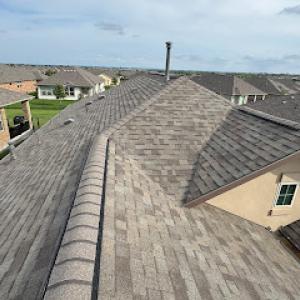
RTS Roofing
(512) 769-1050 www.rtsroofs.com
2904 E Piper Sonoma Ct, Round Rock, Texas
4.9 from 79 reviews
RTS Roofing, with a positive history of quality since 2002, offers roofing repair, roofing replacement, siding and fascia. As a quality roofing contractor and roofing company serving Round Rock, Georgetown, Leander, Cedar Park, Hutto, Pflugervile, Kyle, Buda, Austin, Taylor, Burnet, Liberty Hill, Elgin, Manor, TX, and neighboring areas, we specialize in storm damage roof repair, roof replacement, and seamless gutter installation. Trust RTS Roofing for unparalleled craftsmanship, backed by their 10 year labor warranty and commitment to customer satisfaction. RTS Roofing works will all insurance companies and can help navigate the claim process. RTS Roofing is Licensed, Insured and a long standing recognized member of the BBB.
Estate Roofing Solutions
(737) 280-4202 estateroofingsolutions.com
2201 Double Creek Dr Ste 2004, Round Rock, Texas
5.0 from 44 reviews
When it comes to the care of your home's roof, you won't find a better residential roofing contractor around. We take the utmost care of our client's property and make sure they're 100% satisfied with our service. No matter what type of roofing service you need, we'll be there for you.

KangaRoof
(512) 388-7663 www.callkangaroof.com
1317 Sam Bass Rd, Round Rock, Texas
4.8 from 814 reviews
At KangaRoof, we do not provide estimates; we provide guarantees. Your roof will cost exactly what we promise you up-front. If you don't ask us to do any extra work, we won't ask for any extra money. We are proud GAF Master Elite Contractor and winner of the GAF Triple Excellence Award.
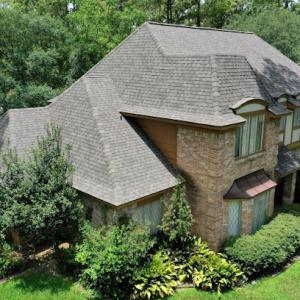
Amstill Roofing
(512) 729-1223 amstillroofing.com
2100 Double Creek Dr #335, Round Rock, Texas
5.0 from 40 reviews
Amstill Roofing - Round Rock provides outstanding roofing company Round Rock services. Established in 1974, our family-run business has been delivering dependable roofing solutions tailored to the needs of Round Rock residents. Our focus is on customer satisfaction and high-quality roofing outcomes. We are dedicated to crafting secure, aesthetically pleasing roofs that protect and enhance your property. From efficient roof repairs to full replacements, our skilled team is equipped to handle any roofing challenge, ensuring every project meets rigorous quality standards without disrupting your daily life. Reach out today for a comprehensive roof evaluation and experience dedicated service that keeps your needs at the forefront.
Asphalt shingles are common in Round Rock, but Central Texas heat accelerates granule loss and aging compared with milder climates. If asphalt is your baseline, choose a heavy fiberglass or architectural shingle with a high wind rating and a good warranty. In practice, that means looking for a product that resists curling as temperatures swing from triple-digit days to cool nights. Pay attention to generous underlayment and properly vented attic space; heat buildup is a more subtle enemy than hail alone, and it compounds wear on the shingle surface. When you plan replacements, ensure each roof line has solid nail placement and that the shingle tabs overlap in a way that minimizes water intrusion during summer downpours. In Round Rock, where storm timing can be unpredictable, a shingle system with robust algae resistance and reflective granules can help reduce heat load without sacrificing durability.
Metal roofing is a strong fit in this market because it handles heat well and is widely offered in this market, but storm noise, detailing quality, and flashing execution matter. If choosing metal, prioritize thick galvalume or painted steel options, not bare aluminum, for longer life in high-UV conditions. Look for concealed-fastener or scoring-based fasteners with proper sealant courses to limit leaks around hips, ridges, and vents. Proper attic ventilation remains essential; metal roofs can feel hotter on the interior if soffits and ridge vents are blocked. When evaluating contractors, focus on their detailing around skylights, chimneys, and transitions to walls, because water intrusion often follows imperfect flashing rather than metal itself. A sound installation will include integrated snow/ice guards for rare winter events and a sealed panel-to-panel seam system to reduce wind-driven leaks during severe hail.
Clay and concrete tile appear in higher-end Round Rock-area homes, but hail can crack individual tiles and repairs depend on matching profiles and colors. If tile is your goal, expect a substantial weight difference compared to asphalt or metal and plan for a sturdy substrate with reinforced sheathing. Not all tile shapes weather hail equally well, so verify the installed profile is compatible with your home's slope, wind exposure, and anticipated roofline patterns. The color and texture matter too; staining or color mismatch after a tile break can be noticeable when repairs are needed. Because each hit can create microscopic cracks that propagate under heat, insist on a thorough inspection after major hail events. Repairs often hinge on finding replacement tiles that match the exact profile and color, which is easier when you work with a local pro who maintains an inventory of common Round Rock profiles.
Across all material types, proper ventilation reduces heat stress and extends roof life in this climate. Ensure soffit vents, ridge vents, or a combination provide continuous air exchange to keep the attic cooler and limit moisture buildup. A well-ventilated roof also helps protect underlayment and flashing from heat-driven deterioration. Inspect decking for any signs of prior hail impact or water staining and address issues before installing a new roof. In rounds of storm season, prioritize a system designed to shed water quickly during heavy Texas downpours, with fasteners and underlayment chosen to resist hail-related punctures.
After a hail event, conduct a focused inspection of the roof's surface, looking for loose granules, displaced shingles, or cracked tiles. In metal roofs, check flashings around vents and chimneys for pitting or seal degradation. For tile roofs, pull back a small area near damaged tiles to assess the substrate and determine if the repair can be localized or if a wider replacement is warranted. In all cases, documenting storm impact with clear photos helps when coordinating with insurers, contractors, and any required re-nailing or re-sealing work. Remember: the best roof choice is one that balances heat resilience, hail resistance, and the ability to maintain ventilation for long-term performance.
In this city, most re-roof projects require a roofing permit filed through the City of Round Rock Building Inspections division. The process is designed to keep storm-impacted roofs safe and compliant, especially after a hail event common to Central Texas summers. The permit sits at the center of the decision plan, tying together documentation, material choices, and any ventilation tweaks. Before lifting a single shingle, you'll want to confirm that the permit is opened, the address is correct, and the project scope is clear with the permit clerk. This step helps avoid delays if an inspector shows up mid-progress.
If the re-roof is essentially a like-for-like replacement-no structural changes, no added penetrations, and no major changes to roofline-the plan review tends to be straightforward. In practice, this means you're mainly confirming material type, roof covering thickness, and typical underlayment choices align with local code standards. Gather product specifications from the manufacturer and a simple diagram of any vents, chimneys, or skylights. Round Rock staff often favor keeping things close to the existing configuration, which reduces back-and-forth and speeds up the initial approval. If your project stays within a like-for-like envelope, expect a smoother, quicker review, with fewer rounds of questions.
Inspections in this city commonly verify three layers of preparedness before approving the final stage: underlayment integrity, proper ventilation, and flashing details. Underlayment should be continuous and secured, with no loose or overlapping runs that could trap moisture. Ventilation is checked to ensure attic airflow meets local expectations, since hot Texas summers demand effective venting to protect decking and shingles. Flashing around dormers, chimneys, and vents must sit flush, with correct sealant and metal transitions that resist hail impact and wind-driven rain. During installation stages, inspectors look for clean nailing patterns, proper shingle alignment, and rain protection during ongoing work. If any deviation exists, be prepared for a pause to correct and re-inspect.
The inspection sequence typically follows the installation stages: framing and decking, underlayment and ventilation, then shingles and flashing, and finally a final occupancy-ready seal. In Round Rock, the timeline often hinges on weather windows and the permit's status. Clear communication with the roofing contractor about when to expect inspections helps prevent staging conflicts. Have the permit number, approved plan, and contact information for the contractor ready for the inspector. If a concern arises-such as a ventilation deficiency or an unconventional flashing detail-Address it promptly to keep the project moving toward a pass on the final review.
Maintain a neat folder of all permit-related documents, product specs, and inspection reports. Because Round Rock emphasizes code compliance and documentation, having these files on hand speeds up any follow-up questions or warranty discussions later. If storm documentation accompanies the project, ensure that the invoices, material receipts, and proof of hail-related inspection notes are filed with the permit records. This practice helps support a smooth re-roof process should the project become a reference point for future inspections or insurance interactions.
Round Rock sits in a Texas hail and wind claim environment where insurers often expect strong photo documentation and clear evidence of storm-related damage. That reality isn't meant to scare you, but it does set expectations. If a hail night or a gusty afternoon hits, the insurer's adjuster will look for a coherent, date-stamped trail of damage from the moment the storm passes through. Your job is to help them see the truth without ambiguity: where damage started, how it progressed, and what was done to restore the roof's integrity. If you can't show that, delays or partial settlements can follow.
Homeowners in this market may be asked for permit records and pre- and post-work documentation to support claim settlement. Start with a clear before shot from several angles, taken soon after the storm, and store them in a simple, organized folder. After a contractor arrives, keep a separate log that matches each photo to a specific area of the roof or ventilation system. The goal is a line-by-line narrative that makes it impossible for a reviewer to misinterpret what was there before and what was installed or repaired. If you have attic or interior photos showing leaks or staining, add those as well, because moisture can travel in ways that aren't immediately obvious from the exterior.
Because claim activity is common after Central Texas storms, Round Rock homeowners benefit from documenting damage before temporary repairs and before contractor traffic surges. Temporary patches can hide deeper issues, so document visible damage first, then note what the contractor does and when. If the roof is opened for inspection, photograph the exposed decking and any signs of rot or moisture intrusion. Keep a simple dated diary of any weather events, minor hail or wind that you observe, and the days when you notice a change in roof performance, such as more banging noises in wind or sudden leaks after storms. This timeline helps prevent back-and-forth that can stretch out settlements.
Aim for clarity and reproducibility. Use high-resolution, well-lit photos with close-ups of hail impact marks, dented flashing, damaged vents, and around penetrations. Include wide shots to show the overall roof condition, followed by tight images of specific damage signs. If you use video, keep segments short and labeled by location. Preserve all original images and avoid editing them in ways that could be construed as altering evidence. Finally, organize documents so they're easy for an adjuster to review in a single pass, reducing the chance of misunderstandings that slow a claim.
Connect with contractors who help homeowners navigate the claims process from damage assessment to final approval.
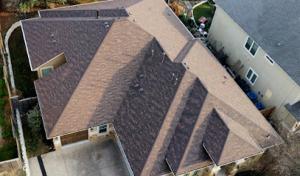
Summit Roofing
(512) 828-7663 www.summitrooftexas.com
3401 Sunrise Rd Suite 330, Round Rock, Texas
4.9 from 603 reviews
Perennial Roofing
(512) 591-6203 www.perennialroofing.com
601 Spring St, Round Rock, Texas
5.0 from 104 reviews
Ruddy's Roofing
(512) 736-2486 ruddysroofing.com
1510 Merrell Cove, Round Rock, Texas
5.0 from 92 reviews
Round Rock's long, hot summers push attic temperatures well above ambient air. When attic spaces trap heat, asphalt roof life can shorten because high temperatures accelerate aging of the asphalt shingles and degrade underlayment. Proper ventilation helps move hot air out and bring cooler air in, reducing heat buildup that contributes to curling, thermal cracking, and adhesive failure. If attic vents are undersized or obstructed by insulation, the problem compounds during peak afternoon heat. In practice, ensure a balanced intake-and-exhaust strategy: soffit or gable vents paired with ridge or turbine vents to create a continuous flow path. When a roof is replaced, confirm that attic ventilation is evaluated as part of the project so the new roof system can perform as intended for years under Central Texas sun.
In this climate, ventilation performance matters beyond comfort. Local code-conscious iterations emphasize a roof's long-term performance, and that connection is strongest when ventilation aligns with the overall roof assembly. A well-ventilated attic reduces condensation risk in the cooler months and helps maintain consistent shingle temperatures throughout the year. When inspecting or planning a replacement, look for a clear ventilation plan that covers both the attic and soffit areas, ensuring there are no gaps that could create dead air spaces. Proactive attention to airflow also helps protect roof components like decking, roof-to-wall connections, and drip edge from moisture-related wear that can compromise the system over time.
During the hottest months, high roof-surface temperatures can affect handling and sealing of shingles. In practice, installation tasks such as nailing, sealing, and adhesive activation may respond differently when the sun is beating down on the roof deck. Local crews often coordinate installations for cooler parts of the day or choose asphalt shingles with color and granule blends that tolerate high heat without warping. For concrete or clay tile options, heat performance and expansion need careful attention to layout and fastener selection. Contractors should verify that roof decking and underlayment choices are suitable for the local climate, and that sealing materials maintain integrity under elevated roof temperatures. If a replacement happens in the heat of summer, anticipate a staged approach that preserves ventilation integrity during installation and confirms a proper seal once the roof cools. Short-term weather windows are key, but the long-term payoff is a roof system that resists heat-induced wear while maintaining attic comfort and moisture control.
In this market, cost expectations should begin with local material ranges per square. Asphalt shingles run roughly 350 to 650 USD per square, metal commonly sits 700 to 1100, concrete tile 900 to 1400, clay tile 1100 to 1800, synthetic/composite shingles 600 to 1000, and slate 1200 to 2000. When storm season hits, demand spikes can tighten scheduling and push labor pricing upward for a few weeks. Homeowners should plan for a faster-moving timeline than the off-season, even if the material mix stays within these bands. In Round Rock, the mix of hail-exposed roofs and high summer heat means some roofs move from inspection to replacement faster than in milder markets, with crews prioritizing jobs that meet insurance documentation and drainage checks.
Asphalt shingles remain the most budget-accessible option in Round Rock, aligning with the 350 to 650 USD per square baseline and typically offering the quickest turnaround. Yet storm-driven demand can nudge these prices upward when crews are juggling multiple hail claims. For higher-end options, metal, tile, or slate carry heavier cost burdens due to weight, detailing, and specialized labor. Metal projects reach toward the upper part of 700 to 1100 per square, while clay and concrete tile commonly sit well above asphalt, at 1100 to 1800 and 900 to 1400 per square respectively. Slate pushes well beyond typical asphalt pricing, often 1200 to 2000 per square, reflecting installation precision and roof deck considerations.
Storm timing means longer lead times for ordering materials and coordinating crews, even when a chosen option is straightforward. Synthetic/composite shingles offer a middle path with better durability than basic asphalt and a price range around 600 to 1000 per square, sometimes serving as a practical compromise during peak season. Documentation and coordination around insurance timelines can extend the project calendar, so align expectations with both the storm window and the readiness of the chosen installation crew.
Don't let upfront costs delay a critical repair - these contractors offer payment plans to fit your budget.

KangaRoof
(512) 388-7663 www.callkangaroof.com
1317 Sam Bass Rd, Round Rock, Texas
4.8 from 814 reviews
Rhino Roofers: Austin Roofing Company
(512) 859-5184 www.rhinoroofers.com
1311 Chisholm Trail Rd Suite 401, Round Rock, Texas
5.0 from 27 reviews

Fast-moving spring and fall storms can turn minor flashing or shingle damage into active leaks before a full replacement can be scheduled. If you notice dripping at ceilings, stains near vents, or pooled water that wasn't there before, assume the worst and treat it like an active leak. In this heat-drenched climate, tarps and temporary coverings must be placed promptly to slow interior water intrusion while you arrange a roof inspection. Don't wait for a perfect sunny day; moisture travels fast through attic spaces and into living areas, especially around skylights and chimneys.
Emergency protection matters because claim documentation should be preserved while still preventing additional interior water damage. Photograph every area that shows moisture or signs of recent hail impact. Keep dated records of every step you take: tarp installation, temporary repairs, and communications with insurers. If you can safely do so, remove valuables from affected rooms and relocate furniture away from leaks. Schedule a same-day or next-day emergency assessment with a local contractor who specializes in rapid-response cleanup; time is your ally for minimizing secondary damage and supporting a smoother claim process.
The local contractor market shows strong demand for quick-response and cleanup-oriented service, which matches how homeowners here handle post-storm roof problems. Expect crews to prioritize rapid tarping, debris removal, and temporary fixes that buy you time until a full replacement can be scheduled. Clear, honest communication about the extent of damage and available fast-track options helps you move from emergency containment to a durable, code-appropriate repair plan without delay.
When you can't wait, these contractors offer fast response times to stop leaks and prevent further damage.
Dynamite Roofing & Construction
(512) 505-8008 dynamiteroof.com
2631 Gattis School Rd #250, Round Rock, Texas
4.9 from 365 reviews
Architecture Roof Systems
(512) 789-6317 artechroofaustin.com
3000 Joe Dimaggio Blvd STE 32, Round Rock, Texas
5.0 from 72 reviews
Blackhill Roofing Systems
(800) 931-1962 blackhillroofing.com
2004 Lamar Dr, Round Rock, Texas
5.0 from 88 reviews
While steep-slope residential roofing dominates here, the local market still shows meaningful demand for flat or low-slope roof specialists. If your home has a low-slope section, expect greater attention to drainage, edge detail, and the transition from deck to parapet or eave. The right roof assembly must balance drainage performance with wind uplift resistance and compatibility with nearby mature trees that shed debris after hail events. For reroofs on existing flat or low-slope segments, pay particular mind to edge flashing and terminations where water can linger.
Skylight-related leak repair is a visible specialty in Round Rock, making flashing quality around penetrations a practical local concern. Ensure skylight curb flashing is continuous and properly sealed with compatible sealants and counter-flashing. In a hot, hail-prone climate, expanding and contracting materials can stress seals, so choose experienced installers who verify flashings around curbs, vents, and any chimney transitions. If your roof includes a skylight, consider adding a secondary condensation vent or interior drip edge to reduce possible moisture intrusion during heavy rain or rapid temperature swings.
Solar-integrated roofing appears in the local market, so reroof timing should account for any existing or planned rooftop solar work. Coordinate a roof replacement so that mounting rails and flashing align with fully cured underlayment and any anticipated electrical pentesting or inverter siting. If solar is already installed or planned, discuss panel mounting depth, shading from nearby trees, and roof deck ventilation to maintain long-term roof performance. In all cases, ensure proper labeling and clearance around any micro-inverters or combiner boxes to avoid future penetrations that could complicate leaks.
Intense summer heat increases the importance of proper attic ventilation, especially on low-slope sections where heat buildup can accelerate material aging. A well-sealed, well-ventilated roof deck reduces condensation risk and helps extend the life of both the roofing material and any installed skylights or solar gear. Pay attention to edge vents and ridge ventilation, ensuring consistent operation after any roof work.
Find specialists in TPO, EPDM, and built-up flat roofing systems for residential and commercial properties.
Architecture Roof Systems
(512) 789-6317 artechroofaustin.com
3000 Joe Dimaggio Blvd STE 32, Round Rock, Texas
5.0 from 72 reviews
Roof Experts
(512) 900-1054 roofexperts.com
17005 Joe Barbee Dr STE 400, Round Rock, Texas
5.0 from 26 reviews

Up On A Roof Roofing
(512) 484-2525 www.uponaroof.com
1 Chisholm Trail Rd Suit 450, Round Rock, Texas
4.8 from 47 reviews
Round Rock's contractor market skews toward re-roofing rather than new construction, which changes the buying dynamic for storm-damaged roofs. The emphasis means crews often juggle tight schedules and overlapping jobs, so timing can drive decisions as much as material choice. A nearby contractor with steady storm-related work will typically have more reliable responses, clearer documentation, and a track record of quick, compliant replacements.
Homeowners commonly seek a quick turnaround with cleanup included after a hail event. That urgency can tempt tradespeople to cut corners on details like debris containment, tarping, or storm-damage documentation. When you call for the first visit, look for a clear plan that covers secure temporary protection, an on-site assessment window, and a defined cleanup protocol. Insist on a written timeline and a visible, organized cleanup at project milestones, not just at the end.
In this market, you'll find contractor teams who are manufacturer-certified and able to offer strong warranty backing. Such backing matters, especially when insurance documents and product guarantees are part of the replacement conversation. Ask for proof of manufacturer certification, the exact products proposed, and the terms of any warranty, including what is covered and the duration. A well-documented warranty helps with future repairs or wear, which is a practical safeguard in Central Texas's sun-first climate.
Avoid contractors with limited local references or recent red flags on storm-related projects. Check licensing status with local authorities, request a portfolio of Round Rock projects, and contact previous clients about workmanship quality and on-site conduct. Confirm storm-damage inspection protocols, and verify that the proposal includes a complete, site-specific plan rather than generic language. In a town with high re-roof activity, the strongest choices balance prompt responsiveness, solid cleanup, verified product backing, and reliable local references.