
Last updated: Apr 19, 2026
Spring storms in this area bring bright hail events and gusty winds that can leave roofs dotted with impact marks, lifted shingles, and hidden moisture. For a homeowner, a hail hit is not a one-and-done event-it's a trigger for a full-coverage roof assessment. Indications of damage may not be obvious from ground level, and insurers in this market often dispatch on-site adjusters to verify losses. The key here is to act quickly after a hail event, because prolonged exposure or delayed reporting increases the chance of hidden water intrusion or compromised ventilation, which can complicate claims and extend the replacement timeline. In practice, focus on catching all damage early: cracked shingles, hail dents on metal flashing, loose or displaced ridge vent pieces, and any granule loss in gutters and downspouts. A prompt, detailed report sets you up for smoother claim processing.
Georgetown's summers arrive swiftly, and the heat puts extra stress on a roof during tear-off and reinstallation. Local homeowners often aim to complete tear-off and installation in cooler, drier months to minimize heat-related labor risk and to finish before peak heat drives up interior temperatures and moisture concerns. If a hail claim is approved, coordinating the schedule to avoid the hottest weeks of summer reduces air-conditioning strain, improves shingle sealant performance, and lowers the chance of rapid material expansion and warping. The practical approach is to plan for mid-fall or early spring replacements when daylight is abundant and temperatures are moderate, while still keeping pace with the insurer's timeline. Your contractor can help map a phased schedule that aligns with weather forecasts and material delivery windows, ensuring the project progresses without weather-induced delays.
Insurers commonly handle roof losses with on-site adjusters and close documentation review, so having robust, date-stamped evidence is essential before repairs begin. Start with clear, date-stamped photos showing the entire roof from multiple angles, including close-ups of damaged shingles, flashing, and surrounding vent stacks. Count and catalog the number of damaged shingles or tiles per section of the roof, and note any collateral damage-things like fascia boards, gutters, and the attic insulation or ceiling staining that can signal moisture intrusion. Maintain a written log of storm dates, wind speeds if available, and the timeline from damage discovery to notification to your insurer. This level of detail reduces back-and-forth with adjusters and minimizes the risk of a drawn-out claim process. A well-documented file helps protect your claim against disputes about the extent of damage or the necessary scope of replacement.
Begin with an experienced local contractor who understands the Central Texas hail pattern and the typical housing stock here, including Hill Country-style homes and the mix of asphalt, tile, and metal roofs seen across Georgetown. Request a thorough roof inspection aimed at identifying hail-related impacts that could influence the claim's scope, such as hidden moisture pockets or compromised underlayment. Once the claim is filed, present the insurer with the photo log, the shingle or tile counts, and notes on any observed collateral damage. If possible, secure a temporary protective measure-like tarping exposed areas-to prevent further water intrusion while awaiting repairs, but avoid imposing work before the adjuster reviews the damage unless protective action is necessary to prevent additional loss. Coordination between the insurer, adjuster, and the chosen roofing professional is crucial to keeping the project on track and preventing delays that can stretch into the hot season.
When the weather aligns for a cooler, drier window, expect a concentrated schedule: tear-off, installation, and a sequence of inspections that culminate in a final completion review. Given the local environment, flashing and venting are high-priority inspection points, with inspectors often scrutinizing how new materials interface with old penetrations and wall junctures. A well-timed project anticipates this by ensuring that the chosen system, whether asphalt, metal, or tile, is properly matched to the home's ventilation and drainage needs. Communication with the insurance carrier should continue through the installation, confirming that documentation reflects the actual materials installed and the scope of work completed. This vigilance helps secure a clean claim closure and a roof that stands up to Georgetown's demanding sun and storm cycles.
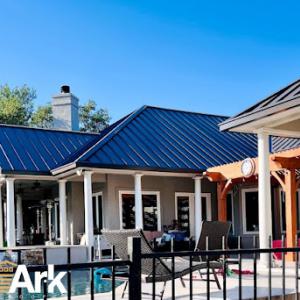
Ark Roofer
3555 W State Hwy 29, Georgetown, Texas
4.9 from 490 reviews
Since 2018, Ark Roofer has been proud to be your go-to roofing company in the Georgetown, TX area. From hail damage to completely new roof installations, we've seen it all. With years of training and experience, we’re proud to bring our roofing services to residents throughout the greater Austin, Pflugerville, Leander, Cedar Park, Liberty Hill, and Round Rock, TX communities.
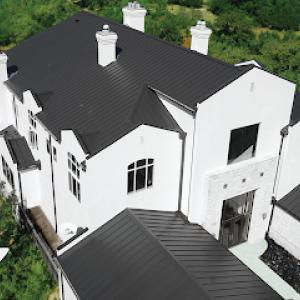
Legacy Roof TX
(512) 566-4303 legacyrooftx.com
101 N Sumac Ln, Georgetown, Texas
5.0 from 152 reviews
Legacy Roof TX is a trusted, family-owned roofing company based in Texas, dedicated to serving Austin and Highland Lakes areas. Specializing in a wide range of roofing needs, they expertly handle roof replacements, insurance claims, and repair storm and hail damage. Their team is proficient in installing high-quality metal roofing, shingle roofing, TPO, and low-slope roofing systems. Their expertise in metal shakes sets them apart in the industry. Whether you're in Round Rock, Georgetown, or Temple, TX, Legacy Roof TX is committed to delivering top-notch roofing solutions and exceptional customer service tailored to every homeowner's needs.
Action Exteriors Austin
(512) 844-1802 actionexteriors.com
7200 Ranch Rd 2243, Georgetown, Texas
4.9 from 321 reviews
Action Exteriors is a family-run roofing company serving Williamson County and Central Texas. We specialize in new roofing installations and storm damage restoration for local property owners. Trusted by many builders, we offer designer shingles and standing seam metal roofs. Our expertise spans various roofing systems, ensuring precise installation for every project. In Williamson County, roofs face large hail, high winds, and tornadoes. We know that even the best materials need expert installation to last. We're committed to top-quality workmanship and customer satisfaction. Choose Action Exteriors for reliable roofing services. Call us today!

TAG Roofing & Exteriors
(737) 258-4430 www.tagroofingexteriors.com
557 S IH 35 Service Rd Suite 101, Georgetown, Texas
5.0 from 117 reviews
TAG Roofing & Exteriors is a family- and veteran-owned roofing company based in Georgetown, Texas, proudly serving local homeowners and businesses as well as the Greater Austin area. We offer full-service residential and commercial roofing, including inspections, storm restoration, replacements, and repairs for shingles, metal, tile, single-ply, and modified bitumen/BUR systems. Our team also installs gutters, siding, skylights, and windows. As an Owens Corning Platinum Preferred and Mule-Hide/GAF certified contractor, we back our work with top-tier warranties and insurance-claim expertise. Contact TAG Roofing in Georgetown today for a free inspection and get the protection your property deserves!
APEX Roofing
(512) 660-4859 www.apexroofingcompanies.com
2913 Williams Dr Suite 315, Georgetown, Texas
4.9 from 529 reviews
At APEX Roofing, our goal is to redefine the roofing experience one roof at a time. With an A+ BBB rating, our Georgetown roofing company raises the bar across the roof construction and repair industry. A family-owned company with a local feel, we’ve expanded our roof repair, roof replacement, and other services from Georgetown throughout Texas year after year. We see all of our employees as family, valuing the morals, ethics, and customer service that made us who we are today. Allow us to earn your business and see the difference! Emergency after-hours service available: we do have an after-hours phone service to help!

Urtiz Roofing & Waterproofing
(512) 619-2976 urtizroofing.com
129 Wind Flower Ln, Georgetown, Texas
5.0 from 109 reviews
Urtiz Roofing & Waterproofing provides expert roofing repair, replacement and storm damage services to homeowners in Georgetown, Liberty Hill, Cedar Park, and Round Rock, TX. We deliver fast, professional inspections and quality workmanship backed by an A+ BBB rating. Call now for your free roof inspection!
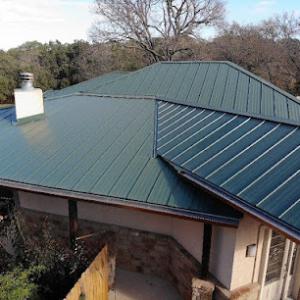
A&W Roofing
(512) 883-2851 awroofingaustin.com
3875 E University Ave #107, Georgetown, Texas
4.9 from 236 reviews
A&W Roofing delivers reliable roofing solutions to homeowners and businesses in Georgetown, TX. We focus on roof replacement Georgetown, ensuring quality workmanship on every project. Our services include residential and commercial roofing, ranging from asphalt shingle installations to durable metal roofing systems. In addition to replacements, we provide roof maintenance, gutter installation, debris removal, and support with insurance claims for roof damage. At A&W Roofing, we’re committed to protecting your property with dependable and long-lasting roofing solutions. Whether you’re upgrading your roof or addressing damage, our team is ready to help. Reach out today to schedule a consultation and learn how we can meet your roofing needs.
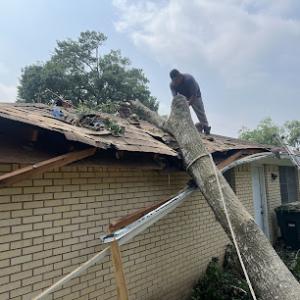
Integro Construction Services
1108 Williams Dr, Georgetown, Texas
5.0 from 60 reviews
Integro Construction Services is a veteran-owned, family-operated company specializing in comprehensive construction and renovation solutions. With a proven track record of building homes from the ground up and expertly managing extensive renovations for multifamily apartment complexes, we bring a wealth of experience to every project. Our expertise extends to commercial roofing, where we excel in providing top-notch services, and we have successfully completed over 2,000 residential re-roofs. Committed to quality, integrity, and exceptional service, Integro Construction Services is dedicated to turning your construction and renovation needs into realities, while fostering long-term client relationships built on trust and excellence.
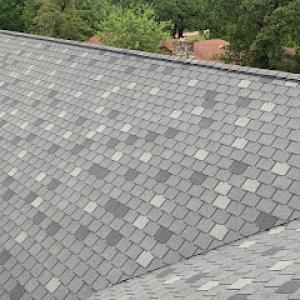
Friendly Restoration Services
(737) 403-3425 www.friendlyrestorationservice.com
235 Co Rd 127, Georgetown, Texas
5.0 from 50 reviews
Friendly Restoration Services, established in 2017, offers exceptional roofing, siding, bathroom remodeling, and waterproofing services with an emphasis on customer satisfaction. Located at 235 County Road 127 in Georgetown, Texas, they take pride in their skilled professionals and commitment to unparalleled craftsmanship. With attention to detail, great communication, and integrity at the core of their values, they always strive to provide clients with the peace of mind that comes with a job well done.

Empire Gen Roofing & Chimney
(631) 710-7628 empiregenroofing.com
Georgetown, Texas
5.0 from 43 reviews
At Prolific Roofing Company, we redefine roofing excellence. Our team offers unparalleled residential and commercial roofing services, specializing in precise and durable roof replacements. We’ve quickly set ourselves apart through our honest approach and commitment to providing service that exceeds expectations—all at a fair price. Get a Prolific roof crafted with care because, for us, every shingle matters.
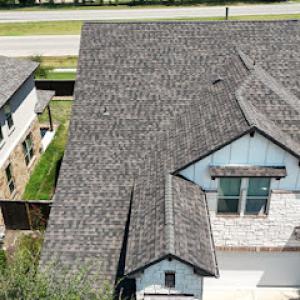
Rock Central Roofing
2002 Sunny Trail Dr, Georgetown, Texas
5.0 from 36 reviews
Rock Central Roofing, located in Round Rock, is your premier roofing contractor offering exceptional roof replacement and repair services. Known as the best roofing company in the area, we specialize in both residential and commercial roofing solutions. Our team of skilled professionals is dedicated to providing top-notch roof repair and commercial roof repair services, ensuring your property is protected against the elements. Whether you're seeking the best roofer for a simple fix or a comprehensive replacement, Rock Central Roofing stands out as the ultimate roofer near you. Trust us for all your roofing needs and experience unmatched quality and service.
Hall's Roofing & Sheet Metal
(512) 864-7579 www.hallsroofing.net
40216 Industrial Park Cir, Georgetown, Texas
4.9 from 70 reviews
Hall’s Roofing & Sheet Metal is your source for residential roof repair, roof installation and roof replacement in the Austin, TX & Georgetown, TX area. For over 80 years, we’ve delivered expert roofing services for thousands of satisfied homeowners. Our roofing professionals work with a variety of roof styles, shapes and materials including asphalt, sheet metal, and tile. We use some of the best roofing material on the market from trusted and well-known roofing supply manufacturers like GAF, Owens Corning, CertainTeed and more. When you choose Hall’s Roofing & Sheet Metal, you choose knowledgeable professionals and expert craftsmanship. Don’t choose some fly-by-night roofing contractor, call Hall’s Roofing today!
Georgetown's mix of newer subdivisions and Hill Country-inspired homes keeps asphalt shingles as a core option. The lower-grade shingles age quickly in the long hot season and under UV exposure, so emphasis should be on selecting a higher-qualify asphalt product with good heat tolerance and solid ventilation. When replacing after spring hail, document hail impact on the asphalt and consider upgraded underlayment and attic ventilation to help the roof breathe during the steep Texas summers. If you see granule loss or curling after a hail event, prioritize quick repairs to protect the decking and extend the replacement window before heat intensifies.
Metal is a common upgrade path for modern and Hill Country-style homes, offering high reflectivity and excellent heat resistance. In Georgetown, metal can reduce attic temps if paired with proper ventilation and a well-sealed underlayment. When deciding on metal, check panel profiles and fastener choices, as fresh hail damage can expose penetrations or flashing that needs resealing. For existing homes with shallow roof pitches or complex orientations, ensure the installation plan accounts for drainage and snowmelt behavior (even when you don't see a snowfall, the effective water shedding matters). If replacing after a hail event, plan for a thorough inspection of edge details and ridge vents, since metal relies on precise seals around penetrations to maintain performance.
Clay tile is a natural upgrade for Hill Country-influenced architecture, delivering long life and distinctive curb appeal. Heavier weight means structural assessment is essential before installation. In practice, that means confirming rafter load capacity and, if needed, upgrading the attic or supporting members to tolerate the added mass. Clay tile also demands careful detailing at hips, ridges, and transitions to avoid wind uplift and leaks. When spring hail damage occurs, tile strikes can crack or dislodge individual pieces while still leaving underlying decking intact; expect some tile replacement with meticulous matching and secure anchoring to prevent future movement in high winds.
Concrete tile shares the weight considerations of clay and brings excellent impact resistance when properly installed. In this market, it's a common upgrade for both newer and established homes aiming for a sturdy, long-lasting roof. Like clay, concrete tile needs solid structural checks and precise flashing at transitions, penetrations, and skylights. UV exposure can weather concrete differently than clay, so verify coating or color stability after a harsh spring season. For hail events, inspect for chipped or displaced concrete tiles and ensure fasteners remain tight to preserve the tile's performance against the Texas heat.
Wood shakes offer a distinctive texture favored by certain Hill Country designs. In hot climates, wood requires enhanced ventilation and moisture management to prevent accelerated aging. After hail, inspect for gouges or damaged shakes that can trap water; replace damaged pieces promptly and seal exposed fasteners to limit water intrusion. If choosing wood, consider kiln-dried alternates or engineered options that resist warping and insect pressure while maintaining the desired aesthetic. Expect the maintenance cycle to be more frequent than with other materials due to the natural material's vulnerability to heat and sun.
Synthetic or composite shingles can emulate the look of timber, slate, or tile while offering lighter weight and improved hail resistance. In a Georgetown climate, these products provide a favorable balance of heat tolerance and durability, with lower maintenance expectations than natural materials. Ensure the selected product carries appropriate UV stabilization and warranty terms that address prolonged sun exposure. When hail damage occurs, synthetic shingles often reveal a clean, replicable replacement path thanks to modular designs and consistent color matching.
A full re-roof typically requires a permit issued through the City's Building Services function rather than being treated as informal maintenance. This means you should expect an official application, plan review, and recorded approval before any tear-off or installation begins. The permit process helps ensure venting, flashing, and roof deck conditions meet local codes and the city's wind and hail standards. Gather required documents early, including a scope of work, roof plan, and any venting or flashing details your contractor plans to use. Missing or incomplete items can stall the start of work and complicate inspections later.
Inspections in Georgetown tend to follow a logical sequence tied to rough-in or venting, flashing details, and final completion. After the tear-off, you'll likely face a rough-in/venting inspection to verify that soffit vents, ridge vents, and exhaust routing are correctly placed and sized. Then comes flashing verification around chimneys, valleys, penetrations, and skylights. Finally, a completion or final inspection confirms everything is installed correctly, weather-tight, and that all components meet code. Scheduling matters, especially if a storm repair is rushed; if an inspection window is missed, you may incur delays or require re-inspection, which can add days to a project timeline.
Processing times can range from a few days to a couple of weeks depending on city workload. After a widespread weather event, the backlog can extend as the Building Services function works through a surge of permit applications and inspections. To minimize delays, ensure your contractor submits complete plans and any supporting documentation, and coordinate inspection dates early in the project. If a storm drives a quick replacement, aim to align material deliveries and crew scheduling with anticipated inspection slots to reduce idle time.
When a roof is being rushed after a storm, anticipate the permit and inspection cadence and build a realistic calendar around it. Coordinate with your contractor to lock in inspection dates as soon as the rough-in or flashing work is finished, not after. Maintain open lines of communication with Building Services for any required clarifications and prepare for possible minor adjustments to flashing or vent details if an inspector flags a concern. In peak season, consider requesting back-to-back inspections where feasible so the final completion can occur promptly and the system can be re-sealed and weather-tight before the hottest days arrive.
Spring hail is the standout seasonal roof risk in Georgetown and often causes granule loss, bruising, cracked tile, bent metal accessories, and flashing damage. Because impact damage can be subtle at first, perform a post-storm inspection that focuses on granule loss in gutters, dimpling on metal edges, and any hairline cracks in tile. After a hail event, document all visible issues with clear photos and notes, especially around vent flashing, ridge caps, and chimney flashing. If signs of damage show up, schedule a professional roof inspection promptly-delays can let minor problems escalate into leaks or accelerated wear during the hot months ahead.
Summer heat and UV in this region shorten service life and can make attic ventilation and shingle temperature performance more important than in cooler Texas markets. High solar gain can bake shingles, accelerating aging and reducing warranty life if attic temperatures stay high and ventilation is insufficient. Check attic ventilation paths: ensure soffit vents breathe, roof intake is unobstructed, and ridge vents are clear. A well-ventilated attic helps reduce heat transfer to decking and slows granule loss on asphalt and composite shingles. For roofs with metal accessories, look for fasteners that may have softened or loosened in heat waves, and schedule inspections before the next heat spike to head off leaks.
Autumn wind and rain can delay installations, while winter freezes and cold fronts occasionally affect seal-down, brittle materials, and scheduling for exposed underlayment work. In the fall, anticipate weather windows that can push projects back by a few days; plan for shorter workdays when ambient temperatures swing between cool mornings and hotter afternoons. When weather allows, focus on securing flashing details and ensuring that underlayment remains intact during installation pauses. If a project is paused, protect opened areas with temporary coverings to minimize wind-driven damage from late-season storms.
Winter freezes can affect seal-down and cause brittle economics in exposed underlayment or flashing tape. Materials react differently to cold snaps, so choosing products with appropriate cold-weather performance is prudent. In colder spells, contractors often work in shorter shifts to keep adhesives and sealants from stiffening; recognize that scheduling for the most exposed sections-valleys, skylight intersections, and vent penetrations-may require flexibility. Prepare for potential delays by confirming crews' access routes and securing temporary protection for exposed decking and roof penetrations.
Across the year, keep a simple, seasonal inspection routine. After severe weather-hail, high winds, or heavy rains-check for missing granules, exposed fasteners, or loose flashing. When walking the roof, avoid stepping on vulnerable ridge tiles or weathered shingles; use binoculars to spot edge failures from ground level. A proactive approach-documenting wear, addressing flashing and venting issues, and scheduling timely inspections-helps maintain performance through Georgetown's mix of heat, hail, and seasonal storms.
Local cost planning should start with the provided per-square ranges: asphalt shingles 350 to 750, metal 600 to 1350, clay tile 1100 to 2400, concrete tile 800 to 1700, wood shingles or shakes 800 to 1500, and synthetic or composite shingles 500 to 1000. These figures reflect how steep terrain, dense summer sun, and Central Texas weather push certain materials toward the higher end when labor and material availability tighten. Use these ranges as your baseline when you begin getting estimates after a hail event or when you're weighing replacement timing before summer heat.
Material choice matters more here than you might expect. Tile systems, metal details, and steep or complex rooflines common on higher-end suburban homes around Georgetown typically require more specialized crews than basic shingle tear-offs. If you're replacing a clay or concrete tile roof, expect longer timelines and higher labor intensity, which translates to higher total cost beyond the material price per square. Even asphalt shingles can drift higher if the crew must accommodate vents, skylights, and unique ridge lines that are typical on the hill country-adjacent homes sprinkled through town.
In Georgetown, costs can rise after spring storm waves when demand for re-roofing, emergency dry-in, and insurance-related replacement work surges across Central Texas. If hail damage is evident, initiating a replacement window before peak summer heat helps avoid the double hit of high material prices and the heat-driven labor slowdown. Start conversations with contractors early to lock in crews and avoid last-minute rush pricing that tends to appear when storms surge across the region.
Material choice affects labor intensity locally because steeper pitches and complex rooflines common in the area demand more careful work planning. Clay and concrete tiles offer longevity and curb appeal but bring substantial weight and installation complexity. Metal roofing brings durability and a different set of flashing and seam considerations. Synthetic or composite shingles offer a middle path for cost and ease of installation, which can be appealing if your roofline has multiple angles or climbs higher than a standard ranch style. For steep or multi-level homes, budget for additional crew hours and potential staging challenges that can shift costs beyond the base per-square price.
Get a clear picture of your project costs upfront - no commitment required.

Action Exteriors Austin
(512) 844-1802 actionexteriors.com
7200 Ranch Rd 2243, Georgetown, Texas
4.9 from 321 reviews

Flying S Roofing & General Contracting
(817) 600-9187 www.flyingsservices.com
Georgetown, Texas
5.0 from 7 reviews
Georgetown sits in a high-risk pocket for roof claims, where Central Texas hail and brisk winds routinely test every slope. Insurers here often tie what they'll cover and how those claims are processed to the roof's age and the material it's made of. A newer metal or a well-maintained clay or concrete tile can smooth the way, while an aging asphalt roof often piles on extra scrutiny and a higher deductible when a claim is filed. That dynamic means the season following a hail event matters: the roof's condition, not just the visible dent or missing shingle, can steer the outcome.
In this market, the line between storm-created damage and wear from heat or neglect is carefully watched. On older asphalt roofs, heat-induced curling, blistering, or granule loss can be mistaken for storm impact, leading to delays or disputes. Conversely, a roof with recent hail marks and no obvious heat stress may be treated more straightforwardly. The risk posture is practical: insurers want to know whether the loss occurred during a single storm or built up over years of sun exposure and routine maintenance gaps. Understanding that distinction can influence how quickly a claim moves and what components are eligible for replacement.
Because claims in this area often involve on-site adjusters, preserving the damaged components and documenting every slope pays off. Take comprehensive photos from multiple angles, keep dated notes of observations, and measure affected sections lane by lane. Retain all permit and inspection records tied to the replacement so the file clearly demonstrates compliance and progress. A thorough, organized file helps ensure that a claim reflects the true scope of damage and that the replacement proceeds without unnecessary delays. In spring, start gathering these records to avoid rushing during the hot weeks that follow.
In Georgetown's storm pattern, ridge caps, flashing transitions, exposed accessories, and shingle tabs are frequent first-failure areas after hail and wind events. The simple truth: wind-driven hail often scars or dislodges the upper edges first, letting water and debris work down the slope. Inspect ridge and hip caps for lifted or loose tabs, and look closely where roof planes meet chimneys, vents, and vent stacks. If you notice any lifting, gaps, or mortar cracks around penetrations, treat it as a warning sign rather than a cosmetic issue. Addressing these points promptly is essential to slow further damage and avoid interior leaks during the next storm.
Tile roofs in this market often need careful inspection for cracked field tiles and damaged attachment or flashing details that are less obvious from the ground than shingle damage. A single cracked tile can harbor hidden water intrusion, and calcium-rich debris from hail can accelerate tile-to-tile fatigue. Pay attention to underlayment at tile edges and at edge metal; broad waves or misalignment can indicate movement behind the scenes. If you see broken tiles or soft sections underfoot, arrange a professional evaluation-even small gaps can snowball into more extensive leaks after a hot afternoon expands the material.
Heat-driven expansion and long UV exposure in Central Texas can also show up around penetrations, sealants, and venting components before the main field covering fully fails. Seals around vent collars, plumbing stacks, and skylights can dry out, crack, or pull away from the flashing. Look for glossy or cracked sealant beads, white efflorescence on metal flashings, or staining along seal lines. These areas can deteriorate quietly; a targeted roof inspection after the first hail event or heavy winds helps catch issues before they cascade into major leaks or costly full-recoveries.
Find contractors experienced in skylight installation, flashing, and leak repairs to bring natural light into your home.

Legacy Roof TX
(512) 566-4303 legacyrooftx.com
101 N Sumac Ln, Georgetown, Texas
5.0 from 152 reviews

TAG Roofing & Exteriors
(737) 258-4430 www.tagroofingexteriors.com
557 S IH 35 Service Rd Suite 101, Georgetown, Texas
5.0 from 117 reviews

Urtiz Roofing & Waterproofing
(512) 619-2976 urtizroofing.com
129 Wind Flower Ln, Georgetown, Texas
5.0 from 109 reviews
In this market, steep-slope residential systems dominate, but the local contractor scene also shows meaningful activity in flat or low-slope work, skylights, and solar-integrated roofing. When choosing these specialty scopes, you encounter drainage patterns, variable weather exposure, and more varied penetrations. A roof with multiple planes or dormers needs careful integration of flashings around vent stacks, skylight surrounds, and any solar equipment.
Flat and low-slope roofs in additions, porches, or multifamily sections require precise drainage planning. In Central Texas, standing water on a low-slope surface can accelerate hail-related damage and heat stress on membrane materials. Expect added attention to edge detail, drip edges, and perimeter curbs. An experienced contractor will verify that slopes route water toward approved drains and that membrane seams are reinforced where penetrations occur.
Skylights and solar arrays bring daylight and efficiency but introduce more penetrations and potential for leaks. Special detailing around curb flashings, skylight flanges, and rafter tails matters. Solar-ready membranes should accommodate electrical routing and edge protection. When these elements are added to a roof line that already plays with multiple planes, every fastener and transition must be sealed and tested to protect attic ventilation and interior spaces.
Because these systems intersect with drainage and accessory flashing, they usually require more specialized detailing than a standard shingle replacement. A well-planned approach aligns with typical inspection milestones and warranty expectations, supporting durable performance through hot Texas summers and spring hail events. For replacements tied to insurance timelines, document all penetrations and flashing schemes as part of a comprehensive record set. These specialty scopes matter most on additions, porches, multifamily sections, commercial properties, and newer energy-upgrade projects in the Georgetown area.
Find specialists in TPO, EPDM, and built-up flat roofing systems for residential and commercial properties.
Legacy Roof TX
(512) 566-4303 legacyrooftx.com
101 N Sumac Ln, Georgetown, Texas
5.0 from 152 reviews
Flying S Roofing & General Contracting
(817) 600-9187 www.flyingsservices.com
Georgetown, Texas
5.0 from 7 reviews
In Georgetown, the market is crowded with storm-focused re-roofing contractors, so you'll often sort providers by response speed, cleanup standards, and whether they routinely handle insurance-driven jobs. That means you want a team that can mobilize quickly after a hail event, leaves the yard clean and dry, and can navigate the insurance paperwork without flipping priorities mid-project. A contractor that treats each job like a one-off may not handle the adjustments, scope changes, or wind-up inspections smoothly, which matters when a full re-roof is on the line during Texas heat.
Established and family-owned operators have a visible presence locally, which matters in a market where warranty follow-through after a hail season can be as important as the initial install. Check how their crew communicates after the punch list is created and whether they stand by the warranty with a straightforward contact and on-site follow-through. A locally grounded team tends to understand the sun exposure that Hill Country-style homes endure and can tailor venting and flashing details to Georgetown's typical roof lines, preventing post-season leaks.
Free inspections and drone inspections are present in Georgetown's contractor mix, but you still need to confirm who will manage permit coordination and inspection sign-offs with the City. Ask who will be responsible for documenting hail damage, measuring the roof, and presenting an itemized but complete claim package to your insurer. If a contractor offers a drone scan, verify that the findings are integrated into a clear replacement plan, not just a glorified photo reel.
Begin with a same-week response window for an inspection after storm alerts. Request a written plan that specifies how they'll handle debris cleanup, dumpster placement, and daily workmanship cleanliness. Confirm who on their team will coordinate your permit-related sign-offs with the City and who will be the primary point of contact for the claim. Finally, ask for at least two recent local references who endured a hail season and a warranty follow-through with a completed project.