Last updated: Apr 19, 2026
In this inland valley, the heat of summer isn't just uncomfortable-it reshapes when a full roof replacement can be done safely and efficiently. Full replacements are most practical during spring or fall when surface temperatures are cooler and crews can handle tear-off and installation without risking worker health or compromising material performance. Dry, sunny days are preferred, but extreme daytime heat pushes asphalt shingles and underlayment beyond their ideal working ranges. If a project drifts into mid-summer, the risk isn't only for workers; it can also stress newly installed materials during curing or sealing stages. Plan for a window when extended daytime heat isn't pushing surface temperatures into the danger zone, and keep in mind that homeowners often want to avoid peak heat exposure during tear-off as well.
Santa Ana wind periods in the Inland Empire can disrupt tear-off schedules and complicate material handling. The gusts add wind-driven debris risk to exposed roof decks and can threaten temporary dry-in protection on partially opened roofs. When planning, ask the contractor how they manage wind days: do they pause work, or do they utilize windbreaks and extra fastener discipline on exposed edges? Having a contingency plan for wind days helps prevent delays that leave a roof vulnerable to incidental moisture intrusion or wind-driven debris during a critical phase of installation. If a Santa Ana pattern is forecast, discuss temporary tarping, securing loose materials, and the sequence of removal and replacement to minimize exposure time. A practical approach is to align tear-off with forecasted lower wind windows and reserve wind-sensitive tasks for calmer days.
Dry seasonal exposure in Hemet accelerates asphalt shingle granule loss on sun-beaten planes. That means south- and west-facing slopes can age differently from shaded areas, shrinking the uniformity of the roof's life expectancy. When planning a replacement, consider panel layout and orientation: on roofs with pronounced southern exposure, select shingle products with robust granule embedment and consider enhanced sealing methods to counteract accelerated granule shedding. If a roof features significant slope variation, communicate to the crew about which faces will see the most sun and plan underlayment details and fastener patterns accordingly. The result is a more even aging profile across the roof surface, rather than a patchwork of aged sections.
A practical approach starts with a clear calendar aligned to mild-season windows. If planning a spring replacement, target mid-late spring after any lingering cold snaps have passed, and before the peak heat of late spring. For fall, aim for early to mid-fall so the roof can stabilize before winter cold or dust storms pick up. Build in a buffer for wind days, especially during Santa Ana cycles, so the project isn't left partially opened during a high-wind forecast. This reduces waiting time and the chance of weather-related setbacks that force re-sequencing of tear-off and installation tasks.
If the roof includes clay or concrete tile, timing considerations shift slightly, since tile work can tolerate warm days better than asphalt during certain phases, but handling and transportation risk rises with heat. For tile roofs, schedule mid-mill to late spring or early fall to balance handling safety with material performance. For metal or synthetic options, installation windows tend to be more flexible, but again, avoid peak heat during adhesive or sealant cure steps and ensure proper ventilation around the attic or venting systems.
Ask how the crew will manage temporary dry-in protection on partially opened roofs, especially in wind-prone periods. In Hemet, securing underlayment edges, coordinating with roof penetrations (vents, skylights), and detailing edge metal or drip edges should be part of the plan. Confirm how debris, dust, and granules are controlled on the south and west slopes during tear-off, and whether there is a preference for staggered deck removal to minimize exposure on high-sun faces. Finally, ensure the replacement sequence prioritizes protection of interior spaces and landscaping, given the dry, windy days that can push dust and grit into homes more readily than on overcast coastal days.
Tile roofing is a standout in Hemet because the local contractor pool is strongly oriented toward tile work, reflecting the prevalence of clay and concrete tile on area homes. This specialization influences both repair strategies and replacement choices. Homeowners often encounter crews who can handle the nuances of tile layouts, fastenings, and grout joints more efficiently than generic roofers. The neighborhood fabric-sloped roofs with bold profiles, decorative peaks, and a mix of clay and concrete tiles-means that choosing a contractor who understands tile integration with flashing, skylights, and venting is essential. In practice, that means shop for a crew with tile-specific references, not just a broad "roofing" resume.
In the heat of the Inland Empire, underlayment reliability becomes the real hinge point on older tile roofs. Even when many field tiles still appear serviceable from the ground, the underlayment beneath them can deteriorate quietly due to sun exposure, UV aging, and temperature swings. When underlayment fails, it can allow moisture to reach the roof deck long before you notice visible tile problems. This makes underlayment inspection and timely replacement a practical priority during any tile roof upgrade or major repair. Homeowners should insist on a thorough evaluation of the roof deck, underlayment type, and installation quality, because a solid tile shell is only as good as what lies beneath it.
Concrete and clay tile systems in this area need particular attention after wind events. Slipped, cracked, or displaced tiles can create hidden leak paths long before interior staining appears. Santa Ana winds can lift and shift tiles, opening microcracks at fastener points or along tile-to-tas int connections. Even if a roof looks intact from the ground, a wind-driven inspection should verify that edge and perimeter tiles sit firmly, that clips and battens are still secure, and that valley and hips are sealed correctly. A careful post-wind check can prevent small, inconspicuous openings from turning into second-floor leaks or attic dampness.
Maintaining a Hemet tile roof means adopting a targeted inspection routine. After heat waves or gusty days, look for loose or cracked tiles along ridgelines, edges, and around vent penetrations. Pay attention to shifting tiles near skylights, chimneys, and dormers, where flashing is most vulnerable. Guttered areas can also reveal trouble; continued tile brittleness often accompanies hidden deck moisture. When tearing into minor repairs, request a full shakeout of derelict or misplaced tiles, ensuring that fasteners and clips align with tile profiles. A homeowner who understands the tile system's rhythm-how the tiles sit, how they interlock, and how the underlayment beneath responds to sun-will catch issues before they escalate.
Find contractors who specialize in clay and concrete tile roofs, known for their durability and curb appeal.
Weathertight Roofing
(951) 929-0557 weathertightroofing.com
1100 N Buena Vista St, Hemet, California
4.8 from 107 reviews


Valdez Construction Roofing
(951) 987-5580 www.valdezconstructionroofing.com
Serving
5.0 from 120 reviews
Weathertight Roofing
(951) 929-0557 weathertightroofing.com
1100 N Buena Vista St, Hemet, California
4.8 from 107 reviews
Weathertight Roofing doesn't cut corners. We give our clients the best service we can. As a family-owned and operated business since 1983, we have four generations of knowledge and more than five decades of experience in the roofing industry. Major manufacturers certify all our professionals. Our customers keep coming back to us because we offer personalized, quality customer service. Licensed, General Liability and Workers Comp Insured... When you need it done right, Call Weathertight!
5 Stars Roofing
3090 Sherry Dr, Hemet, California
5.0 from 4 reviews
5 Stars Roofing is devoted to making you feel satisfied regarding your roofing investments. This has been our goal for more than 20 years, from the very start. We owe this commitment to our experienced and highly educated staff. Our team of professionals understands our customers’ needs and priorities of quality construction.

Triangle Roofing
(800) 360-6771 triangleroofingcontractor.com
Serving
4.9 from 66 reviews
Triangle Roofing is a family-owned, insured, licensed (CA #790599) roofing contractor serving Riverside County since 2001. Homeowners and businesses alike trust our team for roof repair, full replacements, new roof installations, and 24/7 emergency leak response. From asphalt shingles and tile to flat commercial membranes, we use premium materials, back every job with written warranties, and provide honest, up-front pricing. Request your free same-day roof inspection today and discover why local residents rate us a ⭐⭐⭐⭐⭐ “premium roofing contractor” online.
Valdez Construction Roofing
(951) 987-5580 www.valdezconstructionroofing.com
Serving
5.0 from 120 reviews
Having a solid roof over your head is always important, whether you’re at home or at work. Roofs protect you from the elements, keep the structures of your property intact, and can even help regulate temperature. Over time, your roof may start to show signs of wear, or you may encounter an emergency that severely damages it. Address and prevent severe structural damage with help from Valdez Construction Roofing. Our comprehensive catalog of roofing services includes reroofing, roof repair, roof installation, pressure washing services, and more. We'll inspect your roof to determine what it needs, and then we'll get to work securing your property and keeping your loved ones safe and comfortable.

Gardner Roofing Company
(951) 654-2794 www.gardnerroofingcompany.com
Serving
4.3 from 43 reviews
Give Gardner Roofing Company a call for your roofing needs.
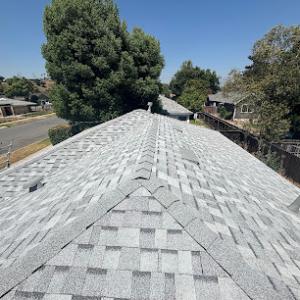
TMH Roofing
Serving
4.9 from 41 reviews
TMH Roofing is a 3rd generation, family owned roofing company that specializes in residential and commercial roof applications. We are licensed, bonded, fully insured, and pride ourselves on our communication and customer service. With years of experience in composition, tile, silicone, and flat roof systems, no job is too big or too small.
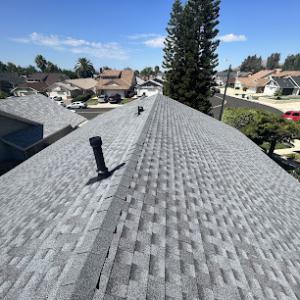
AFG Roofing Services
Serving
4.5 from 8 reviews
Owner-operated roofing company providing services throughout Inland Empire and surrounding areas. Give us a call when you're ready to fix that leaky roof or replace the roof at its entirety. Competitive prices, free estimates. Give us a chance that you won't regret!
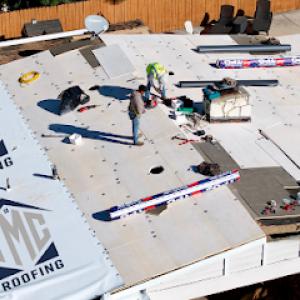
TMC Roofing
(951) 840-9935 www.tmcroofing.com
Serving
5.0 from 55 reviews
TMC Roofing is the trusted local roofing contractor serving Riverside, Temecula, Perris, and surrounding Inland Empire and Southern CA communities. Family-owned and licensed, we specialize in roof inspections, leak repairs, storm damage restoration, re-roofs, and 24/7 emergency roofing. Whether you need a small roof repair in Riverside, a full replacement in Temecula, or an urgent roof inspection in Perris, our team delivers reliable workmanship, honest pricing, and warranties. We work with shingle, tile, flat roofs, and more for residential and commercial projects. Realtors, property managers, and homeowners trust TMC Roofing for quality results that keep Southern California homes safe and protected. Call today for a free roof inspection.
Envision Home Builders
(818) 864-0444 envisionhomebuilders.com
Serving
5.0 from 11 reviews
Envision Home Builders specializes in roofing and construction in Los Angeles County, California. As a family and locally owned company, we are dedicated to transforming homes with our top-tier services. Our offerings include kitchen and bathroom remodels, home remodels, and gutter services to protect your property. We provide HVAC solutions for comfort, stylish and durable pavers, efficient insulation, and meticulous interior and exterior painting. Enhance your outdoor space with custom barbecue installations and rely on us for roof inspections, repairs, and replacements. We offer free estimates and consultations. Discover the Envision difference—visit our website, book a service, or call us today!

Temecula Low Cost Roofing
Serving
4.7 from 110 reviews
This business is currently closed for the foreseeable future. We are a local family owned company specializing in residential and commercial roofing services. e are dedicated to providing customer service that is second to none. Whether you have a new construction project or need to replace an old or damaged roof, we offer roofing repair and replacement services at fair prices with incredible warranties and peace of mind.
Sutton Roofing & Solar
(951) 893-4598 suttonroofingandsolar-ca.com
Serving
5.0 from 40 reviews
Sutton Roofing and Solar is a name you can trust in roofing with 20+ years of experience in the industry. We cater to all commercial and residential roof needs, so give us a call today!

Rocket Roofing
(800) 720-0775 rocketroofingca.com
Serving
4.8 from 148 reviews
At Rocket Roofing Contractors our mission is to serve the community with the most qualified, uncompromising workmanship and service. We work with dedication and integrity, to bring our clients the best service possible including residential & commercial roofing, roof inspections, roof maintenance, and roof repairs.
In this market, the first meaningful storms after the dry Santa Ana winds reveal what was hidden all summer. Mild winter rain sits on roofs that stayed dry long enough to hide weak flashings and underlayment, so leaks often show up suddenly when the first real rain arrives. That means a roof that looked fine in October can start dripping by December if seams or valleys never got a solid seal. The heat and wind stress also mean that fast-moving gusts lift tiles, loose shingles, or shift ridge components, creating open lanes for water in minutes rather than hours.
When gusts whip through and a storm threatens, you need rapid protection on any exposed area. If tiles or shingles are lifted, or ridge caps feel loose, set up temporary tarping or heavy-duty plastic to cover the most vulnerable sections. The goal is to seal against wind-driven rain long enough to reach a reliable repair window. Keep the tarp weighted with bags or rocks at the edges and secure any loose flashings so wind can't peel everything back again. If a leak starts during a storm, prioritize protecting living spaces and valuables below first, then address the roof.
Once the roof is dry enough to walk, do a careful walk-around with a flashlight, looking for lifted edges, torn underlayment, or cracked sealant at flashing joints. Remember that a small damp spot on a ceiling can hide a larger leak along a seam or through the attic deck. Check valleys and where roof planes meet walls, because those are common failure points after a windy period. If you find active seepage, document with photos and a dated note so a temporary fix can be matched to your system's specifics.
Local contractor signals show emergency repair is highly active in this area, indicating homeowners commonly seek immediate stabilization before deciding on a full re-roof. If fabric, tarps, or patching holds water back for a day or two, you can schedule a proper repair or replacement more calmly. If leaks persist despite temporary measures, treat it as an urgent warning sign that weakening flashing, compromised underlayment, or damaged ridge components need professional attention now to prevent interior damage.
Knowing heat and wind drive faster degradation, plan for a replacement window that minimizes exposure to peak summer heat and winter rain. A temporary fix buys time, but the goal is a solid, site-appropriate re-coverment method that resists wind uplift and seals against seasonal rains, with attention to how tile or shingle profiles interact with common local wind patterns.
When you can't wait, these contractors offer fast response times to stop leaks and prevent further damage.
When planning a roof upgrade, the typical cost spectrum in this area runs from about 350 to 700 per square for asphalt shingles, 800 to 1500 for metal, 900 to 2400 for clay tile, 850 to 2100 for concrete tile, 600 to 1500 for wood shingles or shakes, and 650 to 1300 for synthetic or composite shingles. Those numbers are useful for quick comparisons, but keep in mind that actual quotes can drift with material quality, color coatings, and how many squares are involved. In many Hemet projects, the roof deck and underlayment choices drive a meaningful share of the price, especially as long-term exposure to heat accelerates wear on layers you don't see from the ground.
Tile projects often cost more because repairs may involve both visible tile work and the less visible underlayment and flashing layers that fail first in long-term heat exposure. Clay or concrete tiles look durable, but the fasteners, underlayment, and flashing must hold up against sizzling days and Santa Ana winds. If a tile roof is aging, a contractor may find degraded underlayment or corroded flashing once the old tile is removed, and those hidden repairs add to the bill. In a Hemet job, expect the cost to reflect not just new tiles but the cascade of underlayment refreshes and flashing sealants that keep leaks out after months of heat cycles.
Project timing can affect cost locally because peak summer heat and winter rain reduce ideal work windows, while wind-related repair surges can tighten scheduling and labor availability. When a hot spell hits, crews may run longer days to finish before the next heat wave, pushing labor costs up or creating urgent scheduling pressures. Winter rains can delay schedules, which in turn can shift hourly rates or require temporary protections that add to the overall price. Planning a replacement window with a lighter schedule pressure can help control both cost and downtime, especially for tile or composition roof systems that demand careful handling in hot, windy conditions.
Get a clear picture of your project costs upfront - no commitment required.

Roofing Built To Last
(951) 667-8196 roofingbuilttolast.com
108 E Florida Ave #3, Hemet, California
5.0 from 1 review
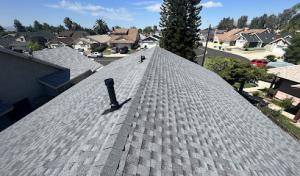
The Building and Safety department in this area generally requires a permit for a full roof replacement rather than treating it as informal maintenance. That means your project triggers city oversight from day one. The practical implication is that the permit sets the scope, timelines, and safety expectations for the work. Because heat, Santa Ana winds, and the local roof types amplify risks during replacement, having formal city authorization helps ensure the new roof meets current wind resistance and fire-safety standards. The city's staff will review your planned materials, fastening methods, and flashing details to confirm they align with local codes and drainage requirements.
In this market, the roofing contractor typically handles the permit application, pays the permit fees, and coordinates inspection scheduling with the city. This arrangement is common because permit processing and inspections require timely communication with Building and Safety as construction progresses. Expect the contractor to submit project plans, schedule initial inspections at key milestones, and relay any city feedback or requested changes back to you. This is not a one-and-done step; it involves ongoing coordination to keep the project compliant and on track through the replacement.
Inspections in Hemet occur as the project progresses and again after completion for final approval, so homeowners should confirm that the contractor's scope includes managing those sign-offs. Typical milestones include a pre-roof or sheathing inspection, a roof decking/underlayment check, an installation inspection for the final roof assembly, and a final occupancy or use clearance if required. Scheduling timing is important, especially in the Inland Empire climate where heat can accelerate material handling and temporary exposures. Coordinate access windows with the contractor, and plan for weather contingencies so inspections aren't delayed by heat-related safety holds or wind advisories.
Ask for a copy of the permit application and the city's plan review comments early, so you understand any code-related requirements before work begins. Verify that the contractor's contract explicitly states responsibility for all inspections and any re-inspections due to deficiencies. Maintain clear communication about inspection dates, required access points, and the sequence of work items. If a request comes from Building and Safety for changes (for example, a different underlayment or nailing pattern due to wind considerations), address it promptly to avoid hold-ups. Finally, keep a visible calendar of inspection windows and keep access clear to prevent delays during hot days when crews rely on early-start schedules.
Hemet homeowners are navigating California's tighter insurance market, where carriers have narrowed coverage and adjusted pricing in wildfire-prone and higher-risk areas. That reality places more emphasis on documented risk factors and proven damage sources. When choosing a roof or planning repairs, you'll be graded not just on the condition of shingles or tiles, but on whether the risk profile aligns with an insurer's current underwriting stance. Clear documentation and predictable maintenance history help keep coverage options open.
In this environment, roof decisions are shaped by how damage is documented and attributed. If a leak or hail impact can be tied to a specific wind or rain event, it strengthens a claim and reduces the chance of processing delays. Keep in mind that photos, dates, and narrative notes from inspections matter. A missing or vague link to a weather incident can complicate decisions or slow payout, especially after a wildfire event where historical data and pre-fire conditions are scrutinized more intensely.
After storms or wildfire-related incidents, collect dated photos that show the progression from damage to repair. Save temporary repair invoices and inspection notes. The timeline of events matters, because adjusters and underwriters may ask for a coherent sequence backed by dated records. Having these ready can shorten review times and improve the chances of a favorable assessment.
Choose materials and installation approaches with a clear record of weather-related damage prevention in mind. Maintain a consistent maintenance log, and coordinate with a trusted local roofer who understands how Santa Ana winds and inland heat accelerate wear. Being proactive with thorough documentation helps protect both the roof and the household when the insurance conversation begins after a harsh season.
Connect with contractors who help homeowners navigate the claims process from damage assessment to final approval.
Weathertight Roofing
(951) 929-0557 weathertightroofing.com
1100 N Buena Vista St, Hemet, California
4.8 from 107 reviews
The strong sun exposure in this area makes roof planning around solar penetrations especially relevant, and local contractor signals show an active solar-roofing segment. When planning or evaluating a roof with solar, map every penetration carefully: rafter runs, vent stacks, and edge-of-roof flashings can act as tiny leak gateways if not properly detailed. Favor continuous underlayment beneath penetrations and use compatible sealants that hold up to high daytime temperatures and rapid cooling at night. Keep shade and reflected heat in mind; panels near valleys or skylights can intensify heat around openings, so use heat-resistant flashing and consider sealant longevity under direct sun.
Although pitched residential roofs dominate, Hemet's market also shows meaningful flat-roof specialization, which matters for patio covers, additions, and low-slope sections common on mixed rooflines. In these areas, membrane integrity matters as much as the surrounding field roofing. Inspect for blistering, ridge-to-drain transitions, and proper drainage angles to prevent ponding. When planning or repairing low-slope sections, ensure seams from multiple roof phases align with appropriate drainage paths and that edge details receive reinforced termination bars to resist wind uplift typical of Santa Ana events.
On homes with both solar equipment and low-slope areas, leak diagnosis often depends on separating membrane, flashing, and penetration issues rather than assuming the field roofing alone is at fault. Start with a thermal or moisture scan after wind-driven rain to identify hidden pockets near roof penetrations. Examine flashings around solar mounting rails, curbs, and skylights first, then move outward to mid-field membrane seams. If water shows up near a penetration in a high-heat zone, prioritize resealing that junction before reroofing adjacent field sections.
Set a twice-yearly inspection cadence that aligns with peak heat cycles and Santa Ana wind seasons. In Hemet, focus checks on solar penetrations, flashing laps, and drainage paths, especially where low-slope areas meet pitched sections. Keep gutter attachments and edge flashings tight, since wind exposure can loosen fasteners and create micro-leaks that mimic larger failures. Regular snowballing maintenance around roof penetrations prevents small issues from turning into bigger, sun-exposed problems.
Find contractors who integrate solar panels or solar shingles into your roof for long-term energy savings.