
Last updated: Apr 19, 2026
The coastal-to-inland spread of San Diego's climate creates sharp contrasts in how roofs age. Beach communities endure constant salt exposure, which accelerates corrosion on metal components, distorts sealants, and slowly pits fasteners when salt-laden air spawns higher moisture content near the roof edge. Inland neighborhoods cook under stronger UV and higher heat, so the sun bleaches colorfast pigments, dries out underlayment sooner, and fine asphalt or composite granules wake up and shed earlier. In practice, the same roof may look superficially sound from the street while its underlayment, flashing, and fasteners are already on borrowed time in inland zones.
Santa Ana winds show up like clockwork and demand respect, especially for lighter components, exposed flashings, and any roof sections not fully secured before a wind event. In areas with hillside footing or higher exposures, a few gusts can lift shingles or tiles and pry loose sealant lines. For metal roofs, fasteners can work loose where the wind repeatedly bounces under gaps. For tile roofs, lighter tiles and loose mortar grips become fragile when a dry, hot Santa Ana air mass rolls through. The practical takeaway is simple: during a forecast, proactively reseal vulnerable edge details, check ridge caps, and secure any loose flashings or cresting with a wind-ready sealant and appropriate fasteners before the event hits.
San Diego's long dry spells and abundant sunshine mean underlayment and sealants age out before shingles show obvious wear from ground-level inspection. From the curb, many roofs look serviceable while the actual protective layers beneath have deteriorated. The corollary is practical: schedule an elevated inspection to verify the age and condition of underlayment, drip edge, and sealant lines, not just the visible tile or shingle surface. If the roof is older, you may find that leaks show up after a dry spell ends, when the new heat cycle causes sealants to fail or micro-splits to open in previously protected seams.
Becoming familiar with local patterns helps you choose a durable path. In beach-adjacent blocks, corrosion resistance matters most: look for coatings and fasteners that resist salt air, and consider a lighter color that reflects heat while matching the metal and flashing hardware. In inland canyons and higher-UV zones, pigment stability and UV-resistant underlayment take center stage; you'll want materials with robust colorfastness and stronger granule retention. Tile roofs in hillside zones often handle heat differently than flat-posed roofs; ensure valley and hip sections are well sealed against wind-driven debris and that ridge tiles receive secure, wind-resistant anchoring.
Establish a regular, seasonal inspection cadence, prioritizing edge details, flashings, and any area with vent penetrations. Before Santa Ana windows open, re-seal joints and check that all fasteners are snug but not overtightened, preventing metal fatigue. After the winds pass, inspect for lifted tiles or flashing gaps and address them promptly. Between events, pay attention to color fading and granule loss on shingles or asphalt composites, recognizing that visible wear can mask subsurface deterioration. If you own a coastal or inland property, tailor your maintenance plan to emphasize salt exposure or UV-driven aging, so you catch issues before they propagate into leaks or structural concerns.
Clay and concrete tile are especially relevant in this area because of the region's large stock of Spanish, Mediterranean, and mission-influenced homes. These textures and profiles not only fit the look but stand up to the year-round sun and coastal exposure-when installed and maintained correctly. On hillside parcels, you'll notice that the tile's shape helps shed wind-driven debris and salt spray, but the real work isn't always the visible surface.
In reroofs, the visible tile may stay reusable while the real replacement need is the underlayment and flashing beneath it. The underlayment takes the brunt of UV and temperature cycling, and in San Diego's dry Santa Ana seasons, it can dry out, crack, or lose its protective seal. Flashing around chimneys, skylights, rake edges, and along valleys can deteriorate faster than the tile itself due to wind-driven rain and the movement of adjacent structures. When planning a tile roof retrofit, prioritize a thorough underlayment sweep and high-quality flashing details over simply swapping out tiles. A well-sealed transition at hips and ridges keeps wind from lifting tiles and seeping water into the deck.
Hillside neighborhoods and multi-level layouts common around canyons and elevated lots can increase access complexity and staging time for tile work. On steeper lots, ladders and harnessing become part of the schedule, and material handling slows down. That means longer crews on site and more careful protection of landscaping below. If you live on a slope, ask about temporary staging platforms, secure pathways for waste removal, and the feeder routes your crew will use to minimize disruption to neighbors. Proper planning reduces micro-damage to the tile and underlayment during removal and reinstallation.
Clay tile offers a classic look that wears gracefully with age but can be heavier and require structural checks if the roof is older. Concrete tile, while lighter in feel, can be more prone to cracking with impact or thermal cycling if installed over insufficient underlayment. In a Santa Ana wind pattern, the wind uplift risk is a real consideration; both materials benefit from properly integrated hip-and-ridge venting and reinforced fasteners. In neighborhoods with heavy salt exposure, ensure coatings and metal flashing are rated for salt spray and are hemmed to prevent corrosion. The choice between clay and concrete should balance the home's architectural style, roof pitch, and the existing deck's condition.
Set up a seasonal inspection that focuses on tile integrity, flashing seams, and valley drainage. Look for cracked tiles, displaced neighboring tiles, or any staining that hints at flashing failure. Clean debris from gutters and ensure downspouts route water away from the foundation, especially on hillside lots where runoff can accelerate soil erosion. When you notice a bundle of tiles shifting or a ridge line that's compromised, address it promptly-the problem area can expand quickly with strong Santa Ana gusts. Keep an eye on the coping around vents and chimneys, since those are common ingress points for moisture when years of exposure have softened sealants.
Different San Diego neighborhoods experience sun, salt air, and wind in distinct combinations. In a hillside mission-style setting, the interplay between shade, exposure, and tile color can affect heat gain and cooling needs on adjacent interiors. In more exposed canyon locations, the emphasis shifts toward wind uplift resistance and secure fastener patterns. Tailor your reroof plan to both the hillside layout and the home's tile heritage, ensuring that the structure underneath is prepared to support a durable, weather-tight tile roof for years to come.
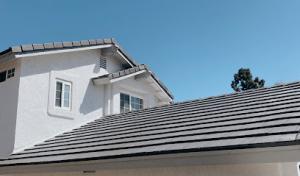
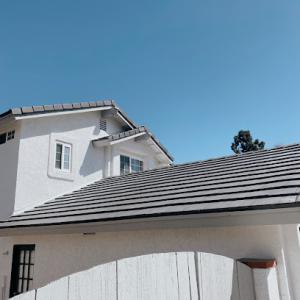
Find contractors who specialize in clay and concrete tile roofs, known for their durability and curb appeal.
Build Brothers
(760) 566-7734 www.buildbrothersinc.com
7765 Arjons Dr, San Diego, California
4.9 from 615 reviews
California First Roofing
(424) 419-3353 californiafirstroofing.com
9606 Tierra Grande St, San Diego, California
5.0 from 154 reviews
Valley Oaks Roofing & Repairs
(760) 580-7109 www.valleyoaksroofing.com
San Diego, California
5.0 from 75 reviews
Build Brothers
(760) 566-7734 www.buildbrothersinc.com
7765 Arjons Dr, San Diego, California
4.9 from 615 reviews
Build Brothers is a family-owned and operated roofing and solar contractor based in San Diego, CA. With over 20 years of experience, we specialize in energy-efficient residential and commercial solutions. Our commitment to top-tier craftsmanship, competitive pricing, and exceptional customer service has earned us hundreds of 5-star reviews. We offer financing options and reliable workmanship warranties, making us a trusted choice for solar and roofing projects across San Diego County.
California First Roofing
(424) 419-3353 californiafirstroofing.com
9606 Tierra Grande St, San Diego, California
5.0 from 154 reviews
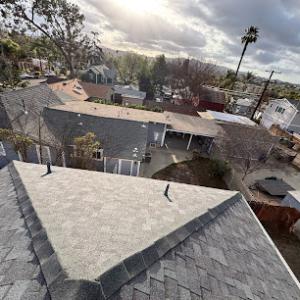
California First Roofing is a licensed and insured roofing company in San Diego. We offer roof repair, installation, and emergency leak response. Known for honest pricing and reliable service, we treat every project with care. Serving Mira Mesa, La Jolla, Pacific Beach, and nearby areas.
Sunstone
(858) 500-1550 www.sunstoneroofing.com
3525 Del Mar Heights Rd Suite #105, San Diego, California
5.0 from 167 reviews
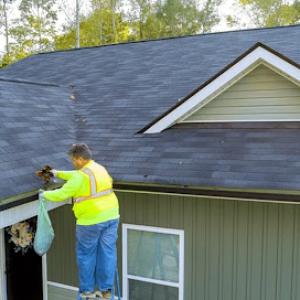
Sunstone: your trusted partner for comprehensive property solutions. As a licensed general contractor, we specialize in safeguarding and enhancing your home. From expert roof repairs and replacements to flawless interior and exterior painting, including protective coatings, we deliver exceptional craftsmanship. We also offer solar panel maintenance and re-installation services, ensuring your sustainable energy solutions perform optimally. Entrust your property to Sunstone and experience quality service from foundation to solar panel.
Valley Oaks Roofing & Repairs
(760) 580-7109 www.valleyoaksroofing.com
San Diego, California
5.0 from 75 reviews
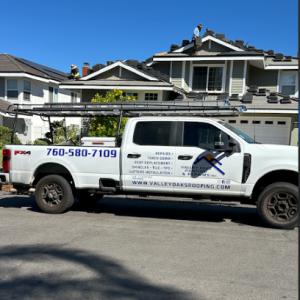
Valley Oaks Roofing & Repairs is your trusted partner for all roofing needs, offering top-notch services like Roof Installation, Roof Inspection, Roof Repair, Roof Replacement, and Roof Maintenance. Owner-operated by Magdaleno Chavez, who brings over 30 years of hands-on experience, we pride ourselves on delivering quality workmanship and personalized service to every client. Whether you're looking to install a new roof, need a thorough inspection, or require urgent repairs, we have the expertise to ensure your roof is durable and reliable. At Valley Oaks Roofing & Repairs, we are committed to protecting your home with the highest standards of roofing excellence.
Alma Roofing
(619) 693-3670 www.almaroofingsd.com
4538 Cass St, San Diego, California
5.0 from 70 reviews
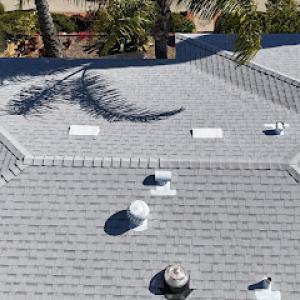
At Alma Roofing, we are San Diego's trusted roofing company specializing in new roof installation, roof repair, and roof replacement for residential and commercial properties. As a fully licensed and insured roofing contractor, we offer the best roofing services for your home and business. Whether you need a shingle roof, tile roof, or flat roof, our expert team ensures top-quality workmanship. We also provide 24/7 emergency roofing services for roof leaks and storm damage, along with gutter and vent installation and repair. Serving all of San Diego, we back our work with warranties provided only to preferred and certified contractors, and also offer flexible financing. Contact us for your free roof inspection & estimate today!

Peak Builders & Roofers of San Diego
(619) 330-1299 peakbuilderssd.com
8340 Vickers St K, San Diego, California
4.9 from 121 reviews
Peak Builders & Roofers of San Diego is a roofing contractor & general contractor providing top-notch roofing & home remodeling services in the San Diego County area. Specializing in residential and commercial roofing, ADUs, garage conversions, kitchen & bathroom remodels, concrete driveways, & retaining walls. Our skilled team is adept at roof repair, roof replacement, and general roof maintenance. We pride ourselves on delivering affordable roofing solutions without compromising on quality. As one of the best roofing companies in San Diego, we ensure every project meets the highest standards. Whether you need a minor roof repair or a complete roof replacement, trust us to handle it with professionalism and care.
Roofing Specialists of San Diego
(858) 922-5903 roofingspecialistsofsandiego.com
7905 Silverton Ave UNIT 112, San Diego, California
4.8 from 141 reviews
Roofing Specialists of San Diego is a licensed roofing contractor that has been serving San Diego since 2001. With over 2 decades of experience, we bring expertise and reliability to each and every project. We believe that a roof is the most integral part of a home. It’s what holds your walls together and keeps your house, your possessions, and your family safe and secure. Roofing Specialists of San Diego preforms roof repairs and new roofing installations. When it comes to service, we've got you covered! From the first phone call all the way through the jobs completion. We care what you think. When having such an important project performed on your home or building, always be safe by hiring a licensed San Diego roofing contractor.
Pioneer Roofing Company
(619) 432-7663 www.pioneerroofer.com
3111 Camino Del Rio N #400, San Diego, California
4.9 from 61 reviews
Pioneer Roofing Company was founded in 1980 by John Stout to service the Rocky Mountain- West region of the US (primarily Utah). As a proud family-owned and operated business, Pioneer Roofing quickly became one of the most well-respected and trusted roofing companies in the area. John's oldest son, Spencer recently expanded operations to California and is currently servicing the greater San Diego with his business partner Dustin. In the spirit of honesty, respect, integrity, and through consistent quality, Pioneer Roofing Company provides prompt and professional roofing services to our customers throughout the San Diego area. We constantly look for new and innovative ways to improve efficiencies and sustainability in our roofing process.
Resilient Roofing
(619) 501-2138 www.resilientroofing.com
7950 Dunbrook Rd, San Diego, California
4.8 from 207 reviews
At Resilient Roofing, we solve roofing problems. We proudly serve all of San Diego and Orange counties, along with San Bernardino, Los Angeles, and Riverside, providing expert roof repair, new roof installation, and maintenance for every roof type under the sun. We've been in business since 1967, and we're proud to offer custom roofing solutions tailored to your needs, and backed by our Leak Free Guarantee. Our roofing consultants adhere to a strict code of ethics, and we will never do a roof replacement if your roof can be repaired - a commitment that has earned us a finalist position in the BBB Torch Awards for Ethics from 2022-2024. With flexible financing options at the ready, Resilient Roofing is committed to keeping you safe and dry.

Exclusively Roofing
(619) 663-1261 www.exclusivelyroofinginc.com
4013 Texas St UNIT 4, San Diego, California
5.0 from 40 reviews
Started from the ground up in San Jose & San Diego, Exclusively Roofing has been and always be a local solution for a full range of roofing, siding, and gutter services. Our business is built on neighborly trust, quality work, and affordable prices. From homes to commercial estates and all points in between, serving the greater San Jose and San Diego community with top-notch roofing has been our stock in trade. As demand has increased for our particular brand of quality, we've added siding and gutter services as a natural expansion to our ability, making us a comprehensive property exterior protection company. Your new roof is right around the corner – call Exclusively Roofing today.
RSI Roofing
8285 Buckhorn St, San Diego, California
4.8 from 99 reviews
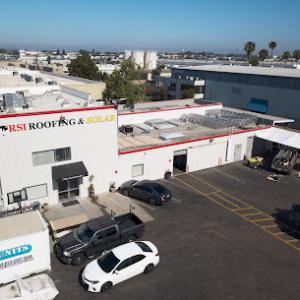
A+ Rating by BBB! Established in 1993, RSI Roofing is a fully insured, bonded commercial roofing contractor. RSI caters to a wide variety of clientele, from commercial buildings to residential homes and multi-family communities, to industrial and institutional properties. For more information, please call us at 858.278.7200.

Atlas Roofing
(866) 303-2912 atlasroofingpro.com
4455 Murphy Canyon Rd Ste 100, San Diego, California
4.9 from 62 reviews
Atlas Roofing Company is a roofing contractor in California state that serves customers in San Diego, Los Angeles and San Francisco. We are a professional roof installer that can handle residential and commercial roofing needs. Whether you have a new construction project or it is time for repairs, we offer the roofing services you need. We are licensed and insured: California CSLB C39 LICENSE# 1057468 — and have dozens of customer referrals to confirm our reliability. If you're searching for "roofing companies near me" or roof repair in California, look no further than Atlas Roofing. We can provide roof replacement and repair and go above and beyond to make sure the job's done right.
Reroof timing in this area is rarely straightforward because many homes have solar installed or planned. The solar equipment sits on top of the roof for years, and any reroof plan has to align with panel removal and reinstallation. If the roof is replaced first, the solar system can be reinstalled with fewer interruptions and less chance of compromising flashings and penetrations. If solar is kept in place during a roof swap, careful scheduling and protection of the panels, racking, and wiring become critical to avoid damage and avoid revisiting roofing work soon after installation.
A high level of solar adoption means that the roof is often a shared home for two systems: the roof itself and the solar array. When planning a reroof, check the condition and accessibility of the existing penetrations, flashings, and mounts. Older underlayment tends to be more fragile and may not tolerate the flashings or seal transitions that a new roof requires. Coordinating panel removal ahead of the tear-off can save time and reduce the risk of weather exposure to open roof areas. If panels are still serving energy needs during the reroof window, ensure a safe, temporary protection plan for wiring and racking while the old roof comes off and the new one goes on.
Penetrations dedicated to solar equipment add complexity you don't see on rooftops without panels. In remodels or reroofs with existing solar, the flashing details around mounts and railings must be preserved or upgraded to match the new roof surface. Older underlayment can become a weak link if it's disturbed or covered by new layers. The risk of leaks rises when you stack new material over aged barriers. A careful review of each flashing ring, sealant joint, and transition to permit the correct load path and water shedding is essential in this climate, where coastal exposure and sun can exacerbate minor gaps.
Homeowners often face a choice between replacing the roof first and then adding solar, or letting the panels ride on the existing roof until after the new surface is installed. Replacing before solar generally reduces the likelihood of drilling into fresh underlayment and gives a clean, continuous surface for panel work and reinstallation. If solar is already in place and must stay through the reroof, plan a tight schedule with the solar contractor to coordinate panel removal, roof replacement, and panel reinstallation in a single window. In either scenario, map out the sequence, confirm panel clearance times, and establish temporary protections for wiring and racking.
Sit down with your roofer and solar installer to map panel locations, mount types, and anticipated trap points for flashing. Have a clear plan for temporary panel removal if needed, including where panels will be stored and how wiring will be protected. Verify the readiness of the roof deck and underlayment before any tear-off, and designate a responsible point person for coordinating the sequence. This is the moment to align weather windows with the project scope, reducing the chance of delays that complicate both roof and solar work.
Find contractors who integrate solar panels or solar shingles into your roof for long-term energy savings.
Build Brothers
(760) 566-7734 www.buildbrothersinc.com
7765 Arjons Dr, San Diego, California
4.9 from 615 reviews
California First Roofing
(424) 419-3353 californiafirstroofing.com
9606 Tierra Grande St, San Diego, California
5.0 from 154 reviews
Alma Roofing
(619) 693-3670 www.almaroofingsd.com
4538 Cass St, San Diego, California
5.0 from 70 reviews
The local mix of year-round sun, coastal salt air, and canyon-edge lots shapes reroof costs in a distinctive way. In most neighborhoods, tile systems are common, and that tendency pushes project timelines and labor needs higher. Heavier tile installations often require more underlayment work and careful fastening, which translates into higher labor charges and material handling compared to lighter roof assemblies. When you plan a reroof, expect the footing of the budget to tilt toward tile-related labor and underlayment-focused tear-off and reset work.
Clay Tile
Clay tile projects sit at the upper end of the cost spectrum in San Diego, driven by the weight of the material and the need for precise underlayment and wind-driven fastening. Coastal corrosion exposure nudges fastener and accessory costs upward near the ocean, so you may see upgraded stainless or coated fasteners and corrosion-resistant flashings recommended. Typical per-square cost ranges from about 1,100 to 1,900 USD, depending on pitch, wrap detail, and whether skylights or vents require custom flashing. In hillside or canyon-edge homes, access can complicate delivery of large tile bundles and slow debris removal, adding a noticeable labor lift.
Concrete Tile
Concrete tile offers a balance between durability and cost, but San Diego conditions still push prices higher where weight and delivery logistics matter. The heavier weight increases structural concerns and can demand additional bracing or structural checks as part of the reroof, which is reflected in the labor line. Expect costs roughly from 900 to 1,500 USD per square. Coastal environments may steer hardware choices toward corrosion-resistant connectors and compatible sealants, particularly around coastal bays or open bluff areas.
Asphalt Shingles
Asphalt shingles remain a more economical option, yet local realities still matter. In neighborhoods with many hillside homes or tight urban lots, logistics and access impact crews' efficiency, nudging costs up. Typical ranges run from about 350 to 650 USD per square, with higher-end synthetic underlayment or limited-wave architectural shingle options pushing toward the upper end.
Metal Roofing and Synthetic/Composite Shingles
Metal roofing and synthetic options tend to be mid-to-upper cost choices in this market, reflecting faster install times but higher material prices and specialty fasteners for coastal exposure. Metal typically ranges from 700 to 1,200 USD per square, while synthetic/shingle products land around 700 to 1,100 USD per square. In tight lots or canyon streets, crane or ladder time to maneuver panels or bundles becomes a factor, contributing to variability in the final bill.
Wood Shingles/Shakes
Wood remains less common than tile in many San Diego pockets but can appear in hillside areas where traditional aesthetics are prioritized. Expect costs around 700 to 1,100 USD per square, with additional attention to underlayment compatibility and potential fire-retardant treatment that may be recommended in certain zones.
The most popular roofing material in the US. Find pros who install, repair, and replace asphalt shingles.
California First Roofing
(424) 419-3353 californiafirstroofing.com
9606 Tierra Grande St, San Diego, California
5.0 from 154 reviews
Valley Oaks Roofing & Repairs
(760) 580-7109 www.valleyoaksroofing.com
San Diego, California
5.0 from 75 reviews
Alma Roofing
(619) 693-3670 www.almaroofingsd.com
4538 Cass St, San Diego, California
5.0 from 70 reviews
In this region, a full reroof typically involves the city's building process rather than being treated as minor maintenance. That means your project will flow through a formal permit path, with plan review, technician checks, and a record that travels from initial submission to onsite inspection. The aim is to confirm that the chosen assembly details-especially underlayment, flashing, and venting-meet current code and local practice for coastal and inland neighborhoods alike. A reroof is not a quick cosmetic fix; it sets the roof assembly up to withstand year-round sun, salt air, and the occasional Santa Ana breeze. When starting, you'll want to align your material selections and venting strategy with the city's expectations so the permit review moves smoothly and stays on schedule.
inspections commonly include a rough-in stage and a final inspection, with particular attention paid to how the roof assembly integrates with the rest of the structure. In practice, that means the rough-in check will verify that underlayment is properly installed, flashing details are correctly tied into wall parapets and chimneys, and the venting plan is compatible with the chosen roof system. The final inspection confirms that the entire roof assembly functions as designed under the local climate, including compatibility between membrane, tiles or shingles, fasteners, and any integrated solar or vent components. Because San Diego rooftops often sit on hillside homes or properties near the coast, inspectors look closely at how wind-driven rain and salt exposure are addressed in the detail work around edges, penetrations, and roof-to-wall transitions. Plan review may also be triggered on reroof projects where assembly details change, ventilation strategies shift, or material substitutions require city review before work proceeds.
Plan review is not unusual for a reroof, especially when changes to ventilation, attic space configuration, or roof coverage could alter moisture movement or wind performance. If you're considering switching from one material category to another-such as moving from traditional shingles to a tile system-or altering venting locations, expect the city to evaluate the proposed details before work starts. This isn't a hurdle to navigate alone; it's a safeguard that helps your roof perform reliably in San Diego's sun-heavy, salt-laced climate. Work with a contractor who is well-versed in local permit practices, can prepare accurate assembly details, and coordinates with the building department to address any plan-review questions promptly. Keeping documentation ready-product data for underlayment, flashing membranes, venting calculations, and any retrofit seismic or wind considerations-will smooth the process and help ensure your reroof proceeds without citation delays.
During the long dry spells, cracked flashings, failed sealants, and aged underlayment can hide in plain sight. When the first winter storm hits, these hidden issues suddenly leak, and you're left scrambling. The rapid shift from sun to rain means a small fault can become a big problem in hours, not days.
Even though the climate stays dry most of the year, those occasional winter systems bring abrupt, heavy downpours and gusts. A single strong event can overwhelm a compromised roof, pushing water into ceilings, closets, and insulation. Expect a spike in urgent leak calls after a dry spell ends, especially in older homes or hillside neighborhoods where wind-driven rain concentrates on flashing details.
If you suspect trouble, protect the interior first: place tarps or sturdy plastic over the affected area, move valuables, and avoid running any HVAC dampers near the leak. Roof access for repairs should be minimized during a rain event; if a repair is necessary, coordinate to stop further water intrusion with temporary measures until the roofer can seal the source. After rain, document every drip with photos to speed diagnosis and prevent guesswork.
Because a roof opened for repair can be exposed to sudden rain or wind, timely scheduling matters. Reach out the moment rain ends or when you notice telltale staining, and prioritize temporary fixes that keep water at bay while a durable solution is planned and implemented.
When you can't wait, these contractors offer fast response times to stop leaks and prevent further damage.
Build Brothers
(760) 566-7734 www.buildbrothersinc.com
7765 Arjons Dr, San Diego, California
4.9 from 615 reviews
California First Roofing
(424) 419-3353 californiafirstroofing.com
9606 Tierra Grande St, San Diego, California
5.0 from 154 reviews
Valley Oaks Roofing & Repairs
(760) 580-7109 www.valleyoaksroofing.com
San Diego, California
5.0 from 75 reviews
Near the coast, salt-laden air can accelerate corrosion of metal accessories, fasteners, and some roof edge components. In homes with exposed gutters, downspouts, and metal flashings, shiny hardware may begin to show pitting or streaking sooner than expected. Secondary components like drip edges and vent flashings are especially vulnerable where salt carries moisture and heat out of each afternoon. Regular inspection should focus on these connected pieces, because a small corrosion site can seed leaks and sagging over time if left unchecked.
Low-slope sections-often added living spaces, patios, or mixed-roof configurations-demand different drainage behavior than steep tile or shingle areas. In these zones, inadequate slope or misaligned transitions can trap water and debris, inviting ponding and membrane wear. Edge shouldering, scuppers, and parapet terminations require careful detailing to prevent water from backing up into penetrations or flashing intersections. Consider upgraded drainage devices and a reviewed plan for uniform water runoff across all low-slope planes.
Coastal humidity can be harder on underlayment and flashing interfaces over time, especially where roofs transition between tile, flat, and penetrated sections. The junctures around chimneys, vents, and skylights in mixed roofscapes are prime spots for moisture migration, and delicate materials can delaminate or corrode at these seams. Focus on robust, corrosion-resistant flashings and continuous sealants that accommodate thermal movement. Regularly recheck transitional details for signs of moisture intrusion, and address even minor lifts or gaps before they propagate.
Find specialists in TPO, EPDM, and built-up flat roofing systems for residential and commercial properties.
Build Brothers
(760) 566-7734 www.buildbrothersinc.com
7765 Arjons Dr, San Diego, California
4.9 from 615 reviews
California First Roofing
(424) 419-3353 californiafirstroofing.com
9606 Tierra Grande St, San Diego, California
5.0 from 154 reviews
Valley Oaks Roofing & Repairs
(760) 580-7109 www.valleyoaksroofing.com
San Diego, California
5.0 from 75 reviews
In San Diego, roof decisions live under California's volatile insurance climate, where wildfire exposure can influence coverage availability even for homes with no recent roof claim. That means carriers may tighten terms, raise deductibles, or decline coverage based on perceived risk rather than recent leaks alone. The result is that the choice of material and the age of the roof can shape whether a homeowner can secure a policy or renew one when the declarations page rolls around. This pressure often lands most on hillside properties and coastal-adjacent neighborhoods where exposure feels harsher and Santa Ana winds can amplify risk quickly.
Insurers and adjusters in California commonly scrutinize roof claims with photos, maintenance history, and evidence separating sudden damage from age-related wear. A clean archive of recent maintenance-cleaned gutters, tightened flashing, replaced skylights-helps demonstrate proactive upkeep. When a wind event or a leak occurs, the adjuster will look for prior, weathered wear as a potential contributor to the loss. In practice, that means documenting the roof's condition before trouble starts is not cosmetic; it can influence how quickly a claim is honored and how much of it is covered.
Depreciation and pre-loss condition documentation matter because many claims involve older roofs that have weathered years of sun exposure before a leak or wind event. Photos taken over time, along with notes on membrane wear, color fading, and mounting of nearby tiles or panels, create a clear narrative for the adjuster. If the roof shows cumulative sun-bleached damage or corrosion from salt air, those factors can shift a claim's evaluation from repair to replacement considerations. Being prepared with a well-documented history helps manage expectations when policy terms meet weather-driven risk.
Connect with contractors who help homeowners navigate the claims process from damage assessment to final approval.
Peak Builders & Roofers of San Diego
(619) 330-1299 peakbuilderssd.com
8340 Vickers St K, San Diego, California
4.9 from 121 reviews
Roofing Specialists of San Diego
(858) 922-5903 roofingspecialistsofsandiego.com
7905 Silverton Ave UNIT 112, San Diego, California
4.8 from 141 reviews
Pioneer Roofing Company
(619) 432-7663 www.pioneerroofer.com
3111 Camino Del Rio N #400, San Diego, California
4.9 from 61 reviews
In a market where reroofing dominates, you want a crew that can tear off old roofing, dry in quickly, and clean up meticulously, not just crews with new-construction experience. Look for specific references to complete tear-off cycles, scaffold and debris containment, and a tested process for re-sealing the deck, new underlayment, and proper nail-down technique. A crew that documents each stage with photos and a start-to-finish checklist helps you verify that nothing gets overlooked during the dry-in and penetration work.
Quick response matters, especially during winter leak spikes and after wind events when roofs take real stress. Gauge response by how fast they schedule inspections, return calls, and issue written scopes. Ask for a dedicated point of contact for the project and a realistic window for arrival after storms. If a contractor struggles to commit to timely communication, it's a red flag you'll see again during project bumps or weather-related delays.
With a heavy tile and solar workload, you need a crew that regularly handles tile reset details, penetrations, and coordination with rooftop equipment. Confirm that they bring tile spacers, wire harness isolation, and a plan for re-seating tiles without breakage. Ask how they manage penetrations around vents, flanges, and mounting hardware, and whether they coordinate with solar inverters, racks, and future panel placements. A detailed, on-site plan reduces callbacks and keeps the roof watertight after the final seal is set.