
Last updated: Apr 19, 2026
Chula Vista sits between the San Diego Bay and the inland South Bay, so roofs in the bayfront zone age differently than those farther east. Near the water, marine moderation keeps temperatures a bit milder and humidity steadier, which reduces some heat-related wear but introduces salt spray and humidity-driven corrosion that can affect fasteners, metal components, and sealants. Moving east, the heat climbs, Santa Ana wind events become more pronounced, and UV exposure ramps up. That stronger UV exposure accelerates granule loss on asphalt shingles, fades colors on surface coatings, and fatigues sealants and underlayment sooner than you'd expect in a milder coastal microclimate. In short, your roof's age and replacement timing are not the same across the city's microclimates: marine-adjacent roofs age differently from those perched toward the hotter inland edge.
The elevated sun exposure across the inland neighborhoods is the primary driver of granule loss and surface fading. Granules protect the asphalt granule mat and the underlying asphalt, and as they wear away you'll notice more rapid color fading and a higher risk of sun-related surface cracking. UV exposure also fatigues sealants around vents, flashing, and penetrations, which can lead to slow leaks if not addressed. Metal roofs in the hotter zones can show increased expansion and contraction cycles, potentially loosening fasteners or distorting panels over time. In the bay-adjacent microclimate, salt spray can corrode exposed metal components and degrade sealant bonds more quickly than inland sites, even if temperatures aren't as high.
Winter rainfall in this region tends to concentrate in the cooler months, so many leak problems emerge after long dry periods when flashing and penetrations are first tested by sustained rain. The dry stretch can hide small gaps or micro-cracks that only reveal themselves when a substantial rain event finally comes through. Flashing around chimneys, vents, skylights, and roof-to-wall transitions is a common слабость area after a few dry weeks, especially where sealants have aged. When that first series of winter storms arrives, you may notice slow drips or dampness in areas that previously seemed dry, particularly along valleys, penetrations, and seam lines.
In the bay-adjacent zone, expect longer roof life for uncoated or lightly shaded surfaces if corrosion is kept under control, but monitor for salt-induced wear on metal components and corrosion-prone fasteners. In inland pockets, plan for more frequent replacement consideration due to accelerated UV wear and wind-driven debris impacts that can damage surface textures, valleys, and edging. A practical approach is to treat the roof aging timeline as two separate tracks: one for the marine-influenced sections and one for the hotter inland sections. If your roof spans both microclimates, tailor inspection intervals and proactive maintenance to the most aggressive zone on the structure.
From spring through early fall, inspect for surface fading, granule loss in gutters and downspouts, and any exposed underlayment along edges where UV exposure is strongest. After the first heavy winter rain, re-check flashing, seals around vents, chimneys, and skylights, and test for any new signs of moisture intrusion in attic spaces or ceiling patches. In marine-adjacent areas, pay extra attention to corrosion-prone metals, fasteners, and coastal salt deposits. In inland areas, focus on sealant fatigue around penetrations and any warping or curling of roofing materials under high heat. For both zones, keep an eye on the edges and terminations-rakes, eaves, and ridge lines tend to show wear earlier and more visibly. Regular, targeted maintenance now can shift the timing of a full replacement later into a more comfortable window, especially if you can catch UV- or wind-related wear before it accelerates.
Schedule a focused roof inspection after a dry spell and again after the first sizable winter rain. Have a trusted local roofer assess granule loss, sealant integrity, and underlayment age, paying special attention to the penetrations that see the most UV and wind exposure. If your roof covers both coastal and inland sections, document differences in wear across the roof plane-this helps when you discuss replacement timing with a contractor. Consider proactive resealing around flashing and penetrations in areas showing early sealant fatigue, and plan for flashing and sealant upgrades in strips that receive the strongest UV and wind exposure. If you're weighing material choices during replacement, remember that the city's sun and wind profile makes surface durability and sealant resilience critical factors, with asphalt shingle and metal options commonly balanced against climate-driven wear patterns.
Santa Ana wind events in the South Bay raise the risk of lifted shingles, displaced ridge components, and wind-driven rain at roof edges and wall intersections. When the air surges, fasteners loosened by sun and heat can give way, and shingles near eave lines or roof-to-wall transitions become prime failure points. You'll notice corners peeling, edges curling, or a pronounced flutter along the ridge line after a gusty afternoon. If your roof uses lighter-weight materials or has older underlayment, the odds of sudden blow-off increase quickly. In the next high wind episode, check your most exposed zones first: hips, ridges, valley intersections, and any flashing where two planes meet.
Dry windy periods also increase debris accumulation from nearby trees and can turn small loose components into urgent leak points before the next rain. In South Bay neighborhoods, pine needles, eucalyptus fragments, and resilient palm fronds ride the wind and wedge into roof valleys, gutters, and drip edges. A stray shingle tab or a loose cap nail can become a rain entry point after a windy stretch, especially where the roof decks or underlayment show signs of aging. The risk compounds if debris blocks roof countersinking or clogs drainage paths, creating standing water that accelerates wear on flashing seals and around penetrations. Regular clearance after dry spells keeps these small issues from becoming costly surprises during the wet season.
Because Chula Vista's wet season is limited, emergency tarping and fast dry-in matter most when storms interrupt an active tear-off or expose older underlayment. If a storm interrupts work or you detect exposed underlayment, the window for a proper temporary fix is narrow. Tarping should cover any open roof area to prevent wind-driven rain from infiltrating the interior, while the temporary patch must be secured against uplift and wave action from the prevailing wind directions. Once tarps are in place, prioritize a prompt dry-in-sheeting, flashing reseal, and securing any loose components-so interior spaces stay dry and the roof system can be stabilized before the next system develops. In a coastal-to-inland mix like this area, delays between wind events and rain can create a false sense of security; treat any active leak path with immediate attention to minimize interior damage and preserve roof life. In Chula Vista, proactive inspections after heavy winds and before the next storm are a smart, protective habit for homeowners with aging underlayment or previously repaired roof sections.
When you can't wait, these contractors offer fast response times to stop leaks and prevent further damage.
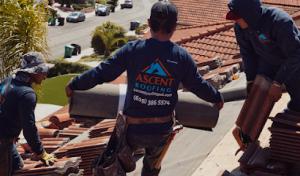
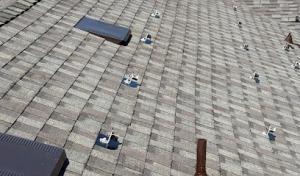
Clay and concrete tile are especially relevant here because South Bay and suburban tract architecture commonly uses Mediterranean and Spanish-influenced rooflines. The look matters, but so does function: those tiles shed rain and glare, resist wind uplift better than many alternatives when properly installed, and work well with the area's sun exposure. The real question for a tile roof is not only the surface that's visible from the street, but what's underneath. In this neck of the coast-to-inland gradient, the style endures because it ages gracefully and complements the surrounding neighborhoods, patios, and garages that often share the same architectural language.
On tile roofs in this region, the weatherproofing layer beneath the tile often becomes the real replacement driver even when the tile itself still looks serviceable from the street. The underlayment, flashing around hips, valleys, dormers, and transitions to parapets takes on the brunt of winter rainfall and Santa Ana wind-driven moisture. Over time, that layer can deteriorate, blister, or lift, compromising interior ceilings and attic spaces long before you notice a broken-looking tile. Regular inspection should focus on edge sealants, ridge lines, and where tile meets metal or concrete features. If the underlayment shows wear, replacing tiles alone won't restore long-term protection.
Santa Ana winds can uplift exposed tiles, especially on roofs with intermittent shade or older fasteners. Wind uplift is not just about loose tiles; it can stress underlayment joints and flashings, nudging water into seams that look intact from the ground. UV exposure accelerates aging of the underlayment and any synthetic components in the roofing system. A roof that still appears solid from the street may hide compromised edge details or blistered synthetic underlayment. Routine checkups after strong wind events help catch issues before they propagate into leaks.
Many homes and mixed-use buildings in the city also have garages, patio covers, additions, or commercial sections with low-slope roofing that age differently from the main pitched roof. Those sections often use the same or compatible materials, but drainage behavior and installation details differ. Low-slope areas can accumulate water more readily, and flashing transitions between a slope and a vertical wall invite water intrusion if not properly sealed. Inspect and maintain these areas with emphasis on membrane seams, edge detailing, and weep/drainage paths. Keeping the drainage functional in these zones helps protect the more visible tile roof above.
When tiles look worn but still intact, treat the underlayment and flashing as the likely limiting factors for lifespan. If you notice interior staining after rain, soft or crumbly underlayment, or repeated leaks at parapets or valleys, consider a targeted underlayment replacement rather than a full tile overhaul. For low-slope sections, prioritize seam integrity and edge flashing, especially where roofs adjoin living spaces or garages. In this climate, replacement timing hinges less on the tile surface and more on the condition of the waterproofing layers beneath and at transitions. Regular, targeted inspections after winter rains and after any significant wind events help determine if a full tile roof refresh or a focused underlayment and flashing update is appropriate.
Find contractors who specialize in clay and concrete tile roofs, known for their durability and curb appeal.
Kenney Roofing
(619) 410-3890 www.kenneyroofinginc.com
12 Las Flores Dr, Chula Vista, California
5.0 from 3 reviews
Chula Roofing Pros
(760) 514-0043 chula-roofing-pros.ueniweb.com
327 H St, Chula Vista, California
5.0 from 20 reviews
Chula Roofing Pros offers high-quality roofing design and services in Chula Vista. We are seasoned roofers who deliver top quality and budget-friendly roofing services. Get in touch with us on +17605140043. When you hire us, you know you’re getting skilled, passionate technicians you can trust to do the best job possible. And, as a bonus, we always feature competitive pricing on our services.
GUA Roofing
(619) 345-5099 chulavista-roofing.company
51 J St, Chula Vista, California
5.0 from 20 reviews
When it comes to taking care of your home, the roof plays a vital role in safeguarding everything underneath. At Guaranteed Roofing, we understand the importance of reliable and exceptional roofing services. Our extraordinary roofing service is designed to provide homeowners with peace of mind, knowing that their roofs are in expert hands. With our simple yet effective approach, we offer a range of services aimed at maintaining and repairing roofs to ensure longevity and durability. Whether it's routine maintenance, roof repairs or complete replacements, our team is dedicated to delivering top-notch results every time. At Guaranteed Roofing, simplicity meets excellence in all aspects of our work.
Built 2 Last Roofing
(619) 836-7276 b2lastroofing.com
668 Robert Ave, Chula Vista, California
5.0 from 4 reviews
At Built 2 Last Roofing, we’re more than just a roofing company, we’re your partners in protection, quality, and peace of mind. Specializing in residential and commercial roofing, as well as repair and replacement services, we are dedicated to ensuring that your property is safeguarded with durable, high-quality roofing solutions. We have the expertise to handle any job, big or small. With years of industry experience, we’ve established ourselves as trusted roofing experts. Our team is fully licensed and insured, providing you with confidence and assurance that your roofing project is in the hands of professionals.
Kenney Roofing
(619) 410-3890 www.kenneyroofinginc.com
12 Las Flores Dr, Chula Vista, California
5.0 from 3 reviews
Kenney Roofing is a family owned business that has been in operation for over 40 years. We specialize in installing various roofing systems such as composition shingles, tile, torch-down, peel-and-stick, metal roofing, TPO, PVC, silicone roof coating and many other roofing systems. We pride ourselves on our work. We treat every roof we work on as it were our own roof. We guarantee all of our work. We are happy to help our community through any roofing related issues. We take pride in every job that we complete and every smile we bring to a customers face once they can finally enjoy a strong rain with no worries, resting sure that Kenney Roofing did it right! We are happy to help, give us a call!

Chula Vista Roofing Pros
(619) 375-3770 www.chulavistaroofingpros.com
Chula Vista, California
5.0 from 2 reviews
Chula Vista Roofing Pros is Chula Vista's premier roofing company. We offer quality work at fair prices. We pride ourselves on providing homeowners, property owners, and businesses in Chula Vista with the best service. We also are the best at completing work on schedule. We offer residential roofing services, commercial roofing services, roof repair, new roof construction, roof inspections, roof tear-offs, gutter repair, roof inspections and regular roof maintenance. We are Chula Vista's best roofing company serving Chula Vista and the surrounding communities. We service the following areas: Chula Vista East Chula Vista Otay Ranch Eastlake National City Bonita South San Diego
NEW Roofing Team
(619) 831-6181 bonita-roofing.us
Serving
5.0 from 10 reviews
Welcome to NEW Roofing, your go-to choice for extraordinary roofing service. Our team provides simple and hassle-free roofing solutions to homeowners looking for top-quality roof installation. With our commitment to excellence and customer satisfaction, we take pride in delivering exceptional results that stand the test of time. At NEW Roofing Team, we understand the importance of a reliable and durable roof for your home. That's why we offer professional expertise combined with straightforward processes to ensure a stress-free experience for our customers. From initial assessment to meticulous installation, our team is dedicated to providing you with peace of mind and a superior end result.
Bonita Roof Replacement & Repairs
(619) 822-1439 bonitaroofers.pro
Serving
5.0 from 18 reviews
Introducing Bonita Roof Replacement & Repairs, the go-to solution for all your roofing needs. Our extraordinary roofing service is designed to provide you with top-quality repairs and replacements in a simple and hassle-free manner. At Bonita Roof Replacement & Repairs, we understand the importance of a sturdy and reliable roof for your home or business. That's why we offer a range of services to cater to your specific requirements. Whether you need a quick repair or a complete replacement, our experienced team is dedicated to delivering exceptional results every time. With our straightforward approach, getting the best roofing service has never been easier.
Ascent Roofing San Diego
(858) 758-3594 www.ascentroofingsd.com
Serving
4.9 from 125 reviews
Ascent Roofing (formerly Alpha Roofing) is a San Diego roofing company that provides high-quality Residential Roofing Services, Commercial Roofing Services, & HOA Roofing Services. Our expert team has the knowledge and experience to handle all of your roofing needs, including Roof Replacement & Roof Installation. We work with a variety of Roofing Systems, including Shingle Roofing, Tile Roofing, Torch Down Roofing, & Single Ply/TPO Roofing. As one of the top roofing companies in San Diego, we believe that every customer deserves the best possible service, which is why we offer competitive pricing & financing options. Whether you need a small roof repair or a complete Roof Replacement, we are here to help. Contact us today!
A&J's Professional Roofing
(619) 274-6130 ajsproroofing.com
Serving
5.0 from 13 reviews
Protect your largest investment with our reliable roofing services. We are a locally owned and operated roofing company currently serving San Diego, CA and surrounding communities. If you want to make your roof last as long as possible, it is vital that you never put off a roof repair. Small issues with roofing become big issues in a hurry. No matter how major or minor the repair you need, we are here to help. We offer roofing contracting, roof leak repair, and roof installation.
McKay Roofing & Solar
(858) 541-1097 mckayroofingsolar.com
Serving
4.8 from 157 reviews
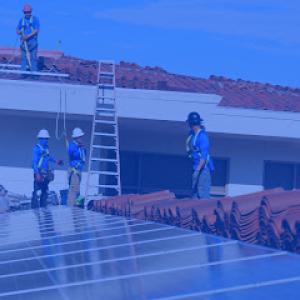
McKay Roofing and Solar is a local roofing contractor serving San Diego County with over 40 years of experience. Based in Spring Valley, we handle roof repair, roof replacement, and solar installation for residential and commercial properties. Most of our work comes from older roofs, heat damage, leaks, and roofs that need to be addressed before solar is installed. We work throughout San Diego, including Mission Valley, La Mesa, El Cajon, Lemon Grove, Santee, Chula Vista, and surrounding areas. Straight answers, no pressure, and work that’s built to last.
Commercial & Industrial Roofing
(619) 465-3737 www.ciroofing.com
Serving
4.8 from 31 reviews
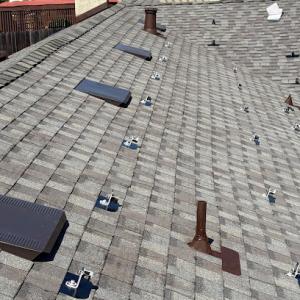
𝐂 & 𝐈 𝐑𝐨𝐨𝐟𝐢𝐧𝐠 𝐂𝐨 𝐈𝐧𝐜, a 𝐫𝐨𝐨𝐟𝐢𝐧𝐠 𝐜𝐨𝐧𝐭𝐫𝐚𝐜𝐭𝐨𝐫 in 𝐒𝐩𝐫𝐢𝐧𝐠 𝐕𝐚𝐥𝐥𝐞𝐲, 𝐂𝐀, delivers expert 𝐫𝐞𝐬𝐢𝐝𝐞𝐧𝐭𝐢𝐚𝐥, 𝐜𝐨𝐦𝐦𝐞𝐫𝐜𝐢𝐚𝐥, and 𝐢𝐧𝐝𝐮𝐬𝐭𝐫𝐢𝐚𝐥 𝐫𝐨𝐨𝐟𝐢𝐧𝐠. We serve 𝐋𝐚 𝐌𝐞𝐬𝐚, 𝐄𝐥 𝐂𝐚𝐣𝐨𝐧, and 𝐏𝐨𝐰𝐚𝐲, 𝐂𝐀, offering 𝐫𝐨𝐨𝐟 𝐫𝐞𝐩𝐥𝐚𝐜𝐞𝐦𝐞𝐧𝐭, 𝐫𝐨𝐨𝐟 𝐫𝐞𝐩𝐚𝐢𝐫, 𝐫𝐨𝐨𝐟 𝐦𝐚𝐢𝐧𝐭𝐞𝐧𝐚𝐧𝐜𝐞, and 𝐢𝐧𝐬𝐩𝐞𝐜𝐭𝐢𝐨𝐧𝐬. Our 𝐥𝐨𝐜𝐚𝐥 𝐫𝐨𝐨𝐟𝐢𝐧𝐠 𝐜𝐨𝐦𝐩𝐚𝐧𝐲 handles everything from 𝐞𝐦𝐞𝐫𝐠𝐞𝐧𝐜𝐲 𝐫𝐨𝐨𝐟 𝐫𝐞𝐩𝐚𝐢𝐫 to 𝐜𝐨𝐦𝐦𝐞𝐫𝐜𝐢𝐚𝐥 𝐟𝐥𝐚𝐭 𝐫𝐨𝐨𝐟𝐢𝐧𝐠 and 𝐢𝐧𝐝𝐮𝐬𝐭𝐫𝐢𝐚𝐥 𝐫𝐨𝐨𝐟 𝐢𝐧𝐬𝐭𝐚𝐥𝐥𝐚𝐭𝐢𝐨𝐧, backed by trusted service and quality results.

RM Roofing
(619) 765-2837 www.rmroofinginc.com
Serving
4.9 from 36 reviews
Looking for a reliable roofer in National City, CA? With over 15 years of experience, RM Roofing is your trusted choice for commercial and residential roofing. We offer expert services including repairs, maintenance, re-roofing, tear-offs, and skylight and gutter installations. Our seasoned professionals provide personalized customer service, prompt responses, and quick emergency scheduling. We pride ourselves on delivering tailored solutions that meet each client's unique needs, ensuring your property remains safe and secure. Our commitment to quality and superior craftsmanship has earned us 5-star reviews from satisfied customers, and we offer service in both English and Spanish. Contact us for a free estimate today!
Material choice in Chula Vista should account for both intense inland sun exposure and the marine-influenced air closer to the bay. The combination drives UV wear, wind uplift from Santa Ana events, and winter rain detailing, all of which shape how long a roof will hold up and when it may need attention. Different roof types respond to these factors in distinct ways, so understanding your site-whether you're near the coast or farther inland-helps you pick a material that balances longevity with performance.
Asphalt shingles handle the inland sun fairly well when a high solar reflectance or better granule protection is chosen, but prolonged UV exposure accelerates granule loss and color fading. A reflective or roof-ventilated design helps extend life in hotter zones. Metal roofs resist wind uplift effectively and shed rain quickly, which is advantageous during the winter season, but coastal air can increase corrosion risk on exposed fasteners and flashings if coatings aren't rated for coastal environments. In areas closer to the bay, upgrading to corrosion-resistant fasteners and sealed flashings becomes a practical choice.
Clay and concrete tiles respond strongly to sun and wind. Clay tends to keep heat better in inland heat, which can reduce attic temperatures and prolong shingle life under tile. Concrete tiles offer robust impact resistance and can tolerate wind, but both require proper underlayment and solid installation to prevent uplift in Santa Ana gusts. Coastal sections benefit from tiles with improved sealants and corrosion-resistant fittings around penetrations and edges. If the roof experiences substantial salt exposure, ensure fasteners and clips are stainless or coated for coastal durability.
Wood products provide a classic look but demand careful maintenance under Chula Vista's mixed climate. UV and sun can dry and age wood faster, while inland winds may cause faster surface wear. In waterfront areas, treated or rot-resistant varieties with moisture barriers and regular staining help preserve the wood's integrity longer. Evaluate roof venting and drainage to minimize moisture retention that could promote decay, especially in shaded or low-slope portions of the roof.
Synthetic or composite shingles offer flexibility against UV degradation and wind uplift, with many products engineered for coastal use. They can be tuned for higher reflectivity and may resist color fade better than traditional asphalt. In regions closer to the bay, look for products with built-in UV stabilizers and moisture resistance, plus compatibility with coastal fasteners and sealants. These materials can provide a balanced solution when seeking durability across both sun-heavy inland and salt-spray coastal exposure.
Homes nearer the bay may need more attention to corrosion resistance on flashings, fasteners, and roof accessories than homes farther inland. Choose flashing materials, sealants, and accessories rated for coastal salt exposure, and confirm proper coatings and corrosion-resistance ratings for the local environment. A thoughtful selection pipeline-from the underlayment to the final cap-helps maintain roof performance across Chula Vista's diverse exposures.
The most popular roofing material in the US. Find pros who install, repair, and replace asphalt shingles.
Kenney Roofing
(619) 410-3890 www.kenneyroofinginc.com
12 Las Flores Dr, Chula Vista, California
5.0 from 3 reviews
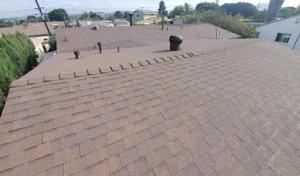
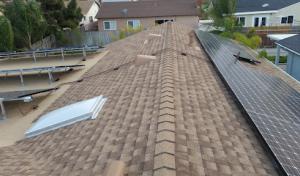
In Chula Vista's sunny climate, roof replacement planning often overlaps with existing or future solar equipment decisions. The roof substrate and surface condition at the time of install set the stage for how long your solar system will perform without interruption. When scheduling a reroof, consider concrete, tile, or mixed-slope layouts where the solar array or skylight retrofit will require precise seam and fastener alignment. A well-timed reroof can reduce future penetrations and simplify seal maintenance around mounting hardware.
Roof penetrations for solar mounts and skylights become more leak-sensitive after years of UV exposure and then show failures during winter rain. UV can dry out seals around lag bolts, flashings, and mounts, making them prone to slow drips or sudden leaks once cold rains return. Before any solar detach-and-reset or skylight replacement, inspect every penetration for hairline cracks, torn booties, and degraded sealant. Plan replacement or resealing of converging flashings in advance, since a fresh roof surface will be the most forgiving surface for high-wind days and seasonal rain.
Coordinating reroof timing with solar detach-and-reset or skylight replacement is especially important on tile and mixed-slope roof layouts common in local neighborhoods. Tile roofs require careful feathering and re-seating of tiles around penetrations to avoid micro-movements that loosen seals over time. A mixed-slope system can complicate flashing transitions where the roof planes meet; ensure that any skylight curb or solar racking sits on a uniform substrate with properly integrated counter-flashing. In practice, align the install window so that the new roof and any mounted equipment share compatible slope transitions and flashing details.
After installation, routine inspection becomes part of the annual cycle. Visually check skylight seals and solar racking at least once a year, paying special attention to UV-weathered sealants and edge penetrations. In coastal-to-inland conditions, wind uplift from Santa Ana events can stress mounts; verify fasteners and flashings after the driest seasons and after any significant windstorm. A proactive approach minimizes cascading repairs and keeps the roof and solar system performing together.
Coordinate reroof timing with installer schedules so that solar detach-and-reset or skylight work happens on fresh sheathing and a clean flush surface. Request a unified plan from the contractor that covers sealant types, flashing transitions, and the sequence of roof penetrations. In neighborhoods with tile or mixed-slope roofs, prioritize a single-access plan that minimizes repeated penetrations and preserves the roof warranty, while ensuring the solar array or skylights receive durable, watertight integration.
Find contractors who integrate solar panels or solar shingles into your roof for long-term energy savings.
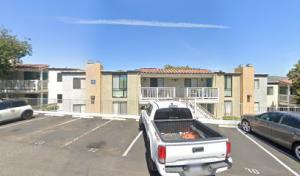
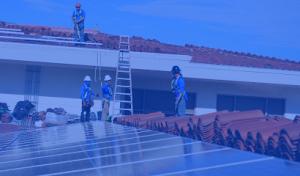
Costs in Chula Vista vary sharply by material, with asphalt shingles at the lower end and clay or concrete tile at the higher end of the provided local ranges. For a basic shingle reroof, expect roughly 350 to 800 USD per square, which is practical for modest, single-story homes with simple layouts. Metal roofs run higher, typically 650 to 1200 USD per square, and can be worth it if you're aiming for longer life under sun and Santa Ana winds. Clay tile sits toward the top, around 900 to 1700 USD per square, while concrete tile lands in a similar tier, about 800 to 1500 USD per square. If you're choosing wood shingles or shakes, plan for roughly 600 to 1100 USD per square, and synthetic or composite shingles land around 500 to 1000 USD per square. In this climate, the upfront material choice matters as much as the long-term performance.
Tile-heavy architecture is common here, and that matters for reroofs. Removal, staging, replacement of broken pieces, and underlayment work are more involved than a basic shingle job. Expect longer timelines and higher labor intensity when working over clay or concrete tiles, plus careful handling to prevent breakage. The labor lift can push the price per square higher than a straightforward asphalt job, even if the panel count isn't dramatically larger. A contractor may also need to address broken tiles, flashing around vent stacks, and tile-specific underlayment details to ensure watertight performance.
Project timing can affect pricing when winter weather delays schedules or when storm-related demand spikes quick-response repair and dry-in work across the South Bay. Winter rains can compress crews into tighter windows, while Santa Ana winds may drive shorter, more intense repair bursts. If a storm creates rush-repair demand, you could see short-term price bumps or expedited timelines. Planning ahead for shoulder seasons can help contain costs and ensure a steadier pace from removal through dry-in. In practice, a well-timed bid can balance material choice with favorable labor windows.
Get a clear picture of your project costs upfront - no commitment required.
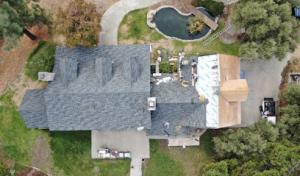
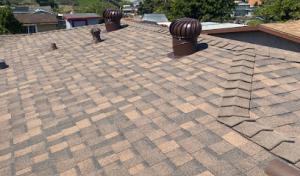
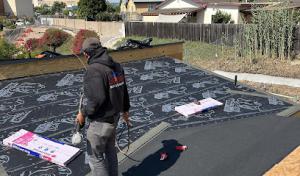
A full re-roof in this area generally requires a building permit through the City of Chula Vista Development Services Department. That means your project won't move forward without the paperwork and approvals that prove the roof and deck structure are sound for local conditions. Expect the process to start with submittals that detail the roofing material, underlayment, and any structural work. If your contractor isn't versed in the city's expectations, you'll see delays that ripple through your schedule, especially when a storm window or Santa Ana event shifts priorities at the counter.
Homeowners should expect plan review and field inspections at multiple stages, including final inspection, with scheduling affected by department workload and weather. The plan review can surface questions about ventilation, attic clearance, and drainage compatibility with nearby properties. Field inspections typically occur after roof removal, after underlayment is installed, and again once the roof is completed and ready for final sign-off. If a windy week or heavy rain stretches the curbside work window, inspections may slip, potentially extending the timeframe before you can officially call the job done.
Local permit oversight commonly includes debris disposal expectations and workmanship standards enforced under the city's adopted building code. That means containers for debris must be placed where they won't block sidewalks or driveways, and tarping may be required during bad weather to protect street cleanup. Workmanship standards cover everything from nailing patterns to flashing, and inspectors will look for weather-resistance suited to our sun, Santa Ana gusts, and seasonal rain. If something doesn't meet the standard, plan for remediation before the final clearance and certificate of occupancy.
In Chula Vista, tighter homeowners insurance markets are a reality even when damage seems minor. The age and condition of your roof, along with a clear maintenance history, carry more weight during underwriting and claims than in years past. A visibly aging roof or a patchy maintenance record can shift a simple leak into a claim with scrutiny, so documenting wear over time becomes a practical defense.
Because wildfire exposure remains part of the broader regional insurance conversation, adjusters may look for detailed roof condition evidence and expert assessments even for losses that aren't fire-related. Santa Ana wind events can loft granules, strand underlayment, or loosen fasteners, while winter storms can reveal hidden weaknesses. Expect questions about how long problems have existed and whether damage appeared suddenly or followed longer-term neglect.
Pre-loss and post-loss photos are especially valuable after Santa Ana winds and winter rain. A thorough photo timeline showing roof surface condition, flashings, gutters, and any exterior attic signs helps insurers separate sudden damage from deferred maintenance. Keep dated images from multiple angles, plus notes on recent maintenance or repairs. If a contractor notes any moisture intrusion or hail-free impacts, obtain a written report to accompany photos.
Proactively orient your records for the next claim by compiling routine roof inspections and repair receipts. When storms loom, consider a quick, professional roof evaluation to document current condition before any wind event, so the insurer sees an up-to-date baseline rather than a best-guess post-event assessment. In a market where coverage decisions hinge on documentation, clear records can smooth the path through underwriting and claims. In Chula Vista, a diligent file often makes the difference between a straightforward settlement and extended dispute.
Connect with contractors who help homeowners navigate the claims process from damage assessment to final approval.
Chula Roofing Pros
(760) 514-0043 chula-roofing-pros.ueniweb.com
327 H St, Chula Vista, California
5.0 from 20 reviews


In this coastal-to-inland South Bay area, homeowners frequently hire for re-roofing, emergency response, tile work, and low-slope projects more often than for new construction alone. When evaluating bids, you'll see that crews emphasize rapid response, weather-aware scheduling, and a plan for handling Santa Ana wind uplift-sensitive areas. Look for a contractor who clearly outlines how they prioritize these project types and how they manage moisture intrusion during winter rains.
Cleanup matters in this market because many contractors prominently compete on debris removal and overall cleanliness while homes stay occupied. Ask about daily cleanup expectations, containment if work sites share driveways or walkways, and how trash and waste are disposed of. A reputable crew will provide a brief, written plan for daily tidying, protective coverings for landscaping, and a reliable method to minimize disruption to your family routine.
Established and family-run firms remain visible, suggesting homeowners often weigh tenure and responsiveness alongside price. When you call references, include questions about how quickly crews return calls after a rain event, how they handle unexpected weather, and whether the team's leadership remains engaged through the project. Favor firms with a demonstrated record of stable crews and predictable scheduling, as these traits help navigate seasonal swings and coastal humidity without surprises.
Because the climate shifts from marine-influenced days to hotter, drier fronts, ask how a contractor plans for UV wear and wind uplift on your roof type. Concrete and clay tiles, metal, and asphalt each respond differently to Santa Ana winds and winter rain, so the contractor should tailor a maintenance or replacement plan to your specific roof surface and slope.