
Last updated: Apr 19, 2026
In this inland East County corner, fall Santa Ana winds slam through with hot, dry air and gusts that can lift shingles, shift tiles, and expose flashing weaknesses. It's not a theoretical risk: a roof that seemed solid after a summer lull can suddenly look drafty after a windy afternoon, especially on older tile and shingle assemblies common in El Cajon. Those strong gusts press under edges, peel-out valleys, and push fast-moving debris into vulnerable joints. The window where those winds peak is decisive for reroof timing, because a roof that already shows wear will fail faster once exposed to a barrage. If your roof has loose or cupped shingles, battered flashing, or cracked underlayment, wind events become the accelerants that push minor issues into leaks and structural concerns.
The warm, dry climate in this region makes scheduling a full reroof easier during the dry season, yet winter rain pressure remains a practical reality. From roughly November through March, rain arrives in earnest, and many homes encounter back-to-back storms that test every weak seam, valley, and roof-to-wall transition. In El Cajon, winter rain is less frequent than a coastal town might see, but when it hits after a dry spell, the roof's protective layers-underlayment, flashing, and drainage details-are more likely to reveal themselves as failure points. A dry period can hide soft spots or hidden gaps; early-season rain then exposes those flaws quickly, triggering urgent repairs or emergency calls that disrupt schedules and complicate timing for a full reroof. Reroofs started in late spring or summer often ride out early autumn storms okay, but a late-season wet spell can derail a plan that looked straightforward.
You should plan reroof timing around both wind and rain risk. If your heightened risk indicators-lifted shingles, displaced tiles, or flashing that looks pulled at the edges-are present, push for pre-winter repairs rather than waiting for a monsoon-like sequence. Address compromised flashing around chimneys, vents, and roof-to-wall joints before Santa Ana season intensifies. For tiles, ensure battens and mortar seals are intact and that valleys are free of debris that can trap water. In a dry month, anticipate a window to install or reseal key flashing elements and to reseal edge details that commonly fail after a windy Santa Ana event. If an early rain arrives after a dry stretch and you notice leaks, treat it as a warning signal: underlayment exposure, valley weaknesses, and flashing gaps will propagate quickly under subsequent storms, and delaying targeted repairs risks broader interior damage. Maintain a proactive stance: align major reroof work with predictable dry spells, schedule inspections to verify flashing and underlayment integrity, and protect vulnerable sections-valleys, eaves, and penetrations-from moisture infiltration before winter storms arrive.
Clay and concrete tile fit the local housing stock with Mediterranean and ranch-style lines, and they handle the inland heat with ease. In hillside neighborhoods, these tiles often run across steep slopes where wind and rain play bigger roles in performance. The look and long lifespan align with the character of older and newer homes alike, but the real test comes during Santa Ana events and the following winter storms. When a reroof happens, the tiles themselves may look intact, yet the problem often hides beneath: aging underlayment and aging fasteners that were stressed by previous cycles of sun and wind. Understanding this helps you read the roof early, before leaks show up in living spaces.
Visible problems on tile roofs are easy to spot from the ground: broken or slipped field tiles, cracked cap tiles, or gaps along hips and ridges. In foothill and hillside blocks, edge tiles and upper rows bear the brunt of wind gusts, so attachment methods there deserve extra scrutiny. The real water-entry risk, however, is often not the visibly broken tile but the underlayment beneath, which can wear out quietly with time or fail after a hard winter rain. If the underlayment starts to degrade, the roof may leak even when tile panels look largely intact. The elevated exposure on hillsides also accelerates wear on fastening systems, so what looked sound last season might feel loose after a strong Santa Ana or a heavy rain event.
Tiles act as a protective skin, but everything beneath matters. Start by checking the edge and hip zones where wind can pry tiles more than over open field areas. Look for signs that tiles are moving, such as misaligned rows, gaps at the edges, or thin-set mortar that has cracked. Then climb up to inspect the underlayment where possible, especially at penetrations and along valleys. If the underlayment shows signs of saturation, wear, or delamination, it's a red flag even if the tile surface seems intact. In this climate, the sequence of a false alarm tile crack followed by slow underlayment deterioration is not rare, and it often explains why a roof that looked fine from the street still leaks after a heavy winter rain.
Seasonal checks should focus on the edges, hips, and ridges where wind load concentrates. Use binoculars or a safe ladder approach to survey the ridge cap and edge tiles for looseness or missing fasteners, then verify that the flashing at chimneys, vents, and parapets remains tight and intact. If you notice an imbalance in tile rows or a cluster of missing field tiles after a wind event, treat it as a potential warning sign rather than a cosmetic issue. Clean and gently reseat loose tiles if you can do so safely from the roof, but do not disturb tiles that appear cracked or heavily worn. For hillside roofs, consider a professional assessment after particularly windy periods or after a strong winter rain, since the combination of wind stress and saturated underlayment can compound the risk.
If multiple tiles are damaged, or you observe wobbly ridge caps, loose flashing, or signs of underlayment failure, scheduling a professional evaluation is wise. A local roofer with hillside experience will understand how Santa Ana wind exposure reshapes attachment priorities and can verify whether existing tile supports, fasteners, or underlayment have reached the end of their service life. Timely action can prevent deeper water intrusion and help preserve the aesthetic and structural integrity of tile on the hillside.
Find contractors who specialize in clay and concrete tile roofs, known for their durability and curb appeal.
Dana Logsdon Roofing & Solar
1483 Cuyamaca St, El Cajon, California
4.9 from 770 reviews
Christian Roofing
(619) 812-2407 www.christianroofing.com
1226 Greenfield Dr, El Cajon, California
4.9 from 170 reviews

EZ Solar & Roofing
(619) 613-9016 www.ezsolarelectric.com
1076 Broadway, El Cajon, California
4.9 from 103 reviews
Dana Logsdon Roofing & Solar
1483 Cuyamaca St, El Cajon, California
4.9 from 770 reviews
Dana Logsdon Roofing & Solar, Inc. has been providing expert roofing and solar solutions in El Cajon & San Diego CA, for over 30 years. Specializing in roofing repairs, installations, and services for both residential and commercial properties, we deliver durable and reliable results tailored to your needs. Our solar installation services combine efficiency with sustainability, helping you maximize energy savings. As trusted roofers, we offer free estimates to help you plan your project with confidence. Choose a company backed by decades of experience and a commitment to quality. Contact Dana Logsdon Roofing & Solar, Inc. today for professional roofing and solar services that stand the test of time!
Christian Roofing
(619) 812-2407 www.christianroofing.com
1226 Greenfield Dr, El Cajon, California
4.9 from 170 reviews
Christian Roofing, Inc provides roofing installation, repair, and maintenance, gutter, and soloar roofing services to the San Diego County, CA area.

EZ Solar & Roofing
(619) 613-9016 www.ezsolarelectric.com
1076 Broadway, El Cajon, California
4.9 from 103 reviews
At EZ Solar & Roofing, we provide the longest warranties in the industry, giving you peace of mind for decades to come. A reliable roof and solar system are crucial for your home, family, and protection. Our commitment to you is to provide a turn-key, hassle-free solar installation in San Diego with the best warranty in the industry. What sets us apart as a local San Diego roofing and solar company is our proven track record and unmatched warranty. Experience turn-key roofing and solar installation San Diego homeowners trust. At EZ Solar & Roofing, we ensure efficient installations without compromising quality. Hire us today and discover why we’re the best choice for San Diego roofing and solar solutions.
Cal Roof
(619) 500-1119 www.calroof.com
1920 N Marshall Ave Suite 100, El Cajon, California
5.0 from 23 reviews
Residential and Commercial Roofing Contractor. We install all roof systems including composition shingle, tile, single ply and built up roofing. Our customer service is second to none. Our installers are professionals with decades of experience.

Dobbs Roofing
(619) 564-2701 www.dobbsroofingcompany.com
El Cajon, California
4.9 from 29 reviews
From a hole in your roof, to a whole new roof. We got you covered. With over 35 years of roofing experience, Dobbs Roofing Company specializes in residential and commercial roofing. We do it all, from leak repairs to a brand new roof, Trust Dobbs Roofing Company for all your roofing needs. Fully insured and bonded. Licensed.

Sully-Jones Roofing
(619) 444-0150 www.sully-jones.com
1528 Pioneer Way, El Cajon, California
4.4 from 45 reviews
Roofing the Greater San Diego area since 1952, Sully-Jones Roofing specializes in commercial and residential roofing and repairs. We are a family-owned business providing service you can trust. Sully Jones Roofing only hires the most experienced staff, and we always use our proprietary technology and state-of-the-art equipment to ensure that your roofing project is completed on time and at the most competitive prices. We want you to have such a positive experience that you will refer us to your friends and family, and come to us with all your future roofing issues.
Foothills Roofing
1237 Graves Ave, El Cajon, California
5.0 from 9 reviews
Affordable roofing excellence in the Oxnard area - Foothills Roofing Quality doesn t have to break the bank. Expert roof repairs, replacements, installations at fair prices. Licensed contractor with financing options, manufacturer warranties, and commitment to your satisfaction throughout Oxnard.
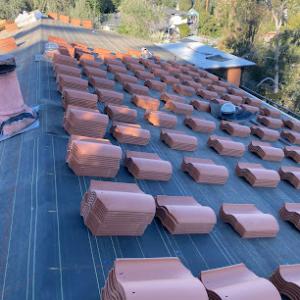
R L Scott & Son Roofing
(619) 206-8693 rlscottsonroofing.com
9879 Bon Vue Dr, El Cajon, California
5.0 from 9 reviews
Combining years of experience with a dedication to client satisfaction, R L Scott & Son Roofing has established itself as the local leader in Roofing Repairs, Commercial Roofing and Residential Roofing.
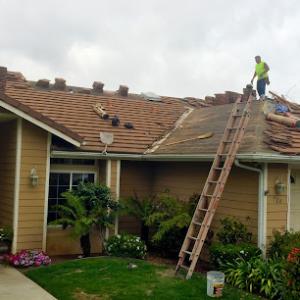
Wise Roofing
(619) 443-2302 wiseroofingsd.com
13507 I-8BL, El Cajon, California
5.0 from 8 reviews
Since 1975 Wise Roofing has strived to provide top quality roofing services in the San Diego and Imperial County areas. Our team has over 40 years of quality workmanship and unwavering integrity. A positive contractor relationship is about having your expectations met and someone is accountable for their work. At Wise Roofing we make sure to hit those goals every day. As a local family owned San Diego roofing company, we’ve worked hard to raise the bar for both quality and professionalism in both the San Diego and Imperial County’s roofing industry.
Dennis Cook Roofing
(619) 443-1300 denniscookroofing.com
270 Millar Ave, El Cajon, California
4.6 from 15 reviews
Dennis Cook Roofing has provided professional roofing contractor services in San Diego for almost 50 years. We are a trusted family business and have an “A” accreditation from the Better Business Bureau. Whether you need a new roof installed or need to track down and repair a leak, we are ready to help. We've served many different types of customers, including homeowners, property managers, general contractors, and real estate agents – on projects ranging from southern California cottages to huge industrial warehouses. Contact us today for a free roofing estimate!

Weather Shield Roofing Services
(619) 719-9906 www.weathershieldroofingservices.com
1015 Greenfield Dr Ste A, El Cajon, California
5.0 from 4 reviews
We take pride in protecting your family from the elements! Repairing and Re-roofing a home is a responsibility we take seriously. As a local family owned business you can count on us to give you the customer experience you deserve. We make sure you understand our process from start to finish and have the confidence you are purchasing the best quality materials and workmanship, 100% guaranteed.

Diamond Roofing
(619) 295-3110 diamondroofingsd.com
723 E Bradley Ave, El Cajon, California
4.2 from 12 reviews
Diamond Roofing is San Diego's trusted roofing contractor with over 20 years experience keeping you dry. Whether you are looking for a repair or a new roof, Diamond will help by offering the highest quality materials and unmatched service. We are the go to roofing contractor for cutting edge materials like PVC, TPO, Poly Foam, and tried and true roofing systems like asphalt shingle, built up tar and gravel, and cement or clay tile. All new roof systems come with our 10 year guarantee. Call today for a free, no pressure estimate with our friendly staff.
El Cajon's inland heat puts more thermal stress on roofing than cooler coastal parts of San Diego County, affecting shingle aging and underlayment longevity. The solution starts with choosing materials that tolerate high daytime temperatures, frequent sun exposure, and rapid cooling at night. When the sun beats down on rooftops year after year, the right roofing system needs to resist not only heat but the expansion-contraction cycles that can loosen fasteners, reduce sealant life, and shorten the lifespan of underlayment. This is especially true for homes with tile reroofs and older underlayers, where heat-driven wear compounds vulnerabilities that Santa Ana winds can aggravate later in the season.
Asphalt shingles remain a common lower-cost choice locally, particularly for homes that want a reliable, straightforward installation with proven over-roof performance. In this climate, look for shingles with heat-reflective granules and a proven wind uplift rating to handle Santa Ana gusts. A key advantage is easier inspection and repair after winter rain events, when moisture intrusion can reveal underlying underlayment wear. If you choose asphalt, select products with a durable high-etch surface and a good warranty against impact and wind. Regular venting and attic insulation play a critical role in keeping asphalt-performing roofs cooler and drier over time.
Tile remains popular for appearance and long-term performance in the region's dry climate. Clay and concrete tiles provide strong resistance to heat and a long service life, particularly when properly installed with the correct underlayment and flashing details. Clay tends to stay cooler under intense sun, while concrete can offer a wider range of color and profile choices. The trade-off is weight and the need for a structural assessment to ensure the home carriage can support a tile roof. For both clay and concrete, ensure proper ventilation and a continuous underlayment system to manage thermal movement and moisture during the occasional winter rain.
Metal roofing and synthetic products appeal to some homeowners seeking lighter-weight systems or alternatives to traditional tile aesthetics. Metal roofs shed heat efficiently and can exhibit standout performance during Santa Ana wind episodes, provided they are installed with appropriate fasteners and sealants and a standing seam design that minimizes leaks. Synthetic shingles and composites offer improved impact resistance and color stability while maintaining a less rigid structure than tile. In this climate, these options can balance heat resistance with a contemporary look, though the long-term behavior of sealants and edge details should be reviewed with the installer to prevent thermal cracking and wind-driven edge lift.
When evaluating materials, consider how roof color, surface texture, and panel design influence heat absorption and radiant heat transfer into attic spaces. Lighter colors and reflective coatings can noticeably reduce cooling load and help protect underlayment from premature aging. Pay attention to the roof edge details, flashing continuity, and vent placement, as Santa Ana winds can pressurize fasteners and magnify any weak spots. For homes with existing tile or reroofed sections, a heat-appropriate underlayment and a continuous ventilation strategy will support material longevity and help manage winter rain challenges that arrive with the season.
In sunny El Cajon, roof work often intersects with existing or planned solar installations, making attachment points and reroof sequencing a practical concern. When planning a reroof, map existing solar racking and any planned future panels before pulling shingles or tile. Preserve solid, continuous deck near racking zones and avoid disturbing mounting footprints unnecessarily. If panels are already installed, coordinate contractor access to the roof to minimize multiple penetrations and to keep flashing and underlayment intact around anchor points. When adding new penetrations, prefer through-roof routes that align with framing and avoid cutting through shared or close-fitting tile profiles that lose their weather seal. Schedule reroofing projects during dry windows, but plan for winter rain by ensuring temporary protective measures at panel inlets and around any active racking hardware.
Skylight penetrations are a recurring leak point during winter rain if curb flashing or surrounding roofing is disturbed during repairs or reroofing. Before any removal of shingles or tile around a skylight, evaluate the curb flashings for wear, caulk integrity, and any step flashing beneath. If the curb flashing is compromised, replace it rather than patch the surrounding roof surface. During reroofing, keep the skylight flashing in sightlines, and install a compatible counter-flashing that matches the new roofing material. After reinstallation, test for leaks with a light rain or controlled water test to verify the seal around the skylight curb is continuous. Any adjustments to nearby tiles should be done with care to avoid micro-fractures that can become drip paths later.
On tile roofs common in El Cajon, both solar mounts and skylight transitions require careful flashing details because replacement pieces and fit can vary by profile. Tile crews should carry compatible flashing kits for clay and concrete profiles and verify that the base flashing is vented and properly lapped. For tile transitions, ensure the mounting hardware sits on a solid, non-tilting surface and that the flashing extends under the tile course above and seals to the underlayment. When replacing tiles around mounts or skylights, avoid forcing fit with mismatched pieces; stock a small selection of profile-matched tiles to maintain the roof's water barrier. In areas where Santa Ana winds previously lifted edges, confirm that all fasteners are corrosion-resistant and that fastener layouts maintain tile integrity while providing a positive seal around penetrations.
Find contractors who integrate solar panels or solar shingles into your roof for long-term energy savings.
Dana Logsdon Roofing & Solar
1483 Cuyamaca St, El Cajon, California
4.9 from 770 reviews
Christian Roofing
(619) 812-2407 www.christianroofing.com
1226 Greenfield Dr, El Cajon, California
4.9 from 170 reviews
EZ Solar & Roofing
(619) 613-9016 www.ezsolarelectric.com
1076 Broadway, El Cajon, California
4.9 from 103 reviews
El Cajon's housing stock tilts toward tile reroofs, which means material and labor costs tend to run higher than a straight asphalt job. Tile systems, whether clay or concrete, bring stiffer price tags per square and typically require more crew time for installation and ventilation detailing. In this area, the cost spread you see nationally shrinks or widens based on how many homes in your block are updating to tile versus asphalt shingle systems. That local mix directly affects turnkey reroof pricing and how soon a crew can start.
For asphalt shingles, expect roughly 350 to 650 USD per square, a middle-of-the-road option if you're weighing upfront budget against quick turnarounds. Metal roofing sits higher, about 600 to 1100 USD per square, often chosen for longer life and better wind resistance-but it's less common in older tile neighborhoods, which can influence availability and timing. Clay tile runs from 800 to 1800 USD, and concrete tile from 700 to 1500 USD per square. Wood and synthetic options land between 500 and 1200 USD, with synthetic sometimes offering a compromise on weight and ease of repair. In practice, the choice you make is tightly tied to tile prevalence in your area-the more tile, the more you'll see crews quoting toward the higher end of the spectrum.
Winter rain and Santa Ana wind events can tighten contractor availability in El Cajon. When a heavy wind event hits, crews often push to secure urgent reroofs, which can spike per-square pricing temporarily or push crews into shorter calendars. Scheduling ahead of the first winter storms or right after a wind event can limit options and raise bids. If you're weighing urgency, you'll often pay a premium for accelerated starts, crew stacking, or after-hours work just to secure a window before the next rain.
Costs rise when the existing roof needs decking repairs or when upgraded ventilation and detailed flashing are required to satisfy local inspection expectations. If the deck is compromised, expect material and labor to climb-replacement sheathing and extra fasteners add up. Enhanced ventilation helps with long-term attic health but adds to labor time. Detailed flashing around chimneys, valleys, and roof-to-wall transitions in neighborhoods with varied roof lines can also push the overall price higher, especially on tile-based systems where precise workmanship matters for long-term performance.
Get a clear picture of your project costs upfront - no commitment required.
Dana Logsdon Roofing & Solar
1483 Cuyamaca St, El Cajon, California
4.9 from 770 reviews
Dennis Cook Roofing
(619) 443-1300 denniscookroofing.com
270 Millar Ave, El Cajon, California
4.6 from 15 reviews

Diamond Roofing
(619) 295-3110 diamondroofingsd.com
723 E Bradley Ave, El Cajon, California
4.2 from 12 reviews
A full reroof in this area typically requires a permit through the City of El Cajon Building Department. Before a single shingle is pulled, check that the project plan shows proper ventilation, flashing details, and underlayment transitions. If the permit isn't pulled or plans aren't clear, a code compliance hold can stall work for weeks and trigger rework that adds time and disruption to your schedule. The department will expect that the reroof accounts for local climate realities-strong Santa Ana winds, heat spikes, and the winter rain schedule-so be prepared for questions about venting, nailing patterns, and roof deck condition.
Inspections in El Cajon commonly occur at multiple stages, including rough underlayment, flashing, and final inspection. Rough underlayment checks verify the roof deck is sound, vents and penetrations are well sealed, and that the underlayment is laid with the correct overlaps and fastener pattern. Flashing inspections confirm that valley, peak, chimney, and roof-to-wall transitions will hold up against wind-driven rain. The final inspection looks at the overall installation to ensure compliance with applicable codes and local amendments. Skipping any of these steps or rushing through them can lead to rework after a rain event or a windstorm, which is costly and disruptive.
Local compliance checks focus on ventilation, nailing pattern, and proper installation of underlayment and roof coverings rather than just the finished appearance. Missing or improper ventilation can trap heat and moisture, accelerating deck deterioration in the inland heat and increasing the risk of leaks during winter storms. The nailing pattern must align with wind ratings for the area, and underlayment must be installed with correct overlaps and seals around penetrations. Ensure the contractor documents every stage to satisfy inspectors and avoid delays that could expose the home to further weather-related damage.
El Cajon homeowners face a tougher underwriting climate because of wildfire-prone areas in the state and the way carriers view risk beyond the immediate flame event. Even when the claim is only roof-related, many insurers pull back or tighten coverage in neighboring communities. That means a reroof decision can ripple into approval likelihood, policy scope, or premium tier long before a loss happens. The windier Santa Ana season and the winter rain cycle compound this, nudging carriers to scrutinize the roof as a risk multiplier rather than a standalone fix.
In San Diego County, adjusters may request roof age records, prior claim history, and photo documentation before approving or limiting roof-related coverage. Gather durable records: dates of installation or reroof, material type, and any past repairs, ideally with independent contractor notes. Photo timelines showing the roof's condition across seasons help; keep a simple archive of yearly checks and weather-driven impacts. If a claim involves wind damage or leaks during winter rains, be prepared to show maintenance history alongside the event.
Roofing material choice and the timing of a reroof can influence how carriers view risk for inland East County conditions. Concrete and clay tiles, often seen in this area, carry different risk signals than asphalt in the eyes of some underwriters, especially if installation quality or underlayment quality is questioned. Reroof timing ahead of Santa Ana winds or winter storms can be viewed as prudent risk management, while delays or frequent patches may signal ongoing vulnerability. Prioritize roofing decisions that demonstrate proactive hardening against both high winds and moisture ingress.
Connect with contractors who help homeowners navigate the claims process from damage assessment to final approval.



Although the district is known for pitched residential roofs, the local contractor market shows meaningful demand for flat and low-slope roof work. These roofs in urban subdivisions and apartment complexes often hide issues until a heavy rain or a Santa Ana wind event exposes them. The combination of drying periods followed by rain can hide membrane wear, fasteners that have loosened, and drainage blockages until leaks appear inside ceilings.
Low-slope sections in El Cajon are especially vulnerable when winter rain follows long dry periods that hide drainage and membrane issues. Before the first seriously wet spell, inspect for ponding, clogged scuppers, and misdirected drip edges. After a dry spell breaks, check for hairline cracks or seam uplift where expansion and contraction stress is greatest. If a leak shows up after a season of dry weather, expect that the membrane may have developed micro-tears that only reveal themselves with steady rain.
Summer heat can affect coating cure times and material handling on low-slope roofs during restoration or repair work. Wind-driven dust can contaminate coatings and hinder adhesion, while afternoon heat can accelerate cure times so quickly that timing between primer, seam tapes, and top coats becomes critical. Schedule work for cooler parts of the day, and plan from dry mornings into the afternoon so the membrane can cure without rapid drying that can cause tearing at edges or around flashings.
During dry stretches, perform a surface sweep to identify standing water and debris that blocks drainage. Pay attention to transitions around vents, curbs, and any penetrations; these are prime leak points when wind-driven debris or thermal movement stresses the joints. In advance of wet seasons, reseal seams and reflash flashings where aging or cracking is evident, and verify that drainage paths remain clear after high-wind days.
Find specialists in TPO, EPDM, and built-up flat roofing systems for residential and commercial properties.
EZ Solar & Roofing
(619) 613-9016 www.ezsolarelectric.com
1076 Broadway, El Cajon, California
4.9 from 103 reviews
Cal Roof
(619) 500-1119 www.calroof.com
1920 N Marshall Ave Suite 100, El Cajon, California
5.0 from 23 reviews
Sully-Jones Roofing
(619) 444-0150 www.sully-jones.com
1528 Pioneer Way, El Cajon, California
4.4 from 45 reviews
The El Cajon market is notably reroof-focused, so homeowners are often choosing among crews that handle replacement volume rather than only small repairs. Santa Ana winds can rattle loose shingles or tiles on short notice, and winter rain schedules can turn a minor leak into a bigger problem fast. When a crew prioritizes rapid response, you're less likely to see weather-driven delays compound into more extensive damage.
Look for a roofer who clearly commits to on-site assessments within 24 hours after a leak report or wind event. Weather-induced work in East County means crews juggle multiple emergencies, so a realistic timeline and transparent communication matter more than flashy marketing. Ask for a concrete plan: who will come, when they'll be on-site, and what steps they'll take to protect interiors during a tarping or temporary repair.
Cleanup and affordability stand out in this market, suggesting homeowners here care about jobsite control and practical value as much as brand prestige. A dependable crew leaves the site broom-clean, uses drop cloths and containment, and ensures debris is hauled away promptly. Favor teams with a track record of coordinating material deliveries to minimize jobsite clutter and weather exposure during the reroof process.
First, verify they have substantial replacement experience, not just repair gigs. Second, confirm they stock commonly used tile and shingle options suitable for the area's climate. Finally, prioritize a contractor who can align a reroof schedule with forecasted Santa Ana events and winter rain windows to reduce the risk of repeated call-backs.