
Last updated: Apr 19, 2026
In Carlsbad, the salt-laden air and regular marine layer moisture converge to challenge roof systems differently than inland North County locations. The salt can accelerate corrosion at flashings, fasteners, and certain metal components near the coast, so the choice of materials and the details of installation matter more here. Tile and metal roofs are common in the local stock for good reason: they handle mild coastal conditions well and can provide long service lives when moisture and wind are managed properly. When you're selecting materials, prioritize metals with corrosion-resistant coatings and fasteners specifically rated for coastal environments. If you choose metal, consider thicker gauge panels and sealed seams to slow the ingress of salty spray into vulnerable joints. For tile work, ensure proper underlayment and flashings that accommodate sea spray exposure and occasional high-wiber wind events without compromising the envelope.
Marine layer moisture and coastal fog can keep roof surfaces damp longer here than inland, which influences staining, algae, and moss risk on some materials. In practice, this means you should expect more frequent inspection for surface growth, particularly on shaded or north-facing slopes and on materials that retain moisture. Tile and concrete surfaces can hide moisture behind the surface if not properly ventilated, so confirm that roof vents, soffits, and attic spaces are free of blockages and provide adequate cross-ventilation. Metal systems should be checked for any signs of corrosion around fasteners, seam seals, and edge details after wet seasons. If you notice discoloration, staining, or moss growth beginning to establish itself, schedule a targeted cleaning and reseal where appropriate, rather than letting it linger. For Mediterranean-style homes, where flat or low-slope sections are common, pay close attention to transitions between roof planes and walls, as dampness in these zones can propagate through fastener penetrations if not addressed.
Tile remains a go-to option in this climate because it sheds water well and holds color against sun and salt exposure. Concrete and clay tiles can perform particularly well when installed with a breathable, moisture-managing underlayment and with proper ventilation. Concrete tiles, in particular, can tolerate damp coastal conditions when their fasteners and penetrations are protected with corrosion-resistant components and correct sealants. Metal roofs, when correctly specified and installed, offer excellent wind resistance and reflectivity, but require attention to flashings, ridge caps, and coatings that stand up to salt over the long haul. In Carlsbad, a thoughtful reroofing plan should incorporate coastal-grade fasteners, corrosion-resistant sealants, and a detail set that respects the way salt-laden air behaves at eave lines, penetrations, and roof-to-wall intersections.
A practical approach is to align inspections with seasonal shifts-after winter rains, after strong coastal winds, and before peak foggy months. Inspect flashings around chimneys, skylights, and vent stacks for signs of corrosion or loosening; verify that the sealant remains intact and that hips and ridges retain weather-tightness. For tile roofs, check for broken or displaced tiles that can trap moisture or allow moisture intrusion; replace promptly to prevent hidden rot. For metal roofs, look for loose fasteners and any discoloration or staining along seams, then address with appropriate coatings or resealing. Keeping gutters clear and ensuring downspouts direct water away from the fascia and foundation helps reduce moisture ingress that could compromise the roof deck over time.
Carlsbad homeowners know winter rain can hit fast and hard, and exposed decking with torn or aging underlayment is the first line of vulnerability during tear-off. If you're planning a reroof in the weeks leading into a storm system, the clock is not your friend. Wet conditions slow crews, raise the risk of water intrusion, and complicate flashing and membrane replacement. Without dry decking and a solid underlayment, even a temporary leak can become a long-lasting moisture problem that damages sheathing and interior finishes. Prioritize scheduling during windows with a least-risk forecast, and insist on a dry, protected workspace for peace of mind.
Fall brings stronger ocean breezes that slap at rake edges, eaves, and perimeter details. Homes facing the prevailing offshore wind endure extra uplift stress on exposed edges, especially where fasteners are aging or sections are not properly secured. A rushed edge installation can leave gaps where moisture penetrates, leading to wind-driven leaks that travel along the roofline and into soffits. Pay close attention to edge closures, rake boards, and drip edges. If a contractor notices loose perimeters or corroded connectors, insist on immediate reinforcement with corrosion-resistant metal or approved wind-rated components. In windy coastal conditions, securing every edge detail is not optional-it's essential.
The coastal environment demands roofing systems that handle salt air, fog, and intermittent rain without degradation. When evaluating options, focus on how each material behaves under moisture exposure and uplift stress. Tile systems must be properly bedded and flushed with compatible sealants to resist wind-driven moisture intrusion at hips, valleys, and parapets. Metal roofs offer excellent wind performance, but open seam details and fastener longevity matter, especially around perimeter edges. For replacement and reroofing, consider systems that incorporate moisture-managed underlayment and robust edge restraint. The right combination minimizes photos of salt-scorch on fasteners and reduces the risk of edge peeling after the first winter storm.
A practical approach is to stage work around the most predictable wet periods, allowing for a complete dry-in before serious rain exposure. Inspect existing perimeter details for corrosion, loose screws, and failed sealants well in advance of tear-off. Replace any compromised rake and eave components with coastal-grade materials that resist salt and spray. If a leak is already visible, address it promptly with a temporary but effective barrier to limit interior damage while scheduling a full roof replacement or repair. Ensure the crew uses a moisture-aware sequence: protect the interior first, then reseal and dry-in the exterior with attention to wind-avoidant edge details.
Since prolonged extreme heat is uncommon here, many homeowners align reroofs for spring or fall to sidestep summer material stress and winter moisture exposure. If timing is flexible, pick a shoulder season when moisture is lowest and winds are milder, yet the days are still long enough for thorough decking inspection and edge sealing. In Carlsbad, waiting for a calmer window can reduce the likelihood of callbacks caused by edge failures or edge-driven leaks after a rain event. Communicate clearly with the contractor about edge protection, leak prevention, and a clean, dry workspace before any tear-off begins.
When you can't wait, these contractors offer fast response times to stop leaks and prevent further damage.
Built 2 Last Roofing
(760) 539-8159 b2lastroofing.com
3525 Glen Ave #200, Carlsbad, California
5.0 from 42 reviews

Tidal Remodeling
(760) 991-9032 tidalremodeling.com
5375 Avenida Encinas # A, Carlsbad, California
4.9 from 260 reviews
At Tidal Remodeling, we offer comprehensive exterior home improvement services to San Diego County residents. Our top-quality services include Roofing replacement & repairs, exterior home painting, double pane window installation, artificial grass, paver patios, home solar installation, attic insulation, and outdoor patio covers. If you're looking for a roofing contractor & home painting near me, give us a call for a free, zero obligation consultation.
Built 2 Last Roofing
(760) 539-8159 b2lastroofing.com
3525 Glen Ave #200, Carlsbad, California
5.0 from 42 reviews
At Built 2 Last Roofing, we’re more than just a roofing company, we’re your partners in protection, quality, and peace of mind. Specializing in residential and commercial roofing, as well as repair and replacement services, we are dedicated to ensuring that your property is safeguarded with durable, high-quality roofing solutions. We have the expertise to handle any job, big or small. With years of industry experience, we’ve established ourselves as trusted roofing experts. Our team is fully licensed and insured, providing you with confidence and assurance that your roofing project is in the hands of professionals.
Roofing101
6790 Embarcadero Ln #101, Carlsbad, California
4.7 from 23 reviews
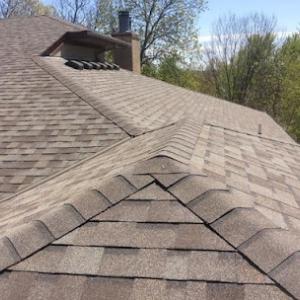
Roofing101, roofing since 2008, is a San Diego-based roofing contractor specializing in residential and commercial roofing services. Their team of experienced professionals offers roof replacement, repair, maintenance, and inspection services to ensure the longevity and protection of your property.
Platinum Roofing
(858) 828-7723 platinum-roofing-sd.com
Carlsbad, California
4.2 from 5 reviews
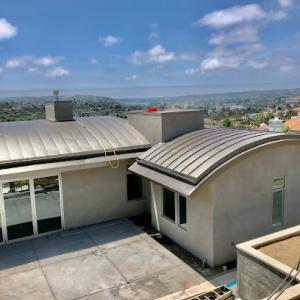
At Platinum Roofing, we are a family-owned business with over 30 years of experience in roofing and sheet metal. Our expertise allows us to handle all types of roofing applications, from various pitched roof designs to flat roofing systems. Additionally, we offer a wide selection of seamless, roll-formed rain gutter profiles, as well as custom-fabricated gutter solutions to effectively channel water to your desired drainage points. We are committed to delivering high-quality results with a focus on customer satisfaction, safety, and durability. Whether it’s a new roof installation, a complex gutter system, or any other roofing or sheet metal project, you can trust us to provide solutions that are both functional and aesthetically pleasing.

Dils Roofing
(760) 727-6000 www.dilsroofing.com
Serving
4.9 from 176 reviews
Welcome to Dils Roofing in San Diego! 🛠️ The Dils family has been in the roofing business since 1940. In those early days, we used mules to tow kettles of hot tar! Now, 4 generations strong, Dils Roofing is a family business in the truest sense of the word. While the roofing industry has certainly changed since we first opened our doors in San Diego, our values have always stayed the same: honesty, integrity, and quality craftsmanship. We serve the following areas: Carlsbad, Vista, Chula Vista, Coronado, Del Mar, La Jolla, El Cajon, Encinitas, Escondido, Imperial Beach, La Mesa, Lemon Grove, National City, Oceanside, Poway, San Diego, San Marcos, Santee, and Solana Beach.

The Roof Masters
(619) 943-1087 socalroofmasters.com
Serving
4.9 from 447 reviews
The Roof Masters is a highly acclaimed and award-winning roofing contractor that has been providing exceptional service to San Diego and the surrounding communities for over a decade. Our unwavering commitment to trust, customer service, attention to detail, and open communication ensures that each customer receives a tailored and unparalleled experience. From our meticulous roof inspections to our transparent project management, we strive to exceed expectations and build lasting relationships with our clients.

Roofix
(858) 988-1015 www.roofixsd.com
Serving
5.0 from 76 reviews
At Roofix we provide premium residential and commercial roofing services throughout San Diego and Riverside counties. With a commitment to quality, Roofix specializes in roof installation, repair, maintenance, and leak prevention, using high-grade materials to ensure lasting durability and weather resistance. Fully licensed and insured, Roofix combines expert craftsmanship with dependable service, making them a trusted choice for all roofing needs, from minor repairs to complete installations. Offering free estimates and tailored solutions, Roofix is dedicated to protecting your property with reliable roofing solutions built to last.
Cowboy's Roofing
(760) 747-6890 cowboysroofingconstruction.com
Serving
5.0 from 82 reviews
Second generation roofers, family owned & operated with over 30 years of experience! From new roofs to re-roofs and from steep roofs to flat roofs, we do it all!! Licensed and Insured C/39 1042452

Shadowcrest Roofing
(760) 593-0300 www.shadowcrestroofing.com
Serving
5.0 from 24 reviews
Shadowcrest Roofing is the leading roofing expert in San Marcos, CA, trusted by homeowners and businesses throughout San Diego County. We specialize in TPO, PVC, Built-Up Roofing, Clay Tile, Concrete Tile, Slate, Fiberglass Shingles, and Custom Wood Shakes. Our metal roofing options include Standing Seam, Flat Seam Copper, and Mechanical Seam in Galvalume, Copper, and Zinc. We also offer seamless and custom gutters, moisture intrusion inspections, protective roof coatings, and reliable roof repairs, all tailored to San Diego's unique coastal climate. Choose us for quality, durability, and expertise in roofing!
Mark Anthony Construction & Roofing
(760) 803-7534 www.markanthonyconstructionandroofing.com
Serving
4.9 from 175 reviews
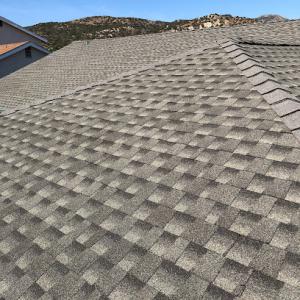
We are a family owned and operated business in San Marcos, CA specializing in complete roof replacement. Mark has been installing roofs in San Diego for over 40 years. We are recognized by GAF as Master Elite Installers, allowing us to offer the best warranties in the industry. All our installers have at a minimum of 10 years experience.
Guardian Roofs
(858) 879-3383 guardianroofs.com
Serving
4.7 from 74 reviews
Guardian Roofs is a roofing contractor in San Marcos, CA that services San Diego County, Encinitas, San Marcos and nearby areas. Our roofing company offers residential roofing, commercial roofing, roof repair, asphalt shingle roofing, flat roofing and many more. Customers love us because of our quality craftsmanship and competitive pricing. We also have industry affiliations and certifications like Owens Corning Platinum Preferred Contractor and GAF Master Elite. If you want to experience your most trusted San Marcos roofing company’s excellent services, call us now for free estimate!
Boyce's Roofing & Repair
(760) 583-9326 www.boycesroofing.com
Serving
4.9 from 142 reviews
The team at Boyce's Roofing and Repair install peace of mind to customers throughout Oceanside, Vista, San Marcos, Escondido, and the surrounding areas. Whether you have a residential or commercial property and no matter what your roof is made from, the skilled team of highly-trained technicians are ready to help. They run their company with honesty, integrity, and reliability. They will not cut corners and always provide excellent customer service and high-quality products. Your roofing technician will always be on time or early and the company stands by that reputation. They want to build strong relationships and build exceptional roofs. To schedule your initial service, call Boyce's Roofing and Repair today!
Clay and concrete tile are prominent in this area, so many reroof decisions hinge on the condition of the underlayment rather than the tile surface itself. In Carlsbad's coastal climate, the underlayment bears the brunt of moisture cycling from winter rains and marine fog. Over time, the felt or synthetic layer can rot or delaminate, especially where deck framing transitions occur or where previous underlayments were not properly vented. When tiles age, softened or blistered underlayment may not show obvious surface failure, but you might notice sustained dampness in the attic or from minor leaks after wind-driven rain. A practical approach is to inspect attic ventilation and look for staining, musty odor, or elevated humidity levels. If underlayment shows any telltale wear, plan for replacement beneath a tile reroof, even if the surface tiles appear sound.
Mediterranean and Spanish-influenced architecture along the coast often means heavier tile systems that load the decking more than lighter options. This heavier loading amplifies the importance of decking integrity, fastener security, and proper slope at edges and transitions. If decking shows signs of sagging, ply separation, or wane along long span areas, there is a higher risk of tile cracking or misalignment after installation. Pay close attention to existing rafters and any water-stained or delaminated decking. A reroof plan should include a careful decking evaluation, with reinforced sleepers or substrate where necessary to maintain a stable, even surface for tile bearing.
Coastal exposure magnifies flashing demands around roof-to-wall transitions, chimneys, skylights, and vent penetrations. Valley flashings, in particular, attract salt-laden spray that accelerates material breakdown if flashing is not correctly sized or sealed. Edge details near parapets and drip edges can corrode or lift when fasteners corrode in salty air. During reroofing, ensure flashing has continuous, corrosion-resistant metal, properly sealed joints, and integrated counter-flashing where feasible. Inspect and reinforce step flashing at all wall interfaces, and verify that corner counters and L-flashing sit flush against the deck plane to prevent capillary wicking.
Repairs in Carlsbad frequently involve cracked or slipped field tiles and leak points around valleys, penetrations, and edge details after years of coastal exposure. Tile cracks often originate at nail holes or stress points where old underlayment degraded and allowed movement. Slippage occurs when tiles settle or when mortar or clip systems lose grip against a deck that has settled or warped. Valleys are particularly vulnerable; a minor crack there can drip along the valley flange and appear far from the source. Penetrations through the roof surface-pipes, vents, and rooftop penetrations-tend to develop weep holes or seal failures over time. A targeted diagnostic approach focuses on tile condition first, followed by a careful check of the underlayment, flashing, and fastener integrity in these zones.
Begin with a close inspection of the most exposed areas: coast-facing slopes, valleys, and edge lines. Look for cracked, chipped, or loose tiles, shifted alignment, and any signs of staining or dampness in the attic or crawlspace directly beneath suspected spots. If tiles appear intact but dampness persists, trace moisture to flashing or underlayment. Document suspect areas with photos and notes, then plan a reroof strategy that prioritizes underlayment replacement, decking integrity, and robust flashing transitions to handle coastal moisture and wind exposure.
Find contractors who specialize in clay and concrete tile roofs, known for their durability and curb appeal.
For asphalt shingles, you'll typically see about 420 to 750 USD per square. Metal roofing sits higher, generally 800 to 1500 per square. Clay tile runs 900 to 1800 per square, while concrete tile is usually 900 to 1700 per square. Wood shingles or shakes fall in the 550 to 1500 per square range, and synthetic or composite shingles run from 500 to 900 per square. These figures reflect typical Carlsbad projects and assume standard roof footprints with average slope and accessible attic space. If you have a larger or more complex roof, you'll see the price push toward the top end of each range.
Coastal moisture, salt air, and fall ocean winds mean corrosion resistance matters more here. For metal roofs, consider products with upgraded corrosion-resistant coatings, especially along ridge lines and near vent flashing. Clay and concrete tile remain popular for their longevity and Mediterranean styling, but their weight and the need for reinforced supporting members can raise installation costs when heavy tiles are used on a home that wasn't originally designed for them. Asphalt shingles stay the most budget-friendly option, yet extra emphasis on moisture-resistant underlayment and sealed penetrations is common to manage coastal humidity. Synthetic or composite shingles can offer a balance of durability and ease of installation in this climate.
Tile-heavy homes incur additional labor beyond a simple shingle reroof. Tear-off of existing tile, careful handling to avoid breakage, and replacement of any brittle broken pieces all add labor hours. Underlayment work is often more intricate when tiles are involved, requiring attention to step flashing and valley material that won't degrade quickly in salt-laden air. Expect higher waste disposal costs if tiles break during removal. In practice, these factors push total project costs toward the upper end of the listed ranges for tile options.
Coastal exposure increases the need for upgraded corrosion-resistant accessories, flashing, and fasteners, which can push material and labor costs upward. Additionally, the visibility of this area often means more meticulous workmanship and better seal details at roof penetrations. Scheduling considerations-such as coordinating weather windows and inspections-add project overhead, particularly on homes with complex eave lines or multiple parapets. In Carlsbad, plan for a slightly longer timeline and a contingency for edge-case wind-driven rain events that can affect tear-off and interim protection.
If you're weighing options, a tile-heavy home will cost more upfront but may offer longer life in this climate. Asphalt remains the most economical, yet you'll want to allocate extra for moisture barrier upgrades and careful flashing. For a precise estimate, work with a local roofer who understands how coastal exposure influences fasteners, underlayment choices, and tile handling on your exact home.
Get a clear picture of your project costs upfront - no commitment required.
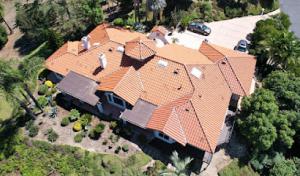
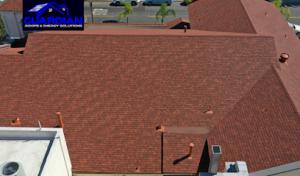
Reroof projects in this area generally require a City building permit rather than being handled as permit-free maintenance. That means you'll need to submit plans and documentation for review, even if your roof is in good shape and you're simply replacing like-for-like. The permit process helps confirm that materials, ventilation, flashing, and deck integrity meet local standards and coastal requirements.
The local process typically includes plan review followed by inspections during installation and at final, with the permit team coordinating around the contractor's schedule. Expect an initial check to verify roof type, slope, and underlayment compatibility with coastal moisture and wind exposure. After work commences, inspectors will visit at key milestones-often after decking and underlayment are in place, then again once flashing, vents, and penetrations are completed. A final inspection confirms that all elements are properly installed and weather-tight. This setup helps ensure performance against sea spray, fog-driven humidity, and winter rain that Carlsbad roofs routinely face.
Carlsbad reroof inspections commonly focus on flashing, ventilation, and decking integrity as part of the city review. Flashing around dormers, chimneys, skylights, and valley transitions is checked for proper sealing and corrosion resistance. Ventilation is reviewed to ensure adequate attic airflow, which protects against moisture buildup in a coastal climate and helps sustain roof longevity. Decking integrity matters too: inspectors look for signs of rot, proper installation of fasteners, and any moisture damage that could compromise the roof structure. These checks are not decorative; they address long-term performance under salt air, salt spray, and wind-driven rain.
Coordinate with the contractor to align scheduling with the permit office's timeline, and gather any necessary documentation early-site plans, material specs, and engineering notes if required. Before work begins, walk the property with the contractor and identify all concern areas- flashing around vents, skylines, and penetrations-so you're prepared for the inspector's questions. Since inspections can influence weather-dependent timing, build in a small buffer for seasonal coastal winds or marine fog delays, and ensure access pathways and utilities are ready for inspectors to reach all critical zones.
Carlsbad homeowners operate in a climate where coastal moisture, marine fog, and seasonal winds shape roof performance. Even though the area is more known for humidity and salt exposure than dramatic hail, the California-wide insurer tightening still touches daily claim handling. Carriers may ask for roof age, condition, and maintenance records before or after a claim, and adjuster timelines can stretch because of market-wide slowdowns. This means that a straightforward repair could become a longer process if the file lacks clear context about the roof's history and current state.
When a roof issue arises, assembling a detailed record becomes a practical shield against unnecessary delays. Think of it as a local neighbor's checklist tailored to Mediterranean-style homes that endure salty air and ocean winds. Collect documentation that speaks to the roof's health before the incident: aging underlayment, flashing integrity, and any prior leakage or wet spots. Keep notes of recent maintenance, resealing, or minor repairs. The more you can show objective, dated information, the less room there is for ambiguity in a claim. If the project involves a reroof or major repair, prepare a brief summary of what was found during the work and who performed it.
In Carlsbad, photo records are especially useful when insurers question the pre-loss roof condition. Take clear photos of underlayment surfaces, flashing where walls meet the roof, and any known leak locations with close-ups of damage and overall roof context. Document final installation details after work is complete-shingle or tile alignment, sealant joints, and vent or cap placements. A simple, chronological photo log that begins with pre-incident shots, moves through the event, and ends with the finished state keeps conversations focused and reduces back-and-forth. In this coastal setting, showing how moisture paths were addressed, and how wind-driven exposure was mitigated, can help frame a credible claim narrative.
Connect with contractors who help homeowners navigate the claims process from damage assessment to final approval.
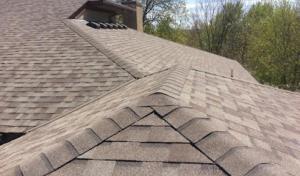

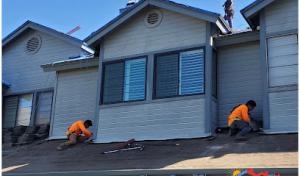
The coastal microclimate in this area creates more frequent salt air exposure and marine fog, which makes flashing quality a recurring leak concern during reroofing. Roof penetrations from skylights and solar arrays are common in Mediterranean-style homes and require meticulous detailing to resist moisture intrusion. Plan for reinforced flashing at every penetration, including transitions between roof planes, and verify the compatibility of sealants with salt spray exposure.
Low-slope sections over patios, additions, and mixed rooflines are relevant in Carlsbad even though tile dominates primary planes. In these zones, maintain proper slope, fade-resistant coatings, and integrated drainage to prevent water siphoning and ponding. If a low-slope area cannot be fully sloped toward drainage, consider moisture-managed membranes or targeted coatings that extend the life of the underlying deck before a full rework.
In a mild coastal climate, restoration coatings and targeted low-slope work can be part of the decision set for portions of a roof system rather than full replacement everywhere. Use a conservative approach: apply coatings only where the substrate is sound, and match the coating's breathability and UV resistance to coastal conditions. This keeps maintenance responsiveness high without overhauling every plane.
When reroofing, sequence penetrations first with correct flashing flash-cans and kick-out details, then address primary field coverage. Test for wind-driven displacement around skylight curbs and solar mounts, and reinforce with cycloidal or flange-style flashing where appropriate. Finally, verify that transitions between tile and low-slope areas are watertight to minimize future leak risks.
Find contractors who integrate solar panels or solar shingles into your roof for long-term energy savings.
Tidal Remodeling
(760) 991-9032 tidalremodeling.com
5375 Avenida Encinas # A, Carlsbad, California
4.9 from 260 reviews