
Last updated: Apr 19, 2026
In the desert landscape where shingles and tiles sit under relentless sun, UV exposure becomes the main aging force. The hot, sunny climate accelerates UV-related aging, so sun exposure is a primary roof-life issue rather than prolonged moisture. That means the surface you see cracking, chalking, or losing granules on asphalt shingles, or the fading and drying of sealants, happens faster here than in milder climates. The sun's power also makes underlayment and flashing more prone to drying out, which can invite leaks long before a visible sag or stain appears. When you walk the roof after a dry spell, the lack of moisture doesn't mean everything is fine-heat stress can hide micro-cracks and tiny tears that undermine long-term performance.
Cooler months are generally preferred for roof replacement in this area because extreme summer temperatures increase heat stress on crews and can affect installation pace. Humidity stays low, but the daytime heat can push how long shingles or tile can be safely handled, nailed, and sealed. Scheduling replacement during the shoulder seasons-late fall through early spring-typically yields more precise shingle alignment, cleaner sealants, and better adherence of underlayment. If a leak or exposed deck is already present, a temporary patch can bridge the worst of the heat while a proper replacement window is arranged, but plan for the work to occur when the sun is at moderate intensity. Heat-induced expansion and contraction can stress fasteners and sealant beads, so timing ahead of the peak season helps the roof install settle correctly before the next blistering spell.
Prolonged dry periods in the Coachella Valley increase cumulative sun damage on exposed roofing surfaces, especially on aging shingles, underlayment, and sealants. Older roofs may show accelerated granule loss on asphalt or accelerated movement in concrete and clay tiles when the substrate becomes stiff from sun exposure. You can identify early signs by inspecting for fine cracking along ridge lines, faded color on tile faces, or chalky white residue on the roof surface. In metal applications, expect some paint or coating chalking and potential fastener head exposure from repeated heat cycling. Because dry spells concentrate heat stress, small problems can turn into leaks after a few hot afternoons with wind-driven sand blowing into vulnerable seams. A proactive approach, with regular inspections after the desert monsoon cycle and ahead of the hottest months, helps catch issues before they escalate.
Different roof assemblies react to desert sun in distinct ways. Clay and concrete tiles handle heat differently than asphalt shingles; clay can become more brittle with year-round UV, while concrete tiles may accumulate hairline cracks from thermal cycling. Metal roofing expands and contracts with temperature swings, which can loosen fasteners or cause panel gaps if not installed with proper allowances. Underlayment materials that are designed for high heat should be selected to resist breakdown under long sunny exposures. When choosing materials, consider color and coating options that reflect rather than absorb heat. Lighter colors stay cooler on the surface and reduce the rate of UV-driven aging, while also helping the attic stay a bit less hot, which reduces wear on interior components and HVAC load.
Regular inspections in late fall and early spring align with the cooler windows and give you a view after monsoon activity and before the worst heat arrives. Clean gutters to avoid water backup that can trap heat and damage flashing. Check sealants and caulks around vents, curbs, and skylights; sun exposure is relentless on these joints, and a small failure here can invite leaks during the next monsoon. Inspect roof penetrations for dried mastic and cracked flashing. For aging shingles or tiles, replace damaged sections promptly to prevent heat-induced deterioration from spreading. Finally, consider a professional roof check after a season of peak heat and wind; a local roofer will know how the UV and dryness have affected your specific roof type and offer targeted, desert-specific remedies.
Clay tile and concrete tile are dominant roofing materials in Palm Desert, matching the desert-resilient residential architecture that helps define neighborhood character. When you walk through newer developments or established neighborhoods, the clay barrel or S-tile silhouettes are instantly recognizable. This isn't just about looks; tile roofs bring a particular set of repair and maintenance realities. The fix-it playbook for these roofs hinges on understanding how these materials respond to heat, sun, and the occasional monsoonal downpour. Repairs often involve replacing broken tiles, reseating loose battens, and ensuring the underlayment beneath the tile remains intact enough to shed water and resist wind-driven rain. Because tile is heavy, the structure's support system and flashing details at hips, ridges, and valleys matter just as much as the tiles themselves. In cities with such a sun-drenched climate, choosing tile means anticipating how fast the surface can fade and how the color and glaze therapies hold up under persistent UV exposure.
Homeowners commonly compare tile against asphalt shingles, metal roofing, wood shakes, and synthetic or composite products by how each handles intense sun and thermal cycling. In practice, asphalt may heat up and become brittle after years of direct sun, while metal roofs can expand and contract noticeably, sometimes producing audible pops during the hottest weeks. Wood shakes offer a traditional look but can weather rapidly in desert conditions, requiring careful maintenance to manage cracking and potential fire concerns. Synthetic or composite shingles promise lighter weight and design versatility, yet long-term color stability and UV resistance vary by product line and installed underlayment. For tile, the standout considerations are the rigidity of the tile sheets, the way color fades, and the performance of the underlayment beneath tile layers as temperatures swing through seasons. The choice should align with how the roof handles thermal cycling: rapid morning cool-to-warm shifts, scorching noons, and the occasional monsoon surge that tests waterproofing at seams and penetrations. If a home already has a tile sequence, maintaining the existing tile family-ensuring continuity in glaze or matte finishes, and coordinating replacement tiles for shade and texture-helps preserve curb appeal and roof integrity. In practice, the decision often comes down to how maintenance intervals align with the material's behavior under desert sun: tile's quiet, long service life with the right underlayment versus the more frequent touch-ups associated with some synthetic or asphalt alternatives.
Because UV exposure is a major local stressor, material choice in this area is closely tied to fade resistance, underlayment durability beneath tile, and long-term performance under desert heat. Fade resistance isn't merely cosmetic; it signals the extent of UV-driven breakdown in the tile glaze or color coat. A resilient underlayment beneath the tile is essential to protect against heat-induced degradation and potential water intrusion when the tile system experiences thermal expansion. In coastal- or milder-climate contexts, underlayment might be treated as a secondary concern, but in this desert climate, it becomes a frontline defense. When considering tile repairs or replacements, inspect not only the visible broken or displaced tiles but also the condition of the flashing at valleys, hips, and penetrations, as well as the edge metals that handle wind-driven rain. Regular checks after peak sun seasons and early fall wind events help catch issues before heat cycles intensify gaps or cracks. If a tile system has reached the later stages of its expected life, evaluate whether the combined impact of UV fade, glaze wear, and substrate support warrants replacement with a like-for-like tile or a different profile that better tolerates desert heat. This is where informed choices around color, glaze stability, and tile weight can preserve performance as temperatures climb, helping the roof keep its shade and shade keep its value.
Find contractors who specialize in clay and concrete tile roofs, known for their durability and curb appeal.
Care Roofing Inc of Palm Desert
(760) 463-9921 careroofingsolutions.com
74710 CA-111, Palm Desert, California
5.0 from 29 reviews
Vision Roof Services
(844) 348-7663 visionroofservices.com
41905 Boardwalk STE L, Palm Desert, California
4.8 from 39 reviews
Becerra Brothers Roofing
(760) 636-1099 www.becerrabrothersroofing.com
74333 CA-111 Ste 202, Palm Desert, California
4.6 from 31 reviews
The fall Santa Ana wind events that sweep through the desert can slam against ridge lines, valleys, and exposed roof edges with sudden, dry gusts. In roofs with clay or concrete tiles, those blasts translate to higher wind uplift risk at the eaves, hips, and along any older, loose flashings. When the wind rips debris across the surface, granules loosen and tiles can crack or lift, accelerating wear on hot, sun-aged materials. If a roof has visible wear, missing shingles, or compromised underlayment, a sharp gust can turn a small issue into a noticeable leak in minutes. For homes with flat or low-slope sections, the risk concentrates where edges meet transitions to walls and skylights. The takeaway is simple: during Santa Ana events, inspect and secure edge trim, ridge caps, and penetrations now-before the wind arrives-and have a plan to respond quickly if a panel or tile shifts.
Monsoon-season thunderstorms are brief but brutal in this valley, delivering sudden downpours after long droughts. Those bursts can interrupt roofing work that would otherwise proceed during a dry spell, and they bring a real possibility of short-notice leaks through compromised seals or aging underlayment. Even if a roof looks dry, fast-rising storm cells can push through and expose weaknesses you don't notice in calm weather. Scheduling during late summer through early fall requires a built-in contingency: expect the interruption, and build extra time into your project plan. Keep tarps ready to cover exposed sections when a storm is forecast, and designate a safe return-to-work window if crews must pause. If an active job is underway, confirm the crew has a clear protocol for securing the site within minutes of a storm alert, so interior spaces stay protected and materials aren't left exposed to sudden moisture.
Local damage patterns emphasize the combination of heat aging and sudden weather events more than long wet seasons. Roof systems that buckled or warped under years of sun and heat can be vulnerable to a quick gust or a brief deluge that a healthier roof would shed without incident. That means preventative steps matter more than reactive fixes: verify high-UV stability of chosen materials, ensure proper edge and flashing detail, and maintain a robust seal around vents, skylights, and chimneys. When the forecast calls for wind or a thunderstorm, review the roof's most vulnerable zones first-tile edges, worn flashings, and any compromised fasteners. In practice, stay vigilant during autumn wind events and monsoon pulses, and plan higher-wind season checks to head off surprises before they threaten attic spaces and living areas.
Find local contractors experienced in assessing and restoring roofs after hail, wind, and severe weather events.
Care Roofing Inc of Palm Desert
(760) 463-9921 careroofingsolutions.com
74710 CA-111, Palm Desert, California
5.0 from 29 reviews
Vision Roof Services
(844) 348-7663 visionroofservices.com
41905 Boardwalk STE L, Palm Desert, California
4.8 from 39 reviews
Becerra Brothers Roofing
(760) 636-1099 www.becerrabrothersroofing.com
74333 CA-111 Ste 202, Palm Desert, California
4.6 from 31 reviews
Care Roofing Inc of Palm Desert
(760) 463-9921 careroofingsolutions.com
74710 CA-111, Palm Desert, California
5.0 from 29 reviews
Care Roofing is a fully licensed and insured roofing company located in Palm Desert, CA. We are dedicated to providing high-quality roofing solutions to our customers. We understand that your roof is one of the most important parts of your home or business, and we work hard to ensure that it is always in top condition. Our services include repair, maintenance, and installation of new roofs. We use only the best materials and techniques to ensure that your roof is durable and long-lasting. We also offer free estimates, so you can get an idea of the cost of your project before we begin. Call us today to schedule a consultation and see how our experienced roofers in Palm Desert can help you protect your property.
Vision Roof Services
(844) 348-7663 visionroofservices.com
41905 Boardwalk STE L, Palm Desert, California
4.8 from 39 reviews
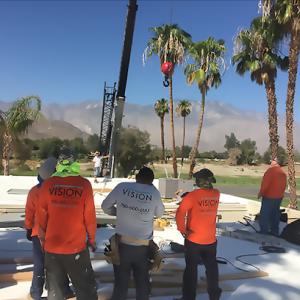
Vision Roof Services (VRS) is a licensed and insured roofing contractor serving Palm Desert, Palm Springs, Coachella Valley, Orange County, Riverside County, San Diego, Los Angeles, and surrounding Southern California areas. We specialize in commercial and residential roofing; spray foam, tile, flat, solar, and more. Our polyurethane spray foam (SPF) systems deliver superior insulation, leak prevention, and energy efficiency for long-term protection. VRS works closely with property owners, builders, and managers to deliver precision workmanship and reliable roofing solutions that raise property value and ensure structural integrity for all desert roof concepts. Call or message Vision Roof Services today for your free inspection!
Becerra Brothers Roofing
(760) 636-1099 www.becerrabrothersroofing.com
74333 CA-111 Ste 202, Palm Desert, California
4.6 from 31 reviews
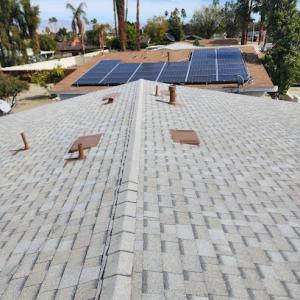
Serving the Coachella Valley since 1978, we are a Family Owned and Operated Business and have 3 generations working together. We service the entire Coachella Valley and Mountains communities. We install Shingle, Tile, Metal, Self Adhering Bitumen, Polyurethane Foam Systems and Energy Efficient Coatings. We also Repair and Maintenance Residential and Commercial Roof. We are Licensed and Insured.
Supreme Roofing
(760) 485-8218 www.supremeroofingofpalmdesert.com
Palm Desert, California
5.0 from 10 reviews
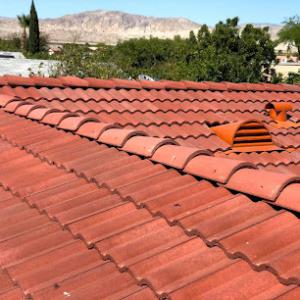
Top quality roofing work in the Coachella Valley. Why wait for a leak ? Give us a call now for a free estimate.
Reliable Roofing
(760) 568-1673 reliableroofingbytgy.com
Palm Desert, California
4.2 from 45 reviews
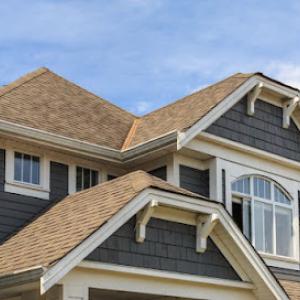
Reliable Roofing serves the entire Coachella Valley including Palm Desert, Palm Springs, Indian Wells, Rancho Mirage, Indio, Indio Hills, Bermuda Dunes, Desert Hot Springs, Sky Valley and La Quinta areas with new or replacement roofs for residential and commercial properties. Every project we take on is performed by a small dedicated team of highly skilled roofers. Contact us today!
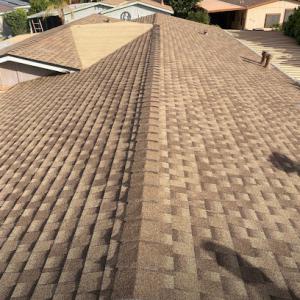
Superior Roofing Pros
Palm Desert, California
5.0 from 6 reviews
Locally owned and operated. Whether you're seeking a full roof replacement, a repair, or even a roofing concern you need assistance with, feel free to reach out to our team of diligent resourceful individuals! Superior Roofing Pros!
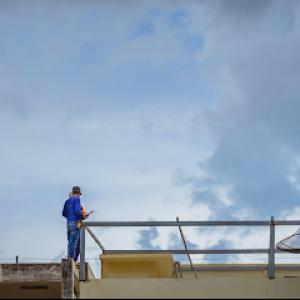
HP Roofing Pro
(909) 521-1285 hproofingpro.com
42215 Washington St #A23, Palm Desert, California
5.0 from 6 reviews
HP Roofing Pro in Palm Desert specializes in reliable commercial roofing services in Palm Desert and Palm Springs. Our experienced contractors ensure your project is completed on time and within budget, providing quality workmanship you can trust.
Suntech Consulting & Roofing
(760) 275-4749 suntechroofing.net
42215 Washington St suite #350, Palm Desert, California
4.2 from 10 reviews
Team with the best roofers in the Palm Desert, California and surrounding areas Your roof is what stands between your family and the elements, so it should be strong. Suntech Consulting & Roofing, Inc. will keep it that way. Whether you’re in need of a new roof or just need repairs on your existing one, our roofers will provide a prompt and effective solution perfect for your needs. You can count on us to use premium materials, effective tools and proven techniques to ensure that your roof lasts for years to come. Our roofing services include: • Installation of tiles including slate and concrete slab • Whole home roofing installation, whether for a new home or to replace your existing roof • Repair and restoration for roofing of all types
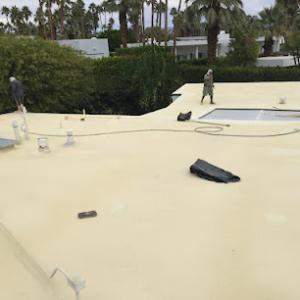
Valley Urethane Foam Roofing
(760) 321-0830 valleyurethanefoamroofing.com
Serving
5.0 from 8 reviews
SPECIALIZING IN ENERGY-EFFICIENT FOAM ROOFS! Valley Urethane Foam Roofing is a leading provider of sprayed urethane foam roofing. We can service any project large or small. We provide service for the entire Coachella Valley area from Indio, Palm Desert, La Quinta, Palm Springs, Cathedral City & nearby cities! We’ve been in the roofing business for more than 30 years. With decades of experience in the industry, we focus on providing responsive and informative customer service. In addition, we are personally invested in every job we do – we make sure that your home and property are safe from over spray, construction debris and other damage. We take pride in being 100% accountable for our work.
RB Roofing
(760) 898-2434 rbroofingllc.com
Serving
5.0 from 42 reviews
RB Roofing is your trusted partner in top-quality roofing solutions. With a commitment to excellence and unmatched expertise, we specialize in providing comprehensive roofing services tailored to meet the unique needs of our clients
Cal Coast Roofing
Serving
5.0 from 10 reviews
We specialise in installing durable roofs using premium materials such as asphalt shingles, metal, tile and flat roofing systems. We quickly diagnose and resolve issues with effective, long lasting repairs. Our team helps you select roofing solutions that balance durability, aesthetics and budget.

Foam Roofing Experts of The Desert - Best Foam Roofing Services in Palm Desert, Indian Wells, Palm Springs & Rancho Mirage
(760) 333-3556 thefoamexperts.net
Serving
5.0 from 130 reviews
Welcome to Foam Roofing Experts of The Desert, your top Roof Inspection Company in Palm Springs. We deliver premier foam roofing repair, reconditioning, and installation services for commercial and residential properties at the most affordable rates. Our foam roofing solutions provide excellent protection from heat during summer and moisture in the rainy seasons, enhancing your property’s aesthetic appeal. Also, we offer comprehensive solar panel cleaning and expert roofing certifications to ensure safer home buying and selling processes. Renowned for the best roof inspection services in Cathedral City, we are dedicated to ensuring the longevity and safety of your roof. Trust Foam Roofing Experts of The Desert for all your roofing needs.
Replacement projects in Palm Desert are commonly planned outside peak summer heat to reduce installation stress and improve working conditions. The ideal window sits in the shoulder seasons when temperatures are comfortable for crews and materials behave more predictably. Start by coordinating a start date a few weeks ahead of the months when the desert's heat climbs, so crews can establish a steady pace without midday heat slows. Align the schedule with when you're able to manage access for material deliveries and daily inspections, rather than chasing an aggressively tight calendar.
Summer heat can slow work pace and affect daily scheduling windows, which matters more in Palm Desert than in milder California markets. Plan for mornings that begin early, with work wrapping before the sun pushes past a comfortable threshold. Afternoon heat can sap crew efficiency and risk heat-related delays, so look to start early, take a mid-day break, and resume as temperatures ease. If a monsoon season looms, expect wind-driven dust, sudden showers, and possible interruptions; outdoor tasks and tile work in particular benefit from a plan that accounts for brief, intense weather bursts.
Monsoon interruptions and fall wind events can shift project calendars, so timing decisions in Palm Desert are closely tied to seasonal weather windows. Target a window when the typical monsoon activity has waned but before the Santa Ana winds pick up, usually late fall into early winter. In practice, that means choosing a period with a predictable dry spell, clear skies, and minimal seasonal storms, allowing for a consistent installation rhythm. If the project runs into shoulder-season wind events, maintain flexibility for temporary pauses and re-sequencing work to preserve quality and safety.
Coordinate with material deliveries to arrive during cooler hours and avoid peak sun exposure on the driveway and street when unloading. Communicate contingency days for unexpected heat spikes or weather interrupts, and build in buffer days to keep the crew on track without forcing back-to-back, high-stress shifts. By aligning timing with Palm Desert's subtle but real seasonal rhythms, the re-roof project can progress smoothly, finish with solid workmanship, and stand up to the desert sun longer.
Get a clear picture of your project costs upfront - no commitment required.
Care Roofing Inc of Palm Desert
(760) 463-9921 careroofingsolutions.com
74710 CA-111, Palm Desert, California
5.0 from 29 reviews
Supreme Roofing
(760) 485-8218 www.supremeroofingofpalmdesert.com
Palm Desert, California
5.0 from 10 reviews
In this desert climate, you'll find the local cost ranges for common materials are: asphalt shingles from 350 to 700 USD per square, metal from 700 to 1400 USD per square, clay tile from 900 to 1800 USD per square, concrete tile from 650 to 1300 USD per square, wood shingles or shakes from 550 to 1100 USD per square, and synthetic or composite shingles from 450 to 900 USD per square. Those figures reflect Palm Desert's blend of heat, sun exposure, and the need for materials that stand up to UV and wind. When budgeting, plan for the higher end of the range if you're replacing an older roof or if the project includes additional repairs to the underlayment or flashing.
Tile-heavy homes are common here, and that pushes projects beyond a simple tear-off. Tile systems require careful removal to avoid cracking neighboring tiles, plus more specialized handling and repair work for the substrate and flashing. Expect extra labor time and potentially more material waste charge when the roof's layout includes lots of ridges, hips, or skylights. If you're replacing with concrete or clay tile, factor in the possibility of longer lead times and higher estimator marks for breakage risk during temporary removal.
Seasonal scheduling in cooler months can affect contractor availability in this market. While winter brings milder days, projects can get booked up as the season peaks. Weather-driven demand spikes after wind or thunderstorm events can also influence pricing and lead times. If you can plan a window during the off-peak months, you may see smoother scheduling and fewer price surges, especially for tile-heavy installs that require careful sequencing.
Start with a material preference that matches long-term sun exposure and cooling needs. Clay or concrete tile tends to hold color and resist heat well, but the weight and installation precision matter. For asphalt or synthetic options, verify that the product carries UV-resistant warranties and an underlayment suitable for desert cycles. When you're gathering bids, ask for a breakdown of tile handling fees, waste disposal, and any temporary ventilation or skylight protection costs, since those line items add up in a tile-driven project.
Extend the life of your existing roof with reflective or waterproof coatings that protect against UV and moisture.
Foam Roofing Experts of The Desert - Best Foam Roofing Services in Palm Desert, Indian Wells, Palm Springs & Rancho Mirage
(760) 333-3556 thefoamexperts.net
Serving
5.0 from 130 reviews
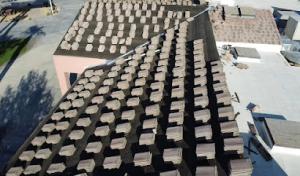
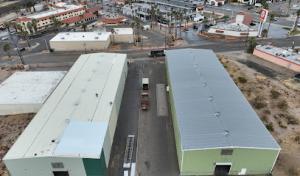
A permit is typically required for a full re-roof in Palm Desert through the City of Palm Desert Building Department. Before any shingle, tile, or metal work starts, confirm whether the project needs a re-roof permit and gather the correct details, including roof square footage, material type, and proposed ventilation changes. The city's process is designed to ensure installations withstand the desert's intense sun and seasonal wind patterns, so starting with the right paperwork helps avoid delays once work begins.
Applicants generally submit project details to the city, and inspections occur during and after installation. Typical submittals include updated roof plans, ventilation calculations, underlayment specifications, and product data for the chosen materials. In Palm Desert, the plan review may look closely at how the underlayment and flashing integrate with existing drip edge and parapet walls, especially where older roofs meet new tile or composite systems. Plan for a staggered inspection schedule aligned with key milestones: after roof deck prep, after underlayment and ventilation install, and a final inspection once the assembly is complete and weatherproofing is verified.
Palm Desert inspections focus on items such as underlayment, ventilation, and overall code compliance under the California Building Code with local amendments. Expect inspectors to check proper underlayment installation for desert conditions, including appropriate overlap and sealing at penetrations. Ventilation is evaluated to ensure attic temperatures stay within limits that protect insulation and roof longevity, which is crucial in a climate with strong UV exposure. Local amendments may address ridge vents, soffit intake, and turbine or powered vents to balance heat rejection with wind resistance. During the final walk-through, inspectors verify that materials, fasteners, and flashing meet code requirements and that any retrofit adjustments harmonize with existing structures, ensuring long-term performance in the Coachella Valley's extreme sun.
In this desert valley, insurers have tightened their stance, and premium pressure can show up even when the roof itself isn't in a major catastrophe. A claim tied to aging tiles, accelerated UV wear, or wind-related damage can still ripple through underwriting decisions and future renewals. The key is to understand that the roof's condition, not just a single incident, may influence your ongoing coverage. This means you should actively maintain a clear record of roof health to avoid surprise gaps when renewing.
When a storm or strong wind rattles your roof, photo records and contractor inspection notes become essential evidence. A dry season may hide micro-cracks or granule loss on tile or shingle surfaces, but after a thunderstorm or monsoonal burst, these details matter to the insurer. Keep dated photos from multiple angles, especially of valleys, flashings, and any present staining or sagging. Have a licensed roof professional complete a written evaluation after significant events, and ensure the report highlights material age, UV degradation, and any exterior penetrations that could affect claim outcomes.
High-heat environments and prolonged sun exposure can accelerate aging of clay, concrete, and composite products, and insurers increasingly weigh age and maintenance history during policy reviews. If a roof shows consistent wear, you may see tighter conditions on renewals or more scrutiny during a claim. The best defense is to maintain up-to-date records of maintenance, timely repairs, and any replacements, paired with independent assessments that corroborate the roof's current state. When a policy comes up for renewal, anticipate questions about how age, material type, and documented upkeep intersect with the insurer's risk model, and respond with organized, professional records.
Treat every significant weather event as a formal note in your roof's life story. Schedule a post-storm inspection even if damage isn't obvious, and request that the contractor document conditions that influence longevity under desert heat. Store digital copies of all inspection records and keep a simple log of annual maintenance tasks. If you plan a roof project, align with an insurer-friendly approach by selecting proven, UV-resistant materials and documenting the rationale for chosen materials and any scuppers or flashings that mitigate sun exposure. Avoid gaps between repairs and policy review dates by maintaining continuous, well-documented communication with your insurer.
Connect with contractors who help homeowners navigate the claims process from damage assessment to final approval.
Care Roofing Inc of Palm Desert
(760) 463-9921 careroofingsolutions.com
74710 CA-111, Palm Desert, California
5.0 from 29 reviews
Vision Roof Services
(844) 348-7663 visionroofservices.com
41905 Boardwalk STE L, Palm Desert, California
4.8 from 39 reviews
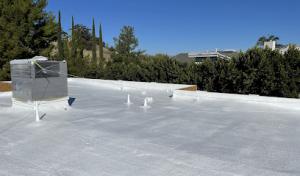
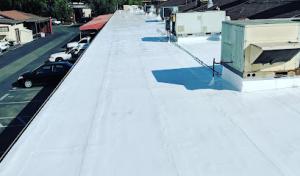
Although tile dominates many Palm Desert homes, the local contractor market shows meaningful demand for flat or low-slope roof work, indicating these assemblies are a recurring service need in the city. The desert's intense sun accelerates sealant and flashing aging around penetrations, especially at skylights and transitions where a roof meets walls or mechanical equipment. On a warm day, you'll notice softer edges around sealant lines that may seem fine but are already past their prime. In a typical desert layout, expect more frequent issues at low-slope sections that run along perimeter walls or under rooftop equipment than on the main slope.
Skylights are common upgrade points on Palm Desert homes, but their surrounds often bear the brunt of UV exposure. Look for widening gaps where the sealants meet the skylight curb, and for bubbling or cracking of the top flashing. Metal step-flashes can corrode faster under desert humidity swings, while caulks can dry out in weeks of sun and still fail during brief monsoon bursts. If a skylight is aging, plan for resealing the curb and re-flashing as a proactive step rather than waiting for interior leaks.
Low-slope sections on desert homes often need different maintenance and repair planning than the main pitched roof, especially after sudden monsoon rain events. Inspect for wind-driven debris that clogs valleys or backs up at transitions, and check for soft spots or delamination in membrane layers. Schedule a targeted inspection after heavy rains, focusing on edge details where water can pool and back up against flashing. Regularly reseal flashing joints and re-point any exposed fasteners to maintain a desert-ready barrier.
Find specialists in TPO, EPDM, and built-up flat roofing systems for residential and commercial properties.
Vision Roof Services
(844) 348-7663 visionroofservices.com
41905 Boardwalk STE L, Palm Desert, California
4.8 from 39 reviews
Foam Roofing Experts of The Desert - Best Foam Roofing Services in Palm Desert, Indian Wells, Palm Springs & Rancho Mirage
(760) 333-3556 thefoamexperts.net
Serving
5.0 from 130 reviews
In a market where extreme sun accelerates wear, homeowners should pay close attention to how workmanship and manufacturer warranties address premature surface aging and component failure. The desert sun bakes surfaces and can reveal thin spots on underlayment much sooner than milder climates. A warranty that seems generous on paper may not cover the exact failures you'll see after a few hot seasons. Look for clear language about fading, coating breakdown, and fastener corrosion specific to tile and shingle systems common here. If a claim feels vague, it's a signal to pause and ask for engineering details or a site-specific rider.
Because local inspections verify underlayment and ventilation, warranty value in this area is closely tied to correct installation details rather than material alone. Shingle and tile brands can promise long life, but improper attic ventilation or an overlooked underlayment patch can void coverage when heat stress reveals hidden gaps. Ask for a pre-installation checklist that includes attic vent placement, ridge vent capacity, and correct nailing patterns for the chosen product. Ensure the contract notes seasonally appropriate reinspection intervals and a defined path for diagnosing heat-related damage.
The local contractor signal mix shows warranty-backed work is present but not universal, so homeowners should confirm what is actually covered before signing. A reputable outfit will provide a written promise covering workmanship with specific timeframes and a method for diagnosing premature wear. Be wary of vague terms that shift responsibility to product life alone. If a dispute arises, compare the warranty's stated remedies-repair, replacement, or cost-sharing-and insist on documentation of what triggers coverage, including UV exposure thresholds and environmental stressors unique to this area.
After a scorching season, request a post-installation warranty review to confirm that UV damage and material aging are being tracked for claims.