Last updated: Apr 19, 2026
In this area, heat acts like a clock with a strict schedule. Summer days in the inland-facing sections of the roof can push you toward tighter installation windows, especially on heat-sensitive materials and on slopes that bake in the afternoon sun. Tile-heavy reroofs in particular face this pressure: concrete and clay tile, along with some synthetic options, can become more fragile when the panels heat up to midday levels. That means planning around the sun's arc is half the battle. If you know you'll need a tear-off and a reroof, align the work with cooler mornings and late afternoons when possible, and reserve the hottest stretch for material staging, inspection, and interior coordination-so sections of your home don't spend hours open to the elements.
Fall Santa Ana wind events in inland North County can blow debris under vulnerable roof edges and complicate tear-off days. On these days, loose leaves, palm fronds, and grit can accumulate along eaves and valleys, seeping into underlayment interfaces and around fasteners. The winds also create safety concerns for crews working on ladders and steep pitches. When a Santa Ana is forecast, expect tighter scheduling windows and more careful edge protection. You might see crews using additional temporary edge barriers, and crews may stagger tear-off stages to minimize wind-driven debris exposure. If your roof includes clay or concrete tile, the risk of tile displacement rises with wind gusts, so securing openings and covering exposed sections becomes a priority right alongside the tear-off sequence. In practical terms, aim to complete the most wind-exposed tasks on days with lower gust potential, and have a contingency plan for postponement if gusts exceed a manageable threshold.
Winter brings a different rhythm: light rain and misty mornings are common, but when multiple storms move through, moisture can linger in open roof sections and push underlayment exposure risks higher. The mild winter climate in this area often shifts replacement planning into spring or fall, precisely because rain delays can create vulnerable pockets of moisture exposure during tear-off and reinstall. If a winter window is the only option, build in time for drying out the underlayment before any tile or shingle is reset, and prepare for wind-driven condensation issues in valleys and along eaves. Weather patterns can produce brief, intense showers that catch unprotected decking off guard, so the scheduling philosophy should include short, weather-aware cycles: remove, inspect, dry, and then proceed with reinstallation when the forecast holds dry for a full day or two.
Practical steps to synchronize reroof timing with Vista's climate realities start with a clear window map. Identify the cooler morning hours during summer and plan to begin tear-off as soon as access and safety checks permit. Keep the most heat-sensitive materials, such as certain lightweight or synthetic tiles, staged for the cooler portion of the day to minimize thermal stress during installation. For exposed inland slopes, consider shading strategies during the critical tile seating phase-temporary awnings or panels can shave peak surface temperatures and reduce expansion and contraction risks.
Fall planning should account for Santa Ana seasonality. If a wind event is forecast within your project's expected timeframe, coordinate with the contractor to adjust tear-off sequencing so that edge protection is implemented early and debris management is prioritized. If possible, perform interior work during high-wind days and protect any vulnerable eaves with temporary guards to prevent debris intrusion.
Winter scheduling hinges on moisture control. Build in buffer days after rain events to allow decking to dry and for underlayment to regain its dry surface before re-commencing tile installation. When rain is forecast, align the sequence to complete edge and fastener work that does not require a fully protected roof deck until a dry window returns. Keep tarps and temporary barriers handy to cover exposed sections during unexpected showers, and plan for a mid-project rain delay if conditions don't cooperate.
Communication with the roofing crew should emphasize the unique Vista cycle: heat-driven precision in the summer, wind-aware safety as Santa Anas arrive, and moisture-conscious sequencing through winter showers. A well-timed schedule minimizes risk to tiles, underlayment, and fasteners, while reducing the chance of post-install leaks that can spring from misaligned tear-off and re-seating timelines. By anchoring your plan to these local patterns, you align your reroof with the natural rhythm of the season and the topography of the town.
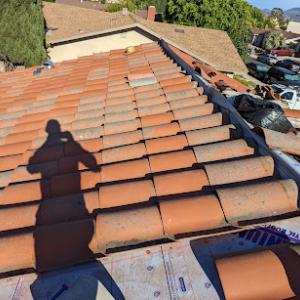
Clay and concrete tile dominate the skyline of many homes with Spanish-influenced or suburban tract designs perched on rolling inland terrain. The combination of sun-warmed rooftops and Santa Ana winds means that tile roofs here behave differently than in milder coastal climates. The heat stress accelerates aging of roofing components, and windy days can push tiles, ridge pieces, and even underlayment into earlier failure than expected. Understanding how these forces interact helps homeowners spot trouble earlier and plan more effective roof maintenance.
In many Vista homes, the real leaky culprit isn't the visible tile itself but what sits beneath it. Underlayment-often a felt or synthetic sheet-tends to age and degrade from constant sun exposure and heat cycling long before individual tiles crack or break. When the underlayment starts to fail, it can allow moisture to travel laterally under the tiles and into the deck system, producing hidden leaks that show up only after heavy rains. This pattern means that regular inspections of the underlayment and flashing are not a luxury but a practical necessity. Look for curl, blistering, or soft spots on the attic side after storms, and note any musty odors or dark stains along the interior ceiling lines near valleys, hips, and eaves.
Thermal expansion from seasonal heat fluctuations also stresses fasteners and metal components that secure tiles and underlayment. If fasteners corrode or loosen, tiles can shift with wind and heat, creating gaps that invite water intrusion during winter storms. A proactive homeowner sees signs of aging in the underlayment as an early warning, before the tiles themselves show obvious deterioration.
Ridge lines and exposed slopes are common in this area, and that exposure translates into more pronounced wind-driven movement of field tiles. In areas with ridgeline exposure or long, unobstructed slopes, tiles may creep, lift slightly, or shimmy during Santa Ana events. This movement is not merely cosmetic; it can stress the lath or substrate, compromise the fasteners, and loosen valley components, where debris tends to accumulate. Debris buildup in valleys is a frequent contributor to leaks, especially after storms that carry pine needles, leaves, and dust into the troughs. Regular clearing of ridges, valleys, and gutters becomes part of a seasonal routine, rather than a one-time fix, to keep water flowing safely off the roof.
Homes perched on sloped lots often experience more pronounced wind pressure on the roof plane. The higher the exposure, the more likely it is that even intact tiles will show hairline cracks or edge chips after a strong wind event. If a tile looks cracked or fractured on inspection, do not assume it is still structurally sound; the surrounding underlayment and lath may already be compromised, inviting a slow leak that only becomes evident after a heavy rain.
Clay and concrete tile offer durable, long-lived protection for sun-drenched inland settings. Clay tiles bring a traditional appearance with excellent color retention, while concrete tiles provide a wider range of profiles and often stronger impact resistance. Either choice benefits from a robust inspection cadence focused on the interface with roof penetrations, flashing, and valleys. Pay particular attention to tile alignment along ridges and hips; misalignment can create channels for water to travel beneath the surface, especially during winter storms when drips and penetrations tend to appear in less obvious places.
A practical maintenance plan centers on two actions: frequent visual checks after wind events and seasonal professional inspections that specifically evaluate the underlayment condition, flashing integrity, and valley metal. A trained eye can identify loose fasteners, displaced ridge components, or worn sealants before they culminate in a leak during the next rainfall.
Stay alert for unusual warmth or sunken warmth along roof sections that sit directly under attic spaces, as these can indicate moisture intrusion behind the tiles. At the attic access, look for damp insulation, dark staining, or a musty odor. In the field, note any tiles that appear uneven, cracked, or visibly shifted. If you see any of these signs, arrange a professional assessment promptly, focusing on the underlayment and ridge-line components, rather than simply replacing isolated tiles. Early intervention saves more extensive repairs later and keeps the rain out during the next winter storm season.
Find contractors who specialize in clay and concrete tile roofs, known for their durability and curb appeal.

Dils Roofing
(760) 727-6000 www.dilsroofing.com
2230 La Mirada Dr Ste A, Vista, California
4.9 from 176 reviews

The Roof Masters
(619) 943-1087 socalroofmasters.com
2304 La Mirada Dr, Vista, California
4.9 from 447 reviews

Atlas Roofing
(619) 793-3543 atlasroofingpro.com
259 Paseo Marguerita, Vista, California
5.0 from 59 reviews

Dils Roofing
(760) 727-6000 www.dilsroofing.com
2230 La Mirada Dr Ste A, Vista, California
4.9 from 176 reviews
Welcome to Dils Roofing in San Diego! 🛠️ The Dils family has been in the roofing business since 1940. In those early days, we used mules to tow kettles of hot tar! Now, 4 generations strong, Dils Roofing is a family business in the truest sense of the word. While the roofing industry has certainly changed since we first opened our doors in San Diego, our values have always stayed the same: honesty, integrity, and quality craftsmanship. We serve the following areas: Carlsbad, Vista, Chula Vista, Coronado, Del Mar, La Jolla, El Cajon, Encinitas, Escondido, Imperial Beach, La Mesa, Lemon Grove, National City, Oceanside, Poway, San Diego, San Marcos, Santee, and Solana Beach.

The Roof Masters
(619) 943-1087 socalroofmasters.com
2304 La Mirada Dr, Vista, California
4.9 from 447 reviews
The Roof Masters is a highly acclaimed and award-winning roofing contractor that has been providing exceptional service to San Diego and the surrounding communities for over a decade. Our unwavering commitment to trust, customer service, attention to detail, and open communication ensures that each customer receives a tailored and unparalleled experience. From our meticulous roof inspections to our transparent project management, we strive to exceed expectations and build lasting relationships with our clients.

Atlas Roofing
(619) 793-3543 atlasroofingpro.com
259 Paseo Marguerita, Vista, California
5.0 from 59 reviews
Atlas Roofing is a trusted roofing contractor serving San Diego County, providing top-quality services for both residential and commercial properties. Specializing in new roof installations, roof repairs, shingle roof installations and repairs, clay tile roof installations and repairs, as well as flat roof installations and repairs, we offer comprehensive solutions tailored to the needs of our clients anywhere in San Diego, La Jolla, Vista, Del Mar, Chula Vista. Our team of experienced roofing professionals is dedicated to delivering high-quality craftsmanship using durable materials, whether it’s for an asphalt shingle, clay tile, or flat roofing system like TPO, as well as roof sheathing service.

Schott Roofing & Construction
(760) 630-6450 www.schottroofing.com
729 Olive Ave, Vista, California
4.8 from 46 reviews
Schott Roofing provides residential, commercial and HOA roofing, gutter and other exterior and interior improvement and repair services throughout the San Diego County area. Call today or visit our website for a free estimate.

Santa Fe Roofing & Rain Gutters
(760) 630-9415 roofinginsandiego.org
2244 S Santa Fe Ave Suite B1, Vista, California
4.8 from 38 reviews
Santa Fe Roofing & Rain Gutters is a fully-licensed, bonded, and insured roofing contractor. Headquartered in Vista, CA we serve both residential and commercial customers in the city of San Diego and surrounding communities. A top-rated company since 1990, Santa Fe Roofing & Rain Gutters has over 5,000 satisfied customers. Our company has been independently rated Highest in Quality by passing all of the rating and credential verification steps: insurance, legal, financial status and state license requirements. Santa Fe Roofing & Rain Gutters is also a proud A+ member of the Better Business Bureau.
Pivotal Roofing
(760) 505-4445 www.pivotalroofing.com
218 El Valle Opulento, Vista, California
5.0 from 16 reviews
Transforming Roofs, Building Legacies Discover our family-owned roofing company that brings generations of expertise, exceptional craftsmanship, and unparalleled customer service. From repairs to installations, trust our passionate team to provide top-quality solutions that safeguard your home and elevate its curb appeal. Experience the difference of a roofing company with a heritage of excellence. Contact us today!

Barranco Roofing
(760) 454-6770 www.barrancoroofing.com
715 Maryland Dr, Vista, California
4.8 from 22 reviews
At Barranco Roofing in Vista, CA, we take pride in delivering exceptional roofing services. What sets us apart is the personal touch in our services. You’ll speak directly with the owner, ensuring that there’s no middle man. Our 15 years of experience in roofing services means that you can count on us for quality and reliability. Whether it’s residential or commercial, we have got you covered.

Roof Rite
(760) 295-6129 roofritesandiego.com
1216 Tower Dr, Vista, California
5.0 from 8 reviews
We provide the following services. Re-roofs, Leak Repairs, Tile Roofs Flat Roofs, Metal Roofs, Roof Coatings, Roof Restorations, Commercial Roofs, TPO Roof Systems, New Roofs, Roof Alterations and many other Roofing Services to the San Diego County Areas.
Roof King Roofing & Solar
(760) 941-5464 sandiegoroofking.com
450 W California Ave Ste 103, Vista, California
4.0 from 49 reviews
Roof King Roofing & Solar: Your Trusted Total Protection Solutions Company. With 100+ years of combined experience, we offer honest, high-quality workmanship for residential, commercial, and industrial projects. As a preferred provider for HOAs and property managers, we specialize in new roofs, repairs, and solar panel installations. Trust us for complete roofing and solar solutions that safeguard your property and secure your financial future. Save money with solar and shield yourself from rising energy costs today. Call TODAY for a FREE ESTIMATE. New Roofs Roof Replacement/Re-roofing Roof Repairs/Maintenance 24-hour emergency leak repair Rooftop/Ground-mounted solar installers Solar panel installation and inverter services
A & J Roofing
(760) 916-4142 www.aandjroofing.com
1338 N Melrose Dr Suite L, Vista, California
4.5 from 8 reviews
A & J Roofing, owned and operated by Jorge, brings over 30 years of experience to the roofing industry. As a family-owned business, A & J Roofing prides itself on providing high-quality and reliable services. Specializing in roof repair, leak repair, roof installation, re-roof installation, and roof replacement, they are dedicated to ensuring your home is protected and well-maintained. Their team combines expertise with a personal touch, treating every project as if it were their own home. Whether you need minor repairs or a complete roof overhaul, A & J Roofing delivers exceptional craftsmanship and customer satisfaction.
Osuna's Roofing Pros
(760) 213-7492 www.osunasroofingpros.com
344 W California Ave, Vista, California
4.5 from 8 reviews
WILL MATCH ANY QUOTE GIVEN OR EVEN MAKE IT BETTER GUARANTEED!!!! WE ARE NOW OFFERING SOLAR PANELS REMOVAL AND REINSTALLATION ALONG WITH ROOF REPLACEMENT !!! Osuna's Roofing Pros, is a proud family owned company, happily Serving all of San Diego County. At Osuna's Roofing Pros, we appreciate every and all of our costumers, we will always try to find the better deal for your roofing needs, looking to get you a quality, exceptional experience, so you have a peace of mind on what your roof is about.
Hidalgo Roofing
(760) 643-8118 www.hidalgoroofingca.com
Vista, California
5.0 from 3 reviews
Welcome to Hidalgo Roofing
For asphalt shingles, budgeting typically runs from about $350 to $650 per square. Clay tile reroofs sit higher, generally $800 to $1,500 per square, with concrete tile in between at roughly $600 to $1,100 per square. Metal roofing falls between $700 and $1,200 per square. Wood shingles or shakes tend to run $650 to $1,100 per square, and synthetic or composite shingles land around $550 to $950 per square. These numbers reflect the local market where tile-heavy reroofs are common and labor considerations drive the final tally.
Tile tear-off and reset complexity often pushes costs upward in this city, especially on larger, multi-story suburban lots. Access challenges on properties with grade changes-quite common here-can slow crews and require longer scaffolding setups or specialized equipment, adding several hundred to a few thousand dollars to the project depending on scope. Expect tile work to be more sensitive to crew availability and equipment access than typical shingle-only roofs.
Summers bring heat that can slow labor or shorten daily productivity, while winter rain can pause work and complicate material handling. Scheduling around peak heat or storm windows isn't just about comfort; it can affect crew availability and the pace of material delivery, which in turn influences total cost and timeline. If a reroof has to be staged to avoid the worst heat or to accommodate rainy-season breaks, think in terms of a few extra days or weeks on the schedule and a modest bump to contingency funds.
On many Vista homes, grade changes and tight access drive the need for careful staging of materials and debris containment. This can lead to higher setup and mobilization costs, particularly for tile or metal systems that require heavier lifts or longer equipment runs. If the house is a larger, multi-level design, crews may assign more manpower or use specialty equipment, which translates to higher labor portion of the bid. Keep in mind that teardown or removal of old tile, when required, adds a distinct premium versus overlay-style reroofs.
Clay tile's durability suits our dry, sun-filled days but demands careful installation and precise underlayment to prevent leaks in the winter rains. Concrete tile offers similar benefits with slightly different weights and installation tolerances. For lower upfront costs and quicker installs, asphalt shingles can be compelling, but may require more frequent maintenance given the region's sun exposure. If a long-term look with high thermal performance is desired, metal or synthetic options provide a balance of energy efficiency and wind resistance.
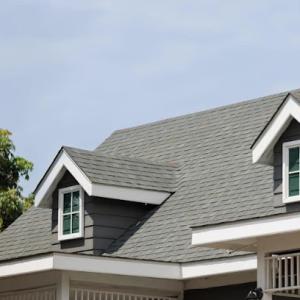
The most popular roofing material in the US. Find pros who install, repair, and replace asphalt shingles.
Atlas Roofing
(619) 793-3543 atlasroofingpro.com
259 Paseo Marguerita, Vista, California
5.0 from 59 reviews

A reroof in Vista typically requires a building permit from the City of Vista rather than being treated as informal maintenance. Because the city blends inland heat, Santa Ana wind exposure, and a large stock of tile roofs, the permit process helps ensure the reroof addresses ventilation, flashing transitions, and proper attic sequencing. The process starts with plan review, where basic roof layout, tile or shingle type, underlayment, and attic ventilation are evaluated for compatibility with local climate realities. After approval, a permit is issued and the work can begin under the city's code-compliant framework. The ongoing inspection cadence is designed to verify workmanship quality and that each stage meets applicable standards.
During plan review, you'll submit drawings or details showing roof substrate conditions, existing penetrations, and drainage considerations. The plan review also covers roof edge protection, wind load considerations for Santa Ana seasons, and flashing details around chimneys, vents, and skylights. The permit issuance signals the city's confidence that the chosen materials and installation方法 align with Vista's climate profile and housing stock, including tile-heavy configurations common to the area. Expect to address any energy-related documentation tied to Title 24, which may influence material choices and sealant selections.
Scheduled inspections occur at key milestones: after rough-in underlayment, after tile or shingle installation, and at final completion. Inspections verify that underlayment is continuous and secured, tile or shingle installation follows manufacturer guidelines, and flashing at walls and penetrations is integrated with proper sealants and drainage accessories. A final inspection confirms that the reroof is complete, code-compliant, and ready for occupancy or use. Given Vista's exposure to heat waves and wind events, inspectors pay particular attention to secure fastenings, wind uplift measures, and the integrity of ridge and hip lines to minimize seasonal leaks.
Reroof work must meet local code requirements and any applicable Title 24 energy standards. This can affect material selection (for example, underlayment choices and radiant barriers) and documentation, including weather-resistant details, warranty paperwork, and energy efficiency declarations. Keeping a clear file of the permit, plan review approvals, and inspection stamps simplifies any future maintenance or repairs. When planning the schedule, consider how Santa Ana wind events or winter rains might influence staging and inspection timing, coordinating with the permit office to avoid delays.
In Vista, standard homeowners coverage remains available, but premiums can shift based on roof age, material type, and prior claims history. The climate-hot inland days, Santa Ana winds, and winter rain-keeps the emphasis on roof condition high, and that reality shows up quickly in underwriting conversations. If a roof is nearing the end of its expected life or uses heavier tile than a typical shingle setup, expect insurers to scrutinize the risk more closely. Understanding this dynamic early can save surprises when a claim is needed or when a renewal comes around.
Insurers in this region may ask homeowners for documentation showing the roof's age and current condition before underwriting or after a loss. That means having a clear, recent assessment ready-notes from a licensed roofer, the date of installation or reroofing, and a description of visible wear. For tile-heavy reroofs, the details matter: the integrity of tiles, underlayment condition, and the state of flashing and hips can influence both coverage decisions and claim outcomes. If a leak occurs during heavy Santa Ana winds or after a winter rain event, the insurer may request photos or professional evaluations to verify the cause and assess fault.
Wind and hail mitigation features can matter in underwriting and claim handling, so homeowners should anticipate how these elements play into the policy. In practice, that means documenting protective details like reinforced fasteners, wind-rated underlayment, and properly sealed penetrations. Keeping a robust file of inspection photos, invoices for repairs or upgrades, and any permit records after reroofing helps demonstrate a proactive approach to risk reduction. This is particularly important for the tile stock common in the area, where proper installation and maintenance can translate into more favorable claim handling, should wind-driven debris or hail occur.
After a reroof, assemble a living record: current photos taken from multiple angles, receipts for materials and labor, and notes on any warranty coverage. Store these alongside your insurer's preferred documents so that, if the need arises, the history clearly shows the roof's age, last major work, and the conditions it's been exposed to-from sun-drenched summer days to seasonal leaks. Consistency in record-keeping reduces ambiguity during underwriting and helps protect you if a claim must be filed weeks or years later. This careful documentation is a practical shield against unexpected premium shifts and claim delays.
Connect with contractors who help homeowners navigate the claims process from damage assessment to final approval.
Roof King Roofing & Solar
(760) 941-5464 sandiegoroofking.com
450 W California Ave Ste 103, Vista, California
4.0 from 49 reviews
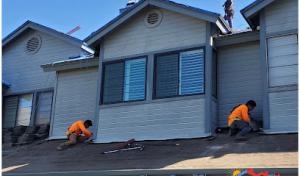
In this inland climate, solar arrays are a common reroof coordination issue. When existing panels must be detached and reset, you face extra weight, potential frame damage, and the risk of overexposing roof penetrations. Plan for panels to be removed during the work window and reinstalled only after the underlayment is inspected or replaced. On tile-heavy homes, the mounting system choice matters: stand-off hardware that minimizes tile cutting helps keep tiles intact, but still requires precise layout to avoid wind uplift around Santa Ana fronts. Communication with the installer and the reroof crew is essential to sequence, so the panel contractor is ready to reattach once the deck is clean and secure. Expect more careful seasonal timing in fall and winter when temporary leaks can emerge during panel handling, and schedule the process when the roof is dry and accessible from both the eaves and the ridge.
Skylight work in this market is a meaningful specialty. Leaks around skylight flashings are a common homeowner concern, and the curb details must accommodate seasonal rain while resisting heat-driven expansion. When reroofing, verify that the curb flashing is mechanically tied to the new underlayment and that counter-flashing is properly lapped with any adjacent roof penetrations. For tile roofs, ensure the skylight opening is trimmed to minimize tile cutting, and use flexible sealants rated for high heat to bridge between the curb and flashing. Where possible, consider solar-compatible skylights or vented units that reduce heat gain and moisture buildup, but avoid forcing a retrofit that compromises tile integrity.
On tile-heavy homes, integrating solar mounts and skylight flashing without damaging surrounding tiles requires careful planning that differs from simple asphalt reroofs. Map every tile layout before touching the roof: identify high-risk tile clusters, preserve ridge tiles where feasible, and choose mounting hardware that distributes load without cracking surrounding ceramics. Maintain a redundant seal path around curbs and mounts, and confirm that the roof deck underlayment is fully compatible with both the tiles and the penetrations. Finally, coordinate a meticulous inspection after the work to verify that all flashing, seals, and tile edges remain wind-tight and water-tight through the next Santa Ana season and winter rains.
Find contractors who integrate solar panels or solar shingles into your roof for long-term energy savings.
Dils Roofing
(760) 727-6000 www.dilsroofing.com
2230 La Mirada Dr Ste A, Vista, California
4.9 from 176 reviews
The Roof Masters
(619) 943-1087 socalroofmasters.com
2304 La Mirada Dr, Vista, California
4.9 from 447 reviews
Roof King Roofing & Solar
(760) 941-5464 sandiegoroofking.com
450 W California Ave Ste 103, Vista, California
4.0 from 49 reviews
Although the local mix is strongly pitched and tile-oriented, the contractor market shows a meaningful flat-roof segment tied to additions, patio covers, and some commercial or mixed-use structures. When considering a flat or low-slope system, focus on detailing that accommodates expansion and movement, since additions often bring diverse substrate conditions. In this area, it is common to encounter membrane or coated systems atop existing decks or sunrooms, sometimes with a visible transition to tile or shingle roofs. A practical approach is to ensure flashing transitions are layered and sealed where flat sections meet vertical surfaces, and to specify increased slope at key channel points to promote proper shedding of moisture.
Winter rain in this inland climate makes drainage and ponding management important on low-slope sections even when the main house roof is tile or shingles. Insist on a clearly defined deck drainage plan, with both positive drainage away from living areas and redundancy for heavy rain events. Regular inspections should target scuppers, drains, and perimeter scuppers for clogs, especially around patio covers where debris tends to accumulate. Consider a built-in slope or a micro-hip setup on low-slope patios to help water move toward drainage endpoints, and ensure penetration details through parapets are double-checked for watertight continuity. In addition, plan for seasonal maintenance that prioritizes clearing leaf litter and silt that can compromise membranes over the winter.
Roof coating appears as an active local specialty, suggesting restoration of aging low-slope surfaces is a practical option homeowners encounter in this market. When evaluating coatings, look for products with elastomeric properties and UV resistance that can bridge minor substrate cracking without requiring full tear-off. Surface prep is critical: clean, dry, and sound substrates perform best, and recoat cycles should be scheduled around the wet season. For patios and additions, coatings can extend life and improve reflectivity, reducing heat gain on exposed, sun-drenched surfaces. A prudent coating plan includes a clear maintenance interval and a testing protocol to verify compatibility with existing materials and flashings.
Find specialists in TPO, EPDM, and built-up flat roofing systems for residential and commercial properties.
Dils Roofing
(760) 727-6000 www.dilsroofing.com
2230 La Mirada Dr Ste A, Vista, California
4.9 from 176 reviews
Atlas Roofing
(619) 793-3543 atlasroofingpro.com
259 Paseo Marguerita, Vista, California
5.0 from 59 reviews

Santa Fe Roofing & Rain Gutters
(760) 630-9415 roofinginsandiego.org
2244 S Santa Fe Ave Suite B1, Vista, California
4.8 from 38 reviews
Wood shingles and shakes exist in Vista's material mix but are far less prevalent than tile, asphalt, and metal, making specialist availability more limited. If you're drawn to the natural look, plan for a longer supply chain for materials and a few more scheduling considerations for maintenance. Wood reacts strongly to the area's strong sun and Santa Ana winds, so expect faster surface checks for splits, cupping, or surface weathering after the hottest months. In mixed roofs, compatible underlayment and flashing become especially critical where shakes abut more common materials. Routine clearance around vent flashing and chimney collars is vital to prevent infiltration, and you'll want a trusted contractor who understands how to seal the finer grain edges without compromising ventilation. For roofs with exposed tile neighbors, ensure the shake installation transitions smoothly to avoid creating micro-leaks at joints created by slope changes or valley intersections.
Synthetic and composite shingles occupy a middle ground in Vista for homeowners who want a different look without the full weight or cost profile of traditional tile. These products often deliver good impact resistance and color stability, which matters for the sun-soaked walls and long summer days. When compared with natural wood or clay, composites can be more forgiving in the wind-driven season, yet wind uplift and older deck conditions still require careful assessment. Look for products with proven weathering performance in hot, dry climates and check that warranty terms cover long-term exposure to wind and rainfall. The trade-off to consider is how the material ages under repeated heating and cooling, as well as how it trims and integrates with other roof types on a multi-material home.
Because Vista's climate combines strong sun exposure with seasonal wind and rain, homeowners comparing these niche materials need to focus on long-term weathering and replacement logistics rather than appearance alone. Wood and composite options can shift more quickly from "nicely aged" to "needs attention" if a roof cycle is interrupted by a Santa Ana wind storm or a sudden, heavier rain event. Plan for access needs, potential patching, and the availability of qualified installers who understand how these materials behave on Vista's characteristic rooflines. In the end, a well-timed seasonal inspection aligned with wind and rain cycles helps minimize leaks and maximize the life of any non-tile option.
Connect with specialists in the installation and restoration of natural cedar shake and shingle roofs.