
Last updated: Apr 19, 2026
Escondido's inland Mediterranean climate runs hotter than the immediate coast, so roofs see stronger heat loading and faster sun-related aging than many nearby coastal communities. That intensified heat accelerates the breakdown of roofing materials, especially asphalt shingles and any unpainted substrates. If your roof is already approaching its middle age, the next hot season can push aging materials into failure modes sooner than you expect. Plan projects to align with a cooler, more predictable period rather than chasing the calendar of a mild winter. In practical terms, you should angle your schedule to complete full tear-offs and replacements before peak heat sets in, and you should select materials with proven heat resistance for this climate. If you already have a tile or composite roof, assess the UV exposure impact on color degradation and backing or underlayment that can become brittle after years of sun.
Santa Ana wind events are a real fall roofing concern in Escondido, creating uplift risk on shingles and making tear-off and installation scheduling more difficult. High wind days can complicate not only the removal of old roofing but also the installation of new layers, especially where long run lines and edge work are involved. The combination of strong gusts and inland heat means fast-drying underlayment and flashing can become stressed during a windy installation window. When planning a replacement, avoid starting right before expected Santa Ana conditions and build in contingencies for wind delays. If a re-roof is underway and a wind event is forecast, secure loose materials and ensure temporary weather protection to prevent damage from blow-off or wind-driven debris. In practice, that means tighter nailing patterns for shingles or tiles and careful sequencing of layers to minimize exposed roof sections during vulnerable weather periods.
Winter rain risk is concentrated roughly from November through February, so many homeowners try to complete full re-roofs before that wetter window begins. The goal is to finish a complete tear-off and installation prior to the first significant rains, reducing the chance of leaks during the critical curing or adhesively bonded phases. If a project must extend into late fall or early winter, build in a buffer for weather days and ensure the chosen roofing system has reliable water resistance during the interim. For clay and concrete tile, this means coordinating underlayment and setting times so that any adhesive components can cure before rain exposure. For asphalt or synthetic options, confirm that sealants, through-fastening schedules, and edge detailing are all complete before the rain risk rises. In practice, set your target mid-fall completion window, and monitor long-range forecasts to adjust the schedule if a heavier Santa Ana or an earlier-than-expected cool spell shifts conditions.
Start with a weather-aware plan that prioritizes material compatibility with heat and UV exposure, then align sequencing to avoid peak wind days. If you own a tile-heavy or solar-equipped roof, this is especially important: tiles can tolerate heat but need precise nailing and careful edge work in windy conditions. For asphalt or synthetic shingles, confirm that venting, fascia integrity, and underlayment protection are secured before any hot season or wind event. Finally, keep a contingency fund of a few days for unexpected Santa Ana spikes, since those only need a few hours to disrupt an otherwise straightforward tear-off and installation. This pragmatic approach helps ensure your roof behaves well through Escondido's distinctive heat, UV, and wind cycle.
Clay and concrete tile are dominant in this area, matching the Mediterranean and Spanish-influenced suburban homes that define many Escondido neighborhoods. That tile profile means your roof sits atop a mass of material with a long memory for heat and sun, and it shapes every maintenance step you take. When you walk the streets, you'll see the uniform roofs driving the look and the performance expectations you should set for longevity and replacement timing.
In hot inland conditions, the tile itself can outlive the underlayment beneath it. That means you may face lift-and-reset work-peeling back the tiles, replacing underlayment, and re-setting everything-before the tiles themselves reach the end of their decorative life. Plan for periodic underlayment checks even when the tile looks sound from the ground. If you notice secret leaks or staining inside the attic after a heavy rain, the culprit is often a tired underlayment rather than a cracked tile, and that underlayment replacement becomes a larger, more noticeable project than simple tile replacement.
Spring and fall bring more pronounced temperature swings, and those shifts trigger expansion and contraction in tile. Over time, this movement can contribute to cracked tiles and movement at vulnerable details such as roof-to-wall transitions, vents, and skylines. If you see cracked or popped tiles after a sudden morning cool-down or a hot afternoon, address the pattern early. Target the problem areas first-ridge lines, hips, and any tile-over-tab details that sit near metal flashing. Keeping a careful eye on these joints helps prevent water intrusion and further tile breakage.
Begin with a seasonal inspection routine that aligns with the climate. After the winter rains, walk the roof with binoculars or a sturdy ladder to look for cracked or displaced tiles, especially along ridges and near vent stacks. In early summer, check for places where heat-related dark staining or surface degradation shows up on the underlayment or flashing. For homes with solar equipment, ensure that any installation penetrations, hooks, or rafter attachments are well sealed and that shifting panels aren't transferring load onto vulnerable tile edges.
Your goal is to prevent small problems from becoming large ones under a heavy sun and wind regime. Keep a log of any tile repairs and note whether replacement panels or flashing were involved. If underlayment or flashing shows signs of wear, treat it promptly rather than waiting for a tile failure to reveal the issue. A proactive approach keeps the exterior envelope tighter against Santa Ana winds and the UV-heavy days that define the climate here.
Find contractors who specialize in clay and concrete tile roofs, known for their durability and curb appeal.
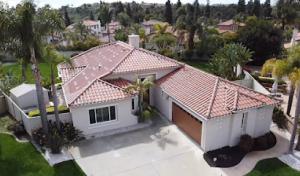
Zenith Roofing Services
(858) 900-6163 zenithroofingservices.com
970 W Valley Pkwy #458, Escondido, California
4.9 from 52 reviews
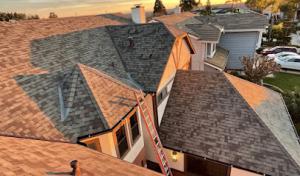
Titan Roofing Escondido
(619) 391-4202 titanroofingsd.com
774 W 15th Ave, Escondido, California
5.0 from 22 reviews
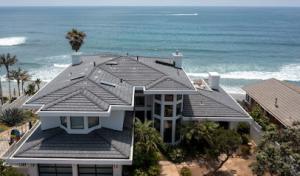
Bob Piva Roofing
(760) 745-4700 www.bobpivaroofing.com
1192 Industrial Ave, Escondido, California
4.6 from 98 reviews
Roof Pros Roofing & General Construction
2225 Barham Dr # A, Escondido, California
5.0 from 33 reviews
At Roof Pros, we specialize in high-quality roofing and general construction services tailored to meet the unique needs of our clients. With years of experience in the industry, our skilled team is dedicated to providing exceptional craftsmanship and unparalleled customer service.
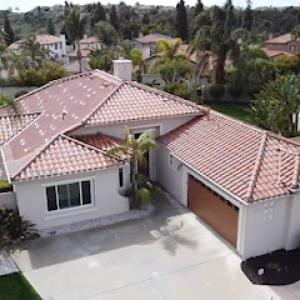
Zenith Roofing Services
(858) 900-6163 zenithroofingservices.com
970 W Valley Pkwy #458, Escondido, California
4.9 from 52 reviews
We take great pride in our work and prioritize extreme professionalism, timeliness, and superior customer service on every job. We strive to develop lasting relationships with all of our customers by getting the job done so well, the next time roofing service is needed, there is is no question who to call.
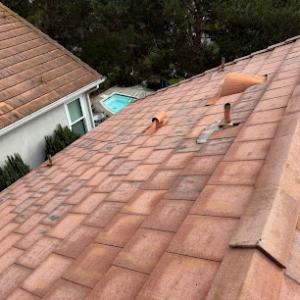
Millennium Roofing
(760) 658-3908 roofingcontractorsandiego.com
546 E El Norte Pkwy, Escondido, California
4.9 from 39 reviews
Millennium Roofing is your go-to choice for affordable residential roofing contractors in San Diego, providing high-quality roofing solutions that ensure durability and protection. Whether you need a new installation or a replacement, our expert team delivers exceptional craftsmanship at competitive prices. We offer commercial roofing installation services in San Diego County, Carlsbad, Vista, Poway, Del Mar, and National City, specializing in a variety of materials to suit different property needs. From flat roofs to traditional shingles, we ensure long-lasting, weather-resistant solutions tailored to your building. If your roof needs repairs, trust the best roof repair company near me in San Diego to handle leaks, storm damage, and gen...
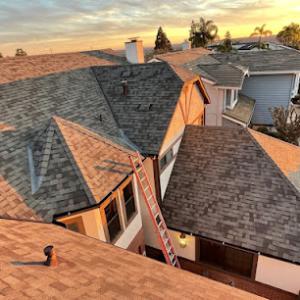
Titan Roofing Escondido
(619) 391-4202 titanroofingsd.com
774 W 15th Ave, Escondido, California
5.0 from 22 reviews
Titan Roofing Escondido is a trusted roofing company offering high-quality services for residential and commercial properties. Specializing in roof repairs, installations, and maintenance, their team ensures long-lasting results with professional craftsmanship. They work with various roofing materials, including asphalt shingles, tile, and metal roofing, to suit each client’s needs and preferences. Known for their attention to detail and excellent customer service, Titan Roofing Escondido provides free estimates and ensures timely project completion. Whether dealing with leaks, storm damage, or roof replacement, their expert team delivers reliable solutions to maintain the integrity and safety of your roof.
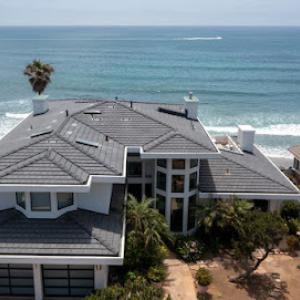
Bob Piva Roofing
(760) 745-4700 www.bobpivaroofing.com
1192 Industrial Ave, Escondido, California
4.6 from 98 reviews
Established in 1963, Bob Piva Roofing is a trusted, full-service contractor serving Escondido and North County. With a legacy spanning over six decades, our team provides expert residential and commercial roofing solutions, including installations, repairs, and replacements. We specialize in using top-quality materials that are proven to endure Southern California’s unique climate. As a local business, we are committed to delivering superior craftsmanship and reliability, ensuring your roofing project is completed with the highest standards of excellence.
Alfredo's Roofing
(760) 705-7483 www.alfredos-roofing.com
739 E Pennsylvania Ave Ste A, Escondido, California
4.7 from 19 reviews
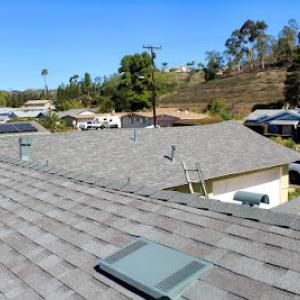
Alfredo’s Roofing provides roofing services to both residential and commercial buildings. Family owned; we take pride in providing experienced services for all new construction and existing roof installation or repair projects.
Vulcan Roofing
(760) 740-5012 vulcanroofs.com
305 Enterprise St #1, Escondido, California
5.0 from 10 reviews
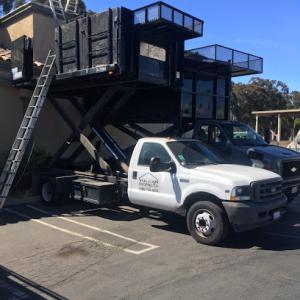
We are a local roofing contractor serving San Diego County homeowners and businesses. Specialize in new roof installations, roof repairs, re-roofs, and thorough roof inspections for residential and commercial properties. With over 35 years of experience, we work with all roof types, including flat, metal, tile, and shingle roofs. We are fully licensed and insured, committed to providing quality roofing services our clients can always rely on.

North County Premier Roofing Escondido
(760) 437-6996 www.premierroofinc.com
970 W Valley Pkwy Suite 715, Escondido, California
5.0 from 8 reviews
North County Premier Roofing, your trusted partner for all your roofing needs in San Diego County and the surrounding North County areas. With years of experience in the roofing industry, we’ve built a reputation for providing top-notch roofing services, exceptional customer care, and reliable craftsmanship that stands the test of time. We don't just focus on the roof installation, our company holds a Roofing and General Contractor License with the Contractors State License Board and have over 30+ years of experience. North County Premier Roofing can handle the structural repair or modification of any roof and anything under a roof related to the construction industry with a proven track record.

Polly's Roofing Removal
(760) 212-0451 pollysroofing.com
1362 Birch Ave, Escondido, California
5.0 from 7 reviews
Tear-offs New roofs. Re-roofs. Repairs We specialize in composition shingles, tile, and torch down roofing. Residential and commercial. License and Bonded
New Generation Roof Systems
251 N Vinewood St STE C, Escondido, California
5.0 from 6 reviews
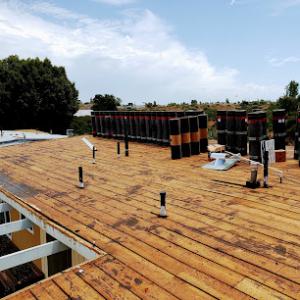
A locally owned and operated company providing quality services to local and surrounding areas. We pride ourselves on customer service, satisfaction is always guaranteed. Call today to see what we can do for you!

Escondido Roofing
1050 Rock Springs Rd, Escondido, California
5.0 from 5 reviews
ESCONDIDO ROOFING is a recognized contractor in Escondido, specializing in skylight repair, as well as clay tile and concrete roofing solutions. With years of experience in the industry, our team is equipped to handle all aspects of roofing, ensuring durability and functionality. We focus on providing reliable services that protect your home and enhance its aesthetic appeal, all while ensuring the structural integrity of your roof. As a dedicated roofing contractor in Escondido, ESCONDIDO ROOFING commits to delivering quality craftsmanship on every project. Our experts are proficient in the latest roofing techniques and materials. Get in touch and let us keep your roof in top condition year-round.
GCi Roofing
1157 W Mission Ave #461451, Escondido, California
5.0 from 2 reviews
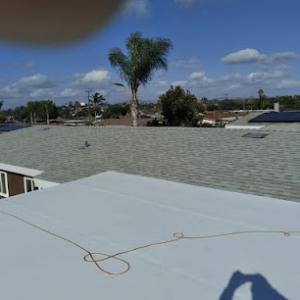
GCi specializes in custom homes and residential re-roofs. We install a variety of roof types, including asphalt shingles, tile roofs, flat roofs, standing seam metal and commercial roof coatings. We’re happy and proud to serve San Diego, Orange and Riverside Counties. And it should go without saying, we’re bonded and insured. Trustworthiness & Quality I grew up in Southern California and love this region and the families that make it boom. I’m proud to say I’ve worked in the roofing industry for more than 20 years on both the manufacturers and contracting side. As a result, I know what people want: trustworthiness and quality. The two go hand in hand. That’s why we operate by our motto: Best is Better.
Asphalt shingles remain the most common choice for many Escondido homes, especially in neighborhoods with mixed stock. The heat, UV exposure, and Santa Ana winds can accelerate aging, so you may see a shorter life expectancy than the national average. Local cost ranges run from about 400 to 800 USD per square for asphalt shingles. When you're comparing bids, confirm whether the estimate includes a full tear-off or a cap-over, and whether any underlayment replacement is needed after years of heat cycling. In stubborn cases, a simple tear-off might cost more if decking shows signs of weathering.
Tile roofs-both clay and concrete-are widespread in the area and weather the inland heat differently than asphalt. Older tile roofs often need underlayment replacement or tile removal and reset, which can push costs higher than a straightforward shingle job. In Escondido, costs for clay tile range from 900 to 1800 USD per square, while concrete tile runs roughly 700 to 1400 USD per square. The higher end tends to show up when fasteners, ridge lines, or matching existing profiles require more labor or when a roof needs rework to maintain the aesthetic curb appeal that tile homes commonly feature. Expect longer project timelines in windy seasons, especially after Santa Ana events.
Wood shingle or shake replacements are less common but still present on certain older or architecturally distinct homes. They perform poorly under persistent sun and wind stress without regular maintenance. Costs span from 900 to 1800 USD per square, depending on timber quality, underlayment needs, and the complexity of detailing around chimneys and vents. If a re-roof involves reworking soffits or venting to accommodate new layers, the price rises accordingly. Be mindful that wood finishes may demand more frequent maintenance to resist UV degradation and heat exposure.
Metal roofing offers strong resistance to wind and heat, which suits the Santa Ana-prone interior climate. Synthetic or composite shingles deliver a balance between look and durability in hot, sunny conditions. Local price ranges sit at 700 to 1300 USD per square for metal and 600 to 1200 USD per square for synthetic options. If a retrofit includes solar integration on pitched surfaces, expect coordination costs and potential adjustments to the panel layout that can influence the final bid.
Costs in Escondido often rise when older tile roofs need underlayment replacement and tile removal/reset rather than a straightforward shingle tear-off. Project pricing can also move with permit requirements, solar coordination on roof-mounted systems, and weather-driven demand spikes after winter leaks or wind events. When evaluating bids, look beyond the headline per-square price and weigh the scope of work, expected lifespans, and the compatibility with existing roof geometry and any solar equipment already in place. This city-specific mix-heat, UV, and wind-tavors choices that maximize durability and minimize maintenance cycles, even if the upfront cost is modestly higher.
The most popular roofing material in the US. Find pros who install, repair, and replace asphalt shingles.
Zenith Roofing Services
(858) 900-6163 zenithroofingservices.com
970 W Valley Pkwy #458, Escondido, California
4.9 from 52 reviews
Titan Roofing Escondido
(619) 391-4202 titanroofingsd.com
774 W 15th Ave, Escondido, California
5.0 from 22 reviews
Alfredo's Roofing
(760) 705-7483 www.alfredos-roofing.com
739 E Pennsylvania Ave Ste A, Escondido, California
4.7 from 19 reviews
Escondido's sunny inland setting makes solar common enough that roof replacement planning often has to account for panel removal and reinstallation. The heat and UV accelerate wear on roofing underlays and penetrations, so coordinating solar work with a roof replacement helps avoid rework and delays. When planning, think about how a panel layout affects the timing of stripping debris, protecting exposed flashing, and resealing at penetrations.
On tile-heavy homes, solar coordination can be more complex because contractors may need to protect or replace brittle field tiles and flash penetrations carefully during the project. Before any order is placed, confirm which tiles are considered field tiles versus flashing components, and ensure the roofer and solar contractor agree on a plan to remove and reinstall or replace tiles without cracking. If a tile is cracked or loose, address it during the roof work to prevent later leaks around the racking system.
Homeowners in Escondido often need roofing and solar scopes aligned before permit and scheduling decisions to avoid duplicate labor and delays. Start with a joint scope that lists panel dimensions, mounting hardware, and any required roof surface enhancements. Ensure everyone agrees on the sequence: panel removal, roof work, panel reinstallation, and final commissioning. A clear sequence reduces back-and-forth and keeps the project on track through hot-season scheduling.
During replacement, insist on protective measures for all mounted hardware and penetrations. Use temporary shielding to guard against wind-driven dust and UV exposure on new underlayment, and verify that flashings around racking are compatible with the chosen roof surface. After installation, test penetrations for leaks and confirm that the solar system wiring and roof penetrations maintain water integrity. Finally, document panel reinstallation conditions so future roof work can be planned without repeating labor.
Find contractors who integrate solar panels or solar shingles into your roof for long-term energy savings.
Zenith Roofing Services
(858) 900-6163 zenithroofingservices.com
970 W Valley Pkwy #458, Escondido, California
4.9 from 52 reviews

A residential full re-roof in Escondido typically requires a building permit through the City before work proceeds. This isn't a formality to rush through; the permit ties your project to structural and code compliance, which matters on days with Santa Ana winds or heat spikes that can stress roof systems. Understanding that process ahead of time helps you coordinate timelines with your contractor and your own schedule, especially when the replacement is driven by heat, UV exposure, or wind-driven wear.
The City generally reviews the permit application and then requires inspections at stages such as underlayment installation and the final roof finish. Your contractor usually handles the submission, but you should confirm who will pull the permit and who will be the point of contact for any addenda or corrective work the plan review might require. Expect a review period that reflects the local climate realities-heat-accelerated aging and wind exposure are factors the plan reviewers may consider when approving underlayment choices, attic ventilation, and tile or shingle fastening methods. Keep in mind that any changes to the scope once the permit is issued may trigger amendments and additional fees or re-approval.
Inspections are not a single, one-and-done event; they occur at defined stages to verify safety and weatherproofing. Typical checkpoints include an underlayment inspection to ensure waterproofing before tile or shingle installation proceeds, a mid-installation check on fasteners, underlayment seams, roof penetrations, and proper hip-and-ridge detailing, followed by a final inspection once the roof is complete and all penetrations are sealed. In this climate, inspectors will verify that synthetic or mineral underlayment meets local wind resistance and that venting and attic insulation are compatible with the chosen roofing system. A successful final inspection confirms the roof passes fire, wind, and waterproofing standards required by the city.
Because Escondido has a formal city permit and inspection process for re-roofs, homeowners should expect scheduling around municipal review rather than treating a full replacement as a same-day contractor-only decision. Ask your contractor for a realistic timeline that accounts for permit processing, any required plan corrections, and the window for weather. If a plan review requests changes, address them promptly to avoid delays during the hot season when UV exposure can accelerate hidden wear. Keep in close touch with the permit clerk and your inspector so you know exactly when to plan installation crew access, scaffolding, and material deliveries.
Ensure your contractor provides the city with all required documentation, including structural notes for the replacement system, material specifications, and any wind-rated or seismic considerations relevant to the local climate. After the final inspection, keep a copy of the permit record and inspection approvals for your files, as they may be needed for future inquiries, add-ons, or insurance.
Escondido homeowners face California's broader insurer pullback in wildfire-prone areas, and that shift has real consequences for how roofs are evaluated during underwriting. When carriers tighten in hot, UV-intense summers and Santa Ana wind events, the age and condition of a roof can become a deciding factor, not just a cosmetic concern. The message from underwriters is plain: older roofs or materials they regard as higher risk can limit coverage or raise scrutiny, even if the roof is still intact.
In this market, carriers may request roof-age documentation, detailed photos, and notes on upgrades, particularly for older roofs or materials flagged as higher risk. Prepare a concise record: a dated roof appraisal, replacement history, and any improvements like decking upgrades or underlayment changes. Clear, labeled photos that show overall condition, flashings, valleys, and any repairs help preempt questions. Having these ready before a policy review can streamline the process and reduce back-and-forth with the insurer.
For claims tied to wind or rain intrusion, detailed project records pay off. Adjusters may ask for photos, scope details, and proof of prior roof condition to separate preexisting wear from new damage. In Escondido's climate, where persistent sun and quick onset storms can stress fasteners, keeping a running record of roof health matters-especially after hail events or strong winds-can support a smoother claims flow.
Keep a centralized folder with recent roof-related documents, including previous inspection reports and any upgrades. When talking to your insurer, frame your roof as a living system: describe material choices, maintenance history, and vulnerabilities specific to local conditions, such as UV degradation or wind exposure. A proactive, well-documented approach reduces surprises during underwriting and helps protect your coverage when storms or wind events test the roof's integrity.
Connect with contractors who help homeowners navigate the claims process from damage assessment to final approval.
Zenith Roofing Services
(858) 900-6163 zenithroofingservices.com
970 W Valley Pkwy #458, Escondido, California
4.9 from 52 reviews

North County Premier Roofing Escondido
(760) 437-6996 www.premierroofinc.com
970 W Valley Pkwy Suite 715, Escondido, California
5.0 from 8 reviews

Even in a tile-dominant city like Escondido, local contractor activity shows meaningful demand for skylight repair and flat or low-slope roofing work. In the winter rain season, weak points at skylight flashings become exposed, often where leaks originate at the intersection of curb-mounted or deck-mounted skylights and the surrounding roof plane. Look for hairline cracks in sealant, loose curb bolts, and gaps where the skylight base meets the roof deck. If a skylight sits near an older metal transition strip or a boundary where a tile roof meets a flat section, anticipate water tracking along the flashing and pooling at hips or ridges. A practical check is to run a careful water test along the skylight perimeter after a rain or with a controlled hose, focusing on the interior attic area and ceiling spots near the skylight.
Escondido's wind exposure and heat stress mean low-slope or flat areas adjacent to the main field roof often age faster than the steep-slope sections. Pay attention to the transitions where a patio roof, balcony cover, or sunroom addition meets the primary roof. These areas are more prone to membrane or flashing failures, especially if the sealant joints were originally installed with a modest slope or if debris has degraded the edge metal. On a typical home, the shallow sections may not shed water as efficiently as the steep planes, so check for algae staining, blistering, and seam lifting. If a low-slope surface uses a bitumen or single-pply membrane, inspect for punctures or fish-mouth seams that can allow shallow leaks to run under neighboring tiles.
Homes with mixed rooflines require a targeted approach that accounts for both the steep-slope field roofing and the lower-slope areas. When planning repairs, consider reusing compatible flashing assemblies that bridge the two pitches without creating a hard edge where water can wick. If a skylight or low-slope area has had repeated leaks, prioritize flashing replacement or retrofits with higher-quality sealants and gasketed penetrations. In blends of tile and flat surfaces, ensure the flashing transitions are continuous and that surface drainage remains unblocked by debris or plant material, especially after the rainy season begins.
Schedule an inspection after the winter rains and again after a hot season when UV exposure is high. Inspect skylight seals, curb alignments, and the outer edge of any low-slope membrane for blisters, hardening, or loss of adhesion. For areas with mixed roofing, a professional should verify that any prior repairs did not create new high spots or shadow lines that channel water toward vulnerable joints. Regular attention to these spots reduces the chance of concealed damage and extended repair cycles.
Find contractors experienced in skylight installation, flashing, and leak repairs to bring natural light into your home.
Zenith Roofing Services
(858) 900-6163 zenithroofingservices.com
970 W Valley Pkwy #458, Escondido, California
4.9 from 52 reviews
Titan Roofing Escondido
(619) 391-4202 titanroofingsd.com
774 W 15th Ave, Escondido, California
5.0 from 22 reviews
Bob Piva Roofing
(760) 745-4700 www.bobpivaroofing.com
1192 Industrial Ave, Escondido, California
4.6 from 98 reviews