
Last updated: Apr 19, 2026
Camarillo's Mediterranean climate means long, dry summers and milder, wetter winters. Reroof projects tend to go smoother when the weather is reliably dry and mild, so planning for spring or fall work minimizes exposure to peak winter rain periods. Scheduling a tear-off and roof replacement in those shoulder seasons helps crews finish before the worst Santa Ana wind events and winter storms, reducing the risk of moisture intrusion during the new roof's curing phase. If a winter delay is unavoidable, build in extra tarp protection and secure edge details to weather any late-season rain without delaying the project's quality.
The strong summer sun that bakes the Ventura County foothills and coast can accelerate aging in exposed roof surfaces, particularly on south- and west-facing planes. Asphalt shingles and other lighter, UV-sensitive materials may show algae, oxidation, and fading earlier than shaded sections. When choosing materials, consider color and reflectivity to mitigate heat gain on those sun-facing elevations. Regular inspections after peak summer weeks help identify curled edges, cracked granules, or accelerated fading, allowing timely maintenance before leaks form. For tile and metal roofs, sealants and coatings should be inspected for sun-related wear near hips, ridges, and valleys where heat cycling is most intense.
Even in a milder winter climate, Camarillo's seasonal rains demand a roof that's ready for moisture. A reroof plan should include ensuring all flashing, drip edges, and penetrations are fully resealed before any anticipated winter storms. Prior to tear-off, evaluate the roof deck for signs of widespread moisture damage or mold, especially on older homes with complex rooflines. If a full tear-off isn't feasible due to weather constraints, a well-executed reroof at the edge of fall or early spring can still provide a solid moisture barrier for the wet months. If winter work is necessary, expect longer timelines and more stringent protection of interior spaces.
Fall Santa Ana winds can disrupt tear-off schedules, blow debris onto roofs, and stress exposed ridge lines, flashing, and edge details just before winter storms arrive. To minimize risk, align major roofing work to finish before the highest-wind windows when possible, and prepare a contingency plan for wind events. Secure temporary protective measures for dormers, vents, and skylights, and verify that ridge cap fasteners are installed with wind-led lap and seal techniques appropriate for high-wind environments. After completion, perform a thorough wind test of edge details and flashings to ensure there are no overlooked weak points before the season's storms.
Different roof materials age on a similar timeline in this climate, but the sun and wind amplify the differences. Clay and concrete tile roofs offer longer lifespans in hot, sunny exposure, but their weight and installation detail must be matched to the structure to avoid deck movement that worsens leaks over time. Metal roofs resist wind uplift well but require careful seam and gaiting maintenance to prevent corrosion or panel movement in Santa Ana gusts. Asphalt and synthetic shingles provide quick, cost-effective coverage but may show wear more quickly under intensified sun exposure; proper attic ventilation and underlayment quality become critical when climate-driven aging accelerates.
A proactive approach hinges on regular inspections, not just a replacement schedule. After the roof has endured a hot summer and a windy fall, a mid-season inspection helps identify loose fasteners, damaged flashing, or deteriorated sealants before winter storms. For homes with complex rooflines, triage attention to valleys, penetrations, and ridge caps where heat and wind concentrate wear. If a reroof is planned for a spring or fall window, mark the calendar for a pre-work review that confirms deck integrity, underlayment condition, and drainage channels so that the project can proceed without weather-induced setbacks.
A practical rubric for deciding when to reroof centers on visible aging signs and performance. Widespread granule loss on shingles, consistent dampness in ceilings or attic spaces after rain, or repeating leaks at common flashings indicate that the roof's structural and waterproofing envelope is nearing its end of life in this climate. When those indicators align with the expected sun- and wind-driven wear profile, a reroof timed to the favorable spring or fall window offers the best chance for a durable, weather-resistant result that stands up to Camarillo's seasonal rhythm.
Clay and concrete tiles dominate the skylines here, matching the Mediterranean and Spanish-influenced look that defines many neighborhoods. The tile itself is usually durable, but the system is built around underlayment, flashings, and valleys that carry water from high areas down to the gutters. When inspecting a roof, focus on how those components are integrated with the tile profile you have, not just the surface tiles. A matching profile matters for any reroof, especially if you're dealing with a partial repair or a later remodel.
Many leaks in these homes stem from the layers beneath the tiles rather than the field tiles themselves. The underlayment can degrade over time, especially with seasonal rain followed by long dry spells that cause expansion and contraction. Flashings at vent penetrations and along chimneys, as well as valley intersections, tend to wear first. Santa Ana winds can lift or shift tile edges, widening gaps around penetrations. Because of this, a street view can be misleading-the leak source is usually hidden from sight. Expect diagnosis to require climbing the ladder, careful removal of a handful of tiles, and a thorough check of the underlayment and flashing integrities.
Tile is ubiquitous, and there's a real need for contractors who can reproduce the exact profile and color. A mismatch-even a small one-sticks out against the roofline and can affect property appearance. If a partial repair is possible, insist on sourcing tiles that match the existing roof and configuring the patch so the transition is seamless. For reroofs or large repairs, confirm the contractor will note all hip and ridge details, as these often call for specific accessories to maintain water control and wind resistance. In neighborhoods with dense tile stocks, a precise restoration keeps the roof's character intact.
The goal is to align reroof timing with typical weather patterns-dry spells after a few winter rains, followed by moderate sun. This helps the underlayment cure properly and reduces the risk of new leaks during the window between removal and tile reinstallation. If a leak diagnosis identifies flashing or valley issues, plan for targeted repairs first, then assess whether the tile surface needs replacement. In many cases, a staged approach minimizes visible disruption and preserves the roof's established look.
When you're evaluating a roof, start at the hips and ridges where wind loads are highest. Look for cracked, chipped, or displaced tiles that could expose the underlayment. Check the valleys for raised or deteriorated metal components and verify that sealants around penetrations are intact. If you can safely access the attic, inspect for signs of moisture, staining, or compressed insulation near eaves and along valleys. Any signs of water staining or spongy decking warrant professional assessment before deciding on repair versus replacement.
Find contractors who specialize in clay and concrete tile roofs, known for their durability and curb appeal.

GreatWay Roofing
(805) 523-2550 greatwayroofing.com
622 Calle Plano, Camarillo, California
5.0 from 146 reviews

All Climate Roofing & Construction
(805) 504-1042 allclimateroofing.com
4053 Calle Tesoro #a, Camarillo, California
4.9 from 171 reviews

Fortress Roofing
(805) 484-0151 www.facebook.com
391 Dawson Dr # 1, Camarillo, California
5.0 from 11 reviews

GreatWay Roofing
(805) 523-2550 greatwayroofing.com
622 Calle Plano, Camarillo, California
5.0 from 146 reviews
Trusted Roofing Services in Camarillo – GreatWay Roofing Need a reliable roofer in Camarillo, CA? GreatWay Roofing has been delivering high-quality residential and commercial roofing services since 1999. As a family-owned and locally operated company, we’re proud to serve the Camarillo community with unmatched workmanship, dependable service, and lasting results. From new roof installations and repairs to inspections and maintenance, our experienced team handles it all—bringing over 25 years of expertise to every project. We have a dedicated staff that ensures every job is completed with care, precision, and professionalism from start to finish. For trusted roofing in Camarillo, count on GreatWay Roofing to get the job done right.

All Climate Roofing & Construction
(805) 504-1042 allclimateroofing.com
4053 Calle Tesoro #a, Camarillo, California
4.9 from 171 reviews
Over the last decade, thousands of homeowners have chosen All Climate Roofing for their roofing, chimney, and waterproofing needs. We are specialized in fixing complicated leaks related to flat roofs, tile roofs and composition roofs. We repair and replace termite-damaged and dry rotted fascia boards, rafters, beams, shiplap and roof sheathing. We are factory-certified in deck coating and repairs. Our success is achieved one customer, and one roof at a time.
Fortress Roofing
(805) 484-0151 www.facebook.com
391 Dawson Dr # 1, Camarillo, California
5.0 from 11 reviews
Roofing company located in Camarillo, California. We handle all roofing needs, including all tile or shingle full re-roofs and repairs. We offer free estimates and strive to provide excellent care to our customers and returning customers.
M&J Roofing
1601 Carmen Dr CA, Camarillo, California
5.0 from 10 reviews
Affordable roofing excellence in Camarillo neighborhoods - M&J Roofing. Quality doesn t have to break the bank. Expert roof repairs, replacements, installations at fair prices. Licensed contractor with financing options, manufacturer warranties, and commitment to your satisfaction throughout Camarillo.
Bigs Roofing & Construction
2310 E Ponderosa Dr STE 21, Camarillo, California
5.0 from 7 reviews
Bigs specializes in providing comprehensive roofing, construction, and HOA services. Serving Ventura County for over 20 years, we offer proposals too fulfill all needs and challenges. Bigs appreciates the opportunity to serve you.
Independent Roofing
(805) 362-3322 independentroofingvc.com
307 Townsite Promenade, Camarillo, California
5.0 from 5 reviews
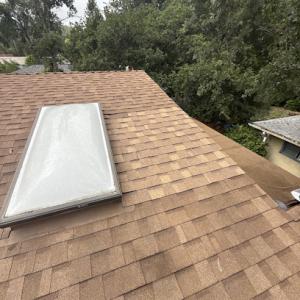
At Independent Roofing, we understand that whether you're facing a leaky roof, damaged siding, or planning a full roof replacement, you need solutions that are reliable, affordable, and built to last. Based in Camarillo, CA, we bring over 15 years of experience serving residential and commercial clients throughout the area. From simple repairs to full-scale installations, we deliver high-quality work and peace of mind every time. As a licensed and insured roofing contractor, we provide a full range of professional roofing services tailored to meet the specific needs of our customers. We specialize in asphalt shingle roofing, metal roofing, and flat foam installation.

Best Top Roofing
(805) 518-1448 besttopremodeling.com
Serving
5.0 from 66 reviews
With a decade of dedicated service, Best Top Roofing has been a trusted name in the industry since 2014. Specializing in comprehensive roofing solutions, this business offers expertise in new installations, repairs, and maintenance. Best Top Roofing is committed to delivering quality craftsmanship and dependable service, ensuring your home is protected with a durable and long-lasting roof. Their team of skilled professionals takes pride in their meticulous work, providing peace of mind to every homeowner.

LocalRoofs
Serving
4.9 from 395 reviews
LocalRoofs provides professional roofing services throughout Ventura and Los Angeles County, including Thousand Oaks, Westlake Village, Malibu, Simi Valley, Calabasas, Agoura Hills, Santa Barbara, and surrounding communities. Based in Newbury Park, our licensed roofing contractors provide roof repair, roof replacement, and roof installation services for residential and commercial properties. Get a FREE roof checkup and estimate today! CSLB #1095477
NEMA Roofing
(805) 977-5949 nemaroofing.com
Serving
5.0 from 160 reviews
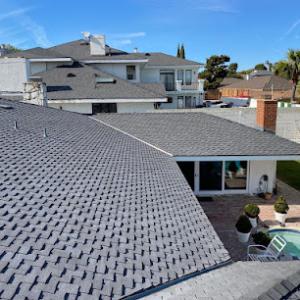
About Southern California’s # 1 Roofing Contractor Roofing Specialists with over 40 years experience. NEMA Roofing Solutions is your one stop shop for all your roofing needs. From installation to repair, our family owned and operated company offers quality work at affordable rates.
Macias Roofing
(805) 974-9041 www.maciasroofinginc.com
Serving
5.0 from 24 reviews
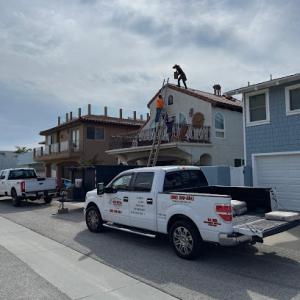
Our Story At Macias Roofing, we are dedicated to providing top-quality roofing services to our clients. Our company was founded by a team of experienced roofers who have been in the industry for over 27 years. Our Services We offer a wide range of roofing services; residential and commercial including roof repair, new roof installation, tile cleaning, tile rest, new tile installation, fascia repair, flat roof. Our team of experts utilize the highest quality materials to ensure that our clients receive the best possible results.
Shelter Roofing & Solar
(805) 914-0255 shelterroofingandsolar.com
Serving
5.0 from 103 reviews
Shelter Roofing and Solar is a roofing contractor in Moorpark servicing the Agoura Hills, Simi Valley, Thousand Oaks, Moorpark, and nearby areas. Our roofing company offers residential roofing, commercial roofing, commercial roof repair, asphalt shingle commercial roofing, solar roofing and more. Customers love us because of our comprehensive roof warranties and affordable roof financing options. We also have industry affiliations and certifications such as Certainteed and Owens Corning. If you want to experience how your most trusted Moorpark and Thousand Oaks roofing company embraces our motto “Go Smart with Shelter! Roofing, Solar. Batteries”, call us now for a free estimate!
Roofing H Thousand Oaks
Serving
5.0 from 47 reviews
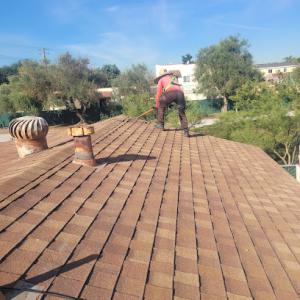
With Roofing H Thousand Oaks, you can rest assured that your roof is in expert hands. Our experienced team is dedicated to providing superior roofing services, from meticulous new installations to reliable repairs and proactive maintenance. We use high-quality materials and proven techniques to ensure a durable and long-lasting roof that protects your home or business for years to come. Experience the difference that professionalism and quality craftsmanship can make.
When the first meaningful winter storms arrive after a long dry spell, the roof is suddenly put to the test. In Camarillo, underlayment cracks and aging flashings commonly reveal themselves as leaks creep through ceilings and walls. The issue isn't always visible on a sunny day; it's the long dry stretch followed by heavy rain that exposes deferred maintenance. Look for damp spots along eaves, interior stains near ceilings, and moisture in attic spaces that never fully dries. If you see any of these signs after a rain, treat it as a warning signal: a small failure can cascade into widespread damage if left unchecked. Shingle wear and solar-baked seals around vents, skylights, and chimney membranes are typical culprits, especially on older roofs with a mixed stock of clay or concrete tiles and asphalt overlays. Prioritize a roof inspection soon after the rain eases, focusing on underlayment integrity, flashing transitions, and valley configurations where debris can trap moisture.
Santa Ana wind periods bring a different kind of stress, capable of lifting vulnerable shingles, dislodging ridge components, and driving debris into roof valleys and skylight transitions. In homes with tile or composite coverings, fasteners can loosen, and loose tiles become vulnerable to uplift on gusty days. The debris that gets shoved into valleys can start a chain reaction, blocking drainage and accelerating wear on seals and edge details. When a wind event is forecast, you should proactively secure loose shingles, clear roof debris, and inspect ridge caps and flashing around penetrations. After strong winds pass, check for loose or displaced tiles, cracked ridge lines, and any entry points around vents and skylights. The combination of exposed hardware and sun-baked seals makes these areas fragile, so address small gaps before moisture and heat accelerate deterioration.
Because local contractors frequently market emergency response and storm damage work, homeowners often seek fast temporary dry-in service before full repairs can be scheduled. If you encounter a sudden leak or a wind-driven misalignment, prioritize a temporary seal that stops water intrusion while arranging permanent fixes. Ask for a written plan that details what remains exposed, what will be tarped, and what materials are needed for a complete repair. Time is critical: a temporary dry-in buys you hours, not days, so coordinate promptly with a roof pro who can provide a dependable dry-in while forecasting a broader repair timeline.
The best defense is a proactive reroof timing strategy that considers Camarillo's sun exposure, winter rains, and Santa Ana wind cycles. Schedule pre-season inspections that focus on underlayment condition, flashing integrity, ridge lines, and valley drainage. If a roof shows multiple signs of aging-loose flashings, cracked seals, or widespread shingle creep-plan for targeted repairs before the next wet season, and consider a reroof option that matches your home's roof type and exposure. For homes with concrete or clay tiles, pay extra attention to grout joints and tile-to-tade transitions where movement can trigger leaks during seasonal rain events. Regular maintenance windows now save serious damage later, and a well-timed reroof can dramatically extend life against Camarillo's signature blend of sun, rain, and wind.
When you can't wait, these contractors offer fast response times to stop leaks and prevent further damage.
All Climate Roofing & Construction
(805) 504-1042 allclimateroofing.com
4053 Calle Tesoro #a, Camarillo, California
4.9 from 171 reviews
Fortress Roofing
(805) 484-0151 www.facebook.com
391 Dawson Dr # 1, Camarillo, California
5.0 from 11 reviews
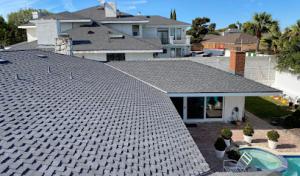
In this market, prices follow the material you choose, but local realities push costs higher when you must handle old tile with care. Tile roofs are common, so when old roof tiles must be removed, stored, and reinstalled with matching profiles, the job rarely stays at "off-the-shelf" pricing. Expect labor to account for additional handling time, especially if old material is brittle or requires matching a specific profile. The result is a higher per-square cost than a simple tear-off and discard scenario, even if the new material is the same kind.
If you're reroofing with concrete or clay tiles, plan for extra coordination beyond the basic shingle swap. Matching profiles means you may need to source and cut specialty tiles, and crews will take care to reset them without cracking. That careful approach translates to higher labor hours and sometimes extra material waste. Concrete and clay tile projects frequently land toward the upper end of their ranges when compared with asphalt, and even more so when you're preserving a historic or distinctive tile profile. For metal or synthetic options, you may still face premium work hours if existing roof penetrations, skylights, or solar hardware require careful detailing.
Costs can rise when reroof scheduling is driven by winter rain protection. In periods of wet weather, crews stagger work, and contingencies for leak protection add to the budget. Santa Ana wind events also create a quick-response demand pattern; if a rapid reroof is needed after a gusty spell, crews may charge a premium for expedited timelines and on-site readiness. Expect shorter windows and higher mobilization costs during these spikes.
Homes with enhanced ventilation, skylight work, or solar roof coordination introduce additional labor and coordination complexity. These features demand more detailed inspection, precise flashing integration, and sometimes more expensive penetrations or racking. If you're upgrading ventilation or integrating solar components, budget for extra material and labor beyond a straightforward same-material replacement.
When estimating, start with the base cost per square for your chosen material, then add tile-handling premiums if applicable. If winter rain protection is a priority, build in a weather contingency. Finally, review any added-feature plans-ventilation, skylights, or solar coordination-as these can push the total beyond a simple replacement figure. By aligning material choice with local realities-tile density, weather cycles, and feature upgrades-you'll land on a more reliable reroof timeline and budget.
Get a clear picture of your project costs upfront - no commitment required.
Fortress Roofing
(805) 484-0151 www.facebook.com
391 Dawson Dr # 1, Camarillo, California
5.0 from 11 reviews


A full reroof in this city typically requires a permit through the City of Camarillo Building & Safety division rather than being handled informally. The permit ensures the work plan aligns with local code requirements for wind, seismic, and fire resistance, which are particularly relevant given the Santa Ana wind exposure and the mix of tile and shingle roofs common in the area. When you hire a licensed contractor, the contractor generally submits the reroof permit application along with the project scope, including details about underlayment, ventilation, and any structural considerations. Staying within the approved scope helps avoid delays or the need for rework later in the project.
Inspections occur at multiple stages to verify that installation meets code and the nuanced demands of Camarillo's climate. A typical sequence includes an initial framing- or deck-condition check (where applicable), followed by underlayment and flashing inspections, and a final inspection after the new roofing is installed. The final inspection confirms proper installation of fasteners, membrane systems where required, and that ventilation provisions are correctly integrated to prevent moisture buildup and heat-related damage. Knowing these milestones in advance helps you coordinate with your contractor to ensure availability for each inspection window and to avoid reinspection fees or project slowdowns.
Projects that add or alter roof features, such as underlayment assemblies, ventilation changes, or structural modifications, may require plan review or added approvals beyond a basic reroof permit. In Camarillo, changes that affect roof geometry, venting balance, or the integration of new attic or mechanical equipment can trigger additional scrutiny. If your plan includes a new skylight, solar array mounting, or changes to parapets, you should anticipate extra time for plan review and possible conditions from Building & Safety. Your contractor should flag these potential needs early and coordinate any required submittals, including revised drawings, engineering notes, or wind-load calculations, to keep the project moving smoothly.
Before digging into the reroof project, check the permit status and expected inspection timelines with the permit office and your contractor. Keep access clear for inspectors to reach attic spaces, crawl spaces, and roof lines during visits. When planning around winter rain or wind-sensitive periods, align your reroof schedule with permit conditions and anticipated inspections to minimize exposure to the elements. If questions arise about whether a planned addition qualifies for plan review, ask the Building & Safety division or your contractor for a pre-submittal consultation. This proactive step helps prevent miscommunications and keeps the reroof on track while maintaining compliance with local standards.
In this coastal Ventura County climate, California insurer pullbacks reach into Camarillo homeowners even outside the most extreme fire zones. That means the age and condition of your roof, plus how well you document it, can influence renewal decisions and claim outcomes. A roof that shows its age or lacks recent maintenance can translate into closer scrutiny, tighter coverage, or a higher likelihood of a partial denial if a loss occurs during the wet season or after a Santa Ana wind event. The practical consequence is simple: keep a clear trail of what exists atop your house, not just when a storm threatens, but as a routine part of home upkeep.
When a claim or renewal is on the table, adjusters will ask for records that paint a current picture of the roof's condition. Expect to provide details on roof age, prior repairs, and recent weather-related damage before they approve a full replacement or a major repair scope. In a market where many Cambarillo homes feature tile and composite roofs, old or mismatched components can complicate the assessment. Having organized, dated notes and photos ready speeds the process and helps ensure the scope aligns with the actual needs rather than with assumptions.
Older roofs may face higher deductibles, tighter coverage terms, or exclusions that crop up during renewal or post-loss discussions. Documented pre-loss condition before the winter rain or wind season becomes a practical hedge against surprise gaps in coverage. A straightforward photo log, plus a summary of maintenance you have performed, can shift an adjuster's view from "questionable vintage" to "documented, workable condition," reducing the chance of a protracted claim or unexpected out-of-pocket costs when storms roll in.
Connect with contractors who help homeowners navigate the claims process from damage assessment to final approval.


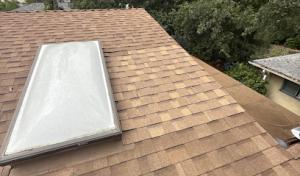
In Camarillo, although many homes are pitched and tile-covered, there is meaningful demand for skylight repairs and careful attention to roof penetrations. Skylights must be integrated with the existing tile strategy, which often means matching flashing materials and ensuring weep paths remain clear for winter rains. A skylight retrofit or replacement should align with the tile layout, avoiding rain channels that run toward living spaces. Expect flashing to be adjusted where the skylight meets a curved tile plane, and plan for any sealant refresh around the curb or curb-adjacent flashing to maintain long-term performance.
Transitions between tile roofs and low-slope sections are a common complexity point. Drainage, flashing, and material compatibility have to be handled differently than on the main roof field. When a low-slope patch exists near a tile field, confirm that the underlayment type and edge details are suited for the slope and that the edge metals terminate into proper drainage paths. In practice, this means double-checking crickets or saddles where water can pool and ensuring step flashing overlaps are continuous from tile to low-slope membranes. A precise detailing plan helps prevent slow leaks that are hard to trace on mixed roof designs.
Solar-related reroof planning matters in this area because roof replacement timing can affect panel removal, reinstallation sequencing, and access to underlayment or flashing areas beneath mounted equipment. If you're adding or relocating panels, coordinate with the roofing crew to schedule panel removal before major deck work and to stage reinstallation without stepping on newly exposed underlayment. Expect dedicated access routes around the work area so flashing around mounts remains intact, and confirm that any venting or attic access points remain unobstructed after the solar hardware is relieved for service.
Find contractors experienced in skylight installation, flashing, and leak repairs to bring natural light into your home.
All Climate Roofing & Construction
(805) 504-1042 allclimateroofing.com
4053 Calle Tesoro #a, Camarillo, California
4.9 from 171 reviews
Independent Roofing
(805) 362-3322 independentroofingvc.com
307 Townsite Promenade, Camarillo, California
5.0 from 5 reviews
Camarillo's reroof market moves fast, driven by homeowners who need reliable, weather-tolerant roofing without long interruptions. The strongest candidates are firms with repeat experience in occupied-home tear-offs, weatherproofing, and cleanup. Firms focused mainly on new construction may not track the same rhythms for temporary power, access, and debris control that your home will demand during a rain or Santa Ana wind spell.
In this climate, projects can stall when winter rain or wind-blown debris arrives. A contractor with a clear plan for rapid responses, site protection, and prompt cleanup will minimize disruption and water intrusion risk. Ask for example timelines from recent Camarillo projects and verify how crews handle tarping, material staging, and daily cleanup before leaving each day.
The contractor pool includes long-established, family-owned outfits and smaller residential-focused firms. In practice, homeowners often compare responsiveness and reroof process discipline just as much as price. Look for written project milestones, a defined sequence for tear-off, waterproofing, and venting, and a concrete plan for protecting landscaping and driveways from shingle fallout.
Ask for a point person who will be present during critical phases and who can coordinate with you on storm-day contingencies. In Camarillo, the best crews prove they can maintain access around occupied spaces, shield interior from dust, and manage waste removal without leaving the jobsite littered. If a contractor's references emphasize consistent follow-through and dependable cleanup, that reliability translates to fewer last-minute surprises.