Last updated: Apr 19, 2026
In a Ventura County wildland-urban interface setting, nearby open space and hillside edges make wildfire exposure part of roofing decisions. The landscape around Thousand Oaks means embers can drift from distant fires and still threaten roofs with radiant heat, embers, and debris buildup. A roof that seems structurally sound in dry summer is suddenly a critical asset when fall winds and Santa Anas sweep through the chaparral. This reality shapes every choice from material selection to edge detailing and ongoing maintenance.
California wildfire-related insurance tightening has made roof age, visible condition, and photo documentation more important for underwriting and renewals in Thousand Oaks. When an insurer reviews a replacement, they scrutinize fire resistance ratings, ignition points, and the ability of the roof assembly to resist ember intrusion. Any gap, misfit, or degraded component becomes a risk flag. Your documentation-clear photos of the full roof, penetrations, vents, skylights, and edge details-can spell the difference between a smooth renewal and a prolonged underwriting review. In this market, a well-documented fire-rated strategy is not optional; it is a critical part of maintaining coverage.
After you replace, expect insurers to focus on fire resistance of the roof assembly and how well penetrations, edges, and debris-prone areas are maintained. A fire-rated assembly requires consistent upkeep: seals around vent stacks and plumbing stacks must remain intact; roofing penetrations should show no gap where embers could lodge; edges and rake lines should be free of loose debris that can carry flame sideways across the roof plane. Debris-prone zones-such as valleys, under-eave soffits, and flat-roof intersections with chimneys-will be checked for cleanouts and effective clearance. If your roof shows wind-driven debris accumulating in a way that creates fuel in contact with ignition sources, expect heightened scrutiny and tighter requirements for future renewals.
Given the local climate, selecting materials with genuine fire resistance is essential. In practice, this means evaluating roofing assemblies not just for the surface material but for how the system integrates with flashing, underlayment, and breakpoints at hips and ridges. Metal roofing, clay or concrete tiles, and certain synthetic options can deliver superior fire resistance when installed with proper underlayment and edge detailing. Even when choosing a material with strong fire ratings, the surrounding components-chimney flashing, skylight curb protections, vent booting, and eave detailing-must be harmonized to resist ember intrusion. The hillside setting of Thousand Oaks rewards a holistic approach: the roof is only as fire-safe as its most vulnerable connection.
A consistent, up-to-date set of photos showing the entire roof, including all perimeters, penetrations, and debris-prone zones, is invaluable. Take clear images after heavy rains, post-cleanout, and after any resealing or re-flashing work. Create a simple catalog: overall roof condition, then close-ups of valleys, flashing, chimney interfaces, vents, skylights, and edge metal. These images should be timestamped and organized so an underwriter can verify the current state at a glance. If a roof replacement occurred, keep warranty documents, fire-resistance ratings, and installation affidavits ready to share during renewals.
Begin with a candid assessment of exposed edges and debris-prone areas. Trim back vegetation within a safe clearance so it doesn't shelter embers against the eaves. Inspect vents and attic access points for proper sealing and ember shields, and replace any damaged flashing immediately. Schedule a professional roof inspection that focuses on fire resistance features, edge detailing, and condition of penetrations. Maintain a routine debris sweep from the roof and gutters, especially after windy periods. In this local climate, proactive maintenance and precise documentation are not just good practice-they're essential insurance planning.
Connect with contractors who help homeowners navigate the claims process from damage assessment to final approval.

When you're fitting a new roof in this hillside community, the dry season is the practical anchor. Major tear-offs are commonly pushed into the dry months to minimize rain exposure during open-roof phases. That means planning around late spring through early fall, when the Santa Ana winds are less likely to disrupt staging and when crews can move quickly from removal to underlayment and new decking. If your roof has a calendar of repairs, align the most labor-intensive work with consecutive dry weeks so you aren't chasing weather gaps or fighting sudden wind shifts on exposed streets.
Winter storms and heavier rainfall raise the stakes for underlayment integrity and can delay replacement schedules across the city. Subject-to-change forecasts demand contingency buffers in your project timeline: a rain check window for critical phases like underlayment installation and flashing details, plus a plan to cover exposed areas if a late-season downpour arrives. In Thousand Oaks, even a modest storm can compromise newly installed layers if drainage isn't carefully routed and temporary coverings aren't secured. Build in extra days for stubborn moisture-related curing and for verifying that all soaked materials are fully dry before the next phase starts.
Santa Ana wind periods can complicate tear-off, material staging, and debris control, especially on exposed hillside streets and larger lots. When the winds pick up, crews may need to pause removal and reseal edges to prevent blow-off of shingles or underlayment debris. Ensure you have a dedicated wind plan: secure tarps and job trailers, designate a clean-up crew for rapid debris containment, and coordinate staging areas away from curbs and driveways where gusts can whip loose materials. On hillside properties, wind can move lightweight debris across longer distances, so extra attention to perimeter containment and neighbor safety is prudent. If a wind event is forecast during staged phases, consider shifting the most exposed tasks to the calmest days in the window.
A typical Thousand Oaks schedule benefits from locking in the dry-season window first, then building in buffers for potential winter or wind delays. Begin with a precise asset check: roof deck condition, flashing at valleys, and chimney and vent interfaces. Prioritize installing underlayment with appropriate fire-resistant ratings where exposure is highest, and pair it with robust fastening patterns suited to local substrate conditions. Finally, coordinate with the crew to ensure cleanup and material staging stay consistent with hillside accessibility and nearby driveways, so neighborhoods remain safe and orderly during the project.
Clay and concrete tile are the dominant visual and structural choice across many hillside neighborhoods in this area, echoing the Mediterranean and Spanish-influenced architecture that defines the town. The enduring look of these tiles often masks what is happening beneath them. The tiles themselves can outlive the waterproofing layer, especially after years of sun exposure that dries and ages the underlayment. When the visible surface still appears solid, the real risk may be hidden in the layers under it. This mismatch between tile life and underlayment life is a common pitfall for homeowners who assume a long-lasting roof just because the tiles look fine from the curb.
Winter rain in this region tests the integrity of every roof, and older tile systems are particularly vulnerable. When tiles slip, crack, or displace, water can reach worn underlayment and start a slow, stubborn process of deterioration. The problem isn't always a fountain of leaks on the first storm; it can be the quiet, creeping exposure that weakens the roof deck and framing over time. In storms with heavy rain, small gaps contribute to cumulative water intrusion, mold growth, and accelerated deterioration of the roof assembly. The visible tile can give a false sense of security even as the underlayment ages and loses its protective capability.
Fire exposure adds a layer of urgency to tile maintenance. While tiles themselves may resist embers, the underlying underlayment and decking are critical fire-rated components. After a wildfire season or when Santa Ana winds sweep through, the condition of the underlayment becomes a focal point for assessments and risk evaluations. A roof that appears solid but has compromised underlayment can become a liability in insurance reviews, especially if documentation of fire-rated materials and the roof's current condition is incomplete. In practical terms, regular inspection should emphasize tile security, edge flashing, vent penetrations, and the continuity of the underlayment layers under the tile surface.
Start with a visual walk from ground level after a storm: look for slipped or cracked tiles, especially on the high, exposed slopes. Note any soft spots or sagging areas along eaves where water may pool. If a tile is cracked, displaced, or if you notice staining or peeling near the roofline, arrange a professional inspection focused on underlayment age and integrity. Ask for a candid assessment of how the tile system and the underlayment work together, and request a plan that aligns tile life with the condition of the waterproofing layer beneath.
When signs point to underlayment aging or heat-driven wear, prepare for a coordinated approach: secure tile repairs or replacements that preserve roof geometry, ensure continuous fire-rated protection, and verify that fasteners and flashing are compatible with the chosen tile type. A thoughtful, timely plan reduces the risk of cascading damage during the next set of Santa Ana winds or winter storms.
Find contractors who specialize in clay and concrete tile roofs, known for their durability and curb appeal.
Ariel Builders Roofing Services
2625 Townsgate Rd #330, Thousand Oaks, California
5.0 from 110 reviews
Dependable Roofing San Diego
(760) 214-6313 dependableroofingsandiego.com
Thousand Oaks, California
5.0 from 30 reviews

GreatWay Roofing Thousand Oaks
(805) 852-0726 greatwayroofing.com
Thousand Oaks, California
4.9 from 11 reviews
Best Top Roofing
(805) 518-1448 besttopremodeling.com
Thousand Oaks, California
5.0 from 66 reviews
With a decade of dedicated service, Best Top Roofing has been a trusted name in the industry since 2014. Specializing in comprehensive roofing solutions, this business offers expertise in new installations, repairs, and maintenance. Best Top Roofing is committed to delivering quality craftsmanship and dependable service, ensuring your home is protected with a durable and long-lasting roof. Their team of skilled professionals takes pride in their meticulous work, providing peace of mind to every homeowner.
Roofing H Thousand Oaks
Thousand Oaks, California
5.0 from 47 reviews
With Roofing H Thousand Oaks, you can rest assured that your roof is in expert hands. Our experienced team is dedicated to providing superior roofing services, from meticulous new installations to reliable repairs and proactive maintenance. We use high-quality materials and proven techniques to ensure a durable and long-lasting roof that protects your home or business for years to come. Experience the difference that professionalism and quality craftsmanship can make.
Dependable Roofing San Diego
(760) 214-6313 dependableroofingsandiego.com
Thousand Oaks, California
5.0 from 30 reviews
Dependable Roofing San Diego is your go-to choice for professional roofing contractors in Oceanside CA. We specialize in high-quality roof repair in Oceanside CA for residential and commercial properties. From minor leaks to full roof replacements, our expert team delivers durable, cost-effective solutions. As a trusted roofing company in Oceanside CA, we work with shingles, tile, flat roofs, and more. Customers count on us for honest estimates, timely service, and exceptional workmanship. Choose the roofing contractors Oceanside CA homeowners and businesses rely on for long-lasting protection. Call today for a free quote!

GreatWay Roofing Thousand Oaks
(805) 852-0726 greatwayroofing.com
Thousand Oaks, California
4.9 from 11 reviews
Experienced Roofing Professionals in Thousand Oaks & Newbury Park – GreatWay Roofing Searching for a dependable roofing company in Thousand Oaks or Newbury Park? GreatWay Roofing has been serving the local community with expert roofing solutions since 1999. As a family-owned and operated business, we bring over 25 years of experience and a strong commitment to quality craftsmanship and customer satisfaction. Whether you need a roof installation, repair, inspection, or regular maintenance, our skilled team is ready to handle both residential and commercial projects of all sizes. We’re a full-service roofing company dedicated to getting the job done right the first time. Contact us today for a free estimate.

California Master Roofing & Solar
(310) 984-5333 californiamasterroofing.com
Thousand Oaks, California
5.0 from 2 reviews
California Master Roofing & Solar is the premier roofing and solar services provider of Southern California
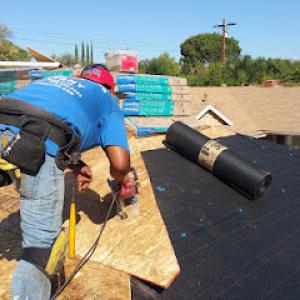
MLS Roofing
2489 Calle Narciso, Thousand Oaks, California
3.7 from 6 reviews
MLS Roofing, Inc. is a roofing company that operates in and around Thousand Oaks, CA. Our services include roof repair, roof installation, roof coating, and roof replacement. We believe that every good home should have a good, sturdy roof over its head and that's why we're here to ensure that our community has just that. Our team specializes in roof repair services as well as gutter cleaning services. Without a clean gutter to divert rainwater, you're roof can potentially get holes and seepage because of water damage. That's why our gutter cleaning service will make sure that your gutter is in proper working order and diverting water away from your roof. Call now to learn more about our roofing services.

Top Armor Roofing
(805) 492-9036 toparmorroofing.com
Serving
4.9 from 28 reviews
Roofing contractor specializing in Community/HOA, Commercial, and Residential roofing services in Thousand Oaks, Westlake Village, and the greater Ventura County area. Family owned with over 35 years of experience. With our roofing services, you can expect a project manager on every job, all full-time employed crews who are manufacturer-trained and certified. Certainteed Shinglemaster Pro roofing contractor in addition to our specializations on all other roofing systems and applications. Professionalism, integrity, and pride in workmanship are just a few of our many core values. From roof replacement, roof repairs, re-roofing services and beyond - you'll find a team of roofing professionals you can rely on with Top Armor Roofing.
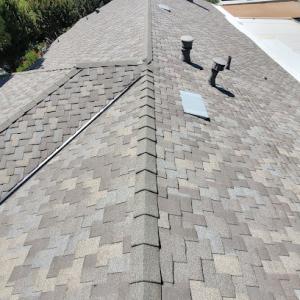
Roof Land
(747) 242-0362 www.rooflandla.com
Serving
4.9 from 37 reviews
Roof Land is a trusted roofing company proudly serving Agoura Hills, Westlake Village, Oak Park, Thousand Oaks Simi valley and surrounding areas. We specialize in roof replacement, re-roofing, and roof repair for all roof types—tile, shingles, and flat roofs. Our experienced in-house crew delivers top-quality workmanship using the best materials on the market. We are licensed, bonded, and insured, and every job comes with a 10-year warranty for your peace of mind. Contact us today for a free estimate – quality and professionalism you can count on.

LocalRoofs
Serving
4.9 from 395 reviews
LocalRoofs provides professional roofing services throughout Ventura and Los Angeles County, including Thousand Oaks, Westlake Village, Malibu, Simi Valley, Calabasas, Agoura Hills, Santa Barbara, and surrounding communities. Based in Newbury Park, our licensed roofing contractors provide roof repair, roof replacement, and roof installation services for residential and commercial properties. Get a FREE roof checkup and estimate today! CSLB #1095477

Infinity Roofers
(805) 225-7663 infinity-roofers.com
Serving
5.0 from 73 reviews
Are you looking for a trusted Roofing contractor in Simi Valley, California? If yes, Infinity Roofers is the company you can count on for the job. We do Residential Roofing, Commercial Roofing, Roof Repair, Roof Replacement, Roof Maintenance, Roof Inspection, Emergency Roof Repair, Shingle Roofing, Metal Roofing, Tile Roofing, Flat Roofing, and more. We have a team that provides some of the best Roofing Solutions in the Simi Valley, California area. Our roofing company in Simi Valley, California, has a well-trained team of roofing professionals dedicated to providing exceptional roofing solutions to our clients. Contact us to get a free estimate on your next project today.
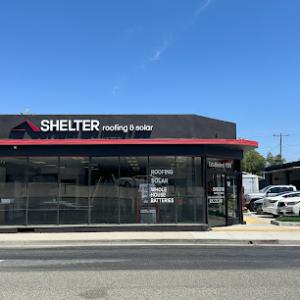
Shelter Roofing & Solar
(805) 914-0255 shelterroofingandsolar.com
Serving
5.0 from 103 reviews
Shelter Roofing and Solar is a roofing contractor in Moorpark servicing the Agoura Hills, Simi Valley, Thousand Oaks, Moorpark, and nearby areas. Our roofing company offers residential roofing, commercial roofing, commercial roof repair, asphalt shingle commercial roofing, solar roofing and more. Customers love us because of our comprehensive roof warranties and affordable roof financing options. We also have industry affiliations and certifications such as Certainteed and Owens Corning. If you want to experience how your most trusted Moorpark and Thousand Oaks roofing company embraces our motto “Go Smart with Shelter! Roofing, Solar. Batteries”, call us now for a free estimate!
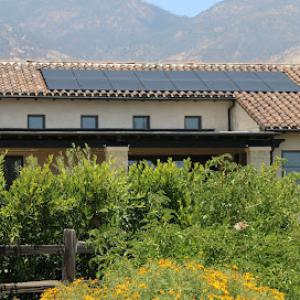
August Roofing & Solar
(805) 855-1655 www.augustroofing.com
Serving
4.9 from 260 reviews
August Roofing & Solar provides premium roofing and solar solutions. It is our goal to deliver professional service, best in class materials and superior craftsmanship for residential customers from West LA through Ventura County to Santa Barbara.
The local material mix is led by asphalt shingles, metal roofing, clay tile, concrete tile, synthetic/composite shingles, and slate. This variety reflects Thousand Oaks's mix of hillside home styles, the abundance of sun exposure, and the need for fire-aware assemblies. When choosing a roof, you'll want to balance appearance with performance, considering how long you expect to stay in a home and how quickly a roof can be evaluated or replaced after heavy storms or fire-related events. In practice, many homes blend aesthetics with durability, selecting materials that align with the neighborhood character and the maintenance expectations that come with the Santa Ana wind season and dry months.
Thousand Oaks experiences prolonged sun, occasional heavy winter rains, and the risk profile that wildfire exposure brings to insurance scrutiny. Fire-rated assemblies matter, especially on ridge lines and hillside lots where embers can reach eaves and vent openings. A roof material with documented fire resistance can influence insurer confidence and transition to a more favorable coverage stance after a retrofit or reroof. The roof deck condition and the presence of ember-resistant underlayment or metal detailing around vents and skylights are important details to discuss with a contractor. Because the dry season tends to stress roofing materials, you'll want options that resist heat buildup and maintain edge protection along gutters and overhangs. When evaluating options, consider how a given material performs under hail potential, wind uplift, and the drywall-like dust that can settle after Santa Ana events.
Tile remains a strong fit for many Thousand Oaks homes, offering longevity and a classic look that complements hillside architecture. Clay tile brings a traditional, heat-tolerant option, while concrete tile often provides a lighter, cost-conscious alternative with robust weather resistance. Tile's weight requires structural consideration; verify that the existing structure can safely support it, or plan for structural reinforcement if needed. Synthetic/composite shingles deliver a modern, lower-weight alternative with decent fire resistance and a broad range of styles, making them a practical compromise where tile is unavailable or impractical. Slate stands out for its elegance and long lifespan, but the weight and cost require careful structural assessment and professional installation.
Asphalt shingles and metal roofing are frequently evaluated for how quickly a roof can be replaced during the dry season and how they respond to heat, wind, and ember exposure. Asphalt shingles offer broad design compatibility and often simpler repairs, while metal roofs provide excellent wind performance and fast installation timelines, along with strong fire resistance when installed with proper underlayment and flashing details. For homes with tighter budgets or quicker turnarounds, these materials can be paired with fire-rated underlayment or treated decking to meet insurer expectations without sacrificing local curb appeal.
Whichever material you choose, ensure the system includes properly sealed eaves, upgraded venting, and a comprehensive ember guard around all penetrations. Documentation of fire-rated assemblies, maintenance history, and recent inspections matters to both insurer reviews and long-term performance under the local climate. A well-chosen roof in Thousand Oaks should blend fire resilience, sun tolerance, and the neighborhood's architectural character while supporting reliable, predictable maintenance over time.
The most popular roofing material in the US. Find pros who install, repair, and replace asphalt shingles.

In this market, asphalt shingles run about $350-$700 per square, metal $700-$1100, clay tile $1000-$2300, concrete tile $800-$1500, synthetic/composite shingles $450-$800, and slate $1200-$2500 per square. These figures reflect Thousand Oaks' mix of hillside streets, sun exposure, and wildfire-conscious buyers who often prioritize longer-lasting or fire-rated materials. What you pay per square can swing based on roof complexity, slope, and attic ventilation, but these ranges give a practical baseline for budgeting a full replacement.
Tile-heavy homes and larger custom residences tend to push costs higher in Thousand Oaks. Access and staging on hillsides complicate material delivery, waste removal, and crew logistics, which adds to labor time and safety measures. Debris handling, deconstruction of old layers, and the potential need for additional equipment or scaffolding are common drivers of price increases. If the house sits above street level or requires crane access, expect a premium that can lift total project cost beyond the standard square-rate estimates.
With wildfire exposure driving insurer scrutiny, fire-rated assemblies become a practical concern. Clay and concrete tiles often provide stronger burn resistance than asphalt, but the overall system-underlayment type, ventilation, and fasteners-still matters. If a roof was previously deemed marginal by an insurer, replacement plans may emphasize fire-rated sheathing, upgraded underlayment, and code-compliant ventilation details. These enhancements can add to the per-square cost but may translate into steadier coverage and long-term peace of mind.
Project totals can be affected by permit fees, plan-review timing through the City, and the need to replace aged underlayment or ventilation components discovered during tear-off. On tile-heavy homes, the choice between clay, concrete, or high-end synthetic tiles can shift the total noticeably; slate, while durable, pushes costs significantly higher. Consider a realistic contingency-15-20% is common-to cover staging, debris handling, and any unforeseen roofing deck or plywood replacement.
Start with a clear material preference aligned to fire resistance and climate. If choosing for longevity and lower maintenance, concrete or clay tile is a solid option, followed by metal for lighter weight and wind resistance. Obtain multiple, detailed bids that itemize underlayment, ventilation, and any decking work. For hillside lots, discuss access plans and staging with contractors to avoid surprises during installation and to keep costs under control.
Don't let upfront costs delay a critical repair - these contractors offer payment plans to fit your budget.

A full roof replacement in Thousand Oaks typically requires a permit through the City of Thousand Oaks Building and Safety. This process ensures the new roof assembly meets wildfire resilience expectations and local fire code requirements that inspectors watch closely. Starting with the permit helps verify that the chosen fire-rated materials and ventilation strategy align with neighborhood risk profiles and insurer expectations.
The local process generally involves submitting the project scope, paying applicable fees, and waiting through plan review that can add roughly 1-3 weeks depending on department workload. To keep the timeline smooth, prepare a concise description of the roof assembly, including underlayment type, venting strategy, and any skylights or penetrations. If you are replacing with fire-resistive materials or upgrading to enhanced underlayment, include those details up front to support a quicker review.
Inspections are commonly scheduled at rough-in and final, and some projects may require attic access verification plus underlayment and venting checks. Attic access checks verify that the attic space is adequately ventilated and not overly sealed, which is critical for fire behavior and moisture control. The underlayment and venting checks ensure that the roof deck is properly protected from rain and radiant heat, and that venting is sufficient to prevent moisture buildup in Thousand Oaks's warm, dry summers and potential winter rains.
Coordinate with your contractor to have all fire-rated assemblies documented, including product data and installation guides, as part of the submittal package. Keep a window of flexibility for plan-review delays typical in busier seasons. After approval, schedule inspections promptly and be prepared to demonstrate attic access and venting as part of the final review, since insurers may scrutinize these details closely when wildfire risk is a concern.
You face the worst leak risk when winter rain arrives after long dry spells that have aged exposed roofing components. In hillside neighborhoods, shingles curl, underlayment dries out, and flashing sits vulnerable to cracking. A small drip can turn into a ceiling-wide stain before you notice it around a corner or along a valley. Inspect after dry spells and before the next storm: look for loose shingles, lifted edges, and bare felt showing through. When rain hits, act fast to stop flow with temporary measures that buy time until a proper repair can be made.
Santa Ana wind events can lift vulnerable edges, move debris across roof surfaces, and worsen weak points before the next rain arrives. Crews should check ridge caps, vent penetrations, and chimney flashings for movement or gaps that gusts can exploit. In Thousand Oaks, dry brush and pine needles are common fall hazards that can ignite a hot ember path onto roofing and into eaves. Remove large debris safely and secure loose objects to reduce puncture risks during a sudden wind shift.
Because weather windows can close quickly in the wet season, rapid tarping and temporary dry-in work are especially relevant in this market. Have tarps, fasteners, and a plan ready, so you can cover exposed sections within hours of a leak warning. A proper dry-in keeps water out, protects attic spaces, and buys time for a permanent repair crew to finalize a solution after the storm passes. Act now to prevent costly interior damage and mitigation time.
Find local contractors experienced in assessing and restoring roofs after hail, wind, and severe weather events.
Ariel Builders Roofing Services
2625 Townsgate Rd #330, Thousand Oaks, California
5.0 from 110 reviews
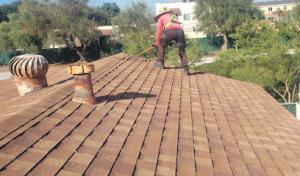
In Thousand Oaks, insurers may request detailed roof-condition photos and documentation before issuing or renewing coverage because of California wildfire market pressures. That means you may be asked for close-up images of shingles or tiles, evidence of fire-resistant barriers, and notes on any past repairs. Having a clear, organized set of visuals and a simple narrative about your roof's current state can help prevent delays or gaps in coverage when a policy is up for renewal or a claim is filed. Consider photographing all sides of the roof at multiple angles, especially around valleys, dormers, and chimneys, and keep the files labeled with dates.
After a replacement, carriers may reassess premiums based on roof material and fire resistance rather than treating all new roofs the same. That shift reflects the city's exposure to Santa Ana winds, dry Santa Monica foothills, and the wildfire risk that drives insurer scrutiny. If you upgraded to a fire-rated assembly or chose materials with stronger resistance, be prepared for questions about installation details and fire-resistive ratings. Having documentation from the installer about the specific assembly rating and warranty can help justify favorable underwriting outcomes. It also helps if you can demonstrate adherence to recommended underlayment and venting practices that contribute to overall fire performance.
During wildfire season and after winter storm events, homeowners benefit from keeping dated photos, permit records, and contractor scopes to support underwriting questions or claims. In practice, maintain a living folder with recent weather-related repairs, reinforcement updates, and any change in roof accessories (like flashings or vents) that could influence fire exposure or water intrusion risk. When a carrier asks for clarification, you can respond more quickly with concise, well-organized evidence. Keeping this documentation ready reduces the chance of a lapse in coverage or a denial based on incomplete information.
Connect with contractors who help homeowners navigate the claims process from damage assessment to final approval.
Although tile and shingles dominate the housing stock in Thousand Oaks, local contractor demand shows a meaningful flat-roof segment tied to additions, patios, and some commercial or mixed roofline properties. These low-slope areas demand attention because they sit adjacent to steeper main roofs and face different exposure to sun, rain, and Santa Ana winds. Treat a flat roof as its own system within the overall roof plan, not an afterthought.
In Thousand Oaks, low-slope sections are especially vulnerable when winter rain finds ponding areas or transitions where drainage is slower than on the main pitched roof. Poor drainage or pooling water during storms can compromise membranes, flashings, and penetrations. The risk increases where parapets meet interior gutters or where scuppers are undersized. Expect higher risk after heavy rain events or rapid temperature swings that stress membranes and sealants.
These sections often need to be evaluated separately from the primary roof system during replacement planning and inspections. Inspect flat portions for lingering ponding, membrane wear, and deck integrity independent of the main roof. When ordering replacements, confirm that the flat roof assembly, flashing details, and drainage plan are coordinated with the rest of the roof. Document any transitions between flat and pitched areas to guide future maintenance and insurer reviews.
Choose membranes and insulation that handle temperature extremes and sun exposure without cracking or creep. Pay particular attention to edge details, terminations at parapets, and interfaces with existing penetrations. A robust drainage plan-proper slope, unobstructed scuppers, and clear pathways to drains-minimizes water retention and extends service life on those flatter, more exposed sections.
Maintain clear records of material types, installation dates, and any repairs specific to the flat roof. Insurers increasingly scrutinize fire-rated assemblies and roof documentation, so keep up-to-date photos and notes that show the condition of the flat sections alongside the primary roof. Regularly inspect after storms for signs of uplift, bubbling membranes, or seam separation, and address issues promptly to prevent hidden damage from compromising the structure.
Find specialists in TPO, EPDM, and built-up flat roofing systems for residential and commercial properties.
Dependable Roofing San Diego
(760) 214-6313 dependableroofingsandiego.com
Thousand Oaks, California
5.0 from 30 reviews