
Last updated: Apr 19, 2026
Coastal moisture and salty air affect the distinct parts of a roof in this area. Marine fog brings dampness close to the roofline, which can accelerate corrosion on metal components, flashings, and fasteners near the coast. In practice, expect more frequent checkups on metal edging, vents, and seam flashings, especially where salt spray is likely to reach. Ventura's blend of foggy mornings and breezy afternoons means corrosion risk isn't limited to the most exposed edges-iterative wear can show up around valleys, skylight flashings, and chimney crickets as the year moves. When planning replacements, this coastal exposure suggests prioritizing corrosion-resistant fasteners and compatible sealants that hold up under salt-laden conditions.
The city's pattern of mild dry summers and wetter winters makes installation timing matter for underlayment performance during rainy periods. In practice, aim to complete roof work during the drier window between late spring and early fall whenever possible, so underlayment has a chance to cure or acclimate before the winter rain arrives. If work must occur in shoulder seasons, use tarps and windbreaks to limit moisture exposure and ensure the underlayment seals well against a prepared substrate. Pay particular attention to roof edges, penetrations, and transition zones where moisture tends to pool or seep. A cautious schedule can prevent delamination and promote a longer-lasting moisture barrier under coastal conditions.
Extended sun exposure in Ventura can accelerate aging in asphalt shingles and roofing sealants even though the climate is milder than inland Southern California. Asphalt products in this area benefit from reflective or cooling overlays and properly matching sealants that resist UV-induced brittleness. If choosing asphalt or synthetic options, consider shingles with higher UV resistance and color choices that mitigate heat buildup near the ridge line. Materials with proven UV stability tend to retain flexibility longer, reducing the risk of cracking during seasonal shifts and Santa Ana wind events. In all cases, plan for regular inspection of sealants around penetrations and transitions to detect early signs of sun-related deterioration.
Ventura's seasonal winds can subject roofs to gusts that pry at edge details and create stress around roof-to-wall junctions. Tile roofs, in particular, require careful assessment of fastener patterns and slope compatibility to withstand wind-driven moisture and debris. For coastal wind performance, ensure that fasteners are corrosion-resistant and that tiles or shingles are properly seated with an emphasis on secure, continuous underlayment beneath the surface layer. The choice of material should emphasize a reliable weather-tight fit that maintains bath of drainage and avoids microleaks around vents and chimneys. A well-timed inspection plan, aligned with seasonal wind patterns, helps identify fastener looseness or tile movement before it becomes more costly to repair.
Clay and concrete tile are the recognizable face of roofs on many Ventura homes, and that reality shapes every maintenance decision more here than in many California cities. The coastal climate delivers steady salt moisture, which can accelerate certain wear patterns on exposed tile surfaces and underlayment. When you see discoloration, micro-cracking, or delamination at tile edges, you're looking at issues that may worsen with repeated winter rains and seasonal salt spray. Because tile roofs carry heavier cross-sections and longer service lives, choosing the right tile system for replacement isn't a simple once-over. It requires weighing available tile types against how salt air and inland humidity interact with fasteners, underlayment, and flashings. If you're contemplating a switch to a different tile profile or a composite option, the decision should consider not only aesthetics but how the new system will respond to the specific coastal microclimate and the way Santa Ana winds might exploit any vulnerability along rake edges or ridge lines.
A full replacement demands careful attention to weight, because the structure has to bear the load of the chosen tile, especially when moving from one tile category to a heavier one. In many older Ventura homes, the roof framing and sheathing were not designed for a substantial increase in weight without reinforcement. That means a structural assessment isn't a courtesy step; it's a necessity that can affect whether a heavier tile system is even feasible in the first place. City inspections for full replacements verify that weight-bearing tile installations meet code, and that standard framing must align with the load characteristics of the new materials. If the plan is to upgrade to a heavier tile family, anticipate the likelihood of requiring additional support or even sistered rafters and upgraded rafters at critical spans. If the framing tells a different story-existing members nearing their fatigue limit or connectors showing signs of age-don't push a heavy tile option without reinforcement. In practice, that means you may face a range of practical upgrades, from revised deck attachments to re-anchoring of flashing to maintain long-term performance under salt exposure and wind-driven rain.
The Santa Ana season is a real factor when your roof is tile-based. Fall winds tend to press against exposed edges and loosen vulnerable components, particularly at rake lines, hip and ridge regions, and near vents or skylights. Tile roofs that are not well detailed for wind resistance can experience higher odds of edge lift, cracked tiles, or accelerated wear on sealants and hip-and-valley transitions. Practical steps emphasize integrating wind-rated accessories, ensuring proper tile interlock and fastener patterns, and maintaining edge battens and underlayment that can resist wind-driven moisture intrusion. It's not only about keeping tiles in place; it's about preserving the integrity of the entire envelope where salt air and gusts meet the roof surface. Regular checks after strong wind events should focus on loose tiles near edges, uplift of paper or synthetic underlayment, and corrosion on metal components such as straps, clips, or ridge caps. If a tile system needs attention, prioritize edge wind detailing before addressing interior leaks, since a well-executed edge detail often delays more intrusive repairs, minimizes moisture intrusion, and extends the life of the roof in this specific coastal condition.
Find contractors who specialize in clay and concrete tile roofs, known for their durability and curb appeal.
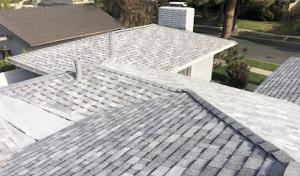
America's Best Roofing Company
(310) 792-1261 americasbestroofing.com
2674 E Main St Suite E836, Ventura, California
5.0 from 25 reviews
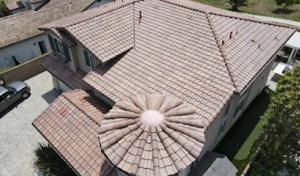
Fritts Roofing & Repair Company
(805) 477-9954 frittsroofing.com
1656 Walter St STE E, Ventura, California
5.0 from 23 reviews
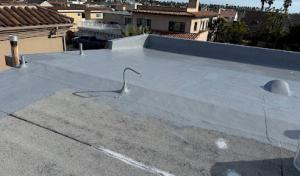
Creative Roofing Solutions
(805) 535-3101 creativeroofingsolutionsca.com
3172 Bunsen Ave Suite J, Ventura, California
5.0 from 21 reviews
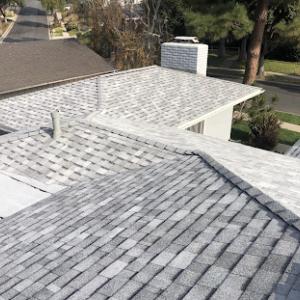
America's Best Roofing Company
(310) 792-1261 americasbestroofing.com
2674 E Main St Suite E836, Ventura, California
5.0 from 25 reviews
"America's Best Roofing Company is a residential and commercial roofing contractor that services Southern California. We are dedicated to customer service and will strive to satisfy you with high quality, custom roof solutions. We provide peace of mind by offering full warranties from both our company and the material manufacturer. Our goal is to exceed your expectations and earn the reputation of being the best roofing contractor in Southern California."
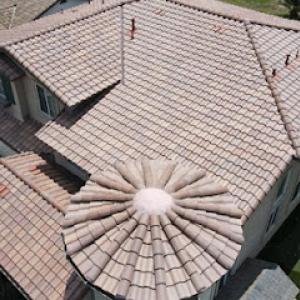
Fritts Roofing & Repair Company
(805) 477-9954 frittsroofing.com
1656 Walter St STE E, Ventura, California
5.0 from 23 reviews
Family-Owned & Operated Since 1997 At Fritts Roofing, we've proudly served Ventura County and surrounding areas with top-quality commercial and residential roofing services for over 25 years. As a family-owned and operated business, we bring a personal touch to every project, backed by decades of experience and a reputation built on trust, craftsmanship, and reliability. Whether it’s a new roof installation, routine maintenance, or emergency repairs, our team is committed to delivering durable, high-quality solutions tailored to your property’s needs. We treat every job — big or small — with the care and attention it deserves. When you work with us, you’re working with a local team that puts your satisfaction and safety first.
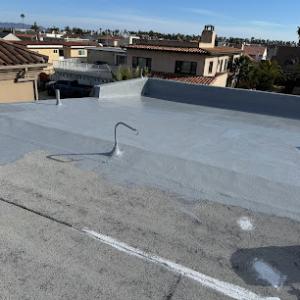
Creative Roofing Solutions
(805) 535-3101 creativeroofingsolutionsca.com
3172 Bunsen Ave Suite J, Ventura, California
5.0 from 21 reviews
Creative Roofing Solutions (CRS) was established in 2020. CRS is Veteran owned, local and family owned. We provide free quotes to homeowners, commercial property owners, property managers and homeowners associations looking to repair or replace current their existing roof. CRS is the only distributor and certified installer for the Worthouse Metal roof on the West Coast.
Espino Roofing
(805) 248-8168 www.espinoroofing.com
Ventura, CA
4.5 from 15 reviews
At Espino Roofing, we understand that your roof plays a crucial role in protection your property and ensuring the safety of your loved ones. That’s why we pride ourselves on delivering top quality craftsmanship and using the finest materials available in the industry.
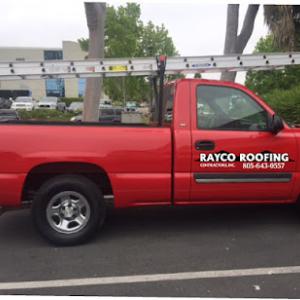
Rayco Roofing Contractors
250 N Olive St, Ventura, California
5.0 from 5 reviews
Established in 1948, Rayco Roofing Contractors brings over seven decades of experience to Ventura County's residential and commercial roofing projects. Their team tackles everything from repairs and replacements to new roof installations.
Wicks Roofing & Solar, Inc. | Ventura
(805) 819-2141 wicksroofing.com
940 E Santa Clara St, Ventura, California
4.5 from 11 reviews
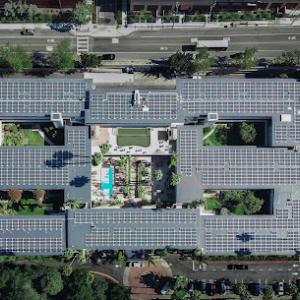
Roofing, Solar and Energy Storage in California is a rapidly expanding technology. From the latest composite materials and photovoltaic (PV) modular cells to DC rapid charging for Electric Vehicles (EV). The team at Wicks is dedicated to learning about and quickly applying into practice the best products and processes designed for lasting value. It’s no wonder that the Central Coast turns to Wicks Roofing and Solar. We are the preferred company for Home Owners, Real Estate Developers and General Contractors throughout the tri-counties.
Roof Inspections CA
(310) 405-5445 www.roofinspectionsca.net
Ventura, CA
5.0 from 3 reviews
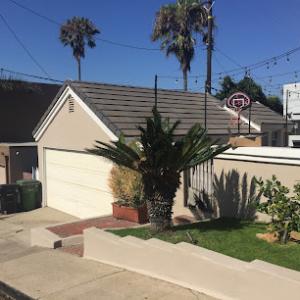
Onsite roof inspections, residential / commercial, written detailed report with estimated cost of repairs within 24 hours.
Cultural Roofing
(805) 666-7490 violetp659.wixsite.com
2175 Goodyear Ave # 124, Ventura, California
4.0 from 8 reviews
Cultural Construction is your trusted partner for all construction and remodeling needs, serving the community with quality and dedication. We offer a full range of services, including general construction, plumbing, kitchen and bathroom remodeling, roof installation and repair, drywall installation and repair, and solar panel installation. Our skilled team is committed to delivering excellent craftsmanship and attention to detail in every project, big or small. Open six days a week, Sunday through Friday, from 10 a.m. to 7 p.m., we're here to help bring your vision to life. Contact us today for a consultation and experience the difference in quality service.
Sloan Roofing
(805) 218-4443 www.sloanroofinginc.com
1395 Tower Square, Ventura, California
4.5 from 4 reviews
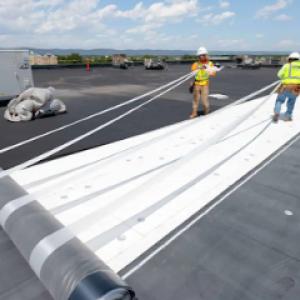
Sloan Roofing is a dynamic, passionate, family-owned roofing company. We are committed to making a positive impact in our community. Alan Sloan, our founder, started Sloan Roofing in 2004, after 15 years experience working in the building trades. We deliver top-quality roofing services with integrity, transparency, and a focus on customer satisfaction. Every roofing project, big or small, deserves the same level of care and attention. Unlike large, franchise companies that pretend to be local, we work and live in Ventura County. We employ local tradesmen, purchase from local vendors (so the sales tax states in the community). We are not just building roofs; we’re building lasting relationships and a strong, resilient community.
NEMA Roofing
(805) 977-5949 nemaroofing.com
Serving
5.0 from 160 reviews
About Southern California’s # 1 Roofing Contractor Roofing Specialists with over 40 years experience. NEMA Roofing Solutions is your one stop shop for all your roofing needs. From installation to repair, our family owned and operated company offers quality work at affordable rates.

Scorpion Roofing
(805) 207-7205 www.scorpionroofinginc.com
Serving
5.0 from 18 reviews
Scorpion Roofing, Inc. is a roofing contractor serving residential and commercial customers in Oxnard, CA and the surrounding areas. We have 42 years of experience, and began our business 31 years ago. No job is too big, too small, or too difficult. We use state of the art tools and equipment to offer unmatched services. We are a bilingual, family owned business, licensed and insured for your protection. Our roofing contractor services include roofing installation, replacement and repair, and siding installation. We work with asphalt shingle, flat foam, single ply, metal, and wood shake roofing materials. We strive to meet our customers’ needs and exceed their expectations with quality work.

Twins Roofing
(805) 814-9795 www.twinsroofingcorp.com
Serving
4.9 from 8 reviews
Twins Roofing is a trusted family-owned and operated roofing contractor led by Liliana and Roberto Valdovinos, proudly serving Ventura County and neighboring Counties. Roberto brings over 20 years of experience and has an extensive understanding of all different types of roofs. Roberto is very attentive to his clients desires and needs regarding budget. Liliana is the primary organizer of the corporation, her experience in finance has given her the knowledge in estimating and running the business. Together as husband and wife they make the perfect team. They specialize in Roof Replacement, Roof Repairs, Roof Installation, Roof Inspection, and Roof Maintenance for both residential and commercial properties. Their expertise covers all
Ventura's wet winter periods slow tear-off and dry-in schedules, raising the risk of leaks during replacement. When rain lingers or returns after a few dry days, crews may have to pause work or rush temporary weather protection, which can compromise roofing seams and fasteners. If your roof is due for rework, plan for extended staging space and durable tarps, edge protection, and a secure windbreak to keep rain out while exposed areas wait for dry windows. Coordinate with the contractor to build a realistic timetable that includes buffer days for weather breaks, because a sloppy rain delay can leave vulnerable areas exposed longer than expected.
Fall Santa Ana wind events can complicate installation of exposed fasteners and temporary coverings. High wind loads press on tarps, roll staples, and ladder setups, making it risky to perform precise work on tile or metal edges. Surfaces that rely on exposed fasteners are especially sensitive to gusts; loosening during a wind event can create leaks or damage underlying decking. When a Santa Ana approach is detected, insist on securing temporary coverings with heavy ballast, sandbags, or weighted edges and delaying nonessential work until calmer days return. If a repair is underway, ensure temporary barriers are sturdy enough to withstand sudden gusts and that crews have a clear plan to cap openings promptly if wind picks up.
The local contractor signal mix shows unusually strong demand for emergency repair and storm damage work relative to market size, signaling homeowners often need fast leak response after weather events. Expect surge periods after storms, with larger crews and lean schedules. Have a single point of contact, a clearly written action plan for what gets tarped first and by whom, and a prearranged emergency protocol for after-hours leaks. Quick triage matters: identify the most vulnerable seams, penetrations, and flashing, and have the contractor seal those first to buy time until permanent work can resume.
Keep a prioritized storm-ready plan: clear debris near the roofline, secure loose antennas or vents, and verify that temporary coverings are in good condition before storms arrive. Confirm that the contractor's crew has a tight, wind-conscious method for staging and coverage, and that they'll suspend work if winds exceed safe thresholds. Establish a rapid leak-response agreement so you're not left waiting when a surprise rain event hits. In short, treat winter rain and Santa Ana wind risk as timing-sensitive conditions that demand proactive protection, clear communication, and a documented fast-response plan.
When you can't wait, these contractors offer fast response times to stop leaks and prevent further damage.
Fritts Roofing & Repair Company
(805) 477-9954 frittsroofing.com
1656 Walter St STE E, Ventura, California
5.0 from 23 reviews
Creative Roofing Solutions
(805) 535-3101 creativeroofingsolutionsca.com
3172 Bunsen Ave Suite J, Ventura, California
5.0 from 21 reviews
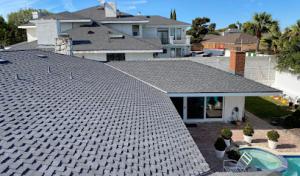
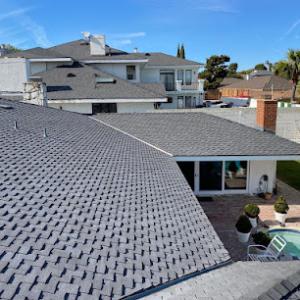
A permit is typically required for a full roof replacement in the City of Ventura. Before any tear-off or new installation begins, you'll want to pull the permit and have the project reviewed. The city's standards account for Ventura's coastal climate, where moisture, salt exposure, and Santa Ana winds all play into how a roof is built and how long it will last. Starting with the permit ensures inspections are aligned with the actual work, not just a final snapshot.
Ventura's Building & Safety Department handles roofing permits and pushes inspections through the course of the project, not only at the end. This means you should expect on-site checks while work is underway. Plan for at least one mid-project inspection to verify that critical details are being addressed as the roof takes shape. The department's approach helps catch issues tied to the local environment early, such as moisture management around coastal exposures and seasonal wind loads that affect tile roofs.
Local inspectors will pay close attention to underlayment quality, as Ventura's moisture and salt can challenge budget-grade materials. The nailing pattern is another key focus; improper fasteners can compromise tile installation under wind gusts. Ventilation is checked to prevent moisture buildup in attic spaces, which is especially important with tile and concrete systems that rely on consistent thermal movement. Finally, weight-bearing requirements get evaluated to ensure the structure can support the chosen roofing material, given that tile and concrete options carry different loads compared to asphalt or metal.
Because coastal moisture and salt exposure influence roof longevity, permit-related steps should align with material choice and installation timing. If you're replacing tile or concrete tile, anticipate additional considerations for meet-weight calculations and fastener specifications. Santa Ana wind seasons also factor into the inspection timeline; ensure that temporary safety measures are in place and that the roof's attachment system is ready for precise wind-load testing during inspections.
Begin by confirming the scope with the Building & Safety Department to avoid scope creep that could trigger extra inspections. Have your plan set for underlayment, ventilation strategy, and tile layout, with attention to proper nailing patterns. Coordinate with your contractor to schedule the initial permit submittal and the subsequent inspection visits so that the project progresses smoothly and complies with local requirements. Remember, the permit and progressive inspections aim to keep your re-roof durable under Ventura's unique coastal conditions.
Provided pricing ranges in the Ventura market run from 350 to 650 USD per square for asphalt shingles. This material generally stays within the lower end of the budget when weight and structural concerns are straightforward, but coastal moisture and salt exposure can shorten cumulative life. If a roof is already near the end of its life or faces frequent wind-driven debris, you may see more frequent maintenance or replacements, nudging the project into the higher end of the range. In practice, a straightforward asphalt reroof is most predictable in timing during dry months, but winter rain can delay delivery of materials and scheduling, pushing crews into tighter windows once rain subsides.
Metal roofs in this market typically run 900 to 1800 USD per square. Metal's durability against wind and salt spray makes it appealing for coastal climates, yet attachment methods and underlayment choices must account for Ventura's humidity and occasional heavy rain. If the existing structure has a long roof run or vulnerable overhangs, costs climb as more fasteners, sealants, and vapor barriers are needed. Seasonal conditions influence costs and timing: post-storm work spikes labor availability, and winter precipitation can slow crews, sometimes extending installation into narrower calendars.
Clay tile ranges from 1100 to 2100 USD per square and is common on Ventura homes with a classic look. However, tile systems require a structural review because weight-bearing compliance matters in this market. When a house lacks sufficient structural support or needs retrofitting for tile weight, expect higher project costs and longer timelines. The seasonal pattern matters here too; wet weather can complicate tile handling and installation, and post-storm demand can strain local crews, creating scheduling bottlenecks.
Concrete tile generally runs 900 to 1700 USD per square. Like clay, concrete tile adds substantial weight, so structural assessment is prudent. If the roof deck or framing shows signs of age or moisture damage, replacement costs can push toward the upper end of the range. Ventura's winter rains and gusty fall winds can delay deliveries and on-site work, increasing total project time and, occasionally, cost due to extended labor requirements during tight weather windows.
Wood shingles or shakes run from 800 to 1400 USD per square. Salt exposure and moisture can accelerate deterioration of wood products, making careful material selection and maintenance essential. In coastal neighborhoods, you may encounter higher nail-head corrosion and faster underlayment wear, which can raise both material and labor needs. Seasonal delays are common after heavy rains, and post-storm inspections often reveal the need for faster leak mitigation, affecting scheduling and cost.
Synthetic or composite shingles are priced from 700 to 1300 USD per square. These options can offer favorable moisture resistance and lighter weight compared to tiles, which helps with structural concerns. In Ventura, where coastal moisture and wind are ongoing considerations, choosing a high-quality synthetic that handles UV exposure and salt spray well can reduce long-term maintenance. Seasonal pressures still apply: winter rains and post-storm demand can tighten schedules and influence labor availability.
Seasonal timing and local demand matter across all materials. When winter rain is persistent, expect delays in material delivery and in the ability to complete active leak work quickly, potentially shifting replacement projects to drier months. And because tile systems demand structural review, homeowners should anticipate longer lead times and higher costs if weight-bearing upgrades are needed even before the first tile is laid.
The most popular roofing material in the US. Find pros who install, repair, and replace asphalt shingles.
Sloan Roofing
(805) 218-4443 www.sloanroofinginc.com
1395 Tower Square, Ventura, California
4.5 from 4 reviews

California insurers have tightened underwriting in wildfire-prone areas, and Ventura homeowners may encounter reduced carrier availability or stricter roof-condition scrutiny. That means when a claim is considered, the insurer may look harder at age, material type, and visible wear. A roof that has weathered coastal salt air, winter rains, and seasonal winds may be scrutinized not just for damage, but for how well it was maintained over time. Be prepared for longer review times and more detailed questions about your roof's history, including when major components were last replaced or repaired.
In this market, wind and weather-related claims can face closer review, so documenting pre-existing roof condition before winter storms is especially important. Start a simple, ongoing record: take dated photos from multiple angles after each roof-related maintenance item, keep a note of any unusual sounds or leaks, and store inspection notes from reputable local roofers. When a storm hits, those records help differentiate new damage from aging wear. Without them, you may be asked to prove that a problem existed prior to the event, which can slow or complicate payment.
Ventura-area homeowners should keep photos, maintenance records, and inspection notes because carriers may require detailed proof separating old wear from recent storm damage. Think of it as building a careful timeline: the better the sequence of upkeep you can present, the clearer the narrative becomes for the claims reviewer. Also, organize contractor contact information and dates of any temporary repairs you've performed after a storm. If you do receive a suspension or delay, respond promptly with the requested documentation to avoid gaps in coverage during stressful weather cycles. In this coastal market, a well-documented history can make a meaningful difference when contingency decisions are on the table.
Connect with contractors who help homeowners navigate the claims process from damage assessment to final approval.
Cultural Roofing
(805) 666-7490 violetp659.wixsite.com
2175 Goodyear Ave # 124, Ventura, California
4.0 from 8 reviews
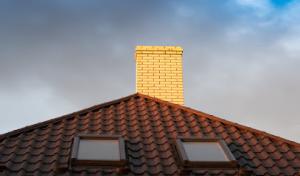
Ventura's wet winter season makes flashing around skylights a high-stakes detail. Small imperfections in the curb flashing, head and base flashing, or the sealant joints can become leak points after a series of storms. When inspecting skylight installations, focus on the continuity of the metal flashing, proper counter-flashing integration with the curb, and compatibility of sealants with salt-laden air. In coastal penetrations, choose flashing materials and sealants rated for high humidity and salt exposure, and ensure step-flashing transitions smoothly onto the adjacent roof surface without gaps. A diligent professional will test for proper slope away from the skylight ledge and verify that interior seals meet the winter rainfall load without pooling.
For solar attachments, the attachment points deserve the same scrutiny as skylights, but with added emphasis on how racks, hardware, and conduit pass through the roof deck. Coastal moisture and salt exposure accelerate corrosion, so hardware should be stainless steel or coated for salt spray resistance, and all penetrations must be sealed with compatible, durable sealants. Ensure that the mounting rails are integrated with a flashing plan that prevents water tracks along fastener lines and that the roof assembly remains continuous with the rest of the weather barrier. In mixed-use or flat sections, verify that penetrations from solar arrays do not disrupt drainage or create hidden pockets where moisture can linger.
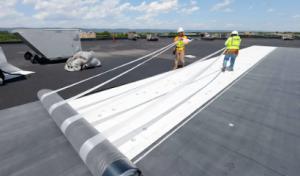
Low-slope sections are common in Ventura's housing stock, and coastal humidity can lengthen moisture exposure, so precise drainage planning matters. Ensure adequate positive drainage toward built-in gutters or downspouts and that membrane seams are overlapped and heat-welded where possible. Pay attention to edge details at transitions to steeper roof planes, as improper terminations can trap water against the membrane. In flat or gently pitched areas, coordinate flashing around penetrations with the same rigor as steep-slope work, because the failure mode is often slow infiltration that becomes a bigger leak after winter rains. Regular inspections after wet seasons help catch seam separations or edge lift before they compromise roofing performance.
Because Ventura has a contractor market with noticeable specialization in skylight, solar, and flat-roof work, plan penetrations and low-slope assemblies with that expertise in mind. Establish a detailed flashing plan early in the project, specify material families compatible with salt exposure, and confirm that maintenance intervals address both seasonal wind and winter moisture cycles. A well-coordinated sequence reduces the risk of back-to-back penetrations and ensures the roof's moisture barrier remains continuous across transitions.
Find contractors experienced in skylight installation, flashing, and leak repairs to bring natural light into your home.
Martin Roofing Company
(805) 387-9022 www.martinroof.com
1340 Los Angeles Ave, Ventura, California
4.5 from 35 reviews
Cultural Roofing
(805) 666-7490 violetp659.wixsite.com
2175 Goodyear Ave # 124, Ventura, California
4.0 from 8 reviews
In a market where most projects are re-roofs rather than new builds, you judge a crew by replacement logistics as much as price. A good crew plans tear-off protection, keeps the existing structure safe from salt spray and winter moisture, and follows an orderly, occupied-home workflow. Expect staged sections, roof deck protection, and careful material handling to avoid tracking grit into living spaces. Ventura's marine exposure means fasteners and metal flashings deserve extra corrosion consideration, and crews should stock compatible fasteners for clay, tile, or metal options.
Cleanup is a prominent local hiring priority, and it matters in neighborhoods with driveways, landscaping, and outdoor living spaces used all year. Ask how tarps, magnet sweeps for nails, and weekly cleanup will be managed. Confirm where debris will be staged and hauled, and how street and curbside cleanliness will be maintained during windy Santa Ana days. Coordinate with neighbors if street parking is tight and plan for daytime noise budgets to minimize disruption.
The market includes long-established and family-owned companies, so homeowners often weigh local tenure and responsiveness alongside other factors. Look for crews with long local histories, solid referral networks, and a point person who returns calls promptly. A responsive crew will adapt to on-site surprises, weather delays, and resident scheduling needs. Ask about crew age and training, and whether they perform their own roof ventilation checks.
Request a written replacement plan that outlines tear-off sequence, protected zones, and occupied-room routing. Check insurance coverage and workers' compensation, confirm daily cleanup routines, and ask for a current client reference list. Finally, assess whether the crew's equipment, safety practices, and communication fit your home's tile or composite stock and the home's exterior aesthetics. Include a pre-job walkthrough with the lead foreman to confirm material order, waste containment, and access routes.