
Last updated: Apr 19, 2026
The marine air and salty spray that brush the Ventura County coast can bite into roof-edge components faster than you might expect. Metal flashings, fasteners, vents, and other edge details live in a harsh cycle: daily coastal wind, intermittent rain, and salty residue that sits on metal and corrodes connections. In practice, that means edge details need more frequent attention than you'd expect for inland homes. Start with a careful edge survey after the wet season begins to show itself. Look for rust on flashings, loose or corroded fasteners, and any loose or bubbled sealant around vents and the skylight curb. If you see exposed fasteners or corroded metal around the drip edge, plan to reseal and replace vulnerable pieces promptly rather than waiting for a full roof refresh. In Oxnard's coastal pockets, homes with shingles that reach near the edge or with metal coping are especially at risk, so give those zones a closer look each fall as Santa Ana conditions begin to ease and winter moisture returns.
A Mediterranean pattern means long dry spells can mask slow deterioration, so the first big winter rains often reveal leaks you didn't notice during the dry season. Pay attention to flashing where the roof meets walls, around chimneys, vent stacks, and any penetrations through the underlayment. In practice, this means performing a targeted attic and ceiling check after the first heavy rains. Look for staining, musty smells, or damp spots in the attic, and check the ceiling directly under flashing joints for dampness or staining that wasn't there before. If you find any signs, address them quickly. A proactive approach is to re-seal or resealant vulnerable flashing seams before the next wet season-especially along the ridge line, all side walls with parapets, and near exhaust vents where moisture tends to migrate. Because the underlayment acts as the second line of defense, any sustained dampness around penetrations should trigger a closer inspection of the underlayment condition in those areas. When you're inspecting, don't just look at the top surface; check the interior cushions of the roof deck for signs of moisture intrusion around flashing bases, fastener rows, and penetrations.
Coastal winds in this area intensify the need for secure edge details and ongoing debris management, particularly for homes closer to the shoreline or open agricultural fields where wind speeds and airborne particles are higher. A practical approach starts with sturdy drip-edge installation and corrosion-resistant fasteners. If long-term corrosion has begun, replacement with upgraded fasteners and flashings that tolerate salt exposure may be necessary to maintain a solid envelope around the roof perimeter. Debris management becomes part of annual maintenance: clear gutters and downspouts to prevent water backup that can force leaks toward the edge; keep soffits unblocked so venting remains effective and no moisture is trapped behind edges. For edge ventilation, ensure that the vent openings are unobstructed and that any louvers or vents are sealed well at the frame to prevent wind-driven water intrusion. In practice, a fall edge-check becomes a simple habit: remove leaves and pine needles from the eaves, verify sealant integrity along the drip edge, and resecure any loose fascia boards before the winter rains. For homes near open fields or the coast, consider a periodic refresh of sealant around penetrations and a review of the vent boot trims to prevent salt-laden spray from creeping into vulnerable joints. By prioritizing these edge details and debris-control steps, you reduce the risk of winter leaks and extend the life of edge components under Oxnard's unique coastal conditions.
Clay tile and concrete tile dominate the Oxnard roofscape, and that mix shapes daily maintenance more than in many other markets. The salt air and coastal wind exposure mean cracked tiles, slipped tiles, and aging underlayment show up sooner or later. A tile surface can look solid long after the waterproofing layer beneath has started to fail, so leak diagnosis often requires looking below the tile field. When you inspect a roof after a winter rain or during a Santa Ana lull, pay attention to any telltale daylight through the battens or flashing gaps at hips and valleys, because those are early signs that moisture is reaching the deck before the tiles visibly crack or shift.
In this climate, you'll commonly see tiles that have weathered to a lighter hue or developed surface crazing from salt spray, which can stain or scale over time. Cracks may appear at high-traffic edge tiles, and a single cracked tile can invite water into the underlayment rather quickly if the sealant has already thinned from decades of UV exposure. Slipped or hollow-sounding tiles are not just cosmetic concerns; they can indicate moved laps, degraded underlayment, or even deck deflection that invites water intrusion during heavier winter storms. Because the visible tile surface often outlives the waterproofing layer, the root of leaks tends to be hidden under the field of tiles toward the eaves, ridge, or around penetrations. A careful leak diagnosis in Oxnard almost always starts with removing a small number of tiles to inspect the underlayment, flashing, and vent boots.
Tile systems are heavy by design, and that weight matters here where older deck structures might have settled or aged differently than newer builds. When a re-roof or a significant repair changes assembly details, it triggers a closer review of decking, flashing, venting, and even structural conditions during the city process. In practice, that means any project that involves taller ridges, additional venting, or a switch from a lighter to a heavier tile type should include a deck condition assessment and a look at the existing fasteners and seals around roof penetrations. If the existing substructure is already near the limit for loading, there may be a need for reinforcement or a more conservative tile choice to avoid long-term warranty and performance concerns in the salty coastal environment.
Because issues often start below the tile field, maintain a routine that includes inspecting the roof deck around penetrations, scuppers, eaves, and valley intersections. After storms, check for lifted tiles along roof edges where wind can pry fasteners loose or where salt air accelerates corrosion in metal components. In Oxnard homes, it helps to keep the metal flashing and connections clean of salt crust and to reseal exposed joints at breakpoints between dissimilar materials. Consider a targeted underlayment inspection every few years, especially if the roof has aged tiles or if nearby vegetation has grown into the roof line. If you notice persistent damp patches on the attic ceiling after steady rainfall, it's a strong signal to remove a few tiles to verify that the underlayment is still providing a continuous barrier under the field.
When selecting tiles, consider the balance between aesthetic preferences and performance longevity in coastal conditions. Concrete tiles tend to resist wind uplift well and are less prone to becoming brittle in salt air, while clay tiles deliver a classic look and excellent heat reflection. For Oxnard, a tile profile with a solid underlayment and a robust flashing detail around hips, ridges, and penetrations is essential, particularly in areas exposed to prevailing coastal winds. If a re-roof changes slope or tile density, review the deck and flashing details with a local roofer who understands how salt exposure can accelerate wear on metal components and sealants. Planning ahead for a future inspection cycle that accounts for winter moisture and seasonal condensation can save significant repair headaches when the weather shifts from dry to damp.
Find contractors who specialize in clay and concrete tile roofs, known for their durability and curb appeal.
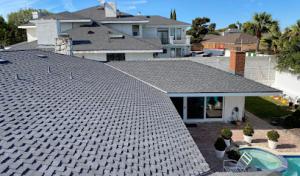
NEMA Roofing
(805) 977-5949 nemaroofing.com
300 E Esplanade Dr, Oxnard, California
5.0 from 160 reviews
Macias Roofing
(805) 974-9041 www.maciasroofinginc.com
1467 Crawford St, Oxnard, California
5.0 from 24 reviews
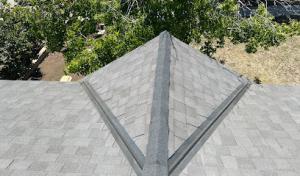
Francisco Roofing Services
(805) 602-7419 www.franciscoroofing.net
411 San Juan Ave, Oxnard, California
4.7 from 65 reviews
NEMA Roofing
(805) 977-5949 nemaroofing.com
300 E Esplanade Dr, Oxnard, California
5.0 from 160 reviews
About Southern California’s # 1 Roofing Contractor Roofing Specialists with over 40 years experience. NEMA Roofing Solutions is your one stop shop for all your roofing needs. From installation to repair, our family owned and operated company offers quality work at affordable rates.
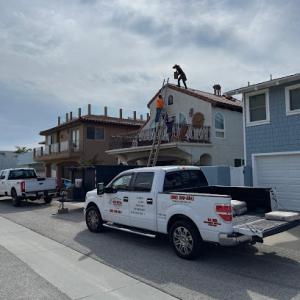
Macias Roofing
(805) 974-9041 www.maciasroofinginc.com
1467 Crawford St, Oxnard, California
5.0 from 24 reviews
Our Story At Macias Roofing, we are dedicated to providing top-quality roofing services to our clients. Our company was founded by a team of experienced roofers who have been in the industry for over 27 years. Our Services We offer a wide range of roofing services; residential and commercial including roof repair, new roof installation, tile cleaning, tile rest, new tile installation, fascia repair, flat roof. Our team of experts utilize the highest quality materials to ensure that our clients receive the best possible results.
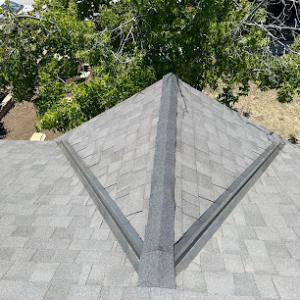
Francisco Roofing Services
(805) 602-7419 www.franciscoroofing.net
411 San Juan Ave, Oxnard, California
4.7 from 65 reviews
Francisco Roofing - Oxnard, CA. Roofing Service in Oxnard, CA. Here at Francisco Roofing we only do, High Quality Roofing, so take it from the pros, our roofs are rain tight and weather-resistant and that is a guarantee. At Francisco Roofing we understand how vital it is that you safeguard your investment, which is why we strive to provide the highest level of craftsmanship, professionalism and customer service in the industry today. Contact us for any of your roofing needs: Roof repair, Roof restauration, Remodeling service, Roof renovation.

Scorpion Roofing
(805) 207-7205 www.scorpionroofinginc.com
751 Ivywood Dr Unit 751, Oxnard, California
5.0 from 18 reviews
Scorpion Roofing, Inc. is a roofing contractor serving residential and commercial customers in Oxnard, CA and the surrounding areas. We have 42 years of experience, and began our business 31 years ago. No job is too big, too small, or too difficult. We use state of the art tools and equipment to offer unmatched services. We are a bilingual, family owned business, licensed and insured for your protection. Our roofing contractor services include roofing installation, replacement and repair, and siding installation. We work with asphalt shingle, flat foam, single ply, metal, and wood shake roofing materials. We strive to meet our customers’ needs and exceed their expectations with quality work.

All American Roofing
(805) 590-7958 www.allamericanroofing.com
131 Mallard Way, Oxnard, California
4.6 from 34 reviews
All American Roofing is a full-service roofing company serving commercial, industrial, and residential clients in Oxnard, California, and surrounding areas. Specializing in a wide range of services from leak repairs to maintenance programs and complete re-roofs to new construction, they have the expertise and experience to handle any project, big or small. Their commitment to exceptional customer service and the use of high-quality materials ensure that their customers receive a durable, reliable, and aesthetically pleasing roofing solution designed to withstand the test of time and the elements.

GreatWay Roofing Oxnard
(805) 852-0477 greatwayroofing.com
3120 Paseo Mercado, Oxnard, California
5.0 from 11 reviews
Reliable Roofing Services in Oxnard – GreatWay Roofing Looking for a trusted roofing contractor in Oxnard, CA? GreatWay Roofing has been providing high-quality residential and commercial roofing services throughout the Oxnard area since 1999. As a locally owned and family-operated company, we bring over 25 years of hands-on experience and a strong focus on dependable service and superior workmanship. From full roof replacements and repairs to inspections and preventative maintenance, our dedicated team delivers long-lasting solutions tailored to your needs. We have a full crew of professionals who are committed to getting the job done right—on time and on budget. Reach out today for your free estimate!
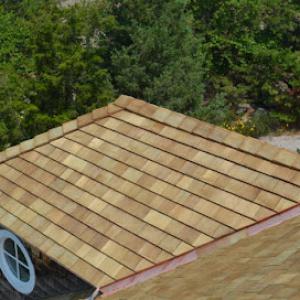
Athena Roofing - Oxnard
(805) 947-0033 www.athenaroofingoxnard.com
1621 E Channel Islands Blvd #B503, Oxnard, California
5.0 from 8 reviews
Athena Roofing is Oxnard and the surrounding area’s premiere roofing company providing a variety of roofing, siding, and gutter services. We offer residential roofing and commercial roofing, roof repair and roof replacement, including asphalt shingles roofing, wood roofing options, metal roofing, tile roofing, and low slope roofing. We work to make the entire process as efficient, painless, and relaxing as possible.

Twins Roofing
(805) 814-9795 www.twinsroofingcorp.com
2203 Eastridge Ct, Oxnard, California
4.9 from 8 reviews
Twins Roofing is a trusted family-owned and operated roofing contractor led by Liliana and Roberto Valdovinos, proudly serving Ventura County and neighboring Counties. Roberto brings over 20 years of experience and has an extensive understanding of all different types of roofs. Roberto is very attentive to his clients desires and needs regarding budget. Liliana is the primary organizer of the corporation, her experience in finance has given her the knowledge in estimating and running the business. Together as husband and wife they make the perfect team. They specialize in Roof Replacement, Roof Repairs, Roof Installation, Roof Inspection, and Roof Maintenance for both residential and commercial properties. Their expertise covers all

Valley Coast Roofing
1740 Ventura Blvd, Oxnard, California
5.0 from 6 reviews
Professional roofing contractor Valley Coast Roofing serving Oxnard 93036. Specialized in TPO, EPDM, modified bitumen systems, architectural shingles, standing seam metal. Complete roof inspections, leak detection, waterproofing solutions. Certified installers with manufacturer warranties.

Alfa Roofing
835 Noontide Way, Oxnard, California
5.0 from 5 reviews
Welcome to Alfa Roofing! We’re a family-owned roofing company based in Oxnard, CA, with over 25 years of experience. Our company is always proud of our work, and we love seeing our customers smile when they get their new roofs! Whether you need a roof replacement, roof repair, flat roofing, tile roofing, or shingle roofing installation, we’ll be your go-to roofing company. Our services are unmatched, and we can handle any roofing issue that you have. Call Us Today!

Ruiz Roofing
(805) 205-3200 www.ruizroof.com
2155 N H St, Oxnard, California
5.0 from 5 reviews
The next time you need a new roof or roof repairs, trust the experts at Ruiz Roofing! If it’s for your residential property, we can install beautiful roofing systems that are built to last. We guarantee 100% customer satisfaction with our impressive roofs that are sure to transform the look of your home property.

Sosa & Son Construction
(805) 827-3942 sosasonconstruction.com
451 Howell Rd, Oxnard, California
4.0 from 14 reviews
Sosa & Son Construction, the epitome of construction prowess, stands as a steadfast fixture at 451 Howell Rd, Oxnard, CA. As a general contractor, they boast an extraordinary spectrum of services. Their seasoned roofing contractors navigate tear-offs, repairs, and installations, adeptly handling shingles, tiles, and advanced membranes. Skilled paving contractors ensure smooth asphalt surfaces, while seasoned stucco and masonry contractors bring buildings to life. Their concrete maestros shape foundations and outdoor spaces. Demolition specialists perform meticulous, controlled takedowns. Their comprehensive approach transforms structures, leaving clients in awe.
Oxnard roof replacements are typically best scheduled in the dry season because the city's wettest roofing risk comes from winter rain rather than snow, hail, or freeze-thaw cycles. That coastal climate means a surprisingly narrow window where work can be completed without weather-induced delays or moisture exposure. Treat the winter months as a hard deadline for shutting down a tear-off if a dry window isn't available, because once the first storm hits, the job shifts from install to containment and leak mitigation.
Winter moisture in this coastal corridor travels fast from roof plane to interior if any decking or underlayment isn't fully protected. The peak risk is not just rain, but the combination of wind-driven spray and higher humidity that can saturate exposed plywood or fabric underlayment in minutes. If a roof project extends into late fall or early spring, the clock starts ticking in earnest once storm systems become frequent. Delays are not cosmetic-they can leave you with hidden rot, compromised underlayment, and a compromised dry-in that invites interior staining or active drips when a passing shower arrives. Plan for a hard, weather-aware schedule: target dry-season start dates, and build contingencies for unexpected mid-season breaks caused by renewed coastal rainfall.
On active projects, moisture control becomes the core daily concern. When winter rain is in the forecast, the priority is preventing water intrusion, especially around openings, vents, and skylights. If tear-off has begun but decking is exposed, any delay in weather can stall dry-in timing and leave panels susceptible to swelling or warping. Proactively protect roof lines with temporary weather barriers, cover exposed decking, and coordinate with crews to prioritize underlayment installation during any stretch of dry weather, followed by rapid roof covering once material deliveries arrive. If you must pause, secure all penetrations and seams, and avoid leaving open intervals that allow wind-driven rain to track under flashing. Communication with the crew about rain-triggered shutdowns is essential so you're not left with partial work and moisture exposure.
Emergency leak calls become more urgent during rainy periods because even small defects that went unnoticed through the dry season can quickly show up as interior staining or active drips. Treat any attic or ceiling dampness as a red flag: locate the source, stop the water at the entry point, and arrange a temporary interior mitigation if needed (tarps, buckets, or absorbent mats) while a crew is mobilized. Document the problem with photos and note the weather conditions at the time of the issue. A rapid response minimizes interior damage and helps preserve decking and underlayment integrity, reducing the risk of prolonged moisture exposure that could complicate a later full dry-in. Stay proactive: set expectations with homeowners for a possible temporary patch or tarp during ongoing winter storms, and plan follow-up visits to complete the repair once conditions permit.
When you can't wait, these contractors offer fast response times to stop leaks and prevent further damage.
NEMA Roofing
(805) 977-5949 nemaroofing.com
300 E Esplanade Dr, Oxnard, California
5.0 from 160 reviews
Macias Roofing
(805) 974-9041 www.maciasroofinginc.com
1467 Crawford St, Oxnard, California
5.0 from 24 reviews
Francisco Roofing Services
(805) 602-7419 www.franciscoroofing.net
411 San Juan Ave, Oxnard, California
4.7 from 65 reviews
In Oxnard, average installed costs run about $350 to $650 per square for asphalt shingles. That range reflects the practical, common choice for re-roofing homes with a steady supply of experienced crews, especially when coastal moisture and salt exposure aren't pushing extra steps. If your plan includes a straightforward tear-off and replacement with standard underlayment, you'll be near the lower end of that spectrum. Expect the project to creep higher if the existing roof deck needs repair or if you want higher-end shingles or better wind resistance.
Metal options commonly run $700 to $1,200 per square. Metal stands up well to coastal wind and salt exposure, but installation typically involves securing a more substantial underlayment, precise flashing, and careful panel alignment. In Oxnard, where tile-heavy re-roofing is common, metal can still carry a premium if a roof has to be removed to address underlying rot or corrosion. Labor intensity and fastener choices can push costs toward the upper end, especially on complex rooflines.
Clay tile re-roofs land at roughly $1,000 to $1,800 per square. Costs here are notably higher due to labor-intensive tear-off, tile handling, underlayment replacement, and flashing work. Tile-heavy homes near the coast often demand meticulous re-seating and mop-up sealing to manage coastal moisture and to ensure long-term leak resistance. Expect higher expenses if multiple tile courses or broken tiles require careful repair rather than simple replacement.
Concrete tile sits around $900 to $1,500 per square. Similar to clay, the coastal environment and tile weight mean more labor, especially when you're replacing underlayment and flashing to maintain a watertight roof. If your roof has unusual chimney detailing, vent stacks, or skylights, add time and cost for precision flashing and sealant work.
Wood shingles or shakes run about $600 to $1,100 per square. In this climate, wood detail adds a distinctive aesthetic but carries increased maintenance risk from salt air and moisture. Labor costs rise when crews must work around intricate rafter ties or venting to avoid trapped moisture, and when treatment or coatings are used to preserve wood under coastal conditions.
Synthetic options are typically $450 to $900 per square. They offer decent coastal performance with a lighter weight and favorable wind resistance. In Oxnard, expect savings if the project remains straightforward, but remember that more complex detailing or underlayment upgrades can push pricing higher, especially where a torn-off roof costs more due to tile-adjacent work.
Costs in Oxnard often rise when tile roofs require more labor for tear-off, tile handling, underlayment replacement, and flashing work than a simpler asphalt shingle re-roof. Project timing can affect pricing because winter rain delays and weather-related scheduling pressure in Ventura County can reduce crew availability and extend project duration. Plan for potential schedule shifts and coordinate with a contractor who can secure dry days to minimize moisture intrusion during the wet season.
The most popular roofing material in the US. Find pros who install, repair, and replace asphalt shingles.
NEMA Roofing
(805) 977-5949 nemaroofing.com
300 E Esplanade Dr, Oxnard, California
5.0 from 160 reviews
Macias Roofing
(805) 974-9041 www.maciasroofinginc.com
1467 Crawford St, Oxnard, California
5.0 from 24 reviews

Scorpion Roofing
(805) 207-7205 www.scorpionroofinginc.com
751 Ivywood Dr Unit 751, Oxnard, California
5.0 from 18 reviews
A full re-roof in Oxnard usually requires a permit through the City of Oxnard Building and Safety Department. This isn't a box to check once the project starts; delays often begin with missed permit steps. Know that the city expects your project to meet local wind, moisture, and seismic considerations, especially with tile-heavy or mixed roofing to withstand coastal winds and salt exposure. If a contractor acts as if permits aren't necessary, you risk invalidated work, insurance issues, and trouble selling your home later. Start the process before you lift the first shingle.
Oxnard homeowners should expect required inspections during installation, including review points tied to underlayment, decking, and flashing, followed by a final inspection at completion. The underlayment must be properly sized and managed to resist coastal moisture and seasonal wet-dry cycles. Decking should be sound and prepared to tolerate the coastal climate without letting moisture creep upward. Flashing around chimneys, vents, and skylights needs careful integration with both the underlayment and the roofing material to prevent leaks during the winter rainy periods. The final inspection confirms that everything aligns with approved plans and local codes, and it is the critical checkpoint before the project is considered complete.
Some Oxnard roofing projects may need plan review when the scope changes venting or structural details rather than simply replacing the existing roof covering. If you're changing vent locations, adding permanently installed solar, or altering the structural framing to accommodate heavier materials, expect the plan review to scrutinize how those changes interact with coastal moisture control and wind resistance. This step helps prevent last-minute surprises that could trigger rework, additional inspections, or costlier delays once work is underway.
Keep a single, clear line of communication with the Building and Safety Department and your contractor. Have site plans, material specs, and venting details ready for review. Expect a few rounds of questions as the city ensures that mitigation of coastal moisture, salt exposure, and winter leak risk is baked into the project from the outset. Plan for a realistic timeline, and document every phase of work to smooth the path to that final approval.
In Ventura County, insurers have tightened underwriting and claims handling after wildfire and severe weather events, and that reality flows into how roof work is priced and approved in Oxnard neighborhoods. The coastal wind, salt air, and the Mediterranean wet-dry cycle mean carriers pay close attention to material choices, ventilation, and prior storm history. When a roof is evaluated, the emphasis shifts from a quick, smooth claim to a careful audit of how the roof will perform against salt corrosion, high-wind gusts, and winter rain. That conservatism can slow approvals and raise the level of scrutiny on assessments and repairs.
Oxnard homeowners should expect insurers to request more detailed documentation such as photos, contractor estimates, and prior claim history before approving or pricing roof-related coverage decisions. Photos should clearly show decking condition, flashing integrity, and any areas of prior repair or damage, especially near coastal edges where salt buildup can hide deterioration. Estimates need to break down material choices, fasteners, underlayment, and ventilation details so the insurer can gauge long-term durability against moisture ingress. A transparent history of previous claims helps justify the scope of current work and reduces surprises during review.
Coverage availability, deductibles, and claim scrutiny can vary more than in the past, especially for homes viewed as having elevated weather or regional risk exposure. That means a mid-block ranch with a tile roof facing prevailing coastal winds may face a different underwriting lens than a similar home with modernized wrap-around insulation. Insurers may push for enhanced corrosion protection, higher-grade fasteners, and coastal-rated underlayment, even if a replacement is technically feasible with standard materials. For homeowners planning repairs or a full reroof, expect a careful dialogue about long-term performance, not just immediate cost.
Connect with contractors who help homeowners navigate the claims process from damage assessment to final approval.
NEMA Roofing
(805) 977-5949 nemaroofing.com
300 E Esplanade Dr, Oxnard, California
5.0 from 160 reviews


Oxnard's sunny climate makes roof penetrations for solar equipment a practical roofing concern, so flashing quality and integration with the primary roof system matter during both repairs and re-roofs. When planning or evaluating a solar install, verify that the mounting rails and flashings are matched to the roof type and pitch, and ensure there is a continuous seal where flashings meet underlayment and the primary field material. In spray or wind-prone coastal zones, extra attention to factory-approved sealants and kick-out details at the rake and eave lines helps prevent moisture tracking along the deck edge. A seasoned installer should confirm that the roof deck around the racking has not shifted or delaminated and that any penetrations near existing vent pipes or attic vents are integrated with robust primary seals.
Skylight work is a recurring specialty in this market, which is important because leak complaints in coastal climates often trace back to perimeter flashing and seal transitions rather than the field material alone. When a skylight is added or serviced, inspect the curb flashing and daylight transitions where the curb meets the roofing material. Perimeter seal options should emphasize compatibility with salt-laced air and seasonal thermal cycling. Pay close attention to pan flashing color and material to avoid heat-induced expansion that can compromise seals. If a skylight replacement is on the table, consider a curb-first approach that keeps the new seal surface continuous with the existing underlayment and avoids stepping down into the field material.
Although tile and shingles are common, Oxnard also has enough flat and low-slope roofing demand that drainage, membrane condition, and ponding-related maintenance should not be ignored on applicable homes and additions. Inspect for ponding zones after heavy winter rains and verify that the membrane edges are properly terminated at transitions to steeper sections. At any low-slope retrofit, ensure the edging detail channels water toward existing scuppers or gutters and that edge metal resists salt exposure. When re-roofing, preserve continuity of the membrane laps and confirm that all edge fasteners are protected from salt air corrosion. Regular maintenance checks should prioritize seam integrity, flashings at penetrations, and clear drainage paths to prevent standing water from finding its way into the eaves.
Find contractors who integrate solar panels or solar shingles into your roof for long-term energy savings.
Macias Roofing
(805) 974-9041 www.maciasroofinginc.com
1467 Crawford St, Oxnard, California
5.0 from 24 reviews
Francisco Roofing Services
(805) 602-7419 www.franciscoroofing.net
411 San Juan Ave, Oxnard, California
4.7 from 65 reviews

The Oxnard market shows strong demand for re-roofing and quick response, so homeowners are likely to encounter many firms geared toward replacement work rather than only new construction. Know that a timely response often correlates with service quality, but fast quotes can come from installers who lean on standard packages. Look for crews that can tailor a solution to your tile-heavy home, not just push a one-size-fits-all plan.
Cleanup is a prominent local hiring priority, which matters on occupied residential properties where tile fragments, nails, and tear-off debris can spread across driveways and yards during re-roofing. Ask how debris will be contained, what methods they use to protect landscaping, and how daily cleanup is handled. A responsible contractor should provide a written plan for tarping, nail removal, and disposal.
The local market includes a meaningful mix of long-established and family-owned companies, so homeowners often weigh responsiveness and price against track record and warranty support. Check how long the firm has served the area, the stability of key staff, and whether they maintain ongoing relationships with local tile suppliers. A family-owned firm may offer more personalized communication, but a larger, established outfit can provide broader warranty coverage.
In coastal environments, corrosion control and moisture management matter between projects. Ask for references from recent Oxnard projects, especially those with tile or concrete tile roofs, and verify what the warranty covers and for how long. Confirm who is onsite as the point of contact during the project and how changes or issues are handled mid-progress.
Tile and metal systems must tolerate salty air and coastal winds. Ensure the contractor documents roof penetrations, flashing details, and ventilation plans specific to your roof line. Clarify how they address potential winter leak risk with a solid, weather-tight installation approach and post-installation check-ins.