
Last updated: Apr 19, 2026
Fresno's hot, dry summers can shorten roof lifespan when ventilation, underlayment, and maintenance are neglected. The area endures long stretches of extreme sun, frequent dust, and rapid thermal cycling between day and night. That combination cakewalks on shingles and underlayment if airflow isn't prioritized. When attic vents, soffit intake, and properly sized ridge or turbine vents aren't paired with a breathable, moisture-resistant underlayment, heat builds up under the decking. This accelerates drying shrinkage in shingles, bleeds into adhesive bonds, and can invite early granule loss or curling on asphalt or misalignment on tile systems. If a re-roof project is planned, the first practical move is to audit ventilation and confirm the underlayment choices are rated for high heat and UV exposure. In plain terms: airflow is not cosmetic, it's a structural ally against the sun.
Local replacement planning is best centered on Fresno's dry months to reduce weather exposure during tear-off and avoid warranty concerns tied to wet installation conditions. The window from late spring through early fall tends to offer the most predictable weather, minimal rain risk, and a gentler sequence for decking to dry between layers. The dry season also shortens the time a roof deck is exposed to the elements, reducing the chance of moisture damage to sheathing or interior ceilings if a full tear-off is needed. When planning, schedule the most moisture-sensitive steps-like deck inspection, underlayment installation, and initial shingles or tiles-during the driest stretch available. If a tile roof is involved, confirm the fasteners and sealants chosen for that temperature regime so they cure properly in warm but not scorching heat.
In this climate, underlayment is not a generic layer-it's the primary shield against rapid drying and heat-driven degradation. Look for underlayments with strong UV resistance, excellent pitch stability, and compatibility with the chosen roofing system. For asphalt, a high-quality synthetic underlayment that resists mold and allows vapor permeation can prevent moisture traps without sacrificing wind uplift performance. For tile systems, a mechanically fastened or self-adhered underlayment that accommodates thermal expansion is essential. Ventilation should be treated as a matching system, not an afterthought. A well-vented attic minimizes heat buildup that can transfer through the decking, expanding fasteners and seams, and reducing indoor heat transfer in the attic space. Ask for a simple airflow plan that includes attic vent placement, recommended intake-to-exhaust ratios, and a quick check of baffles where needed.
Winter storms and heavy rain in Fresno can delay active projects and create moisture-control problems if decking is exposed during a re-roof. If a tear-off is unavoidable in the fall or winter, plan for a contingency: keep a weather window buffer, have temporary coverings ready for exposed decking, and prepare for added drying time before interior finishes resume. Snow is not a factor here, but heavy rainfall can be, especially if a partial deck is open during a shift from removal to installation. A practical approach is to stage partial re-roofs with tight sequencing: remove, dry, install underlayment, then immediately proceed to second-layer installation on days that remain dry. This minimizes exposure of the decking to rain, dew, and morning fog.
Finally, think beyond the install date. A proactive maintenance routine-annual debris removal, inspection after the hottest months, and a quick check of seals around penetrations-prolongs the roof's life under Fresno's sun. If shingles or tiles show early signs of heat stress or UV fading, address the issue promptly before life-limiting damage sets in. The city's climate rewards steady attention to ventilation, underlayment integrity, and a carefully staged replacement plan that sticks to the dry months and guards against moisture exposure during tear-off.
Clay tile and concrete tile are dominant Fresno-area choices, making cracked field tiles, slipped tiles, and aging underlayment especially relevant for local homeowners. The combination of intense summer sun and daily thermal cycling stresses the tile surface, which can cause hairline cracks to propagate into larger breaks if not caught early. When tiles crack or loosen, water can seek entry through the underlayment, deck, and fasteners, magnifying damage during the winter wet season. In homes with clay or concrete roofing, pay particular attention to first-story hips and ridgelines where wind gusts push or lift edges. A routine walk across the roof after the harshest heat waves can reveal loose or cracked tiles, while a quick inspection from the attic helps confirm whether any daylight peeks through underlayment seams.
Asphalt shingles remain common in this area, but they are notably vulnerable to accelerated aging under prolonged Central Valley sun exposure. The sun's ultraviolet rays dry out the asphalt, leading to brittleness, granule loss, and curling edges more quickly than in milder climates. Shingle surfaces may show weathering that looks superficial but masks deeper issues such as compromised underlayment or flashings. In hotter months, you may notice faster wear on southern and western exposures due to extended sun contact. When shingles begin to cup or split, or granules wash away during a typical spring dust storm, it's a signal that the roof isn't providing the original level of protection and may need more attentive maintenance or replacement consideration.
Fresno's mix of hot summers, mild wetter winters, and occasional seasonal winds means both surface materials and the waterproofing layers beneath them need close inspection. Tile roofs rely on a continuous underlayment and proper flashing to keep moisture out where tiles don't seal perfectly at valleys, penetrations, or edges. In winter, a pattern of light rain and tule fog can reveal leaks only where warping or poor sealant allows seepage. If attic insulation shows signs of moisture, staining, or mold near joints, it's a clear cue that waterproofing concerns extend beyond visible tile damage. The wind can also lift edge tiles, creating micro-gaps that let wind-driven rain penetrate beneath the tiles during storms.
A proactive homeowner approach combines periodic at-home checks with seasonal professional inspections. After the peak heat of summer and after the first heavy winter rain, walk the roof if safe to do so, noting cracked or displaced field tiles and any shingle curling or granule loss. Inspect eaves, gutters, and downspouts for an abnormal amount of granules or debris, which can signal aging shingles or lifting tiles. In the attic, look for daylight between rafters, damp spots, or dark staining around penetrations and valleys. For tile roofs, keep an eye on valley flashings and hip joints where water tends to concentrate and where movement from thermal expansion can reveal vulnerabilities. Regular attention to these patterns helps catch failures early and guides timely maintenance decisions.
Find contractors who specialize in clay and concrete tile roofs, known for their durability and curb appeal.
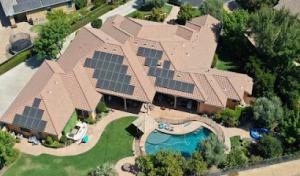
Roof Pros Roofing & General Construction
(559) 408-6506 www.roofprosroofing.com
440 W Fallbrook Ave #105, Fresno, California
5.0 from 148 reviews
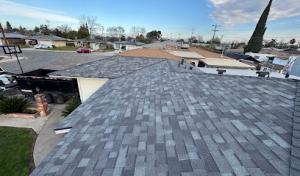
The Roofing Crew
(559) 283-3020 theroofingcrewllc.com
2777 W Browning Ave, Fresno, California
5.0 from 70 reviews
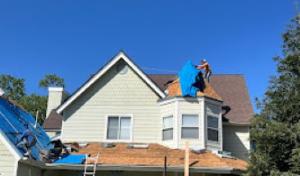
Best Choice Roofing
(559) 575-2734 californiabestchoiceroofing.com
2777 W Browning Ave, Fresno, California
4.9 from 152 reviews
Asphalt shingles run about 350 to 700 USD per square, metal roofing 650 to 1500, clay tile 900 to 1800, concrete tile 900 to 1600, slate 1500 to 3200, and EPDM about 3.5 to 6.5 USD per square foot. In this market, those figures reflect not just material per unit but the way Fresno's housing stock and climate push jobs toward heavier or more UV-resistant assemblies. When you're choosing, consider how the local heat and dust will stress the surface over 20 to 30 years, and how weight and installation quality affect long-term performance.
Costs in Fresno often rise when older tile roofs need underlayment replacement, broken tile matching, or a structural review because tile systems are heavier than shingles. If a retrofit involves replacing a failed underlayment, or matching tiles that are no longer available, expect extra labor hours and possibly custom tile sourcing. That means the price can climb beyond the base material range, especially on a roof that hasn't seen a full overhaul in a decade or more.
Project timing matters locally because winter rain delays, summer heat handling, and inspection scheduling can all affect labor efficiency and total job cost. In practice, the hottest stretch can slow crews or require more hydration breaks, while wet months can stall roof access for safety and moisture control. If a roof is at the end of its life, lining up replacement in a window with favorable weather can keep costs down and the job moving steadily. Conversely, waiting for a busy season can push labor costs up due to demand.
When evaluating bids, ask how much of the price is tied to underlayment and tile matching on a tile roof, and whether the bid assumes a full structural check. If you're leaning toward asphalt, confirm whether the quote includes upgraded underlayment for hot, dusty summers. For metal, confirm panel fasteners, coatings, and any ridge vent or additional cooling features. For tile options, verify the plan covers tile-specific underlayment, additional bracing if the structure needs reinforcement, and any weatherproofing upgrades to handle Fresno's thermal cycling. A careful comparison will reveal how much weather-driven risk the contractor is accounting for and where you get the best long-term value.
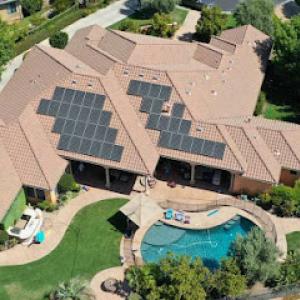
Roof Pros Roofing & General Construction
(559) 408-6506 www.roofprosroofing.com
440 W Fallbrook Ave #105, Fresno, California
5.0 from 148 reviews
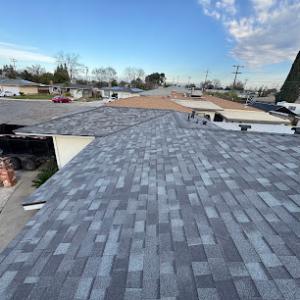
At Roof Pros Roofing, we're your go-to roofing contractor in Fresno for all your residential and commercial roofing needs. Our team of experienced professionals specializes in roof repair and replacement, as well as a variety of roofing services, including metal, flat, tile, and shingle roofing. We also offer emergency roofing services to ensure that you're never left without a roof over your head. Our commitment to customer satisfaction means that we always provide high-quality workmanship, and we take the time to inspect and maintain your roof to ensure its longevity. In addition to roofing services, We are also a full service General Contractor. Contact us today for a free estimate."
The Roofing Crew
(559) 283-3020 theroofingcrewllc.com
2777 W Browning Ave, Fresno, California
5.0 from 70 reviews
The Roofing Crew is a reputable roofing contractor in Fresno, California, offering unparalleled service in all things roofing. With a commitment to excellence and affordability, The Roofing Crew's expertly skilled professionals ensure the highest quality of workmanship. Their dedication to providing long-lasting roofing solutions makes every home and business they touch a testament to their meticulous craftsmanship and superior customer service.
Best Choice Roofing
(559) 575-2734 californiabestchoiceroofing.com
2777 W Browning Ave, Fresno, California
4.9 from 152 reviews
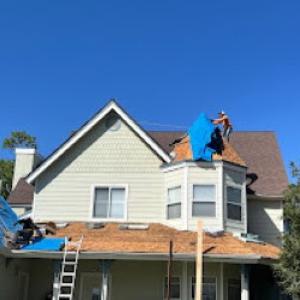
Discover the ultimate roofing solution with Best Choice Roofing. Established since 2018, their experienced contractors are dedicated to ensuring your roof is in top condition. From intricate repairs to comprehensive replacements, their quality workmanship and dedication will bring your vision to life. Trust Best Choice Roofing for your property, and witness the transformation of your roof.
High Impact Roofing
(559) 477-2671 highimpactroofingservices.com
1816 W Sussex Way, Fresno, California
5.0 from 63 reviews
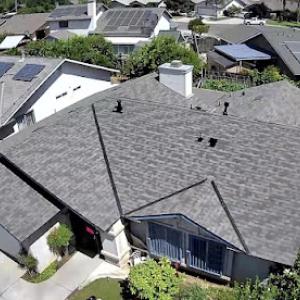
High quality roofing services
Grandmark Roofing
(559) 272-7495 www.grandmarkroofing.com
4545 N Brawley Ave STE 105, Fresno, California
4.8 from 655 reviews
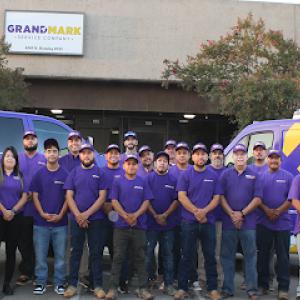
Established in 2014, Grandmark Roofing safeguards Fresno's homes and businesses with a complete range of roofing solutions. Their team of experts tackles repairs, replacements, and maintenance of metal, flat, tile, and shingle roofs. Grandmark prioritizes customer satisfaction by offering quality craftsmanship and thorough inspections to ensure your roof's longevity.
A&C Pro Roofing
(559) 558-2634 acproroofing.com
3737 N Fruit Ave APT A, Fresno, California
5.0 from 49 reviews
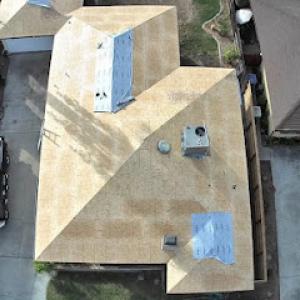
A&C Pro Roofing offers a comprehensive range of roofing services tailored for residents and businesses across Central and Northern California, from Bakersfield to Sacramento. As a leading contractor founded in 2023, we specialize in residential roofing, single ply roofing systems including TPO and PVC, and acrylic elastomeric coatings that provide long-lasting protection. Our expert team is also skilled in leak detection and repair, ensuring your property stays safe and dry year-round. For new constructions or renovations, count on A&C Pro Roofing for precise and reliable roof installations. With deep industry experience and a commitment to quality, A&C Pro Roofing is your trusted partner for all your roofing needs.
Roof Maxx of N. Fresno, CA
4762 W Jennifer Ave STE 101, Fresno, California
5.0 from 64 reviews
Roof Maxx of North Fresno offers an affordable, eco-friendly roof rejuvenation solution that can extend the life of your asphalt roof by up to 15 years. Our plant-based formula restores the protective oils in shingles, providing five years of protection per treatment and saving you thousands compared to a traditional roof replacement. We proudly serve North Fresno and surrounding areas, offering various discounts and on-the-spot financing. Contact our team for a free inspection and estimate today!
Armament Coatings & Roofing
(559) 235-7770 armamentcoatingsandroofing.com
3050 W San Gabriel Ave, Fresno, California
4.9 from 95 reviews
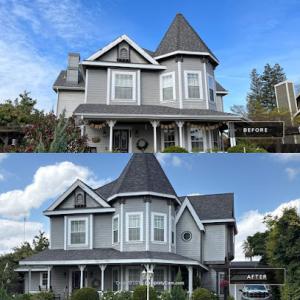
Armament Coatings & Roofing, Inc. is your trusted partner for the easiest roofing experience ever. Our story begins with a passion for delivering excellent roofing services, and today, we proudly serve the Central Valley. Our team consists of skilled experts who bring years of experience to every project. We get that your roof isn t just a cover; it s a vital part of your home and business, giving you shelter and style. What makes us special is our strong focus on quality and making you, the customer, happy. From the first time you talk to us until the last nail is in place, we put your needs first.
Abode Construction Design & Management
(559) 236-6574 gosmartabode.com
8050 N Palm Ave Suite 300, Fresno, California
5.0 from 28 reviews
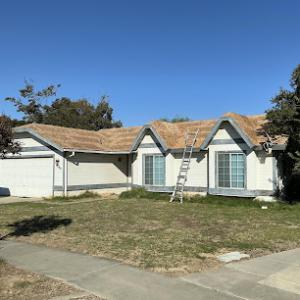
Licensed & Protected CSLB #1089380 (General Building B + C-39 Roofing classification) Bonded & Fully Insured At Abode Construction, we specialize in energy-efficient roofing and general contracting services throughout Fresno and the Central Valley. Our focus is on smarter, greener homes—using the most energy-conscious materials and industry-leading warranties to enhance your comfort, save on energy costs, and deliver lasting value.
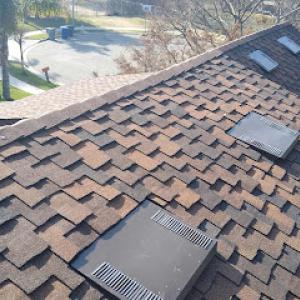
Garcia's Kingdom Roofing
(559) 356-1542 garciaskingdomroof.wixsite.com
Fresno, California
5.0 from 24 reviews
Re-Roofing/New Construction/Repairs/Roof Certifications/Roof Coatings/Single Ply Roofing/Patios/Metal Roofing
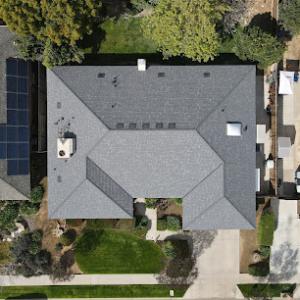
New View Roofing
(559) 326-8683 www.newviewfresno.com
325 S Lind Ave, Fresno, California
4.8 from 52 reviews
New View Roofing is rooted right in the heart of California, we're a local, family-run business with over 50 years of roofing expertise. At New View Roofing, we’re passionate about providing your home with the exceptional roof it needs, blending high-quality service with a personal touch you won't find elsewhere. Whether it's repair work, a complete replacement, or regular upkeep, we use only the finest materials and pay close attention to every detail. But to us, it's more than just roofing—it's about building trust, keeping you informed, and ensuring your satisfaction from start to finish. In need of roofing experts? Reach out at 559-326-8683. Let’s enhance your home together, giving it a fresh perspective with New View!

Roof Doctors Fresno County
(559) 272-7878 theroofdoctors.net
Fresno, California
4.7 from 64 reviews
"Nobody inspects, repairs and certifies more roofs or solves more roof leak problems in the Central Valley Area." Over 300,000 roofs inspected. We do complimentary roof inspections with detailed reports that include pictures. Reports sent within 24 hours of inspection. We are a licensed roofing contractor that offer repairs, replacment bids, gutter cleaning bids, gutter guard installs, and general roof maintenance. Service in the following Central Valley counties: San Joaquin, Stanislaus, Merced, Madera, Fresno, Kings & Tulare Counties.
A full re-roof in Fresno typically requires a building permit. That permit is more than a formality; it's what validates your project against local weather realities, including the Central Valley's long, hot summers and the winter moisture that can creep into attic spaces if seams aren't sealed properly. The process signals the transition from a DIY check to a plan that's reviewed for compatibility with existing roof structure, ventilation, and flashing details that matter when heat and dust are constantly testing materials. Expect the permit to cover not only the new roofing system but the anchor accessories, underlayment, and any necessary structural work. If your home has historic features or if you're changing roofing materials, plan for additional scrutiny and potential code-specific requirements.
The City of Fresno Building & Safety Department handles plan review and roofing inspections. This is not a gatekeeper step meant to slow you down; it's the safeguard that helps ensure your system can stand up to months of brutal afternoon sun, rapid thermal cycling, and the tule fog that dampens moisture paths in colder mornings. Submitting clear plans that show roof slope, ventilation, drainage, and flashing details reduces back-and-forth once installation starts. When the plans are approved, your project enters a monitored phase where the inspector checks that work aligns with those approved drawings and current code for safety, energy efficiency, and water management. Rushed or incomplete submittals tend to trigger delays that can stretch into weekends without sunlight, so prepare with good drawings and product specs.
Homeowners should expect at least one inspection during installation and a final inspection after completion, with scheduling varying by department workload. In practice, that means the inspector will verify drip edge placement, underlayment coverage, and flashing around chimneys, vents, and skylights. If your re-roof uses tile or metal, expect checks on fastening patterns and wind-resistance details that matter as heat expands materials and dust collects on surfaces. Winter moisture can reveal hidden gaps, so the final inspection often confirms that all penetrations are sealed and drainage is clear. Plan for possible minor adjustments if the reviewer notes gaps between ventilation, insulation, and roof deck-adjustments that protect against heat-driven deck warping and moisture intrusion. Being proactive with documentation and cooperation during reviews helps keep the project on track and reduces the risk of weather-related delays.
Although Fresno is dry most of the year, winter storms and heavy rain are a major trigger for active leak calls once weak flashing or aging roof areas are exposed. A small drip from a seam or flashing corner isn't just a nuisance-it signals deteriorated underlayment and potential interior damage if ignored through a season of high heat. When the rain stops, check the attic for sudden warm spots, moisture marks, or musty smells that point to hidden leaks. Don't assume a dry stretch means the roof is sound; winter storms reveal the weak spots that summer heat often masks.
EPDM and other low-slope systems matter in this market because flat-roof specialists are meaningfully present in the local scene. If you have a low-slope roof, prioritize a trusted flat-roof pro for an annual inspection after winter rains and again after the spring humidity spike. These experts know how Fresno's climate cycles-rapid daytime heat after storms, shifting ballast, and tarry or silicone coatings that age unevenly. Ask about flashing panels, field seams, and edge details; those are the trouble zones that most often fail first.
Spring humidity in some years can affect adhesive performance, which is especially relevant for low-slope repairs, coatings, and membrane work. If you're planning patches, coatings, or re-sealing, time it for drier days when adhesives cure properly. Do not delay membrane work if moisture lingers on the surface after a wet spell; delayed adhesion can compromise a repair's longevity. Coordinate with a local flat-roof specialist to schedule during a window of consistent warmth and low humidity for best results.
Walk the roof edge and flashing lines after the next storm to look for loose or lifted metal, crusty sealant, or pooled water that shouldn't be sitting. Keep gutters clear so water can shed instead of backing up at the perimeter. For aging roofs, plan a targeted inspection with a flat-roof expert before the heat returns, focusing on adhesion points, seam integrity, and flashing longevity. The combination of harsh sun and sudden rain demands vigilance-address leaks early, or the damage climbs quickly.
Find specialists in TPO, EPDM, and built-up flat roofing systems for residential and commercial properties.
Roof Pros Roofing & General Construction
(559) 408-6506 www.roofprosroofing.com
440 W Fallbrook Ave #105, Fresno, California
5.0 from 148 reviews
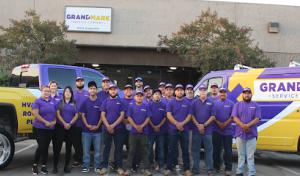
Grandmark Roofing
(559) 272-7495 www.grandmarkroofing.com
4545 N Brawley Ave STE 105, Fresno, California
4.8 from 655 reviews
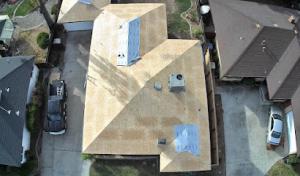
A&C Pro Roofing
(559) 558-2634 acproroofing.com
3737 N Fruit Ave APT A, Fresno, California
5.0 from 49 reviews
California homeowners insurers have tightened underwriting in wildfire-prone areas, affecting Fresno homeowners even when the immediate roofing issue is age or leakage rather than direct fire loss. The combination of prolonged Central Valley heat, seasonal tule fog, and winter rain pushes roofs to age faster, and that aging becomes a risk factor insurers want to see managed. When a claim centers on a roof's condition, the underwriting lens is often wider than the visible leak or missing shingles. Expect questions about deterioration, flashing integrity, and how the roof has held up under heat cycling over the years.
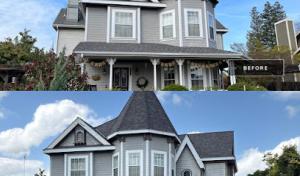
In this market, adjusters may require detailed documentation of roof age, material type, and before-and-after photos when reviewing roof-related claims or replacement requests. Photos should clearly show eave lines, shingles or tiles, drainage components, and any interior evidence of roof exposure, such as attic staining or condensation patterns. Documentation about previous repairs, maintenance, and the last major service helps demonstrate the roof's history and remaining life. Keep receipts or notes from inspections that identify material specifics, including known vulnerabilities to Fresno's heat and UV exposure.
Because insurer scrutiny is increasing, Fresno homeowners should keep replacement estimates, inspection notes, and installation records organized before filing a claim. Create a simple folder or digital cloud of every inspection report, warranty card, and vendor communication. If a claim is filed for leakage or age-related wear, this organized trail makes the review smoother and reduces back-and-forth delays. Having clear, dated documentation can also support conversations about recommended replacement timelines and the choice of material best suited to this climate.
Connect with contractors who help homeowners navigate the claims process from damage assessment to final approval.
The Roofing Crew
(559) 283-3020 theroofingcrewllc.com
2777 W Browning Ave, Fresno, California
5.0 from 70 reviews
Armament Coatings & Roofing
(559) 235-7770 armamentcoatingsandroofing.com
3050 W San Gabriel Ave, Fresno, California
4.9 from 95 reviews
Reasonable Roofing
(559) 417-6988 reasonableroofing.net
794 W Magill Ave, Fresno, California
4.2 from 38 reviews
In this market, affordable pricing, quick response, and proven re-roofing experience matter more than premium systems. Your contractor should handle Fresno's mix of tile and asphalt roofs, and be comfortable with dusty job sites, heat days, and a few days of tear-off fatigue.
Ask how long the contractor has worked locally and whether they've done multiple re-roofs with tile or concrete tile, as well as asphalt. Look for crews who can plan around hot afternoons, dust control, and spray-downs to minimize debris in neighboring yards. If you have clay, slate, or metal options, verify that the crew understands heat-related expansion and fastening for your chosen material.
Cleanup is a major local priority. Your contractor should outline how they will protect landscaping, manage tile breakage, and remove tear-off debris daily. Confirm the approach to dust control, tarp usage, and vehicle access to keep driveways clean. A written cleanup protocol helps avoid post-project surprises.
Request multiple bids with the same scope: material choice, tear-off method, debris containment, daily cleanup, and a defined project timeline. Compare not just price, but callbacks, reliability, and documented methods for storm or heat-day delays. Expect free estimates and a straightforward warranty explanation from firms in this market.
Read warranty terms carefully and verify the contractor's insurance coverage and licensing status. Ask for local references and permission to contact them about workmanship, response time, and how cleanups were handled on weathered, dusty days.
Choose a contractor who demonstrates clear communication, a realistic schedule, and a dependable cleanup plan. Favor firms with lasting Fresno presence, transparent warranties, and a track record of re-roofs that held up under Central Valley heat and winter moisture.
Fresno's strong sun exposure makes roof penetrations and solar-related flashing details especially important when preserving roof life during upgrades. High UV and thermal cycling can degrade sealants and fasteners faster than in milder climates, so the roof must be prepared for repeated expansion and contraction around every penetration. Choose flashing materials rated for long-term sun exposure and ensure seams receive proper sealing with compatible sealants that stay flexible in extreme heat.
Solar roofing appears in the Fresno contractor market but is not as prevalent as tile, emergency repair, or flat-roof work. If solar is on your radar, plan for a careful integration with the existing roof plane. The mounting rails, inverters, and edge clearance add new load paths and potential leakage points. Work with a contractor who prioritizes rainwater management and flashing continuity around roof penetrations, not just panel placement.
Skylight-related repair experience is also present locally, making penetration waterproofing a practical concern for homeowners planning reroofing. When reroofing, assess the skylight's flashing, curb, and surrounding tile or shingle transitions. Replacing or resealing skylight flashing during a replacement reduces later leaks from Fresno's winter moisture and dust-laden air. Use flashing membranes that bridge the curb and roof plane smoothly to avoid pinch points that trap debris.
During a reroof, sequence matters: ensure waterproofing checks occur after the roof deck is dry and before final coverings are installed. For solar retrofits, coordinate installation so that any roof penetrations are addressed during a single, integrated waterproofing plan. This minimizes the chance of partial repairs leaving vulnerable seams exposed to tule fog dampness and seasonal storms.
Ask for a detailed penetration map that shows every vent, skylight, and solar attachment. Favor flashing packages with flexible, UV-stable sealants and corrosion-resistant metals. Insist on a comprehensive inspection of all penetrations after installation and after the first heavy rain, so any sealant or flashing imperfections are caught before they cause interior damage.
Find contractors who integrate solar panels or solar shingles into your roof for long-term energy savings.
Best Choice Roofing
(559) 575-2734 californiabestchoiceroofing.com
2777 W Browning Ave, Fresno, California
4.9 from 152 reviews
Abode Construction Design & Management
(559) 236-6574 gosmartabode.com
8050 N Palm Ave Suite 300, Fresno, California
5.0 from 28 reviews
Barrier Roofing & Solar
(559) 233-1680 www.barrierroofing.com
2671 S Cherry Ave, Fresno, California
4.2 from 10 reviews