
Last updated: Apr 19, 2026
In this climate, the heat isn't just uncomfortable-it's a factor that accelerates aging of shingles, underlayment, and flashing. The central Valley sun bakes roofs for months, and the UV load is relentless. That combination makes spring and fall the practical reroofing windows. Crews can work at milder temperatures, which helps quality control, minimizes worker heat risk, and reduces the likelihood of heat-related material handling issues. Scheduling a tear-off and installation in the shoulder seasons also lowers the chance of winter moisture interrupting the dry-in and the subsequent curing of sealants and underlayment. If you can avoid the peak heat of July and August, you'll typically see smoother progress and less post-install snagging caused by heat-softened components or accelerated flashing contraction.
Strong Central Valley sun exposure is a major aging factor for asphalt shingles and underlayment in Visalia, making UV-related brittleness and granule loss a practical lifespan issue. Asphalt systems, in particular, show wear patterns tied to sun exposure: the sun-exposed slope ages faster, granules shed sooner, and the protective asphalt film degrades more quickly than on shaded surfaces. When planning reroofing, expect the most sun-drenched faces of the roof to tell the story first-curling edges, reduced granule mass, and hairline cracking can appear on the southern or western exposures long before leaks become obvious inside the attic. If your roof already shows signs of UV wear, you may find that selecting materials with enhanced UV resistance or better reflective properties helps slow that process and preserve roof performance longer.
Older roofs in Visalia often show accelerated wear on the most sun-exposed slopes before leak problems become obvious inside the home. This means that the apparent condition of the roof you see from the driveway might understate the true age of the roof system. When inspecting, focus not only on shingles but also on underlayment, flashing, and penetrations on those exposed faces. It's common to find dry-rot or fiber breakage starting at the high-sun edges, where heat cycles are most intense. This is not just a cosmetic issue; it signals the need to assess the roof deck's integrity and the likelihood of timely sealant and flashing performance after reroof.
Different roof coverings respond differently to heat and UV exposure. Asphalt shingles may show accelerated granule loss and brittleness; metal roofs tend to expand and contract, which calls for precise panel alignment and secure fasteners to prevent panel creep or leaks at seams. Clay and concrete tiles stand up well to heat but can suffer from brittle fractures if misaligned or walked on; underlayment beneath tile systems remains a critical line of defense against moisture, and UV exposure can dry it out and reduce its protective qualities over time. Synthetic or composite shingles often balance lengthened life with UV resistance and weight considerations, while slate provides longevity but demands careful installation to prevent microcracking under thermal fatigue. When selecting a reroof, consider not just the upfront look but how the product tolerates the summer cycle, the UV load, and the Santa Ana-inspired wind-driven dust that accompanies dry seasons.
Maintenance should acknowledge that UV wear compounds over consistent heat exposure. Schedule routine inspections after the peak heat season and before the wet months begin, paying special attention to the most sun-exposed slopes. Keep gutters clean to prevent water backups that magnify underlayment stress and flashing movement. If you notice granule loss, bare asphalt showing through, or exposed decking on the sunward faces, address it sooner rather than later to avoid accelerated deterioration and potential leaks. Consider choosing reflective, UV-resistant underlayment and roofing materials that balance heat tolerance with energy performance. When discussing reroof timing with contractors, emphasize the preference for cooler months, and ensure they plan for a dry-in window that minimizes exposure to winter moisture while completing the tear-off and installation efficiently.
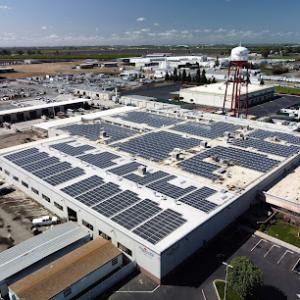
OneRoof Solution Commercial Roofing
(559) 697-6252 www.1roofsolution.com
6525 W Goshen Ave, Visalia, California
4.6 from 9 reviews
WE ARE COMMERCIAL ROOFING EXPERTS. We Protect Your Commercial Property From The Top Down. Welcome to OneRoof Solution, a full service commercial and industrial roofing contractor located in Visalia, California. We are built on integrity, excellence, craftsmanship and high standards of roofing and safety. We pride ourselves on providing tailored roof solutions to commercial and industrial clients across California and beyond. Our highly skilled commercial roofing team combines decades of experience with cutting edge roofing systems to provide comprehensive services in roof replacement, roof maintenance and roof repairs. Our mission is to provide clients with real asset protection through high quality, competitively priced, roofing solutions.
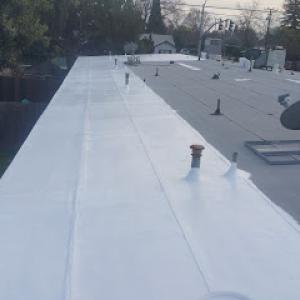
Affordable Roofing
4414 W Feemster Ave #3828, Visalia, California
3.7 from 10 reviews
Affordable Roofing has been serving the San Joaquin Valley since 2002. We specialize in Roof Inspections and Certifications, Roof Repairs, APOC Silicone Roof Coatings, and Roof Replacements.
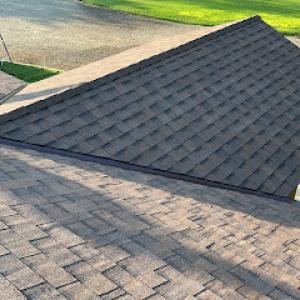
Jacobo Roofing
(559) 736-3997 roofingsvcfarmersvilleca.com
Serving
5.0 from 14 reviews
Jacobo Roofing delivers top-tier roofing solutions in Farmersville, California. As experienced roofing contractors, they expertly handle everything from residential composition roofs to durable metal roofing systems. Whether you need a complete reroof, a fresh new installation, or prompt roof repairs, Jacobo Roofing has you covered. They also specialize in TPO commercial roofing and beautiful tile work, offering reliable roofing expertise for both homes and businesses.
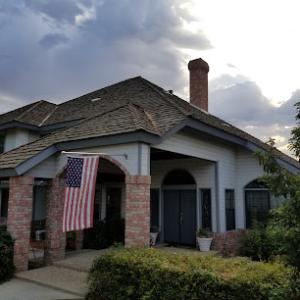
Solution Roofing
(559) 901-9869 solutionroofingco.wixsite.com
Serving
4.8 from 15 reviews
Roofing Business
Pristine Roofing | Roofing Company Fresno & Visalia
(559) 442-9233 www.pristineroofingca.com
Serving
5.0 from 275 reviews
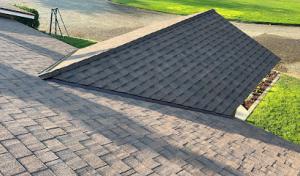
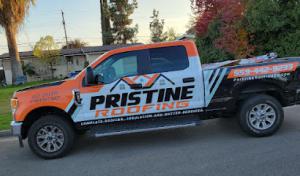
We're a top-rated local and reputable roofing company Fresno. Best Roofers Fresno! Not only do we serve Fresno, we also serve Visalia, Tulare, and neighboring counties. We install a variety of roofing systems including shingles, metal, tile ,TPO and Modified bitumen. If you're looking for an amazing roofing contractor, give us a call! We're happy to give you a free estimate for a new or repaired roof.
Magallon's Roofing
(559) 315-3354 magallonsroofing.com
Serving
4.7 from 111 reviews
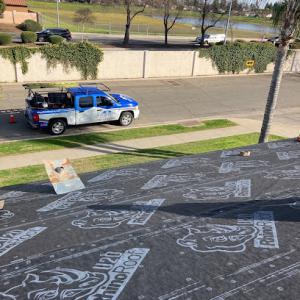
Magallon's Roofing is a family-owned and operated roofing contractor that has been serving the Fresno County community since 1999. We offer a wide range of roofing services, from roof repair to roof replacement and solar tube installation or skylight replacement. Our experienced and certified team is dedicated to providing our customers with the highest quality roofing solutions at competitive prices. We also offer financing options to make it easier for our customers to afford the roofing services they need. Contact us today for a free estimate!
Avalos Roofing
Serving
4.8 from 10 reviews
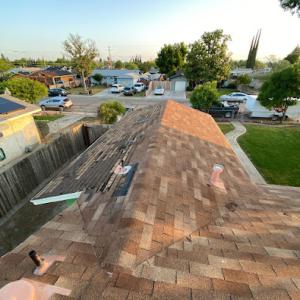
Welcome to our roofing page! We are dedicated to providing top-quality roofing services for your residential or commercial property. From minor repairs to full roof replacements, we've got you covered. Our team of experienced professionals uses only the highest-quality materials and the latest techniques to ensure that your roof is not only durable and long-lasting, but also looks great. We pride ourselves on our commitment to customer satisfaction and will work with you to find the best solution for your roofing needs. Contact us today to schedule a free estimate.
Garcia & Sons Roofing
(559) 415-0625 garciansonsroofing.com
Serving
4.2 from 10 reviews
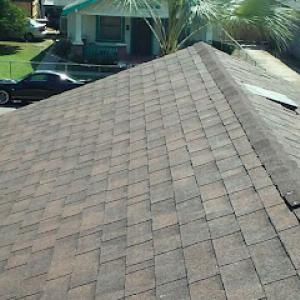
Garcia & Sons Roofing have the skill that you demand, the experience that you require, and the affordability that you need for all your roofing needs. Through the course of three decades, we have fully addressed the roofing needs of commercial and residential projects across Hanford and its surrounding areas. Our vast experience in the field and commitment to always go above and beyond, allows us to set the standards of quality under which other companies measure themselves.
Jake's Roofing & Coating
(559) 622-8663 jakesroofingandcoating.com
Serving
5.0 from 3 reviews
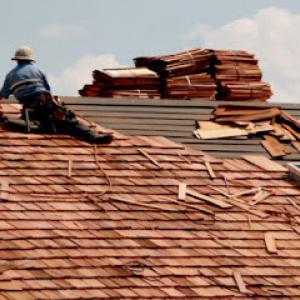
As fourth generation Visalia Commercial Roofers, we take pride in all of our residential and commercial roofing jobs no matter the size. You will have our owner's personal attention on every single project. Guaranteed. We specialize in polyurethane spray foam roofing and cool roof coatings for commercial properties, industrial properties, agricultural properties, residential properties, mobile homes and any other building with a roof.
In this part of the Central Valley, roof choices are shaped by long, intense summers and heavy sun exposure. Clay tile and concrete tile are established fit-for-market options because they perform well under prolonged heat and match the common residential architecture found on many Visalia homes. The heat-loving, sun-baked climate keeps these tiles looking sharp while helping the roof shed heat in a way that keeps attic temperatures more manageable when paired with the right underlayment and ventilation. When considering tile for a reroof, pay attention to the roof's slope and the span of the roof deck; steeper pitches often help with water run-off and reduce heat buildup at the eaves, while low-slope sections may require closer detailing to safeguard against wind-driven rain and debris. In neighborhoods where homes lean toward the Mediterranean or mission-style aesthetic, clay and concrete tiles not only endure the heat; they also preserve a timeless curb appeal that matches the local style.
Spring wind events in the Visalia area can loosen older tiles or shingles, so fastening condition and underlayment age matter as much as the visible roof covering. Even sturdy clay or concrete tiles can shift if fasteners are corroded or improperly seated, especially after a windy season or a rapid temperature swing. The underlayment-the layer that guards against moisture migrating into the attic-age is a critical factor in performance. In practice, a tile roof is only as effective as its underlayment and its fasteners, so expect a thorough assessment of fastener condition, spacings, and any signs of wear or uplift after winter storms or spring winds. For homes with existing tile roofs, consider a targeted inspection of ridge caps, hip tiles, and any areas around vents, skylights, and chimneys, where wind pressure tends to concentrate. If the attic space runs hot, a double-check of insulation and ventilation can help preserve the roof's life by reducing thermal expansion stresses that can loosen fasteners over time.
Metal roofing is relevant for homeowners prioritizing heat performance and long service life, but detailing and attic heat management still matter in the valley climate. Metal panels or shingles shed heat efficiently and can reflect a portion of solar radiation, which reduces radiant heat transfer into the attic. In practice, choosing a high-reflectance finish and ensuring proper attic ventilation will maximize this benefit. A metal roof may also suit newer homes or remodels that aim for a clean, contemporary look while maintaining a traditional roofline. However, metal panels perform best when installed with careful attention to edge detailing, panel overlaps, and fastener seals to resist wind uplift during Visalia's spring gusts. Attic heat management remains essential: ensure there is adequate soffit and ridge or turbine ventilation, and consider insulation upgrades if the attic temperature consistently climbs above comfortable levels. For homes with large southern exposures, coordinating shade features such as eave overhangs or light-colored soffits can help minimize heat buildup and prolong the roof's effectiveness.
Whether tile or metal is chosen, installation quality matters most in this climate. Tile roofs benefit from proper lattice framing and a vented roof deck that accommodates heat cycling and wind pressures. Concrete and clay tiles should be laid with correct gaps and nailing patterns to resist uplift, especially in spring wind corridors. Metal roofs, while offering excellent heat tolerance, require precise panel alignment and sealant applications at seams, penetrations, and transitions to other roofing types. Regular inspections after the high-wind season can catch loose tiles, rusting fasteners, or sealant wear before a minor issue becomes a larger leak. In a market where wildfire-era insurance scrutiny is common, paying close attention to potential fire-safe detailing around vents, skylights, and chimney penetrations helps maintain resilience and peace of mind.
Find contractors who specialize in clay and concrete tile roofs, known for their durability and curb appeal.
Pristine Roofing | Roofing Company Fresno & Visalia
(559) 442-9233 www.pristineroofingca.com
Serving
5.0 from 275 reviews
Dry wildfire seasons are not a distant threat in this valley; they color insurance underwriting and renewal discussions even if your home isn't perched in a mountain foothill. In Visalia, carriers increasingly review roof age, material, and overall condition as part of the equation when deciding coverage terms. That reality makes the roof a critical line of defense-and a potential signal to underwriters about risk. When embers drift from distant fires, your roof and its near-field features become the line of defense that insurers scrutinize more closely.
During dry months, embers can ride on prevailing winds and land on roof surfaces, valleys, hips, and along edges where tiny ignition points hide in micro-crevices. In homes with tile roofing or shingle rows, heat transfer from sun-soaked surfaces can intensify ember ignition if there are exposed fasteners, damaged flashing, or registered gaps around chimneys and vents. A roof that looks sound from the ground may still harbor vulnerable details that embers love to exploit, especially in areas where debris collects in eaves or valleys. The result is a faster path from a small ember to a fire that threatens the interior.
Documentation matters more than ever when insurers assess risk and prepare for potential claims. Updated records that clearly state material type, installation age, and any prior damage history help adjusters understand what they're underwriting. Keep a consolidated file with recent roof material spec sheets, a simple map of the roof layout (including valleys and penetrations), and notes from last three inspections. When a claim or renewal happens, having this information ready reduces back-and-forth and helps establish the roof's current condition and resilience.
Prioritize proactive maintenance that limits ember ingress. Inspect and seal seams around vents, skylights, and penetrations; replace damaged flashing promptly; and ensure metal drip edges and gutter systems are intact and free of debris. Consider ember-resistant upgrades at vulnerable edges-sealed hip joints, properly meshed soffits, and preventing leaf build-up in valleys. When you hire a contractor, request a concise roof health report that captures material type, age, condition, and any known prior damage. This isn't about alarm; it's about preparedness in a local climate where annual dryness and ember exposure are ongoing factors. Keeping these records and addressing small vulnerabilities now helps stabilize insurance conversations later and reduces the chance of a preventable loss turning into a costly claim.
Find local contractors experienced in assessing and restoring roofs after hail, wind, and severe weather events.
Pristine Roofing | Roofing Company Fresno & Visalia
(559) 442-9233 www.pristineroofingca.com
Serving
5.0 from 275 reviews
Using the provided local ranges, Visalia reroof pricing runs about $350 to $750 per square for asphalt shingles, $600 to $1400 for metal, $900 to $1900 for clay tile, $700 to $1600 for concrete tile, $450 to $900 for synthetic/composite shingles, and $1400 to $2800 for slate. These figures reflect the mix of product prices and the way the desert sun drives long-term performance, especially on tile roofs that make up a large portion of suburban reroofs. In practice, the sticker shock that many homeowners see comes not only from material cost but from the way each system handles underlayment, fasteners, and edge details in a hot climate.
In Visalia, tile reroofs can cost more not just because of material price but because underlayment replacement, tile handling, and repairs to slipped or broken pieces add labor compared with basic shingle tear-offs. When clay or concrete tile is involved, crews often need cautious removal and careful re-laying to prevent breakage, which translates to higher labor times and more set-up complexity. This is especially true on mid-century and newer suburban homes where tile runs are common and existing underlayment may show sun-damaged felt or need reinforcement at eaves and valleys. Expect a noticeable delta between tile materials and asphalt shingles once you factor in these handling and repair tasks.
Scheduling pressure can increase costs when homeowners wait until peak summer heat or after winter rain events, when dry-in urgency and crew availability become tighter in the local market. Summer heat not only strains the crew's pace but can tighten supply chains for underlayment and specialty tiles. If rain leaks linger into winter, crews may need to re-sequence jobs, pushing daily rates higher or adding contingency charges. Planning ahead for shoulder-season starts can help stabilize both timing and price, especially for tile or slate projects where the work window is more constrained.
Don't let upfront costs delay a critical repair - these contractors offer payment plans to fit your budget.
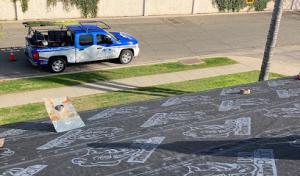
A full roof replacement requires a building permit through the City of Visalia Building & Safety Division. This process is designed to ensure new work stands up to the Valley's intense summer heat, UV exposure, and the area's wildfire-era scrutiny. The permit starts a timeline that affects when tear-off, dry-in, and final completion can legally occur, so understanding the sequence helps avoid delays when the weather is at its most unforgiving.
For standard reroofs, plan review is generally straightforward, focusing on material type, attachment methods, and drainage. If the scope includes structural concerns, changes to load paths, or non-routine work like reinforced decking or new vents, the review expands. In practice, most homes with asphalt shingles or its common alternatives move quickly through preliminary checks, but clay or concrete tile reroofs-especially on older framing-tend to attract closer scrutiny. The planning step is your chance to align the contractor's proposed sequence with city expectations and existing permit conditions, avoiding rework later in the process.
Visalia inspections commonly occur at stages such as after sheathing or underlayment and again at final. Because of that pattern, the contractor should sequence the tear-off first, then complete the dry-in before any weather-driven risks intensify, and schedule the final inspection promptly after installation is complete. The dry-in stage is crucial here: an effective underlayment system helps resist the season's high UV load and daily heat cycling, while properly installed flashing and edge details prevent heat-related membrane failures later on. Coordinating these steps with the Building & Safety Division minimizes the likelihood of rework caused by weather interruptions or inspection holds.
During the first inspection-post-sheathing/underlayment-the inspector will verify roof venting, underlayment type, nailing patterns, and roof-to-wall transitions. In Visalia's climate, inspectors pay close attention to de-icing and ventilation provisions in attic spaces, as heat buildup can accelerate material degradation. The final inspection confirms that roof coverage is complete, penetrations are sealed, and any required documentation or amendments to the permit are satisfied. Having a well-documented sequence, with storm windows secured and interior access prepared for any attic or crawlspace check, speeds the final sign-off.
If the project includes upgrading structural members, re-anchoring, or reconfiguring eave lines to address previous deficiencies, communicate early with the permit office and the contractor. The plan-review and inspection cadence can extend when structural concerns arise or when non-routine work is involved. In those cases, expect additional plan notes, revised drawings, and potential field revisions to stay aligned with code requirements and the city's safety expectations. Keeping the permit trail clear and timely helps ensure the roof replacement progresses smoothly through Visalia's summer heat and into a durable, code-compliant finish.
Visalia's mild, wetter winter period can expose leaks that stayed hidden through the dry season, especially where underlayment has already been weakened by summer UV. A roof that seemed solid in July can suddenly sag into daylight during January storms. If attic temperatures ran hot all summer, you may find damp spots, peeling interior paint, or musty odors that point to compromised valleys or flashing. Don't wait for a drip to reveal the problem-inspect after any significant rain and before the next storm surge.
Winter rain and occasional storms can delay active reroof projects, which makes temporary dry-in planning important once tear-off starts. You need a concrete plan for keeping water out during wet spells: tarps secured over vulnerable valleys, hose-proof temporary seals around exhaust vents, and a coordinated schedule with your contractor to prioritize critical areas first. If a rain front moves in, expect work pauses and adjust expectations for completion windows. Your goal is to minimize moisture entry while crews mobilize.
Emergency response matters locally because a roof that performs acceptably in dry weather can fail quickly once winter moisture reaches compromised valleys, flashings, or underlayment. Be prepared with a rapid contact list for your contractor, a backup plan for interior containment, and a clear path for addressing flashing laps and chimney transitions the moment a storm hits. If you notice sudden staining, musty air, or active seepage, treat it as an urgent leak and initiate a temporary seal while arranging a fastest-possible repairs.
When you can't wait, these contractors offer fast response times to stop leaks and prevent further damage.
Commercial roofing drives a meaningful portion of the local market, and low-slope systems are a practical option even when many homes use shingles or tile. The long, hot season produces high heat load and intense UV exposure, which means reflective membranes and restoration-driven choices can noticeably extend service life. When a home or small business sits under the Valley sun, a low-slope roof with a well-chosen surface and proper detailing can resist heat gain and reduce cooling demand.
Visalia's heat accelerates aging of rubberized membranes and reduces the effective life of underlayment and flashings if the system isn't chosen with UV resistance in mind. Look for reflective or cool-roof membranes that meet local climate needs, and pair them with root- and hail-resistant granules or coatings. Over the life of the roof, schedule regular inspections to verify reflective coating integrity, seam adhesion, and drain efficiency, especially after the hottest months.
When winter rain arrives after extended dry heat, drainage performance becomes critical. Ensure slopes and internal drains maintain unobstructed flow, and verify that the membrane seams are properly bonded. Inspect for fastener backouts or membrane punctures that can cause localized leaks. In Visalia, you'll want a maintenance plan that emphasizes prompt sealant refreshes and debris removal to keep the drainage paths clear.
Plan around the heat cycle: the most favorable window for membrane refresh or replacement tends to be after the peak summer, when temperatures are manageable but before the winter rains. A restoration-focused approach-recoating high-UV areas, resealing seams, and repairing edge flashings-can maximize lifespan and minimize disruption.
Look for blistering or edge lifting near parapets and penetrations, pooled water on flat sections after storms, and fading or chalking along membrane surfaces. Early detection supports targeted repairs that prevent more extensive, costly failures later in the season.
Find specialists in TPO, EPDM, and built-up flat roofing systems for residential and commercial properties.
Pristine Roofing | Roofing Company Fresno & Visalia
(559) 442-9233 www.pristineroofingca.com
Serving
5.0 from 275 reviews
In Visalia, your best bet is a contractor who can clearly spell out tear-off, dry-in, and cleanup steps. Don't settle for promises about new construction work or quick finishes; look for a detailed plan that shows how old materials will be removed, how the new roof will be weather-tight during a rain-free window, and how waste will be contained and hauled away. Ask for references from nearby homes with similar tile or shingle roofs, and verify that crews are experienced with the heat and UV exposure that accelerate aging in the valley.
Spring wind in this market can loosen older materials, and winter rain can expose deferred maintenance as leaks. A contractor who returns calls promptly and commits to a realistic start date matters more in Visalia than glossy marketing. Confirm a concrete schedule with milestones and a point of contact who will oversee the project daily, especially during critical tear-off days.
Cleanup is a notable market expectation, particularly on tile and shingle tear-offs where debris can damage driveways or landscaping and disrupt daily life. Require a written commitment to daily cleanup, protective tarps, and a final debris haul, with a plan for protecting fragile irrigation lines, plantings, and paintwork near the eave line. Clarify how roofs will be left weather-tight between work phases.
Because Visalia's market shows strong re-roofing activity, homeowners should demand contractors with proven tear-off, dry-in, and cleanup workflows, not general remodel promises. Request a photo-driven progress log, a roof protection plan for hot afternoons, and a clear post-installation inspection checklist to confirm UV-damage mitigation and proper ventilation. That teamwork saves problems later.