
Last updated: Apr 19, 2026
Monterey sits directly on Monterey Bay, so roofs are exposed to marine air that can accelerate corrosion of metal components and fasteners. This isn't just surface rust; it can compromise the attachment points and seam integrity over years of wet winters and salty spray. When choosing materials, you'll notice that some options tolerate salt-laden air better than others. For homes near Cannery Row or the bayfront, the salt load is higher, so prioritizing corrosion resistance in fasteners, flashing, and vents becomes a practical decision, not just a matter of initial appearance. In practice, this means leaning toward metal detailing with stainless or high-grade galvanized components, and selecting roofing systems that minimize exposed ferrous hardware in all vulnerable zones.
The city's frequent coastal fog keeps roof surfaces damp longer than hotter inland areas, which affects drying time and can shorten the service life of moisture-sensitive materials. This longer rendezvous with moisture gives algae and moss a foothold on shaded sections, especially on older roofs. If you have wooden elements or fiber-cement components in the more exposed bays, you'll want to monitor for moisture-induced bowing or softening after wet winters. A practical step is to schedule seasonal inspections after foggy stretches or heavy marine rains, focusing on flashings, caulk joints, and penetrations where moisture can linger. Consider ventilation improvements in attic spaces and under roof decks to promote air exchange, reducing lingering dampness that ages materials unevenly.
Homes closer to the bayfront, Cannery Row area, and other ocean-facing parts of Monterey typically face more salt exposure than more sheltered inland neighborhoods. This means two things in day-to-day practice: first, you'll notice faster accelerated wear on metal components and sealants near the oceanfront; second, you'll see moisture-sensitive substrates showing signs of aging sooner in those same zones. To counter this, treat the most exposed roof areas with enhanced sealing at all penetrations, reinforce hips and ridges with compatible flashing, and select a roof system whose fasteners and joints are rated for saline environments. If your home sits on a slope with a long run toward the sea, dividing the roof into zones for maintenance checks helps catch trouble spots early rather than reacting after a leak forms.
A practical, Monterey-specific approach starts with a twice-yearly inspection schedule that coincides with winter storms and late-spring fog dampness. During inspections, prioritize metal components: look for loose or corroded fasteners, dented or creased flashing, and any rust or staining along rakes, valleys, and penetrations. Check attic vents and soffits for moisture buildup and ensure ridge vent pathways remain unobstructed by debris or vegetation. For moisture-sensitive materials such as wood shakes or certain fiber-cement products, examine for blistering, softening, or cupping, especially on shaded surfaces that stay damp. Clean debris that traps moisture in gutters and overhanging eaves, and ensure splash zones at wall interfaces remain clear to reduce wicking.
Salt air intensifies the need for robust flashing and detailing in Monterey's marine environment. Pay particular attention to valley flashing, chimney cricket fitments, and edge metal where salt spray can accumulate and creep into seams. Use sealants and coatings rated for high-moisture coastal use, and avoid open channels where salt-laden droplets can stagnate. For metal roofs, select coatings or paints that resist salt-induced chalking and maintain galvanic compatibility with fasteners. Ensure roof penetrations (vents, skylights, plumbing stacks) have continuous, uniform sealant lines that remain flexible in cooler coastal temperatures.
Certain roof materials tend to hold up better than others under coastal oxygen, moisture, and salt exposure. In the local reality, asphalt shingles are common and can perform well with proper maintenance and corrosion-resistant fasteners, but long-term coastal performance often favors options with heightened resistance to salt and humidity. Metal roofing can be an excellent choice if the system uses corrosion-resistant fasteners and appropriate coatings. Clay and concrete tiles offer durability but require careful detailing at fasteners and underlayment to guard against moisture-related freeze-thaw cycles in foggy coastal microclimates. Wood shingles or shakes deserve extra scrutiny for moisture absorption and potential rot in shaded, fog-bound zones, while slate remains a premium option with strong longevity when all ironmongery is carefully managed.
Asphalt shingles are common in Monterey, but the local combination of wet winters, fog, and salt air makes underlayment quality and ventilation especially important. When choosing shingles, look for an upgraded synthetic or rubberized self-sealing underlayment and a ventilation plan that moves moist air from the attic efficiently. In coastal homes, a stout ridge vent paired with soffit vents helps minimize moisture buildup that can lead to premature lifting or curling in salty fog. Shingle color and granule density should be considered to reduce thermal cycling without sacrificing the material's ability to shed moisture and resist salt spray. Regular inspections after heavy marine fog can catch early signs of deterioration around edges, hips, and valleys before leaks take hold.
Clay and concrete tile fit many Monterey and broader Central Coast architectural styles, but their weight can complicate reroofing on older homes if structural review is needed. Before replacement, confirm the structure can support the added load, especially on flats or upper floors with limited framing. Clay and concrete tiles offer excellent durability against salt air, but they require a precise installation to maintain wind resistance and drainage on foggy mornings. Look for a reputable tile installer who understands coastal details-tile alignment, proper underlayment, and metal flashing at penetrations. A vented attic space helps moderate moisture under the tiles, reducing the risk of mold in damp winters.
Wood shingles and shakes appear on some older coastal homes, yet Monterey's moisture exposure can make weathering, moss, and maintenance more significant concerns than in drier inland markets. If choosing wood, select pressure-treated or rot-resistant species and install a continuous underlayment to protect the roof deck from moisture intrusion. Keep crews focused on drainage at seams, and plan for proactive moss control and cleaning, particularly in shaded spots near the coast where fog lingers. Consider a climate-appropriate finish or stain that resists salt spray and mildew while preserving the historic look.
Metal roofs offer great longevity in marine environments, withstanding salt air and fog exposure when installed with proper ventilation and corrosion-resistant coatings. A bundled system that includes a high-quality underlayment and an integrated ventilation strategy helps prevent condensation and rust at fasteners. In Monterey, lighter metal profiles with concealed fasteners can minimize maintenance concerns and help with attic airflow, reducing heat buildup and moisture-related issues during damp seasons.
The best choice blends your home's architecture with Monterey's distinctive marine climate. Underlayment quality, attic ventilation, and thoughtful flashing are as crucial as the material itself, given fog and salt exposure. Regular inspections, especially after winter storms and during foggy periods, will extend roof life and preserve the home's coastal charm.
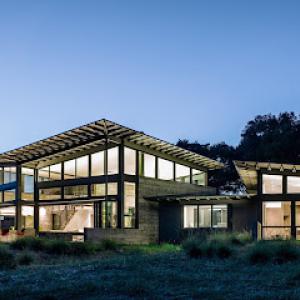
Dority Roofing & Solar
(831) 375-8158 dorityroofing.com
Serving
5.0 from 6 reviews
Dority Roofing & Solar has been providing high-quality roofing services on the Monterey Peninsula since 1996. Because we have this level of experience, we are prepared for all kinds of roofing needs. With our friendly, prompt, and professional service, we tailor to each customer’s specific wishes. As a result, our customers are more than satisfied with the work we perform for them. Because we source a wide variety of roofing products, you’ll find a roof that has the style, color, and material that you want. If you have a custom roof in mind, please contact us to discuss your ideas. Our portfolio includes extraordinary roofing projects in the area, and our staff will assist you in creating your vision.
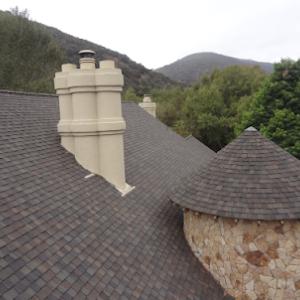
Dynamite Roofing
(831) 240-8281 dynamiteroofing.com
177 Webster St A-371, Monterey, California
5.0 from 1 review
Lic# 697091 - PL & PD Insured Serving Monterey & Santa Cruz Ca Family owned and operated, Dynamite Roofing is dedicated to installing quality roofs at a reasonable price. Our services include: • New construction • Re-roofing • Repairs • Carpentry – dry rot restoration Specialize in installing: • Composition shingles • Clay & concrete tile • Wood shakes & wood singles • Torch down flat roofs • Waterproofing balcony decks • Sheet metal & gutters • Skylights and sun tunnels Call for free estimates (831) 240-8281 Rob@dynamiteroofing.com
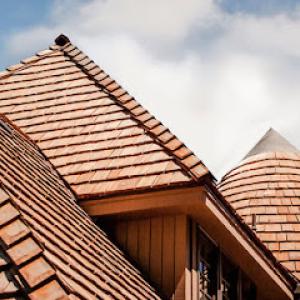
Scudder Roofing Company
(831) 373-7212 www.scudderroofing.com
Serving
4.9 from 37 reviews
Scudder Roofing specializes in all types of roofing and roof repairs as well as waterproofing, seamless gutters, skylights, and roof maintenance. A full-service residential and commercial roofing contractor, we serve clients all over Monterey, Santa Cruz, and San Benito counties. From tile, slate, custom and specialty metal to shingles, shake roofs, solar and so much more, the Scudder name has been synonymous with excellence since 1982. Give us a call today at 831-373-7212 for a free roofing estimate or visit our website for more information about our roofing company and the skilled construction services we can offer you.
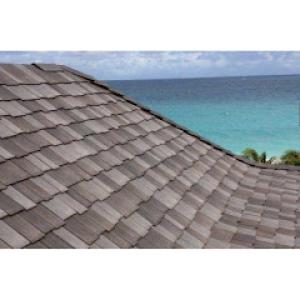
Ross Roofing & Construction
(831) 394-8581 www.rossroofing1950.com
Serving
4.6 from 14 reviews
Ross Roofing & Construction is a trusted team of roofers in Monterey, CA, providing reliable and affordable roofing solutions backed by decades of experience. Our licensed, bonded, fully insured, and BBB-accredited professionals specialize in new roof construction, re-roofing, and roof repair for homes and businesses. We also offer expert services in gutters, sheet metal fabrication, foundation waterproofing, walkout decks, and real estate inspections. From minor leaks to complete replacements, we handle every project with precision and care. Contact Ross Roofing & Construction today for dependable roofing and exterior services throughout Monterey County.

Premo Roofing Company
(831) 443-3605 www.premoroofing.com
Serving
4.6 from 69 reviews
Premo Roofing is a full-service company serving residential and commercial clients in Monterey, Santa Cruz and San Benito Counties.
Coastal Roofing & Solar
(831) 324-4908 www.coastalrs.com
Serving
5.0 from 19 reviews
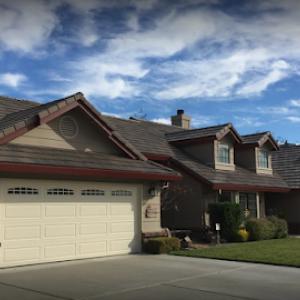
Coastal Roofing and Solar is a locally owned family oriented company with extensive background in the local construction industry. With over 35 years of combined ownership experience, over 56 years of combined front office customer care experience and over 90 years of combined local installation experience our mission is simple: Treat every person and each property with the highest respect and provide the right job scope to ensure the best investment return for each individual project whether residential or commercial, large or small. Each job is customized for the customer. Roofing, solar and waterproofing, both retrofit and new construction.
Slaton & Son Roofing
(831) 449-0599 slatonandsonsroofing.com
Serving
4.9 from 28 reviews
Family Owned & Operated Roofing Company with 44 Years in Business.
Kennedy Roofing
(831) 254-4900 kennedyroofing.net
Serving
5.0 from 13 reviews
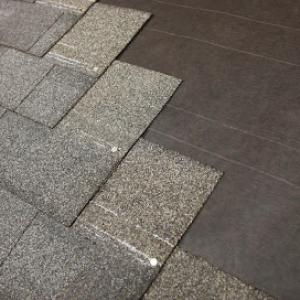
Kennedy Roofing has been established over more than 20 years in the business completing work of exceptional quality throughout Watsonville and the surrounding cities. Our team of skilled roofers has the tools and the experience to confidently offer a comprehensive range of services for your roof. We service in general inspections, repairs of all scopes, the installation of brand new roofs and maintenance such as pressure washing. Beyond roofs themselves we also install seamless gutters and solar panels adding great value to your home. We work with you to make the process as convenient as possible and will work with you to get your project completed to your full satisfaction before receiving payment.

Earl Deal Roofing
(831) 217-4425 earldealroofing.com
Serving
4.7 from 11 reviews
Earl Deal Roofing is a reputable & quality roofing contractor in Salinas, CA! We have over 9 years of experience! Our company is licensed and insured! Call us for professional roofing services. "We have 5% off discount on labor cost for senior and military" Contact now!!
Monterey Bay Roofing
(831) 901-4810 www.montereybay1.com
Serving
3.3 from 7 reviews
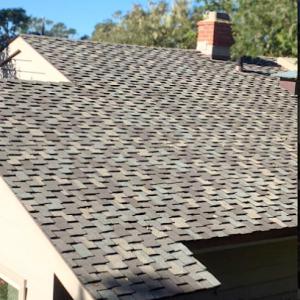
At Monterey Bay Roofing, Inc., we take great pride in being the top provider of residential and commercial roofing services for our neighbors and their families in Monterey, CA. With over 40 years of experience in the field, our team of skilled and highly qualified roofers is ready to provide you with the finest quality roofs, using only the best materials at competitive prices.
Legacy Roofing
(831) 753-7663 www.legacyroofing.net
Serving
5.0 from 2 reviews
Our company has provided professional roofing services in new construction, roof replacement, roof maintenance, and roof leak repairs for over 20 years. We service both private and public-sector customers as well as general contractors. Our knowledgeable staff works with manufacturers to provide custom solutions designed to provide our clients with the best possible finished product for their roofing and waterproofing needs.
Bay Quality Roofing
(888) 289-0009 bayqualityroofing.com
Serving
5.0 from 3 reviews
By using the highest-quality materials and providing great customer service, Bay Quality Roofing remains the go-to roofing contractor along the coast.
Winter storms and rain don't just slow work; they stop it in its tracks. In this coast-facing stretch, tear-offs can be delayed by days of heavy marine weather, and dry-in work after installation becomes a fragile milestone. This isn't a nuisance-it's a real risk to shingle, underlayment, and flashings that are meant to seal up fast once a roof is cleared. If a project starts too late, you're left staring at lingering leaks during wet season months and a longer timeline into spring. Plan for a compressed, highly weather-dependent schedule that prioritizes dry days, or you'll end up paying for multiple weathered reschedules and extended protection gaps.
Coastal fog and humidity in Monterey can leave roof decking with elevated surface moisture. That moisture delays critical steps: you can't safely install underlayment when the wood isn't dry, and finishing layers need a dry, stable surface to prevent wrinkles, mold, and adhesive failure. The best crews time the tear-off and dry-in to follow stretches of sunny, low-humidity days after a cold front clears. If the forecast shows damp mornings or fog lingering late into the afternoon, expect holdovers. Mitigate by coordinating with a crew that radios in real-time moisture checks and rescheduling windows when decking isn't ready for top layers.
As winter retreats, spring winds along the coast pick up and can complicate installation days, especially for underlayment handling and lighter roofing components. A gusty day can whip underlayment out of position, trap rolls beneath ridge lines, or disrupt precise application of tape-down seams. In Monterey, that means you should build a buffer into your plan for wind-prone periods-think staggered install targets, secure staging zones, and a contingency crew ready to pause during peak gusts. The more fragile segments-underlayment, membrane flashings, and starter courses-demand calm, methodical handling rather than rush during a windy afternoon.
Neighborhood roofs near the waterfront age differently under salt air and persistent fog, so timing becomes a quality-control decision as much as a calendar choice. Expect that many reroofs tilt toward spring and summer when the mix of milder rains and steadier offshore winds creates a safer window for tear-off, dry-in, and finish work. If a storm dips in late winter, don't press ahead; restart only after a solid stretch of dry days. Your goal is to protect the newly installed layers from salt-spray exposure, humidity-driven warping, and wind-driven misalignment-each of which accelerates aging and invites leaks. Plan around long-range forecasts, but stay nimble with a crew that can adapt daily to the coastal microclimate.
Monterey's architectural character rides on a delicate balance between history and the salt-tinged marine environment. The combination of persistent fog, coastal moisture, and older construction means roof performance isn't just about the roof deck, but about how the entire system ages together. When exterior appearance is part of a renovation conversation, the scrutiny can be tighter and more nuanced than on newer homes. That reality often steers material choices toward options that respect the neighborhood's historic rhythm while still offering weather resilience.
Many homes in the older districts come with years of aging framing, wood sheathing, and sometimes multiple prior roof layers. Tear-off work can reveal surprises that weren't obvious from the attic or eaves-gingerly handling these layers becomes essential once work begins. Architectural compatibility isn't a nice-to-have here; it can determine the whole reroof scope, the method of installation, and even the pace of progress. Aesthetics matter as much as performance, so you'll likely face design conversations about profiles, textures, and color choices that honor neighboring façades. In practice, that means you may need to adapt traditional materials to fit a period-accurate look while maintaining integrity against Monterey's winter moisture and salt exposure.
Older Monterey homes may reveal wood sheathing with signs of moisture exposure or prior repairs when the old roof comes off. The deck and framing condition can drive decisions on underlayment, fastener patterns, and ventilation strategy. If multiple layers are found, eliminating them and restoring a sound platform becomes a priority before new material can be installed. Delays or additional labor aren't just possibilities-they're common outcomes that affect the overall reroof plan. The outcome hinges on honest assessment of what lies beneath and a willingness to adjust expectations if the structural picture isn't as pristine as imagined.
In historic neighborhoods, material selection tends to be guided by architectural compatibility as much as by weather performance. While modern options offer durability in Monterey's climate, they must harmonize with neighboring structures and the established streetscape. That means certain textures, profiles, and color families may be preferred or restricted to maintain visual continuity. The challenge is choosing a solution that resists coastal moisture and salt while still reading as appropriate for the home's age and style. A cautious approach-prioritizing proven compatibility and long-term resilience-helps prevent a mismatch that could compromise both curb appeal and performance.
In a coastal environment, the salt air and persistent fog accelerate wear on flashing, fasteners, and underlayment. For a reroof in this area, corrosion-resistant accessories and careful moisture management aren't luxuries-they're foundational. When budgeting, expect coastal properties to push material and labor costs upward compared to inland projects.
Use these local averages per square: Asphalt Shingles 420 to 700, Metal Roofing 700 to 1200, Clay Tile 1000 to 1700, Concrete Tile 900 to 1500, Wood Shingles/Shakes 1100 to 1800, Slate 1800 to 3200. These ranges reflect Monterey's mixed stock and the need for materials that resist coastal moisture and salt exposure. If a project includes long runs, complex detailing, or historic features, the per-square cost can drift toward the higher end.
Material choice matters more on the coast. Metal roofs, while pricier upfront, often perform well against salt spray and fog, but require corrosion-resistant fasteners and careful edge detailing. Clay and concrete tiles bring durability in wet air and offer long lifespans, yet their weight and seasonal moisture cycling mean engineering and patching around hips, valleys, and parapets require attention. Asphalt shingles may be the most economical per square, but quality underlayment and upgraded flashing become essential on exposed eaves and ridge lines.
Older homes, steeper rooflines, tile removals, and access challenges on established streets can increase labor time and drive up costs. Tight driveways, limited staging space, and the need to protect mature landscaping on historic blocks are common. Expect crews to allocate extra time for safe removal of old tile or shakes, disposal of heavy materials, and meticulous resealing at penetrations like chimneys and vents.
On the practical side, budget for corrosion-resistant accessories, higher-grade flashing, and a moisture-management plan from the start. These choices pay off in fewer calls for repairs after the first few coastal winters and fog seasons, preserving roof integrity longer in Monterey's unique climate.
A full reroof in this coastal town typically requires a permit through the local building department rather than being treated as minor maintenance. The process is designed to ensure that the roof system will stand up to salt air, persistent fog, and winter moisture that age materials differently from inland California. Before any shingles or tiles are removed, you should submit a complete plan set showing roof framing, underlayment type, ventilation strategy, and flashings. Plan review is the first hurdle, and approval signals that the intended materials and installation methods align with current code and local conditions.
Once the plan is approved, installation proceeds under city oversight with site inspections during and after work. Inspections verify nailing patterns, vent placement, underlayment integrity, and proper flashing detail around skylights, chimneys, and roof edges. The inspector will check that fasteners penetrate solid framing or are corrosion-resistant for coastal exposures, and that the chosen underlayment provides a continuous moisture barrier compatible with Monterey's damp climate. Expect at least one inspection mid-project and a final inspection after completion to confirm all components meet the approved plan and code requirements.
Because moisture-management concerns are heightened here, inspection attention to underlayment and ventilation details is especially relevant on local reroof projects. The right underlayment must resist salt corrosion and manage condensation that can form under cool marine air; in this climate, a properly ventilated roof assembly helps prevent trapped humidity that accelerates deterioration. Ventilation strategy should account for attic or rafter space exposure to fog and cooling marine winds, ensuring both intake and exhaust paths remain effective year-round. If a retrofit or deeper retrofit is planned, ensure the plan explicitly addresses any retrofitted venting or roofing vents so the site inspections can verify compliance at the critical junctions between roof deck, underlayment, and exterior coverings.
California's insurance market instability affects Monterey homeowners even though the city is better known for coastal exposure than for the inland wildfire profile seen elsewhere in the state. When insurers review your policy or consider renewing, they'll look closely at how age and wear on a roof interact with salt air, persistent fog, and winter moisture. Material type and visible life indicators can tilt a decision, so the risk conversation often centers on durability under marine conditions.
Insurers may scrutinize roof age, visible condition, and material type when underwriting or renewing Monterey homes, especially older properties. A century-old shingle pattern, corroded fasteners, or creased tiles can signal accelerated aging from salt exposure. Even newer-sounding assemblies can raise flags if evidence of moisture intrusion or slow-leak staining exists. The emphasis is on demonstrated survivability in a salty, damp microclimate rather than raw appearance.
Monterey homeowners should keep dated photos, contractor reports, and permit records because adjusters may want professional documentation before approving roof-related claims. Having a clear trail of roof history, maintenance, and repairs can shorten the negotiation path after a storm or seepage event. When trouble arises, organized records help separate natural wear from sudden damage, making the claim more straightforward for both you and the insurer.
Corroded flashing, fasteners, and exposed metal accessories are a recurring coastal concern in Monterey because of marine air. Salt-laden mist and fog can accelerate oxidation, especially on older homes with through-roof vents, skylights, and chimney boots. You'll notice brown or green staining, dented metal, and loss of sealant adhesion around hips, valleys, and edge metal. When metal components corrode, water can find new paths into the attic or ceiling, even before visible leaks show up on ceilings. Regular inspection of flashings and seams is not optional-it's a proactive defense against hidden rot.
Persistent dampness from fog can contribute to moss, algae, and premature wear on shaded roof sections in Monterey's cooler microclimate. Moss holds moisture against shingles and tiles, speeding granule loss on asphalt and creeping moisture under clay or concrete tiles. In shade-heavy eaves or north-facing slopes, you may see darker staining or softening of substrate over time. If left unchecked, damp patches invite wood rot in underlying sheathing and fastener failure. Address moss growth early with careful cleaning and improved drainage rather than aggressive scraping that could gouge material.
Leaks in Monterey often trace back to moisture-trapping conditions around penetrations, valleys, and transitions rather than extreme heat damage common in hotter inland regions. Valleys filled with debris, misaligned step-flashings, or poorly sealed penetrations create damp pockets that seep inward. Transitions between roof planes can trap water where there's inadequate slope or flashing laps. The result is slow, stubborn leaks that appear after fog events or heavy coastal showers rather than during heatwaves.
Older homes near the waterfront often showcase mixed materials where fasteners and seals have aged together. Salt-laden air, fluctuating humidity, and ongoing dampness compound wear on roof edges, chimney caps, and vent boots. When aging materials meet coastal conditions, failures manifest as loose shingles, uplift-prone edges, and delaminating exterior layers. Regular, targeted checks of edge fasteners and sealants help catch these patterns before interior damage begins.