
Last updated: Apr 19, 2026
The San Joaquin Valley floor bakes in long stretches of intense summer sun. Exposed roofing surfaces take on sustained thermal stress, which accelerates fatigue in underlayment, fasteners, and the topmost layers. As a neighbor who watches the seasons change from the same blocks you live on, you'll notice shingles and valleys that face the afternoon glare tend to age faster than shaded or north-facing areas. This isn't just about texture or color; it's about repeated heating and cooling cycles that gradually push materials toward failure at penetrations, around vents, and at roof-to-wall transitions.
When winter arrives, the tule fog settles in and moisture returns, but with a different pattern than what coastal California sees. The fog brings dampness to shaded slopes, dormers, and around penetrations even as air temps dip. Salt exposure is less of a factor here than in salt-laden coastal air, but repeated dampness contributes to slow deterioration along roof edges, around flashing, and in any sealant joints. Over time, that dampness can creep into underlayment and flashing if surface sealing isn't consistently maintained. The result is a roof that feels fine on hot July days but shows micro-leaks or moisture staining after a few cool, damp weeks.
Dry installation windows are especially important in Tulare because mild, wetter winters can interrupt tear-off and leave decking, underlayment, or open valleys exposed longer than planned. If a contractor tries to squeeze in a full re-roof during a stretch of unsettled winter weather, you risk degraded underlayment or incomplete sealant cures. That means more time under construction, a higher chance of wind-driven leakage during a valley or flashing installation, and a longer period of exposure for decking to moisture. The practical takeaway is to align replacement timing with true dry spells, even if that means scheduling earlier or staying flexible around historically rainy weeks.
Material choices must acknowledge these opposing stresses. Metal roofing has a natural advantage in extreme heat and rapid cooling, reflecting solar radiation and reducing thermal transfer to the attic. Clay and concrete tiles resist heat buildup well and offer long service lives if venting and underlayment are correctly matched to the deck, but their weight and installation demands demand careful structural checks before replacement. Asphalt shingles, while common and cost-conscious, can be more sensitive to heat cycles and moisture intrusion when underlayment or ventilation isn't ideal. Wood shingles or shakes bring a traditional look, but require meticulous maintenance to resist moisture and fungal decay in damp periods. Synthetic or composite shingles aim to balance weight, durability, and heat resistance but still rely on proper ventilation and quality flashing.
Ventilation and underlayment can't be an afterthought. In a climate like Tulare's, you want an underlayment system that handles both heat-related expansion and moisture-driven stresses from tule fog. A roof system that breathes properly reduces attic temperatures and discourages ice damming or condensation in colder months. Flashing should be integrated with a continuous, corrosion-resistant metal and sealed with compatible sealants to withstand the valley's dampness without cracking during cycles of heat and cold. Ensure penetrations-vents, chimneys, skylights-receive reinforced sealant and flashing that remain flexible through temperature swings.
In practical terms, when selecting a replacement roof, you're balancing heat resistance, moisture tolerance, and the ability to maintain integrity through Tulare's seasonal extremes. Consider how a chosen system will perform on exposed ridges, south-facing slopes, and shaded eaves where dampness concentrates. Plan the installation with a focus on complete deck preparation, full underlayment coverage, and continuity of ventilation; all of these steps directly influence how long the roof will hold up under both the furnace-like summers and the damp, cooler weeks. If you're evaluating options, size up not just the immediate appearance and cost, but the anticipated performance of a roof's ventilation, underlayment, and flashing in Tulare's unique rhythm of sun and fog.
The dominant local material mix includes asphalt shingles, metal, clay tile, concrete tile, wood shingles/shakes, and synthetic/composite shingles, reflecting Central Valley tract housing as well as tile-heavy California residential styles. In the heat of the valley, shading and reflection matter as much as material choice. Darker or lower-grade asphalt systems can age faster from prolonged UV exposure and attic heat buildup, making ventilation and shingle grade more consequential here than in cooler regions. When planning replacement, consider how the roof will interact with the attic space, not just the visible surface. This means evaluating the existing insulation, venting layout, and the potential for radiant heat gains that shorten the effective life of shingles and underlayment alike.
Asphalt shingles remain a practical, widely available option for Tulare homes, especially in neighborhoods with traditional tract layouts. The heat cycle here stresses asphalt differently than coastal or northern climates. Choosing a higher-graded shingle and pairing it with a well-designed ventilation strategy helps curb rapid UV wear and attic heat buildup. If a roof already shows curling or granule loss in areas of intense sun exposure, upgrading to a premium asphalt shingle with better UV resistance and a stout granule layer can extend service life. Pay close attention to underlayment quality during replacement, since the underlayment beneath asphalt plays a critical role in moisture management during the dry-wet swings of summer and winter.
Clay and concrete tile fit the region's architecture and heat profile well, delivering excellent solar resistance and long service life when properly installed. Their light-reflective properties can help reduce attic temperatures compared to darker shingles. However, weight and installation nuance matter deeply in Tulare. Replacement decisions should scrutinize the structural capacity of the existing roof deck, framing, and the condition of older underlayment beneath the tile. If the old underlayment is still in place, consider upgrading during replacement to a more durable, UV-tolerant option that can better tolerate the valley's extreme temperature swings. Tile roofs also demand precise flashing details at valleys, hips, and penetrations to maintain an effective moisture barrier through winter rains.
Metal roofing offers excellent heat deflection and wind resistance, which can be a strong advantage in Tulare's hot summers. Reflective metal, especially in lighter hues, helps reduce attic heat gain and can contribute to longer roof life when paired with proper ventilation and insulation. Synthetic or composite shingles provide a versatile mid-range choice, blending ease of installation with improved UV resistance and dimensional stability over time. In both metal and synthetic categories, ensure that fasteners, flashing, and ridge venting align with the local climate to prevent heat-related degradation and moisture intrusion during the winter wet season.
A sound replacement strategy accounts for how the roof assembly behaves across the year's extreme cycle. Ventilation, underlayment performance, and flashing quality become deciding factors just as much as the outer shingles or tiles. The interaction between the chosen material and the existing structure-especially the roof deck integrity and the condition of older components-shapes the long-term outcome. In short, the best fit in Tulare is a system that resists sun and heat while still providing reliable moisture management during winter, with attention paid to how the entire roof assembly ages together.
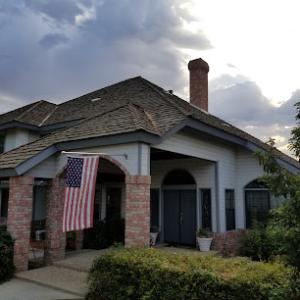
Solution Roofing
(559) 901-9869 solutionroofingco.wixsite.com
116 N B St, Tulare, California
4.8 from 15 reviews
Roofing Business
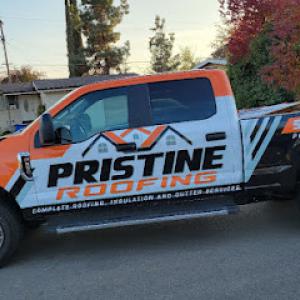
Pristine Roofing | Roofing Company Fresno & Visalia
(559) 442-9233 www.pristineroofingca.com
Serving
5.0 from 275 reviews
We're a top-rated local and reputable roofing company Fresno. Best Roofers Fresno! Not only do we serve Fresno, we also serve Visalia, Tulare, and neighboring counties. We install a variety of roofing systems including shingles, metal, tile ,TPO and Modified bitumen. If you're looking for an amazing roofing contractor, give us a call! We're happy to give you a free estimate for a new or repaired roof.
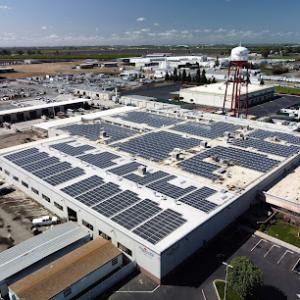
OneRoof Solution Commercial Roofing
(559) 697-6252 www.1roofsolution.com
Serving
4.6 from 9 reviews
WE ARE COMMERCIAL ROOFING EXPERTS. We Protect Your Commercial Property From The Top Down. Welcome to OneRoof Solution, a full service commercial and industrial roofing contractor located in Visalia, California. We are built on integrity, excellence, craftsmanship and high standards of roofing and safety. We pride ourselves on providing tailored roof solutions to commercial and industrial clients across California and beyond. Our highly skilled commercial roofing team combines decades of experience with cutting edge roofing systems to provide comprehensive services in roof replacement, roof maintenance and roof repairs. Our mission is to provide clients with real asset protection through high quality, competitively priced, roofing solutions.
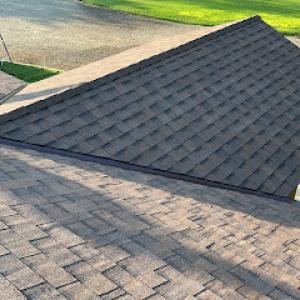
Jacobo Roofing
(559) 736-3997 roofingsvcfarmersvilleca.com
Serving
5.0 from 14 reviews
Jacobo Roofing delivers top-tier roofing solutions in Farmersville, California. As experienced roofing contractors, they expertly handle everything from residential composition roofs to durable metal roofing systems. Whether you need a complete reroof, a fresh new installation, or prompt roof repairs, Jacobo Roofing has you covered. They also specialize in TPO commercial roofing and beautiful tile work, offering reliable roofing expertise for both homes and businesses.
Promotions Roofing
(559) 429-9327 www.promotionsroofinginc.com
Serving
5.0 from 13 reviews
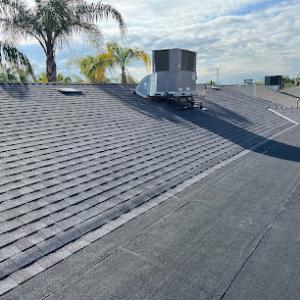
Promotions Roofing where our quality makes the difference. Roof tile, asphalt shingles, repair, re-roof, and new construction roofing. Our crew will greet you with professionalism and will solve whatever roofing-related challenges you can imagine with ease and efficiency. Whether you need tile, shingles, repairs on your roof, or perhaps an overall replacement, give us a call to find out the best option for your home!
Affordable Roofing
Serving
3.7 from 10 reviews
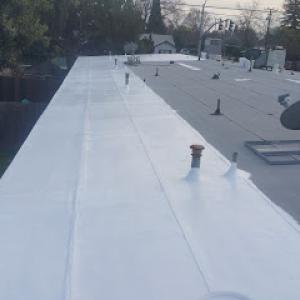
Affordable Roofing has been serving the San Joaquin Valley since 2002. We specialize in Roof Inspections and Certifications, Roof Repairs, APOC Silicone Roof Coatings, and Roof Replacements.

Stoic roofing company
(559) 483-0258 stoicroofingcompany.com
Serving
5.0 from 4 reviews
Get the company that goes the extra mile and gives you the highest quality of workmanship. STOIC. invest in what's yours
In Tulare, spring wind and hail events can trigger a spike in inspection requests and repair needs almost overnight. Lifted shingles, damaged ridge caps, and impact-marked soft metals show up after those sharp downbursts. The fastest way to mitigate risk is to schedule a timely roof check right after a major wind event, focusing on fasteners, seals around penetrations, and any signs of membrane edge exposure. If shingles are buckling or loose, do not delay re-fastening or resealing; wind-driven rain can follow within hours and compound damage. When inspectors arrive, expect questions about recent hail sizes, gust speeds, and any observed granule loss. Have a clear plan for temporary protective measures if a dry-in window opens and weather suddenly shifts to showers.
Winter storms in this area bring occasional heavy rainfall that creates scheduling headaches for dry-in work. Even milder winters than higher-altitude climates can pause progress long enough to push timelines into spring heat or late winter fog cycles. Build a realistic schedule that includes buffer days for rain days, and communicate contingency windows with the crew and homeowners. The goal is to prevent rain from compromising underlayment, flashing details, and ventilation work. Consider prioritizing critical steps-like secure underlayment seams and flashing around chimneys and vents-so that when dry conditions return, the project can resume quickly without backtracking.
Because the area is inland and flat, wind-driven rain and debris exposure matter more than salt corrosion or hurricane-style uplift concerns. Roofs should be evaluated for uplift risk due to wind pressure along ridges and eaves, as well as for debris-related punctures in metal flashing and starter courses. Pay attention to valley intersections and any prior sealant failures that could harbor water intrusion. When debris builds up along the drip edge or in gutters, it compounds moisture infiltration during the season's storms. Implement a proactive debris removal and debris-shielding plan, especially before the next wind event, to keep the roof system dry and functioning.
On many Tulare homes with clay or concrete tile, the visible tile may outlast the waterproofing layer below it, so leaks often trace back to aged underlayment rather than broken field tiles alone. The weight and long dry seasons mask the gradual degradation of underlayment, which stays put until a cycling of heat, moisture, and pressure finally shows up as staining, soft spots, or sudden roof drips. If you assume the tile itself is doing all the work, you're inviting costly surprises when the underlayment loses its seal and fails to shed water properly during the next round of rain or fog. A careful eye on attic sheathing and crawlspace odors or dampness can reveal the warning signs long before a visible drip from the ceiling appears.
High attic temperatures in the southern San Joaquin Valley make ventilation performance a practical roof-life issue, not just an efficiency upgrade, especially under tile and darker shingle roofs. When the attic bakes, underlayment and decking expand and contract, accelerating delamination and aging of the waterproofing membranes. Poorly vented or obstructed attic space traps heat and humidity, which rots seals around flashing and weakens fasteners. In a tile setup, that heat stress can also warp metal components and loosen nail heads, creating micro-leaks that spread with every summer storm. If the ventilation isn't sized and unobstructed, the whole roof system loses resilience just when the next heat wave hits.
City inspections for re-roofs specifically checking underlayment, flashing, and ventilation align with the failure points Tulare homeowners most often need corrected during replacement. Expect inspectors to look for proper underlayment overlap, secure flashing at hips and valleys, and a balanced venting strategy that moves air from eave to ridge without creating dead zones. If any of these elements are compromised, the replacement process will not only be longer but will also expose your home to renewed moisture intrusion as soon as the first heavy Santa Ana-wind week or winter fog rolls through.
If you're planning a roof refresh, prioritize upgrading underlayment and ensuring a robust ventilation plan that suits tile or dark shingle roofs. Visibly inspect attic soffits for obstructions and confirm ridge vents are clear and continuous. Schedule a targeted assessment that focuses on flashing continuity around chimneys, skylines, and penetrations, since those joints are common failure points under heat-driven cycles. Accept that a well-ventilated, properly underlaid roof is not a cosmetic upgrade but a critical shield against Tulare's fierce seasonal transitions.
For a full re-roof, a permit through the City of Tulare Building Department is typically required. The process is not a paperwork-afterthought; it triggers inspections that confirm the roof installation meets local standards for underlayment, flashing, and ventilation. Treat permit execution as an integral part of the project timeline, not an afterthought once materials are on site. Expect the department to coordinate inspections around the sequence of work so that critical stages are verified before any subsequent work continues.
Inspections focus on three core areas: underlayment, flashing, and ventilation. Underlayment must be properly installed to handle Tulare's seasonal swing from hot, dry summers to winter moisture. Flashing around penetrations, vents, and edges must be secure to prevent leaks as temperatures shift. Ventilation is checked to ensure attic air movement supports roof longevity, especially under high heat and rapid cooling at night. These checks are not cosmetic; they influence long-term durability in the Valley climate and the effectiveness of the roof during Tule fog and cold snaps.
Plan review and inspection scheduling can add roughly 1-2 weeks depending on department workload, which matters when trying to time work around the dry season. Start the permit process early in the project planning stage to avoid delays that push demolition or installation into less favorable weather windows. A well-timed permit path helps ensure the underlayment and ventilation strategy is locked in before the first shingle or tile is removed.
Communicate with the contractor about the sequence of inspections to align with the project's critical stages. If the dry season window is tight, factor in a buffer for the city's queue, then coordinate with crews to complete removal, underlayment, flashing, and ventilation in the order the inspectors will expect. Keeping suppliers and crews aligned with the permit timeline reduces the risk of weather-related setbacks and helps ensure the new roof is capable of withstanding Tulare's extreme summer heat and the winter moisture cycle.
Typical local pricing ranges are about $350-$750 per square for asphalt shingles, $700-$1400 for metal, $800-$1400 for clay tile, $750-$1300 for concrete tile, $700-$1500 for wood shingles/shakes, and $600-$1100 for synthetic/composite shingles. In practice, a homeowner should plan for the cost to track with material choice and the complexity of the install, especially when the home features a tile-heavy design common in this area. The heavier weight and longer tear-off times for clay or concrete tiles often translate to higher labor costs and longer project timelines.
In spring, strong storm activity can push inspection and repair backlogs, which may create longer lead times and tighter scheduling windows for crews. Summer heat accelerates drying times but also stresses crews, potentially limiting how many days can be spent on a roof. When the dry window tightens, you may see higher demand-driven pricing or compressed schedules. Planning ahead and securing a firm start date helps avoid cost spikes and missed install days caused by weather swings.
Tile-heavy California roof designs elevate labor complexity compared with basic shingle work. Tear-off of old tile, replacement of underlayment, flashing work, and the handling of heavier materials all contribute to the total price. If the existing roof has extensive flashing or ventilation work required to maintain long-term performance against the valley heat and winter moisture cycle, expect additional line items. Synthetic or composite shingles can offer a balanced option with moderate weight and broad warranty, often at mid-range pricing, while clay or concrete tiles need careful site handling and may require structural checks for long-term durability.
Wildfire risk in California touches Tulare homeowners even though the valley feels far from the foothills that grab headlines. Carriers and underwriting practices shift by ZIP code, so the appetite to cover a claim, the depreciation that may be applied, and even whether a policy remains available can vary from street to street. That means two homes on adjacent blocks could face very different outcomes after the same storm damage, especially if the roof materials or overall ventilation aren't consistent with what the insurer expects in that area.
After a wind or hail event, adjusters will look for thorough documentation, and that means detailed photos of the roof before and after the incident. This is crucial for older shingle roofs and for tile roofs where pre-existing issues might be disputed. You should gather clear shots of all roof conditions, flashing, underlayment exposure, and any prior repairs. In Tulare, where heat and moisture cycles stress roofs differently than you might expect, having a well-documented history can influence whether a claim moves forward smoothly or stalls in a gray area.
Roof decisions are not made in a vacuum; they ride along with California's insurance market. Policy changes and insurer pullbacks can tilt the decision toward repair, replacement, or delay, even if the damage seems straightforward. In practice, this means staying prepared for shifts in coverage language and being ready to discuss long-term performance versus short-term fixes. The outcome hinges on navigating both the physical condition of the roof and the evolving coverage landscape that insurers project into Tulare's climate and housing stock.