
Last updated: Apr 19, 2026
Clovis experiences hot, dry summers and mild, wetter winters, with most annual rainfall concentrated in winter rather than summer. That pattern shapes when a roof project makes sense. The dry season is typically the best window for full replacement because exposed decking and underlayment face lower moisture risk than during winter storm periods. If a roof is torn off in late spring, the house can be dry and weather-tight well before the first cold, wet fronts arrive. The goal is to have the project completed before the peak of the next summer's heat, so you aren't racing against triple-digit days with asphalt backing up the schedule.
Extreme heat in the Fresno-Clovis area can affect crew scheduling and material handling. Work days are often shortened to avoid the hottest hours, and certain materials need cooler temperatures to seal or set properly. If a replacement starts in mid-summer, expect shorter daily progress and more frequent adjustments to avoid heat-related damage to shingles, underlayment, or adhesives. Practical planning means coordinating start times to begin before sunrise and aiming to wrap up before peak heat, while keeping the project on track to finish before the next winter rains. For tile options, heat can influence fastener choice and deck expansion considerations; for asphalt, it can affect shingles' pliability and the ease of making clean cuts.
Winter rain is the primary moisture risk you want to avoid, so scheduling a replacement to complete prior to the heart of the wet season reduces exposure to leaks and weather-related delays. If a full replacement isn't feasible before winter, you'll want to stage the project with careful waterproofing and temporary protection. In practice, that means ensuring a solid, well-sealed underlayment and flashing details are in place so even if a late-season shower arrives, the interior stays dry while work continues on brief, dry windows. Communicate with the contractor about weather contingency plans so a rain event doesn't derail the project or leave decking exposed longer than necessary.
Tile and concrete tile systems bring long-term durability, but their installation can be more sensitive to heat during the day. In dry heat, concrete and clay tiles may require careful handling to prevent cracking, and mortar mixes must cure under favorable temperatures. Metal roofing tends to perform well under heat, but panel installation can still be temperature-sensitive-expansion, contraction, and fastener selection matter. Synthetic and composite shingles often strike a balance, performing predictably in heat while offering quicker installation compared with heavier tile systems. When choosing materials, consider not just lifetime performance but how the material interacts with your local peak temperatures, your roof's pitch, and the anticipated dry-season scheduling.
A practical sequence begins with a pre-project assessment that confirms no lingering leaks and that roof decking is sound. If the plan targets a dry-season replacement, align the schedule to hit a lengthy stretch of dry days, ideally with a forecast of clear weather for several weeks. This minimizes the risk of exposing underlayment or decking to repeated moisture cycles. During the project, maintain a robust tarp or temporary shield strategy for any lingering vulnerable areas, especially around eaves and penetrations. Post-exposure, allow adequate conditioning time for underlayment and any sealants before the next bout of heat or a potential winter rain front.
Clear, local-focused communication with the contractor pays off in this climate. Confirm start dates that avoid the early heat peak and unexpected cold snaps, and set realistic milestones that acknowledge the tendency for hot days to shorten daily progress. Expect some days to be unproductive if heat exceeds a practical threshold; plan backup tasks, such as interior inspections, vapor barrier checks, or flashing adjustments, to keep the project moving. By coordinating around the seasonal rhythm-maximizing dry-season windows and preparing for potential winter delays-you protect the roof's performance and minimize the chance of weather-related setbacks.
In this area, the dominant residential roofing materials are asphalt shingles, metal roofing, clay tile, concrete tile, wood shingles or shakes, and synthetic or composite shingles. The Central Valley's long, hot summers push the need for materials that resist heat buildup andUV degradation, while winter rain demands reliable waterproofing and long-term durability. You'll want a roof that can reflect enough sun to keep attic temperatures reasonable, yet handle rain without leaks or rapid wear. Asphalt shingles offer broad compatibility and easier maintenance, but metal, clay tile, and concrete tile each bring unique strengths for hot summers and wet winters. Consider how a roof profile interacts with your home's microclimate, shade patterns, and eave overhangs when evaluating options.
Tile roofing is especially relevant in Clovis because Central Valley suburban architecture commonly uses clay and concrete tile profiles on visible front-facing roof planes. If your home already has a tile-weight roof structure, sticking with tile can preserve the architectural rhythm and perceived value of the residence. For homes with lighter framing, you'll need to verify structural capacity before a full tile replacement. Clay and concrete tiles perform well in heat, resist fading, and shed rain effectively when installed with proper underlayment and flashing. However, their weight means careful inspection of trusses, supports, and retrofitting needs if the structure wasn't originally designed for tiles. If a lighter system is preferred, high-quality asphalt or synthetic shingles can mimic the look while preserving structural ease and reducing potential retrofits.
Metal roofing provides excellent heat resistance, fast drainage, and durable performance in sun-drenched conditions; it can be a strong choice on shallower pitches or homes seeking a modern aesthetic while still handling winter moisture well if properly installed. Wood shingles or shakes offer a traditional texture that works well with the Valley's sun exposure, but they require meticulous maintenance to prevent rot and fire risk, especially in drier seasons and certain microclimates. Synthetic or composite shingles aim to balance aesthetics with improved impact resistance and longer lifespan, often delivering better performance in heat and rain compared to some traditional options. Your choice should align with the home's existing style, visible roof planes, and the local sun/wet exposure patterns that shape long-term wear.
Extreme summer heat can accelerate aging of roof coverings, so color and reflective properties matter. Lighter or cool roofing options can reduce attic heat gain and extend the life of underlying sheathing and insulation. In winter, reliable waterproofing and layered underlayment help prevent leaks from heavier rains. For front-facing tile profiles, ensure flashing and parameter detailing are designed to handle seasonal shifts and potential wind-driven rain that is not uncommon in the Valley. Finally, consider whether your home's structural layout and roof geometry support the intended material's weight and installation requirements, to avoid later rework or costly reinforcement.
Castone Roofing & Construction
(559) 840-5178 www.castoneinc.com
1113 Dayton Ave #8, Clovis, California
4.8 from 27 reviews
We have a team of professional and experienced roofers that can install or fit new roofs, give periodic maintenance and make any kind of repair. We are able to handle any residential or commercial roofing task or project. From flat roofing to gutter replacements, from full roof installations using slate, tile, asphalt and rubber (single ply) to fiberglass. We can manage any roofing project regardless of size or complexity. Castone can also build new patio structures, interior and exterior paint, and full kitchen remodels.

Preferred Roofing
(559) 322-9499 preferredroofingfresno.com
5738 N McCall Ave, Clovis, California
4.6 from 17 reviews
Voted Best Roofing Company in Clovis 5 straight years. We have been in business since 1994. We serve the entire San Joaquin Valley for all of your roofing needs!
Byrom Roofing & Maintenance
(559) 297-8900 byromroofing.com
5213 Amber Ave #9402, Clovis, California
3.9 from 7 reviews
Byrom Roofing and Maintenance has been in business for 36 years. Quality work, integrity and honesty has been the foundation of our family company. As a small valley business we are eager to serve you with your roofing and related needs.
Right Image Builders
(888) 357-9992 ribroofingcompany.com
1779 N Harvard Ave, Clovis, California
5.0 from 1 review
Right Image Builders, Inc. is a home remodeling service company with world-class capabilities spanning the entire client value chain. We operate an integrated business model comprising the full range of engineering, construction and asset management services delivering single-source solutions for all home renovation projects. Right Image Builders, Inc. is committed to the development of a culture based on Excellence Plus performance. The Group sets stretching targets in all its operations globally and by applying the four elements of Excellence Plus performance Client Focus, Innovation, Responsible Behaviour, People Development it will achieve its vision to be the company of the first choice for all stakeholders.
CJM Roofing
(559) 826-0070 cjm-roofing.com
Serving
5.0 from 139 reviews
Protect your largest investment with our reliable roofing services. We are a locally owned and operated roofing company currently serving Fresno, CA and surrounding communities. If you want to make your roof last as long as possible, it is vital that you never put off a roof repair. Small issues with roofing become big issues in a hurry. No matter how major or minor the repair you need, we are here to help. We offer roofing contracting, roof installation, and asphalt shingle roofing.
Allstate Spray Foam Roofing
(559) 785-2726 allstatesprayfoamroofing.com
Serving
5.0 from 12 reviews
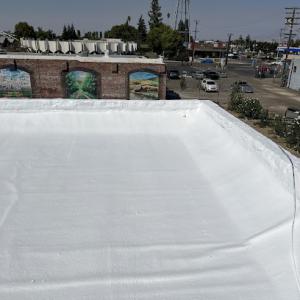
Allstate Spray Foam Roofing, a division of Allstate Spray Foam Insulation. Lic #C-2-1052735 We are a family owned company that has been in the spray foam business for over 20 years. Spray polyurethane foam (SPF) is a spray-applied plastic that is widely used to insulate buildings and seal cracks and gaps, making a building or home more energy-efficient and comfortable temperature wise. SPF insulation is known to resist heat transfer extremely well, and it offers a highly effective solution in reducing unwanted air infiltration through cracks, seams, and joints.
Universal Coatings
(877) 233-6300 www.universalcoatings.net
Serving
4.8 from 17 reviews
Universal Coatings has delivered reliable, high-performance roofing, waterproofing, and insulation solutions to businesses across the Fresno, California area for more than four decades. Our team specializes in spray polyurethane foam (SPF) roofing, roof coating restoration, tank and cold-storage insulation, and resinous floor and wall systems. With certified, OSHA-compliant crews, we provide seamless, durable, energy-efficient systems that protect your assets and extend the lifespan of your facility. Whether it’s roofing, floor coatings, insulation, or waterproofing, Universal Coatings offers cost‑effective solutions designed to provide the best value for your investment. We ensure lasting durability and protection for years to come!
Roof Pros Roofing & General Construction
(559) 408-6506 www.roofprosroofing.com
Serving
5.0 from 148 reviews
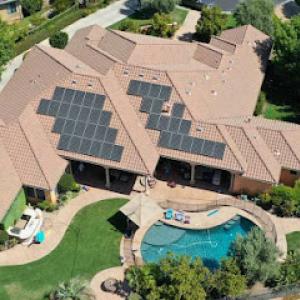
At Roof Pros Roofing, we're your go-to roofing contractor in Fresno for all your residential and commercial roofing needs. Our team of experienced professionals specializes in roof repair and replacement, as well as a variety of roofing services, including metal, flat, tile, and shingle roofing. We also offer emergency roofing services to ensure that you're never left without a roof over your head. Our commitment to customer satisfaction means that we always provide high-quality workmanship, and we take the time to inspect and maintain your roof to ensure its longevity. In addition to roofing services, We are also a full service General Contractor. Contact us today for a free estimate."
Abode Construction Design & Management
(559) 236-6574 gosmartabode.com
Serving
5.0 from 28 reviews
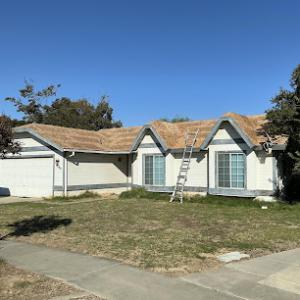
Licensed & Protected CSLB #1089380 (General Building B + C-39 Roofing classification) Bonded & Fully Insured At Abode Construction, we specialize in energy-efficient roofing and general contracting services throughout Fresno and the Central Valley. Our focus is on smarter, greener homes—using the most energy-conscious materials and industry-leading warranties to enhance your comfort, save on energy costs, and deliver lasting value.
New View Roofing
(559) 326-8683 www.newviewfresno.com
Serving
4.8 from 52 reviews
New View Roofing is rooted right in the heart of California, we're a local, family-run business with over 50 years of roofing expertise. At New View Roofing, we’re passionate about providing your home with the exceptional roof it needs, blending high-quality service with a personal touch you won't find elsewhere. Whether it's repair work, a complete replacement, or regular upkeep, we use only the finest materials and pay close attention to every detail. But to us, it's more than just roofing—it's about building trust, keeping you informed, and ensuring your satisfaction from start to finish. In need of roofing experts? Reach out at 559-326-8683. Let’s enhance your home together, giving it a fresh perspective with New View!
Garcia's Kingdom Roofing
(559) 356-1542 garciaskingdomroof.wixsite.com
Serving
5.0 from 24 reviews
Re-Roofing/New Construction/Repairs/Roof Certifications/Roof Coatings/Single Ply Roofing/Patios/Metal Roofing
A&C Pro Roofing
(559) 558-2634 acproroofing.com
Serving
5.0 from 49 reviews
A&C Pro Roofing offers a comprehensive range of roofing services tailored for residents and businesses across Central and Northern California, from Bakersfield to Sacramento. As a leading contractor founded in 2023, we specialize in residential roofing, single ply roofing systems including TPO and PVC, and acrylic elastomeric coatings that provide long-lasting protection. Our expert team is also skilled in leak detection and repair, ensuring your property stays safe and dry year-round. For new constructions or renovations, count on A&C Pro Roofing for precise and reliable roof installations. With deep industry experience and a commitment to quality, A&C Pro Roofing is your trusted partner for all your roofing needs.
In Clovis, winter rain can expose weaknesses in underlayment, flashings, vents, and drip edge details even when the outer roof covering still looks serviceable from the street. When that rain comes with cool nights and a dry wind, water can migrate under imperfect seals and seep into attic spaces, creating hidden rot and staining that only becomes evident after a cold snap or a dry spell. If flashing around chimneys or skylights was warmed by the sun months earlier and then contracted, gaps form where leaks begin. The practical warning is simple: a roof that looks solid from the curb may still be compromised at the edges and penetrations. You may notice damp odors, musty attic air, or small drips along walls after a heavy rain. Addressing these pass-throughs promptly-before shingles or tiles fail at their own pace-saves interior damage and extends overall roof life.
Spring wind and occasional hail events in the region can crack tile edges, loosen ridge components, and bruise or dislodge asphalt shingles. Clay and concrete tiles are strong when intact, but their edges are vulnerable to blunt impacts or wind-driven debris. Asphalt shingles may show lifted tabs or granule loss after a storm, creating early glare and accelerated aging in sun-exposed valleys. The telltale signs are small cracks along tile edges, spalled surface through hail impact, or loose ridge capping that whistles in gusts. Actionable steps are to inspect ridges after storms, re-bed and reseal any loose components, and replace or repair damaged tiles promptly to prevent a snowball effect-where one cracked piece invites adjacent failures and moisture intrusion.
Long Central Valley heat cycles can accelerate surface wear, granule loss, brittleness, and sealant fatigue on aging roofs. Asphalt shingles tend to curl and shed granules as their asphalt dries out, while clay and concrete tiles can become brittle or crack under repeated heat cycling and rapid cooling. Sealants around penetrations and vent seals may harden and crack, inviting slow leaks that become obvious only after several hot seasons. You'll notice more visible wear on south-facing slopes, where sun exposure is strongest, but heat still takes a toll on shaded sections over years. The practical defense is proactive maintenance: reseal critical joints, re-bed ridge lines where necessary, and consider tile edge repairs or shingle overlay refresh before you face a larger repair or replacement.
Given these patterns, a seasonal inspection by a qualified roofer helps catch problems before they cascade. Focus on underlayment continuity, flashing integrity, vent terminations, drip edges, and the state of tile edges and ridge components after storms. When aging roofs exhibit multiple issues-edges cracking, sealant fatigue, visible granule loss, or exposed underlayment-treat those indicators not as isolated flaws but as signs to plan targeted repairs that preserve the roof's overall performance and longevity.
Find local contractors experienced in assessing and restoring roofs after hail, wind, and severe weather events.
Armament Coatings & Roofing
(559) 235-7770 armamentcoatingsandroofing.com
Serving
4.9 from 95 reviews
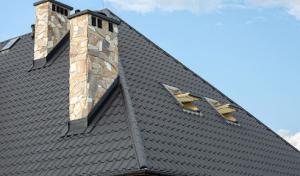

Typical reroof pricing for asphalt shingles runs about $350 to $700 per square in this area, a range shaped by factory warranties and labor in the San Joaquin Valley heat. In Clovis neighborhoods with older underlayment or where the roof deck requires extra attention, costs trend toward the higher end of that range. If a full tear-off is needed and there's a heavy sprinkle of fallen branches or some shingle delamination, expect numbers toward $650 to $700 per square rather than the midpoints.
Metal options sit higher, generally from $700 to $1,300 per square. In Clovis, metal pays back especially when you're targeting longer life, better hail resistance, and lighter tear-off workload on cedar or shake-adjacent homes. If the project includes replacing decayed decking or integrating a metal ridge vent system, costs push toward the upper end. Conversely, a straightforward layover is uncommon but can shave a little from the price if the roof's condition is clean and the underlayment is sound.
Clay tile reroofs in this market typically run $1,200 to $2,500 per square. Higher-end pricing appears when roof areas are complex or when tile matching is crucial for historic or stylistic homes. If broken tile matching becomes necessary or if a full tear-off reveals compromised substrate, expect the higher range. Tile systems also demand careful installation in the heat, which can influence both timing and labor cost.
Concrete tile falls in the $1,100 to $2,300 per square band. Costs rise with higher labor intensity, underlayment renewal, or when the roof's layout requires meticulous tile alignment and color matching. Older concrete tile homes often see added value in a more thorough tear-off and reset to prevent future leaks.
Wood shakes or synthetic composites generally run $600 to $1,100 per square. Clovis homes with shake roofs may incur extra labor if rot or insect damage is discovered beneath the existing layers. Synthetic options tend to be steady, with price pressure mainly coming from tear-off complexity and tile replacement needs.
Costs in Clovis often rise when older tile roofs need underlayment replacement, broken tile matching, or more labor-intensive tear-off and reset work than a straightforward shingle reroof. Seasonal demand can affect pricing and scheduling, especially when winter leaks create urgent repair backlogs or when homeowners try to book full replacements before peak summer heat.
Get a clear picture of your project costs upfront - no commitment required.
Roof Pros Roofing & General Construction
(559) 408-6506 www.roofprosroofing.com
Serving
5.0 from 148 reviews
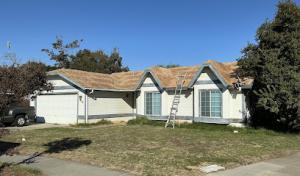
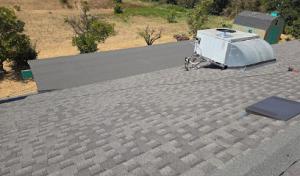
Full reroof projects in Clovis generally require a building permit through the City of Clovis Building Department. This means the project isn't just a matter of swapping shingles or tiles; the structure, flashing, and roof deck are part of what gets reviewed for safety and code compliance. The permit process helps ensure the chosen materials and installation methods meet local standards that handle the Central Valley's heat and seasonal rain. Before starting, verify you have the correct permit type for a reroof and keep a copy of the permit at the job site.
Plans are reviewed for code compliance, and inspections are commonly scheduled at rough and final stages rather than only at project completion. Expect an initial plan check, which looks at underlayment, venting, drip edge details, and any roof penetrations. The rough-stage inspection confirms sequences like attic ventilation and underlayment installation are correct before the new roof is secured. The final inspection verifies that the roof is securely installed, the flashing is properly integrated, and any required drainage or venting components are functional. In practice, this means coordination with your contractor to align installation steps with the city's review milestones.
Clovis reroof approvals may include attention to underlayment, vents, and drip edge details, and the permit process can take roughly one to two weeks depending on department workload. In regions with extreme heat and winter rain timing, inspectors look closely at how underlayment is rated, how venting is configured to prevent heat buildup in attic spaces, and how drip edges direct water away from fascia and light memberships. The project must demonstrate that the chosen materials and fastener patterns conform to applicable code cycles and climate considerations. Communicate with the building department early in planning to anticipate any additional documentation or specific product approvals required locally.
Because inspections are staggered, plan for access windows on inspection days and anticipate minor adjustments if an issue is noted during rough or final checks. Permit processing can span about one to two weeks, varying with how busy the department is. A well-documented submittal-clear roof plan, vent details, flashing and drip edge notes-reduces back-and-forth and helps keep the reroof on schedule. Make sure your contractor coordinates with the City's scheduling to avoid delays that could push work into hotter periods or wet seasons.
Extend the life of your existing roof with reflective or waterproof coatings that protect against UV and moisture.

California's current insurance environment affects homeowners through tighter underwriting, especially where carriers closely review roof age, condition, and maintenance history. In this area, carriers scrutinize how a roof has held up through the Central Valley's brutal summer heat and winter rains, and that scrutiny travels with every renewal. The tighter lens is not about fear, but about risk assessment: older or poorly documented roofs are at higher risk of hidden damage, accelerated wear, and more extensive claims down the line.
Homeowners should expect insurers to request detailed roof photos, condition documentation, and sometimes professional inspections before issuing or renewing coverage. Take fresh, high-resolution shots of the entire roof from multiple angles, plus attic and ceiling views to show moisture indicators or dark stains. Have notes ready on known leaks, maintenance work, and any repairs since installation. In many cases, a written summary from a qualified roofer about roof age, material type, and expected remaining life helps set clear expectations with the insurer.
Because claim scrutiny is higher, you need clear records of storm damage, leak timelines, temporary protection measures, and pre-loss roof condition. Save dated weather incident reports and any temporary tarps or coverings you used after a storm, along with contractor invoices and inspection notes. A simple, organized file is invaluable if a claim is adjusted years later. If a storm occurred during peak fire season or when roofs face back-to-back heat waves, insurers will look for consistent maintenance and prompt, proper documentation of actions taken to mitigate further damage.
Keep a running timeline that marks roof age, notable weather events, and any repairs or replacements. For reroofs that are being timed around Central Valley conditions, document the planning and execution windows, including photo updates and professional assessments. This level of record-keeping helps you demonstrate ongoing care and reduces the risk of coverage gaps when carriers review policies after a hot-island summer or a winter rain spell.
Connect with contractors who help homeowners navigate the claims process from damage assessment to final approval.
Armament Coatings & Roofing
(559) 235-7770 armamentcoatingsandroofing.com
Serving
4.9 from 95 reviews
Although pitched tile and shingle roofs dominate Clovis homes, the local contractor market shows meaningful demand for flat or low-slope roofing work. These surfaces often show up on patio covers, room additions, garages, and some multifamily or mixed residential-commercial structures rather than as the main roof form on most detached homes. Recognize that these areas behave differently from the primary roof in heat absorption, drainage, and maintenance cycles.
These lower-slope areas are especially vulnerable during winter rain if drainage, transitions, or coating maintenance have been neglected. Water can pond or back up at transitions where a wall meets the roof, or where flashing meets a parapet, making careful detailing essential. In practice, this means inspecting edge joints after heavy storms and paying attention to any lingering discoloration or damp spots on the underside of the overhangs. In Clovis's winter pattern, a slow-draining system compounds exposure to moisture and can shorten the life of lightweight roofing overlays.
For low-slope garages, patios, and additions, consider membranes or coatings proven to perform in Central Valley weather. In a typical Clovis sequence, a durable, weathered surface with reliable UV stability stands up better to hot meals of sun and occasional heavy rains. When selecting materials, prioritize systems that handle temperature swings, resist standing water, and maintain flexibility through seasonal cycles. For metal alternatives, look for protective coatings that resist chalking and corrosion in inland environments. If tile or shingle overlays are used on a low-slope element, ensure the substrate is appropriate and that edge details align with the main roof to prevent wind uplift and leak paths.
Establish a routine that pairs seasonal inspections with proactive cleaning of debris from gutters and scuppers. After winter rains, check transitions around skylights, vent pipes, and wall penetrations for sealant integrity. In the heat of summer, verify that ridge lines and flashings remain firmly seated and that any supporting underlayment remains dry and intact. For additions and garages, implement a simple plan to monitor drainage during heavy rain events and to reseal joints before the wet season begins to reduce the risk of moisture intrusion.
Find specialists in TPO, EPDM, and built-up flat roofing systems for residential and commercial properties.
Castone Roofing & Construction
(559) 840-5178 www.castoneinc.com
1113 Dayton Ave #8, Clovis, California
4.8 from 27 reviews
Roof Pros Roofing & General Construction
(559) 408-6506 www.roofprosroofing.com
Serving
5.0 from 148 reviews
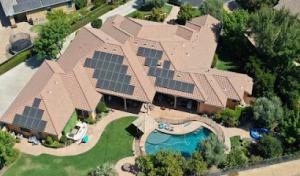
The Central Valley climate brings long, hot summers and winter rain that arrive in waves. When a roof is nearing replacement age, planning around the calendar matters more than in milder markets. Coordinating reroofing and solar installation prevents the need to detach and reset panels later, which can double the disruption and complicate warranties. Tie the roof replacement to a window when the new underlayment and flashing can dry and cure fully before any solar work begins.
If the roof is due for replacement, arrange the reroof first and schedule solar installation after the new surface is set. In this market, panel mounting hardware and rail systems sit on a freshly secured deck with proper sealant at penetrations. Waiting to install solar until after the roof is in place reduces the chance of leaks at flashings where penetrations exist, especially around vent pipes and edge details that face heat stress and sudden winter rain.
Tile and asphalt reroofs are common, but each choice behaves differently under Clovis's heat and wet season. A reroof just before or during a mild shoulder season minimizes extreme-heat exposure during installation and helps sealants cure correctly. Pay attention to how the chosen material overlaps and how it interfaces with existing gutters and drip edges. A correctly timed reroof supports long-term panel performance and avoids rework caused by warp, shrink, or tear at high-heat cycles.
Penetrations and flashing details matter more when roofs endure prolonged sun exposure followed by winter rain. Ensure flashing transitions at slopes, valleys, and chimney details are reinforced with heat-rated sealants and properly integrated drip edges. This careful detailing reduces wear on both the roof and the solar racking, extending the life of the installation through Clovis's seasonal swings.
Find contractors who integrate solar panels or solar shingles into your roof for long-term energy savings.
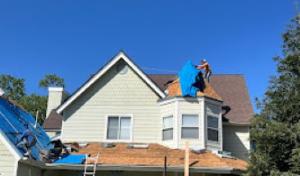
The Clovis market is heavily reroof-focused, so homeowners should prioritize contractors with strong local reroof experience rather than firms centered mainly on new construction. A contractor that has logged multiple reroofs in the Central Valley climate understands the seasonal stresses-long, hot summers and winter rain-and how those cycles affect underlayment, ventilation, and material choices.
Aim for firms with a track record of working on the common local housing stock, especially tile and asphalt reroofs. Long-established, family-owned firms are well represented here, reflecting a market where reputation and repeat local work matter. Ask for a portfolio of recent Clovis projects, with notes on how issues were resolved after the tear-off and how the replacement roof performed through summer heat and winter rains.
Because quick response and cleanup are prominent local hiring signals, target contractors who can stop leaks fast and leave occupied homes clean after tear-off. Inquire about their typical response time to a leak and their on-site cleanup plan. Check references for how promptly they returned calls, addressed surprise leaks, and protected landscaping or interior spaces during work.
Prioritize firms that assign a dedicated crew for reroofs and provide a clear timeline with daily progress notes. A good contractor will explain material options suitable for Central Valley conditions, outline weather contingencies, and set realistic expectations for installation during seasonal windows when heat or rain risk interrupts work.