
Last updated: Apr 19, 2026
Crawfordville sits in inland Wakulla County but remains strongly influenced by Gulf hurricane season from June through November. That means your roof faces powerful wind gusts, driving rain, and flying debris for months at a time. At the same time, the persistent humidity and the damp environment created by nearby coastal wetlands and forested surroundings relentlessly push against sealants, underlayments, and fasteners. The combination is not a one-off challenge; it's a year-round stress test on every roof surface you own. When you plan replacements or repairs, you must design for wind resistance first and moisture management second, because failures in one area quickly compound the other in this climate.
In this area, a roof that looks solid from the street can still fail under a direct hurricane strike if the fasteners, edges, and penetrations are not impeccably secured. Consider roofing systems with enhanced nailing patterns, continuous edge metal, and reinforced ridge lines. If you have older shingles, upgrading to a wind-rated underlayment and matching fastener schedule can dramatically improve performance during a storm surge of wind-driven rain. Look for roofing products and installation practices that specify wind-load ratings appropriate for Gulf-influenced exposures. When a storm warning goes out, you want your roof to behave like a shield, not a sieve.
Humidity and wet coastal air mean you cannot treat moisture control as a seasonal afterthought. Pay close attention to underlayment compatibility, venting, and flashing around chimneys, skylights, and vents. In this market, a high-quality breathable underlayment paired with properly sealed penetrations helps prevent both active leaks and slow, insidious moisture intrusion that can rot sheathing and invite mold. If you notice staining, cupping shingles, or a soft spot anywhere, treat it as a warning sign rather than an anomaly. Moisture control efforts should be continuous-especially around coastal wetlands where dampness persists well beyond the rainy season.
Your selection should harmonize hurricane resilience with humidity tolerance. Metal roofs are a strong option for wind resistance and moisture shedding, but ensure coatings resist salt spray and stay free of dents that can become corrosion points. Asphalt shingles with a stouter wind-rated package can perform well in this climate if installed with the right fasteners and sealants. If clay or concrete tiles are considered, verify that the substrate and installation details are engineered for high wind zones and sustained humidity. Wood shingles and shakes demand additional attention to moisture exposure and treated fasteners to prevent cupping and decay in this damp environment. Slate, while durable, requires careful installation to handle both wind and humidity without cracking in shifting air pressures.
Set a maintenance cadence that coincides with hurricane season and the peak humidity months. After storms, inspect for loose fasteners, lifted edges, and damaged flashing. In dry spells, check for granule loss on shingles and any signs of moisture infiltration around penetrations. Address minor issues quickly before they escalate into costly repairs. In this climate, catching small problems early is the single most reliable way to extend roof life and reduce the risk of storm-driven failures.
Metal roofing is popular locally, chosen for its durability and wind resistance. In coastal Wakulla, the salt air and year-round humidity mean fasteners, flashings, and exposed accessories need careful attention. Choose a system with corrosion-resistant alloys and coated stainless or G90 galvanized steel for exposed components. Before installation, confirm that the manufacturer specifies adequate coatings for coastal environments and that the fasteners are corrosion resistant and properly sealed. Schedule a mid-life fastener inspection; salt can creep into screw heads and under flashings, especially around rakes and eaves where spray reaches seams. A well-sealed roof with tight laps and continuous aluminum or copper flashing at hips and valleys reduces moisture intrusion during heavy squalls. If you live against the marsh breeze or near dunes, consider longer-life sealants and dedicated maintenance intervals for exposed underlayment edges. This approach helps prevent corrosion-initiated leaks after winter fronts or tropical downpours.
Tile roofs can offer long life and excellent resistance to wind when installed properly, but in this area, gusty winter fronts from the Panhandle can test their limits. Clay and concrete tiles carry higher breakage risk during rapid wind shifts or storm debris. When planning installation, choose a tile profile with proven wind uplift performance and ensure a mechanically attached underlayment system. Confirm that fasteners are corrosion-resistant and that tiles have adequate edge clips or interlock designs to resist wind-driven uplift. Scheduling for windy periods matters; delays can reduce the chance of accidental damage from transport or staging during gusts. Maintenance should emphasize replacing cracked or displaced tiles promptly, since even small gaps can become entry points for moisture in humid air. In roofs with intricate ridges or dormers, verify that ridge caps and hip tiles are secured with corrosion-resistant fixings and that sealant joints receive periodic inspection to prevent salt-laden spray from degrading compounds over time.
Asphalt shingles remain common because they fit the area's storm-repair economics better than premium materials when insurers and homeowners are balancing replacement cost against wind performance. They install quickly and can be easier to replace after a hurricane-season event, which matters for scheduling repairs and getting back to normal quickly. In this climate, choose shingles with enhanced wind-resistance ratings and a robust adhesive sealant along the eaves and at the rake edges; the extra edge protection helps during hurricanes and heavy rains when wind direction shifts. Humidity can impact adhesive performance over time, so a roof with a good nailing pattern and quality underlayment remains critical. For any shingle choice, ensure flashing details at valleys, dormers, and chimney penetrations are solid, as these points are most prone to moisture intrusion in coastal air. Regular inspections after heavy rain or storms will catch lifting or curling early, keeping the roof dependable through the rainy season.
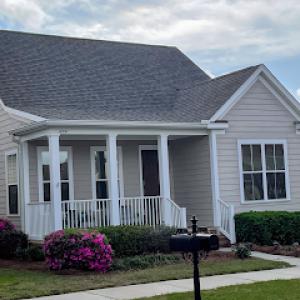
Blackfoot Roofing & Construction
(850) 251-9792 www.blackfootroofing.com
3152 Crawfordville Hwy, Crawfordville, Florida
4.8 from 131 reviews
At Blackfoot Roofing & Construction we focus on delivering top quality roofing services to homeowners throughout the Crawfordville and Tallahassee areas. You can always depend on us to provide high quality services for you, regardless of the size and scale of your project. The success of our business is a direct result of superior service and quality from the best team of roofing experts in the Tallahassee area. Call us today.
Legacy Roofing & Inspections
(850) 556-0022 www.legacyroofco.net
35 Kirton-Frazey Rd, Crawfordville, Florida
5.0 from 29 reviews
We're here for all your roofing needs. Legacy roofing & Inspections specializes in roof replacement, roof repairs, and roof inspections in the Big Bend area.
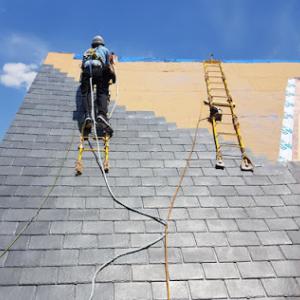
Total Quality Roofing
(850) 222-7663 totalqualityroofing.org
Serving
4.9 from 136 reviews
Welcome to Total Quality Roofing. We’ve been providing Tallahassee area clients with roofing services, catered to fit their specific needs since founding our business in 1996. From small projects to the larger and more complex, we are here to ensure all of our clients receive truly exceptional results. Browse our site to see all that we offer and what we can do for you.
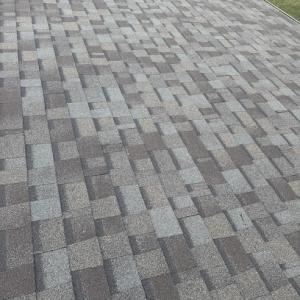
Rare Breed Roofing
(850) 491-3269 www.rarebreedfl.com
Serving
5.0 from 10 reviews
Family owned and operated roofing contractor in the Tallahassee, Florida and surrounding areas. We focus on a premium roof replacement experience using top quality roofing products. Backed by decades of experience, Rare Breed is an Owens Corning Preferred Contractor. Our family has been in the roofing industry for over forty years. Give us a call today concerning your roofing needs.
TSpark Enterprises
(850) 766-1340 tsparkconstruction.com
Serving
4.9 from 150 reviews
Professional Roofing and Construction Services - Residential Roofing - Commercial Roofing - Interior Build Outs - Home Remodeling - Construction Consulting
PRO Roofing
Serving
4.8 from 87 reviews
PRO Roofing is a Florida based licensed and insured roofing company. We provide residential and commercial roofing services, including roofing repairs. The mission of PRO Roofing is to provide the utmost care and devotion in providing customer service and a quality product to our customers. We work with our customers to ensure that we understand their needs and provide our services to their satisfaction. We know the roofing business, however we also know that truly satisfied customers are the backbone of this company. For us, honesty is the only policy and we strive to complete all projects with integrity.
Tadlock Roofing
(850) 601-8574 tadlockroofing.com
Serving
4.8 from 1123 reviews
Tadlock Roofing is a Florida-based roofing company headquartered in Tallahassee, Florida. Tadlock Roofing provides residential and commercial roofing services in Tallahassee, Panama City, and Pensacola.
Bob McKeithen & Sons
(850) 575-3333 www.mckeithenroofing.net
Serving
4.3 from 44 reviews
Welcome to Bob McKeithen & Sons Roofing, a Tallahassee based roofing contractor. We are a second generation roofing company and are a certified CertainTeed ShingleMaster company. We are state certified and have been for 37 years License #'s: CC C05
Stubbs Roofing & Exteriors
(850) 597-8866 www.stubbsroofing.com
Serving
4.7 from 152 reviews
Highly experienced team of dedicated roofing and gutter professionals servicing the Tallahassee and surrounding area's. We specialize in roofing replacement, roof leaks and repairs, siding / wood rot, skylights, as well as new gutter systems.
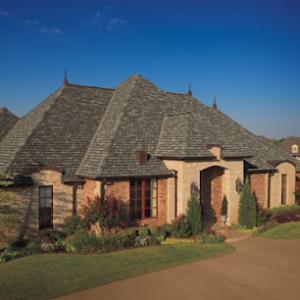
Koch Brothers Roofing
(850) 228-7114 www.kochbrothersroofing.com
Serving
4.9 from 16 reviews
Koch Brother Roof Repair was founded to deliver quality workmanship and exceptional customer service for the Tallahassee community and surrounding areas. Every Job is treated as if it were our own home, from the clean-up to the installation. We provide the best quality roofs for customers on any budget. By focusing on one job at a time we are able to keep quality control at its highest level, at all times. Striving to exceed industry standards, utilizing top of the line materials, and manufacturer training guarantee that you will be satisfied with your experience with Koch Brothers Roof Repair, Inc.
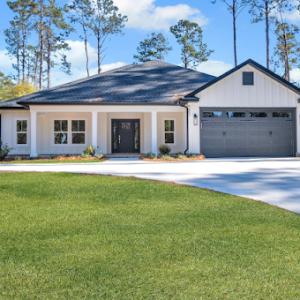
TriCon Builders
(850) 894-2471 tricon-builders.com
Serving
5.0 from 50 reviews
TriCon Builders, Inc. is a trusted roofing contractor in Tallahassee, FL, with over 20 years of experience in residential and commercial construction. Specializing in roof installation, storm damage repairs, and roof replacements, TriCon is a GAF-certified Plus roofing contractor offering high-quality materials and strong warranties. Locally owned and operated since 2004, they also provide expert remodeling and custom home-building services. Known for craftsmanship, clear communication, and attention to detail, TriCon Builders, Inc., is your go-to choice for reliable roofing, remodeling, and custom home building in North Florida.
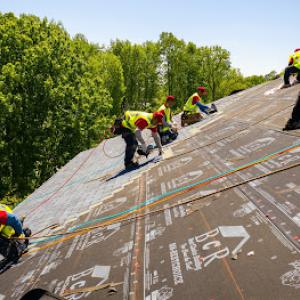
Best Choice Roofing
(850) 616-7138 bestchoiceroofing.com
Serving
4.8 from 112 reviews
Best Choice Roofing is a roofing contractor in Tallahassee serving Leon, Bradfordville, Monticello and nearby areas. Our roofing company offers residential roofing, roof repair, and asphalt shingle roofing, and more. Customers love us because of our comprehensive roof warranties and our affordable roof financing options. We also have industry affiliations and certifications such as Owens Corning Platinum. If you want to experience how your most trusted Jacksonville roofing company embraces our motto “You Chose The Best!", call us now for a free estimate!
A full roof replacement requires securing permits through the Wakulla County building department, rather than a separate city roofing office. The process starts with a permit application that outlines the scope of work, material selections, and any structural changes. In Crawfordville, the county will review the project for code compliance, weather-related considerations, and attachment methods that affect wind resistance. Make sure your contractor provides exact product details and a project timeline that aligns with county deadlines, especially if storm season is approaching. Timely submission helps prevent delays that can stall tear-off and underlayment work when a front or tropical system is looming.
County inspections typically occur at two key milestones: rough-in or underlayment and a final inspection. The rough-in/underlayment check confirms that roof deck preparation, underlayment type, fastener patterns, and any required flashing are correctly installed before shingles, tiles, or metal go on. The final inspection verifies complete installation, proper ventilation, and secure attachment, which matters when hurricane-season winds intensify. This inspection cadence influences tear-off timing and dry-in planning, so coordinate with your contractor to align the schedule with forecast windows. If a storm warning is issued during tear-off, discuss with the inspector and contractor how to protect exposed roof areas and minimize risk to interior spaces.
Depending on the roof type, the county may request documentation tied to wind mitigation or attic ventilation as part of the approval and inspection process. Wind mitigation documentation supports the roof's resistance to uplifting forces during high winds and can affect insurance considerations later on. For attics, ensure proper ventilation details are captured, including vent types, placement, and intake/exhaust balance. If you're using metal, concrete tile, or clay tile, verify that fastener patterns, sealants, and edge details meet county expectations, since these specifics commonly surface during the wind-related review. Having these records ready can smooth the approval flow and help prevent delayed inspections due to missing paperwork.
During hurricane season, planning around inspections becomes crucial. The county's two-inspection model means you should coordinate tear-off dates to minimize exposed decking during peak storm windows. Talk with your contractor about securing temporary weather protection, such as tarping, and ensuring the dry-in is sufficient to keep interior spaces dry while waiting for the final inspection. If a storm surge or heavy rainfall is forecast, establish a contingency plan with the crew to pause work safely and protect interior finishes without compromising permit compliance.
Florida's unstable insurance market affects Crawfordville homeowners directly, with more scrutiny on roof age, storm resistance, and installation documentation. The region's coastal spray, humidity, and frequent hurricane-season hits mean carriers pay close attention to how a roof was put on, what materials were used, and how well the system is still performing years after installation. If a policy renewal or an adjustment comes through, expect questions that go beyond a quick glance at the shingles. Insurers want to see a history of effort-quality underlayment choices, proper fasteners, and evidence that the roof was installed to withstand the local wind loads. Being prepared with detail helps prevent surprises that could curb coverage or slow a claim.
After a wind event, adjusters may request photos, underlayment details, and wind-mitigation-related information rather than relying only on a visual shingle count. Photos should capture the roof edge, penetrations, flashing, hip and ridge lines, and any visible fasteners or straps. Underlayment type and condition, attic ventilation, and evidence of attic condensation or moisture intrusion can matter, especially when salt air and humidity are at play. Having a clear record of the roof's wind-rated features, fastener pattern, and layering helps narrate the roof's resilience under stress, which can influence settlement decisions and repairs.
Homes in this part of the Panhandle can benefit from keeping organized records of permits, inspection sign-offs, and attic ventilation details because insurers increasingly ask for them. Attic ventilation that appears functional and well-balanced reduces moisture buildup that can accelerate rot and mold, particularly in humid months. Store repair invoices, contractor notes, and product labels in a centralized, weather-proof system. When storms roll in, a quick, organized packet can smooth conversations with adjusters and speed approvals for any needed remediation. In Crawfordville, where coastal air and storm cycles collide with aging roofs, meticulous documentation is your first line of defense against coverage gaps and delayed repairs.
June through November brings hurricane-season delay risk, so replacement scheduling in Crawfordville has to account for sudden tropical weather changes. Start planning several weeks ahead of any preferred start date, and build in a flexible timeline that can absorb a tropical storm or a named system. If a storm forecast appears in the extended outlook, pause any tear-off or underlayment work and shift to tasks that stay put, like decking inspection, flashing checks, and sealant touch-ups that don't require dry conditions. The goal is to protect the interior while keeping the plan alive for when calmer weather returns.
Summer afternoon thunderstorms in the area can interrupt tear-off and underlayment installation even on days that start clear. On a practical day, schedule the most vulnerable steps for early morning slots and have a clear plan for rapid shutdown if lightning or heavy rain rolls in. Keep tarps and temporary barriers handy to cover exposed decking after removal, and coordinate with the crew to finish critical moisture-control steps, like dry-in and underlayment, during longer stretch periods of stable weather. If a storm system lingers, use the delay to verify roof-to-wall penetration details and adjust fastening methods for anticipated wind loads.
Gusty winter fronts in the Panhandle can complicate tile and metal installation, making shoulder-season planning more nuanced than simply avoiding summer. When fall fronts push through, expect gusts that can challenge alignment and fastening on elevated work. In those cases, stagger installation phases, secure materials promptly, and prioritize high-risk sections (edges, hips, ridges) during calmer windows. Choose a start date that allows the crew to exploit moderate southeast or southwest winds, and avoid ambitious multi-day sequences when forecast models show a potential for strong gusts. This approach keeps the project moving without compromising the resilience of wind-sensitive details.
In Crawfordville, the typical cost ranges for common roof materials reflect both material quality and local delivery realities. Asphalt shingles sit around $350-$650 per square, a baseline that often shifts upward when a storm-affected week hits and supply chains tighten. Metal roofing tends to fall in the $700-$1,400 per square band, with price bumps for coatings or accessories designed to resist coastal salt and humidity. Clay tile runs about $1,100-$2,100 per square, while concrete tile is usually $900-$1,600. Wood shingles or shakes come in at roughly $650-$1,100, and slate projects commonly range from $1,800-$3,800 per square. These figures assume standard roof geometry and typical underlayment; premium underlayment, enhanced fasteners, and corrosion-resistant hardware can push the total upward.
Costs in this corridor can rise after major Gulf storms when regional demand surges across the Tallahassee and Panhandle labor market. The combination of high wind exposure, humidity, and salt-laden air means crews often bring in specialty fasteners, ventilators, and sealants that resist both corrosion and wind uplift. Roofing projects that require additional water management-such as upgraded underlayment, vented attic systems, or improved drainage-will push prices beyond a basic reroof. The closer a home sits to open coastal exposure, the more a contractor might emphasize wind-rated accessories, which adds to the total.
Material and accessory choices that address local wind exposure, humidity, salt-influenced corrosion, and ventilation documentation can push pricing above a basic reroof. For instance, metal and concrete options may justify higher upfront costs if they incorporate corrosion-resistant coatings and specialized clips designed to resist Florida's hurricane-season gusts. Clay and slate, while premium, often see vendors offering wind-rated attachments that add to the installed price. Ventilation strategies-like ridge vents, soffit intake, and attic baffles-also contribute to the bottom line but provide measurable long-term value by moderating humidity and interior moisture, which matters in coastal Florida homes.
When budgeting, plan for incremental costs tied to local conditions rather than only the sticker price per square. Ask for a breakdown of wind-rated fasteners, attic ventilation upgrades, and moisture barriers. If a preferred material is near the upper end of its range, compare the long-term benefits of enhanced durability and energy efficiency against the initial premium. In Crawfordville, the right combination often means balancing wind resilience with moisture control to protect the roof system and interior spaces for years to come.
In this region, wind-driven rain can expose weaknesses at edges, flashing transitions, and underlayment laps even when the visible roof covering looks mostly intact. A storm's gusts push water up under shingles or tiles and along cornices, then force it to travel where it shouldn't. Look for staining at the eaves, peeling flashing, or a noticeable pull in valleys after a heavy squall. If gutters are full or misaligned, the water has a better chance to back up and seep into the roof deck edges. The lesson is simple: a roof can look fine from the ground while its vulnerable seams take on damage during the next hurricane-day event.
Crawfordville's humid environment makes attic ventilation and moisture escape more important because trapped moisture can shorten roof system life from below. Poor or blocked vents, soffit gaps, or a sealed attic without a path for air to move can lead to mold, wood rot, and accelerated insulation degradation. Check soffit intake and ridge or turbine vents for obstruction, and ensure soffits aren't clogged by insulation or debris. A balanced, continuous venting strategy helps dry the roof system after rain and reduces the risk of hidden slow leaks that only reveal themselves when mold or staining becomes obvious.
Metal roof problems here often center on corrosion-prone components and sealant aging rather than the panels alone, especially where coastal air reaches the property. Look for rust spots on fasteners, exposed sealant seams, and degraded flashing at transitions to walls or chimneys. In coastal air, sealants can fail sooner, creating small, persistent leaks that undermine the fastener training and panel fit. Regular inspection of these elements, particularly after storm season, helps prevent surprising failures beneath an otherwise solid metal roof.