
Last updated: Apr 19, 2026
Panama City Beach sits directly on the Gulf coast in Bay County, where tropical systems and summer thunderstorms bring prolonged wind-driven rain exposure rather than isolated inland storm events. That means your roof faces relentless push from squalls, gusts that rip along the shoreline, and sustained moisture that can saturate underlayment and attic spaces if faster-than-average wind resistance isn't built in. The Gulf-facing coastline also concentrates salt-laden air, which accelerates corrosion at fasteners, flashing edges, and metal accessories if coastal-rated components aren't used. In practical terms, this isn't a "one-and-done" scenario; it's a constant cycle of exposure, fatigue, and the need for vigilant maintenance and upgrade cycles.
When you're replacing or upgrading after a storm, the choice of material isn't only about looks or initial cost. It's about survivability in a sustained coastal wind and salt-spray regime. Asphalt shingles may be common, but you'll want the highest wind-resistance classes and corrosion-resistant fasteners for any flashings and penetrations. Metal roofing can offer excellent wind performance, but only if fasteners, gutters, and ridge caps use coastal-rated hardware and coatings designed to endure salt exposure. Clay and concrete tiles bring impact resistance and durability, yet require a substructure that can handle added weight and appropriate underlayment to keep wind-driven rain from seeping in around edges. Wood shingles or shakes look coastal-chic, but they demand meticulous treatment against moisture and mildew to avoid composite breakdown in the region's humidity. Synthetic or composite shingles can balance weight and wind performance, yet rely on adhesives and sealants that stay effective under heat, humidity, and salt air. The key is pairing a coastal-grade roof assembly with corrosion-resistant fasteners, properly sealed edge details, and components tested for Gulf coast conditions.
In this climate, the most vulnerable zones are flashing seams, vent penetrations, and seam tapes along eave lines. If coastal-rated components aren't used, salt-spray can corrode metal edges within a season, loosening fasteners and inviting leaks even before a sunny afternoon becomes a tropical downpour. Choose fasteners with corrosion resistance suitable for salt spray and ensure that flashings at valleys, chimneys, and transitions are continuously sealed and upgraded to corrosion-resistant alloys. Inspect soffits, gutters, and scuppers for blockages that create backpressure during heavy rain; a clogged system can funnel water behind the roof plane and into the attic. For wind-driven rain, edge-to-edge wind uplift resistance matters-verify that adhesive bonds, underlayment choices, and roof deck attachments meet high-wind design expectations. Don't overlook nail patterns; in salt-rich air, even small missteps in nailing can create weak points under gusts.
Because the local storm season overlaps the wettest and windiest part of the year, homeowners often have to balance urgent replacement needs against weather delays, temporary tarping, and material staging challenges. Plan for contingencies: secure a tarping strategy that you can deploy quickly when storms threaten, keep temporary staging for materials in a sheltered area with minimal exposure to salt spray, and coordinate with a local contractor who can mobilize fast after a storm while ensuring coastal-rated components are on the job. Your goal is a roof that can hold steady through back-to-back squalls, protect interior spaces from salt-laden rain, and be ready for rapid post-storm assessment and repair so living spaces stay dry during the next surge.
Metal is the workhorse for coastal homes facing Gulf winds and salt air. When you're evaluating metal, the key you want is fastening that stays tight after a dozen thunderstorm cycles and a few salt-laden years. Look for hidden-fastener or concealed-fastener panels that lock down cleanly at the edges, along with corrosion-resistant coatings designed for high-salt environments. In this market, long-term panel attachment matters just as much as the panel itself, because uplift from storms can be brutal on exposed edges. A practical choice is steel or aluminum panels with a factory-applied, salt-zone finish and a reinforced starter strip to keep the first rows secure during gusts. For edge detailing, choose clips or screws rated for coastal use and ensure flashing is continuous and corrosion-resistant, not just cosmetic. If you're upgrading from a different roof, plan for a thorough inspection of existing soffits and underlayment, because you'll want a clean, corrosion-conscious interface at transitions. For homes with panoramic views, metal's light weight and clean lines are appealing, but the fastener pattern and sealant joints must be inspected after the first hurricane season to confirm no loosened panels or degraded sealants.
Asphalt remains common, but in this market it's judged heavily on wind ratings, seal performance in humid heat, and how well it holds up after repeated thunderstorm seasons. When choosing asphalt, push for a high wind-rated shingle and a durable, asphalt-saturated underlayment that resists moisture in heat and humidity. Look for extra sealant tabs and a robust nailing pattern, because uplift resistance in sudden squalls is a real concern on Gulf-front blocks and second-row beach homes. Edge detailing should include water diverters at rake edges and well-sealed hips and valleys to minimize moisture entry after heavy rain. In practice, you'll want a shingle that maintains granule adhesion in salty air and won't lose its protective coating after repeated exposure to heat, humidity, and salt spray. If you're replacing a roof on a resort-style property or a home with large roof planes, consider a premium shingle that faces up to stronger wind zones, and pair it with corrosion-resistant fasteners and flashing to extend the life of the roof system in this coastal climate.
Tile roofs appear on higher-end coastal homes and resort-style architecture in the area, but their weight, fastening method, and edge detailing matter more here because of hurricane uplift and salt exposure. Weight is a practical constraint in this market: ensure the structure is prepared to support the load, and verify the fastener pattern aligns with the tile type and wind rating you need. Edge detailing matters more than elsewhere-continuous eave and rake detailing with corrosion-resistant metal and appropriate sealants reduces saltwater intrusion at roof-to-wall junctions. Fasteners must be corrosion-resistant and long enough to penetrate through tile and into a solid deck, with a seam design that resists uplift in hurricane winds. Closure flashing and edge underlayment should be heavy-duty to prevent water entry after storms, when salt-laden air can accelerate degradataion of less robust seals. If selecting clay or concrete tile, you'll benefit from a system that emphasizes integrated eave protection, hurricane clips, and correct hip-and-ridge detailing to minimize uplift. In coastal architecture, the payoff is a timeless look paired with strong performance, but the installation method and coastal-grade components matter more here than on inland projects.
Damage from tropical weather and repeated wind events hits southeast coastal housing with particular force. Insurers scrutinize whether damage stems from a recent storm or long-term wear in a harsh coastal environment, and the distinction can influence coverage and payout. The local climate amplifies roof vulnerabilities: salt air accelerates corrosion, and gusty bursts during Gulf storms can lift shingles, bend flashing, or compromise ridge lines. When a storm passes, the goal is to establish a clear, consecutive record of what happened, when it happened, and what was affected. That clarity helps avoid confusion during claim review and supports a faster, more accurate adjustment.
As soon as it's safe, start a careful audit of the roof's condition. Look for lifted shingles, displaced ridge materials, damaged flashing at the valleys and chimneys, and telltale signs of wind-driven leaks inside attic spaces or ceilings. Pay attention to soffit and fascia impacts, since damaged entry points often foreshadow interior moisture issues after a Gulf storm. If a roof deck shows protruding nails, loose underlayment, or soft spots, document them with a careful eye toward how wind might have exploited those weaknesses. On the exterior, inspect for ponding water near skylights, vents, or poorly flashing gaps where salt spray and rain can intensify damage. Capture these observations with both wide-angle and close-up photos to demonstrate scope and location.
Photos should tell a story from the first moment of the storm through the recovery phase. Start with the overall roof view from several angles to establish the context of the roof line, eave, and any visible damage. Close-ups should include lifted shingles, torn or displaced ridge caps, cracked or bent metal components, and any damaged flashing, soffit, or fascia. Interior pictures matter too: show ceiling stains, drips, or visible leaks in the attic or upper rooms caused by wind-driven rain. Organize images by area (north side, south side, ridges, valleys) and by type of damage. Keep the date and time stamps visible where possible, and preserve any repair receipts or temporary fixes alongside the photos.
Because Florida insurers have tightened underwriting and documentation expectations, local homeowners benefit from preserving product information and proof of wind-mitigation features after a re-roof. Gather any receipts, warranty documents, and manufacturer details for the roofing materials installed, including shingle type, underlayment, flashing products, and fasteners. Document any wind-mitigation upgrades such as laminated shingles, reinforced fasteners, or improved ridge venting. These records support a straightforward claim narrative and may influence the assessment of eligible post-storm repairs.
In the aftermath, anticipate how the roof will perform during the next hurricane season. Use the documentation trail to guide decisions about immediate temporary protection, material selection for replacements, and the durability characteristics most relevant to the Gulf coast. The more complete the record-photos, dates, material details, and wind-mitigation evidence-the smoother the transition from claim to replacement, and the sooner the home can restore its resilience against the next storm surge and wind event.
Connect with contractors who help homeowners navigate the claims process from damage assessment to final approval.
BearBuild Roofing & Construction
(850) 319-9185 bearbuildroofing.com
131 Kimberly Dr, Panama City Beach, Florida
5.0 from 26 reviews
Reroof America Contractors FL
(850) 588-0937 www.reroofamerica.com
13220 Panama City Beach Pkwy, Panama City Beach, Florida
4.8 from 28 reviews

ATW Roofing
(850) 231-9114 www.atwroofing.com
179 Griffin Blvd Ste. 104, Panama City Beach, Florida
5.0 from 9 reviews
Tadlock Roofing
(850) 785-7777 tadlockroofing.com
14101 Pkwy Suite 311, 3rd Floor, Panama City Beach, Florida
4.7 from 302 reviews
Tadlock Roofing is a Florida-based roofing company headquartered in Tallahassee, Florida. Tadlock Roofing provides residential and commercial roofing services in Panama City, Pensacola, and Tallahassee.
BearBuild Roofing & Construction
(850) 319-9185 bearbuildroofing.com
131 Kimberly Dr, Panama City Beach, Florida
5.0 from 26 reviews
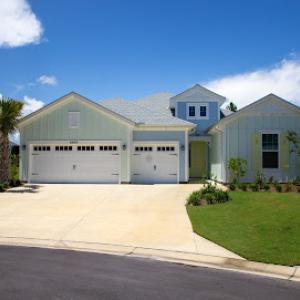
We’re Panama City Beach’s go-to, fully licensed&insured Florida General & Roofing Contractor—serving the entire state. From custom home builds and full-scale remodels to precision metal & tile roof installations and repairs, we deliver top-quality craftsmanship, on-time service, and unbeatable warranties. Contact us today for your free estimate!
Ameritech Roofing & Sheet Metal
(850) 234-0800 www.ameritechroofing.com
108 Estes Pl, Panama City Beach, Florida
4.8 from 49 reviews
Ameritech Roofing & Sheet Metal, LLC is a family-owned company proudly rooted in Panama City Beach since 1996. Operated by the Miller family, we’re committed to serving our neighbors along the Gulf Coast. With 45+ years of roofing experience and over 25 million sq. ft. installed, we specialize in commercial and residential roofing for new construction and re-roofs. Locals trust Ameritech for honest estimates, award-winning craftsmanship, and solutions that stand the test of time. When you hire Ameritech, you’re supporting a local family dedicated to protecting Panama City Beach homes and businesses.
Reroof America Contractors FL
(850) 588-0937 www.reroofamerica.com
13220 Panama City Beach Pkwy, Panama City Beach, Florida
4.8 from 28 reviews
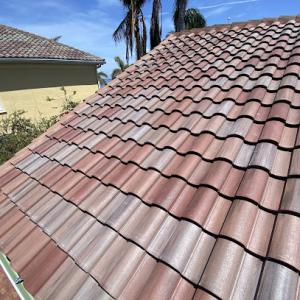
Reroof America provides roofing, hail damage repair, storm restoration, gutters, siding, and windows across Panama City Beach and nearby communities. We specialize in residential and commercial roofing built to withstand hurricanes, wind, and coastal humidity. Our team assists with insurance claims from inspection through completion. All materials meet Florida building codes and coastal impact standards. Local, licensed, and storm-tested. FL LIC: #CCC1326253
Bayside Roofing Company
(850) 258-1543 baysideroofingcompany.com
21000 Front Beach Rd APT 5, Panama City Beach, Florida
5.0 from 17 reviews
Bayside Roofing Company is a roofing contractor locally owned and operated in Panama City Beach, Florida. We specialize in residential roofing, offering shingle and metal roofs. We have over 27 years of experience as a roofing contractor and have worked with hundreds of satisfied families. We also offer Panama City Beach commercial roofing services including new construction roofs and replacement services. Visit our website to request a free quote.

ATW Roofing
(850) 231-9114 www.atwroofing.com
179 Griffin Blvd Ste. 104, Panama City Beach, Florida
5.0 from 9 reviews
Roofing Contractor - Navy Seabee Veteran owned since 2003
American Pro Roofing & Restoration
11 Miracle Strip Loop Unit E, Panama City Beach, Florida
4.7 from 10 reviews
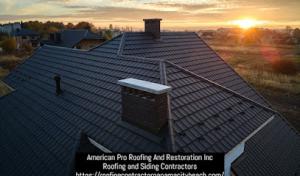
American Pro Roofing And Restoration serves Panama City Beach, FL, specializing in roofing, restoration, metal roofing, and siding solutions.
Collis Roofing
(850) 588-3633 www.collisroofing.com
13000 Hutchison Blvd, Panama City Beach, Florida
4.5 from 2 reviews
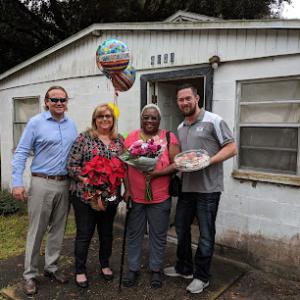
Collis Roofing is now serving Panama City, Bay County, Gulf County and Liberty County with commercial and residential roof replacements. We are family owned, locally operated and community first minded. We only serve Florida and we never serve in an area we do not intend to stay. We have been in business for 24 years, as a licensed and insured roofing contractor. We are known not only for our reliable & excellent workmanship and customer service, but for the numerous ways we give back from Free Roofs to those in need and nonprofits, supply drives to victims of various natural disasters including Hurricane Harvey, Hurricane Florence & more. We have hosted Thanksgiving dinner for victims of Hurricane Irma in San Marcos.
Florida Commercial Roofing & Construction
(850) 448-1634 floridacommercialroofing.net
8700 Front Beach Rd UNIT 9106, Panama City Beach, Florida
5.0 from 1 review
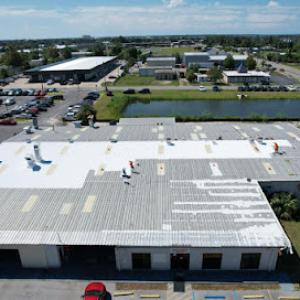
Panama City Beach Roofing Company – Your #1 Local Contractor Dealing with roofing issues or starting your journey to replace your roof can be a stressful situation. But when you hire an experienced Panama City Beach Roofing Company, you can gain you peace of mind in knowing that you’re dealing with a registered and fully-insured contractor that is certified and trusted by the biggest manufacturers in the industry. Florida Commercial Roofing and Construction is known in the market for superior workmanship and outstanding customer service. We are qualified and certified to install all residential and commercial roofing systems including slate, tile, single ply, copper and metal roofs along with built-up roof systems.
Kings Roofing NWFL
(850) 215-0423 www.kingsroofingllc.com
Serving
4.8 from 126 reviews
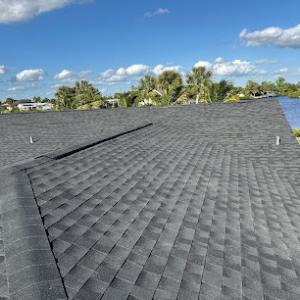
Our team at Kings Roofing NWFL, LLC is your trusted partner for roof installations, inspections, replacements, and repairs on the Emerald Coast. With more than 30 years of experience, we know how vital it is to protect your residential, commercial, or industrial property from the elements. Your roof is your last line of defense against rain and heavy winds that accompany the strong storms and hurricanes along the Emerald Coast. We are here to partner with you when you need it most, protecting your investment and providing the quality craftsmanship you need.
Certified Roofing Solutions
(850) 588-6388 www.certifiedroofingsolutionsllc.com
Serving
4.9 from 227 reviews
Certified Roofing Solutions, LLC is a locally owned and operated roofing contractor serving Panama City, Panama City Beach & the surrounding areas, with over 30 years of experience in residential and commercial roofing. We specialize in expert roof installation, roof repair, roof maintenance, gutters and more. Our expert team works with all types of roofing systems, including asphalt shingles, metal, tile, flat roofs, TPO, PVC, EPDM, & GAF Energy Solar Roofing. As a GAF Master Elite contractor & BBB A+ rated business, we deliver top-quality craftsmanship and customer service, earning the trust of homeowners and businesses alike for commercial roofing & residential roofing across NW Florida.
Johnson Roofing Solutions
(850) 658-4341 johnsonroofingsolutions.com
Serving
5.0 from 370 reviews
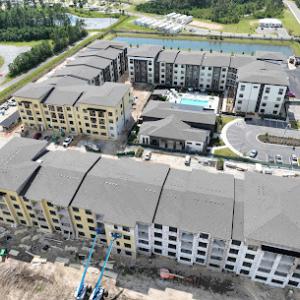
Johnson Roofing Solutions is a fully licensed, family-run contracting company specializing in commercial and residential roofing services throughout the Florida Panhandle. With over 25 years of shared experience, the team prides itself on impeccable work and affordable rates. This includes roof repairs, installations, chimney repairs, and protective coatings. As an accredited Better Business Bureau member of all Panhandle area Chambers of Commerce, Johnson Roofing Solutions continues to provide their community with the protection and peace of mind it deserves.
Panama City Beach homeowners often prefer dry-season installations because summer brings frequent thunderstorms that can interrupt tear-off and expose decking to repeated rain events. To minimize delays, schedule tear-off and deck protection for the early part of the dry season when fronts are less active and afternoon storms are less predictable. Ask your contractor to stage materials and mask the roof deck the moment the old roof is lifted, so a sudden shower doesn't leave exposed plywood or underlayment vulnerable to soaking. If a storm rolls in during tear-off, have a clear plan for quick tarping and secure placement of moisture barriers to prevent tracking water into the attic or living spaces.
High heat and humidity in the local summer can affect crew productivity and the handling or curing of certain underlayments and sealants during installation. Plan work in daily blocks that align with cooler morning hours or late afternoon windows when practical. Ensure crews maintain hydration and shade breaks, and verify that underlayments with self-sealing tapes or spray-on sealants are applied within manufacturer-curing times and temperature ranges. In humid air, some sealants may slow curing; ask for projects to pause if dew points rise or surfaces stay damp beyond two hours after rain. For metal and tile systems, verify that fasteners and anti-corrosion coatings are installed during steady ambient conditions to prevent surface sweat and pinhole formation later.
Winter is milder and drier than summer here, but passing fronts and coastal fog can still shorten workable daylight windows for inspections and installation. Shorter days require tighter scheduling of inspections, proofing of attic ventilation during tear-off, and prompt sequencing for waterproofing steps. Coastal fog can create a damp roof surface that delays the initial underlayment bond; plan for this by prioritizing less weather-sensitive tasks early in the day and deferring sealing or mortar work until surfaces are visibly dry. If a front lingers, consider temporary weatherproofing measures that still allow adequate ventilation to prevent heat buildup in the attic and minimize condensation under the roof deck.
Because Gulf-front exposure makes wind resistance and fast post-storm response essential, align re-roof timing with anticipated storm patterns. Maintain a short-notice plan with the crew for rapid teardown or repair if a named storm approaches. After a storm, arrange a swift inspection and expedited replacement sequence to address hidden damage, especially around eaves, ridge lines, and ventilation openings, where salt air and high humidity accelerate corrosion and wear.
Get a clear picture of your project costs upfront - no commitment required.
BearBuild Roofing & Construction
(850) 319-9185 bearbuildroofing.com
131 Kimberly Dr, Panama City Beach, Florida
5.0 from 26 reviews
Bayside Roofing Company
(850) 258-1543 baysideroofingcompany.com
21000 Front Beach Rd APT 5, Panama City Beach, Florida
5.0 from 17 reviews
American Pro Roofing & Restoration
11 Miracle Strip Loop Unit E, Panama City Beach, Florida
4.7 from 10 reviews
Typical local pricing ranges run about $350 to $700 per square for asphalt shingles, $650 to $1500 for metal, $900 to $2200 for clay tile, $800 to $1600 for concrete tile, $550 to $1200 for wood shingles or shakes, and $500 to $1000 for synthetic or composite shingles. In a Gulf-front climate, those numbers reflect not just the materials, but the fasteners, flashing, underlayment, and corrosion-resistant hardware that the coast demands. When you shop, ask for a line-item breakdown that includes upgraded fasteners, corrosion-resistant nails, and premium sealants; the difference can matter when salt air and high humidity are constants.
Costs in Panama City Beach can rise after major Gulf storms when regional demand spikes for labor, tarping, and replacement materials across Bay County and nearby coastal communities. This isn't a guess-it's a pattern tied to evacuation windows, contractor backlogs, and supply-chain delays. If a storm hits, expect shorter windows for quotes and tighter schedules. Budget a contingency or secure a firm start date and price early, so you're not negotiating through the chaos after a leak starts or a tree hits a gutter line.
Coastal exposure can increase project cost through upgraded fasteners, flashing, and corrosion-resistant accessories, while steeper rooflines and resort-style architectural details can add labor time on local homes. For metal and tile roofs, you'll see higher costs for salt-resistant coatings, stainless steel or hot-dipped galvanized components, and reinforced ridge caps. Even asphalt shingles benefit from upgraded drip edge and sealant products in this salt-air environment. If your home features clerestory windows, wide overhangs, or intricate dormers common to local luxury rentals, expect extra labor for weatherproof detailing around edges and transitions.
Steeper pitches and multi-level layouts common on coastal homes translate to more safety gear, longer rigging, and increased time per square. A simple gable may stay closer to baseline costs, but a resort-style roof with multiple hips, valleys, and leads to higher labor time and potential material waste. In practical terms, plan for 5-15% more labor hours on more complex rooflines. In storm-prone zones, crews also take extra care with tarping and temporary protection, which can push temporary costs upward if a rapid post-storm response is needed.
When budgeting, lock in a price range that accounts for regional demand spikes and coastal hardware upgrades. Compare bids not only on price per square but on included corrosion-resistant fasteners, flashing, and underlayment quality. If a contractor offers a phased plan-temporary tarps now, full replacement later-weigh the savings against exposure risk during hurricane season. Finally, for Gulf storms, set aside a specific contingency for post-storm replacement needs, since supply and labor can tighten quickly across Bay County and neighboring coastal areas.
Don't let upfront costs delay a critical repair - these contractors offer payment plans to fit your budget.
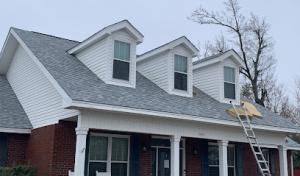
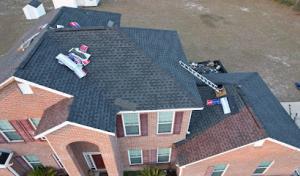
A full re-roof in this Gulf-front area typically requires a building permit submitted through the local building department with a clear scope of work and material details before work begins. That documentation helps ensure the chosen roofing system aligns with wind-resistance expectations and Florida building code updates that respond to hurricane exposure. The permit acts as an official roadmap for the project, outlining the layers, fasteners, underlayment, and flashing details that are critical for durable performance on a coastal windward site.
Inspections occur during construction and again at completion, with special attention to wind-resistance details and flashing because those are critical in this coastal hurricane-prone jurisdiction. During construction, inspectors verify that the roof assembly, connectors, nailing patterns, and underlayment meet current wind-speed requirements and that any penetrations (vents, skylights, plumbing stacks) are properly flashed to resist wind-driven water intrusion. At completion, the final review confirms the installed system matches the permit scope and that all components have been installed in a manner consistent with Florida's storm-resiliency standards.
Homeowners should confirm whether the contractor or owner is listed as the permit applicant and keep final approval records, since those documents can matter later for insurance and resale in Florida. If the permit lists the contractor, verify the contractor's license status and ensure any changes to subcontractors are documented and approved. Retain the signed permit cards, final inspection reports, and any change orders. In coastal markets, these records can streamline claim processing after a major storm and support a smooth resale process.
Coordinate with a contractor who demonstrates a clear plan for flashings, corner detailing, and wind-rated fasteners designed for Gulf exposure. Ask for a pre-construction meeting to review wind-load calculations and flashing transitions around fascia, gutters, and chimneys. Ensure all material certifications are up to date and that the project timeline accounts for potential post-storm inspection contingencies.
In Panama City Beach, homeowners operate under Florida's strained insurance environment, where premium pressure and coverage changes can push decisions toward how a roof is repaired, replaced, or upgraded for wind resistance. The choices you make now can affect whether a claim is manageable after a hurricane or if you face gaps in coverage when storms strike again. The wind-facing exposure to salt air and rapid weather shifts means insurers closely weigh how well a roof can endure the next season, not just how it looks on day one.
Because this is a coastal high-claim environment, insurers may scrutinize roof age, permit history, and installation documentation more closely than in inland markets. When a replacement is contemplated, the emphasis shifts to how thoroughly the project demonstrates long-term resilience. Documentation gaps or questionable workmanship can complicate future claims or underwriting, even if the immediate repair seems complete. The goal is to avoid surprises when a storm arrives and a claim needs to be filed quickly and with solid backing.
After replacement, homeowners should retain contracts, permit sign-offs, product data, and photos of underlayment and fastening details to support future underwriting or claims. Store these records where they are easy to access after a storm, and organize them by contractor, date, and material type. Clear, complete records help verify installation quality and help insurers and adjusters assess the roof's true wind-resistance capability when the next hurricane season comes around.
Low-slope sections on condos, additions, and mixed-use coastal buildings face higher standing water risk when heavy rain bands hit repeatedly during tropical weather. In Panama City Beach, use improved drainage details and ensure roof edges and internal transitions are fully crimped and sealed. Inspect recall flashings where parapets meet the roof, and verify membrane seams are heat-welded or cold-applied with compatible flashings. After storms, look for ponding near scuppers or drains and plan corrective detailing before the next season.
Skylights and roof penetrations are higher-risk leak points because wind-driven rain can force water past weak flashing details during Gulf storms. Prioritize robust installation with integrated kick-out flashings, corrosion-resistant step flashes, and continuous sealant beds at curb mounts. Periodically inspect around skylight bases for hairline cracks or discoloration indicating slow leaks. In high-wind zones, consider replacing standard flashings with metal or reinforced composites and keep debris off the flashing planes to maintain drainage.
Roof coatings and restoration may be considered on some low-slope assemblies, but suitability depends on the existing roof condition and whether the system is appropriate for the local moisture and storm pattern. Evaluate substrate condition, prior coating age, and moisture intrusion history. If the roof shows chronic leaks or blisters, coatings are unlikely to deliver lasting resilience. For borderline cases, perform a probe test for adhesion and consider a full membrane upgrade rather than a thin-film solution.
After a Gulf storm, prioritize tarping exposed penetrations, securing loose vents, and scheduling a verified roof inspection within two weeks. Document any damage with photos and maintain a simple log to guide post-storm repairs and communications with a roofing contractor.
Find specialists in TPO, EPDM, and built-up flat roofing systems for residential and commercial properties.
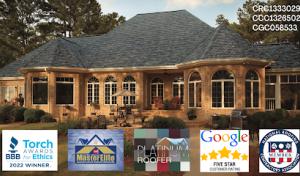
Certified Roofing Solutions
(850) 588-6388 www.certifiedroofingsolutionsllc.com
Serving
4.9 from 227 reviews
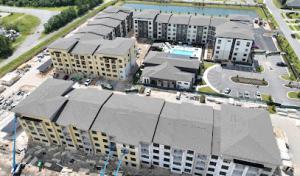
Hammer Down Roofing & Development
(850) 814-1958 www.hammerdowngroup.com
Serving
5.0 from 127 reviews