
Last updated: Apr 19, 2026
Live Oak sits inland in North Florida, so homeowners face tropical-storm wind and heavy-rain exposure without the constant salt-air corrosion pressures seen on the coast. That means roofs here must be prepared for sudden wind gusts that can lift shingles or trigger flashing failures, and for downpours that arrive with little warning. The risk is not just about the storm itself but the aftereffects: wind-driven rain seeping under material seams, lifting edges, and driving moisture toward vulnerable intersections. A roof plan that assumes strong wind events and rapid rainfall keeps you steps ahead of costly damage when a storm slips through the area.
The city's hot, humid summers and periodic heavy rainfall make moisture intrusion, flashing reliability, and underlayment performance central concerns during reroof planning. Humidity-driven decking expansion, mold-prone attic spaces, and soaked sheathing are common if a roof isn't designed with durable moisture barriers. In inland North Florida, underlayment choices must resist both prolonged moisture and seasonal heat so that water finds no easy path into the attic or between joints. Flashing around chimneys, vents, skylights, and eaves should be treated as a high-stakes detail, not a afterthought. A proactive contractor will spec sealed, corrosion-resistant flashing aided by corrosion-resistant fasteners, with extra attention to continuity at hips, valleys, and roof-to-wall terminations. In practice, that means detailed surface preparation, clean transitions, and verified drip edge installation to shed water cleanly away from the fascia.
Dryer, cooler months are locally preferred for reroof work because they reduce weather delays and lower the chance of exposing decking during repeated summer rain events. In Live Oak, that translates to scheduling windows in late fall through early spring, when rain gaps are more predictable and temperatures remain moderate. If a reroof must occur in the thick of summer, expect faster rain interruption and a higher risk of decking exposure between layers. In planning, designate moisture-protective sequencing: remove, inspect, and address deck conditions first, then install new underlayment with a continuous wrap, followed by high-integrity flashing across all penetrations. A well-timed project reduces the chance of moisture penetrating decking gaps and minimizes disruption from tropical-storm season swings.
With inland exposure, every roofing material choice must support wind resilience and moisture control. Asphalt shingles, metal, clay and concrete tiles, wood, and synthetics each behave differently under pressure. Wind uplift ratings matter, but so do the purchase of compatible underlayment systems and the reliability of fasteners in hot, humid air. For example, in this climate, it is essential to pair a robust underlayment with a well-sealed nailing pattern and appropriate nailing for the chosen roof system. Valleys and hip-to-ridge intersections require careful flashing design to prevent rain from tracking into the attic during summer downpours. A practical approach prioritizes continuous edge protection, solid venting that avoids creating moisture traps, and a gradual build of roof layers that permits rapid shedding of heavy rains without compromising deck integrity.
Post-storm vigilance is a practical habit in this area. Inspect after significant wind events for lifted shingles, damaged flashing, or water stains in the attic. Humidity can reveal itself as understated mold growth or dark staining along eave lines and penetrations, even when the exterior looks intact. Keep ridge vents clear and ensure gutter systems are free of debris to prevent backflow and moisture buildup near eave lines. In climates like this, a proactive homeowner doubles as a first line of defense-catching moisture intrusion and wind-related damage early saves the rest of the roof from accelerated deterioration.
Asphalt shingles and metal roofing are the two workhorse options that most homeowners in this area end up considering first. Asphalt shingles fit naturally with the typical residential mass and are easy to retrofit on many existing homes. Metal roofing has gained traction for its speed of shedding rain during the summer thunderstorm season and its generally favorable wind performance. In this inland North Florida climate, these two choices align with the way homes were built and how long they stay dry through the storm season. Tile, wood, and synthetic options appear, but they carry distinct tradeoffs that often matter more here than in drier climates.
Metal roofs stand up well to tropical-storm wind exposure and driving rain, provided the installation is solid and fasteners are correctly sealed. The metal's smooth surface helps rain slide off quickly, reducing the chance of water backing up at gutters and eaves during heavy downpours. For asphalt shingles, select a product with good wind resistance and ensure the overlap and nailing pattern match the local wind loads. In both cases, the roof deck should be solid and free of soft spots, because moisture-prone boards can fail under heavy hammering from repeated storms. A practical approach is to pair a resilient underlayment with correctly placed starter strips to minimize shingle pull-off during gusts.
Tile systems can be used locally, but their higher weight and installation complexity matter more on homes not originally designed for tile loads. Clay or concrete tiles demand careful structural assessment, particularly in older homes or those with marginal attic space. In inland Florida, tile can give excellent durability and moisture control when the structure is up to it, yet it introduces increased risk if the roof framing isn't reinforced or if purlins and battens aren't correctly spaced. Wood shingles and shakes bring a distinct look but require diligent moisture management and regular maintenance to prevent rot in this humid climate. Synthetic or composite shingles can bridge some gaps, but they still behave differently under heat, humidity, and heavy rains compared with traditional options.
Humidity and frequent downpours mean attic ventilation and a tight moisture boundary matter as much as the roof's visible layers. Ensure attic vents stay clear and that soffit, ridge, and roof vents work in concert to move moist air out of the attic space. A well-sealed underlayment helps with incidental leaks during downpours, but the goal is to minimize conditions that invite mold or wood rot in shallow or poorly ventilated spaces. Routine inspections after the storm season can catch loose nails, lifted edges, or signs of moisture intrusion before they become bigger problems. For those prioritizing speed of rain shedding and wind resistance, metal roofs paired with a quality underlayment and robust fastener pattern offer a practical, low-maintenance path that suits a typical Live Oak home.
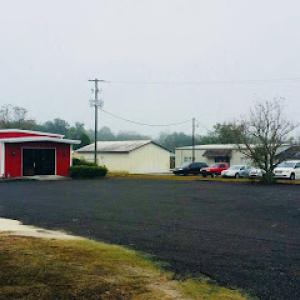
Ogles Roofing
(386) 364-4838 www.facebook.com
505 Goldkist Blvd, Live Oak, Florida
4.6 from 56 reviews
We are a third generation family-owned and operated Roofing company proudly serving the north Florida area for over 50 years. Licensed and insured; we install and repair shingle, metal, and flat roofing systems. Email address: OglesRoofing@gmail.com
Revere Roofing
(386) 320-6033 www.revereroof.com
1415 Ohio Ave N #664, Live Oak, Florida
5.0 from 4 reviews
Revere Roofing, a trusted name in roofing, brings decades of experience and expertise to homeowners across North Florida. With our unparalleled craftsmanship and unwavering commitment to customer satisfaction, we'll transform your roof into a haven of protection and beauty. Our lifetime workmanship guarantee ensures that your investment will stand the test of time, providing you with peace of mind for years to come.
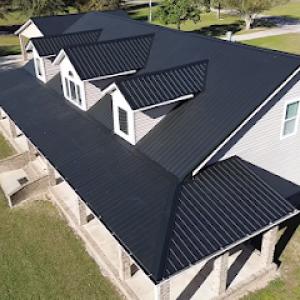
Southeastern Roofing & Coatings
Serving
5.0 from 107 reviews
Southeastern Roofing & Coatings proudly serves Lake City and surrounding North Florida communities including Macclenny, Live Oak, Mayo, McAlpin, Branford, and Lake Butler. With a commitment to quality and reliable service, we’re your trusted local partner for residential and commercial roofing and coating solutions. We’re here to protect what matters most — your home and your business. Contact us today for a free estimate.
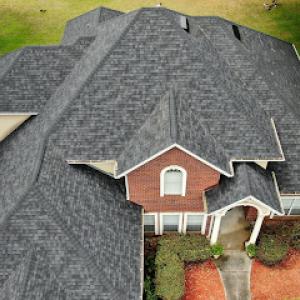
TMT Roofing
(352) 888-4676 tmtroofingllc.com
Serving
4.8 from 125 reviews
North Florida’s top roofing company at TMT Roofing deliver storm-ready roofs in Lake City, Alachua, High Springs, Gainesville, and Live Oak. As Owens Corning Preferred Contractors, we’ve installed thousands of roofs on time and on budget. Call now for a free roof inspection! Roofs That Stand Strong!
Energy Roofing Companies
(855) 766-3852 www.energyroofingco.com
Serving
4.5 from 41 reviews
Energy Roofing Companies, located at 562 NW Orange Street, Lake City, FL, is your trusted roofing contractor offering superior roofing solutions in Florida, Georgia, and Alabama. With expert services in roof repair, roof replacement, and emergency roof repair near you, we ensure quick and reliable service to protect your home and business. Our skilled team specializes in residential and commercial roofing, including storm damage roof repair, flat roof systems, and thorough roof inspection. As a leading roofing company, we guarantee high-performance installations featuring durable metal roofs, GAF HDZ shingles, and tailored TPO solutions. Contact us for quality craftsmanship backed by licenses #CCC1329523 and #CGC1508382.
Huber & Associates
(386) 487-1040 www.huberroofing.com
Serving
4.6 from 9 reviews
Huber & Associates is an award-winning Roofing Company, specializing in Clay Tile, Slate, Cedar Shakes and Shingles and Copper. Headquartered in Florida with an office in South Carolina, our expert roofing team specializes in high-quality craftsmanship for residential and commercial roofs alike, with an emphasis on historical roofing projects. If you're looking for a top-rated, award-winning Roofing Contractor, contact us today.
RWL Roofing
(386) 623-0178 www.rwlroofingllc.com
Serving
Roofing Contractor All types installation and repairs

Lewis Walker Roofs
(386) 675-8879 lewiswalkerroofsllc.com
Serving
Welcome to Lewis Walker Roofs in Lake City, FL, your trusted roofing experts for residential and commercial projects. Our experienced team is dedicated to providing high-quality roofing solutions, including new installations, re-roofing, repairs, and specialized services in metal, shingle, and tile roofing. We prioritize your satisfaction and safety, ensuring every project is completed with precision, on time, and within budget. At Lewis Walker Roofs, we aim to enhance your property's value and appeal with durable, aesthetically pleasing roofs. For reliable, professional roofing services, contact us today. Let us protect your property, ensuring peace of mind in any weather.
L&V Roofing
(239) 429-0445 roof.lvroofinginc.com
Serving
Our Mission at L&V Roofing is to provide homeowners, their families, and property owners with quality residential and commercial roofing services. We have been part of this community for over 30+ years. We understand the trends, we've seen all the new estates go up, and we've got our finger on the pulse. If you have any questions about your roofing needs, we can help. We give thoughtful feedback, expert answers, and quality customer service. We deliver a quality roof installation or repair every time. For your roofing replacements, repairs & maintenance- you can count on L&V Roofing.
In this inland North Florida setting, asphalt shingles take a steady hammering from prolonged heat, intense UV exposure, and perpetual humidity. That combination accelerates granule loss, which can leave surfaces looking dull and chalky while diminishing sun protection. Curling becomes more common as heat cycles push edges upward, and once curling starts, wind uplift can worsen quickly during summer storms. The higher humidity also promotes faster underlying deck or felt deterioration if any moisture sneaks under lifted edges. In practice, you may notice faster color fading, more frequent minor leaks near flashing details, and a shorter overall service life than what you'd expect from milder climates. If the roof is older or has seen several hot seasons without a solid edge seal, plan for closer monitoring of ridge lines and any transition zones around vents and chimneys. Small signs now can prevent bigger, messier repairs after a tropical-downpour event.
Metal roofs can handle a lot here, but inland tropical winds rely on weaknesses in fasteners, panel attachment, and flashing to do their damage. Loose or poorly seated fasteners invite leaks, especially where panels meet at ridges or along eaves that endure prolonged sun and rain exposure. Edge fasteners can loosen under repeated thermal expansion and contraction, while floating panel seams may misalign after a heavy storm gusts, creating entry points for water. Flashing details around dormers, vents, and chimney entries in this part of the state demand particular attention, since storm-driven rain can exploit even tiny gaps. In practice, an otherwise solid metal roof may still incur moisture intrusion if edge and penetration details aren't reinforced with proper sealant, corrosion-resistant hardware, and compatible flashing transitions. Regular checks after late-spring storms and before hurricane season help catch loosened fasteners or lifted edges before a leak becomes structural.
Wood shingles and shakes carry a distinct set of challenges in this climate. Persistent moisture fosters a higher likelihood of biological growth, including algae, mold, and mildew, especially on shaded or north-facing slopes, and that growth can accelerate material decay. The humid cycle can also cause cupping, warping, or splitting, which invites water intrusion at nail lines and along field joints. Unlike inorganic materials, wood reacts more freely to moisture content shifts, so you may see surface checking or soft spots creeping in faster than other roofs. If the roof has been exposed to ongoing dampness or has aged near the end of its expected life, think about more frequent inspections of shakes that appear damp or soft to the touch after rain. Proper ventilation in the attic and consistent attic moisture control are practical safeguards to slow biological deterioration and preserve the wood's integrity over time.
Late-summer into fall can be a difficult reroof window around Live Oak because wetter periods increase the risk of moisture exposure if tear-off, flashing, or underlayment sequencing is interrupted. If a full tear-off is planned, aim to align with a stretch of dry weather and lower humidity, which typically means watching the forecast for a multi-day dry spell rather than chasing an immediate project kickoff when storms loom. A day-by-day plan matters: once the roof comes off, every rain cell is a potential setback, and delays compound quickly on a roof that's exposed to inland North Florida humidity.
Summer thunderstorms and tropical systems can create both damage spikes and contractor scheduling bottlenecks in the Live Oak market. Heavy afternoon storms can push crews off the roof and slow material delivery, which in turn can push exterior weather events into the project timeline. If a storm system is forecast, have a backup plan for temporary protection and understand that crews may need to pause work for 24 to 48 hours after a severe event. Coordinating with a locally active crew that has a stable weather window can reduce idle days and keep the project moving once a window opens.
Winter in this inland part of North Florida is milder than farther north, but temperature swings can still stress some roofing materials on exposed roof areas. In late fall through early winter, nights can dip while days warm, which affects sealant cure times and underlayment behavior. Plan for a gradual, staged dry-in if temperatures swing widely, and avoid exposing sensitive components during rapid cold snaps. If a reroof is postponed into winter, prioritize a dry-in sequence that keeps the interior dry during any cold spells, while preserving the integrity of flashing and valleys.
Coordinate a concrete plan with the roofing crew that prioritizes tarp protection, precise tear-off sequencing, and a robust dry-in strategy. Ensure gutter protection is in place before tear-off, and confirm crew access and material staging are set to minimize time on the roof during unsettled weather. In this region, having contingency days built into the schedule for sudden storms is not a luxury-it's a practical part of getting a durable, long-lasting roof without moisture surprises.
Typical local material ranges are about $350 to $700 per square for asphalt shingles, $700 to $1200 for metal, $900 to $1800 for clay tile, $800 to $1500 for concrete tile, $600 to $1100 for wood shingles or shakes, and $600 to $1000 for synthetic or composite shingles. Those figures cover the common options you'll run into while shopping around the inland North Florida market. In this area, the choice tends to be a trade-off between wind resilience, moisture handling, and long-term performance in heat and humidity. Asphalt stays the most affordable entry, while tile products offer stronger wind resistance if the roof framing is prepared for the added weight.
Reroof pricing can rise after tropical-storm damage periods when regional demand tightens labor availability and extends scheduling across North Florida markets. In practical terms, you'll see longer lead times for material ordering and fewer crews available during peak storm recovery windows. If you're weighing a replacement in late summer through fall, expect tighter scheduling and a potential premium, especially for higher-end products like clay or concrete tile. Planning ahead in drier months can help lock in crews and stabilize costs.
Costs can also shift based on whether the home's existing structure can support heavier tile products, how much decking repair is uncovered after tear-off, and the complexity of flashing details. Heavier systems require structural checks and possibly retrofit, which adds to both time and price. If the deck or sheathing shows moisture damage from a prolonged downpour, you'll want to address that early to prevent warranty issues and future leaks.
In inland North Florida, moisture control means upgrading underlayment and ensuring a tight, wind-resilient installation. For tropical-storm zones, metal and concrete or clay tile will generally outperform basic asphalt in sustained wind loads, but only if the roof deck is solid and properly integrated with fasteners and edge detailing. Expect to invest in closer fastener schedules, higher-quality underlayment, and careful sealing around penetrations to reduce the risk of wind-driven moisture intrusion.
Timing often centers on drier, cooler months when crews can work without weather delays. If storms have delayed your project, you may see pressure on scheduling and material availability. Align your selection with the practical realities of the local market: heat, humidity, and frequent but localized downpours shape both performance and cost over the roof's life.
Most full reroofs in Live Oak and Suwannee County require a permit, making permit review a standard part of legitimate roof replacement work. Before any shingles or tiles come off, you should contact the local building department to confirm the permit type, required drawings, and access to the job site. The department will expect coordination with any applicable floodplain or drainage rules and will verify that the chosen roofing system meets wind and moisture-resistance standards relevant to inland North Florida. A valid permit helps ensure the project aligns with neighborhood covenants and county codes, and it protects you if a future sale is under scrutiny.
Projects are reviewed by the local building department, and required inspections are part of the normal process rather than an optional contractor step. Expect the permit to specify inspection milestones and notice requirements. If weather or supply delays occur, communicate any changes in schedule to avoid a hold on inspections. In Live Oak, the emphasis is on performing work that adheres to current code provisions, especially for wind resilience and moisture management, given the area's summer downpours and humidity. The permit acts as a governance tool to keep the installation on solid footing from the ground up.
Inspections typically include rough-in and final stages to verify installation quality and code compliance before the reroof is fully closed out. Rough-in checks focus on deck prep, underlayment, and fastener patterns, while the final inspection confirms the proper installation of flashing, venting, and drainage details. Completing inspections on schedule minimizes the risk of backtracking work and helps ensure the roof remains robust against tropical-storm winds and moisture intrusion through the life of the system. Keep a calendar of inspection appointments and have the job records ready for each visit.
In Live Oak, homeowners operate in Florida's high-claim insurance environment, where weather-related roof losses have made underwriting and renewal scrutiny more demanding. The market remembers years of tropical storms and summer downpours, so insurers pay close attention to roof durability, maintenance history, and the potential for recurring damage.
When evaluating coverage or processing a claim, insurers may request wind-mmitigation information, roof age, system specifications, and clear condition photos. Quick, organized responses can speed decisions and reduce the risk of coverage gaps. Missing or unclear documentation often leads to delays or downgraded claim handling.
After storm events affecting inland North Florida, detailed documentation matters. Shingles and metal panels should be photographed from multiple angles, showing wear, missing pieces, and any patchwork. Flashing integrity around dormers, chimneys, and vents deserves close attention. Underlayment exposure, attic ventilation, and signs of moisture intrusion should be clearly documented to support the scope of a claim.
Internal signs of damage are just as critical as exterior visuals. If water penetration is suspected, capture ceilings, walls, and attic spaces with timestamps and descriptors. Descriptions should note the location, extent, and any temporary mitigation measures taken. Clear evidence of leakage can materially influence claim handling and the path to a timely, fair settlement.
For ongoing coverage, keep a running log of roof-related maintenance and any improvements. A concise file with roof age estimates, material specifications, and a catalog of professional assessments helps neighbors avoid surprises when renewals arrive or a storm redraws the risk map. Consistent records reduce guesswork when insurers review a claim.
Homeowners in Live Oak are especially likely to worry about whether a roof can handle repeated summer storms without developing hidden leaks that only show up after prolonged rain. Inland North Florida roofs endure bursts of wind-driven rain, so anchor points, fastener patterns, and overall roof geometry matter as much as the material. You should look for a tight, continuous underlayment that cooperates with a properly sealed eave and drip edge, plus an edge-to-edge fastener schedule that resists uplift during a tropical-storm wake. In practical terms, ask about upgraded nailing patterns for sheathing and ridge caps, and verify that the chosen system is compatible with the existing soffit and fascia so that air and water do not find unintended pathways.
Humidity in this climate can push moisture into attic spaces even when the living areas feel dry. A roof that breathes well-without letting in bulk rain-helps prevent condensation, mold, and wood rot. In Live Oak, roof assemblies should balance ventilation with a robust weather barrier. Consider attic ventilation that keeps the dew point moving without encouraging drafts during hot afternoons. Ensure flashing around chimneys, vents, and skylights is continuous and well-sealed, since prolonged rain can exploit weak seams. For clay, concrete, or metal options, confirm that the chosen profile minimizes puddling on low-slope sections and channels water away from penetrations.
Insurance eligibility and documentation have become part of the roofing conversation locally, not just repair quality and price. You may be asked for construction details, wind-resistance ratings, and moisture-management features when opening or renewing a policy. Have clear records of the roofing material, underlayment type, and any upgrade to fasteners or flashing. When discussing a potential replacement, align your choice with the insurer's preferred impact or wind-resistance class, and keep a tidy archive of product specs and contractor attestations for easy reference after a storm.