
Last updated: Apr 19, 2026
Conyers homeowners operate in a Georgia wind-and-hail claim environment where insurers commonly require photo documentation, staging evidence, and scope details before approving full replacement. Your claim package should show the extent of shingle loss, lifted nails, hail pings, blown flashings, and any interior signs of water intrusion. Start with clear, dated photos from multiple angles: close-ups of damaged shingles, exposed decking, and any gutter or fascia damage. Include a simple, itemized list of all affected sections, and annotate your photos to match the areas described in your estimate. Insurers often reject "generic" claims; they want precise visuals tied to the scope. If you've already had an adjuster on site, request a written scope that aligns with the photos you've gathered. In this market, the clarity of your documentation can accelerate approvals and reduce back-and-forth.
Post-storm demand spikes during hurricane season can slow scheduling in Conyers even when damage comes from inland wind and rain rather than coastal landfall. Expect a surge in projects, longer wait times for crews, and tighter windows for tear-offs and replacements. If multiple houses nearby fire up simultaneous claims, your project could drift from a straightforward replacement into a multi-property scheduling challenge. To counter delays, secure an agreed start window in writing with your contractor and your insurer early. Coordinate with your roofer to reserve a priority slot during the window when spring and summer storms routinely strike. If your timeline starts slipping, maintain proactive communication with your adjuster and contractor so the project doesn't lose daylight and risk weather.
Summer thunderstorms around Conyers can interrupt active tear-offs and expose decking to repeated rain events if replacement timing is not tightly managed. A half-baked sequence-tearing off half the roof while the other half waits-can leave exposed decking vulnerable to every passing shower, leading to potential interior leaks and additional decking damage. Plan for a continuous tear-off and re-cover window, with dry-in milestones clearly defined. Ensure your contractor has tarps ready for unexpected rain and a plan to secure interior spaces promptly if moisture intrusion occurs. If a storm hits mid-tear-off, you'll need rapid decision-making: either pause work, protect interior areas, or prioritize weather-resistant quick covers to reduce exposure risk.
Begin with a detailed photo log and a written scope that matches every area affected by the hail and wind. Share this with the insurer and the contractor early, and request an itemized adjuster report that mirrors your documentation. Establish a firm start date with your roofer and keep it in writing, with contingency plans for rain delays. Maintain daily weather checks and prepare protective measures for the attic and ceilings if rain patterns look persistent. Finally, assemble a small, ready-to-activate storm kit: tarps, rope, nails, drills, and flashing tape so your team can seal vulnerabilities quickly if a shower interrupts work. This approach narrows risk, aligns expectations, and helps prevent needless delays in Conyers' storm-repair cycle.
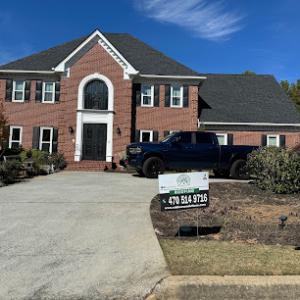
Oak Home Solutions
(470) 514-9716 www.oakhomesolutions.net
1775 Parker Rd SE Ste 315, Conyers, Georgia
5.0 from 149 reviews
"Your Local Remodeling & Roofing Experts | Over 10 Years of Service" At OAK HOME SOLUTIONS, LLC, we pride ourselves on being a small, dedicated team with over 10 years of experience in remodeling and roofing. Our focus is on providing exceptional customer service and personalized attention to every project. We treat your home like our own and work tirelessly to ensure we get it right for you. Choose us for quality craftsmanship and a friendly, professional experience!
Not A Dime Down Roofing & Restoration
(678) 785-8921 notadimedownroofing.com
1775 Parker Rd SE building c suite 210, Conyers, Georgia
5.0 from 145 reviews
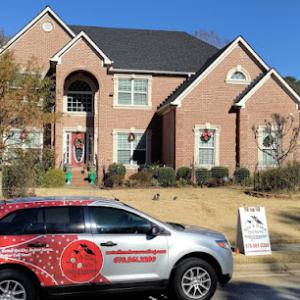
"At Not A Dime Down Roofing & Restoration our mission is to provide the highest level of professionalism and customer service to all of our clients, with exceptional work. When searching for the best roofers in Conyers, search no more! Our team has over 20 yrs experience in roofing and home improvement.When it comes to roof repair, roof replacement, roof leaks, roofers, roofers near me. We have the best new roof cost, that's affordable roofing for most. Let us be your local roofer and give us a try. Our roof quotes can't be beat."Roofing Contractor in Georgia and North Carolina Roof repair company in Georgia and nearby areas Best roof installation company near me Roof Replacement contractor in North Carolina
Mighty Dog Roofing of Greater Rockdale County
(470) 842-3600 www.mightydogroofing.com
1775 Parker Rd SE Ste C-210, Conyers, Georgia
5.0 from 60 reviews
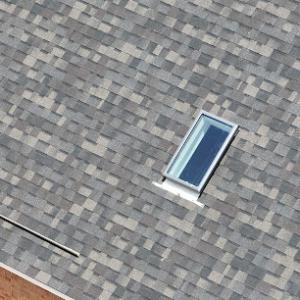
When it comes to your home’s exterior, Mighty Dog Roofing delivers top-of-the-line services matched with the neighborly customer care our clients have come to love. Our team of skilled experts will conduct a free, detailed inspection of your home, treating it as our own. Whether your home needs a simple repair or a full roof replacement, expect to receive the transparent guidance you deserve. Whatever the case, our team will work to meet your safety and budget needs. We take pride in operating with quality materials, hiring skilled roofers, and providing our customers with a high-quality experience. See for yourself; our reviews say it all. Schedule your free, home inspection today!
Horizon Premier Construction
(678) 275-3964 horizonroof4.com
263 Glen Rd NE, Conyers, Georgia
5.0 from 35 reviews
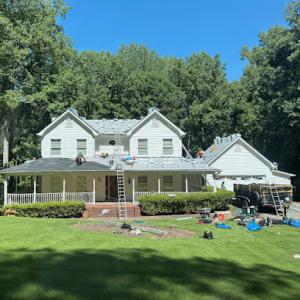
~Specializing in insurance claims🏠 ~Expert roofing solutions for you home🚧 ~Free roof inspection🤝 ~insurance assistance provided📌
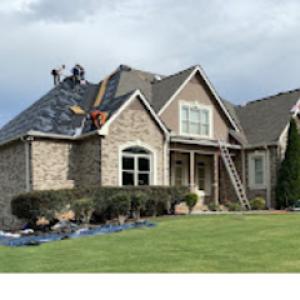
Mr. Roofing & Construction
(770) 731-7663 www.mrroofingandconstruction.com
1343 Business Center Dr SW Suite B, Conyers, Georgia
5.0 from 34 reviews
Mr. Roofing and Construction, LLC is a quality roof repair company in Conyers and McDonough, GA. Our primary focus is residential roofing, providing an experienced staff to handle and coordinate almost any roofing repair or new roofing construction project. We have extensive experience in installing slate, tile, composition shingles, and wood material. We’ve been helping residents just like you repair their roofs and improve the integrity and condition of their homes. As a family-owned and operated roofing company, Mr. Roofing is known for our honesty, affordability, superior work, and satisfied customers.
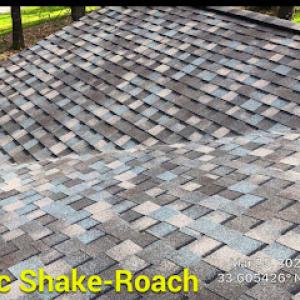
Rapid Roofers Proudly Roofing Atlanta Metro homes since 1986
(770) 786-2056 www.rapidroofers.com
611 Fern Terrace SE, Conyers, Georgia
4.8 from 45 reviews
Rapid Roofers Proudly Roofing Atlanta Metro homes since 1986, Insurance Claims pressure free and repairs A-Z, Leaks, We never recommend replacement when a simple repairs are needed. Quality service with integrity guaranteed! One Call that's All
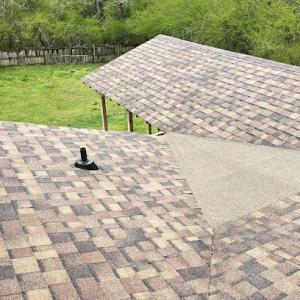
Wolf & Restoration
807 Navajo Ct SE, Conyers, Georgia
5.0 from 14 reviews
Wolf & Restoration is a remodeling company that service all over Georgia. We take our work very seriously here and always do our best to satisfy our clients needs..
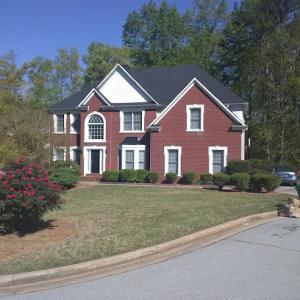
Premier Roofing & Siding
(404) 551-6405 www.premierroofllc.net
1705 Hwy 138 SE # 81834, Conyers, Georgia
4.4 from 97 reviews
With over 20 years of combined experience, Premier Roofing & Siding, LLC is the clear choice for selecting PROFESSIONAL and DEPENDABLE service. We not only specialize in residential and commercial roofing, but also in installation of siding, gutters, windows, painting and general construction. We are your one stop shop for all your home improvement needs. No job is too big or too small. Premier Roofing & Siding, LLC takes pride in being the big company with reasonable pricing. As an accredited member of the Better Business Bureau we can assure you excellent customer service on every job.
J&J Rubio Construction
1505 Mountain View Cir NW, Conyers, Georgia
5.0 from 2 reviews
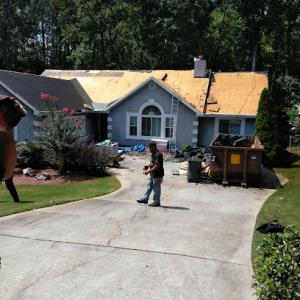
J&J Rubio Construction delivers premium roofing services, encompassing full replacements, repairs, junk removal, and demolition. Get in touch with us today to schedule a free consultation and elevate your home's curb appeal.
Jaco Contracting
(770) 525-0458 jacocontracting.com
Serving
4.8 from 422 reviews
Jaco Contracting is a locally owned and operated roofing company serving Metro Atlanta, Covington, Conyers, McDonough, Peachtree City, and nearby Georgia areas. For over a decade, we’ve helped homeowners and businesses with roof replacements, repairs, and storm restoration. As an Owens Corning Platinum Preferred, GAF Master Elite, and Duro-Last Master Contractor, every project includes on-site project management and lifetime warranty options. Fully licensed and insured, we’re known for clean jobs, honest service, and affordable roof financing. Uh Oh, Better Call JACO!

LJ Exterior Repair
Serving
4.7 from 9 reviews
Has your home or business has sustained damage from hail and/or high winds, our team can prepare a full and proper scope of restoration - addressing those items insurance providers routinely miss.
Shingle Brothers Roofing & Renovations
(404) 937-8677 shinglebrothers.com
Serving
4.8 from 18 reviews
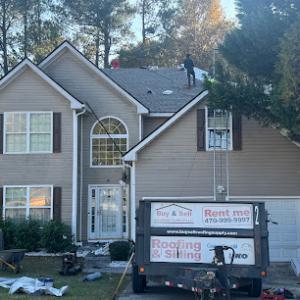
**Shingle Brothers: Celebrating 15 Years of Excellence** With over 20 years of combined experience, Shingle Brothers is your premier choice for professional and dependable service. Specializing in both residential and commercial roofing, we also offer top-notch installation of siding, gutters, windows, painting, and general construction. Think of us as your one-stop shop for all your home improvement needs. No job is too big or too small for Shingle Brothers. We take pride in being a large company that offers reasonable pricing. As an accredited member of the Better Business Bureau, we guarantee excellent customer service on every project.
Asphalt shingles stay the dominant practical choice in Conyers, thanks to a balance of cost, ease of installation, and repair familiarity among local crews. In hot, humid summers with frequent rain, ventilation and underlayment choice become just as important as the shingle color. A roof with proper intake and exhaust venting helps curb heat buildup in attic spaces and slows aging of the shingles themselves. When choosing an asphalt option, look for upgraded underlayment and a sealant-capable shingle design that stands up to repeated wetting and drying cycles after heavy afternoon storms. In this climate, consider architectural profiles over basic 3-tab varieties for added wind resistance and a longer service window before you need a full re-cover. Pay attention to the color choice as well; lighter shades reflect more sun and can reduce heat transfer into living spaces, especially on south-facing exposures common in the neighborhood layouts found around town.
Metal roofing is a meaningful local upgrade path for homeowners prioritizing storm resilience and heat performance. In Conyers, metal can shed heavy rain quickly and resist wind-driven debris better than many other options, which matters after Atlanta-area storm events. The key here is installer experience and detailing quality, because where seams and penetrations meet is where leaks tend to show up first. Select a profile and coating designed for high reflectivity and heat dissipation, paired with a ridge vent strategy that complements the metal's natural airflow. Rely on a metal system installed with properly sealed fasteners and standing seams if possible, and ensure the chosen color has a proven cool-roof rating. For homes with older structures, verify the deck and sheathing can handle the reduced insulating layer that metal systems may impose; upgrading attic insulation can be a practical, if quiet, improvement.
Clay tile, slate, synthetic/composite, and copper appear in the Conyers market but are niche selections that can raise structural, flashing, and repair-complexity questions compared with standard shingle roofs. Clay tile and slate offer longevity and distinctive curb appeal, but their weight demands structural verification and, often, a reinforced deck. Flashing details around chimneys, valleys, and penetrations require precise workmanship to prevent leaks in a region with both heat spikes and heavy downpours. Synthetic or composite shingles provide similar aesthetics to natural products with easier handling and sometimes lighter weight, but still benefit from high-quality installation and careful flashing. Copper brings a distinctive look and excellent durability but adds complexity and cost from the outset; it can be an excellent choice on small, high-visibility sections where a custom detailing approach is feasible. In all niche options, coordinate closely with a roofer who has specific experience with the material and can map out the long-term maintenance and potential repair paths.
Asphalt shingles sit at the heart of Conyers roof choices, with typical pricing in this area running about $350 to $650 per square. That range fits most mid-sized suburban homes here, where dimensional shingles are common and the DIY-friendly approach is still a factor for homeowners who want to manage costs. When a storm rolls through and roof mats start to peel or hail dents become visible, you'll see labor availability tighten and scheduling costs rise. In practical terms, that means your project timeline can stretch by days or weeks after a big event, and the final bill may reflect the surge in demand even for standard shingle replacements.
Metal roofing picks up speed when you're weighing hail resistance and long-term durability. In this market, expect about $700 to $1200 per square. The material itself is more resilient, but after severe wind and hail, crews with metal experience can be in high demand, nudging both price and schedule. If you're weighing metal for a reroof after storm damage, plan for a slightly longer lead time for specialized installation crews, and be prepared for a tighter window of appointment options in the peak post-storm period.
Clay tile roofs command a broader spread, roughly $1100 to $2500 per square, driven by the weight and handling requirements of tile and the need for careful substrate assessment. In Conyers' hot summers and storm cycles, deck inspection and potential repairs drive costs higher still. If the existing decking shows water damage or requires reinforcement, that incremental work will show up as a higher final price even before color and texture choices come into play.
Synthetic or composite shingles offer a balanced option at about $450 to $850 per square. This area often leans toward synthetics when homeowners want decent hail resistance without the heavier weight of tile or slate. After a major wind event, you may see a bump in scheduling fees as crews prioritize storm-damaged inventories and ensure compatibility with older underlayment.
Slate and copper present premium paths at $1500 to $3000 and $2000 to $4000 per square, respectively. In Conyers, those materials are most common on high-end remodels or distinctive homes. Storm demand can compress available specialty crews, and tear-off complexity may push the total higher if multiple layers or old flashings need precise work.
Across all materials, note that tear-off complexity, decking repairs discovered during inspection, and the common suburban pitch influence final costs. Storm-driven demand spikes frequently translate into tighter scheduling windows and adjusted labor rates, so budgeting with a modest contingency for post-storm timing is a prudent move.
Get a clear picture of your project costs upfront - no commitment required.
Not A Dime Down Roofing & Restoration
(678) 785-8921 notadimedownroofing.com
1775 Parker Rd SE building c suite 210, Conyers, Georgia
5.0 from 145 reviews
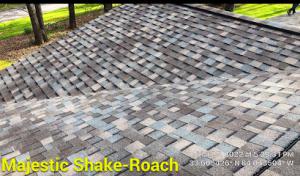
Rapid Roofers Proudly Roofing Atlanta Metro homes since 1986
(770) 786-2056 www.rapidroofers.com
611 Fern Terrace SE, Conyers, Georgia
4.8 from 45 reviews
A full re-roof in Conyers generally requires a permit through the local Conyers/Rockdale County building department process. The permitting step is not optional, and delays here can cascade into weather-related setbacks or missed storm windows. The department can be particular about site access during tear-off and the type of underlayment or sheathing you're allowed to install, especially after recent code updates. Plan for the possibility that input from inspectors may influence small but meaningful details on the contract, such as sequence of work or materials that meet current code amendments. The key is to align expectations with your contractor early, and confirm that the permit application will reflect the exact scope-especially if a tear-off exposes existing roof deck or damaged sheathing.
Inspections are typically required during tear-off or installation and again at final completion, so homeowners should confirm who is scheduling each inspection. In practice, you'll see a rough sequence: a tear-off inspection to verify the removed material and deck condition, an interim inspection after underlayment and starter courses are installed, and a final inspection once the new roof is completed and weatherproofed. The timing of these inspections can influence how long the project sits between stages, which matters during the hot, rain-heavy Conyers summers when every dry window counts. If the contractor uses a third-party inspector or coordinates directly with the building department, you still carry the responsibility to track dates and ensure coordinators are aware of the permit number and project scope.
Conyers-area homeowners should make sure the permit number appears on the contract and on inspection records because local scheduling lead times and code amendments can affect project timing. The permit number ties your project to the official file and helps inspectors quickly verify that the scope matches what's on the ground. Keep a shared copy of the permit card, the inspection clearance, and any approved amendments in the project folder. If a weather event interrupts work, you'll want to reference those numbers when requesting an extension or rescheduling inspections. In practice, clear communication about who handles each inspection-and when-will reduce last-minute holds and keep the project moving toward a secure, long-lasting roof.
Georgia insurers serving Conyers commonly scrutinize wind and hail claims with photo sets, date-stamped damage records, and line-item scope documentation before authorizing replacement. That means every claim needs a clear trail: photos that show the exact damage, timestamps on the records, and a detailed list of what the repair or replacement will cover. If any of these pieces feel weak or incomplete, expect delays or a partial payout. The consequence is not merely waiting; it can become a protracted dispute that stretches into the storm season and into the next weather event.
Adjusters in this market may ask for staging details and installation scope information, making contractor documentation quality a practical factor in claim success. Staging details show how the job will proceed without exposing the home to further weather risk, while installation scope clarifies the materials, sequences, and workmanship steps. A missing or vague scope forces back-and-forth, and that back-and-forth often translates to longer repair timelines and a higher chance of partial declines. Precision in the contractor's paperwork helps the claim move forward when time is of the essence after a major impact event.
Because storm activity is a recurring pattern, homeowners should document exterior elevations, interior leak points, and any temporary tarping before repairs begin. Exterior elevations capture roof slopes, vent locations, and visible fasteners that might be questioned later. Interior leak points map interior staining or damp spots to a specific roof area, which helps connect the damage to the correct section of the roof. Temporary tarping should be photographed with dates and clearly labeled to show that the home was protected during interim repairs, reducing the risk of a denial for further leaking while the full replacement is staged.
Maintain a single, organized collection of images and notes that aligns with the insurer's preferred format: photo sets that show pre- and post-damage states, dated records, and a detailed line-item scope from the contractor. Ensure every item in the scope matches the insurer's policy language and the observed damage. In this market, a well-documented claim isn't just helpful-it is often decisive in advancing a replacement authorization promptly and reducing friction after a severe weather event.
Spring offers a welcome balance for replacements, avoiding the peak of summer heat that can slow adhesive cure times and crew performance. In Conyers, the shoulder of spring often brings milder days and workable humidity levels, which helps shingles set properly and reduces risk of premature lap deterioration. If a storm system passes through early in the season, there's usually a window of several dry days to complete most of the roof with minimal disruption. For best results, aim to start after a string of dry days and before the late-spring heat spikes.
Fall is a favored season for roof replacements in this area because the cooler temperatures support steady adhesive behavior and more predictable shingle installation. The milder weather also tends to improve crew efficiency, allowing faster progress without the heat fatigue that can appear in summer. In the Conyers area, fall weather can be a bit windy or rainy toward the late months, so planning a project that accommodates potential weather interruptions is wise. Early fall often provides a balance of lower humidity and ample daylight, which helps protect attic ventilation and interior dryness during the process.
Summer heat in Conyers can push adhesive sets and expose shingles to higher installation stresses, potentially impacting long-term performance if timing overlaps with peak humidity. Frequent rain during the warm months raises the likelihood of weather delays during open-roof phases, so avoid scheduling heavy roof work during predicted severe thunderstorms or heat waves. By aligning the project with spring or fall, you reduce the chance of weather-driven interruptions disrupting warranty-backed installation procedures and post-patch workmanship.
When choosing a replacement window, coordinate with a contractor who tracks local micro-seasons and short-term forecasts. In spring, aim for a sequence of dry days, with a buffer for unexpected showers. In fall, target mid-October to early November if the forecast shows stable, cooler conditions and minimal storm activity. Build in a small contingency for back-to-back days of favorable weather, and communicate early with neighbors to minimize the impact of partial-day work during windy or rainy spells.
In Conyers, the market gravitates toward contractors who advertise rapid response after a storm, with ready access to insurance-claim support. Homeowners expect crews to arrive with tarp tools, leak-stopping equipment, and on-site assessments that translate into a clear next step-whether that's temporary cover or a full re-roof. The goal is to minimize interior damage while navigating the claim process, so you'll see firms that prioritize quick mobilization and on-the-spot documentation for insurance adjusters.
Cleanup included is a common expectation, and your local options usually pair that with seasoned re-roofing experience. Contractors in this area emphasize finishing a storm-damaged roof promptly and neatly, leaving the yard swept and all debris removed. When a storm-compromised roof is involved, look for crews with a track record of restoring weather resistance while protecting adjacent siding and landscaping, even during tight weather windows.
Because you'll encounter a mix of residential and commercial roofers, it's important to confirm the crew regularly handles occupied suburban homes. Ask about job-site routines: how they protect interior living spaces, where equipment is staged, and how they communicate daily progress to you. In Conyers, dependable teams will show clearly defined steps for temporary protection, rapid debris removal, and a careful handover between emergency-response work and the permanent re-roofing phase.