Last updated: Apr 19, 2026
Thunderstorms in this area can turn small pre-existing roof issues into active leaks in minutes. High winds, driving rain, and sudden temperature shifts push weak spots into failures, especially around flashing, vents, and ridge lines. Shingles that looked fine during a calm season can blister, lift, or peel when a storm guts the attic moisture balance. If you hear rain pouring inside after a gusty storm, you're not imagining it-stacked moisture pressure and compromised seals are already at work. The risk isn't just cosmetic: water intrusion can compromise attic ventilation, insulation, and structural components, accelerating rot and mold growth. Act quickly to document and repair where you see active leaks or staining, because delays can turn a repair into a full replacement.
Georgia roof claims are often tied to wind events, and Augusta homeowners should expect insurers and adjusters to ask for dated photos, prior repair records, and documentation showing whether damage was sudden or long-term. The adjuster will look for a clear line between an event and the resulting damage, which means you should gather evidence of pre-storm conditions, the exact date and severity of the storm, and any immediate tarping or temporary fixes you employed. If you can document that a leak appeared within a short window after a storm, that strengthens a wind-related claim. Conversely, a long-running moisture problem with no storm trigger can complicate coverage. In practice, write down the sequence: date of storm, observed damage, date you first noticed leaks, and any steps you took to mitigate further damage. This timeline helps the adjuster arrive prepared and minimizes back-and-forth.
Focus on flashing around chimneys, vent pipes, and along the roof edges, where wind-driven rain tends to pry flashing loose. Ridge caps are another frequent weak spot; a storm can lift a ridge row that seemed solid after the last repair. Clay, concrete, and slate tiles-if present-often reveal hidden weakness after hail or hard winds, especially when underlying underlayment shows signs of wear. Metal roofs aren't immune: fasteners, laps, and edge details can fail under heavy spray or intense sun after a storm. Before the adjuster arrives, walk the attic with a flashlight to check for vaulted moisture, stained roof decking, or condensing humidity that points to hidden leaks. Taking clear, dated photos from several angles helps establish the storm's impact and supports the claim's credibility.
Spring and early summer bring a higher frequency of wind and hail advisories, and Augusta's homes with already-aged shingles often show accelerated damage when gusty winds expose weak flashing, ridge areas, and compromised edge shingles. Those seasons can expand a repair into a full replacement if the storm reveals widespread deterioration that wasn't apparent in winter. If you're considering a roof replacement after a storm, coordinate timing to minimize overlap with peak storm windows, and document pre-storm conditions to help distinguish natural aging from storm-linked damage. Proactively scheduling a professional inspection soon after a major storm can prevent minor leaks from becoming widespread moisture problems, and it may yield a more accurate assessment of whether a repair suffices or if a replacement is warranted.
Create a clear, organized file for each storm event: photos dated to the exact day of the storm, notes on observed damage, and any temporary fixes you installed to slow seepage. Keep repair receipts and contractor assessments; document conversations with insurers, including the names of representatives and the dates of discussions. If a second storm arrives before a claim is settled, note that as well, since cumulative moisture can impact the claim's scope. Remember, the goal is to demonstrate a direct link between the storm event and the damage observed, supported by contemporaneous, verifiable records. This approach helps expedite the adjustment process and reduces the risk of coverage disputes.
Find local contractors experienced in assessing and restoring roofs after hail, wind, and severe weather events.

Modern Roofing
(706) 551-7766 modernroofingusa.com
1209 Roy St, Augusta, Georgia
4.7 from 203 reviews
All Aspects Roofing & Construction
(706) 868-9636 www.allaspectsroofingaugusta.com
3119 Fieldstone Cir, Augusta, Georgia
5.0 from 27 reviews
Hero Roofing
(833) 321-4376 yourroofhero.com
1110 Fenwick St Unit D, Augusta, Georgia
5.0 from 23 reviews

Modern Roofing
(706) 551-7766 modernroofingusa.com
1209 Roy St, Augusta, Georgia
4.7 from 203 reviews
Modern Roofing in Augusta, GA, offers top-tier residential roofing with over 10 years of experience, specializing in insurance claims. Using advanced materials and methods, our skilled team ensures your roof's safety and aesthetic appeal from inspection to completion, delivering exceptional value.
All Aspects Roofing & Construction
(706) 868-9636 www.allaspectsroofingaugusta.com
3119 Fieldstone Cir, Augusta, Georgia
5.0 from 27 reviews
We are a locally owned and licensed bonded insured with workman's comp. Commercial and Residential reroof and repairs. We have had a five-star rating in the roofing industry for over 35 years. We have one of the best roofing warranties in the roofing industry. Residential and commercial roofing. Insurance claims. Roof inspections. Roof repairs. Our roofers at All Aspects Roofing and Construction use top-quality materials to complete high-quality projects. We also have references available to prove our reliability and expertise. As a top-rated, 5-star company, we have a proven track record of excellence. 5 Star Rating. Over 35 years of experience.
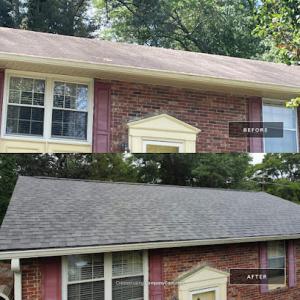
R L Hayes Roofing & Repairs
3540 Wheeler Rd Ste 103, Augusta, Georgia
4.7 from 166 reviews
You should never let your roof stay damaged or go over its age limit. If you need roof repairs or a roof replacement for your residential or commercial property around Augusta, GA, call R. L. Hayes. Our roofers can handle any roofing service you need, big or small, and we always make sure to get the job done right. Don’t settle for sub-par work or DIY solutions; hire a roofer with over 35 years of experience in the industry. We’re based in Grovetown, GA, but we serve all of the surrounding areas and regions. We’ve worked on homes, businesses, and industrial properties, so no matter what material or style your roof is, we’re prepared to help you.
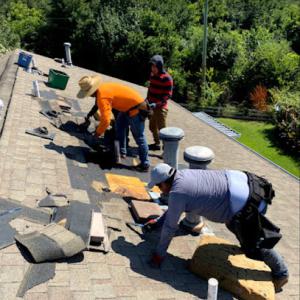
ACE Roofing Company Augusta
2620 Georgetown Dr, Augusta, Georgia
4.9 from 37 reviews
ACE Roofing Company Augusta is a trusted provider of comprehensive roofing services in Augusta, Georgia. With years of experience, our skilled team is committed to delivering top-quality solutions for all your roofing needs. Whether you require roof repairs, replacements, or installations, we have you covered. Our expert roofers utilize the latest techniques and high-quality materials to ensure durable and long-lasting results. We also offer roof inspections and maintenance to identify and address potential issues before they escalate. Trust ACE Roofing Company Augusta for professional and reliable roofing services in Augusta, Georgia. We provide you with a secure and reliable roofing system.
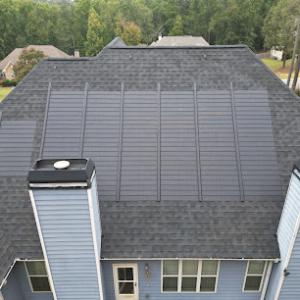
Hero Roofing
(833) 321-4376 yourroofhero.com
1110 Fenwick St Unit D, Augusta, Georgia
5.0 from 23 reviews
Residential and commercial roofing company offering asphalt shingles and extended warranties.
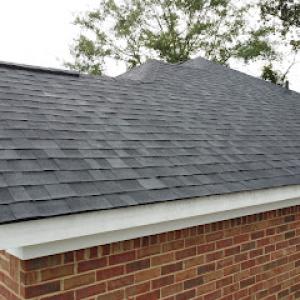
Truth Roofing
(706) 364-8406 truthroofing.co
2334 Washington Rd, Augusta, Georgia
4.6 from 174 reviews
Truth Roofing is a trusted, locally owned roofing contractor serving Augusta, GA and the surrounding CSRA, including North Augusta, Evans, Grovetown, Martinez, Aiken, and Thomson. We specialize in residential and commercial roofing services. Our expert team works with all major roofing materials, including: • Asphalt shingles • Fiberglass shingles • Metal roofing • Flat and TPO systems • Tile and clay roofs • Wood shakes and more We’re fully licensed, bonded, and insured—and we offer free, no-obligation estimates and material samples. Whether you're dealing with leaks, storm damage, or planning a complete roof replacement, Truth Roofing delivers honest, high-quality workmanship that protects what matters most—your home or business.
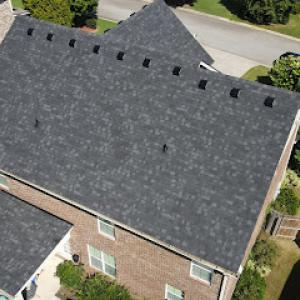
A-List Renovation Consultants
(803) 426-1675 alistrenovation.com
Augusta, Georgia
5.0 from 16 reviews
A-List Renovation Consultants provides professional roofing solutions, roof renovations, and home improvement services, with a strong focus on insurance claim assistance. We are locally owned and operated with more than 36 years of combined home improvement and insurance claim experience, and over 17 years specializing in roofing. Having completed over 4,000 roofs throughout the CSRA, we’ve worked in nearly every neighborhood and are proud of our extensive referral network. Contact us today to schedule a free roof inspection.
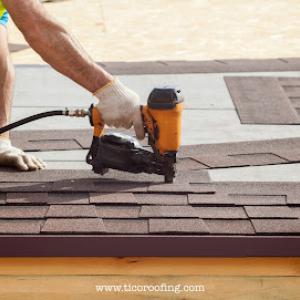
Tico Roofing
(706) 650-2121 ticoroofing.com
104 S Belair Rd Suite 5, Augusta, Georgia
4.7 from 33 reviews
Tico Roofing in Augusta GA is an experienced full-service provider of residential and commercial roofing in the CSRA and the surrounding areas. For roofing installation, repairs, coatings, metal installation, or inspection, you can count on us to provide quality workmanship and exceptional customer service. We are proud members of the NAHB., and GAF manufacturer certified roof installer.
Storm Shield Roofing
(706) 251-4539 www.stormshieldroofingco.com
Augusta, Georgia
5.0 from 11 reviews
We are a local roofing company in Augusta, Georgia. We work in Evans, Martinez, Grovetown, and nearby areas. We offer $99 inspections and repair and replace roofs. We also check for storm damage and offer same-day emergency repairs. When you call us, you work directly with the person inspecting your roof. We give clear explanations so you know what repairs are needed. We provide honest recommendations and let you decide what's best for your home. We’ll make sure your roof is done right the first time. We’re ready to help with any roofing needs, from small repairs to full replacements. We also assist with storm damage and will guide you through the process. Call us today to schedule your $99 inspection and get a clear plan for your home.
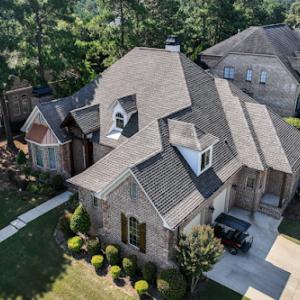
Page Roofing & Contracting Services
(706) 836-5161 pageroofandcontracting.com
Augusta, Georgia
5.0 from 6 reviews
Roofing Contractor in Augusta, GA, with Over a Decade of Experience If you’re searching for a dependable roof contractor in Evans, GA, or the surrounding areas, look no further than Page Roofing & Contracting Services We proudly serve Augusta and the Central Savannah River Area, including Grovetown, Evans, Martinez, Appling, Aiken, Grovetown, Thompson, Belvedere, SC, Waynesboro, Columbia County, and North Augusta, SC. As licensed and insured roofers, we go the extra mile to make sure your roof repair or replacement work will last.

Jones Roofing, Windows & Siding
(706) 736-1101 jonesroofingaugusta.com
2024 Gardner St, Augusta, Georgia
4.1 from 30 reviews
Jones Roofing Windows & Siding is your answer for all of your residential roofing, window and siding needs. For more than 20 years, we have been providing quality service in and around the city of Augusta, Georgia. Our services are among the best in the state, and we only use the best products to help improve the value of your home. Here at Jones Roofing Windows & Siding, our vast range of products and services give our clients the liberty to complete endless types of construction and remodeling projects. Our product selections consist of an assortment of quality products we’re sure you’ll appreciate. We also have years of experience in sales and installations of gutters systems, siding and windows.
Southern Roofing Company
(706) 724-3535 www.southernroofingaugusta.com
511 Skyview Dr, Augusta, Georgia
3.9 from 45 reviews
Southern Roofing and Insulating Company has been serving Augusta Georgia and the entire Central Savannah River Area (CSRA) for over 80 years. We are a family owned and operated business and we install all the roofing, window, carport, insulation, and screen products we sell.
Spring and fall are the preferred roof replacement windows in Augusta because they avoid the city's peak summer heat and humidity. In spring, mornings are cooler, and the humidity hasn't ramped up yet, which helps crews pace their work and keeps installation materials from softening or warping. Fall brings milder afternoons and less intense sun, reducing the risk of shingle glare and roof deck drying out too fast after installation. Planning a replacement during these seasons means less stress on the underlayment and faster inspection approval during the final stages.
Summer installation in Augusta is harder on crews and materials, especially asphalt shingles, because prolonged heat and humidity can complicate work pacing and exposure management. High heat can shorten the working day for crews, increase standing time on hot roofs, and raise the risk of shingles curing incorrectly if they're left exposed too long. Humidity can slow sealant curing and complicate ventilation during tear-off and replacement. If a summer project cannot be avoided, schedule the heaviest work for early morning or late afternoon, and plan for more shaded staging areas and extra drying time between steps.
Autumn scheduling in Augusta can still be disrupted by heavy rain tied to tropical storm remnants moving inland through Georgia. While this season is generally reliable, late-season storms can deliver sudden downpours that flood vents, push moisture into the attic, or delay roof decking work. Have a storm contingency in place: secure materials, cover exposed decking promptly after any rain, and keep a flexible plan with the crew to pause and resume as weather permits. Early fall often provides the best balance-cooler days with fewer thunderstorm interruptions yet enough warmth to help set flashing and underlayment properly.
Set your project start date with a built-in buffer for weather, aiming for a window that avoids peak heat but still leaves you with several clear, dry days. Coordinate with the roofing crew to map out critical milestones-tear-off, underlayment, flashing, ventilation, and final inspection-and bookmark likely rain dates. Prepare your attic and interior spaces for potential dust and debris by sealing penetrations and covering valuables. Finally, communicate to neighbors about planned activity; a small heads-up can help with debris control and access during days with limited travel conditions after a storm.
Asphalt shingles are a dominant choice for most homes in Augusta, delivering familiar installation timelines and a broad selection of profiles. The combination of hot, humid air and regular thunderstorm rain can push aging fast for lighter granules and curled edges if the attic or underlayment isn't doing its job. When choosing fiberglass or organic asphalt shingles, look for thicker classes and good granule adhesion to resist UV exposure that can accelerate granule loss. A well-ventilated attic and high-quality underlayment help mitigate moisture-related aging and extend the life of a shingle roof in this climate. In practice, you'll often notice that matching shingle color to tolerate heat and minimize heat absorption can make a meaningful difference in interior comfort and long-term wear.
Metal roofing earns traction in Augusta because it handles heavy rain and high wind with a resilience that many other materials struggle to match. Panels or shingles with a standing-seam profile shed water efficiently, and many metal systems include integrated fasteners and sealants that resist moisture intrusion after powerful thundershowers. If choosing metal, consider coatings that reflect solar radiation, which helps limit heat transfer into living spaces. The roof's edge detailing, flashing, and a solid installation are critical in a region prone to wind-driven rain; a professional who emphasizes precise sealants and proper fastener spacing will help prevent leaks after severe storms. Overall, metal tends to stay visually sharp longer in a climate with strong sun, while offering a longer service life and favorable insurance considerations in some cases.
Tile options, including clay and concrete, appear in a few Augusta homes, often on structures with stronger framing and higher installation skill requirements. These materials resist moisture well when properly installed, but weight, structural evaluation, and replacement costs can rise quickly. Clay tile offers traditional curb appeal and excellent longevity, but it also demands a rigid roof deck and careful flashing to manage thermal movement and storm-driven rain. Concrete tile is heavier yet more resistant to impact and can fare well in heavy rainfall patterns when the structure supports the load. Slate and copper sit at the upper end of the spectrum, delivering unique aesthetics and extraordinary durability but requiring precise installation and ongoing maintenance.
In hotter, humid climates with regular downpours, the decision often hinges on a balance of performance, installation quality, and long-term resilience. Asphalt remains the most flexible baseline option for most neighborhoods, especially where attic ventilation and moisture control are prioritized. Metal delivers a compelling combination of wind resistance and rapid shedding of rain, making it a practical choice for storm-heavy seasons. Tile, slate, and copper appeal in homes where architectural statement and longevity align with the house's structural capacity and the cost of replacement or major repairs in the future. For a homeowner facing a storm season, a skilled roofer can tailor a solution that aligns with the residence's structure, climate patterns, and maintenance plan to maintain a watertight roof through many seasons.
The most popular roofing material in the US. Find pros who install, repair, and replace asphalt shingles.
Modern Roofing
(706) 551-7766 modernroofingusa.com
1209 Roy St, Augusta, Georgia
4.7 from 203 reviews
Hero Roofing
(833) 321-4376 yourroofhero.com
1110 Fenwick St Unit D, Augusta, Georgia
5.0 from 23 reviews
Residential re-roofing in Augusta-Richmond County requires a building permit rather than being handled as an informal contractor-only job. This matters because the permit process ensures flashing, underlayment, and ventilation are installed to meet local code expectations, especially after the heavy thunderstorm-driven wind and rain that test Augusta roofs every season. If a storm-damaged roof is handled as a walk-in replacement without a permit, you risk failing an inspection later or having trouble with insurance documentation when showing work was done to code.
Before any hammering starts, verify that the permit is in place with the Augusta-Richmond County Building Department. The typical path is to submit a package that includes the project details and contractor information. In Augusta, the department wants to know the scope of the re-roof, the exact roofing material, and who will be supervising the installation. Make sure the contractor's license, insurance, and any required endorsements are up to date, because missing documents are a common delay.
Prepare a concise project description that lists the roof area to be replaced, any vent work or attic insulation improvements, and the proposed underlayment and flashing details. Include the name, license number, and contact information for the contractor, plus a point of contact for the homeowner. If the roof is replacing or repairing sections affected by storm damage, include notes on the extent of damage and any temporary measures taken to protect the home. Photos of the existing roof and attic can help the inspector understand the scope before work begins.
Inspections occur after installation and are tightly focused on three critical components: flashing, underlayment, and ventilation. The inspector will look for proper integration of step and counter-flashing at all penetrations, seamless attachment of underlayment to resist moisture intrusion, and adequate attic ventilation to prevent moisture buildup in Augusta's hot, humid climate. A robust ridge or soffit vent plan is common and important for long-term roof health. If something needs adjustment, your contractor should be prepared to correct it promptly so the project can proceed toward a final inspection.
Once installation passes the focus inspections, a final inspection is scheduled to close the permit. Ensure all flashings are sealed, drip edges are installed, and ventilation meets the design requirements for the attic space. After the final approval, retain the permit record and any inspection reports for insurance documentation and future reference, especially when storm seasons return and moisture control becomes a priority.
Asphalt shingles sit as the entry point for most homes, with Augusta cost expectations spanning about 350 to 700 USD per square. If you're upgrading to metal, plan for roughly 700 to 1200 USD per square. For more distinctive looks and longer lifespans, clay tile runs about 1000 to 1750 USD per square, concrete tile about 900 to 1600 USD per square, slate 1700 to 2800 USD per square, and copper roofing pushes from roughly 2500 to 4800 USD per square. These figures reflect typical local material and labor mixes and can shift with availability or contractor demand.
Storm-driven demand spikes can push scheduling pressure and labor availability, especially after widespread thunderstorm or hail events. In peak storm windows, agree on a realistic start date and build in a contingency for delays. Local crews may juggle multiple high-priority repairs, so timing often hinges on weather windows and crew dispatch, not just material cost. If a tumble of rain or wind hits, expect a short-term squeeze on both materials and skilled labor, which can nudge prices higher and push some jobs into a tight window.
Costs in Augusta can rise when moisture damage discovered during tear-off requires added decking, flashing, ventilation, or underlayment corrections to pass county inspection. If decking shows signs of rot or water intrusion, budget for decking replacement in addition to the roof itself. Upgrades to flashing and ventilation may be necessary to meet the eye of local inspectors, and underlayment corrections can add another layer of expense. In practice, a thorough moisture assessment before tearing off helps lock in a cleaner scope and reduces surprise charges once the project begins.
Don't let upfront costs delay a critical repair - these contractors offer payment plans to fit your budget.
Truth Roofing
(706) 364-8406 truthroofing.co
2334 Washington Rd, Augusta, Georgia
4.6 from 174 reviews

Augusta's hot, humid conditions drive moisture into every layer of the roof system, especially during installation and inspection. Poor moisture management in the attic or underlayment can quietly compromise decking and insulation long before a leak becomes obvious. When the air is heavy with humidity, even small skin-tight gaps around penetrations can wick condensation into the deck. In practical terms, this means ventilation isn't a luxury-it's an essential line of defense against warped boards, mold growth, and reduced roof life. Pay attention to every nook where warm indoor air can meet the cooler attic space, and treat moisture control as a performance criterion, not an afterthought.
Heavy rain in this area makes properly integrated flashing more critical than in drier climates. Weak transitions often reveal themselves first during thunderstorm downpours, so scrutinize kickouts, chimney collars, vent flashes, and rake edges with a careful eye. In Augusta's climate, flashing should be continuous and corrosion-resistant, with proper sealant work that won't break down under frequent deluge. If a rainstorm hits during a critical phase of installation, insist on a temporary, well-sealed dry-in that won't trap moisture underneath. A single weak junction can become a channel for leaks that mimic other roof problems when the next storm rolls in.
Winter rain and occasional cold snaps can slow roofing work and magnify moisture control challenges during underlayment and dry-in stages. Slower progress means more time for lingering moisture to infiltrate during installation, so manage overlaps, fastener schedules, and ventilation setup with extra care. When temperatures dip, ensure that underlayment remains dry and that any temporary coverings protect the decking without trapping dampness. Remember that even a small delay can turn into a moisture-related setback that complicates later repairs or inspections.
During inspections, look for signs that humidity has penetrated beyond visible layers: dark stains on the sheathing, musty odors in the attic, or soft spots under fasteners. In Augusta, these cues often appear after a heavy rain or a windy storm, signaling that a leak point deserves targeted attention rather than a broad search. A tight, well-ventilated, and properly flashed roof is less likely to surprise you with water intrusion when that next thunderstorm hits.
Find contractors experienced in skylight installation, flashing, and leak repairs to bring natural light into your home.
R L Hayes Roofing & Repairs
3540 Wheeler Rd Ste 103, Augusta, Georgia
4.7 from 166 reviews
Jones Roofing, Windows & Siding
(706) 736-1101 jonesroofingaugusta.com
2024 Gardner St, Augusta, Georgia
4.1 from 30 reviews

E-Z Roofing & Construction
(706) 426-6760 www.myezroofing.com
3049 River Watch Pkwy, Augusta, Georgia
5.0 from 4 reviews
In Augusta, the Georgia insurance environment regularly sees thunderstorm-season spikes that drive roof-related claim activity. High winds and sudden rain bursts can loosen shingles, lift flashing, and drive leaks through weak points. The way a claim unfolds often hinges on the contractor's notes about fasteners, flashing integrity, and the condition of underlayment after the last storm season. Expect insurers to scrutinize whether damage is isolated or part of a broader roof-age issue, and be prepared for questions about what repairs were previously performed.
Homeowners should keep photo records, prior inspection notes, and repair invoices because insurers may request a documented roof history before approving major replacement claims. A well-organized file helps demonstrate ongoing maintenance and any gradual wear that contributed to the current condition. This is especially true after a storm sequence when adjusters compare new damage against the roof's previous state. If you've had a shingle lift, tarping, or temporary repairs, preserve those records as they can influence the determination of repair versus replacement.
Wind mitigation considerations can affect how Augusta roof damage is evaluated, especially when insurers are deciding whether damage is repairable or replacement-worthy. The presence of proper attic ventilation, the condition of protective underlayment, and the quality of flashing connections can shift a claim toward a smaller repair bill rather than a full replacement. Be proactive about documenting attic and eave ventilation, visible fasteners, and any retrofit measures. Clear records help an adjuster assess whether the roof can be cost-effectively repaired or if the overall roof system has reached the end of its useful life in this climate.
Connect with contractors who help homeowners navigate the claims process from damage assessment to final approval.
Modern Roofing
(706) 551-7766 modernroofingusa.com
1209 Roy St, Augusta, Georgia
4.7 from 203 reviews
All Aspects Roofing & Construction
(706) 868-9636 www.allaspectsroofingaugusta.com
3119 Fieldstone Cir, Augusta, Georgia
5.0 from 27 reviews
Hero Roofing
(833) 321-4376 yourroofhero.com
1110 Fenwick St Unit D, Augusta, Georgia
5.0 from 23 reviews
This area's hot, humid inland climate and frequent thunderstorm-driven rain place a premium on proper drainage and moisture management, especially for low-slope and flat roof sections. Although the market leans toward residential re-roofs with asphalt or metal, a number of local contractors do handle flat and low-slope systems alongside standard pitched roofs. When evaluating options, prioritize crews with recent storm-season experience and a proven track record on low-slope details, where water must drain quickly and reliably to avoid hidden moisture damage.
Low-slope and flat roofs demand meticulous attention to drainage, flashing, and edge detailing. In Augusta's heavy rainfall, ponding can develop quickly on weak spots if the drainage plan isn't precise. Ensure the chosen system includes a design that promotes rapid water shedding to scuppers or internal drains, with a slope that minimizes standing water. Moisture detailing should cover high-performance underlayment, properly secured edge membranes, and continuous drip edges. Pay close attention to parapet walls, penetrations, and transitions to adjacent roof types, since these are common sources of leaks after storms. A well-sealed perimeter and sound ventilation for any attic or crawlspace above the low-slope section can help prevent condensate and mold issues that mimic leaks after a heavy rain.
Specialty roof work-such as green or cool roof components, or unconventional low-slope configurations-exists but is less common than storm-response and asphalt or metal re-roofing. When considering specialty systems, verify direct experience with the exact product and installation method. Ask for recent project photos or references from local homeowners who faced Augusta's mid- to late-summer deluges. Confirm that the installer's approach includes compatible flashing, wind uplift considerations, and a moisture-deterrent detailing plan at all transitions. If the project involves re-roofing an older structure with a weak ceiling or attic insulation, insist on an integrated moisture-control plan that aligns with the existing ventilation and insulation strategy to prevent hidden moisture build-up after the next storm.
Find specialists in TPO, EPDM, and built-up flat roofing systems for residential and commercial properties.
Truth Roofing
(706) 364-8406 truthroofing.co
2334 Washington Rd, Augusta, Georgia
4.6 from 174 reviews