
Last updated: Apr 19, 2026
Milledgeville homeowners face the central Georgia pattern of severe spring thunderstorms, hail, and strong wind events that commonly drive roof claims. When a storm splits a blue sky into sudden downpour and hail, the first sign of trouble is often granule loss on shingles and dented metal panels. Wind gusts can peel back edges, tear flashing, and lift shingles enough to expose underlayment. In these moments, a rushed, temporary patch is not a cure; it buys time while moisture asks questions of the decking and attic space. Expect multiple events each season, not a single incident, and plan for repeat inspections after each major storm.
The city's hot, humid summers with frequent afternoon storms make active leak tracing and temporary dry-in more urgent because repeated rainfall can quickly worsen decking and attic moisture problems. Leaks may track along joists and walls many feet from the obvious stain, especially where attic rafter bays meet hip or valley lines. When a leak is detected, don't wait for a perfect dry day to investigate. Trace moisture to its source with care, then seal only enough to stop further ingress while a pro confirms the integrity of the roof assembly. Prolonged moisture invites mold, rot, and compromised insulation, which will compound repair costs and extend downtime in the attic and living spaces.
Fall scheduling can still be disrupted by inland rain and wind from tropical systems affecting Georgia, so repair timelines in Milledgeville are not only a spring concern. Tropical moisture can push through on unsettled fronts, reopening previously fixed leaks and stressing weak points created by earlier storms. Plan for a two-step process: a rapid tarping or dry-in if weather stalls, followed by a storm-season repair window that aligns with dryer spells. If a project is interrupted by a tropical-range system, stay proactive about securing the roof perimeter, ensuring gutters and downspouts remain clear, and documenting hail or wind damage so crews can resume quickly when conditions allow.
Shingle damage often shows up as bruising, curling edges, or granule loss near hip and valley intersections. Metal roofs can exhibit loose panels, punctures from hail, and degraded sealant joints at ridges and flashings. Clay or concrete tiles might crack along the other-dimension planes, with broken tabs exposing underlayment and decking. Slate, while durable, can suffer fastened-off edge failures where wind leverage is strongest. In all cases, initial assessments should verify the attic's condition, venting health, and the integrity of ridge caps, step flashing, and drip edges. Quick, targeted inspections after storms save time and prevent cascading moisture problems.
If a storm hits, secure a dry-in as soon as possible by covering exposed roof areas with a tarp or heavy plastic, particularly over ridges and valleys where water infiltration tracks. Schedule a professional inspection promptly to document wind or hail damage, confirm underlayment condition, and determine if decking needs replacement or reinforcement. Maintain a weather-safe pathway to the attic so moisture intrusion can be traced without creating additional damage to insulation or personal belongings. Keep a log of storm dates, visible damage, and lingering leaks to guide timely repairs and a coherent repair plan.
Lake Sinclair sits in a humid central Georgia environment, with the Oconee River corridor nearby. Prolonged moisture exposure accelerates algae staining and general moisture-related aging of roofing materials. In practice, that means you may see dark streaks developing along shaded eaves and north-facing slopes sooner than you expect. The key is to choose materials with proven algae resistance for this climate and to verify the coating or protective layer on field shingles holds up under long humidity cycles. Inspect for persistent staining after the wet season and address any underlying moisture intrusion promptly, since stagnant moisture near the roof deck invites deterioration beyond cosmetic marks.
Long cooling seasons in Baldwin County push attic temperatures higher, which can shorten asphalt shingle life if ventilation is insufficient. In a typical vintage Milledgeville home, attic access is often limited by narrow soffit lines or auxiliary spaces. Step-by-step you should: map the attic ventilation routes, count soffit and ridge vent openings, and compare to a simple rule of thumb based on square footage. If heat is spiking in the attic during peak summer, add or upgrade intake and exhaust paths. Even modest improvements-like sealing gaps around attic access doors and ensuring baffles stay clear-can reduce heat buildup that translates into faster shingle aging and more rapid wear around penetrations.
Georgia's frequent warm-season rains mean that flashing details at penetrations and valleys matter more to service life than the field shingles alone. In Milledgeville, you'll often see enhanced risk where roofs meet vent pipes, chimneys, skylights, or complex intersections. Inspect all flashings after heavy rains or hail events. Look for loose metal, lifted sealant, or corrosion at step-flashings and kick-out details where gutters tie in. At valleys, check for algae growth along the crease and any signs of moisture intrusion behind the flashing. If flashing shows corrosion, gaps, or a loose fit, plan a targeted repair rather than a full replacement whenever possible, since improvements here can extend the life of the entire roof system more than you'd expect.
With Lake Sinclair nearby, perform a seasonal debris sweep that concentrates on sediment-laden leaf catchment near roof edges and gutters. Clean gutters regularly to maintain proper drainage and reduce standing water against fascia boards. Schedule a mid-summer inspection to verify attic insulation remains effective, as poor insulation amplifies humidity-driven wear. Pay close attention to areas where rainwater tends to pool during heavy storms, and document any recurring damp patches on the interior ceiling or upper walls. A proactive approach-addressing staining, heat buildup, and flashing integrity-helps maintain performance through Georgia's stormy seasons and reduces the likelihood of accelerated wear from moisture.
Asphalt shingles dominate because they fit the area's mainstream residential stock and lower upfront budgets. In the heat and humidity of central Georgia, lower-grade asphalt blends can wear faster under constant sun and high humidity, so you'll want to choose a higher-quality shingles with good UV resistance and a stout granule layer. Low-slope or poorly vented roofs will accelerate blistering and curling, especially after severe thunderstorms that bring temperature swings. For most homeowners with standard attic ventilation, a 30-year or better architectural shingle offers a balanced mix of performance, repairability, and ease of matching if patches become necessary. In long, storm-prone seasons, consider upgraded granule wear and asphalt shingle colors that reflect more sunlight to keep attic temperatures manageable, reducing heat-related wear on underlayment and decking.
Metal roofing is especially relevant for central Georgia's heavy rain events and repeated storm exposure. The key advantage is rapid shedding of water, which minimizes the chance of standing moisture that accelerates wood rot and leaks around vulnerable edges. In Milledgeville's thunderstorm cycles, metal roofs often resist denting and leakage better than lower-grade options, but installer skill around fasteners and flashing is critical in storm-prone conditions. Look for paint systems with proven long-term adhesion in heat and humidity, and ensure the panel seams are properly sealed to handle wind-driven rain. If you expect frequent hail or severe weather, a standing-seam or properly fastened stamped-metal profile with wind uplift rating can be a strong long-term performer, provided the installation is meticulous and matched to the roof's slope and structure.
Clay tile, concrete tile, synthetic/composite shingles, and slate appear on higher-end or architecturally distinctive homes in the Milledgeville market. These options can offer unique curb appeal and excellent durability, but practical planning is essential. Clay and concrete tiles are heavy and require a robust structural frame; ensure the roof can accommodate the load and consider a proper underlayment and venting strategy to prevent moisture buildup in hot, humid seasons. Synthetic or composite shingles provide a lighter, more flexible alternative that can mimic natural materials while offering better impact resistance in hail-prone periods. Slate delivers timeless aesthetics and longevity but demands skilled labor for repair matching and often comes with a higher maintenance profile and longer lead times for specialty installers. In projects of this nature, assess not only the look but the structural readiness, long-term repair accessibility, and the availability of local craftsmen who can reproduce precise flashing and edge details. This careful alignment between material choice, roof geometry, and local storm history helps ensure that an investment in a distinctive roof remains durable through Milledgeville's thunderstorm season.
Apex Roofing
(478) 804-2739 apexrenovationsga.com
951 Barrows Ferry Rd NE Suite 191, Milledgeville, Georgia
4.9 from 156 reviews
Apex Roofing, established in 2017, tackles Milledgeville, GA's residential exterior challenges. We go beyond roofs, offering repairs and replacements alongside deck, dock repairs, gutter, and siding installations. Apex Roofing reimagines your home's exterior, one project at a time.
Milledgeville Roofing Company
(478) 242-1948 milledgevilleroofingcompany.com
Milledgeville, GA
4.8 from 10 reviews
At Milledgeville Roofing Company, our top priorities are excellent customer service and quality work. We do what it takes and go to the extreme to make sure we do the job right, the first time, and with professional results. We’ve been in the roofing business a long time, and know the importance of getting it done right, whether it be a small roof repair job, or an entire roof installation after these crazy middle GA storms. We understand this is one of the most important investments on your residential or commercial property. With extremely fair pricing and a very quick response time, you’ll be glad you hired our experts to handle your home with care. Give us a call and we will be happy to come and give you a free estimate!
Roberts Repairs & Roofing
(478) 363-2796 www.robertsroofingandgutter.com
Serving
4.6 from 32 reviews
Protect your largest investment with our reliable roofing services. We are a locally owned and operated roofing company currently serving Milledgeville, GA and surrounding communities. If you want to make your roof last as long as possible, it is vital that you never put off a roof repair. Small issues with roofing become big issues in a hurry. No matter how major or minor the repair you need, we are here to help. We offer roofing services, deck installations, and home renovations.
Roberts Roofing (SSR Roofing, LLC.)
(478) 454-4025 robertsroofingllc.com
Serving
5.0 from 22 reviews
Specializing in quality roof installations and repairs by a fully insured and professional crew. Call us today to set up your quote!
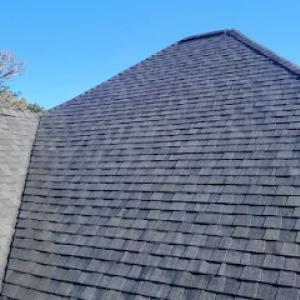
Chris Moore Roofing
(478) 256-4187 www.chrismooreroofing.com
Serving
4.9 from 72 reviews
Welcome to Chris Moore Roofing. We are a family owned and operated roofing company. Our roofers have been servicing Macon and surrounding areas for over 30 years. We specialize in handling all of your shingle and metal roofing needs for residential and commercial properties. We install new roofs, do roof repairs, roof maintenance, repair roof leaks, install or repair wall or chimney flashing, wind and hailstorm damage, roof replacement, custom roofs, metal roofing, shingle roofs, flat roofs, roof and home improvements, repair or replace rotted wood, replace fascia boards, install eave metal, repair leaking vallies, pipe boot repairs, leaking chimneys. We can help with your homeowners insurance claims. Licensed and Insured. Free estimates.
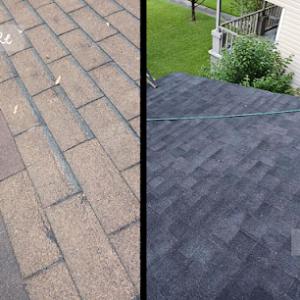
Elliott Roofing
(478) 233-0606 elliottroofingandrepair.com
Serving
5.0 from 78 reviews
Elliott Roofing is Middle Georgia’s trusted name for top-quality roofing services. With years of experience, we specialize in residential and commercial roofing solutions, using the best materials and expert craftsmanship to protect your property. Whether it’s a roof repair, replacement, or new installation, our team delivers reliable, long-lasting results. We’re committed to customer satisfaction and a high standards of excellence. Contact us today for a free inspection and experience the difference!
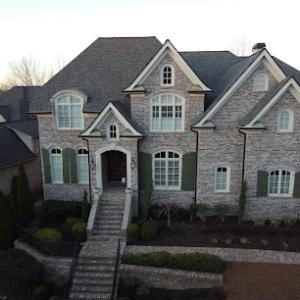
Prestige Roofing
Suite B, 680 Lawrence Rd, Milledgeville, Georgia
At Prestige Roofing, we bring solutions to the Kitchen table. We pride our selves on developing relationships that last. We are here to invest honest work in the community. Whether you’re a homeowner in need of a new roof and some awesome curb appeal, a business owner looking to protect your investment, or someone facing a roofing emergency, our team of experienced professionals has got you covered. What sets us apart? It’s our commitment to quality, our act fast and reliable service, and our dedication to making your roofing experience as smooth and stress-free as possible. We treat every project as if it were our own, ensuring that you get the best value and the best results.
Kayla&Mikes "Home Improvements"
Serving
We're a small local Christian Home Improvements company! READY to tackle any project you got around! BIG OR SMALL, WE DO THEM ALL! We do everything, Besides Electrical and Major plumbing! & All of work comes with a ONE YR WARRANTY! Call or text. (423) 584-4771 Thank you & God bless!
When planning a roof in this part of central Georgia, you'll see clear pricing bands by material. Asphalt shingles run about $350 to $650 per square, which makes them the most common option for typical homes with modest budgets. Metal roofing typically lands between $700 and $1100 per square, offering longer life and better resistance to wind and hail. Clay tile sits in the $900 to $1500 per square range, with heavy weight and distinct curb appeal. Concrete tile mirrors clay in durability and price, generally $700 to $1100 per square. Synthetic or composite shingles usually fall in the $500 to $900 per square range, giving a lighter option with decent performance. Slate is at the high end, about $1100 to $1900 per square, favored for longevity and upscale homes but demanding a sturdy structure to support the weight. These numbers reflect what homeowners typically see in local bids and can shift with supply cycles and contractor demand.
Milledgeville costs can rise after regional storm events when contractor demand spikes across central Georgia and surrounding communities, stretching labor availability and scheduling. If a thunderstorm or hail season hits a few weeks of heavy activity, bids can creep up and lead times can extend. The effect is most noticeable for asphalt and metal crews, where backlogs push both material and labor into tighter calendars. Planning ahead after a storm push helps avoid last-minute price jumps or shortages of skilled installers. If your roof is aging and shows repeated weather damage, having a provisional plan with a few ready dates can keep you from paying premium rates when the market tightens.
Project timing matters locally: milder months are generally favored for replacement because summer heat and frequent storms can slow installation, while winter cold snaps can affect asphalt shingle sealing and some sealants. Early fall and late spring are common sweet spots, offering manageable temperatures and fewer immediate storm disruptions. If you're weighing a replacement after a storm, expect scheduling variability-crews may cluster near storm-affected neighborhoods, which can extend weeks before work begins. Speak with your contractor about preferred windows, and confirm that the chosen material's installation tolerances align with the local climate realities to maximize long-term performance.
A building permit is required for a full roof replacement, and the local building department reviews the roofing plans before work proceeds. That review is part of keeping storm-damaged roofs safe and compliant with local codes, especially after thunderstorm and hail events common in central Georgia. The permit process is real, not a formality, and credentials and site-specific details will be checked before any shingles come off or new underlayment goes on.
Plan review and submission should be treated as a project milestone. In most cases, a plan review period runs roughly 1-2 weeks depending on department workload. Many homeowners rely on the contractor to submit the paperwork and manage inspection timing, but you should confirm what the contractor will handle versus what you need to supply. Have a copy of the existing roof layout, including attic venting and any retrofits, ready for the review.
Inspections during the job are standard. Expect at least one mid-project inspection to verify sheathing, underlayment, and drainage plans, and a final inspection after completion to verify code compliance and proper ventilation. In Milledgeville, inspectors coordinate with you or your contractor to schedule these visits, and weather during the hot humid season can affect timing. Ensure access for inspectors and keep the jobsite safe and tidy to avoid delays.
Working with your contractor helps avoid missteps. Confirm that the permit application lists the exact scope, materials, and any wind mitigation features required by local code. The contractor should track inspection dates and ensure rechecks are completed promptly if corrections are needed. For hail- and wind-prone roofs, you may need additional documentation, such as contractor warranties or proof of approved fasteners, so ask for these upfront.
In practice, once the permit is filed, a window from plan submission to approval covers the plan review, preconstruction meeting, scheduling inspections, and corrections. The building department may request structural details, roof deck repair notes, and ventilation drawings. During spring and fall thunderstorm seasons, inspectors often have tighter schedules, so plan early. Keep a dedicated contact at your contractor's office for permit questions and be prepared to provide ownership proof and proof of insurance as required. It helps to have weather contingency in your schedule, since a rain day can shift inspection timing and push the project start by a few days. Align this with your utility disconnects if required.
H3: Your claim reality check
In this area, hail, wind, and thunderstorm losses are common enough that roof claims often get close scrutiny. That reality means you should approach any damage after a storm with a careful eye, knowing that insurers will look for consistency between visible damage and wear from age. Sloped asphalt on a mid-century ranch or a metal deck on a newer build can look fine from the ground, but a close inspection-especially after a hail event-helps you separate fresh damage from preexisting wear. If you notice granule loss, dented panels, curled shingles, or lifted edges, document promptly and keep records organized for potential review.
Insurers serving Georgia may require detailed photo documentation, evidence separating storm damage from prior wear, and itemized invoices before approving a full scope settlement. Take clear photos from multiple angles after each storm, focusing on shingles, flashing around chimneys, and any signs of water intrusion on ceilings or walls inside. Create a simple damage timeline, noting dates, what you observed, and any temporary fixes you attempted. Keep receipts or notes for materials and contractor visits that illustrate the progression of your claim, so you can show a consistent story if the adjuster questions differences between new damage and old conditions.
Adjuster site visits and possible wind-mmitigation considerations can influence outcomes, so Milledgeville homeowners benefit from documenting damage immediately after storms and before temporary repairs obscure evidence. Have a trusted color photo set ready and a concise list of questions you want the adjuster to answer. If windows or vents show looseness after a storm, note that as potential wind-related issues rather than incidental movement. Understanding that these visits can hinge on precise documentation helps you advocate for a fair assessment and avoids downstream disagreements about the scope of repairs.
Milledgeville's status as Georgia's former capital means many older homes carry distinctive silhouettes, decorative eave lines, and historically sensitive profiles. When planning reroofing, the goal is to maintain the home's visual language while ensuring modern performance against thunderstorm winds and hail. Materials chosen should respect the original character-think slate-like textures, traditional profiles, or profiles that mimic historic shapes-so visible details stay coherent with the house's era and craftsmanship. Matching trim, fascia, and rake details becomes as important as the primary roofing layer.
Older houses often feature steeper rooflines that shed water quickly but expose more of the roof edge to weather. In these cases, the chosen material should align with both the slope and the visibility of the roof from streets and sidewalks. Specialty profiles-slate, clay, or synthetic equivalents-can replicate historic appearances, but require careful installation to preserve line and rhythm around dormers, chimneys, and decorative brackets. On steeper pitches, a contractor with experience in matching and detailing trims, flashing, and valley work will produce the most durable result without compromising aesthetics.
Historic-context homes frequently demand more than a straightforward replacement. Repairs and replacements should aim to blend with existing trim and flashing, ensuring seam lines and color accents align with nearby architectural elements. The contractor's ability to reproduce or sympathetically echo existing enamel or paint lines on metal flashings, drip edges, and valley flashings matters as much as the roofing substrate. When texture or color is involved, consider samples placed on inconspicuous sections to verify how aging and weathering will affect the overall appearance over time.
Visible roof components-ridge caps, decorative vents, and vented dormers-play a significant role in the home's overall expression. The selection process should account for how these features will age alongside the new material. For historic homes, plan for a cohesive process: select materials that age gracefully, coordinate color palettes with masonry and trim, and ensure the roof's lines remain legible from the curb. A thoughtful approach to these details can preserve the house's historic dignity while delivering reliable performance against Georgia's spring hail and summer thunderstorms.