
Last updated: Apr 19, 2026
Hampton homeowners commonly face spring hail and heavy rain events followed by summer storms, creating a local pattern of shingle bruising, lifted tabs, and active leaks. In the days after a major event, the clock runs fast: heat and humidity can turn a small breach into a full attic moisture problem, mold risk, and interior damage if tarping and dry-in are delayed. The priority is to stop leaks at their source as quickly as possible and preserve the roof's structural integrity. If a storm just passed, treat any water intrusion as an urgent signal-do not wait for a calm stretch to address it. A small leak can cascade into attic mold, compromised insulation, and accelerated deck deterioration when hot Georgia afternoons meet wet sheathing.
Post-storm documentation is your strongest ally. Start with a dated, photo-backed record of the roof's condition: close-ups of bruised shingles, lifted tabs, granule loss, and any visible cracks or dents from hail. Capture wide angles to show the overall perimeter and access points, then zoom into fasteners, vent flashings, and skylights. Note down the date and time of the storm, local weather conditions, and any signs of interior moisture such as stained ceilings or damp insulation. Keep a running log of who you spoke with and when, including contractor assessments, and save all repair estimates and written acknowledgments from insurers. This local pattern-strong emphasis on emergency repair and insurance work-means timely, organized documentation can shorten claim processing and reduce out-of-pocket exposure when fast decisions are needed.
The hot, humid conditions after storms magnify risk when breaches go unmanaged. Tarping is not a cosmetic step; it's the first defense against fast attic moisture problems and interior damage. If you see active leaks or there are exposed roof areas, arrange for a temporary tarping solution within 24 hours of the event if possible. Ensure tarps are secured along all edges to withstand summer winds, and verify there is no standing water on the tarp that could pool and leak through seams. A dry-in without a solid tarping plan leaves rooms and attic spaces vulnerable to rapid moisture intrusion, accelerating damage to insulation and interior finishes. If the roof is mid-damage assessment, err on the side of quick stabilization-even a temporary cover reduces complications when a more permanent fix arrives.
The local market signals prioritize emergency repair, storm damage, and insurance-claims work. When choosing a contractor under pressure, look for responsiveness, clear communication, and a demonstrated track record with insurance-backed projects. Verify that the contractor will provide a written inspection report with observed damage, a phased plan for temporary stabilization, and a realistic timeline for dry-in and permanent repair. Ask for references from recent storm projects in comparable housing stock and climate. In Hampton, residences range from modest bungalows to larger brick-and-frame homes; ensure the chosen professional can adapt a repair plan to your roof's specific deck, underlayment, and flashing configurations. A reliable team will coordinate with your insurer, supply a thorough damage assessment, and document every step in the claim file.
Leverage the inspector's findings and your documented photos to articulate the full scope of damage to your insurer. Focus on the consequences of delayed tarping and dry-in-hot humidity can exasperate leaks and cause hidden moisture issues that aren't immediately obvious from exterior inspection alone. Keep the insurer informed of urgent stabilization actions, such as tarping and temporary repairs, and provide a clear sequence for permanent remediation. Expect questions about hail bruising, lifted tabs, and the presence of interior moisture. Your goal is a smooth, transparent claim path that aligns the post-storm repair plan with the insurer's expectations, minimizing back-and-forth and ensuring that the most critical vulnerabilities are addressed first. This approach reduces risk of coverage gaps and supports a faster return to a secure, weather-tight roof.
Advanced Roofing & Interiors
(770) 202-1983 advancedroofingandinteriors.com
2170 Lovejoy Rd, Hampton, Georgia
5.0 from 3 reviews
Advanced Roofing & Interiors is a licensed and insured residential and commercial storm specialist with over fifteen years of experience. The company is family owned and operated, prioritizing customer service and satisfaction guarantee above anything else. They offer roofing repair, new roof installation, and other related services. The company prides itself on professionalism, promptness, and quality work, aiming to treat every customer like family. Their specialties include roofing repair, new construction, re-roofing, and various roofing materials such as shingle, metal, and rubber roofing. The business has received positive reviews for its professional and courteous staff, promptness, and quality of work.
Blue Ribbon Construction
(678) 613-2033 blueribbonconstructionllc.com
Hampton, GA
5.0 from 2 reviews
CONSTRUCTION, ROOF REPAIRS, DRYWALL REPAIRS
uRoof
Serving
5.0 from 17 reviews
uRoof is a Georgia-based technology platform that connects homeowners directly with vetted roofing crews, trusted suppliers like ABC Supply and QXO, and precision measurement tools like EagleView. We eliminate contractor markups by offering transparent, at-cost roofing with a small service fee — saving customers 15–20% on average. From start to finish, homeowners can measure, finance, and schedule their roof online in minutes. uRoof is changing the way roofing gets done — smarter, faster, and more affordable.
Tiger Roofing
(678) 916-8880 www.tigerroofingpros.com
Serving
5.0 from 85 reviews
Tiger Roofing, based in McDonough, GA, is more than just a roofing company; we’re a family-owned and operated business that believes in merging old-school values with the latest technology. With over 34 years of experience in roofing insurance replacements and an additional 5 years in private roofing replacements, our expertise is second to none. Punctuality and availability are core aspects of our exceptional customer service.
Pitch Perfect Roofing & Gutters
(678) 544-9267 www.pitchperfectrg.com
Serving
5.0 from 23 reviews
We perform all the work we do personally. We never subcontract jobs, meaning you get the benefit of us completing your work to the highest standards!
Select Roofing Services
(470) 945-2377 selectroofsatl.com
Serving
4.9 from 81 reviews
SELECT ROOFING SERVICES, LLC is a small roofing company that specializes in residential roof repairs and roof replacements. Daniel Martinez (Owner) have been in this industry for 15 years working for different companies as a subcontractor, in the repair service department and in the sales department, and working for those great companies he learned the processes behind every aspect of this industry. Daniel Martinez along with his wife Diana Vega run this small business and today we want to invite you to learn more about us, our company and the services we provide.
Skyline Roofing
(770) 755-1413 skylineroofinc.com
Serving
4.4 from 9 reviews
Skyline Roofing is your trusted roofing and construction company proudly serving Stockbridge and Atlanta, GA. We specialize in residential and commercial roofing, including roof installation, repair, replacement, metal roofing, and storm damage restoration. As a full-service roofing and construction contractor, we also offer expert siding, painting, patio, and concrete work, providing comprehensive exterior solutions to protect and enhance your property. With expert craftsmanship and a customer-first approach, we’re committed to protecting and enhancing your property. Call us today for a free estimate!
Noah’s Ark Roofing
(404) 836-3900 noahsarkroofing.com
Serving
4.7 from 26 reviews
Noah’s Ark Roofing is the BEST residential and commercial roofing contractor serving customers in Georgia. We Install new roofs, repair and replace roofs with high-quality workmanship. What sets us apart from the other roofing companies? We care about what’s in your best interest and want you to have a more personable experience! We’re not a company, we’re REAL people helping you and your family be prepared for the storm!
Rooftops Unlimited
(678) 340-9170 www.rooftopsunlimited.com
Serving
4.9 from 110 reviews
Rooftops Unlimited is your one-stop-shop for all your roofing, siding, gutter, and window replacement needs in the Atlanta metro area. If you need to fix or replace any of these important components for your home’s protection and beauty, we’re ready to help you. If you are searching for a quality roofer in the Atlanta area or need a gutter installer, siding installer, or home sidings – then we are the experts to call. From asphalt shingles to metal roofs, we do it all! We have over 15 years of experience providing expert roofing services in Atlanta, Peachtree City, Coweta, Fulton, Henry, Troup, Newton County, and beyond. Call today when looking for a roofer in Newnan, GA
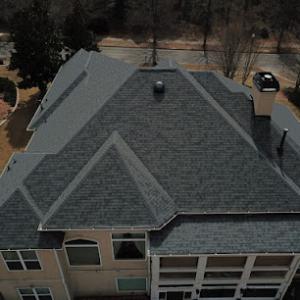
Total Roof Solutions
(678) 824-8982 www.totalroofsolutionsllc.com
Serving
4.7 from 107 reviews
Total Roof Solutions is your trusted roofing contractor in McDonough, GA, delivering expert residential and commercial roofing and gutter services to the Atlanta area. Fully licensed, bonded, and insured, we specialize in roof replacements, repairs, and exterior renovations with a focus on quality and customer satisfaction. As an Owens Corning Platinum Preferred Contractor and Trust Dale Certified business with an A+ Better Business Bureau rating, we are committed to providing durable, dependable solutions you can count on.

Do Right Roofing
(404) 796-5937 www.dorightroofingatl.com
Serving
4.9 from 40 reviews
At Do Right Roofing, we focus on quality customer service and premier craftsmanship. Your home is your most precious asset. We understand that and help you protect your home with the best roofing available. We also do siding work, paint jobs (interior and exterior), roof repairs, and complete gutter replacements. We're as transparent as possible with each and every client so they know the complete process. We offer the best prices and can back that up by beating any competitor's written estimates by 10%. Our owner, Josh, received a formal education and graduated from Georgia State University with a BA in Economics and a minor in Political Science. We'll treat your roof as if it were our own. See why we're the most trusted roofing company!
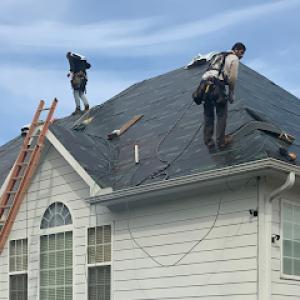
The Cowboy Roofer McDonough
Serving
5.0 from 5 reviews
Cowboys Roofing Company came to Revolutionize the Roofing Industry in Metro Atlanta.
Asphalt shingles bear the brunt of hot, humid summers and frequent rain in this area. Granules loosen faster when the sun cooks the roof and the rain keeps moisture in close contact with the mat. Curling and edge lift become more apparent after a string of 90-plus days, and seal-strip fatigue can show up as wind-driven leaks in the attic vicinity. Since the area sits in a storm-prone pocket, repeated wet-dry cycles accelerate granular loss and accelerate aging of the shingle surface. The result is a roof that looks worn sooner but still feeds a lot of the ongoing moisture problems if not addressed.
Replacement timing tends to be friendlier in spring or fall because the extreme heat of summer makes shingles more brittle during handling and installation. If a leak appears in late spring or after a summer storm, you'll want to plan a rapid assessment and a measured upgrade rather than waiting for the next dry spell. When you schedule work, align it with milder weather windows so the shingles aren't stressed by peak heat or heavy rain during installation.
Shingle roofs in this climate rely on precise flashing and sound attic ventilation to keep leaks at bay. Wind-driven rain finds gaps around chimneys, vent pipes, and where roof planes meet walls; those gaps can push moisture into the attic even when the surface looks intact. Inspect around penetrations for lifted or damaged flashing, and verify sealant integrity where valleys intersect. In areas with frequent gusts, look for visible gaps at rake edges and assess whether step flashing has held its form through seasonal cycles. If you notice damp patches on interior ceilings during storms, start with the flashing and attic access points before evaluating shingle replacement.
Proper attic ventilation matters more here than in drier climates. Restricted airflow compounds moisture retention during humid summers and after rain events, accelerating shingle wear from the underside. Ensure soffit intake and ridge or turbine vents are unobstructed and balanced to promote continuous airflow. A well-ventilated attic reduces heat buildup in the roof deck, which in turn slows curling and seal-strip fatigue on asphalt shingles.
After each major storm, walk the roof if safe or hire a pro for a targeted inspection. Look for lifted edges, bald granules in gutters, dark streaks on the shingles, and any changes around penetrations. Inside the attic, check for fresh water stains, moldy odors, or damp insulation near vents and chimneys. Document findings with photos, noting storm dates and any prior repairs. This practical record helps with insurance discussions and makes future repairs faster and more accurate.
The most popular roofing material in the US. Find pros who install, repair, and replace asphalt shingles.
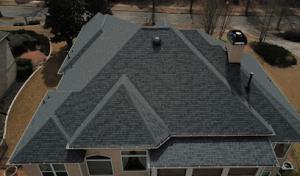
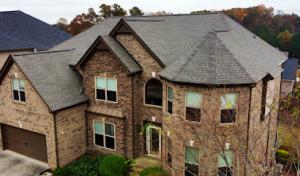
Most full re-roofs in Hampton require a building permit through Henry County rather than a city-only roofing process. This means the project is reviewed and tracked by County Construction Services, not just a local building department. Treat the permit as a formal authorization to proceed, since storm-prone seasons-spring hail and summer wind-driven rain-can amplify any lingering vulnerabilities in a roof system.
Before any shingle layers come off, you'll gather and submit project details that reflect the scope of work, including measurements, roof height, and any structural changes. The county review will also want proof that the contractor holds a valid license for roofing trades. Have a current contractor license on hand, along with the company's contact information and your homeowner details. The goal is to show that the job is being performed by a qualified, insured professional who can handle hail and wind conditions typical to this area.
Begin by contacting Henry County's permit office to start the application. Complete the permit request, attach the project description, and include any architectural drawings or roof plan if available. Double-check that the contractor license number is clearly listed and matches the subcontractor information on the permit packet. Pay the permit fee when prompted, and obtain the permit issuance number. You receive an approval window that marks the official go-ahead to schedule the actual work, with a defined start date and inspection milestones.
Inspections are scheduled at key points: before shingles are installed, during installation, and after the roof is complete. Inspectors in this jurisdiction review nailing patterns to ensure fasteners penetrate correctly through underlayment and roof decks. Underlayment quality and placement are checked for water-shedding performance, especially around eaves and vent penetrations. Ventilation is assessed to confirm attic air flow supports long-term roof health in hot, humid summers. The final inspection validates that the entire installation aligns with code requirements and that the roof is weather-tight and ready for the next storm season.
Keep a clean set of project documents on site in case an insurer or adjuster asks for proof of work. If a storm event hits before permit clearance or inspection, coordinate with the contractor to avoid any rework and to ensure the permit status is current. If any questions arise during the permit process, contact Henry County's permit office promptly to keep the project on track and minimize delays between removal and reinstallation.
Asphalt shingles remain the dominant, lowest-cost option for Hampton roofs, aligning with the area's typical housing stock and budget-conscious projects. When weather surprises strike, this material also tends to offer the quickest path back to dry ceilings, helping to minimize downtime after hail or wind-driven rain. Other materials push the price per square up noticeably, with metal, clay tile, and concrete tile showing substantially higher installed costs and longer lead times during busy periods.
Asphalt Shingles: In Hampton, expect roughly 350-550 USD per square for standard asphalt shingles, depending on thickness, warranty, and速 color options. Synthetic or composite shingles sit in a similar range but can edge toward the mid-to-upper part of that band if you want premium texture or enhanced hail resistance. For most storm-response projects, this is the combination of value, speed, and ease of repair that homeowners rely on after spring hail events.
Metal Roofing: Metal sits on the higher end, with installed costs around 550-1100 USD per square. This material appeals when long-term durability and rapid install are priorities after a storm, but it's important to factor higher upfront costs into the decision. Panels, standing-seam systems, and color-matched detailing can influence both price and scheduling windows during peak claim seasons.
Clay Tile and Concrete Tile: Clay tile generally ranges from 800-1500 USD per square, while concrete tile runs roughly 900-1800 USD per square. These options bring distinctive aesthetics and excellent life span, but they require careful substrate preparation and structural assessment. In storm-prone months, scheduling delays can be more pronounced for tile roofs due to material availability and specialized crews.
Wood Shingles/Shakes and Synthetic Options: Wood typically runs from 600-1000 USD per square, with synthetic shingles often landing in the 450-900 USD range. Wood roofs demand meticulous ventilation and underlayment planning to prevent moisture-related problems in humid summers. Synthetic shingles offer decent hail resistance and faster installation, but performance in high-heat months should be evaluated for color fading and warranty coverage.
Proper ventilation and a solid underlayment are essential for any roof in this climate. The heat and humidity amplify the impact of poor attic ventilation, and the local storm cycle can stress underlayment during rapid rain onset. Factor in additional costs for soffit vents, ridge vents, or attic baffles if a re-roof project requires upgrading airflow. Underlayment quality-especially in areas prone to spring hail-can add to labor time and material price but helps prevent leaks and extend the roof's useful life after severe weather. Planning for these details helps avoid later call-backs and insurance-related delays.
Get a clear picture of your project costs upfront - no commitment required.
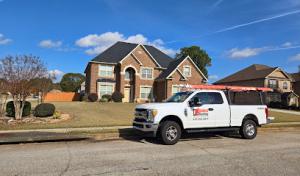
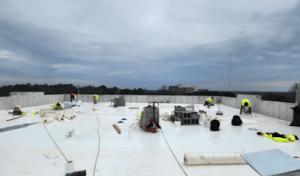
Georgia insurers have not broadly pulled back from homeowners coverage, but hail and wind losses in the Hampton area still create a steady roof-claim environment. When a storm hits, the first impression matters: photos taken from multiple angles, close-ups of damaged shingles, granule loss, and any interior signs of roof trouble. Insurers commonly want pre- and post-work photos, contractor estimates, and condition documentation when evaluating storm-related roof claims in this market. In practice, that means you should gather a clear record of the roof's condition before any temporary fixes, then document the moment you notice damage after a storm. A dated, timestamped sequence helps prevent disputes about what existed versus what developed, which can slow a claim in a town where spring hail and summer rain arrive with similar ferocity year after year.
Coverage decisions in Hampton are often influenced by roof age and material, which matters for older asphalt roofs after repeated storm exposure. If you have an asphalt roof that's seen multiple spring hail events, expect questions about its remaining life and the extent of damage. A licensed, reputable contractor can provide a detailed, itemized estimate that pairs well with your photos. When the adjuster visits, point out any hidden damage you've documented, such as sagging gutters, soffit gaps, or interior staining near attic spaces. Be prepared for a proof-of-loss claim, and keep a running log of all communications, including dates, names, and what was discussed. If the adjuster misses a problem, don't hesitate to request another inspection or a supplemental assessment with additional photos and notes. The goal is to establish a solid paper trail that demonstrates how the storm event altered the roof's performance.
After a storm, your priority is preventing further damage while the claim is in process. Temporary tarps can prevent water intrusion, but ensure they're installed securely and with attention to drainage so they don't create new leaks or wind harnesses. When selecting a contractor for an estimate or repairs, verify licenses, references, and insurance coverage, and ask for a line-by-line breakdown that aligns with the insurer's requirements. Insurers often reference the age and material of the roof to shape coverage conclusions, so be candid about any prior repairs and the roof's history with past storms. Finally, maintain a calm, repeatable documentation routine: photograph, log, and share findings promptly to keep the claim moving and to avoid gaps that could complicate settlement decisions.
Connect with contractors who help homeowners navigate the claims process from damage assessment to final approval.
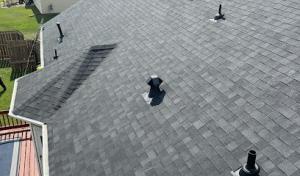
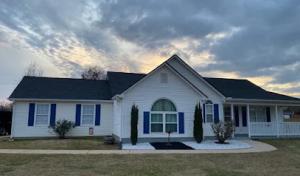
Hampton's dominant residential roofing mix includes asphalt shingles, metal roofing, clay tile, concrete tile, wood shingles or shakes, and synthetic or composite shingles. Asphalt shingles remain a practical, widely available choice that aligns with many local roof geometries and homeowner budgets. Metal roofing has a growing, active specialist presence in the local market, making it a realistic upgrade path for homeowners looking for better performance in heat and storm conditions. Clay and concrete tiles offer long service life and a distinct curb appeal, but their weight and roof structure requirements mean careful evaluation with a trusted local contractor. Wood shakes or shingles convey a traditional look but are less common and can require more ongoing maintenance, especially with humidity and moss growth in this climate. Synthetic or composite shingles provide a versatile, lower-maintenance alternative that can mimic natural materials while offering improved resistance to some weather conditions.
Spring hail and summer wind-driven rain are realities in this area, so the chosen roof type should respond well to rapid temperature swings and storm exposure. Metal roofs typically perform well under hail compared to some other materials, and their fast shed-and-drain characteristics can reduce leak risk after heavy rain. Clay or concrete tiles withstand sun exposure and can endure wind, but their weight and the need for a reinforced structure can influence installation and long-term maintenance. Wood shakes deliver a classic appearance but can be more sensitive to moisture and wind-driven debris, which may raise the need for periodic treatments and inspections after severe storms. Synthetic shingles often balance aesthetics with resilience, offering easier maintenance and quicker repairs if hail or wind damage occurs. Regardless of material, ensure attic ventilation and proper underlayment are up to local expectations to support long-term performance.
When evaluating options, consider both the roof's exposure and the availability of local installers who can assess storm-related wear and perform accurate inspections. Because Hampton has a diverse housing stock, from traditional to modern designs, the best choice often comes down to balancing expected storm performance with installer familiarity and personal preference for appearance and weight. For homes with existing structural limits, verify whether the roof deck can support heavier materials like clay or concrete tile without modification. In all cases, plan for thorough inspection after any substantial hail event and keep documentation ready to facilitate timely insurance communication and repairs.
Explore specialists in steel, aluminum, and standing seam metal roofs built to last 50 years or more.
Advanced Roofing & Interiors
(770) 202-1983 advancedroofingandinteriors.com
2170 Lovejoy Rd, Hampton, Georgia
5.0 from 3 reviews
Local contractor signals show regular work around chimneys and some skylight repair demand, pointing to flashing transitions as a recurring issue in Hampton homes. When storms roll in, the first places to fail aren't the field shingles so much as the seams where flashing meets brick, metal, or underlayment. In this climate, step flashing across the roof-to-wall junctions and chimney flashing take a constant beating from heat, humidity, and spring hail. A single compromised flashing transition can dribble water down a wall long after the rain ends, which makes prompt attention a must rather than an option.
When storms hit, leak calls often center on penetrations and edge details rather than field shingles alone. Skylights, vent pipes, and chimney bases accumulate the most pressure as wind-driven rain pushes into small gaps. The perimeter of the roof-where shingles meet the sides of a chimney or the edge of a skylight-tends to show wear first. If flashing around those penetrations isn't sealed correctly, or if the flashing stepping has failed, water finds a path even when the shingles appear intact from the surface.
Edge details collect the bulk of seasonal moisture in this market. The roof edge, corner detailing, and gutter transitions are hot spots for failure after heavy rain and hail. If water pools near the eave or backflows through the fascia, the damage often starts at the flashing and works inward. Replacing or resealing these transitions before the next storm can stop a small issue from becoming a costly repair.
Inspect around chimneys, skylights, and vent stacks after heavy rain or hail. Look for wisps of water staining on interior ceilings near these penetrations. Check step flashing where the roof meets walls for any loose metal or lifted shingles. If any flashing appears corroded, loose, or damaged, treat it as a red flag and arrange a professional evaluation promptly.
Find contractors experienced in skylight installation, flashing, and leak repairs to bring natural light into your home.
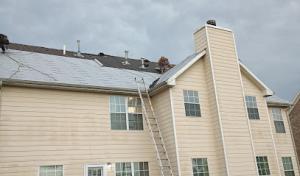
When you start shopping for a roofing crew, you're entering a fast-paced local market where quick response and re-roofing experience carry more weight than niche specialty services. Start with a face-to-face meet-and-quote, not just a phone estimate. Ask who will supervise the project, who handles material deliveries, and who will be on-site during tear-off and replacement. In Hampton, cleanup is a visible hiring priority locally, so observe how crews plan to protect landscaping, driveways, and neighboring homes during debris haul-off.
Storm damage in this area tends to show up as wind-driven leaks and hail-backed denting during spring and early summer. Choose a crew with a documented track record of fast leak response and tarp-and- temporary-patch capability, even if the full roof replacement is staged. Request a written sequence of work from tarping, inspection, and scheduling through to final sealing, so you know what to expect if rain returns before the job is finished.
Because Henry County permitting can require proof of contractor credentialing for full re-roofs, check that the contractor can carry the permit process from submission through final inspection, and that they provide clear documentation of licensing and insurance. Ask for a detailed project timeline and a breakdown of the layers they plan to remove and recycle or dispose of, plus a plan for protecting your neighbors' homes and property during the teardown.
After tear-offs, crews should leave the site broom-clean and free of nails. Inquire about a post-project inspection to catch any stray fasteners and to confirm proper flashing drainage around vents and chimneys. For ongoing weather events, ensure you have a contact you can reach quickly for storm-related follow-ups or warranty questions.