
Last updated: Apr 19, 2026
In Covington, spring hail and wind can lay waste to roofs in a matter of minutes, and late-summer tropical rain bands push moisture into attic spaces fast. The combination of humid air, powerful gusts, and saturated shingles means a small leak can become a major interior problem quickly. Storms often strike with little warning, and the clock matters when shingles lift, flashing warps, or granules wash away. The goal is to detect and act before widespread interior damage occurs or mold sets in, especially when multiple homes in the neighborhood report damage at once and nearby crews begin canvassing neighborhoods.
Georgia insurers commonly ask for roof age, prior-condition records, photos, and repair receipts after wind or hail losses, which makes pre-storm documentation essential in this active storm-repair market. Gather clear photos of the entire roof from ground level and from two or three angles on each side, plus close-ups of damaged edges, hail bruising, and any missing granules. Keep dated records of any prior repairs, contractor notices, and maintenance notes. After a storm, you want a traceable timeline: the date of the event, when damage was first noticed, and when you contacted your insurer or a contractor. If you have an established roof file, your claim will move faster and with fewer back-and-forth requests. This practice is particularly valuable when multiple insurers operate in Newton County and storm-damage workloads surge.
When rain begins to drip inside, address it immediately. A temporary patch can prevent further water intrusion and interior damage while a full assessment is arranged. In this market, weather windows are tight and contractor schedules fill quickly after a major event, so rapid documentation of the leak and surrounding roof area is essential. If you can safely access the attic, note any signs of moisture, active drips, or daylight showing through roof gaps. Do not delay calling a roofing professional for an on-site inspection if you suspect moisture intrusion. Quick, organized reports to insurers-showing the event date, roof age, and current condition-sharpen a claim's credibility and often shorten the repair timeline.
Because many local contractors market storm-damage and insurance-claim services, homeowners are likely to encounter claim-focused sales activity immediately after severe weather. Exercise caution: verify licenses and insurance, request written estimates that itemize damaged areas, and compare proposals based on actual observed damage rather than marketing promises. If a contractor pushes rapid, full-roof replacements without a transparent assessment, pause and request a damage evaluation from your insurer or a neutral third-party adjuster. In Covington's fast-moving market, a calm, documentation-first approach reduces the risk of over- or under-replacement and helps secure a durable, properly scheduled repair. Stay organized, stay vigilant, and keep all communications in writing to preserve a clear record for the claim.
Find local contractors experienced in assessing and restoring roofs after hail, wind, and severe weather events.
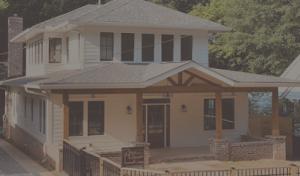
Georgia Unlimited Roofing & Building
(678) 304-0933 georgiabuildersllc.com
2158 Elm St NE, Covington, Georgia
5.0 from 80 reviews
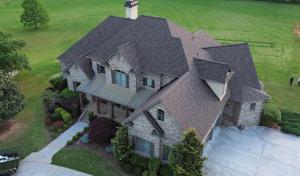
Ascend Roofing & Contracting
(404) 757-9824 www.ascendroofinginc.com
2180 Elm St NE, Covington, Georgia
5.0 from 56 reviews

Jaco Contracting
(770) 525-0458 jacocontracting.com
1495 Access Rd, Covington, Georgia
4.8 from 422 reviews

Georgia Unlimited Roofing & Building
(678) 304-0933 georgiabuildersllc.com
2158 Elm St NE, Covington, Georgia
5.0 from 80 reviews
Georgia Unlimited Roofing & Building provides comprehensive roofing and construction services across Atlanta, Covington, Conyers, and beyond. We specialize in residential roofing inspections, replacements, repairs, and installations, ensuring top-notch quality and durability. Our offerings extend to commercial roofing solutions, alongside residential and commercial renovations, new constructions, and exterior services such as siding and gutters. With our fully licensed and insured expert team, warranty-back products, satisfaction assurances, and commitment to excellence, we're your trusted partner for all your roofing and building needs. We strive to deliver high-quality results that exceed expectations. Request an inspection today!
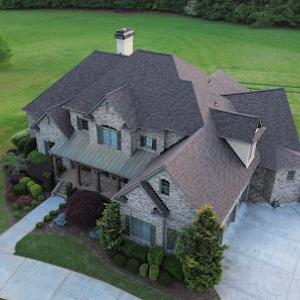
Ascend Roofing & Contracting
(404) 757-9824 www.ascendroofinginc.com
2180 Elm St NE, Covington, Georgia
5.0 from 56 reviews
Ascend Roofing and Contracting is a full service Residential and Commercial Roofing Contractor servicing the Atlanta Metro area. We specialize in all types of roofing, ie. asphalt shingles, cedar shake, tile, slate, metal, synthetic shake (Brava, DaVinci & CeDUR), low slope and flat roof systems (EPDM, PVC, TPO, Modified Bitumen). We offer other exterior services including Seamless Gutters, Siding, Painting, Decks, Windows, Doors and more. We can do it all! Our team is dedicated to providing the best customer service and quality workmanship to ensure your experience with us is nothing short of exceptional! Licensed & Insured

Jaco Contracting
(770) 525-0458 jacocontracting.com
1495 Access Rd, Covington, Georgia
4.8 from 422 reviews
Jaco Contracting is a locally owned and operated roofing company serving Metro Atlanta, Covington, Conyers, McDonough, Peachtree City, and nearby Georgia areas. For over a decade, we’ve helped homeowners and businesses with roof replacements, repairs, and storm restoration. As an Owens Corning Platinum Preferred, GAF Master Elite, and Duro-Last Master Contractor, every project includes on-site project management and lifetime warranty options. Fully licensed and insured, we’re known for clean jobs, honest service, and affordable roof financing. Uh Oh, Better Call JACO!

Stacey White Roofing
(404) 925-5422 www.staceywhiteroofing.com
591 GA-142, Covington, Georgia
5.0 from 33 reviews
Covington, Conyers, Oxford, Social Circle Madison, Greensboro, lake Occonnee Jackson, and metro-Atlanta Roofing experts. Roof repair, Metal Roofs, Shingle roofs, Family owned since 1989. Free estimates and inspections. We pride ourselves in doing the job right the first time! If you have a hole in your roof or need a whole new roof!
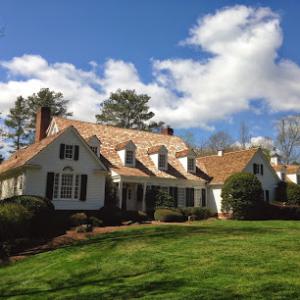
Braswell Construction Group
(678) 283-2551 www.braswellconstructiongroup.com
6105 Emory St NW, Covington, Georgia
4.8 from 82 reviews
Braswell Construction Group is a Platinum-accredited, award-winning, full-service commercial and residential roofing and restoration company. We specialize in various roofing styles, including cedar shake, slate, metal, synthetic shake (such as Brava, DaVinci, Enviroshake, and EcoStar), slate tile, and standard asphalt shingles. Since 2002, Braswell Construction Group has been locally owned and operated, priding itself on high-quality craftsmanship, exceptional customer service, and professional acumen. We also have extensive knowledge of insurance claims and the claim process, and we are here to help ensure our clients are fully covered for their losses. Braswell Construction Group operates from four locations across Georgia.
Shingle Brothers Roofing & Renovations
(404) 937-8677 shinglebrothers.com
100 Streamside Dr, Covington, Georgia
4.8 from 18 reviews
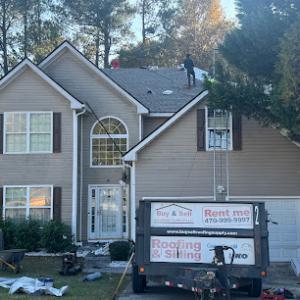
**Shingle Brothers: Celebrating 15 Years of Excellence** With over 20 years of combined experience, Shingle Brothers is your premier choice for professional and dependable service. Specializing in both residential and commercial roofing, we also offer top-notch installation of siding, gutters, windows, painting, and general construction. Think of us as your one-stop shop for all your home improvement needs. No job is too big or too small for Shingle Brothers. We take pride in being a large company that offers reasonable pricing. As an accredited member of the Better Business Bureau, we guarantee excellent customer service on every project.

LJ Exterior Repair
33 Hinton Cir, Covington, Georgia
4.7 from 9 reviews
Has your home or business has sustained damage from hail and/or high winds, our team can prepare a full and proper scope of restoration - addressing those items insurance providers routinely miss.
American Roofing Professionals
6195 Floyd St NE ste a, Covington, Georgia
4.2 from 6 reviews
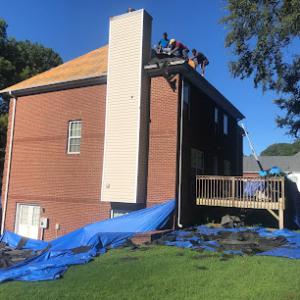
One stop shop for all of your residential and commercial roofing and gutter needs.
R&N Roofing
(347) 410-3695 nicolasroofingllc.com
Covington, Georgia
5.0 from 2 reviews
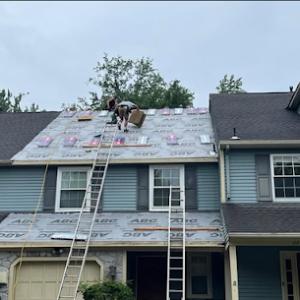
R&N Roofing, we provide high-quality residential and commercial roofing services throughout Covington, Georgia, and surrounding areas. Whether you need a roof repair, full replacement, or storm damage inspection, our experienced team delivers dependable workmanship and exceptional customer care. We're committed to protecting your home with durable, long-lasting roofing solutions you can trust.
Horizon Premier Construction
(678) 275-3964 horizonroof4.com
Serving
5.0 from 35 reviews
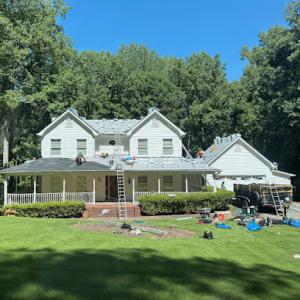
~Specializing in insurance claims🏠 ~Expert roofing solutions for you home🚧 ~Free roof inspection🤝 ~insurance assistance provided📌
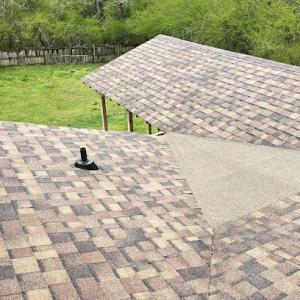
Wolf & Restoration
Serving
5.0 from 14 reviews
Wolf & Restoration is a remodeling company that service all over Georgia. We take our work very seriously here and always do our best to satisfy our clients needs..
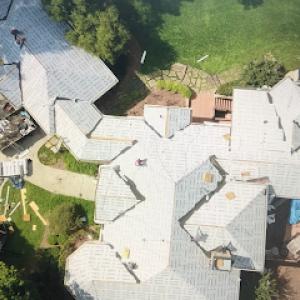
Lake Country Roofing
(470) 771-9680 www.lakecountryroofingga.com
Serving
5.0 from 231 reviews
•Proudly serving Georgia with 10+ years of experience in professional roofing. •Commercial & Residential •Lake Country Roofing is a GAF Certified Plus Contractor. •Providing quality inspections, repairs, and full roof replacements. •Loyal, Committed, and Reliable to existing and potential customers and their homes. Give us a call today if you are looking to find a professional, yet friendly business that treats you less like a customer, and more like a friend, and let LCR provide all your roofing needs!
Frequent rain in this area means even small wind-lifted shingle damage can turn into active interior leaks quickly if tarping is delayed. A single afternoon storm can drive water under edge shingles and soak sheathing, especially on homes with older roofs or undersized drip edges. When storms roll through in late-summer, tropical moisture and repeated thunderstorms keep roofs wet for days, making a dry-in and fast scheduling more important than in drier Georgia markets. Treat any sign of moisture as urgent: a damp ceiling, peeling paint, or a scent of mold after a storm is a red flag that you need to act now.
If you notice active dripping or a sagging ceiling, your first step is to protect interior spaces. Move valuables and place plastic sheeting or buckets under the leak. For the roof itself, call a local emergency tarp crew or your preferred roofer with a documented 24/7 response. Quick tarping buys precious time in Covington's storm-quick climate and reduces damage to insulation, attic credence, and electrical systems. Do not climb onto the roof yourself if shingles are loose; a single misstep can worsen damage or cause a fall. Keep a log of the event: time, weather conditions, photos of the affected area, and any leaks that appear after tarping.
Storm damage documentation is especially critical in Newton County's inspection practice. Photograph shingles, gutters, vent flashing, and any hail marks or wind-lift evidence. Date-stamped pictures and a simple leakage map help insurance adjusters and contractors verify what happened and when. Share the photos with your insurer and the contractor immediately, and confirm the preferred sequence: tarp, temporary dry-in, then permanent repair. In this climate, waiting to document after a second storm often means a doubled dry-in timeline, so start the record the moment the first rain starts seeping through.
The local contractor market shows an unusually strong emphasis on quick response and emergency repair, reflecting homeowner demand for immediate tarping after storms. When a crew arrives, ensure they cover the exposed interior with a durable tarp, secure loose decking or fascia where safe, and provide a clear timeline for a temporary dry-in followed by a full patch or replacement. Ask for a written ETA and a proof-of-work plan that prioritizes the most leaky zones first. If you must schedule multiple moves, have a single point of contact to avoid miscommunication and delays.
When you can't wait, these contractors offer fast response times to stop leaks and prevent further damage.
Ascend Roofing & Contracting
(404) 757-9824 www.ascendroofinginc.com
2180 Elm St NE, Covington, Georgia
5.0 from 56 reviews
Jaco Contracting
(770) 525-0458 jacocontracting.com
1495 Access Rd, Covington, Georgia
4.8 from 422 reviews
Not A Dime Down Roofing & Restoration
(678) 785-8921 notadimedownroofing.com
Serving
5.0 from 145 reviews
Asphalt shingles dominate Covington and generally fit the area's suburban housing stock, but hot humid summers can accelerate granule loss, sealant wear, and algae staining. If you choose asphalt, look for a shingle line with improved algae resistance and thicker granules, and plan for periodical attic venting checks to keep the roof deck dry in the humidity. In practice, you should inspect after the heaviest spring storms and again after late-summer heat waves, keeping an eye on any curling edges or bare spots where granules have shed. When choosing colors, lighter shades reflect more sun and can help reduce surface temperature, slowing wear over a decade or more. Regular cleaning of debris from gutters and eaves helps prevent moisture buildup that accelerates granule loss and staining.
Metal roofing performs well against heavy rain shedding in Covington, but installation quality around fasteners and flashing matters because rapid temperature swings in mild winters can stress details. If you lean toward metal, prioritize a skilled installer who emphasizes sealant longevity around penetrations and methodical flashing at chimneys, vents, and along ridge lines. In this climate, expect storm-driven wind and hail to test panels and seams; ask about fastening patterns, panel interlock design, and the use of corrosion-resistant coatings suitable for humid air. Regular inspections should focus on perimeter flashing, attic condensation, and any signs of loose fasteners after major storms. A solid metal system can offer excellent durability in this market, provided the installation is meticulous and the flashing details are protected by quality sealants and proper pitch.
Tile, wood shake, and synthetic roofs appear in the market but are more specialized in Covington, so homeowners should expect a narrower pool of installers than for standard shingles. Clay and concrete tiles bring excellent longevity and resistance to surface weathering, but weight and roof structure must be reviewed by a pro to ensure support is adequate. Wood shingles and shakes offer a natural look but can be susceptible to humidity-driven issues like mildew and faster decay if ventilation and moisture control are not optimal. Synthetic shingles provide a broad range of aesthetics and may resist algae better than basic asphalt, yet installation quality still drives performance, especially around fasteners and transitions. If considering these options, verify the contractor's experience with your roof type, and ask for a portfolio showing installations in similar humid, storm-prone settings.
Across all roof types, Covington-area homes benefit from choosing installers who understand the local storm patterns and humidity cycles. Ask for locally referenced performance notes, warranty specifics tied to climate, and a clear plan for flashing and leak path control. The installer should demonstrate a comprehensive approach to roof-to-wall transitions, ridge venting tailored to attic air exchange, and a documented method for attic moisture management. In this market, the reliability of the crew and their adherence to manufacturer installation standards often determines long-term performance more than the material itself.
In the wake of spring and late-summer weather events, the priority is quick leak response and thorough documentation. Keep a log of storm dates, visible damage, and any interior signs of water intrusion. Photograph all issues before temporary repairs, and secure written acknowledgment from insured parties that a leak exists and needs assessment. Regular proactive inspections after big storms help catch small problems before they become large repairs, preserving the roof's integrity through humid summers and exposure to repeated rain.
Spring and fall are the reliable windows in this area. In Covington, avoiding the peak summer heat and the wettest storm stretches helps shingles lay flat and seal properly. If a roof is nearing the end of its life after a harsh winter or a series of spring storms, plan for a replacement when the daytime temperatures are mild and evenings stay cool. This is when crews can work without heat stress and without rapid drying of sealants, reducing the chance of early failures.
Hot summer attic temperatures and humidity accelerate brittleness in older shingles. In this climate, the practical window between visible wear and leak risk can narrow quickly once July and August arrive. If a roof shows curling, granule loss, or a luped sheen in the attic under vented spaces, consider scheduling before humidity spikes again in late summer. Quick planning helps prevent moisture intrusion during a heavy rain event.
Mild winters in Newton County still bring temperature swings that can open flashing and sealant weaknesses even without prolonged freeze conditions. If ice damming is unlikely but a roof shows loose flashing, lifted shingles, or widespread granule loss, a replacement can proceed in late winter when pathways dry and workers can access safely. Avoid tying replacement to a single cold snap; use the longer stretch of dry, cool days to finish the job.
Look for shingles that are consistently brittle to touch, granules in gutters, or a roof deck that feels damp or soft on hot days. Note age estimates based on the material type already installed in most local homes. For many neighborhoods, the roof may give telltale signs years before the last storm, and you should act when several indicators align. A staged replacement plan, aligned with weather forecasts and typical storm cycles, keeps leaks from becoming written documentation to insurance claims later.
Prepare a short list of prior repairs, dates of major storms, and any attic temperature issues you've noticed. When replacement is scheduled after a storm season, take photos of fascia, gutters, and any interior signs of leakage. In Newton County, keeping a dated record helps establish the timeline for inspections and follow-ups, and it supports quick insurance processing if needed after a heavy spring or late-summer event.
Provided local cost ranges run about $350 to $550 per square for asphalt shingles, $700 to $1200 for metal, $1000 to $1600 for clay tile, $900 to $1500 for concrete tile, and $500 to $900 for wood shake or synthetic/composite roofing. In practice, most suburban homes with typical gable or hip forms in Newton County land toward asphalt for the bulk of replacements, while a subset of home profiles with vaulted ceilings or second-story access may tilt toward metal or tile options. The square-foot pricing assumes the standard 100-square roof unit, so plan per 10-square (per 1,000 square feet) to align bids with actual deck work and tear-off needs.
Spring and late-summer storms drive rapid scheduling pressure and pricing shifts after hail or high-wind events. When a dry-in or full re-roof crew is scarce, you'll notice shorter windows between signing and start, and bids can rise as crews prioritize storm work. If you anticipate a busy period, lock in a preferred contractor quickly and discuss delivery of a staged schedule that fits weather windows, especially when decking repairs might be needed after hidden moisture is found during tear-off.
Costs can vary with the area's common suburban roof forms, tear-off complexity, decking repairs from hidden moisture, and whether specialty materials require a smaller local installer pool. If your home has multiple small valleys, a steep slope, or concentrated overhangs, expect higher labor hours. Tile options, while durable, demand heavier framing and potentially more crane or crew coordination in this market, pushing up both material and installation costs. On average, the more labor-intensive the job and the more deck repair required, the closer you'll land toward the upper end of the listed ranges.
After a storm event, plan for a rapid temporary leak-control approach while coordinating a full replacement plan. A quick tarping or waterproof underlayment solution can bridge days of risk, but the priority is to stage a dry-in within a few days of approval to minimize interior damage. For asphalt or synthetic shingles, you'll often gain the quickest path to a dry-in; for tile roofs, anticipate longer dry-in timelines due to material handling and safety considerations. If hail has caused widespread damage, ask for a documented, time-stamped photo log and a written assessment that notes any hidden moisture detected during debris removal.
Don't let upfront costs delay a critical repair - these contractors offer payment plans to fit your budget.
Jaco Contracting
(770) 525-0458 jacocontracting.com
1495 Access Rd, Covington, Georgia
4.8 from 422 reviews
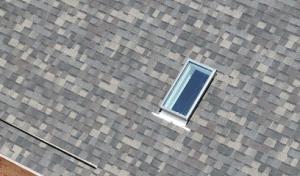
Mighty Dog Roofing of Greater Rockdale County
(470) 842-3600 www.mightydogroofing.com
Serving
5.0 from 60 reviews
When you replace a roof, a permit is typically required for full roof replacements in Covington through the local Newton County jurisdictional process. Skipping the permit can lead to delays, fines, or trouble when you go to sell the home. The process is designed to verify that the work meets the county's safety and durability standards, which is especially important after the heavy spring storms and late-summer systems that can stress shingles, underlayment, and flashing.
Roof work is commonly checked at tear-off or rough-in and again at final completion to confirm code compliance before closeout. If any step is skipped or rushed, you risk rework or uncovering issues that could affect roof longevity and insurance coverage. In Newton County, the inspector will look for proper nailing patterns, venting, flashing around chimneys and walls, and the integrity of hips and ridges. A solid inspection record can also simplify future storm-damage documentation.
Homeowners should confirm with the permit office or contractor whether any project-specific wind-rating or licensing requirements apply before materials are ordered. Covington's humid, storm-prone climate makes wind resistance relevant, and local rules can vary by neighborhood or by the scope of work. If a contractor can't confirm these details, ask for written guidance or a preliminary citation from the permit office. Securing the right wind-rated materials and licensed installers upfront reduces the risk of noncompliance that could require recalls or rework after a severe weather event.
After a spring or late-summer storm, insurers in this area often tighten requirements. Georgia does not have a statewide wind-mitigation credit structure like Florida, so Covington homeowners see requirements vary by carrier. Missing or late records can slow payouts or reduce recovery, even when wind or hail damage is real; careful documentation saves time and money.
Insurance carriers commonly want dated photos, maintenance records, invoices for recent repairs, and evidence of prior roof condition after hail or wind claims in this region. In Covington, a simple before-and-after photo set rarely suffices; you may need time-stamped images of shingles, flashing, and attic signs of moisture. Keeping a file now prevents scramble later when a storm hits or costly delays.
Older homes or roofs may trigger requests for more detailed underwriting or claim documentation, making organized records especially useful before storm season. If a claim is filed after a significant event, insurers will scrutinize wear, previous leaks, and ventilation. Organized records can shorten review times for Newton County claims and justify repairs to extend the roof's remaining life.
In practice, create a simple two-file system: a current roof file and a storm-season file. Store dated invoices, contractor notes, and warranty documents in the current file, and keep storm photos organized by year. When hail or wind events hit, photograph attic access, vent caps, and flashing from multiple angles, and note weather dates. If an adjuster visits, provide a concise summary of prior leaks and maintenance history. Organized records can shorten review times for Newton County claims and justify repairs to extend the roof's remaining life.
After a spring or late-summer storm, you want a contractor who can respond quickly and clean up thoroughly. In this market, many homeowners seek free inspections, so you'll see fast visits and rapid notes. Focus on how the crew handles tarping, temporary leaks, and debris clearance. Ask for a clear plan: how they protect landscaping and siding during a job, how they manage wind-driven debris, and how they dispose of damaged material. A practical tip: request a documented cleanup checklist and a guaranteed post-storm follow-up window to address any leaks that appear after the crew leaves.
Covington projects often hinge on documentation quality. A solid roofer provides detailed written assessments with photos, a proposed scope of work, and a realistic timeline. You should receive a concise breakdown of materials, profiles, and an itemized sequence for removing old shingles, reinspecting the deck, and installing underlayment. Look for contractors who offer thorough, timestamped damage records and digital copies you can share for insurance or HOA needs. If a crew shows up with a one-page estimate, ask for a fuller scope before moving forward.
A meaningful share of local contractors advertise long-standing businesses and local ownership. Use tenure as a tie-breaker when other factors are similar. Manufacturer certifications matter too, especially for storm-related replacements. A roofer with established supplier relationships tends to have better access to product samples, warranties, and controlled lead times. Request proof of manufacturer credentialing and a history of completed residential replacements in Newton County, with references you can contact about on-plan performance and communication.
When you receive an estimate, check for a clear start date, a defined sequence of work, and a finish date. Ask how storm-related cleanup is verified and how any exacerbated leaks are prioritized. If a contractor offers a free inspection, use it to compare multiple quotes on the same day to avoid decision fatigue. A careful comparison keeps you protected through the next round of weather events.
In Covington's heavy-rain climate, skylights, chimneys, and flashing transitions are common leak points when sealants age or wind-driven rain gets under exposed details. The town's suburban rooflines often rely on aging sealants around these penetrations, so small gaps can grow into noticeable drips after a heavy shower or when a stray thunderstorm pushes rain sideways off a gutter line. Regularly inspecting these areas from the attic access or ceiling side can reveal slow seepage before it becomes a visible interior stain.
Rapid winter temperature changes in this part of Georgia can stress flashing and sealant joints even without severe cold, making detail work more important than snow-load concerns. Metal flashings and corner joints move with temperature swings, so conversations with a contractor should cover not just the visible sealant bead but also how the surrounding flashing is integrated with the roof deck and wall systems. If you notice hairline cracks, lifted edges, or dried-out caulk, address them quickly to prevent wind-driven rain from finding a path under the roof edge.
Because skylight service appears as a smaller specialty in the local market, homeowners with leaking roof penetrations may need to verify that the roofer handles these details in-house. Some firms defer skylight resealing or flashing repair to subcontractors, which can slow response after a leak and complicate warranties. When planning repairs, ask for a written plan that details flashing around the skylight, curb alignment, and membrane transitions so that seasonal storms don't catch you off guard.
Find contractors experienced in skylight installation, flashing, and leak repairs to bring natural light into your home.
Nailed it Roofing & Remodeling Services
(770) 241-5648 nailed-itroofing.com
Serving
5.0 from 96 reviews
Covington sits in east-metro Atlanta's humid subtropical belt, where heat, rainfall, and periodic severe weather shape roof aging more than snow or coastal salt exposure. The constant humidity accelerates shingle wear, and driving rain tests flashing details, gutters, and vent seals. In this climate, shingles may curl, granules shed more quickly, and unseen leaks creep along attic spaces after a heavy storm. A well-ventilated roof stays healthier longer, helping a roof resist heat buildup that ages substrates and underlayment.
The city's roofing decisions are influenced by Newton County oversight and by a contractor market that is notably storm- and re-roof-focused. That mix means you often encounter crews who are skilled at rapid storm damage assessment, temporary tarps, and quick repairs that buy time between inspections. Expect emphasis on documentation, since proof of damage aligns with insurance and an orderly sequence of repairs. A reliable local contractor can coordinate shingle matches, warranty transfers, and timely repairs to minimize interior exposure during wet months.
For Covington homeowners, the practical roofing calendar usually centers on spring and fall installation windows rather than winter or peak-summer replacement. Spring often brings milder temperatures and manageable humidity, easing adhesive cure and ventilation work. Fall cools down the attic heat, reducing indoor disruption and helping underlayment lay down cleanly before winter rains. If a storm hits in late summer, a temporary fix can protect the home while scheduling a full replacement in the calmer months. Keep a written plan with your contractor that aligns weather risk, material availability, and inspection milestones.
Storm damage documentation matters here, as Newton County practices and insurance expectations favor timely reporting. After a severe event, photograph damage thoroughly, date-stamp the pictures, and keep a running log of repairs and assessments. If leaks appear, address them quickly with a temporary shield and fast drying to prevent mold growth, then pursue permanent repair on the next suitable window. This neighborly approach helps protect the home's structure and your peace of mind during the storm season.
Regular gutter cleaning, debris removal after storms, and attic vent checks marry these conditions to roof life and fewer surprises when storms roll.