
Last updated: Apr 19, 2026
Griffin homeowners commonly face roof issues after spring storms and heavy rainfall, which can turn small shingle or flashing failures into active interior leaks quickly. It only takes a brief downpour to drive water under weakened edges, through cracked seals, or around damaged valleys. When clouds unload in the afternoon and the usual storm pattern rolls in, the clock starts ticking on interior damage. Keep a careful eye on ceilings near exterior walls, closets, and attic access points-any sudden discoloration or damp spots demands fast action.
After a storm, inspect the roof from the ground if safe to do so, looking for missing or lifted shingles, dented or displaced metal flashing at chimneys and vents, and bare bare gaps where shingles have peeled back. In Griffin, wind-driven hail and gusts can leave micro-damage that isn't obvious from the ground but will show up as pinhole leaks after a few hours of rain. If you notice an active drip, map its location with a marker or tape, noting the nearest vent, chimney, or seam. Photograph the area from multiple angles before any temporary repairs, because insurers will request evidence of wind, hail, and storm impact.
Same-day tarping and leak control become essential during Griffin's summer storms, which frequently interrupt dry-in work. If rain threatens, place sturdy plastic or tarp over the affected roof area and secure it with weighted boards or sandbags to resist gusts. Seal any obvious gaps around flashing with roof cement or temporary duct tape rated for outdoor use, but avoid sealing over active leaks or areas that will be opened again for inspection. Your goal is to keep rain from cascading into the attic or living spaces while plans for a permanent fix are arranged.
Georgia insurers commonly scrutinize wind, hail, and storm claims here, so photo documentation matters early. Capture clear shots of missing shingles, uplifted metal panels, torn flashing, dented gutters, and any water entry points on ceilings and walls. Keep a dated record of each storm event and the resulting symptoms inside the home. If possible, collect witness notes from nearby neighbors about observed wind direction and storm intensity, which can corroborate the timing of damage. Maintain a simple timeline that links the storm day to the first signs of leakage, the emergency tarping, and the subsequent mitigation steps.
When you contact a contractor, share the storm-specific observations: shingle displacement, flashing failure around vents or chimneys, and any interior staining or ceiling collapse risk. Be explicit about the urgency: the longer water is allowed to penetrate, the more secondary damage you risk, including insulation saturation and ceiling joist rot. With the insurer, provide the photo log in chronological order, the tarp installation record, and a short description of immediate mitigation actions taken. If an adjuster is delayed by afternoon storms, reference the documented symptoms and the temporary measures already deployed, so the claim can move forward once conditions stabilize. In Griffin, timely, precise documentation can smooth the path from assessment to restoration.
When you price a re-roof, frame your expectations around per-square costs in Griffin as follows: asphalt shingles typically run 350 to 650 USD per square, metal 600 to 1000, clay tile 900 to 1400, concrete tile 800 to 1300, wood shingles or shakes 550 to 1000, and synthetic or composite shingles 450 to 900. These figures reflect the local market, where storm-driven demand can tighten scheduling and push labor availability, especially for re-roof crews that dominate the area. In Griffin, frequent rain and humid conditions compress weather windows, which matters when you're choosing material and sequencing tear-off, dry-in, and final inspection. Use these ranges as your baseline, then factor in roof complexity and any mitigation work like deck repair or vent upgrades.
Storm-driven spikes after severe weather can quickly shift timelines from days to weeks. If a roof is damaged during a spring or summer storm, you may face higher bids or shorter crews as local contractors juggle emergency work with planned projects. That dynamic means your project can start later in the season or pause for a weather lull, especially if the roof requires extensive tear-off and staged dry-in. Budget for potential delays in arrival of materials-some suppliers in the area can experience backlogs after storms. In practice, you should build a staggered plan: initial tear-off in a dry window, followed by a careful dry-in around rain events, and a final inspection once the forecast shows a solid stretch of dry weather.
The regional pattern of frequent rain and humidity can extend project timelines in Griffin, affecting labor efficiency and potentially inflating costs when tear-off and dry-in must be staged around weather windows. If rain sets in mid-project, crews may detour to interior protection tasks or pause altogether, which can add days or a week to the schedule. For asphalt shingles, which are common in the area, longer exposure to moisture can complicate underlayment installation if roof decking has been compromised, possibly raising material and labor costs. Concrete and clay tile projects, though less sensitive to daily rain, still experience slower progress during damp seasons due to tile handling and moisture-sensitive setting processes.
If timing is tight, consider materials with steadier local availability and quicker install cycles, such as synthetic or composite shingles, which sit in the 450 to 900 range and often install faster than heavier tile systems. For homes with complex shapes or older decking, factor in extra labor for ventilation, flashing, and drip edge, which can add to the square cost, especially when crews are juggling multiple weather-sensitive tasks. In Griffin, the choice between heavier tile and lighter shingles often comes down to your roof's slope, load-bearing capacity, and the likelihood of exposure to spring storms-each affecting labor pacing and overall cost.
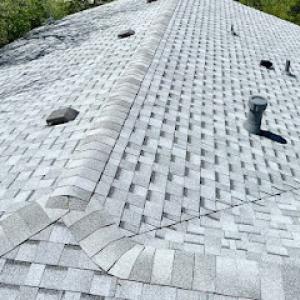
Optimum Roofing Company
(404) 780-3246 www.optimumroofingco.com
Griffin, GA
5.0 from 39 reviews
Dreaming of a roof that's both beautiful and built to last? Look no further than Optimum Roofing Company! We're your trusted roofing contractor, serving both residential and commercial clients throughout Georgia and Alabama. As a fully licensed and insured company, we deliver top-quality craftsmanship and peace of mind with every project. Discover the optimum solution for all your roofing needs with our expert team.
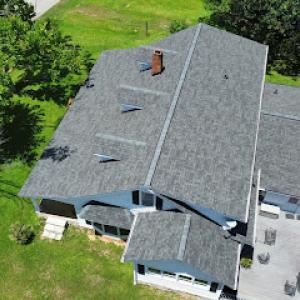
Pitch Perfect Roofing & Gutters
(678) 544-9267 www.pitchperfectrg.com
Griffin, GA
5.0 from 23 reviews
We perform all the work we do personally. We never subcontract jobs, meaning you get the benefit of us completing your work to the highest standards!
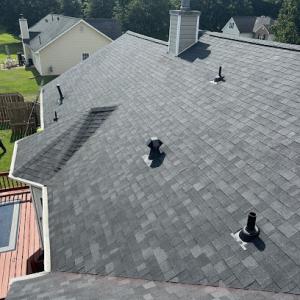
uRoof
855 Manley Rd, Griffin, Georgia
5.0 from 17 reviews
uRoof is a Georgia-based technology platform that connects homeowners directly with vetted roofing crews, trusted suppliers like ABC Supply and QXO, and precision measurement tools like EagleView. We eliminate contractor markups by offering transparent, at-cost roofing with a small service fee — saving customers 15–20% on average. From start to finish, homeowners can measure, finance, and schedule their roof online in minutes. uRoof is changing the way roofing gets done — smarter, faster, and more affordable.
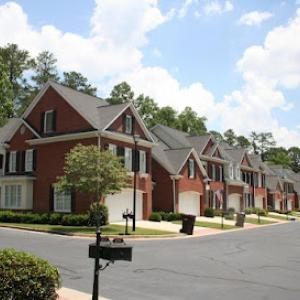
Atlas Exteriors
(404) 395-6084 atlasexteriors.net
1123 Sage Dr, Griffin, Georgia
5.0 from 9 reviews
We are a veteran owned and operated company with over 25 years combined experience. Over the years, our company has become a leader in the storm restoration industry. We have earned our reputation through hard work, uncompromising precision and constant learning and adapting. We love what we do, and the variety of projects on our portfolio proves the scope of our capabilities. We deliver fast, reliable services for any size project.
SlopePro
(770) 504-6174 slopeproroofing.com
1515 Cabin Creek Trail, Griffin, Georgia
5.0 from 6 reviews
SlopePro is a professional roofing company in Griffin, GA servicing the greater Griffin area. As a family-owned and operated company, we are committed to helping you make better roofing investment decisions. Our professional roofers specialize in both residential and commercial roof repairs and roof replacements. Call us today to schedule an inspection.
Griffin Premier Roofing
(770) 790-4236 griffinpremierroofing.com
Griffin, Georgia
5.0 from 3 reviews
Here at Griffin Premier Roofing, we offer top quality and fair pricing on all of our roofing services. We specialize in installation, replacements, and repairs on all roofing material types and offer free estimates on all of our services. We value customer service and quality and make it a priority to satisfy each customer with the work and communication we have to offer. Our roofers consider themselves the top in the industry from all of their years of experience and countless new situations thrown at them. We take major pride in the work we do and how each interaction goes, and we hope to earn a lifetime customer with each family we work with. Give us a call today for a free estimate!
Shane Toland Roofing Landscaping
105 Tanner Dr, Griffin, Georgia
5.0 from 2 reviews
Local Family Owned Business servicing Griffin and the surrounding areas for over 17 years. We specialize in Roofing and Insurance Work, but also also our services for gutters, siding, windows, and home mitigation.

Venture Roofing & Exteriors of South Georgia
(770) 904-9632 ventureroofingllc.com
Griffin, GA
5.0 from 2 reviews
At Venture Roofing, we offer a comprehensive line of innovative and effective roof coating solutions that deliver the reliable waterproofing and protection that property owners seek. One such product is our acrylic elastomeric roof coating. Acrylic coatings have entered the marketplace as a practical solution for roof protection and restoration applications. They provide a number of valuable benefits, including ease of application, reflectivity, durability, and cost-effectiveness.
Partners Roofing
(770) 383-1536 www.partners-roofing.com
Serving
5.0 from 68 reviews
Partners Roofing offers residential and commercial roofing services, including roof repair, roof maintenance, roof replacements, roof storm damage repairs, roof cleaning, and gutter services in Griffin, GA and the surrounding area.
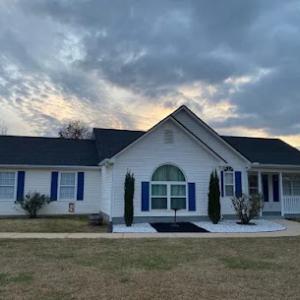
Tiger Roofing
(678) 916-8880 www.tigerroofingpros.com
Serving
5.0 from 85 reviews
Tiger Roofing, based in McDonough, GA, is more than just a roofing company; we’re a family-owned and operated business that believes in merging old-school values with the latest technology. With over 34 years of experience in roofing insurance replacements and an additional 5 years in private roofing replacements, our expertise is second to none. Punctuality and availability are core aspects of our exceptional customer service.
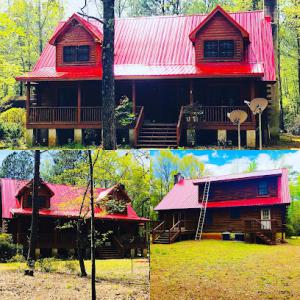
Magnum Gutters & Metal Roofing
(404) 516-8357 www.magnumgutters.com
Serving
4.7 from 119 reviews
Magnum Gutters & Metal Roofing is a top tier licensed and insured company. We strive to get the best results for our customers and leave a lasting impression. Roofing and gutters are our speciality but we offer many more options such as: Shingle Roofing, Metal Roofing, TPO Roofing, Seamless Gutters, 1/2 Round Gutters, Copper Gutters, Commercial Gutters, Gutter cleaning, Gutter Guards, Siding, Windows, Renovations, Decks, Under deck systems & Remodeling. We service all of GA / If you do not see your county give us a call and we can service that area for you! - Henry County/McDonough - Butts - Pike - Fulton - Newton - Rockdale - Spalding - Fayette - Lamar - Monroe - Monticello - Covington - Conyers
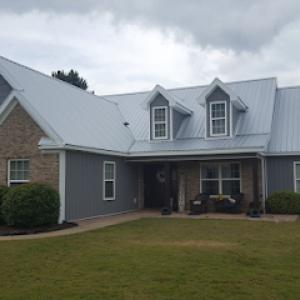
Thaxton Roofing
(678) 692-8827 thaxtonconstruction.net
Serving
4.5 from 31 reviews
Since 2005, Thaxton Roofing, LLC has been a trusted leader in providing exceptional roofing solutions. Our team of skilled professionals is dedicated to delivering high-quality craftsmanship, ensuring every project, from renovations to emergency repairs, is handled with meticulous care. Specializing in everything from leaky roof fixes to urgent tree removal and tarp installations, they prioritize durable and reliable service. With a commitment to excellence, Thaxton Roofing stands ready to protect your home with top-notch roofing expertise.
Asphalt shingles remain the dominant choice in Griffin, favored for their familiar look, ease of installation, and broad support among local roofers. In this climate, the hot, humid summers and frequent rainfall accelerate algae staining, granule wear, and moisture-related aging. When evaluating asphalt, pay close attention to the granule layer's longevity and the shingle color's heat reflection. Lighter colors can help reduce heat buildup, while algae-resistant options offer a practical hedge against staining. Ensure the shingles have a robust underlayment and appropriate sealing to resist wind-driven rain common during spring storms. A well-insulated attic and properly vented eaves help prevent condensation and the rapid warm-cold cycles that stress asphalt over time.
Metal roofing has strong local contractor support in Griffin and is especially relevant where faster water shedding during frequent rain events is desired. The metal's slick surface allows rain to shed quickly, which can reduce the duration of roof exposed to moisture during heavy spring showers. Metal also tends to resist granule loss and algae staining better than asphalt over the long term, though installation quality matters greatly in a humid Piedmont climate. When choosing metal, consider coatings and color finishes that resist UV degradation and corrosion. Pay attention to panel seams, fastener materials, and roof-to-wall detailing designed to minimize ice dam-like buildup and wind ingress during gusty storm events. Proper ventilation and a durable underlayment beneath the metal provide an important second line of defense against latent moisture.
Tile, wood, and synthetic roofs are present in Griffin's market, but humid conditions and repeated wet-dry cycles make underlayment quality, fastening details, and ventilation more important than material alone. Clay and concrete tiles offer excellent durability and a distinctive look, yet they require precise installation to manage weight, expansion, and breakage in heavy rains. Wood shingles and shakes provide a traditional appearance but are more sensitive to moisture, fungi, and rapid aging if ventilation isn't optimal and if underlayment isn't adequately protected from wet cycles. Synthetic shingles, including composite products, bring resilience against moisture and color longevity, but still rely on proper underlayment, flashing, and roof ventilation to perform well in Griffin's humidity. For all these options, ensure the roof deck is clean, well-drained, and that the fastening pattern accommodates seasonal movement and storm-driven wind loads. Adequate attic ventilation reduces condensation risk and preserves underlayment effectiveness across repeated wet-dry transitions.
Across material types, Griffin homeowners should not overlook underlayment quality, fastening details, and ventilation. In a climate with frequent rain and strong spring storms, a high-quality synthetic or self-contained underlayment with good moisture resistance can buy you time during a leak event. Fastening patterns need to account for local wind speeds and storm exposure to prevent lift and water intrusion. Ventilation matters more here than in some drier regions: hot, humid summers plus intermittent wet spells require air channels to expel heat and moisture from the attic, reducing the risk of deck deterioration and mold development. A well-vented attic also improves the performance of any installed roofing material by stabilizing temperatures and preventing rapid cycling that accelerates wear.
Storm-driven damage is a common concern in this area. Regular inspections after heavy rains, promptly addressing any detected leaks, and documenting weather-related damage for insurance purposes are practical steps. Have a trusted contractor conduct annual or semiannual checks focused on flashing, valleys, and roof-to-wall interfaces where moisture tends to infiltrate first. In Griffin's climate, a proactive approach to maintenance-especially around attic ventilation, underlayment integrity, and fastener security-helps chosen materials maximize their expected lifespan while reducing the chance of moisture-related failures during spring and summer storm seasons.
In this area, a building permit is required for re-roof installations, not treated as simple maintenance. That means a re-roof project triggers official review and documentation, even for one-story homes or standard asphalt shingles. The contractor typically handles the initial permit application, but you must confirm who is filing on your behalf, who is scheduling the inspections, and who will receive any correction notices if the plan doesn't meet local codes. Clear written agreement with the contractor about these steps helps prevent delays fueled by missed paperwork.
Once the permit is in motion, expect a series of communications from the local building department. The process can include corrections or clarifications tied to drainage and flashing details, since Griffin-Spalding County places emphasis on proper drainage work as part of the permit's scope. You should stay responsive to any notes or required adjustments. If a correction notice arrives, act promptly and coordinate with your contractor to address the issue and resubmit as needed. Delays often hinge on drainage compliance and documentation gaps.
Inspections occur at multiple stages of the project, not just at completion. Plan for interim checks as the roof is removed, underlayment is installed, and final flashing is integrated. A final inspection is required after completion to verify code compliance and that drainage work aligns with the permit. If the inspector flags a drainage or ventilation detail, address it before the project passes the final review. Keeping a clear record of the permit numbers, approved diagrams, and any and all inspection notices helps when coordinating follow-up inspections or addressing potential weather-related corrections.
From the homeowner perspective, confirm in writing who will file, track, and respond to correction notices. Maintain a shared folder with permit copies, drainage diagrams, and inspection reports. If multiple trades are involved, designate one point of contact to relay inspector feedback promptly. Finally, expect the permit to guide the project timeline, especially where weather-driven scheduling and drainage considerations intersect with spring and summer storm exposure.
Georgia's wild spring and summer storms test roofs in ways that Griffin homeowners feel year after year. Wind, hail, and sudden rain can cause damage that triggers an insurance claim, but the insurer will look beyond the visible dent or missing shingle. Expect questions about roof age, maintenance history, and current-condition documentation. In this climate, repeated storms create disputes over whether damage is sudden or age-related, so the adjuster will scrutinize whether the roof was already nearing the end of its life when the latest event hit. A roof that shows even minor wear can complicate a straightforward claim, making honest maintenance records and timely reporting essential.
Adjusters may request photos that capture both the general roof condition and any specific problem areas-soft spots, granule loss, curling shingles, or lifted edges matter. A roof certification can also come into play, particularly when previous storms left the roof in a fragile state or when multiple claims are involved. In Griffin, where spring storms are a common pattern, having clear, timestamped images from different angles helps establish a credible baseline. If you've had prior repairs, documentation showing what was fixed, when, and with what materials can reduce later disputes and speed up the process.
Replacement cost versus actual cash value and age-based depreciation can materially change claim results for older roofs. The newer the roof, generally, the more favorable the recovery-but even a mid-life roof can be challenged if there's a lag between damage and notice, or if the documentation doesn't support the extent of the loss. Knowing that Griffin homeowners face these realities after storms means you should prioritize pre-loss records and prompt inspections so the insurer has a precise picture of condition before and after a covered event. Delays or missing paperwork can tilt the result toward depreciation, leaving a larger out-of-pocket burden.
After a storm, act quickly to secure the roof and document damage while it's fresh. Keep a simple chronology: date of the storm, when you first noticed damage, who inspected it, and what was done in the immediate aftermath. If a dispute arises about whether damage is new or age-related, a well-documented history and timely professional evaluation can be decisive. By maintaining clarity around age, maintenance, and current condition, you improve the odds of a fair, straightforward claim outcome.
Connect with contractors who help homeowners navigate the claims process from damage assessment to final approval.
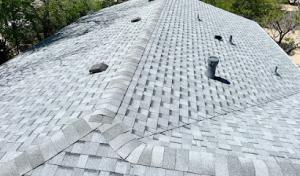
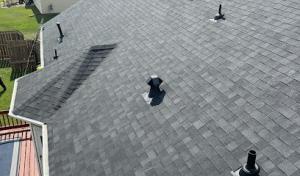
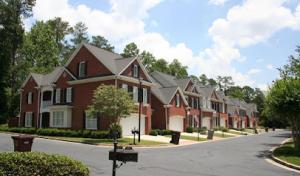
Spring in Griffin brings storms and heavy rainfall that can delay tear-off and expose decking if crews cannot complete dry-in before the next weather system. Plan replacing a roof after the cold fronts have moved through but before the most intense rain events. If a spring storm sneaks in, be prepared for a shift in timelines and a temporary lull in progress. Summer heat and humidity in Griffin can accelerate material expansion and create afternoon storm interruptions, which affects installation pacing and crew productivity. If a roof is being replaced in midsummer, expect brief shutdowns to wait out a quick downpour or a heat-driven slowdown as materials expand and sealants cure. Fall is often the most favorable replacement window in Griffin, though hurricane season can still send sudden weather changes inland and disrupt scheduling. Use the mild dry days of autumn to keep a project on track and reduced risk of moisture intrusion.
Inspect after any notable storm: missing shingles, lifted edges, or hail dents in metal, clay, or concrete tile. If decking shows dark stains, moss, or soft spots, address those issues before or during tear-off to prevent hidden rot from stalling progress. Verify that drainage channels and gutters are clear so the new roof can sit correctly and water won't pool at eaves once the roof is completed. If several days of clear weather are forecast, target a dry-in window that allows tarping and underlayment to set before next system moves in.
Coordinate with the contractor to align tear-off, decking prep, and dry-in with the local spring and fall weather patterns. Build in extra time for possible weather delays in Griffin's transitional seasons. Ensure the crew has a clear path to complete the installation in one continuous block when possible, reducing the chance of moisture exposure on day-night cycles. For homeowners, have a concrete plan for inspections and potential re-checks immediately after a weather event so the final roof can proceed without major holdups.
In Griffin's wet climate, recurring leak points often show up first around flashing transitions, penetrations, and drainage details rather than only in the field of the roof. That means where the roof meets chimneys, vents, and skylights, small gaps or misalignments can become big trouble after a heavy rain or spring storm. Pay close attention to any staining along ridges or near vent flashing, and don't assume a dry season fixes the problem-water can exploit even tiny openings.
Repeated rain exposure can reveal workmanship issues quickly on re-roof jobs in Griffin, especially where cleanup is rushed or old problem areas were covered instead of corrected. If valleys weren't properly sealed, or if underlayment was skimped or left exposed, the next round of storms may surface leaks that were hidden at first glance. After a storm, inspect with a critical eye for lifted edges, loose shingles at hips and ridges, and any sign of moisture creeping toward interior walls.
Homes in this market often need close inspection after storms for lifted shingles, loosened ridge components, metal fastener issues, and water entry around chimneys and skylights. Rapid changes in weather can loosen fasteners or degrade sealants, creating predictable leakage pathways. The takeaway is simple: treat any wind-driven or hail-adjacent event as a trigger for a thorough roof check, especially around transitions and drainage outlets, to catch the problem before it compounds.
Find contractors experienced in skylight installation, flashing, and leak repairs to bring natural light into your home.
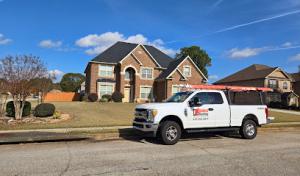

Central Georgia Restoration & Roofing
(470) 479-0205 centralgeorgiarestoration.com
Serving
5.0 from 7 reviews
In Griffin's storm-driven climate, the strongest signal from a contractor is a documented tear-off, dry-in, cleanup, and final inspection closeout. Seek a firm that lays out each phase in a written plan, with specific milestones and a start-to-finish timeline. The crew should show you how they protect landscaping, secure the structure during rain gaps, and prevent secondary damage while the roof is open. A transparent sequence helps you coordinate with interior trades and reduces the chance of lingering leaks after the job.
Quick response matters when leaks reach living spaces or storm debris blocks eaves and gutters. A Griffin contractor should respond within a short window after your initial call and schedule a site visit promptly. On the job, expect daily cleanup to keep driveways and entryways clear, with tarps and containment to minimize dust and falling materials. Toward closeout, verify that the site is swept, nails picked up, and all debris hauled away before you sign off.
The local market includes both residential and commercial roofers, so Griffin homeowners should verify that the contractor's recent work matches your roof type. Do not assume every crew handles tile, metal, or specialty details with equal proficiency. Ask for project photos or references reflecting shingles, metal panels, clay, or concrete tile as applicable to your home. A proven track record on roofs like yours reduces surprises during tear-off and ensures the dry-in stage delivers a genuinely watertight result.