
Last updated: Apr 19, 2026
The hot, humid summers and frequent rain create a narrow practical replacement window. In this area, spring and fall are your best bets for a new roof, because the brutal heat of summer slows curing times, inflates the risk of heat-related workmanship issues, and leaves you vulnerable to sudden downpours that can push a project past dry-in. When a roof is replaced during peak heat, underlayment and flashing can struggle to set correctly, and prolonged exposure to moisture can complicate inspections. Timing your replacement for mild, drier days reduces the chance of moisture intrusion during critical stages.
Late summer overlaps with hurricane season in the Southeast, and that means heightened risk of wind-driven rain, schedule disruptions, and a surge in emergency repairs if a storm rolls through. You'll want to avoid starting a replacement too close to or during this window. If a project begins in late summer, it should have a clearly defined contingency plan for sudden weather shifts, and the crew should be prepared to tarp and secure exposed areas quickly to protect the deck, underlayment, and flashing. If a storm warning is issued, expect delays, and avoid committing to a hard finish date that assumes perfect conditions.
Bulloch County requires a two-step inspection after deck, underlayment, and flashing are installed. That means weather exposure between dry-in and final completion matters more here than in many other places. With repeated summer rain, every exposed moment counts. Plan for a robust dry-in period with reliable protection for components that sit beneath the shingles. A practical approach is to stage the project so the most vulnerable layers-underlayment, flashing, and deck-are completed ahead of any forecasted wet spells, then complete the final roofing once reliable multi-day dry runs are forecast.
If you must target a spring or fall replacement, lock in a window that aligns with long-range forecasts showing a stretch of dry weather. Confirm that the crew can deliver an uninterrupted sequence from dry-in to final finish, with a clear plan to guard against residual humidity in attic spaces and on interior walls. Communicate a preferred rain plan: tarps for temporary coverage, quick-seal solutions for minor wind-driven leaks, and a clear post-storm inspection cadence to catch moisture intrusion early. Rely on crews who track local storm patterns and have a tested method for minimizing exposure during the critical transition from underlayment to shingle. Your roof will thank you with fewer call-backs and a smoother finish when timing is coordinated around Statesboro's storm rhythm.
In Bulloch County, heavy summer rain is a recurring stress test for any roof. The real trouble often isn't the shingle surface wear you can see from the ground, but what lies beneath: flashing details that fail, underlayment that loses its protective grip, and deck moisture that lingers long after the sun returns. When a storm dumps inches of rain in a single afternoon, water seeks the path of least resistance. If your roof's edges, valleys, or penetrations aren't truly protected, you'll notice the consequences not as a dramatic collapse but as slow seepage, premature dry-rot, and higher humidity inside the attic. Statesboro homes with overhangs or aging eaves tend to show these failures first, underscoring the need to scrutinize the details, not just the shingle look.
Wind-driven rain, especially during tropical systems moving inland, can expose weaknesses around valleys, penetrations, and roof-to-wall transitions even when the roof isn't on the immediate coast. The inland Georgia breeze carries moisture and pressure that push water sideways, pulling it under metal flashings or around flashing bends that look sound at a quick glance. If flashing is bent, corroded, or poorly integrated with the siding and top plates, moisture follows the path of least resistance, often behind fascia boards or along the vent stacks. The result is interior staining, attic mold risk, and accelerated deck deterioration. A roof that fights wind in one area may still leak elsewhere if the transitions aren't reinforced to handle gusts and rain together.
High humidity and occasional winter cold snaps in Bulloch County make trapped moisture and delayed drying more relevant than classic freeze-thaw damage. Even in mild winters, moisture trapped in the attic or between deck plies can linger for weeks, feeding mold and wood rot. When a roof replacement is planned, the moisture profile of the deck matters as much as the shingles themselves. Poorly dried materials, wrapped underlayment, or hurried installations during damp spells create a scenario where you're sealing in moisture rather than sealing out rain. That subtle moisture buildup can become a visible problem months later as staining, musty odors, or peeling interior paint around ceilings.
What you can watch for between storms is a practical, proactive approach. After heavy rain, inspect for damp spots near valleys, around penetrations like vent pipes and chimneys, and at the roof-to-wall interface. Check the attic for condensation on sheathing or mold growth near the eave lines. When planning replacement, prioritize crews that understand Statesboro's two-step inspection cadence: ensure the deck is dry and certified before installing new underlayment, and verify that all flashing junctures are properly integrated with the roof and wall systems. Demand attention to ventilation-ridges, soffits, and baffles-to keep humidity moving out of the attic. A roof is more than a patch of shingles; it's a complex system that must shed both the summer deluge and the occasional winter chill, all while staying secure under inland tropical winds.
Asphalt shingles are common in this area because they fit the mainstream residential stock and offer a lower entry point. In Statesboro's heat and humidity, you'll see faster aging and more visible wear than in milder climates. When choosing asphalt, look for thicker, architectural shingles with good impact resistance and a time-tested warranty. Adequate attic ventilation and underlayment are essential to slow weathering, especially after heavy summer downpours. If a daytime shower hits during installation, plan for waiting periods to avoid moisture being trapped between layers, which can complicate a two-step inspection process later on.
Metal stands out in this market because rain and tropical-season wind risks demand longevity and reliable shedding. In practice, metal roofing resists wind uplift better than many options and dries quickly after storms, reducing the chance of hidden moisture working into the decking. When considering metal, prioritize panels with corrosion-resistant coatings and properly sealed seams. Statesboro's humid conditions mean attic space should be well-vented to prevent condensation buildup under metal systems, which can mimic or mask leaks during inspections. A metal roof can be a solid, long-lasting choice if the roof structure is prepared for the weight and the fastening details address local wind codes.
Clay tile and concrete tile appear in the market, but their suitability relies on load capacity and climate resilience. Clay tile is aesthetically appealing and durable, yet heavy enough to require structural assessment and possible reinforcement. Concrete tile offers similar benefits with greater flexibility in weight and selection, but both restraint on moisture and humidity can affect grout and underlayment over time. In hot, humid summers with late-season storms, tile roofs need meticulous flashing and moisture barriers to prevent seepage. If choosing tile, ensure the underlying decking and rafter spacing can support extended exposure to high humidity and potential venting needs near the ridge line.
Wood shakes bring a rustic look, but persistent humidity tests their longevity through rot and mold in shaded rafters. If wood is chosen, treated or warranted rot resistance, plus excellent attic ventilation, becomes critical. Synthetic and composite shingles mimic wood while offering better moisture resistance and faster maintenance turnarounds after storms. In this area, the repair logistics for these products hinge on acceso to compatible flashing components and quick, low-moisture patching during the tropical wind season. For most homes, synthetic options strike a balance between appearance and practicality in humid, storm-prone climates.

Coastal Elite Roofing
(912) 612-2062 coastaleliteroofing.com
1057c Georgia Hwy 24, Statesboro, Georgia
5.0 from 127 reviews
Coastal Elite Roofing is your locally owned and operated roofing company in Statesboro, GA. With over 10 years of experience, we serve Southeast Georgia with a full range of roofing services for homeowners and businesses. Our team offers commercial roofing, residential roofing, and roof repair using high-quality materials from Atlas to ensure durable results. We also provide free inspections,24-hour emergency service, and reliable support for every project. From roof replacements and installations to storm damage restoration, you can count on us for honest advice and dependable service. We serve communities across the region, including Metter, Savannah, Augusta,and beyond. Schedule your free roof assessment with Coastal Elite Roofing today.
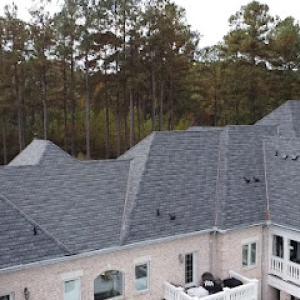
The Roof Mentors
(912) 314-5408 theroofmentors.com
17036 GA-67, Statesboro, Georgia
5.0 from 40 reviews
The Roof Mentors is a professional roofing contractor serving Statesboro and surrounding Georgia communities. We provide residential and commercial roofing, roof repairs, storm damage restoration, and gutter services. Our team focuses on quality workmanship, clear communication, and dependable service from inspection through completion. Whether you need a roof replacement, repairs after a storm, or routine maintenance, we deliver solutions built to last and stand behind our work. Contact The Roof Mentors today to schedule an inspection or request a quote from a trusted local roofing company in Statesboro.

South Shore Roofing
(912) 623-4170 www.southshoreroof.com
1807 Cypress Lake Rd, Statesboro, Georgia
4.8 from 119 reviews
With substantial roofing experience, South Shore Roofing offers the best services for your residential or commercial roof in Statesboro, GA. Call us today! Make sure to call us for any roof repair, replacement or installation services you may require, or to request a free roof quote or inspection. Our roofing contractors are the best and most professional specialist that have a combined experience of over 50 years. We have a long-standing reputation for outstanding customer service and an unmatched experience. We are Statesboro locals and treat our customers like neighbors and family. Our dedication to high-quality work and an incredibly smooth experience have made hundreds of happy homeowners throughout the years.
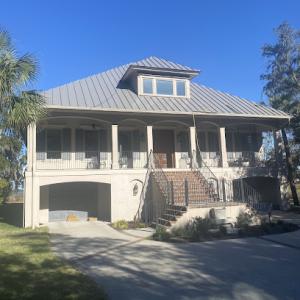
AA Home Improvements
17931 GA-67, Statesboro, Georgia
5.0 from 22 reviews
We’re a Statesboro Georgia based roofing and gutter company servicing Bulloch and surrounding counties.

Republic Roofing & Renovation
(866) 213-3782 republicroofingusa.com
260 Maria Sorrell Rd, Statesboro, Georgia
5.0 from 10 reviews
Commercial and residential roofing
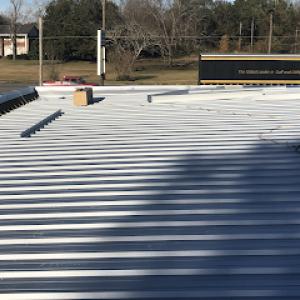
JH Roofing & Repairs
(912) 655-8069 jonnemily1954.wixsite.com
Statesboro, Georgia
3.0 from 2 reviews
Hello Everyone, My name is Jonathon Horseman. I am the owner of JH Roofing & Repairs. Great little company with 35 years combined experience. I offer anything from a leaky patch work to full on metal roofs, shingle, rubber you name it I can do it. All my shingle roofs are nailed on by hand. That’s the way it was done all them years ago and I believe that is the way to get the best roofing system for your house. So don’t be afraid to give me a call I offer free quotes and I am a man of my word and take pride in my work after all your work is what gets you more. Thank y’all for reading up on me..!!
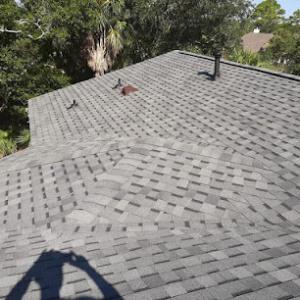
A&J Roofing Company
(912) 334-9537 aandjroofingcompany.com
Serving
5.0 from 3 reviews
Roofing Company in Claxton and the surrounding areas
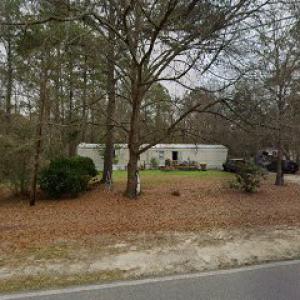
3rd generation roofing
Serving
5.0 from 1 review
The Jenkins name has been serving the savannah and surrounding area's since 1927..I'm a 3rd generation of roofing and carpentry..but we do it all..so dont wait call me for any job..
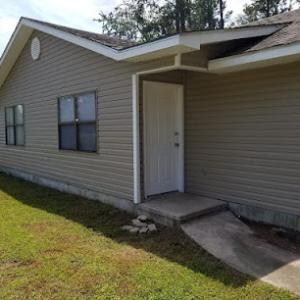
Coleman Contractors
(912) 319-0179 colemancontractorsga.com
Serving
4.0 from 2 reviews
Coleman Contractors is a reliable roofing contractor with more than 35 years of experience. When you choose us you will get timely and affordable roofing services at affordable price. We value our clients and aim to provide quality services. We use only quality materials, so you will have a durable new roof in reasonable time frame. Give us a call today and let's get started.
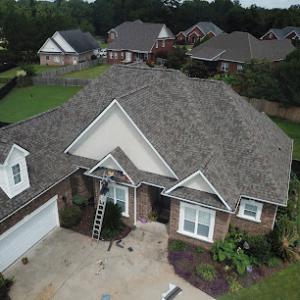
Roof Medic
439 S College St, Statesboro, Georgia
Family Owned and Operated Over 25 Years Combined experience 10 Year Workmanship Warranty Residential and Commercial
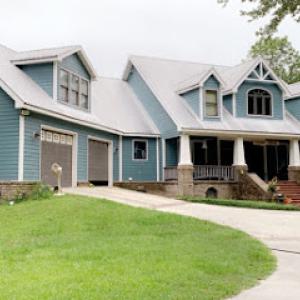
Atlantic Roofing & Construction- ARC
(912) 212-6194 atlanticroof.org
5677 Middle Ground Rd, Statesboro, Georgia
Family-owned and locally operated, Atlantic Roofing and Construction is dedicated to providing you with exceptional customer service. With over a decade of experience, ARC makes the roof replacement and installation process seamless for homeowners. There is always a chance of severe weather, which increases the chances of damage and need for roof replacement. In addition, over time shingles wear out and need to be replaced. There are only so many times a roof can be repaired.
In this part of Bulloch County, you're often weighing timing with the late-summer storm risk and tropical winds that can arrive fast after a heavy rain. The local crews know that humidity means moisture control matters from day one, so planning a roof project around the storm season saves you from costly delays and rework. Start by lining up your material choice with the seasonal forecast: asphalt shingles stay most cost-efficient if you're not chasing a long dry-in window, while metal or concrete tile can weather heat and humidity well but stretch the budget, especially during peak demand.
Material costs you'll see locally align with typical ranges: Asphalt Shingles run about 350-600 USD per square, Metal Roofing 700-1200, Clay Tile 1100-1900, Concrete Tile 900-1500, Wood Shingles/Shakes 600-1100, and Synthetic/Composite Shingles 700-1200. Those numbers reflect the two-step inspection pacing common in Bulloch County projects and the push-and-pull of crews juggling repairs from late-summer storms with new installations. If your house is in need of a quick dry-in during a humid spell, asphalt remains the most predictable option for a straightforward schedule and cost control.
Timing around storm risk matters. When tropical activity ramps up, you'll often see emergency demand creep across the region, and local crews can be pulled toward repairs after heavy rain or wind events. If you can arrange the project to begin in a window of lower post-storm activity, you'll benefit from smoother scheduling, fewer weather delays, and more predictable material availability. For a concrete or clay tile installation, you're looking at longer lead times and stricter handling due to humidity and wind, so build extra buffer into your timeline.
Dry-in and finish pacing are especially sensitive to late-summer weather. In Statesboro, you may encounter a two-step inspection rhythm that requires you to stage materials and crews to accommodate both rough and final checks, with dry conditions in the forecast guiding your sequence. Align your start date with a forecast that promises a solid stretch of dry days, and keep a contingency plan for weather-driven pauses. This approach helps you avoid rework and keeps the project on a steady track through Bulloch County's humid, storm-prone season.
In Bulloch County, a building permit is typically required for a full re-roof, and this applies to homeowners replacing a roof rather than building anew. That means a re-roof project on a standard residential home in the area follows the same permitting framework as any major exterior work. The permit is not automatically granted; the process ensures that materials, ventilation, flashing, and deck integrity meet local codes and humidity-driven weather considerations common to this inland-coastal climate. If a contractor is handling the project, they can file the permit on your behalf, but the key point is that inspections are scheduled by the permit holder. This control over the inspection timeline can influence how you plan the work, especially during the humid storm season when moisture control is critical.
Bulloch County's typical inspection sequence for a re-roof starts with a rough inspection focused on the deck, underlayment, and flashing. This inspection checks that the roof deck is sound, the underlayment is properly installed to shed moisture, and the flashing around valleys, chimneys, vents, and walls is correctly integrated. Given the local exposure to summer downpours and late-season tropical wind risk, ensuring an airtight and well-sealed underlayment is essential before the final roof covering goes on. If weather windows are tight, coordinate with the permit holder to align the rough inspection with favorable conditions, so moisture intrusion can be minimized during the transition.
The final inspection occurs after the roof covering is installed. At this stage, inspectors verify that the chosen roofing material is properly installed, that ventilation and moisture control measures meet code, and that the overall assembly can withstand Statesboro's typical humid patterns and potential wind events. This step is especially important when upgrading or changing roofing materials, as improper installation can magnify weather-related vulnerabilities later in the season.
Because the permit holder controls inspection timing, it helps to have a clear schedule early in the project and maintain open lines of communication with both the contractor and the permitting office. If a mid-project weather window opens, discuss options for accelerating or delaying the rough inspection in a way that still preserves moisture control. Keep documentation organized: permits, inspection notices, and any amendments to the plan should be readily available when inspectors arrive. Understanding this sequence helps homeowners reduce delays and ensures the temporary exposure of the deck and underlayment during the transition is minimized, aligning with Statesboro's humid storm season and tropical wind risk.
Georgia homeowners insurance generally includes wind and hail coverage, but claim activity can spike after summer storms and tropical-weather events affecting southeast Georgia. In practice, that means you may face busier claim lanes and longer response times when a string of downpours rolls through Bulloch County. If you've already endured several storm events in a season, anticipate a fuller inspection pipeline and potential questions about prior condition and repairs. Knowing this helps you pace any reroof plan so that avoidance of back-to-back claims doesn't become a pressure point for your coverage.
Adjusters in this market commonly expect documentation such as roof age, prior repair history, and photos, which is especially important when damage follows repeated rain events rather than a single obvious loss. Keep dated records of any leaks, shingle curling, or granule loss, and store repair receipts or contractor notes in a weatherproof folder. When a claim is filed after a mid-summer storm or a late-season tropical system, clear visuals and a concise timeline can prevent debates about what happened when, particularly on roofs with mixed shingle lines or aging underlayment.
Because the humid storm season in this region blends with late tropical wind risk, timing a roof replacement becomes a weather-centric decision. Dry, calm windows after a series of heavy rains reduce the chance of interior moisture intrusion during installation and limit the risk of wind-driven disturbances to loose materials. If you wait too long into late summer or fall, storms can complicate scheduling, material shortages can stretch timeframes, and lingering humidity can stress a newly installed roof during the critical early weeks. Plan for a tight, technique-focused install with moisture containment as a priority.
In Bulloch County, repeated rain events can mask underlying issues such as plywood softening, rusted flashings, or compromised attic ventilation. Before moving to replacement, scrutinize for signs of hidden damage that might not be obvious from the ground. Complex hip roofs or older decking may conceal leaks that become evident only after a storm cycle passes. A thorough, staged inspection helps prevent mounting problems that could surface during the next tropical wind event.
If a claim is contemplated after back-to-back storms, expect agents to request the full narrative: when events occurred, what areas were affected, and how prior repairs addressed similar symptoms. Present a cohesive history, including photos taken before and after any interim fixes. In a market where underwriting has tightened, solid maintenance and repair records can support a smoother transition into coverage shopping or policy adjustments when the time comes.
In Bulloch County, roof work hinges on humid storms, late-season tropical wind risk, and a two-step inspection process. The window you'll want to target is October through November for the most reliable installation conditions, with spring acting as a solid secondary option. Summer projects carry the highest risk of rain delays and moisture exposure, while winter work is slowed by humidity and occasional cold snaps but remains doable in milder spells.
When you plan for fall, start by arranging the project in late September to early October, so the crew can stage materials after any lingering summer showers. The dry, milder conditions in October and November minimize moisture intrusion during teardown and re-roofing, and they keep drying times predictable. Schedule inspections in the two-step process so timing aligns with favorable days and dry weather. If a tropical system lingers into early fall, adjust the start by a week or two to catch an uninterrupted stretch.
Spring offers relief from the peak summer heat while staying ahead of hurricane season ramp-up. Target mid-Manuary through April so the project avoids the harshest heat yet precedes the humidity spike that follows. Use this window to complete under sunny forecasts and still allow for moisture checks before any late-spring storms.
Summer is the year's most weather-volatile period; plan for backup days and extended timelines. Have a contingency plan for rain delays and ensure storage and staging areas stay dry. If a tropical wind risk develops, ready the crew to pause work and protect open edges and underlayment until conditions improve.
Winter work is feasible when temperatures stay above freezing at night. Prioritize days with low humidity and minimal wind to protect moisture-sensitive materials. Communicate with the two-step inspection timeline to avoid gaps caused by cold snaps or unexpected cold fronts.