
Last updated: Apr 19, 2026
Coastal proximity means marine air constantly bathes roofing assemblies. Corrosion risk is a central material-selection issue, especially near the coast where salt-laden spray can settle on fasteners, flashings, and metal edges. When choosing materials, favor systems with corrosion-resistant fasteners and hardware, or plan for protective coatings and periodic fastener checks. Durable metal options with non-corrosive substrates perform well here, but any metal must be paired with proper sealants and flashing designed for salt exposure. For asphalt or composite shingles, look for products with algae and salt resistance bands and verify asphalt's protective granules stay intact under salt spray. If vented ridge or soffit details are not well-sealed, salt can migrate along the deck edge, accelerating deterioration. A practical approach is to choose a roofing system that emphasizes corrosion-resistant components at all exposed interfaces, with a proactive plan for periodic inspection after storms or sustained windy periods.
The tropical humidity keeps roof assemblies damp longer after rain, which raises concerns around trapped moisture, underlayment durability, and fastener corrosion. In this climate, underlayment choices matter as much as the shingle or tile itself. Favor underlayments that resist mold, mildew, and moisture trapping, and ensure they are properly lapped to shed water toward the gutters. Ventilation strategy should prioritize continuous intake and exhaust paths to reduce humidity buildup beneath roofing layers, especially in attic or roof-void spaces. Pay attention to potential condensation across decking during cool nights followed by warm days. If a roof deck is older or stressed, consider upgrading to a breathable, high-performance underlayment and verify that all penetrations are sealed with corrosion-resistant flashings. Regularly inspect for signs of moisture-induced staining or soft spots, which can indicate slow leaks that aren't immediately visible from the exterior.
The warm tropical UV aggressively ages surface materials, causing granule loss on shingles and fading on coatings. This accelerates wear, particularly where sun exposure is constant and reflective surfaces amplify glare. For shingle options, selecting UV-stable formulations with built-in protective granules or reflective coatings can extend service life. Tile systems should be evaluated for colorfastness and matrix strength against thermal cycling caused by sun exposure. Consider reflective or cool roof options when available, as reduced heat gain helps protect the underlying deck and mechanical components from heat-induced degradation. Periodic cleaning to remove salt spray and organic debris can preserve UV resistance; avoid abrasive cleaners that could scratch protective surfaces. A targeted maintenance plan can help maintain both appearance and performance despite high UV loads.
Strong trade winds and periodic storm gusts affect shingle uplift risk, flashing performance, and safe scheduling windows for tear-off and installation. On exposed ridgelines or coastal slopes, uplift resistance becomes a practical design priority. Reinforce edge details and choose fastener patterns rated for high-wind environments, with corrosion-resistant fasteners. When planning any tear-off or replacement, align work with favorable wind forecasts and avoid installation during periods of high wind or imminent storms. Temporary wind barriers or canopy protection can help crews manage safety and keep materials from becoming projectiles during gusts. Ensure flashings at vent pipes, skylights, and transitions are continuous and sealed to resist wind-driven water entry. A conservative approach during the wet, windy season reduces rework and protects adjacent structures from water intrusion during a storm event.
In this climate, proactive maintenance beats reactive repairs. Schedule a seasonal inspection focusing on salt-affected fasteners, flashing joints, and any signs of corrosion at coastal edges. After a heavy rain, check for moisture infiltration around penetrations and along eave lines, where runoff water can find its way into concealed pockets. Inspect roof surfaces for loose or cupped shingles, micro-cracks, or tile displacement that wind could exacerbate. Clean gutters and downspouts regularly to prevent backflow that can trap moisture near the roof deck. For metal roofs or metal details, inspect for pitting or discoloration that suggests corrosion starting points and address them promptly with manufacturer-approved coatings or sealants. Keep an eye on underlayment edges at transitions; humidity can cause delamination if underlayment is not properly installed or protected.
Timing matters because the dry season often brings more predictable workdays and less rain-driven disruption. Plan major repairs or replacements during windows with stable, dry conditions and modest wind forecasts. When planning work, coordinate with the crew to ensure you have a clean, dry work surface and a clear path for material staging that minimizes windborne debris. Consider pre-staging materials away from the coastline if possible to reduce salt exposure during installation. After completion, document the warranty-covered components and set a reminder for a mid-term inspection to verify flashing integrity, fastener condition, and overall system performance as the salt wind continues to cycle through the year.
Asphalt shingles are a common sight on many homes, and they can be a sensible first pick in a climate defined by salt-laden humidity and fierce tropical sun. The key reality here is accelerated aging from UV exposure, heat, and wind-driven rain. In a setting like this, you'll want a higher-quality, UV-resistant asphalt mix and a factory-applied glassy or ceramic coating that helps resist fading and embrittlement. Choose shingles with stiffer granules and a reputable sealant system that stands up to salt spray. Regular inspections after heavy rainstorms should focus on shingle lift, granule loss, and the integrity of flashing around chimneys and vents. Be prepared to re-seal or reseal penetrations more frequently than in milder climates, and consider upgrading to a reinforced underlayment that can better handle coastal moisture.
Metal roofing is a major local specialty because it sheds rain efficiently and performs reliably in wind. The critical consideration here is corrosion resistance in a salt-air environment. Look for systems that use corrosion-resistant alloys, like aluminum or galvalume-coated steel, and check for coatings designed to endure long-term exposure to Hawaii's salt spray. When selecting fasteners, choose stainless steel or other corrosion-resistant options, and ensure the entire system-ridge caps, panels, and flashing-uses compatible, non-corrosive hardware. A well-designed snow-free detail for this climate isn't the goal, but you still want robust edge detailing and wind uplift resistance, especially in storm seasons. Regular inspection of joints and sealants is essential, since salt spray can creep into small gaps and compromise performance over time.
Clay and concrete tile suit many established Honolulu homes, matching the regional aesthetic and providing good durability in hot sun. Yet weight is a legitimate concern; ensure the structure can carry the load without settlement or cracking. Tile performance hinges on a solid underlayment and appropriate fasteners that won't corrode in humid, salty air. In a coastal setting, cracked tiles can become pathways for moisture, so keep an eye on the condition of the substrate and flashing. Humidity can also affect grout and sealants around the roof deck, so re-sealing or replacing weathered sealants around penetrations is part of a proactive maintenance plan. Because tile can be brittle in sudden temperature shifts or under severe impact, plan for a maintenance interval that includes careful inspection after tropical storms.
Concrete tile shares many considerations with clay tile but often carries more mass and slightly different breakage risks. In humid coastal settings, the underlayment and deck-to-tile interfaces are especially critical. Ensure there is an integrated moisture barrier beneath the tiles and that the deck has proper drainage and ventilation to minimize mold or mildew buildup in the attic or roof cavity. Inspect the tile bed and mortar joints for movement after storms, and watch for efflorescence or salt deposition that can indicate moisture pathways. If a tile roof begins to show widespread cracking or spalling, plan for a staged replacement strategy that preserves structural integrity while mitigating exposed underlayment.
Wood shingles or shakes offer classic curb appeal but demand strict moisture management in a humid, salt-rich climate. Wood must be treated and maintained to resist rot, mold, and marine-grade insect exposure. Choose species and finishes formulated for coastal environments, and implement a regular cleaning plan to remove salt deposits that can degrade finishes. Ensure vented or properly insulated attic spaces to minimize condensation. If you notice soft spots or dark, moldy patches, address them quickly, as prolonged moisture exposure accelerates decay and invites wood-destroying organisms. The roof deck must stay dry, or the wood can deteriorate ahead of the shingles.
Synthetic or composite shingles can offer a balance between cost, weight, and resistance to weather. In a salt-air environment, the focus should be on UV stability, color fade resistance, and the long-term performance of asphalt-alternative materials. Look for products with proven coastal performance and warranties that cover salt spray exposure. These systems often provide easier maintenance and lighter weight compared with real wood or heavier tiles, while still delivering respectable resistance to wind-driven rain when properly installed. Regular checks around edge details and penetrations help ensure a long service life in a climate where humidity and salt can challenge any roof.
In this climate, the drier months are the preferred reroofing window because winter into early spring brings more rain and more moisture-related delays. You gain usable daylight hours, fewer sudden showers, and a safer, cleaner tear-off and replacement. Planning around a dry spell helps the crew keep fasteners, underlayment, and flashing dry long enough for sealants to cure. If you can align material deliveries and access with a stretch of steady sun, you cut down on re-drying times and minimize moisture-driven setbacks.
Even outside the wetter season, passing showers and trade-wind gusts can compress daily work windows and increase the need for staged tear-off protection. On a given day, a brief shower can halt progress without warning. The crew may stage tarps, wind-breaks, and temporary decking coverings to keep work areas dry while sections are laid out. Expect shorter shifts when trade winds gust and shift direction, especially if the roof slope catches sudden gusts. Clear, predictable forecasts are your best guide, but in practice you plan for variability and build buffer days into the schedule.
Scheduling matters more in Honolulu because exposed decking and underlayment can be hit by sudden rain in a humid environment where drying is slower. If decking gets damp, fasteners and sealants may not achieve full bite or cure properly, which can compromise the roof's long-term performance. A practical approach is to stage tear-off in sections, so any wet decking remains isolated while adjacent areas are prepped and protected. Use breathable underlayment where possible and ensure roof access points stay protected during a shower spike. When the forecast shows a string of dry days, coordinate the sequence to maximize dry application time for underlayment and flashing cycles.
Lock in the requested dry-season slot early, but keep a flexible back-up plan for late-season delays that bring net moisture. Communicate with the crew about the likelihood of sudden showers and the need for quick-cover shutdowns, especially during the critical tear-off phase. Have a dedicated rain contingency: tarps, portable fans for dry-out on small sections, and a lightweight staging area to keep sensitive components shielded. If a wet spell slides into your planned window, shift to brief, controlled portions of the job with staged tear-off protection and prioritize components that are most vulnerable to moisture exposure. In a place with strong trade winds, verify that all fasteners, flashing, and sealants are secured for wind-driven rain and that temporary roof protection remains intact during gusts.
Get a clear picture of your project costs upfront - no commitment required.
Oahu Roofing & Repairs Honolulu
(808) 746-7377 oahu-roofing.com
1138 Kamaile St #3, Honolulu, Hawaii
5.0 from 84 reviews

MRC Roofing
(808) 842-4464 mrcroofinghawaii.com
1041 Puuwai St, Honolulu, Hawaii
4.8 from 65 reviews
LeakMaster Roofing
(808) 591-1900 www.leakmaster.com
1363 S Beretania St., Honolulu, Hawaii
4.8 from 43 reviews
Oahu Roofing & Repairs Honolulu
(808) 746-7377 oahu-roofing.com
1138 Kamaile St #3, Honolulu, Hawaii
5.0 from 84 reviews
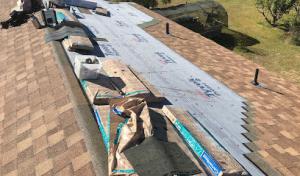
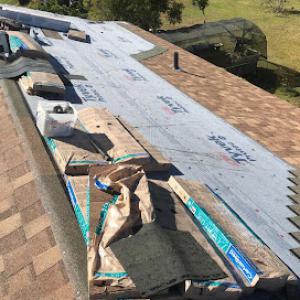
Oahu Roofing & Repairs has our main location in Honolulu. Centrally based we are able to provide roofing services throughout Honolulu and on Oahu. We always recommend you get at least 3 estimates for your roofing project & we hope that Oahu Roofing & Repairs is one of them. We specialize in new roof installations and roof replacements. We can demolish an old existing roof & install the new roof in a matter of a few days depending on the size of your roof. Our prices are extremely competitive as the other roofing companies in Honolulu are skilled & competitive as well. We provide both residential & commercial roofing services & we can handle any type of roofing project. Call us for a free estimate & guidance on your upcoming roofing project.
All Around Roofing & Waterproofing
(808) 226-8864 aaroofinghawaii.com
Honolulu, Hawaii
4.9 from 110 reviews
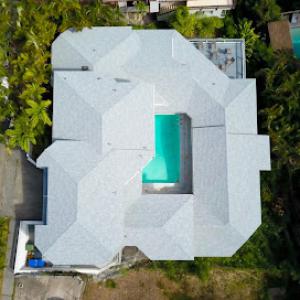
For over 15 years, All Around Roofing & Waterproofing has made a name for reliable roof repair and replacement services to residents and businesses in Kailua. Our focus on hard work and perseverance has earned us a solid reputation as one of the best roofing contractors in Hawaii. We’re not just any typical Oahu roofing company; we provide our residential and commercial roofing services with the Aloha spirit!
Ohana Construction
(808) 999-0941 www.ohanaconstruction.com
2144 Kauhana St, Honolulu, Hawaii
4.8 from 157 reviews
Aloha & Welcome to the Ohana, Ohana Construction is a State of Hawaii General Contractor, Roofing, Contractor, and Painting Contractor operating locally for the last 16 years with 25 years combined business experience. We put Ohana first. We pride ourselves in exceptional customer service. Everyone is treated like family and family comes first. The Ohana Mission is to provide clients an all-in-one solution for their construction needs. Help clients bring their plans and visions to fruition. We improve the lives of our clients through high level business integrity, fair practice, pricing, and continually putting the needs of others first. We pride ourselves in sustainable development practices and giving back to our community.
Gold Pacific Roofing
(808) 744-1476 www.goldpacificroofing.com
792 Kalina Pl, Honolulu, Hawaii
5.0 from 35 reviews
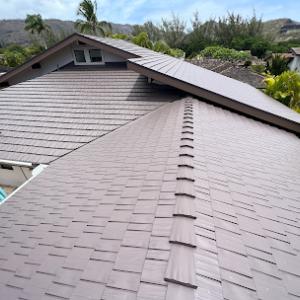
Oahu's Best Roofers! Residential Roofing. Our Roofing Technicians Specialize in Roofing Restoration and Full Replacement. A Local Hawaiian Roofing Company that puts its Heart & Soul into each Roof Project. 100% Locally Owned and Ohana Operated all of Roofers are Insured. Our Roof Replacements come with a 7 year labor warranty. Call us today to Schedule your Free 10 minute Roofing Inspection.
FBC Roofing
(808) 236-0756 www.fbc-hawaii.com
3050 Ualena St Unit D, Honolulu, Hawaii
4.7 from 150 reviews
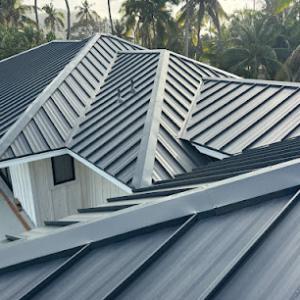
FBC Roofing, based at 3050 Ualena Street Unit D in Honolulu, is your premier roofing contractor providing top-notch roofing services across the Hawaiian Islands since 2009. Specializing in roof repair, roof replacement, and new roof installation, we cater to both residential and new-build projects. Our expertise includes metal roofing, shingle roofing, and asphalt roofing, ensuring durable and leak-proof solutions. With GAF Master Elite certification, we guarantee premium materials and reliable workmanship. We also offer gutter installation and repair services. Schedule a free roof inspection now—call (808) 236-0756, and let us safeguard your home today!

MRC Roofing
(808) 842-4464 mrcroofinghawaii.com
1041 Puuwai St, Honolulu, Hawaii
4.8 from 65 reviews
MRC Roofing is a trusted, locally owned roofing company serving Hawaii’s residential, commercial, and industrial sectors with expert roofing solutions. Specializing in roof installation, repairs, maintenance, and inspections, MRC Roofing provides durable and reliable roofing systems tailored to the unique demands of Hawaii’s tropical climate. Whether it’s installing new roofs, repairing leaks, or providing regular maintenance, their team of skilled professionals ensures top-quality results using the best materials and industry practices. With years of experience, MRC Roofing is adept at handling various roofing types, including asphalt shingles, metal roofs, tile roofing, and flat roofs. They also offer solar-ready roofing systems and en...
R & C Roofing Contractors
(808) 888-2524 roofinspectionhawaii.com
3302 Campbell Ave, Honolulu, Hawaii
4.8 from 33 reviews
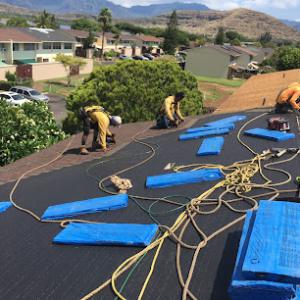
As with most everything in life, every roofing project comes with its challenges. Whether it be estimating, insurance coverage, material cost and safety to weather, manpower and transportation. Each roof is special in many ways. We at R&C Roofing Contractors embrace these challenges and like to see the beauty that presents itself along the way. R&C Roofing Contractors & Installation professionals have over 50 years of combined roofing experience we are capable of installing most any product you choose. We will walk you through the different manufacturers & the various products they offer to find the roofing product that best meets the needs of your home or business. Call us, we service the islands of Oahu, Maui, Molokai, Kauai and Hawaii
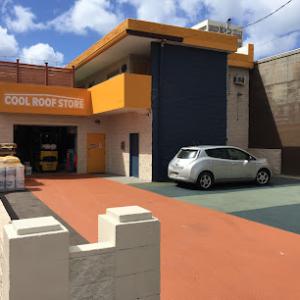
LeakMaster Roofing
(808) 591-1900 www.leakmaster.com
1363 S Beretania St., Honolulu, Hawaii
4.8 from 43 reviews
Roofing company serving Oahu since 1979. Complete services, from Roof repairs to brand new roofs for homes, residential or commercial buildings. Get Cool coatings that do exactly that - cool your house or building from the hot Hawaii sun. All Roof types served - Shingle, Metal, Flat or Monier Tile. We've done every kind, so we can do the job for yours, too. Call us today for a Free Estimate and Consultation.
Roof Maxx Hawaii
(808) 522-7663 getroofmaxx.com
Honolulu, Hawaii
4.9 from 30 reviews
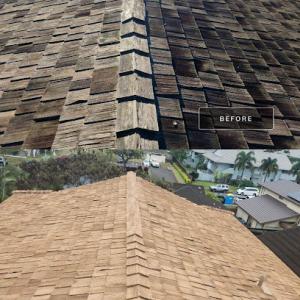
Replacing your asphalt roof costs thousands of dollars and is a disruption to your daily life. For an affordable and less invasive alternative to a roofing replacement, reach out to the experts at Roof Maxx Hawaii in Mililani, HI. This locally owned and operated roofing company offers a specialized application to prolong the lifespan of roofing systems for clients across central Oahu. Asphalt roofing becomes weathered and susceptible to leaks after years of taking a beating from Mother Nature. This trusted team uses an environmentally friendly application to restore shingle pliability, permeability, and adhesion.
Pamalu Roofing
1308 Hart St Unit A, Honolulu, Hawaii
4.9 from 27 reviews
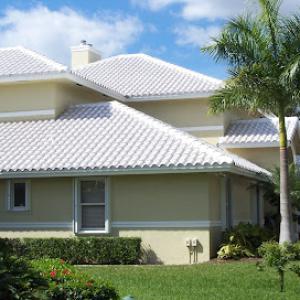
Pamalu Roofing is a family-owned company with 45+ years of experience serving homeowners across Honolulu, Kailua, Ewa Beach, Kapolei, and Pearl City. Our licensed and insured team specializes in roof repair, roof replacement, re-roofing, skylight installation, and gutter services — all built to handle Hawaii’s salt air, heavy rains, and hurricane winds. Known for our expertise in finding and fixing leaks the first time, we’re also trusted to guide Oahu homeowners through the insurance claim process after storm or wind damage. Whether you need a small roof repair or a full replacement, you can count on Pamalu Roofing for quality, reliability, and local care.
Protech Roofing & Insulation
(808) 845-1300 www.protechroofinghonoluluhi.com
1074 Mikole St # 4, Honolulu, Hawaii
4.7 from 34 reviews
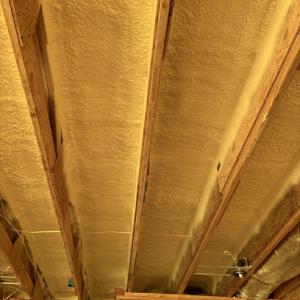
Looking for a roofing contractor in Honolulu, HI? Look no further! At Protech Roofing & Insulation, we pride ourselves on delivering exceptional quality and unparalleled customer service. We offer free roof inspections to ensure your home is in perfect condition. Whether you need residential roofing contractors or spray foam insulation experts, our professional team is here to help you. Plus, we honor our military and seniors with special discounts. Your satisfaction is our priority. Contact us today for all your roofing and insulation needs and experience the Protech difference!
Honolulu Roofing Crew
(808) 207-3818 www.hawaiiroofingexperts.com
1139 Union Mall, Honolulu, Hawaii
5.0 from 8 reviews
"Honolulu Roofing Crew, a department of Pamalu Roofing, was established over 45 years ago and has helped families and businesses all across Oahu with roof installation, roof repair, fixing roof leaks, roof inspections, and so on! Our Honolulu roofers have ample experience with all sorts of roofing issues, so can provide you with the advice and experience you need to have a successful project. We also take COVID precautions, to ensure both our team and our customers are safe. Many customers don’t realize that they can get insurance to cover much of their roofing costs - we are experts when it comes to insurance claims, and can help you to get your insurance to cover most of the expenses. Give us a call today to see how we can help with you
Local claim and repair demand rises after periods of wind and storm activity, making fast temporary protection important when active leaks appear. If you notice rain coming in during a nor'easter-like squall or persistent trade-wind gusts, set up quick, provisional barriers immediately. A heavy-duty tarp weighed down with sandbags or ballast blocks can seal the most vulnerable edge zones while you arrange a proper fix. Do not wait for a contractor to arrive before taking action-every hour of delay can turn a small drip into a full ceiling leak and a mold-friendly moisture problem.
Wind-driven rain in this market can expose weaknesses at ridges, valleys, penetrations, and edge details even when the roof covering itself looks mostly intact from the ground. Focus your attention on the highest risk spots: seam intersections around vents and plumbing boots, flashing laps at hips and ridges, and any solar or sat-com penetrations. If you can safely access the roof, inspect with a dry tool-don't scrub or scrub a wet surface with high salt exposure, which can worsen corrosion of metal flashings. Take clear photos from multiple angles to share with a pro so they can triage before arrival.
Because humidity is high year-round, leak response here is not just about stopping water entry but also limiting mold-prone moisture retention in the roof assembly. After a leak threat is contained, dry the interior quickly and reduce lingering dampness in roof spaces. Use dehumidifiers or fans where safe to promote airflow in the attic or deck area, and address any damp insulation promptly. Salt-laden air accelerates corrosion and can compromise metal details, so plan repairs with corrosion-resistant materials and proper sealing at all penetrations.
When active leaks appear, establish a temporary containment plan and document every step. Cover exposed areas with durable tarps anchored against wind, then arrange for a licensed roofer to reflash, reseal, or replace compromised ridge, valley, and penetration details. Keep a log of dates, weather conditions, and water intrusion paths. If you observe salt crust around flashing or fasteners, mention it to the contractor so they select corrosion-resistant hardware and seam materials. After the rain subsides, schedule a thorough moisture assessment of the roof deck, fasteners, and underlayment to prevent hidden mold from taking hold.
When you can't wait, these contractors offer fast response times to stop leaks and prevent further damage.
Oahu Roofing & Repairs Honolulu
(808) 746-7377 oahu-roofing.com
1138 Kamaile St #3, Honolulu, Hawaii
5.0 from 84 reviews
All Around Roofing & Waterproofing
(808) 226-8864 aaroofinghawaii.com
Honolulu, Hawaii
4.9 from 110 reviews
MRC Roofing
(808) 842-4464 mrcroofinghawaii.com
1041 Puuwai St, Honolulu, Hawaii
4.8 from 65 reviews
For asphalt shingles, the local range is about $350 to $700 per square. Metal roofing typically lands between $800 and $1500 per square. Clay tile projects sit around $1200 to $2400 per square, while concrete tile usually runs $1000 to $1800 per square. Wood shingles or shakes are generally $600 to $1200 per square, and synthetic or composite shingles fall in the $600 to $1100 per square band. These figures reflect the specific Honolulu market and the island's logistics, not generic mainland pricing. If you're comparing bids, be sure each quote lines out material, underlayment, fasteners, and the same scope of work so you're not inadvertently mixing apples and oranges.
Honolulu pricing is shaped by island supply logistics, which can affect material availability, lead times, and replacement timing compared with mainland markets. In practice, that means a bid may look cheaper on paper, but you could face longer waits for materials or a premium if a shipment is delayed by weather or port schedules. When planning, consider ordering key components early and building a cushion for lead times, especially if you're choosing clay or concrete tile, which can be more sensitive to supply swings. If a selected product isn't readily available locally, a reputable contractor should propose a compatible substitute with a clear cost delta.
Costs can also rise with corrosion-resistant accessories, tear-off complexity, and weather staging needs tied to Honolulu's humid, windy, rain-prone conditions. For coastal exposure or homes with salty winds, expect to invest in corrosion-resistant fasteners, treated underlayment, and flashings designed for salty air. These upgrades protect long-term performance and can add to the initial square-foot price, but they're prudent in a salt-laden environment. Tear-off work often carries an added staging charge in this market to safely manage wind and humidity during replacement.
If longevity and low maintenance matter, metal and concrete or clay tile options frequently perform well in trade-wind conditions and high UV exposure. Synthetic shingles can pairs cost advantage with decent durability, but sealing systems and reflective coatings matter in glare-heavy days. Asphalt remains a flexible, cost-conscious choice for many Honolulu homes, yet its higher wear from salt and humidity may tilt the calculation toward longer-term replacement cycles. Weigh the immediacy of costs against the expected life span and availability of local service after install.
Explore specialists in steel, aluminum, and standing seam metal roofs built to last 50 years or more.
Oahu Roofing & Repairs Honolulu
(808) 746-7377 oahu-roofing.com
1138 Kamaile St #3, Honolulu, Hawaii
5.0 from 84 reviews
All Around Roofing & Waterproofing
(808) 226-8864 aaroofinghawaii.com
Honolulu, Hawaii
4.9 from 110 reviews
Gold Pacific Roofing
(808) 744-1476 www.goldpacificroofing.com
792 Kalina Pl, Honolulu, Hawaii
5.0 from 35 reviews
A permit is typically required for a full reroof in Honolulu through the City and County of Honolulu Department of Planning and Permitting. Because the climate here pushes metal and tile materials to perform under constant salt-laden humidity and strong trades-wind exposure, having the correct permit helps ensure the work aligns with local codes for wind uplift, drainage, and coastal corrosion resistance. Your permit process will typically start with a site plan and roofing material details, and the review may raise questions about flashing, metal components, and underlayment choices designed for this island environment.
Local inspections commonly occur during tear-off, after underlayment and installation stages, and again at final completion. Each milestone serves a specific purpose: tearing off old layers confirms the structure is sound and ready for new underlayment; a mid-point check ensures the underlayment, flashing, and ventilation meet code and are installed to withstand salt and UV exposure; final inspection verifies all components are properly sequenced, fasteners are correct for wind considerations, and any penetrations are sealed against moisture intrusion. Because Honolulu roofs often involve concrete or clay tiles, inspectors will look closely at hip and ridge details, base deck repairs, and the integration of wind-rated components.
Because reroof work is inspected in phases, Honolulu homeowners should expect scheduling coordination between contractor progress and city inspection timing. Work cannot progress between milestones without meeting those checks, so align your contractor's schedule with your permit calendar and any HOA or strata requirements. It helps to pre-register for inspections, keep clear access to the roof for inspectors, and communicate any material substitutions early. If weather windows shift-especially during the dry season's tight schedules-coordinate with the permit office about potential rescheduling to avoid delays.
Honolulu sits in a Hawaii insurance environment where frequent wind and storm activity can increase roof-claim scrutiny and premium sensitivity. When a claim lands after a storm, the insurer may pause to separate rapidly damaged edges from decades of coastal wear. The coastal salt air, prolonged humidity, and tropical UV all work together to age materials faster than inland markets, and that reality shapes how claims are reviewed. A claim filed after a notable wind event is likely to be weighed against what was already on the roof and how well it stood up to Honolulu's harsher coastal climate. Expect questions, and expect the need for solid proof.
Insurers may require strong documentation of pre-existing roof condition and may closely review whether damage is tied to a recent wind event versus long-term wear. That means you should have clear records showing the roof's status before the wind arrived: recent maintenance logs, last repairs, and photos from the dry season when the roof looked solid. Keep copies of contractor notes and any weather advisories that accompanied a storm. In this market, a well-documented baseline can determine whether a claim is honored or treated as wear-and-tear.
Wind-mitigation details and records of maintenance, prior repairs, and storm-date photos are especially important when filing roof claims in this market. Build a file that links specific gusts to visible damage, with timestamped photos and dates of service. When a storm hits, this sort of organized history is not just helpful-it can influence the claim's outcome and the speed at which it's handled. Keep it accessible, repeatable, and tied to the roof's actual condition.
Connect with contractors who help homeowners navigate the claims process from damage assessment to final approval.
Oahu Roofing & Repairs Honolulu
(808) 746-7377 oahu-roofing.com
1138 Kamaile St #3, Honolulu, Hawaii
5.0 from 84 reviews
Ohana Construction
(808) 999-0941 www.ohanaconstruction.com
2144 Kauhana St, Honolulu, Hawaii
4.8 from 157 reviews
Gold Pacific Roofing
(808) 744-1476 www.goldpacificroofing.com
792 Kalina Pl, Honolulu, Hawaii
5.0 from 35 reviews
In this market, reroofing often happens while the family stays home, and that requires a contractor who can work with minimal disruption. Look for crews who explicitly plan staged tear-offs so rooms stay dry between rain events and who offer a clearly communicated daily schedule. Ask how they protect interior spaces during removal and how they handle debris containment to keep humidity and salt air from circulating through open living areas. A practical contractor will walk you through safety measures for wind-prone days, including securing ladders, scaffolding, and temporary tarps to prevent leaks during a storm front.
Contractors here differentiate themselves with rapid response during leaks and thorough cleanup after each shift. Seek written commitments for after-hours contact, emergency tarping, and a posted plan for what happens if a storm contributes new damage mid-project. Cleanup should cover not just the yard but door thresholds, crawl spaces, and under-eave areas where salt-spray can accumulate. Verify that the crew uses corrosion-resistant hardware and rust-preventive sealants, since salty humidity accelerates wear on fasteners and flashings. A reputable team will show examples of how they redirect waste and protect landscape beds, while keeping driveways and sidewalks free of debris that can become slick in tropical drizzle.
Long-established or family-run firms commonly signal reliability and continuity, which matters when weather windows are tight and the dry season can shift. Prioritize contractors with a track record on occupied homes, and ask for recent references within the same neighborhood or island. Focus on conversations about workmanship for salt exposure, UV aging, and wind-driven debris resistance. Inquire about warranties that cover both materials and installation against coastal conditions, and insist on a clear, itemized project plan with milestone dates, so you can gauge progress without interrupting daily routines. A prudent choice aligns local know-how with a documented approach to managing salt, humidity, UV, and wind exposure across the reroofing timeline.