
Last updated: Apr 19, 2026
On Oahu's windward side, Kaneohe sits beneath the Koʻolau range where orographic rainfall keeps roofs wetter for longer than leeward communities. That persistent humidity and frequent wind-driven rain drive moisture deeper into the roof deck, flashing, valleys, and penetrations. When a storm train rolls through, roofs may start dripping again before they truly dry out. That living moisture changes the risk profile of any tear-off and dry-in plan, so timing is not cosmetic-it's a matter of protecting the structure, the attic space, and your investment.
The city's pronounced wet season can interrupt tear-off and dry-in schedules. Replacement planning often works best outside the rainiest stretch when underlayment exposure risk is lower. If a project must begin during a wetter window, expect extended dry-in timelines and additional precautions for ventilation and moisture management. In Kaneohe, even a briefly exposed underlayment can soak through quickly, and prolonged exposure increases the chance of deck swelling, fastener corrosion, and flashing failures. Prioritize a window with several consecutive dry days, ideally following a week or two of drier northeasterly trades, to reduce the risk of rain infiltrating the attic and attic-cavity surfaces before metal or asphalt seals can cure.
In this climate, flashing details take on an outsized role in performance. Keystones-valleys, roof-to-wall transitions, skylights, vent pipes, and HVAC terminations-need meticulous backer details and corrosion-resistant materials. Wind-driven rain can press moisture into joints that would otherwise dry quickly in drier climates. Make sure the installation plan locks into a sequence that keeps penetrations shrouded from direct moisture flow during the critical seal stage. Target roof sections with the highest exposure to trade winds for enhanced sealant and metal flashing protection. A failed valley or poorly lapped flashing in Kaneohe can become a moisture conduit that invites staining, wood rot, and attic dampness, especially when the roof deck remains damp between storms.
Persistent humidity means attic spaces act like a sponge when roofs are not drying fast enough. If attic vents and soffit intakes are blocked or undersized, moisture stagnates and can condensate on the underside of underlayment or deck sheathing. Ensure ventilation calculations account for typical trade wind patterns and the extra humidity load from frequent showers. Grounding the strategy in practical steps-sealant selection that tolerates salt spray, ventilated ridge capabilities, and a clear plan for rapid moisture venting after a storm-can prevent mold risk and preserve insulation performance. When a leak is suspected, do not assume the deck will dry out before the next storm; expedite inspection and targeted remediation to keep the attic dry and the roof assembly stable.
Develop a plan that prioritizes critical overlaps between dry periods and essential roof work. Communicate weather-driven contingencies with your contractor: if a scheduled tear-off hits a stretch with consecutive wet days, shift to components that are less sensitive to brief exposure, or stage the project to leverage a drier forecast window. For homes with long eaves, complex penetrations, or mixed materials, allocate extra time for flashing adjustments and re-sealing after the first warm, dry spell. Finally, remember that even a minor delay in sealing around penetrations during Kaneohe's wet season can translate into days of added moisture exposure; build in buffer time for drying and inspection to catch moisture before it becomes a structural issue.
In Kaneohe, asphalt shingles, metal roofing, clay tile, concrete tile, wood shakes, and synthetic shingles all show up in the market, but each responds differently to moisture and salt exposure. Asphalt shingles stay common for value and repair ease, yet their granular surface can degrade a bit faster with relentless trade-wind salt spray and heavy rain if the ventilation isn't solid. Metal roofs offer strong wind performance, but corrosion resistance and fastener or sealant durability become critical because of humid marine air. Clay and concrete tiles bring durability and traditional Hawaii looks, but their weight demands careful structural checks and meticulous edge, ridge, and flashing work to hold up against wind-blown rain. Wood shakes bring a distinct texture and natural resilience, yet their porous surfaces invite faster moisture uptake unless properly sealed and vented. Synthetic shingles can balance weight and moisture tolerance, but long-term performance hinges on UV stability and sealant compatibility in salty air. In practice, choose a system that matches the house's exposure: generous overhangs and well-sealed edges favor heavier systems; open-units with good drainage suit lighter products.
Metal roofs in this market benefit from strong wind performance, but homeowners need to pay attention to corrosion resistance and fastener or sealant durability because of humid marine air. Favor metals with durable coatings and consider concealed-fastener styles to minimize exposed seams where salt air can creep in. For tiles, remember that the windward side pushes pressure along the edges and ridges; edge detailing and flashing must be exceptionally tight to keep out wind-driven rain. Tile installation should include high-quality underlayment and continuous ridge venting to balance humidity and heat, while ensuring that fasteners are rated for saturated conditions. Concrete tiles bring excellent weight and longevity, but improper installation on windy days or in shifting structures can lead to cracked laps or gapping; verify purlins, battens, and underlayment are compatible with your tile choice. Wood shakes add charm and some natural insulation, yet moisture can swell fibers if the roof isn't properly finished with weatherproof sealants and regular re-sealing. If you opt for synthetic shingles, ensure the product carries a warranted performance in salty air and that the adhesive systems hold up under frequent rain exposure.
Begin with a trusted local roofer who understands wind-driven rain patterns and the way salt-laden air behaves at the ridge lines and eaves. Edge detailing matters: trim gutters to prevent ponding at the eaves and keep the fascia clean to avoid moisture trapping behind it. Flashings around chimneys, skylights, and transitions must be compatible with the chosen roofing material and able to withstand repeated wet-season cycles. Ventilation must stay a step ahead of moisture buildup; a well-vented attic helps protect roof decks from mold and warping, especially where trade winds push damp air through the ceiling plane.
Inspect post-wlood-season and pre-wet-season windows for loose fasteners, lifted shingles, or cracked tiles. Salt spray can accelerate corrosion on metal and degrade sealants on all other materials, so reseal and replace degraded components promptly. Clear debris from gutters and valleys to prevent standing water during heavy rains, and check flashing at every major transition twice a year. A proactive approach to moisture-driven wear keeps Kaneohe roofs performing through the wet season and beyond.
Kaneohe roofs face steady northeast trade winds for much of the year, so edge securement, ridge details, and uplift resistance matter even outside named storms. The wind doesn't wait for a lull in rain to test a roof, and those constant gusts can gradually loosen fasteners, bend overhangs, or pry up edges if a roof isn't built with robust wind hold. When choosing materials or upgrades, prioritize systems that emphasize secure edge details, triple-fastened edge metal where applicable, and continuous underlayment that resists wind-driven water intrusion. This isn't about chasing a storm; it's about preventing small, frequent failures from becoming bigger leaks after a heavy squall.
During hurricane season, exposed roofing components in Kaneohe can be vulnerable to wind uplift and debris strikes, especially on older roofs with aging fasteners or brittle materials. The salt-laden air accelerates corrosion on metal components and can embrittle some fasteners over time. Asphalt and synthetic shingles may hold up well in normal rains, but prolonged exposure to salt spray and heat can soften or deform edges, making them easier to lift under wind pressure. Ridge caps, vent flashings, and hips deserve particular attention, as gaps there can channel wind beneath the roof plane. Proactive replacement of brittle vent seals, corroded metal rims, or compromised underlayment patches can mean the difference between a resolvable leak and a costly interior water issue after a strong gust.
To stay ahead, perform a targeted inspection that mirrors what a professional will look for after a storm, but do it on your own when calm weather returns. Start at the perimeter: run a careful eye along drip edges and fastener courses, looking for lifted shingles or missing or corroded nails. Pay particular attention to the areas where the roof meets walls and along any long eave lines-these are the common entry points for wind-driven damage. Inspect ridge details for cracked or loose cap tiles or metal ridge components that don't sit flush. If you notice any gaps, exposed underlayment, or rusting fasteners, plan a prompt repair before the next trade-wind pulse or storm event. In heavy-traffic yards or near driveways, check that any nearby debris is not jamming against the roof edges or wash into vulnerable flashing during rainstorms.
Final roof inspections in Honolulu County commonly focus on wind uplift and flashing compliance, which is especially relevant for windward communities like Kaneohe. When replacement becomes necessary, emphasize a warranty-appropriate underlayment system and an installation that adheres to uplift ratings specific to your roof's pitch and exposure. Ask for fastener schedules that account for corrosion resistance and for flashings that tie into walls and chimneys without leaving vulnerable seams. A properly detailed installation can mean the difference between a roof that simply sheds wind and one that safely resists it.
The windward climate makes moisture control a constant concern, so every durable roof layer-from underlayment to the top surface-needs to cooperate against both rain and wind. Debris-resilient shingles, reinforced edge fastenings, and thoughtfully designed ridge lines all contribute to a roof that can stand up to Kaneohe's distinctive blend of steady trade winds and occasional hurricane pressure. This is not a test once in a while; it is a daily reality that shapes how a roof ages, leaks, and is repaired after a harsh season.
Find local contractors experienced in assessing and restoring roofs after hail, wind, and severe weather events.
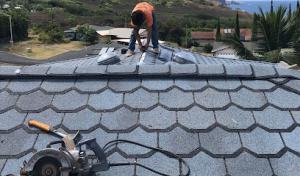
Murakami Roofing
(808) 348-8270 murakamiroofing.com
45-558 Kamehameha Hwy, Kaneohe, Hawaii
4.3 from 12 reviews
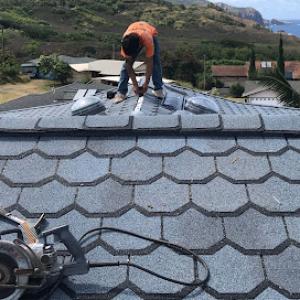
Oahu Roofing Repairs Kaneohe
(808) 825-6420 oahu-roofing.com
Kaneohe, Hawaii
5.0 from 28 reviews
We are Roofing & Repairs located in Kaneohe, HI. Our services include roof inspections, leak repairs, roof repairs, partial re-roofs, re-roofs, new roof installations. We are experienced and manufacturer certified installers for metal roofs, asphalt shingle, cedar shake, ceramic and concrete tile, composite, Japanese ceramic tiles, copper, slate, GACO, torch down, EPDM, and other fluid applied single membrane roof coatings. Roofing contractors on Oahu understand the importance of a reliable roof to protect our homes from rain and wind. Take no chances on your roof and always make repairs or replacements before more damage happens. Give us a call when you need a Honolulu roofing company & we'll provide you with our always free estimate.
Murakami Roofing
(808) 348-8270 murakamiroofing.com
45-558 Kamehameha Hwy, Kaneohe, Hawaii
4.3 from 12 reviews
Murakami Roofing builds strong, water tight roofs as a 3 generation family business since 2003. We are a roofing contractor who prides ourselves on the quality of our work and appreciate our customer's business. Whether you need a roof in Manoa or Ewa Beach, to Kaneohe to Kahaluu, Wahiawa to the North Shore, Hawaii Kai to Waimanalo, Murakami Roofing is the roofer to call for Oahu roofers.
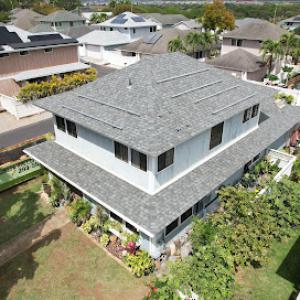
Attyx
Serving
3.5 from 25 reviews
Elevate your Hawaii home with ATTYX, your premier provider for roofing, HVAC, and solar solutions. Enjoy quality services without upfront costs, ensuring comfort and protection for your home. Our comprehensive offerings include expert roofing solutions, hassle-free solar panel services, and efficient HVAC installations tailored to Hawaii's climate. From the Big Island to Oahu, our local teams provide professional services, ensuring your home withstands the elements. Upgrade for $0 out of pocket with our financing options and increase your home's value effortlessly. Request your quote today and connect with savings!
All Around Roofing & Waterproofing
(808) 226-8864 aaroofinghawaii.com
Serving
4.9 from 110 reviews
For over 15 years, All Around Roofing & Waterproofing has made a name for reliable roof repair and replacement services to residents and businesses in Kailua. Our focus on hard work and perseverance has earned us a solid reputation as one of the best roofing contractors in Hawaii. We’re not just any typical Oahu roofing company; we provide our residential and commercial roofing services with the Aloha spirit!
Roof Maxx Hawaii
(808) 522-7663 getroofmaxx.com
Serving
4.9 from 30 reviews
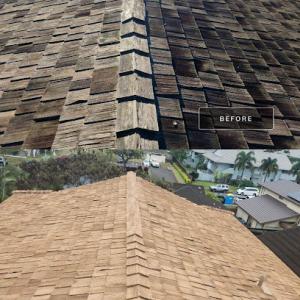
Replacing your asphalt roof costs thousands of dollars and is a disruption to your daily life. For an affordable and less invasive alternative to a roofing replacement, reach out to the experts at Roof Maxx Hawaii in Mililani, HI. This locally owned and operated roofing company offers a specialized application to prolong the lifespan of roofing systems for clients across central Oahu. Asphalt roofing becomes weathered and susceptible to leaks after years of taking a beating from Mother Nature. This trusted team uses an environmentally friendly application to restore shingle pliability, permeability, and adhesion.
Ohana Construction
(808) 999-0941 www.ohanaconstruction.com
Serving
4.8 from 157 reviews
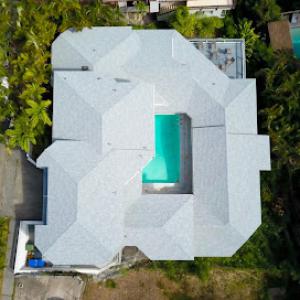
Aloha & Welcome to the Ohana, Ohana Construction is a State of Hawaii General Contractor, Roofing, Contractor, and Painting Contractor operating locally for the last 16 years with 25 years combined business experience. We put Ohana first. We pride ourselves in exceptional customer service. Everyone is treated like family and family comes first. The Ohana Mission is to provide clients an all-in-one solution for their construction needs. Help clients bring their plans and visions to fruition. We improve the lives of our clients through high level business integrity, fair practice, pricing, and continually putting the needs of others first. We pride ourselves in sustainable development practices and giving back to our community.
LeakMaster Roofing
(808) 591-1900 www.leakmaster.com
Serving
4.8 from 43 reviews
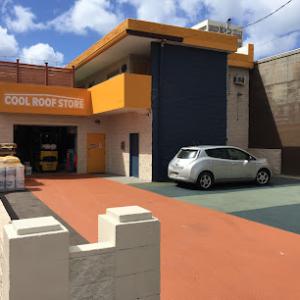
Roofing company serving Oahu since 1979. Complete services, from Roof repairs to brand new roofs for homes, residential or commercial buildings. Get Cool coatings that do exactly that - cool your house or building from the hot Hawaii sun. All Roof types served - Shingle, Metal, Flat or Monier Tile. We've done every kind, so we can do the job for yours, too. Call us today for a Free Estimate and Consultation.
Pamalu Roofing
Serving
4.9 from 27 reviews
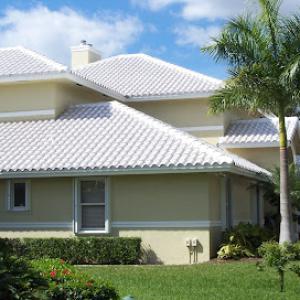
Pamalu Roofing is a family-owned company with 45+ years of experience serving homeowners across Honolulu, Kailua, Ewa Beach, Kapolei, and Pearl City. Our licensed and insured team specializes in roof repair, roof replacement, re-roofing, skylight installation, and gutter services — all built to handle Hawaii’s salt air, heavy rains, and hurricane winds. Known for our expertise in finding and fixing leaks the first time, we’re also trusted to guide Oahu homeowners through the insurance claim process after storm or wind damage. Whether you need a small roof repair or a full replacement, you can count on Pamalu Roofing for quality, reliability, and local care.
FBC Roofing
(808) 236-0756 www.fbc-hawaii.com
Serving
4.7 from 150 reviews
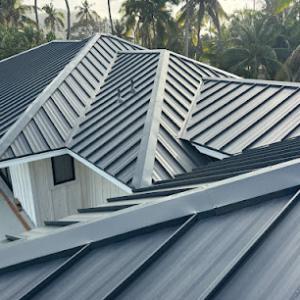
FBC Roofing, based at 3050 Ualena Street Unit D in Honolulu, is your premier roofing contractor providing top-notch roofing services across the Hawaiian Islands since 2009. Specializing in roof repair, roof replacement, and new roof installation, we cater to both residential and new-build projects. Our expertise includes metal roofing, shingle roofing, and asphalt roofing, ensuring durable and leak-proof solutions. With GAF Master Elite certification, we guarantee premium materials and reliable workmanship. We also offer gutter installation and repair services. Schedule a free roof inspection now—call (808) 236-0756, and let us safeguard your home today!

MRC Roofing
(808) 842-4464 mrcroofinghawaii.com
Serving
4.8 from 65 reviews
MRC Roofing is a trusted, locally owned roofing company serving Hawaii’s residential, commercial, and industrial sectors with expert roofing solutions. Specializing in roof installation, repairs, maintenance, and inspections, MRC Roofing provides durable and reliable roofing systems tailored to the unique demands of Hawaii’s tropical climate. Whether it’s installing new roofs, repairing leaks, or providing regular maintenance, their team of skilled professionals ensures top-quality results using the best materials and industry practices. With years of experience, MRC Roofing is adept at handling various roofing types, including asphalt shingles, metal roofs, tile roofing, and flat roofs. They also offer solar-ready roofing systems and en...
R & C Roofing Contractors
(808) 888-2524 roofinspectionhawaii.com
Serving
4.8 from 33 reviews
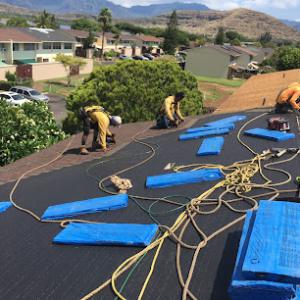
As with most everything in life, every roofing project comes with its challenges. Whether it be estimating, insurance coverage, material cost and safety to weather, manpower and transportation. Each roof is special in many ways. We at R&C Roofing Contractors embrace these challenges and like to see the beauty that presents itself along the way. R&C Roofing Contractors & Installation professionals have over 50 years of combined roofing experience we are capable of installing most any product you choose. We will walk you through the different manufacturers & the various products they offer to find the roofing product that best meets the needs of your home or business. Call us, we service the islands of Oahu, Maui, Molokai, Kauai and Hawaii
On Top Roofing
(808) 744-7144 www.ontoproofinghawaii.com
Serving
4.9 from 10 reviews
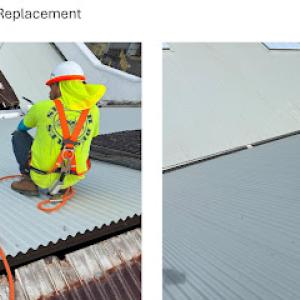
On Top Roofing is a proven industry leader in the residential and commercial roof replacement marketplace, utilizing the best products, offering excellent customer service, and providing top-quality craftsmanship. From the first contact to the final walk-through inspection, our local, experienced team will guide you through the whole process of finding the right solution that fits your budget and needs, even assisting through the insurance process when filing claim. With over 30 years of roofing experience, and 15+ as a company, know with confidence and be assured that you will not be disappointed and have made the right choice when selecting the top roofing company on the Island of Oahu.
Kaneohe roof replacements typically require a building permit through the City and County of Honolulu Department of Planning and Permitting rather than a separate Kaneohe city office. That means your project is bound to the same agency that handles neighboring windward communities, so understanding their expectations helps prevent delays when storms are on the horizon. The DPP expects you to submit reroof plans that clearly show the chosen roofing system, fasteners, underlayment, flashing details, and any venting or penetrations that interact with the existing structure. Having a contractor who understands local wind and moisture conditions can help ensure the plans meet the department's level of detail.
The submittal process centers on showing that the proposed roof will perform well under Kaneohe's wet, windy regime. Expect to provide structural notes if you're changing roof materials or add weight to the structure, and to include details for wind uplift resistance and flashing around chimneys, vents, skylights, and transitions to walls. The DPP will also require coordination of inspections as the project progresses. In practical terms, you'll schedule plan review, obtain plan approval, then secure a building permit before any roofing work begins. During construction, inspections verify that installed components align with the approved drawings and meet local standards for moisture management and wind resistance. Any deviations typically require corrective plans or field changes that the inspector signs off before work resumes.
A final inspection is used to confirm compliance with local requirements, including wind uplift and flashing details that are especially important in wet and windy conditions. Because Oahu's trade winds can drive moisture deeper into roof assemblies, the inspector will scrutinize how flashing is integrated at eave edges, vent seals, and transitions to gutters. Proper underlayment and installation discipline are essential to prevent water intrusion during the frequent rain events. If your roof uses a new or less common material, be prepared to demonstrate compatibility with existing deck conditions, roof-to-wall closures, and any required moisture barriers. Planning for adequate access and coordinating with any associated trades ahead of the final inspection helps ensure the permit closes smoothly and the roof protection remains robust through the next wet season.
In this windward Oahu setting, pricing should be evaluated against the provided per-square ranges for asphalt, metal, clay tile, concrete tile, wood shakes, and synthetic shingles. Kaneohe labor and logistics often reflect island market conditions, so you'll notice modest variances from mainland estimates. Material choice has an outsized cost impact here because heavier tile systems, corrosion-resistant metal options, and moisture-tolerant underlayments are often considered for windward conditions. Heavier systems may also affect roof structure, so verify that the existing framing can support the chosen option.
Costs in Kaneohe can rise when wet-season scheduling requires extra dry-in protection, return visits, or weather delays during installation. If the replacement window falls within the wet season, plan for additional crew days and potential tarping, dehumidification, and moisture control steps. Builders may charge a premium to secure consistent dry conditions for underlayment, fasteners, and flashing during periods of frequent rain. A clear schedule with contingency days helps contain the overall expense and reduces the risk of moisture-related callbacks.
Asphalt shingles are the most flexible option if budget limits are tight, with a typical range around low to mid in the local market. Metal roofing, while pricier upfront, often pays off through wind resistance and longer service life, especially when paired with corrosion-resistant coatings. Clay and concrete tiles bring excellent durability in salt-laden air but add substantial weight and could require structural assessment. Wood shakes offer a distinct aesthetic but demand higher maintenance in humid, salty conditions. Synthetic shingles present a middle path-costs sit between asphalt and metal while providing moisture-tolerant performance. Use the per-square ranges to compare not just sticker price, but expected life, maintenance needs, and installation complexity in the Kaneohe climate.
Get a clear picture of your project costs upfront - no commitment required.

When a claim is filed for wind- or rain-related roof damage, create a clear record of what was installed and how it was installed. You may be asked to document wind-rated components and proper installation as part of the claim review. Have on hand the original product specs, installation notes from the contractor, and any manufacturer literature that confirms wind resistance ratings for your roof system.
Adjusters may request photos that show vulnerable areas such as edges, hips, valleys, and flashing, as well as interior signs of water intrusion. Keep a chronological set of images from before and after the event, including close-ups of fasteners and sealants. Photos should cover both the overall roof and specific details like penetrations, vent boots, and the condition of ridge caps. Alongside visuals, provide installation details and material specifications so the adjuster can verify compatibility with the quoted repair scope.
Older homes in this area often face closer scrutiny on wind mitigation standards. Documentation of reroof dates, flashing upgrades, and manufacturer information becomes more valuable in those files. If your roof shows mixed materials or retrofits, gather notes on when each section was updated and who performed the work. Keep receipts, warranty cards, and any inspection reports that reference wind performance or uplift resistance.
Organize the documentation by event year and roof section, and maintain a simple, up-to-date log of all materials, tradespeople, and dates. If a storm-related claim involves uplift concerns, preemptively mapping areas most affected and their corresponding hardware can streamline conversations with the insurer and help prevent back-and-forth delays.
Connect with contractors who help homeowners navigate the claims process from damage assessment to final approval.
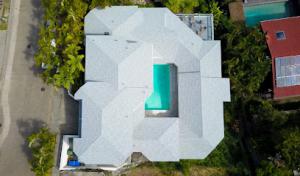
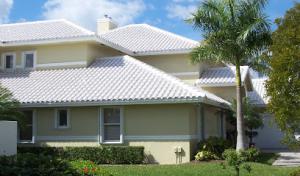
Kaneoho? (typo) The windward marine air in this area accelerates corrosion on metal components and can shorten the service life of exposed fasteners if the roof system isn't matched to coastal humidity and salt exposure. When metal trim or flashing greys, or if fasteners begin to show dark speckling, that's a sign to inspect promptly. In homes closer to Kaneohe Bay, salt-air effects on accessories and exposed metal trim tend to be more noticeable than inland properties, even on well-sealed roofs. Schedule targeted checks after storms or periods of high humidity, and watch for any rust streaks along rake details, vent collars, and seam joints.
Seasonal humidity can affect sealant performance over time, making penetrations, flashing laps, and accessory connections common maintenance checkpoints. Sealants around roof penetrations should feel pliable but not sticky; if you notice cracking, gaps, or pulled-back edges, re-sealing is warranted before leaks appear. Flashes and counterflashes deserve close inspection after heavy rains, since damp conditions can mask slow leaks. Plan sealant checks to align with the wetter months, but don't neglect the shoulder seasons when humidity can still be stubborn and crews may spot irregular shrinkage or curing unevenness.
Exposed metal trim, gutters, and mounting brackets collect salt spray and can wear faster when not properly paired with corrosion-resistant finishes. If you notice pitting, white corrosion, or loose mounting screws, address these before they worsen. Ensure accessory gaps remain correctly aligned with the roof plane and that sealant lines aren't bridged by salt crust. Regular touch-ups and timely reseals help prevent costly damage from wind-driven spray and daily humidity cycles.
Explore specialists in steel, aluminum, and standing seam metal roofs built to last 50 years or more.
Kaneohe's frequent rain and humidity make drainage reliability especially important on low-slope sections, lanais, additions, and mixed-roof homes. Look for standing water or slow-draining corners after a heavy shower. Validate that gutters and downspouts are clear, elbows are free of debris, and you have positive drainage away from walls. In areas where water lingers near flashings or transitions, plan a targeted inspection after the heaviest rains to catch early signs of ponding, algae, or mineral staining that signals deck or membrane wear.
Roof coatings are a local specialty that can extend service life on aging low-slope or weathered roof areas without immediate full replacement. For this climate, choose breathable, elastomeric or silicone-based coatings designed for high humidity and salt exposure. Address surface preparation carefully: remove moss, rinse salt spray, and fix any loose or lifted seams first. Recoat on a schedule aligned with observed wear, especially along exposed edges, seams, and parapets where heat, rain, and wind pound the surface.
On windward Oahu, low-slope work needs careful attention to ponding-prone areas, seam integrity, and transitions where heavy rain can back up at walls or penetrations. Inspect every seam, flashings, and edge detail for rounding or blistering. In transitions between roof planes, ensure a continuous, properly sealed membrane or coordinated flashing system that resists wind-driven spray. If a repair involves replacing a section, match the sealant and coating to the existing system to avoid premature failure at the joints.
Set a practical maintenance cadence that aligns with the wet season: pre-wet-season inspections, targeted repairs after heavy rain events, and a mid-season touch-up of exposed seams. Keep a proactive eye on any signs of moisture intrusion, such as discoloration on ceilings or interior wall patches, and address promptly to avoid faster deterioration in near-wall areas.
Find specialists in TPO, EPDM, and built-up flat roofing systems for residential and commercial properties.