
Last updated: Apr 19, 2026
Alexandria sits in central Louisiana, far enough inland that homeowners often see hurricane-related wind and rain without coastal storm surge, making wind-driven rain intrusion a more relevant roof issue than salt exposure. This means your roof faces repeated assault from fast-moving water and gusts, sometimes with little warning. The risk isn't just a single storm; it's the pattern of humid air colliding with heavy rain and sharp gusts that can push water under flashing, lift shingles, or force moisture into seams that already look fine from the ground. If your roof deck and underlayment aren't ready for that kind of pressure, a small leak now becomes a bigger problem after the next storm.
The city's long hot-humid season keeps roof assemblies damp for longer after storms, which accelerates deterioration of underlayment, flashing sealants, and poorly ventilated decking. When moisture lingers, organic materials in decking and roofing components don't dry out fully, inviting mold, rot, and wood-destroying pests. Sealing compounds and caulking in the valleys and around penetrations lose elasticity under humidity that never fully backs off, so tiny gaps become channels for water. This isn't a cosmetic issue; it's a structural one. If you notice persistent condensation on the attic side, higher indoor humidity, or musty smells after rain, the problem is already deeper than you think.
Poor ventilation compounds the risk. With heat and humidity pushing up from the attic, decking expands and contracts, stressing fasteners and flashings. On a roof that relies on a handful of vented soffits or insufficient ridge ventilation, you're inviting a cycle of trapped moisture and temperature swings. In practical terms, that means more frequent peeling sealant around vent pipes, quicker deterioration of asphalt shingle marrage, and accelerated granule loss on the shingle surface. You'll also see more rust on metal flashings in humid pockets, and you may notice a halo of dark staining along seams where moisture lingers longer than it should.
June through September is the key disruption window for roofing in Alexandria because frequent rain, high winds, and tropical systems can interrupt tear-off schedules and leave homes exposed if projects are poorly timed. This isn't about choosing a neat weather day; it's about anticipating back-to-back storms that can strand a job half-done and leave vulnerable underlayment or open penetrations exposed. If a tear-off stretches into late spring or slips into early fall, wind-driven rains can infiltrate the underside of shingles or underlayment, undermining the work you paid for and accelerating deterioration while you wait for the next weather window.
Persistent dampness in the attic after storms, peeling or cracking around flashings, or granule washout in gutters are red flags. You don't want to discover that a leak has migrated across rafters or into the insulation after a major event. In this climate, addressing symptoms early is the difference between a minor repair and a costly rebuild. Stay vigilant, act quickly, and align your roof's performance with the realities of wind-driven rain and relentless humidity.
In this city, fall and winter are generally the preferred reroof window because they avoid the region's peak heat and the most active summer storm period. The cooler months make it easier to manage on-site tasks that affect underlayment, flashing, and ventilation without the heat-driven fatigue that slows crews or causes material handling issues for asphalt products exposed on-site before installation. Scheduling a roof replacement in late fall through early winter also gives you a chance to have a settled roof before the next spring storms roll in. If a job has to cross into late winter, plan for mild weather days to keep the crew moving without forcing rushed decisions.
Extreme summer heat in central Louisiana can slow work even when days look calm. Asphalt products, in particular, can become sticky or soft when left exposed for too long, and heat can tire crews faster, reducing efficiency and increasing the chance of handling mistakes. For metal, composite, or tile options, heat still tests the crew's stamina and tool control, especially when cutting and fastening near edge details or long roof runs. When planning a summer reroof, build in extra time for material staging, temporary protective measures, and midday breaks. Your contractor should be prepared to shift daily targets, not abandon sections entirely, to avoid heat-induced workmanship gaps.
Occasional winter cold fronts and rain can slow projects in Alexandria, so scheduling buffers matter even outside storm season. Cold snaps complicate sealant and underlayment work, and sudden showers interrupt fastening sequences or reduce the effectiveness of flashing accessories. If a winter window is chosen, pick weeks with a forecast that favors dry days and manageable temperatures. Expect shorter daylight hours to impact crew pace, and coordinate with the crew to maximize daylight-use for critical tasks such as roof deck inspection, underlayment install, and final flashing integration.
For a smooth reroof, align the schedule so the most critical steps happen during predictable weather blocks. Start with decking inspection and any necessary repairs during a dry spell, then move to underlayment and flashing installation when humidity is manageable and heat stays moderate. Reserve the last phase for ridge vent and final detailing, preferably on days with stable temperatures and little wind. Build in a contingency window of a few days to accommodate any unplanned delays caused by a late cold front or a sudden shower. Communicate with the crew about expected daily targets and provide a clear plan for tarp management, material storage, and on-site traffic so weather does not derail the sequence.
Explain that the chosen timing takes into account humidity and wind-driven rain risks that are more pronounced here than in milder markets. Emphasize the importance of choosing a window that minimizes heat exposure for the crew and reduces the chance of on-site material exposure, which can affect asphalt products and sealants. Encourage flexibility within a defined target period to accommodate the region's interseason variability, ensuring the reroof finishes with durable detailing and a reliable weather-tight result.
Asphalt shingles are the workhorse on many homes in this region, and their familiar look makes sense in Central Louisiana's climate. The heat and humidity speed aging, so the way flashing sits around chimneys, vents, and introduces into walls matters more than elsewhere. Ensure any valley, step flashing, and wall-penetrating details are sealed with durable, weather-appropriate sealants and coordinating metal flashing. Attic ventilation is not optional: high humidity and attic heat can bake underlayment and accelerate shingle breakdown. A properly balanced soffit intake and ridge exhaust often pays off by keeping the attic cooler and lowering the likelihood of moisture-related decking issues. In areas with frequent summer storms, consider impact-resistant shingles where you expect hail or strong wind gusts, and pair them with a solid underlayment and ice/water shield at eaves and valleys to guard against wind-driven rain intrusions.
Metal roofing has grown popular because it handles heavy rain well and tends to resist wind damage when installed with the correct fasteners and detailing. In this climate, metal panels shed water quickly and tolerate humidity without warping the way some other materials can. Choose fasteners that match the panel profile and use a gasketed seal at all penetrations. Pay attention to flashing at overlaps, eaves, and transitions to the roof-to-wall junctions; wind-driven rain can exploit marginal seals, especially on roofs with complex shapes or multiple dormers. If considering metal, verify the substrate is properly braced and the underlayment is compatible with metal roofing systems, since the combination of heat and humidity can stress joints and seals differently than in cooler markets. A sealed, reflective coating can further improve performance in hot months and reduce attic heat load.
Clay and concrete tiles appear in the market, but their installation must account for structural load and wind-detailing, particularly in a region where tropical weather can trigger code-compliance scrutiny. These materials are heavier than shingles, so the roof structure needs to be evaluated for allowable span and fastener design. Wind uplift is a primary concern: tiles must be properly nailed or clipped, with battens and underlayment specified for high-wind zones. In practice, consider a roof deck capable of supporting tile weight with a redundant sealing strategy at edges and around penetrations. The reflective properties of light-colored tiles can help with cooling, but note that tile edges can be susceptible to chipping during storms; plan for protective edge flashing and secure ridge caps. Installation quality matters as much as the material itself: in this climate, a well-downrated tile that's properly sealed and vented under a robust underlayment tends to outperform a poorly installed system.
In all material choices, prioritize ventilation and moisture management, especially around attic spaces and porch roofs. Weathered flashing, improper flashing transitions, or undersized soffits contribute to humidity-driven degradation and faster aging of roof assemblies. Regardless of material, ensure a thoughtful combination of high-quality seals, compatible underlayment, and wind-aware detailing to withstand the region's heat, humidity, and storm exposure. In particular, roofs with multiple penetrations or complex geometry should receive a careful wind-detail assessment to prevent leaks that can arise only after a storm passes.
Typical Alexandria material pricing runs about 380-680 per square for asphalt shingles, 520-1000 for metal, 700-1500 for clay tile, 600-1100 for concrete tile, 500-900 for wood shingles or shakes, and 420-800 for synthetic or composite shingles. Those ranges reflect the inland Louisiana climate, where intense heat, humidity, and wet conditions stress the roof more than drier markets. When budgeting, you'll notice asphalt shingles stay the most budget-friendly option, but the cost gap tightens quickly if wind resilience and decking protection are priorities. Higher-end materials like clay or concrete tile push square-foot pricing up, especially in designs that maximize wind resistance and require stronger fasteners and underlayment. In practice, choice is often a balance between initial price and expected life under Alexandria's humidity and storm cycles.
Storm-season demand spikes can push reroof pricing and scheduling pressure higher after regional wind and hail events, even when a home did not take catastrophic damage. After a strong wind or hail period, you may see contractors with tight calendars and elevated material markups, since crews are in high demand and suppliers are scarce. If you weather a storm with minor damage, a rapid turnaround on an inspection and a prompt, transparent bid can save money in the long run by preventing moisture intrusion. Factor in that longer lead times for certain materials-especially clay or concrete tiles in preferred colors-can delay projects and raise temporary living arrangements costs.
Costs can rise locally when roof designs require stronger wind detailing, replacement of moisture-damaged decking from persistent humidity, or added ventilation corrections flagged during inspection. In flood-defense prone or high-humidity zones, decking replacement due to rot, warped boards, or mold becomes plausible. Ventilation upgrades-such as additional soffit vents, ridge vents, or powered exhaust fans-assist with moisture control but add upfront expense. If a roof requires a complete deck refresh, anticipate a significant uptick versus a simple shingle refresh. The more complex the roof geometry (multiple dormers, valleys, or high wind zones), the more labor and specialized fasteners come into play, nudging prices higher across all material types.
Start with a baseline based on your current roof category, then add a contingency for storm-season delays and decking work. Compare material options not only by sticker price per square but by wind-rated performance and underlayment quality suited for humid, hurricane-prone winds. If a bid stresses moisture mitigation or ventilation upgrades, treat those items as essential rather than optional to protect the warranty and the roof's lifespan. Finally, time your project to after major storm events when possible, but avoid waiting too long if moisture intrusion is detected.
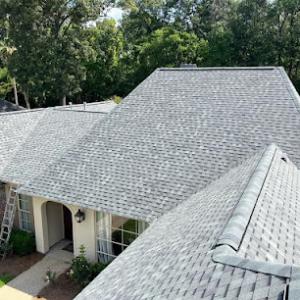
Ducote Roofing & Repair
(318) 880-6777 ducoteroofingandrepair.com
6734 N Bayou Rapides Rd, Alexandria, Louisiana
4.9 from 130 reviews
Two brothers running a local business with 4 generations of roofing experience! Ducote Roofing and Repair will stand behind their work when you need us the most. Tired of roofing companies saying they do not do repairs? With free estimates there is no reason not to call today!
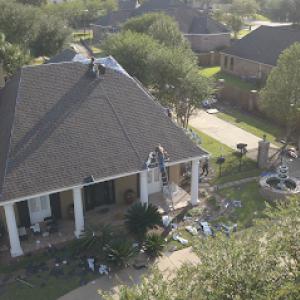
PowFord Roofing
Alexandria, Louisiana
5.0 from 6 reviews
When you contact Powford Contractors for roof installation in Louisiana, we’ll get the job done quickly and professionally. We provide accurate pricing and complete transparency. We are proud of the exceptional reputation we’ve built up among Louisiana homeowners, and we work to ensure we deliver value for everyone we do business with.
Dauzat Contractors
(318) 448-6071 www.facebook.com
5120 Leo St, Alexandria, Louisiana
3.9 from 7 reviews
We specialize in shingle, flat roofs and vinyl siding. Flat roofs included briar and TPO installation.

Edwards Roofing & Construction
(318) 201-7178 edwardsroofingla.com
Serving
5.0 from 24 reviews
Edwards Roofing & Construction is a licensed and insured roofing company based in Pineville, Louisiana, specializing in full roof replacements for both residential and commercial properties. Our experienced local crew installs and replaces all major roofing systems with a focus on quality workmanship, dependable timelines, and clean job sites. From initial inspection to final walkthrough, we deliver professional service backed by references and a proven track record. If you need a roof replacement you can trust, Edwards Roofing & Construction is ready to help protect your property with a roof built to last.
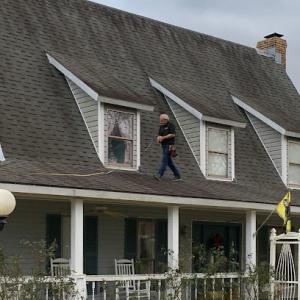
B.K. Roofing
(318) 201-9065 www.bkroofingllc.com
Serving
4.2 from 26 reviews
B.K. Roofing is a family owned and operated company that has given satisfaction to customers needing roof repairs and new roofs. We are fully licensed and insured and provide free estimates. You will find comfort in knowing we have over 15 years of experience in the roofing industry. Great customer service is provided when you work with us because we don’t disappear after the job is complete. Should you need us after the job is done, we are here to serve you. Your home is a huge investment, your biggest asset, and keeping it water tight and safe is no small matter. If you would like to talk to someone about your roofing needs, give us a call.
Jenkins Roofing
(318) 264-1102 www.jenkinsroof.com
Serving
5.0 from 5 reviews
Jenkins Roofing has been offering top-of-the-line roofing services for more than ten years. We provide roof repairs and replacements for both commercial and residential buildings. Chris Jenkins and the other experts here at Jenkins Roofing are trustworthy and reliable. We’ll finish your project as soon as we can and give you a roof of the highest quality! Our team will work on your house as if it were their own! We realize how important it is to get you going as soon as possible. We are a licensed and insured business. We are located in Deville, Louisiana, and have long provided services to Cenla’s surrounding communities. Call us today for a free estimate!
Wilkerson Roofing
Serving
5.0 from 1 review
If you in the market for a quality roof give me a call We got 25 years experience rember your roof is the main part of your home
Roofing & Restoration Services of America
Serving
1.0 from 1 review
A family-owned and BBB-accredited company with a nationwide reach, Roofing & Restoration Services of America has built up a reputation for honesty and trustworthiness that’s unparalleled in the industry. Our exterior remodeling company officially opened for business in 2010 in Texas, and now manages offices all across the nation. We specialize in best-in-class roofing, siding, and storm damage restoration for communities across all 50 states.
Aspen Contracting
(318) 716-7723 www.roofsbyaspen.com
3400 Jackson St C, Alexandria, Louisiana
1.0 from 1 review
Aspen is a nationally recognized exterior contractor, trusted to restore residential and commercial roofs, siding and gutters. Serving customers in the Columbus, Ohio area , we are committed to our mission to do the right thing, through higher standards and integrity. We carry out this mission each day by providing high quality service and following through on our commitments. We hold this dedication for our customers, insurance companies and strategic partners in manufacturing, distribution and technology. With this formula, Aspen has grown into one of the largest roofing contractors in the United States.
Vision Construction
(816) 743-4156 www.buildwithvisionllc.com
900 4th St # 400, Alexandria, Louisiana
At Vision, we believe in providing an enjoyable experience, in building trust one step at a time. We are a national storm restoration company, specializing in residential roofing. Local. Steadfast. Regional.
Roofers Alexandria, LA - Koala Roofing Company
(888) 807-0966 www.koalaroofingco.com
4501 Jackson St Suite 278, Alexandria, Louisiana
Koala Roofing is a locally owned and operated company that has been providing its clients with the best roofing services. We have never failed to serve you with unmatched quality by maintaining high working standards. We protect your homes by providing protection to your roofs. We get you covered when it comes to providing roofing services because our roofing contractors always stay a step ahead to understand your needs. When it comes to providing you with the most affordable roofing services, no other company can match the standards of Koala Roofing. Ever since the inception of our brand, we have never lowered the quality of our roofing services due to our nominal rates. Get in touch with our roofing contractors today!
A full re-roof in this city typically requires a building permit through the city's building department rather than being treated as a no-paperwork maintenance item. Skipping or rushing through the permit step can invite delays, fines, and the need to undo work if inspectors find a missing or improper element. The permit process often serves as a practical checklist, nudging you to align underlayment, ventilation, flashing, and fastener choices with local expectations before shingles ever meet the rafters. Handling the permit correctly up front reduces the risk of weather-related setbacks later in the project.
Local inspections commonly occur during and after installation, with attention to underlayment, ventilation, and flashing details rather than only the finished shingle surface. That means your project will face at least one staged check as the roof goes on, and a final walkthrough after completion. A careful inspector will look for secure underlayment seams, proper vent placement to manage humidity, and flashing around chimneys, dormers, and vent pipes that can be pressure points in hurricane-spawned winds. Plan on keeping access clear for inspectors and coordinating your contractor's schedule to accommodate these checks without rushing critical details.
Inspection timing in this area can be affected by weather delays, and certain roof materials or configurations may trigger added wind-resistance or code-compliance review. Storms, high humidity, and the Gulf-influenced climate can push back inspections or require temporary protective measures on exposed rooftops. If your roof layout involves complex valleys, multiple penetrations, or a transition between deck systems, a reviewer may request additional fastener patterns or enhanced sealing methods. Stay in close contact with the contractor and the building department so you understand what the inspector will scrutinize at each stage and how weather windows might shift the timetable.
Alexandria sits in Louisiana's high-claim insurance environment, where frequent severe storms and hail events have led carriers to tighten underwriting for roof-related risk. Because of that, your insurer will scrutinize roof condition more closely than in milder markets. Clear, organized records can make the difference between a smooth claim and a drawn-out battle that tests patience in a hot, humid season.
Homeowners in this market may be asked for more detailed roof documentation, including wind-mitigation details and clearer replacement-versus-depreciation support than in lower-risk states. Expect requests for photos that show eave edges, fasteners, and any exposed underlayment, plus notes about attic ventilation and roof-to-wall connections. Documentation should tell a consistent story: what happened, when it happened, and what was done to fix it.
Because some Louisiana carriers have limited availability for higher-risk properties, Alexandria owners need thorough photo records, dated repair history, and prompt storm documentation when roof damage occurs. Take high-resolution images before and after any work, timestamped if possible. Save vendor invoices, material specs, and contractor recommendations in a centralized folder. Maintain a simple repair log that notes what was inspected, what was found, and what actions were taken, including dates and responsables.
After a storm, walk the roof only if safe, and document any missing shingles, lifted flashing, or granule loss. If you file a claim, have a concise summary ready: date of storm, observed damage, and any temporary protections you implemented. Prompt, organized evidence helps prevent delays and reduces the risk of disputes over damage scope or depreciation in this climate.
A recurring local failure pattern is focusing on shingle replacement while leaving vulnerable flashing and moisture-stressed underlayment in place in a climate that quickly exploits those weak points. When a roof looks "fixed" after new shingles, the hidden rot and ready-to-leak spots beneath can keep deteriorating. Inspect flashing around chimneys, vents, and walls, and pull back a small section of underlayment in suspicious areas to verify its condition. If glue seams or nail heads show rust or lifting, replace the affected flashing pieces and reseal with a weather-tight method suited to the humid air.
Poor attic ventilation is a bigger long-term issue in Alexandria than in drier climates because persistent humidity can keep roof substrates damp and shorten assembly life. Ensure soffit and ridge vents are clear and balanced, with no cardboard baffles blocking airflow. In hot, humid summers, continuous moisture transfer from living spaces can condense on underside of decks and sheathing. Install or upgrade whole-house fans or vented soffits where air movement remains restricted, and consider a supplemental venting plan for attic spaces that soak up humidity.
Projects started during central Louisiana's wet summer pattern are more likely to face weather interruptions, which increases the risk of rushed dry-in work and hidden moisture problems. Plan critical stages for dry, sunny windows, and prepare temporary coverings to protect newly exposed edges during late-season showers. Use a staggered schedule that avoids full exterior work during peak storm activity to minimize moisture ingress during installation.
Addressing surface damage without verifying the substrate's condition invites future leaks. Inspect sheathing for fastener corrosion, rot, and warping after each rain event. If moisture stress is evident, replace compromised sections before shingle installation continues, and select underlayment material proven to tolerate high humidity and repeated contact with moisture.