Roofing in Louisiana
Last updated: Feb 28, 2026
Here in Louisiana, the weather writes the roof's to-do list. Torrential downpours, blazing sun, and humidity that sticks to everything year-round mean a roof here has to do more than look good—it has to perform. Add in the possibility of tropical storms and hurricanes, plus termites and moss in damp corners, and you're looking at a maintenance puzzle that's a little different from other climates. The good news is that with the right materials, careful detailing, and a steady plan, you can count on a roof that protects your home and keeps energy bills reasonable. Consider this page your neighborly checklist from a local pro who knows our conditions and our homes inside and out.
Here's what you'll find, tailored to Louisiana realities, without getting lost in jargon. You'll get a practical sense of how our climate shapes roofing material choices, from weather-resistant shingles to metal and tile options that hold up under heat and wind. You'll see how Louisiana styles influence roof design and why certain shapes drain better and shed wind more effectively. You'll get a sense of typical cost ranges and what factors push those numbers up or down, plus the permitting basics you'll likely encounter when you plan work. You'll learn about common problems specific to our area—where leaks hide, how moss and humidity can affect performance, and the best fixes—and you'll pick up maintenance routines that keep things solid through the seasons. Finally, you'll get guidance on when it makes sense to repair versus replace and how to evaluate bids, licenses, and contractor expertise so you can hire with confidence.
All of this advice is grounded in Louisiana conditions and backed by local resources, suppliers, and codes. You'll feel like you're talking with a knowledgeable neighbor who's also a professional roofer—someone who cares about your home, your budget, and your long-term peace of mind. Let's start with how our Louisiana climate shapes the choices you make for your roof, so you can plan with clarity and confidence.
Local Climate & Its Impact on Roofs
Key climate characteristics in Louisiana
- Louisiana has a hot, humid subtropical climate, especially in summer. High humidity and strong sun accelerate wear on roofing materials and can foster algae, moss, and mold growth.
- The southern portion of the state is coastal, bringing salt air and higher corrosion potential to metal components, fasteners, and flashings.
- Hurricane and tropical storm activity is a regular consideration, with peak risk during June through November. Strong winds, heavy rain, and flying debris stress roof systems.
- Heavy, localized rainfall and frequent thunderstorms can lead to flash flooding and water infiltration if drainage isn't functioning properly.
- Sea-level rise and coastal erosion affect drainage patterns, attic ventilation needs, and vulnerability of coastal homes to wind-driven water intrusion.
Effects of heat, humidity, and UV on roofs
- UV exposure and heat shorten the lifespan of many roofing materials, especially asphalt shingles, by accelerating aging, curling, and granule loss.
- Persistent humidity promotes mold, mildew, and algae, which can stain shingles and reduce their effectiveness if left unchecked.
- Wood components are at higher risk for rot and termite activity in warm, damp climates; untreated wood areas can fail faster.
- Metal roofs near the coast may resist some weather, but salt spray and high humidity can cause faster corrosion of fasteners, flashings, and exposed edges if not properly coated or chosen with corrosion-resistant materials.
Wind, storms, and structural stress
- Louisiana's gusty storms and hurricanes exert uplift forces on the roof deck and edge fasteners; improper nailing patterns or aging fasteners raise the risk of shingle blow-off or flashing failure.
- Debris impacts from high winds can puncture or loosen roofing materials; repeated events increase the likelihood of leaks.
- After severe weather, inspect flashings around chimneys, vents, skylights, and dormers; look for lifted edges, lifted tabs, or missing granules.
Rainfall, drainage, and moisture management
- Heavy rains demand effective drainage. Ensure proper roof slope, unobstructed gutters, and clear downspouts to move water away from the foundation.
- In Louisiana, a minimum slope for many shingles is around 2:12, but local installation guides and manufacturer specs should guide exact requirements.
- Attic ventilation and insulation are critical to control condensation and heat buildup, particularly in attics with limited insulation or oblique attic access.
- Flashings around chimneys, vents, and roof penetrations must be intact and sealed to prevent water intrusion during downpours.
Coastal salt exposure and corrosion
- In coastal areas, salt-laden air accelerates corrosion of metal components and fasteners. Choose corrosion-resistant materials (coated or stainless steel, aluminum) and ensure coastal roofs have appropriate coatings.
- Regular inspection for rust at metal seams, vent collars, and drip edges is wise in salt-prone zones.
- Consider longer warranties or materials designed for salt exposure if you're close to the Gulf.
Maintenance tips for Louisiana roofs
1. Schedule professional inspections at least twice a year, with extra checks after major storms or hurricane season.
2. Clean gutters and downspouts, removing leaves, branches, and debris to prevent overflow and water backing onto the roof.
3. Check attic space for moisture, adequate ventilation, and insulation; address any signs of condensation or trapped heat.
4. Inspect and reseal flashing around chimneys, vents, skylights, and wall intersections; replace damaged or corroded metal, and secure loose fasteners.
5. Choose roofing materials and colors that reflect heat and resist algae; consider algae-resistant shingles or color choices that reduce surface heat.
6. Have a licensed contractor assess wind uplift resistance, especially for roofs in exposed coastal or high-wind areas; repairs should follow local wind codes.
Warnings about local risks
- Hurricanes and tropical storms can cause rapid, severe damage; stay aware of official warnings and evacuation guidance during peak season.
- Extreme heat and climbing on roofs pose heat illness and fall risks; take precautions, stay hydrated, and use fall protection when inspecting.
- Damage may be hidden behind interior walls or in the attic; if you notice stains, musty odors, or rising insurance claims after a storm, have a professional assess promptly.
Official resources
- Weather alerts and severe-weather planning:
- General climate and weather data:
- Hurricane preparedness and response:
- Home insurance and coverage considerations for Louisiana homeowners:
Recommended Roofing Materials for Louisiana
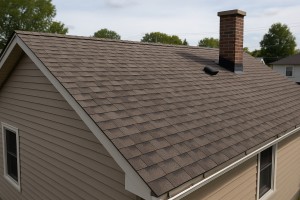
- Best value and widely available in Louisiana; easy to repair and match.
- Wind and impact performance: choose architectural shingles with UL 2218 Class 4 impact resistance and wind uplift ratings of at least 130 mph when possible; in hurricane-prone areas, plan for 6 nails per strip in high-wind zones.
- Underlayment: pair with a synthetic underlayment and a self-adhering ice/water shield at eaves, valleys, and around penetrations to combat heavy rain and humidity.
- Color and energy: lighter, reflective shingles help reduce attic temps in the hot months.
- Pros: affordable upfront cost, wide selection, straightforward installation and repair.
- Cons: typically shorter lifespan than metal or tile; hail can cause cosmetic damage; performance depends on proper installation.
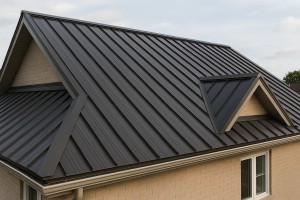
- Materials: steel or aluminum, with standing-seam or concealed-fastener systems.
- Pros: superior wind uplift resistance (often 140–160 mph), excellent hail resistance, long life (40–70+ years), high fire resistance, and good coastal performance with corrosion-resistant coatings.
- Cons: higher upfront cost; noise can be an issue without adequate attic insulation; color fading if not UV-stable.
- Installation tips: choose coastal-grade coatings (Galvalume or aluminum-zinc), ensure proper fastening and sealing, and consider standing-seam for the best wind performance.
- Best for: homes in storm-prone or coastal areas and homeowners prioritizing longevity and low maintenance.
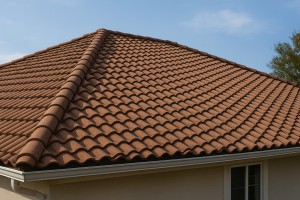
- Pros: excellent fire resistance, good thermal mass, long lifespan, can be highly reflective with light colors.
- Cons: heavy; requires structural assessment and possible reinforcement; wind uplift risk if not properly installed; higher upfront cost.
- Installation notes: use corrosion-resistant fasteners and hurricane clips; ensure roof deck can support weight; opt for lighter-colored tiles to reduce heat absorption.
- Best for: homes with strong framing and a desire for a durable, long-lived roof that handles heat well.
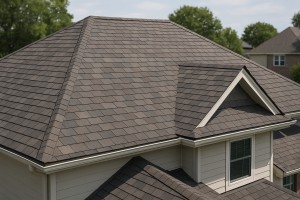
- Pros: durable in hail-prone conditions, lightweight, varied textures mimicking wood or slate, resistant to rot and mold in humid climates.
- Cons: variable warranties and performance; some products may fade with sun exposure; higher upfront cost than basic asphalt.
- Recommendations: look for Class A fire rating and UL 2218 Class 4 impact rating, plus solid manufacturer warranties and a local installer with experience in hurricane zones.
- Best for: homeowners wanting the look of higher-end materials with better hail resistance and moisture durability.
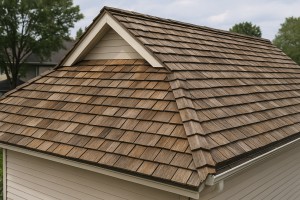
- Not typically recommended for Louisiana's humidity, termites, and rot risk.
- If chosen: use pressure-treated, fire-retardant finishes, durable fasteners, and rigorous moisture management; maintenance is high.
- Alternatives: consider wood-look polymer or fiber-cement options if you want the aesthetic with better humidity performance.
Flat Roof Options (TPO/PVC)
- Pros: excellent reflectivity and energy savings on low-slope roofs; durable, heat-welded seams.
- Cons: installation requires skilled contractors; repairs can be more complex and costly; may not be suitable for all home designs.
- Best use: sections of homes with flat or low-slope roofs, additions, or modern architectural styles.
- Tips: ensure proper insulation and ventilation, and verify UV stability of materials for Louisiana sun exposure.
Quick decision steps for Louisiana homeowners
1. Check wind-mitigation requirements and local codes; ensure your chosen material has appropriate wind uplift and fire ratings.
2. Assess roof structure for weight and any needed reinforcements (tile and concrete are heavy; asphalt and metal are lighter).
3. Prioritize color and reflective properties to reduce attic heat and humidity load.
4. Hire a local, insured contractor with hurricane installation experience and proper underlayment knowledge.
Popular Roof Styles & Architectural Trends in Louisiana
Climate-driven design priorities
Louisiana's hot, humid climate and frequent storms push designers toward roof lines that shed wind, manage heat, and handle heavy rainfall. Key priorities include wind uplift resistance, solid deck-to-joist connections, adequate attic ventilation, and durable underlayment. In coastal areas, rapid storm damage response and erosion-resistant fasteners matter too. A well-ventilated attic and a reflective or light-colored finish can noticeably cut cooling costs.
Popular roof styles in Louisiana
- Hip roofs
- The workhorse of Gulf Coast homes. A hip roof slopes down on all four sides, offering better wind resistance and a lower uplift profile than many gable designs. Common on traditional Louisiana cottages and Creole-style homes, they pair nicely with ornate cornices and dormers.
- Spanish/Mission tile (clay or concrete)
- A classic look that stands up to heat and sun when properly installed. Tile roofs shed rain well and can be highly durable, but they're heavier and require a reinforced structure and solid underlayment. They're popular on Mediterranean-inspired homes and upscale neighborhoods.
- Metal roofs (standing seam or corrugated)
- Growing in popularity for weather resilience and longevity. Metal roofs shed wind efficiently, resist fire, and reflect heat well when rated for reflective finishes. They're a practical choice for coastal or rural Louisiana homes and can mimic traditional aesthetics with the right profile.
- Asphalt architectural shingles
- The everyday workhorse for Louisiana homeowners. High-wind-rated shingles with Class A fire resistance and impact resistance (Class 4) offer solid performance at a reasonable price. They're versatile for many roof shapes, including gables and modified hip designs.
- Gable roofs
- Still common in certain neighborhoods, especially where a modern or cottage look is desired. When well-ventilated and tied into an effective wind-rated system, gable roofs can perform well, but wind uplift on exposed edges requires careful detailing and bracing.
- French Creole and other regional silhouettes
- You'll see low-slope or hip configurations paired with wide eaves to shade interiors. These designs emphasize rhythm, porches, and shade—so roofing materials often balance aesthetics with durability under heavy humidity and storms.
- Slate and synthetic slate
- High-end projects in historic districts or renovations. Real slate is long-lasting but heavy and costly; synthetic options offer similar aesthetics with lighter weight and easier installation, which helps if the structure isn't reinforced for heavy tiles.
Materials and finishes trending in Louisiana
- Metal roofing
- Stand seam and stamped profiles; engineered for wind uplift and long service life. Excellent for solar integration and modern curb appeal.
- Clay and concrete tile
- Desired for Mediterranean or Southern undertones; requires a strong deck and proper underlayment, but very durable in heat and sun.
- Asphalt shingles (architectural / impact-rated)
- Combines affordability with strong performance in wind and rain; look for products labeled for high-wind zones and Class 4 impact resistance.
- Slate and synthetic alternatives
- Used where a premium feel is needed with lighter weight and easier installation in renovations.
- Solar-ready and cool-roof finishes
- Reflective coatings and lighter colors reduce heat gain; many new installs plan for solar compatibility from the start.
Color and heat management
- Light and medium hues reflect more solar energy, keeping attic temperatures lower and reducing cooling loads.
- Reflective or cool-roof coatings can extend the life of shingles or tiles by reducing thermal cycling.
- Edge detailing and fascia color can accent architectural lines while maintaining heat-reflective benefits.
Maintenance considerations for Louisiana roofs
- Algae and mold growth on south-facing slopes thrive in humidity; choose anti-microbial shingles and clean gutters regularly.
- Storm debris and wind-driven grit call for more frequent inspections after major storms.
- Regular attic ventilation and moisture barriers prevent condensation and rot in humid climates.
- Gutter performance matters; ensure adequate downspouts and no-blockage clearance to handle heavy rain.
Practical steps for choosing a Louisiana roof
1. Assess wind resistance and hurricane-rated requirements for your area.
2. Match roof style to home design (hip and tile for traditional Creole or Mediterranean looks; standing seam for modern coastal homes).
3. Select a material that meets local codes, weight constraints, and budget (metal, tile, or architectural shingles).
4. Verify underlayment, ventilation, and deck condition; plan for proper flashing at walls, chimneys, and dormers.
5. Hire a licensed contractor with hurricane-repair experience and ask for local references and wind-age data.
Average Roofing Costs in Louisiana
Asphalt Shingle Costs in Louisiana
- Basic 3-tab asphalt shingles: roughly $3.50–$5.50 per sq ft installed.
- Architectural (laminated) asphalt shingles: about $4.50–$7.50 per sq ft installed.
- With underlayment, ventilation upgrades, and disposal on a typical re-roof, add $0.50–$1.50 per sq ft.
- Per roofing square (100 sq ft): roughly $350–$550 for basic, $450–$750 for architectural.
- Local factors: Louisiana's heat, humidity, and hurricane codes can push up materials and labor costs slightly, especially if upgraded underlayment or impact-resistant shingles are chosen.
- Steel or aluminum panel systems: generally $6–$12 per sq ft installed.
- Standing-seam metal: commonly $8–$16 per sq ft installed (depending on coating, gauge, and complexity).
- Per square (100 sq ft): about $600–$1,200 for standard panels; $800–$1,600 for standing-seam with premium finishes.
- Local considerations: metal roofs stand up well to high winds and heavy rains, but require precise flashing and possibly structural checks in older homes. Color and coating choices can affect both cost and performance in the Louisiana sun.
Tile and Concrete Tile Costs
- Concrete tile: about $8–$12 per sq ft installed.
- Clay/terracotta tile: roughly $9–$15 per sq ft installed.
- Per square: roughly $800–$1,200 (concrete) or $900–$1,500+ (clay).
- Local considerations: tile adds substantial weight and may require structural reinforcement; coastal homes may need extra attention to wind-rated installation and proper waterproofing at hips, valleys, and penetrations.
Flat Roof Costs in Louisiana (EPDM, TPO, Modified Bitumen)
- EPDM: typically $5–$8 per sq ft installed.
- TPO: about $6–$9 per sq ft installed.
- Modified bitumen: around $5–$9 per sq ft installed.
- Per square: roughly $500–$800 (EPDM), $600–$900 (TPO).
- Local considerations: flat or low-slope roofs are common on additions and commercial properties; Louisiana's heat can shorten membrane life if not properly insulated and ventilated.
Other Local Cost Factors
- Old roof tear-off and disposal: roughly $1–$4 per sq ft, depending on material and complexity.
- Deck repair or replacement, ventilation upgrades, and additional flashing: $0.50–$1.50 per sq ft added on top of the base material cost.
- Wind mitigation improvements: upgrading fasteners, nailing patterns, and underlayment can add upfront cost but may yield insurance credits later.
Regional Variations Within Louisiana
- Coastal parishes (New Orleans, Lake Charles, Houma) often see higher labor costs and stricter wind/impact requirements; material choices may lean toward higher wind-rated options.
- Inland areas (Baton Rouge, Lafayette, Shreveport) tend to follow national ranges more closely, with variations tied to local labor markets and permit fees.
- Accessibility and debris cleanup can also influence pricing in heavily wooded or flood-prone regions.
Quick Estimation Steps
1. Determine your roof size in squares (1 square = 100 sq ft).
2. Pick a material and elevation (3-tab, architectural, metal, tile, or flat).
3. Add removal, disposal, and any underlayment or venting upgrades.
4. Get 3 local quotes that itemize material, labor, removal, and permit fees.
Insurance, Permits, and Wind Considerations
- Permits: costs vary by city and parish; plan for a few hundred dollars in many Louisiana locales.
- Wind mitigation: newer, more wind-resistant systems can reduce insurance premiums; factor potential credits into your cost–benefit analysis.
- Local codes: hurricane-resistant details (straps, clips, better underlayment) may increase upfront costs but improve durability in Louisiana's storm season.
Permits & Local Regulations
Do I need a permit for roof work in Louisiana?
In Louisiana, permit requirements are set by your parish or city. Most roof replacements require a permit, especially if the work involves removing and reinstalling shingles, changing ventilation, or touching structural elements like rafters or decking. Some smaller towns may have lighter rules or rely on inspections at completion; others require a formal permit for nearly any roofing project. Always check before you start.
How to verify permit requirements
- Identify your jurisdiction: parish/county and city or town. Rules vary widely.
- Contact your local building department (often called the parish or municipal or building permits office) or visit their website to confirm whether roofing work needs a permit.
- Ask about required documentation: scope of work, roof square footage, existing conditions, plans if you're adding skylights or vents.
- Confirm who pulls the permit: the contractor can pull it, but if you're doing the work yourself, you may need to apply personally.
- Inquire about fees, permit duration, and required inspections (progress and final).
Permitting process (typical Louisiana workflow)
1. Gather information: address, contractor details, scope of work, any structural changes, and access to the attic/roof.
2. Submit the permit application and drawings or a clear description of the project.
3. Pay the permit fee and wait for plan review and approval from the local authority.
4. Schedule required inspections (often after tear-off and after installation, and a final inspection).
5. Pass all inspections to obtain permit closure and final approval.
- Note: Some jurisdictions offer a rough inspection during major steps, while others rely on a single final inspection. Your local office will confirm.
Licensing, contractor rules, and protection
- Licensing: Roofing contractors in Louisiana are regulated by the Louisiana State Licensing Board for Contractors (LSLBC). Ensure any roofer you hire holds a valid license for roofing work and operates within the permitted scope.
- Insurance: Verify that the contractor carries general liability insurance and workers' compensation coverage. Ask for certificates of insurance and keep copies.
- Owner-occupied DIY caveat: If you're performing the work yourself, you may still need to follow permit rules, inspections, and safety standards. Some jurisdictions restrict or require supervision for certain structural work done by non-licensees.
- Written contract: Always use a detailed contract outlining scope, materials, timeline, permit responsibilities, and who pulls the permit.
Practical tips to avoid permit headaches
- Plan ahead: identify the exact permit type, required documents, and inspection sequence early in the project.
- Don't start before you have approval: starting work without a required permit can trigger fines or needing to undo work.
- Use a licensed local roofer: they'll typically manage permit submission and scheduling inspections, reducing delays.
- Keep all paperwork accessible: permit copies, inspection records, receipts, and lien waivers.
- Be prepared for weather delays: Louisiana's climate can affect scheduling inspections; have buffer time in your plan.
Common questions home owners ask
- If a contractor pulls the permit, do I still need to be involved? Yes—you'll want to review the permit plan, verify scope, and be present for inspections when possible.
- Can I add skylights or vents later without a new permit? Likely not; major changes typically require updated permits and inspections. Check with your local authority.
- What are typical inspection points for a roof replacement? Common stages include roof tear-off/underlayment, final installation, and overall final inspection. Your jurisdiction will specify the exact sequence.
Quick checklist
- [ ] Confirm permit requirement with local building department
- [ ] Verify contractor license status (LSLBC)
- [ ] Obtain and review written contract
- [ ] Ensure proper insurance certificates
- [ ] Prepare for inspections and keep records
- [ ] Schedule and pass all inspections to close the permit
Common Roofing Problems in Louisiana & Solutions
Hail and High-Wind Damage
Louisiana storms bring hard hail and strong winds that can quietly compromise your roof. Shingle edges can lift, granules may wash away, and flashing around chimneys or vents can bend or crack.
- What to look for:
- Missing, cracked, or cupped shingles
- Exposed underlayment or tar around flashings
- Dented gutters or downspouts; granule buildup on the ground
- Solutions:
- Schedule a professional roof inspection after storms.
- Replace damaged shingles and reseal or replace compromised flashing; ensure valley flashing is solid.
- Consider wind-rated shingles and upgraded underlayment for future storms.
Leaks & Flashing Failures
Leaks often start around flashing, chimneys, dormers, or where roof planes meet walls. In humid Louisiana, prolonged moisture accelerates deterioration.
- What to look for:
- Water stains on ceilings or walls, especially near unions
- Rusted or cracked flashing; dark spots at joints
- Soft or sagging roof deck in affected areas
- Solutions:
- Have a roofer reflash with metal and seal joints properly.
- Replace damaged sections and reseal seams around chimneys, vents, and valleys.
- Improve attic ventilation to reduce condensation and protect flashing from moisture buildup.
Algae, Moss, and Staining
The humid climate supports algae growth and staining on asphalt shingles, often appearing as black streaks or greenish patches.
- What to look for:
- Dark streaks or blotches on roof surfaces
- Sticky or slippery shingles during cleaning attempts
- Solutions:
- Install algae-resistant shingles or add zinc/copper strips near the roof ridge.
- Use manufacturer-approved cleaners and a non-pressure wash approach to avoid granule loss.
- Improve drainage and ensure proper ventilation to slow regrowth.
Ventilation, Condensation, and Heat Buildup
Heat and humidity in attics can cause condensation, mold, and faster shingle deterioration if ventilation is poor.
- What to look for:
- Hot attic temperatures, musty smells, or visible mold in the attic
- Uneven attic insulation or blocked soffit vents
- Solutions:
- Add or upgrade soffit and ridge vents for balanced airflow.
- Ensure bathroom/kitchen fans vent to the exterior and not into the attic.
- Seal gaps around access points and improve insulation to control temperature and moisture.
Wood Rot, Termites, and Pests
Moisture-loving fungi and termites thrive in Louisiana, risking fascia, decking, and structural sheathing.
- What to look for:
- Soft, crumbly fascia boards or visible rot at eaves
- Here and there signs of termite activity around the roofline
- Solutions:
- Treat for termites and replace damaged wood with pressure-treated or rot-resistant materials.
- Apply fungicidal treatment to affected wood and ensure proper drainage away from the house.
- Seal gaps to reduce pest entry and moisture intrusion.
Gutter, Fascia, and Drainage Issues
Clogged gutters and sagging fascia lead to water backing up onto the roof and toward the decking.
- What to look for:
- Sagging or loose fascia boards; gutters pulling away from the roofline
- Standing water on roof edges after rains
- Solutions:
- Clean gutters and downspouts regularly; install guards to reduce debris.
- Repair or replace damaged fascia; reseal and repaint as needed.
- Redirect downspouts away from the foundation and roof edges.
Hurricane Season Prep & Material Choices
Louisiana's hurricane season demands durable materials and proper installation.
- What to consider:
- Look for UL 2218 Class 3 or 4 impact-resistant shingles or metal roofing
- Use hurricane-rated fasteners and proper nailing patterns per code
- Solutions:
- Work with a local, licensed roofer who understands wind zones and coastal climate.
- Schedule proactive maintenance: inspection, minor repairs, and gutter health checks before hurricane season.
Maintenance & Repair Tips for Louisiana
Regular inspections and post-storm checks
- Schedule quarterly roof inspections, focusing on high-wear edges, flashing, and penetrations.
- After any major storm or hurricane, conduct a careful check for lifted shingles, loose flashing, dented metal, torn underlayment, and pooled water on the decking.
- Do not climb a wet or steep roof. Use binoculars from the ground or hire a professional for unsafe areas.
- Look in the attic for signs of moisture: dark stains, moldy odor, or damp insulation. These indicate leaks or poor ventilation.
Gutter maintenance and drainage care
- Clear leaves, twigs, and debris at least twice a year, especially after fall and spring storms.
- Ensure gutters are properly pitched to direct water toward downspouts; fix sagging sections promptly.
- Downspouts should extend 5–6 feet away from the foundation (or as code permits) to prevent water intrusion into crawlspaces or basements.
- Check for rust, loose hangers, and separated joints; reseal seams with compatible sealant.
Humidity, algae prevention, and solar exposure
- Louisiana's humidity fosters algae, moss, and staining on some roof types. Use non-corrosive cleaners or roof cleaners designed for the material, following label directions.
- Install zinc or copper strips along the ridge to inhibit algae and moss growth; they're a low-profile preventive measure.
- Keep nearby trees trimmed so leaves don't accumulate on roof valleys and gutters.
Ventilation and insulation for heat management
- Ensure attic ventilation is balanced: adequate intake (soffit) and exhaust (ridge or roof vents) reduces heat buildup and moisture.
- Add or upgrade insulation in the attic to minimize heat transfer into living spaces and reduce condensation risk. Consider radiant barriers or reflective insulation for especially hot seasons.
- Check for blocked soffits or damaged insulation baffles; clear obstructions to maintain airflow.
Leak detection and quick repair steps
- If you suspect a leak, locate the source from the attic side first, then verify on the exterior by looking for flashing or shingle issues.
- Temporary repair steps (until a pro can finalize the fix):
1) Clean the area around the leak and dry it thoroughly.
2) Apply a liberal bead of asphalt-based roofing cement under any loose shingles and press them back down.
3) Patch small holes or cracks with compatible roofing cement or sealant; for larger gaps, install a new patch or a replacement shingle.
4) Reseal flashing around penetrations (vents, chimneys, skylights) with compatible sealant; ensure a watertight joint.
- For flashing failures, reseal and re-nail with corrosion-resistant nails; ensure step flashing details are properly integrated with the counterflashing.
Flashing, penetrations, and perimeter protection
- Inspect chimney, vent, and skylight flashing for gaps, rust, or lifted metal. Re-secure and reseal as needed.
- Check pipe collars and boot flashing for deterioration; replace weathered boots to stop leaks at penetrations.
- Examine roof-to-wall intersections and fascia boards for rot or insect damage; repair or replace damaged framing as soon as possible.
Material-specific maintenance tips
- Asphalt shingles: avoid stepping on the most vulnerable areas; replace damaged shingles one by one with compatible tabs; never remove nails completely—seal or reseat with new nails.
- Metal roofs: inspect seams and fasteners for looseness and corrosion, especially near the coast. Tighten screws and reseal seams with metal-friendly sealant.
- Tile roofs: replace cracked or broken tiles promptly; ensure underlayment remains intact; inspect for loose tiles after heavy winds.
Pest and wood-damage prevention
- Look for termites, carpenter ants, or wood rot at eaves, fascia, and rafter tails. Treat and repair any infestation signs; maintain a clearance between wood and soil to reduce termite access.
- Keep organic debris away from the roof edge and maintain proper drainage to prevent standing moisture near wood components.
Hurricane season readiness and after-action checks
- Pre-season: secure loose shingles, clean valleys, verify flashing is solid, and ensure gutters and downspouts are clear.
- During a storm: pause outdoor work; if safe, inspect for obvious damage after it passes and before resuming normal use.
- Post-storm: document damage with photos, cover exposed areas with tarps if safe, and schedule a professional assessment as soon as feasible to prevent further interior damage.
When to Repair vs. Replace
Quick assessment for Louisiana homes
Louisiana's heat, humidity, heavy rain, and hurricane risk accelerate roof wear. Start by checking for:
- Missing, curled, or buckled shingles
- Visible granule loss in gutters or yard debris
- Leaks in the attic or ceiling after rain
- Soft spots or sagging in the roof deck (accessible from the attic)
- Mold or mildew growth in the attic from moisture
- Rust or corrosion on metal flashing or components near-coastlines
If you spot widespread curling, many leaks, or soft decking, replacement is more likely the smarter move. Local storms can turn small issues into bigger problems fast.
When to Repair
- Damage is localized: one area, a handful of shingles, or a small flashing leak.
- Roof age is under 15–20 years for asphalt, with otherwise solid decking and ventilation.
- Only minor flashing, sealant cracks around penetrations, or vent/valve leaks are involved.
- There's no widespread water intrusion or deck deterioration.
- You're aiming to stretch a budget or buy time until the next favorable weather window.
- Recent storm damage was isolated and can be addressed without removing substantial sections of decking.
What to repair (typical fixes):
- Missing or broken shingles in a couple of bays
- Leaks around vents, chimneys, or valley flashing with proper sealing
- Cracked or aged boot/flashing around penetrations
- Minor sagging or misalignment of flashing that doesn't expose the deck
- Localized duct or attic vent condensation issues corrected with ventilation tweaks
When to Replace
- Widespread damage across multiple bays or the entire roof
- More than 20–25% of shingles show aging, curling, cracking, or granule loss
- Roof age exceeds 20–25 years for asphalt in Louisiana's heat and sun
- Deck exposure, soft spots, or mold growth indicate structural concern
- Recurrent leaks persist after multiple repairs or under incomplete decking repair
- Severe wind or hail damage from recent storms, with prior repairs not fully addressing it
- Upgrading to higher-performance materials (impact-resistant shingles, metal, or cool-roof options) is desired or recommended
Notes:
- In hurricane-prone areas, replacing can be more cost-effective long-term than repeated repairs, especially if the current roof has sustained repeated storm damage.
- If you're coastal or near salt spray, consider corrosion-resistant flashing and fasteners; replacement gives a chance to upgrade materials.
Louisiana-specific considerations
- Storm season timing: June through November can dictate the repair window and insurance interactions; plan on professional access when weather permits.
- Climate impact: heat and humidity shorten shingle life and accelerate deterioration; proper attic ventilation and insulation are crucial, whether you repair or replace.
- Coastal exposure: salt air can accelerate metal flashing corrosion and fastener wear; choose materials rated for marine environments.
- Insurance and warranties: verify coverage for storm damage and understand how repairs vs. replacement affect warranties and claim eligibility.
Practical decision steps
1. Inspect the roof surface and attic with a professional if possible; document damage and age.
2. Compare repair costs vs. replacement costs for the affected area and total roof area.
3. Check shingle and labor warranties; confirm whether damage qualifies under your policy or warranty.
4. Obtain two or three written estimates from licensed Louisiana roofers, including material options.
5. Choose the option that best balances safety, longevity, and long-term cost, considering Louisiana's climate and storm risks.
When to Hire a Professional
- Active leaks during rain, sagging roof deck, cracked flashing, missing shingles, or fallen debris require a pro right away.
- Do not climb onto a damaged roof; roof work is hazardous and could worsen damage or cause injury.
Post-storm and hurricane season (Louisiana-specific)
- Louisiana storms, especially during hurricane season (June through November), can damage roofs gradually or leave hidden issues. If you've endured a strong wind or hail event, call a professional for a thorough inspection—even if you don't see obvious damage.
- After a storm, you may have wind-damaged underlayment, lifted shingles, or gutter issues that compromise drainage. A pro can assess structural integrity and water intrusion risks.
Age and wear indicators
- Asphalt shingles: signs often appear around 15–20 years, including curling edges, widespread granule loss, or bald spots.
- Metal roofs: typically long-lasting (often 40–70 years) but may show corrosion, loose fasteners, or panel separation with age.
- Other red flags: persistent attic moisture, mold or mildew growth on decking, or exposed roof deck boards inside the attic.
When insurance claims might be involved
- If you suspect hail or wind damage, a professional assessment is valuable for documenting evidence for an insurer claim.
- Professionals can help with a written report of damages, photos, and a scope of repair that aligns with your insurance estimate.
How to evaluate a roofing contractor (Louisiana-focused)
- Licensing and insurance
- Verify the contractor is properly licensed with Louisiana authorities (Louisiana State Licensing Board for Contractors) and in good standing.
- Ensure they carry general liability and workers' compensation insurance. Request a current certificate of insurance and confirm coverage directly with the insurer.
- Local presence and references
- Prefer locally based companies with a Louisiana address and recent local projects.
- Ask for at least 3 local references and follow up to confirm workmanship and reliability.
- Be cautious of storm chasers or door-to-door offers—local, established businesses tend to provide stronger accountability.
- Experience with Louisiana weather and codes
- Inquire about exposure to our wind-driven storms, hail, and humid conditions.
- Ask whether they use wind-rated underlayment and shingles suitable for Louisiana's climate; confirm they understand local permit and inspection requirements.
- Written estimates and contract specifics
- Obtain detailed, written bids that specify scope, materials, colors, labor items, project timeline, cleanup, and permit handling.
- Check warranty details: manufacturer warranties for materials and a workmanship warranty from the contractor; ask about transferability.
- Read the payment schedule carefully; avoid paying most of the cost upfront and request lien waivers upon payment.
- Permits, inspections, and warranties
- Confirm they will pull the necessary permits and coordinate city/county inspections.
- Ensure a clear plan for post-install inspections to verify code compliance and warranty eligibility.
Steps to hire (clear, actionable)
1) Gather at least 3 written estimates with scope and materials.
2) Verify licensing on the Louisiana licensing board and confirm active status.
3) Check insurance certificates (general liability and workers' comp) and contact the insurers if needed.
4) Review references and confirm local, hurricane-experience familiarity.
5) Ensure permits are included and a detailed contract with warranties is provided.
6) Sign and set expectations for communication, payment, and project milestones.
What to do while waiting for a pro
- If you have leaks, place buckets to catch water and protect interiors; avoid walking on a damp, slippery roof.
- Do not attempt major repairs yourself; temporary tarping should be performed by a licensed professional to prevent additional damage or injury.
- Keep a log of weather events, damage photos, and any insurance communications to support your claim and repair plan.
Putting A Lid On It: Roof Maintenance, Repair, and Replacement in Louisiana
Louisiana's climate is a test for any roof. The heat and humidity accelerate wear, while sudden downpours and hurricane winds bring intermittent stress. Regular maintenance isn't just about aesthetics—it's your first line of defense against leaks, mold, and energy waste. A simple routine of inspections, clearing debris, and timely repairs keeps your home safer, drier, and more comfortable through hot summers and stormy seasons.
Because moisture and wind travel together here, even small issues can grow quickly. Damaged flashing, lifted shingles, or clogged gutters can become bigger problems after a heavy rain. A practical maintenance plan—check after storms, do a quick quarterly walk around the roof, and address small problems before they become costly repairs—pays off in reliability and peace of mind.
Seasonal maintenance at a glance:
- Spring: after winter storms, inspect for wind damage; clean gutters; trim overhanging branches; inspect vents and flashing.
- Summer: ensure attic ventilation and insulation are performing; look for curling shingles and loose flashing; remove debris from vents and valleys.
- Fall: inspect for storm or wind damage; secure loose shingles; clear gutters in preparation for heavier rains; reseal penetrations as needed.
- Winter: even in milder spells, watch for leaks after cold snaps; keep attic well ventilated to prevent condensation; schedule a professional inspection if leaks or visible damage appear after storms.
Know when to call a pro:
- Large leaks or active drips; sagging roof sections; widespread shingle loss or damaged flashing.
- Signs of structural rot in the decking or significant mold in the attic.
- Repeated repairs without a long-term fix, or when you're considering a full replacement or major overhaul.
- Any work that involves ventilation, decking, or complex roof geometry—leave it to a licensed roofer.
A quick guide to materials and longevity in Louisiana:
- Asphalt shingles: typically 15-30 years; wind-rated options perform better in exposed coastal areas.
- Metal roofs: 40-70 years; excellent wind resistance and reflective coatings can improve energy efficiency.
- Clay or concrete tiles: 50+ years; heavy and require a solid deck but offer strong, long-lasting performance.
- Wood shakes/shingles: 20-40 years; high maintenance and moisture sensitivity; less common in newer builds but still used in some homes.
You're not alone in this. Your neighborhood, local contractors, and suppliers understand Louisiana weather and your home's needs. With a simple plan, regular checks, and timely professional guidance, you can enjoy a roof that looks good, protects your family, and lasts for many seasons to come. Here's to many years of shelter, comfort, and pride in your Louisiana home.
